Public Steam disclosure research27,951 disclosures tracked
Where do games disclose AI use?
Search developers’ Steam disclosures, compare classified AI use across
games, and follow recorded changes.
This index adds cross-game classifications and statistics to
statements published on individual store pages.
Groups reflect automatic analysis of public disclosures; mature records are excluded. These counts do not measure AI use across all of Steam.
Missing or unclear statements cannot establish whether a game uses AI.
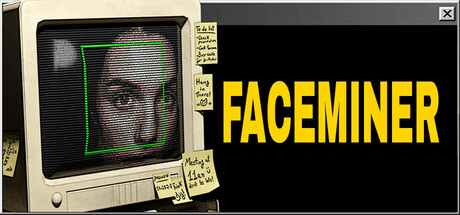
FACEMINER is a concept-driven game that directly engages with the ethics of AI. For thematic purposes, the game features faces which have been generated by a GAN (Generative Adversarial Network) trained on the FFHQ dataset, a research dataset released by NVIDIA that is the backbone of many real-world facial recognition applications. Per NVIDIA, only images under permissive licenses were collected.
The 'AI training' in this game is fictional and has been simulated for entertainment purposes. The game can be interpreted as a critique of AI specifically relating to the ecological impact of mass data hoarding, surveillance concerns, and way it is used to compound corporate power.
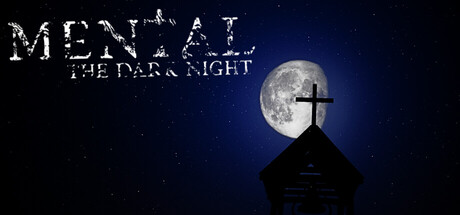
The AI integrated into Mental creates a dynamic experience by automatically generating text, textures, sound, lighting, and gameplay mechanics. Each session offers unique stories, customized visual environments, and challenges adapted in real-time to your actions, ensuring a consistently fresh and immersive adventure.
Some background and character art extended and enhanced using Photoshop generative fill. Some audio help narration done using an in-house cloned voice for clarity. Some audio narration done using professionally licensed cloned voice.
As a solo developer, I use AI to brainstorm drafts for some of the 2D assets, which I then edit by hand. These will be replaced with hand-drawn assets by release.
Since the game is primarily UI-based, we use AI-generated art in update posts to visually showcase new features, rather than displaying only updated interface elements each time.
I have not used AI to generate any graphics, however, I have used ready art assets, which might, or might not have been made using AI. At least Main Menu shows strong signs of having been created with AI.
I have used AI to come up with story ideas, and also used it for text.
Text used in game is not directly from AI, except for one exception, spell-checking.
Process is that I either ask AI some funny ideas, or give him the ideas myself. Then I see what AI comes with, tell it to do again and again and again to come up with better/different versions of some things.
In the end I myself write the stuff based upon what AI have given me.
As a final step, I put the whole text to AI and tell it to do the spell-check. When AI gives the Spell-checked version of the text, that is only time I am actually copy-pasting AIs whole answer directly.
Otherwise the text is a combination of me and AI.
To create a unique art style, I employed various technical methods during development, including the use of AI-generated tools to assist in producing some of the materials.
These tools significantly streamlined my workflow as a solo developer, allowing me to focus more on core gameplay and detailed refinement. This approach ultimately delivers a richer and more immersive post-apocalyptic world for players. All content has been carefully curated, refined, and integrated to ensure it aligns with the game’s overall quality and artistic vision, while also complying with applicable copyright regulations.
AI-generated story invention
AI generated audios
AI-generated translation
AI generated videos
AI generated images
This game use AI Art. Special Thanks to the following Creators of...
KLING AI (Videos)
Wonder AI (2D Graphics)
Runway AI (Trailer Voice)
Chat-GPT / OpenAI (Translation)
DALL-E (2D Graphics)
Replica AI (Voice)
Meshy.ai (3D Models)
Creator
Playbosh Games Entertainment UG (haftungsbeschränkt)
We use generative AI to create pre-rendered character images as a starting point, which are then meticulously refined and enhanced using image editing tools. The final assets combine the creative touch of digital hand-drawing with generative AI, resulting in high-quality, polished visuals.
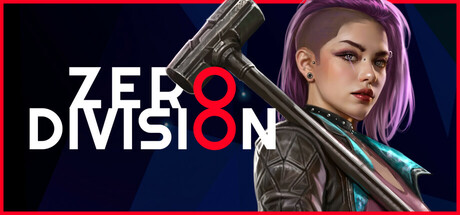
All of the art used in Zero Division is commissioned from (human) artists. However, one of the artists uses generative AI tools in the production of the commissioned work.
We used AI-assisted tools to help create pre-generated assets such as concept art variations and promotional material. All final in-game assets are fully owned and licensed by us, and do not include illegal or infringing content. The game does not use live AI generation during gameplay.
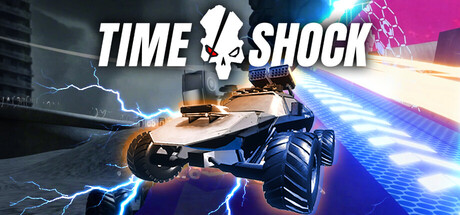
Time Shock is hand-built by a solo developer. The design, gameplay, levels, writing, and world are all made by hand. AI tools play a limited supporting role only — used to tweak character voices, assist and refine artwork, and add lip-sync to dialogue. Everything is reviewed and finished by hand before it ships.
Generative AI was utilized during development to create Steam capsule designs, in-game UI assets, and the trailer music. All assets produced using AI are fully owned and licensed for commercial use by us.
The poetry in Verses of Enchantment is generated using a custom AI model trained on curated public domain texts.
All other content (art, sound, dialogues, animation, ...) is created by humans and is attributed to them.
Generative AI was used to assist in creating some of the 2d art and selected marketing materials, guided by our creative direction. All assets were reviewed by the development team.
FACEMINER is a concept-driven game that directly engages with the ethics of AI. For thematic purposes, the game features faces which have been generated by a GAN (Generative Adversarial Network) trained on the FFHQ dataset, a research dataset released by NVIDIA that is the backbone of many real-world facial recognition applications. Per NVIDIA, only images under permissive licenses were collected.
The 'AI training' in this game is fictional and has been simulated for entertainment purposes. The game can be interpreted as a critique of AI specifically relating to the ecological impact of mass data hoarding, surveillance concerns, and way it is used to compound corporate power.
The AI integrated into Mental creates a dynamic experience by automatically generating text, textures, sound, lighting, and gameplay mechanics. Each session offers unique stories, customized visual environments, and challenges adapted in real-time to your actions, ensuring a consistently fresh and immersive adventure.
Some background and character art extended and enhanced using Photoshop generative fill. Some audio help narration done using an in-house cloned voice for clarity. Some audio narration done using professionally licensed cloned voice.
As a solo developer, I use AI to brainstorm drafts for some of the 2D assets, which I then edit by hand. These will be replaced with hand-drawn assets by release.
Since the game is primarily UI-based, we use AI-generated art in update posts to visually showcase new features, rather than displaying only updated interface elements each time.
I have not used AI to generate any graphics, however, I have used ready art assets, which might, or might not have been made using AI. At least Main Menu shows strong signs of having been created with AI.
I have used AI to come up with story ideas, and also used it for text.
Text used in game is not directly from AI, except for one exception, spell-checking.
Process is that I either ask AI some funny ideas, or give him the ideas myself. Then I see what AI comes with, tell it to do again and again and again to come up with better/different versions of some things.
In the end I myself write the stuff based upon what AI have given me.
As a final step, I put the whole text to AI and tell it to do the spell-check. When AI gives the Spell-checked version of the text, that is only time I am actually copy-pasting AIs whole answer directly.
Otherwise the text is a combination of me and AI.
To create a unique art style, I employed various technical methods during development, including the use of AI-generated tools to assist in producing some of the materials.
These tools significantly streamlined my workflow as a solo developer, allowing me to focus more on core gameplay and detailed refinement. This approach ultimately delivers a richer and more immersive post-apocalyptic world for players. All content has been carefully curated, refined, and integrated to ensure it aligns with the game’s overall quality and artistic vision, while also complying with applicable copyright regulations.
AI-generated story invention
AI generated audios
AI-generated translation
AI generated videos
AI generated images
This game use AI Art. Special Thanks to the following Creators of...
KLING AI (Videos)
Wonder AI (2D Graphics)
Runway AI (Trailer Voice)
Chat-GPT / OpenAI (Translation)
DALL-E (2D Graphics)
Replica AI (Voice)
Meshy.ai (3D Models)
Playbosh Games Entertainment UG (haftungsbeschränkt)
We use generative AI to create pre-rendered character images as a starting point, which are then meticulously refined and enhanced using image editing tools. The final assets combine the creative touch of digital hand-drawing with generative AI, resulting in high-quality, polished visuals.
All of the art used in Zero Division is commissioned from (human) artists. However, one of the artists uses generative AI tools in the production of the commissioned work.
We used AI-assisted tools to help create pre-generated assets such as concept art variations and promotional material. All final in-game assets are fully owned and licensed by us, and do not include illegal or infringing content. The game does not use live AI generation during gameplay.
Time Shock is hand-built by a solo developer. The design, gameplay, levels, writing, and world are all made by hand. AI tools play a limited supporting role only — used to tweak character voices, assist and refine artwork, and add lip-sync to dialogue. Everything is reviewed and finished by hand before it ships.
Generative AI was utilized during development to create Steam capsule designs, in-game UI assets, and the trailer music. All assets produced using AI are fully owned and licensed for commercial use by us.
The poetry in Verses of Enchantment is generated using a custom AI model trained on curated public domain texts.
All other content (art, sound, dialogues, animation, ...) is created by humans and is attributed to them.
Generative AI was used to assist in creating some of the 2d art and selected marketing materials, guided by our creative direction. All assets were reviewed by the development team.