Public Steam disclosure research25,383 disclosures tracked
Where do games disclose AI use?
Search developers’ Steam disclosures, compare classified AI use across
games, and follow recorded changes.
This index adds cross-game classifications and statistics to
statements published on individual store pages.
Groups reflect automatic analysis of public disclosures; mature records are excluded. These counts do not measure AI use across all of Steam.
Missing or unclear statements cannot establish whether a game uses AI.
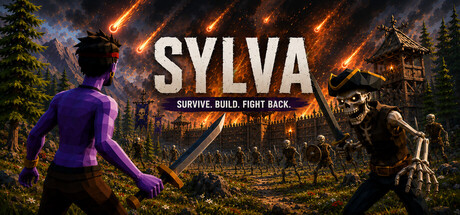
SYLVA contains pre-generated AI-assisted content. Generative AI tools were used during development to create and refine certain store page artwork, capsule images, library assets, loading screen artwork, logos, promotional materials, visual concepts, text drafts, localization assistance, and software development workflows.
All AI-assisted content was reviewed, modified, and approved by the developer before being included in the game or published on the Steam store page. The final game design, gameplay systems, progression, balancing, world design, and creative direction are determined by the developer.
SYLVA does not generate real-time AI content during gameplay.
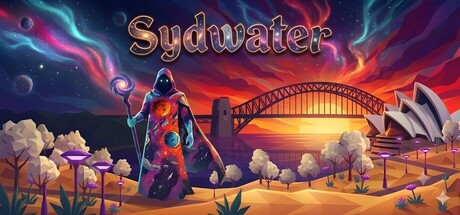
Sydwater is solo developed, AI was used to help with the workflow of the game and was used to generate SOME: Artworks, Voice Lines, 3d Models.
Gemini Google Assistant was also used as a Coding Assistant with SOME code.
AI was used as an assistive tool for creating specific texture patterns, supporting code development, and producing videos for the game. All generated content was manually reviewed, edited, and refined by our team.
As a small independent game studio, we use AI to support our creative workflow. All final content was created and approved by our team.
Temporary images for furniture and clothing icons within the game, some promotional materials and banners, text translation, and some temporary sound files were created using AI. All in-game content will be replaced with human-made work before the game’s release.
Hollow Signal contains pre-generated AI-assisted content, including portions of visual artwork, promotional imagery, and certain game assets. All content has been reviewed, curated, edited, and integrated into the final game by the solo developer.
Character portraits and story illustrations received an AI enhancement pass based on the original hand-painted artwork. Each image was then refined with a manual hand-drawn pass.
Dark Dream contains pre-generated AI-assisted content used exclusively for marketing and promotional materials. This includes certain Steam store assets such as capsules, banners, promotional artwork, and the game's promotional trailer.
The trailer was created using AI-assisted tools based on original characters, creatures, and creative concepts designed and owned by the studio.
The in-game experience does not generate content using AI, and no AI systems are used during gameplay.
AI was used to create background images in the novel, as well as objects in the levels, but the levels are drawn to the final stage manually by an artist.
AI-assisted tools were used in a limited capacity during development, in line with modern creative production workflows, to help create the game’s cover artwork and certain in-game illustrations.
All AI-assisted materials were manually reviewed, edited, refined, and adapted by our team before being included in the game or on the store page. These assets were not used in their original generated form.
The game does not use live generative AI during gameplay.
Generative AI tools are used as part of the visual asset production workflow for Shadows of Beginnings, including 3D models and UI/HUD elements. These assets are reviewed, edited, refined, and integrated by the development team before being used in the game.
The development team remains responsible for the game's design, programming, systems, level construction, gameplay, balancing, narrative, and overall creative direction.
No generative AI content is created live during gameplay.
Generative AI is used for a single feature: to allow players to create a custom illustration of their character reflecting their personalized appearance and equipped items for in-game use. There is no other use of Generative AI assets in MapleStory.
This game uses generative AI as a development aid. Specifically, AI was used to
help create some illustrations (backgrounds and store key art) and to assist
with the localization (translation) of in-game text. All AI output was reviewed
and adjusted by hand, and we have confirmed it contains no material that
infringes third-party rights or any illegal/inappropriate content. No AI content
is generated live during gameplay.
We use generative AI tools to help create some pre-rendered 2D artwork, such as logo and promotional/marketing images. All such content is reviewed and edited by us before use. The game itself contains no live-generated AI content during gameplay.
Certain promotional materials and development processes may have incorporated the use of AI-assisted tools, including but not limited to content generation, code assistance, debugging support, and workflow acceleration. All final creative, design, and implementation decisions were reviewed and approved by the developer.
Pre-generated only. The application's theme selector icons, some of the audio visualizer icons, synthwave transition/effect tree graphics were created with generative-AI image tools (OpenAI) during development and ship as static images, in all cases hand-edited afterward. All other content (visualizers, characters, themes, audio handling, and code...) is hand-authored. No AI-generated content is produced at runtime.
Generative AI tools were used during development to assist with visual assets, concept art, icons, textures, voice/audio content, and some marketing materials. All AI-assisted content is reviewed and edited by the developer before being included in the game or store page.
AI-assisted tools were used during development for text drafting, limited programming assistance, and the creation of certain Steam store page assets, including background imagery used in promotional materials. All gameplay systems, characters, artwork, animations, and final game content were designed, created, implemented, and curated by the development team.
Some music tracks in this game were created with the assistance of generative AI. The developer reviewed, edited, and selected all generated material before including it in the final product. No gameplay content, code, or player interactions are generated by AI
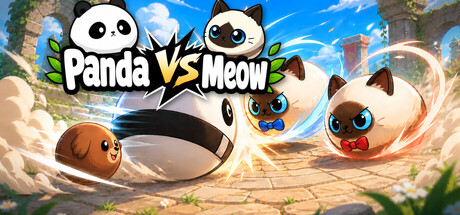
Some of the image assets in Panda vs Meow are created using generative AI tools and then manually edited and refined. Some of the music and sound effects are also AI-generated. Part of the game's code was written with AI assistance and reviewed by a human developer.
About Art Assets
DesktopDaily does not use AI-generated artwork for its in-game art assets. Character designs, 3D models, textures, animations, UI assets, and other visual content are created by human artists or based on properly licensed materials.
About Character Voices and Speech Synthesis
DesktopDaily’s character voice models are trained or fine-tuned using voice materials with clear provenance and authorization, and are used for character speech synthesis at runtime. These voice materials come from publicly available or authorized audio materials provided by the corresponding character or voice provider, and are used in accordance with their usage terms and authorized scope.
The character voices played at runtime are synthesized speech and are not original voice recordings.
About the Use of Generative AI
During development, AI assistance was used for parts of the code implementation and for some non-Chinese UI text localization. At runtime, generative AI is used only in optional features, including the character conversation feature, the visual companion feature, and notification assistant tools.
Some non-Chinese UI text localization uses AI-assisted translation and editing. This is limited to UI text localization and is separate from the runtime generation of character dialogue.
In the optional character conversation feature, AI is used to generate character dialogue text and to synthesize speech based on that text. When this feature is enabled, player input may be sent to cloud AI services in order to generate character-style response text. These responses may also be used for speech synthesis and played back in the game. If the player chooses not to use an API, the character conversation feature will not be enabled, and only the basic features will be available.
In the optional visual companion feature, after the player actively enables the feature, the game may use a local vision-language model to analyze screen, window, or application content within the scope authorized by the player. The analysis results may be used as context for character dialogue, allowing the character to respond based on the player’s current computer usage scenario. This feature is disabled by default. If the analysis results are used in cloud-based character dialogue, necessary summary information may be sent as part of the dialogue context to the cloud AI service selected or configured by the player.
In the optional notification assistant tools, after the player actively enables the feature and grants permission, the game may read Windows system notifications, email summaries, or other information sources specified by the player. A local AI model may be used to filter, categorize, or judge the importance of this information in order to decide whether to notify the player. This feature is intended to assist with notification management, and will not reply to emails, send messages, or perform external actions on behalf of the player. AI-based classification and notification results may be inaccurate.
The official trial API provided by the game uses Alibaba Cloud Model Studio. Players may also configure other APIs themselves. When features that require cloud AI are enabled, the necessary conversation content or contextual information is sent directly to the corresponding cloud AI service and is not relayed through the developer’s own server.
Character dialogue generated by AI at runtime is intended only for everyday companion-style interaction. The game uses prompts, content rules, and safety measures to reduce the output of inappropriate, illegal, hateful, sexual, violent, or copyright-infringing content. AI-generated responses may vary and do not represent official statements by DesktopDaily, the game’s developer, any character rights holder, voice provider, or third-party asset creator.
This game uses generative artificial intelligence to assist with the creation of some pre-rendered content, including visual, audio, translation, or marketing elements.
All AI-generated or AI-assisted content is selected, modified, corrected, and manually integrated by a human before final use. AI is used as a creative assistance tool, not as a replacement for human work.
No content is generated in real time by AI within the game, and no generative AI directly interacts with players during gameplay.
Generative AI was used during development to assist with the creation of certain visual assets and development content. All AI-generated content was reviewed, modified, and integrated by the developer before inclusion in the final game. The game does not generate AI content during gameplay and does not connect to external AI services.
AI tools were used to assist with some code development and selected Steam store page text. The core game design, gameplay, and creative direction are created by the development team. No live generative AI content is created during gameplay.
The developers used generative AI tools in the creation of this game. Portions of the game's content — including visual art and 3D assets, audio, in-game narrative and text, and translations into the supported languages — were produced with the assistance of generative AI and then reviewed, edited, and curated by the developer. All AI-assisted content is generated ahead of time and is fixed in the shipped game. Builder Bros does not generate any content using AI during gameplay, and does not connect to any external AI service.
Some in-game audio, including phone call voices and ambient sounds, were generated using AI tools. Additionally, certain stickers and visual assets found in the Cancer's living area were created with the assistance of generative AI.
Generative AI was used during development as a production tool for portions of the game's source code, music production workflow, and synthetic voice-over generation.
AI-assisted code was reviewed, tested, modified where necessary, and integrated under the direct supervision of the developer. Some music tracks originated from AI-generated compositions or stems and were subsequently edited, arranged, mixed, and produced by the developer. Voice-over content is generated using commercially licensed AI voice technology from developer-written scripts.
The game's gameplay systems, game design, balancing, progression systems, procedural visual generation technology, world generation systems, writing, and overall creative direction were conceived, designed, and maintained by the developer.
The game does not use generative AI at runtime. No player-facing content is generated on-the-fly during gameplay. Visuals are created through deterministic procedural generation systems and pre-authored assets rather than generative image AI.
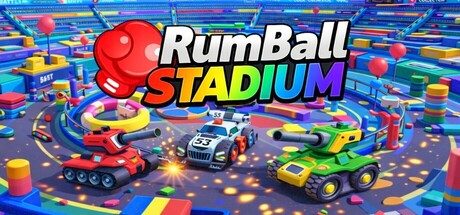
Some assets in RumBall Stadium were created with the assistance of generative AI tools, specifically the main game thumbnail and a selection of icons and background images used in the game's menus. All gameplay content, including vehicles, arenas, and game systems, was developed by the development team.
Generative AI was used to assist in the creation of promotional visual assets, including the game's logo and certain store page artwork. No gameplay content, code, story, dialogue, quests, characters, or game mechanics are generated by AI. All gameplay screenshots represent actual in-game content.
AI was used to generate trailer music and couple of upgrades icons, but game is still in early development phase and i'm working on replacing those with real art.
SYLVA contains pre-generated AI-assisted content. Generative AI tools were used during development to create and refine certain store page artwork, capsule images, library assets, loading screen artwork, logos, promotional materials, visual concepts, text drafts, localization assistance, and software development workflows.
All AI-assisted content was reviewed, modified, and approved by the developer before being included in the game or published on the Steam store page. The final game design, gameplay systems, progression, balancing, world design, and creative direction are determined by the developer.
SYLVA does not generate real-time AI content during gameplay.
Sydwater is solo developed, AI was used to help with the workflow of the game and was used to generate SOME: Artworks, Voice Lines, 3d Models.
Gemini Google Assistant was also used as a Coding Assistant with SOME code.
AI was used as an assistive tool for creating specific texture patterns, supporting code development, and producing videos for the game. All generated content was manually reviewed, edited, and refined by our team.
As a small independent game studio, we use AI to support our creative workflow. All final content was created and approved by our team.
Temporary images for furniture and clothing icons within the game, some promotional materials and banners, text translation, and some temporary sound files were created using AI. All in-game content will be replaced with human-made work before the game’s release.
Hollow Signal contains pre-generated AI-assisted content, including portions of visual artwork, promotional imagery, and certain game assets. All content has been reviewed, curated, edited, and integrated into the final game by the solo developer.
Character portraits and story illustrations received an AI enhancement pass based on the original hand-painted artwork. Each image was then refined with a manual hand-drawn pass.
Dark Dream contains pre-generated AI-assisted content used exclusively for marketing and promotional materials. This includes certain Steam store assets such as capsules, banners, promotional artwork, and the game's promotional trailer.
The trailer was created using AI-assisted tools based on original characters, creatures, and creative concepts designed and owned by the studio.
The in-game experience does not generate content using AI, and no AI systems are used during gameplay.
AI was used to create background images in the novel, as well as objects in the levels, but the levels are drawn to the final stage manually by an artist.
AI-assisted tools were used in a limited capacity during development, in line with modern creative production workflows, to help create the game’s cover artwork and certain in-game illustrations.
All AI-assisted materials were manually reviewed, edited, refined, and adapted by our team before being included in the game or on the store page. These assets were not used in their original generated form.
The game does not use live generative AI during gameplay.
Generative AI tools are used as part of the visual asset production workflow for Shadows of Beginnings, including 3D models and UI/HUD elements. These assets are reviewed, edited, refined, and integrated by the development team before being used in the game.
The development team remains responsible for the game's design, programming, systems, level construction, gameplay, balancing, narrative, and overall creative direction.
No generative AI content is created live during gameplay.
Generative AI is used for a single feature: to allow players to create a custom illustration of their character reflecting their personalized appearance and equipped items for in-game use. There is no other use of Generative AI assets in MapleStory.
This game uses generative AI as a development aid. Specifically, AI was used to
help create some illustrations (backgrounds and store key art) and to assist
with the localization (translation) of in-game text. All AI output was reviewed
and adjusted by hand, and we have confirmed it contains no material that
infringes third-party rights or any illegal/inappropriate content. No AI content
is generated live during gameplay.
We use generative AI tools to help create some pre-rendered 2D artwork, such as logo and promotional/marketing images. All such content is reviewed and edited by us before use. The game itself contains no live-generated AI content during gameplay.
Certain promotional materials and development processes may have incorporated the use of AI-assisted tools, including but not limited to content generation, code assistance, debugging support, and workflow acceleration. All final creative, design, and implementation decisions were reviewed and approved by the developer.
Pre-generated only. The application's theme selector icons, some of the audio visualizer icons, synthwave transition/effect tree graphics were created with generative-AI image tools (OpenAI) during development and ship as static images, in all cases hand-edited afterward. All other content (visualizers, characters, themes, audio handling, and code...) is hand-authored. No AI-generated content is produced at runtime.
Generative AI tools were used during development to assist with visual assets, concept art, icons, textures, voice/audio content, and some marketing materials. All AI-assisted content is reviewed and edited by the developer before being included in the game or store page.
AI-assisted tools were used during development for text drafting, limited programming assistance, and the creation of certain Steam store page assets, including background imagery used in promotional materials. All gameplay systems, characters, artwork, animations, and final game content were designed, created, implemented, and curated by the development team.
Some music tracks in this game were created with the assistance of generative AI. The developer reviewed, edited, and selected all generated material before including it in the final product. No gameplay content, code, or player interactions are generated by AI
Some of the image assets in Panda vs Meow are created using generative AI tools and then manually edited and refined. Some of the music and sound effects are also AI-generated. Part of the game's code was written with AI assistance and reviewed by a human developer.
About Art Assets
DesktopDaily does not use AI-generated artwork for its in-game art assets. Character designs, 3D models, textures, animations, UI assets, and other visual content are created by human artists or based on properly licensed materials.
About Character Voices and Speech Synthesis
DesktopDaily’s character voice models are trained or fine-tuned using voice materials with clear provenance and authorization, and are used for character speech synthesis at runtime. These voice materials come from publicly available or authorized audio materials provided by the corresponding character or voice provider, and are used in accordance with their usage terms and authorized scope.
The character voices played at runtime are synthesized speech and are not original voice recordings.
About the Use of Generative AI
During development, AI assistance was used for parts of the code implementation and for some non-Chinese UI text localization. At runtime, generative AI is used only in optional features, including the character conversation feature, the visual companion feature, and notification assistant tools.
Some non-Chinese UI text localization uses AI-assisted translation and editing. This is limited to UI text localization and is separate from the runtime generation of character dialogue.
In the optional character conversation feature, AI is used to generate character dialogue text and to synthesize speech based on that text. When this feature is enabled, player input may be sent to cloud AI services in order to generate character-style response text. These responses may also be used for speech synthesis and played back in the game. If the player chooses not to use an API, the character conversation feature will not be enabled, and only the basic features will be available.
In the optional visual companion feature, after the player actively enables the feature, the game may use a local vision-language model to analyze screen, window, or application content within the scope authorized by the player. The analysis results may be used as context for character dialogue, allowing the character to respond based on the player’s current computer usage scenario. This feature is disabled by default. If the analysis results are used in cloud-based character dialogue, necessary summary information may be sent as part of the dialogue context to the cloud AI service selected or configured by the player.
In the optional notification assistant tools, after the player actively enables the feature and grants permission, the game may read Windows system notifications, email summaries, or other information sources specified by the player. A local AI model may be used to filter, categorize, or judge the importance of this information in order to decide whether to notify the player. This feature is intended to assist with notification management, and will not reply to emails, send messages, or perform external actions on behalf of the player. AI-based classification and notification results may be inaccurate.
The official trial API provided by the game uses Alibaba Cloud Model Studio. Players may also configure other APIs themselves. When features that require cloud AI are enabled, the necessary conversation content or contextual information is sent directly to the corresponding cloud AI service and is not relayed through the developer’s own server.
Character dialogue generated by AI at runtime is intended only for everyday companion-style interaction. The game uses prompts, content rules, and safety measures to reduce the output of inappropriate, illegal, hateful, sexual, violent, or copyright-infringing content. AI-generated responses may vary and do not represent official statements by DesktopDaily, the game’s developer, any character rights holder, voice provider, or third-party asset creator.
This game uses generative artificial intelligence to assist with the creation of some pre-rendered content, including visual, audio, translation, or marketing elements.
All AI-generated or AI-assisted content is selected, modified, corrected, and manually integrated by a human before final use. AI is used as a creative assistance tool, not as a replacement for human work.
No content is generated in real time by AI within the game, and no generative AI directly interacts with players during gameplay.
Generative AI was used during development to assist with the creation of certain visual assets and development content. All AI-generated content was reviewed, modified, and integrated by the developer before inclusion in the final game. The game does not generate AI content during gameplay and does not connect to external AI services.
AI tools were used to assist with some code development and selected Steam store page text. The core game design, gameplay, and creative direction are created by the development team. No live generative AI content is created during gameplay.
The developers used generative AI tools in the creation of this game. Portions of the game's content — including visual art and 3D assets, audio, in-game narrative and text, and translations into the supported languages — were produced with the assistance of generative AI and then reviewed, edited, and curated by the developer. All AI-assisted content is generated ahead of time and is fixed in the shipped game. Builder Bros does not generate any content using AI during gameplay, and does not connect to any external AI service.
Some in-game audio, including phone call voices and ambient sounds, were generated using AI tools. Additionally, certain stickers and visual assets found in the Cancer's living area were created with the assistance of generative AI.
Generative AI was used during development as a production tool for portions of the game's source code, music production workflow, and synthetic voice-over generation.
AI-assisted code was reviewed, tested, modified where necessary, and integrated under the direct supervision of the developer. Some music tracks originated from AI-generated compositions or stems and were subsequently edited, arranged, mixed, and produced by the developer. Voice-over content is generated using commercially licensed AI voice technology from developer-written scripts.
The game's gameplay systems, game design, balancing, progression systems, procedural visual generation technology, world generation systems, writing, and overall creative direction were conceived, designed, and maintained by the developer.
The game does not use generative AI at runtime. No player-facing content is generated on-the-fly during gameplay. Visuals are created through deterministic procedural generation systems and pre-authored assets rather than generative image AI.
Some assets in RumBall Stadium were created with the assistance of generative AI tools, specifically the main game thumbnail and a selection of icons and background images used in the game's menus. All gameplay content, including vehicles, arenas, and game systems, was developed by the development team.
Generative AI was used to assist in the creation of promotional visual assets, including the game's logo and certain store page artwork. No gameplay content, code, story, dialogue, quests, characters, or game mechanics are generated by AI. All gameplay screenshots represent actual in-game content.
AI was used to generate trailer music and couple of upgrades icons, but game is still in early development phase and i'm working on replacing those with real art.