Public Steam disclosure research25,376 disclosures tracked
Where do games disclose AI use?
Search developers’ Steam disclosures, compare classified AI use across
games, and follow recorded changes.
This index adds cross-game classifications and statistics to
statements published on individual store pages.
Groups reflect automatic analysis of public disclosures; mature records are excluded. These counts do not measure AI use across all of Steam.
Missing or unclear statements cannot establish whether a game uses AI.
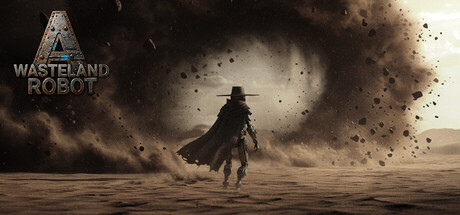
Some visual concept references in this game were created using AI tools during the early design phase. All final game assets were manually created, customized, and refined by our development team. No AI-generated content is used directly in the final product.
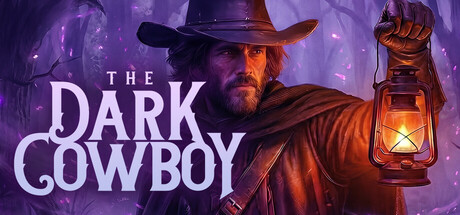
The Dark Cowboy is a solo-developed project created over several years in Unreal Engine. To achieve a cinematic experience as a single creator, AI tools were integrated into the production workflow in a few specific areas.
Cinematics & Visuals
Generative AI tools assisted in creating visual material for cinematic sequences, as well as static artwork for loading screens and promotional imagery.
Audio & Voice Performances
Character dialogue is performed using voice models derived from licensed human voice performances, alongside select atmospheric tracks to enhance the game’s immersive soundscape.
Writing & Localization
Language models assisted with editorial review of scripts and helped produce translations across the game's 14 supported languages.
All such elements were carefully directed, manually refined, and integrated by the developer to ensure they fully support the atmosphere and storytelling of The Dark Cowboy.
* Contents below are copied from the game, the soundtrack does not use any Generative AI technology.
User will be able to talk in freeform with the NPCs within the game world according to the environment given to them.
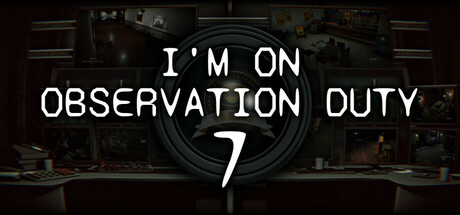
Some of the evidence (photos on the wall, book covers) have been created using AI tools
We used generative AI for: art on the store page, and some in-game textures. Each AI-generated content was then manually adjusted by our in-house artist to ensure the presence of human input in the art and high quality of the game.
As a small independent development team with limited resources, we used AI-based tools to assist with certain aspects of content creation, including textures, audio, and in-game video elements (such as VHS-style footage). All final content was carefully reviewed, refined, and manually reworked by the development team including additional re-texturing to ensure it reflects our creative vision.
This game contains pre-generated AI content and no real-time generated AI content. Relevant information is as follows:
Tools used: Midjourney (art), GPT (text);
Application scope: Only used for the auxiliary creation of game art assets, story texts, and UI assets. All AI-generated content is used as initial drafts;
Manual review: All AI-generated content has been revised, polished, screened, and copyright-verified by a professional team to ensure originality and compliance;
Compliance guarantee: Copyright verification of AI-generated content has been completed, with no infringement risks, in compliance with Steam content guidelines and relevant laws of the Hong Kong Special Administrative Region;
Content control: No real-time AI generation function. All in-game displayed content is the final version that has been pre-generated and manually reviewed, without the uncertainty of dynamically generated content.
Store page image assets (excluding screenshots and videos) has been generated with AI as the game will need to be further developed to get final assets but will fit the themes as presented.
To create a unique art style, I employed various technical methods during development, including the use of AI-generated tools to assist in producing some of the materials.
These tools significantly streamlined my workflow as a solo developer, allowing me to focus more on core gameplay and detailed refinement. This approach ultimately delivers a richer and more immersive post-apocalyptic world for players. All content has been carefully curated, refined, and integrated to ensure it aligns with the game’s overall quality and artistic vision, while also complying with applicable copyright regulations.
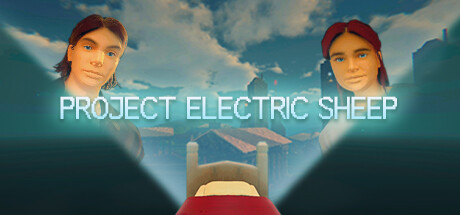
Project Electric Sheep uses generative AI to create character conversations inspired by your dream prompts, as well as to tailor dream worlds to your chosen topics. Below is some more information about which generative AI services we're using in PES, and how:
1. We use ChatGPT to generate NPC dialogue when dream worlds are created and when you reply to an NPC. We use AWS to generate voices for our NPCs.
2. We also use ChatGPT to write in-game world building details, such as graffiti and advertisements, as well as to create the dream description that displays on the dream loading screen.
3. We use DALL·E 2 to paint in-game murals inspired by your dream prompt.
4. Lastly, during the dream generation phase, we use ChatGPT to make creative decisions about world design based on the given dream prompt.
UPDATE: over 90% of the AI-generated content was removed!
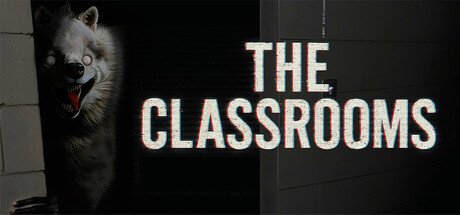
Some of the 2D art and music in The Classrooms were originally created with the help of AI tools, not as a replacement for artists, but to get the uncanny, slightly "off" look of AI-generated content. This was intentional, as it reflects the kind of strange content the Superstructure itself would make.
Our goal has always been to evoke that uneasy and almost-familiar feeling. To build on this while moving away from AI, we are now trying approaches like fan art contests to gradually replace this content, while still preserving this unique aesthetic.
For video and music production, we plan to collaborate with real people, though budget and scheduling mean this will take time.
I have troubles writing long descriptions so I used ChatGPT to help me write some of the descriptions and lore in the game. It was used as a reference, nothing more.
I have used ONLY my own content and ONLY my own algorithm models to generate content from. I wrote my own to be able to use it for this purpose only. I do NOT infringe on ANY creative rights in doing so.
Some graphic materials are processed by the generated material, based on its own trained AI model. However, none of the material is completely generated by AI. All the work on creating materials is done manually using graphic editors.
AI was used only to help generate some of the props for the game's cover, as well as to create text-to-voice lines for a couple of the robotic characters in the game.
The game uses some AI-generated sound effects, music, voice overs and in-game localization. It may, in rare instances use AI art fully or adopted by artists.
We have used in-house AI models to generate background assets, font, and some voices.
We will continue to advance the practical application of AI in art creation. To discuss the latest progress in this field, welcome to contact us.
Some visual concept references in this game were created using AI tools during the early design phase. All final game assets were manually created, customized, and refined by our development team. No AI-generated content is used directly in the final product.
The Dark Cowboy is a solo-developed project created over several years in Unreal Engine. To achieve a cinematic experience as a single creator, AI tools were integrated into the production workflow in a few specific areas.
Cinematics & Visuals
Generative AI tools assisted in creating visual material for cinematic sequences, as well as static artwork for loading screens and promotional imagery.
Audio & Voice Performances
Character dialogue is performed using voice models derived from licensed human voice performances, alongside select atmospheric tracks to enhance the game’s immersive soundscape.
Writing & Localization
Language models assisted with editorial review of scripts and helped produce translations across the game's 14 supported languages.
All such elements were carefully directed, manually refined, and integrated by the developer to ensure they fully support the atmosphere and storytelling of The Dark Cowboy.
* Contents below are copied from the game, the soundtrack does not use any Generative AI technology.
User will be able to talk in freeform with the NPCs within the game world according to the environment given to them.
Some of the evidence (photos on the wall, book covers) have been created using AI tools
We used generative AI for: art on the store page, and some in-game textures. Each AI-generated content was then manually adjusted by our in-house artist to ensure the presence of human input in the art and high quality of the game.
As a small independent development team with limited resources, we used AI-based tools to assist with certain aspects of content creation, including textures, audio, and in-game video elements (such as VHS-style footage). All final content was carefully reviewed, refined, and manually reworked by the development team including additional re-texturing to ensure it reflects our creative vision.
This game contains pre-generated AI content and no real-time generated AI content. Relevant information is as follows:
Tools used: Midjourney (art), GPT (text);
Application scope: Only used for the auxiliary creation of game art assets, story texts, and UI assets. All AI-generated content is used as initial drafts;
Manual review: All AI-generated content has been revised, polished, screened, and copyright-verified by a professional team to ensure originality and compliance;
Compliance guarantee: Copyright verification of AI-generated content has been completed, with no infringement risks, in compliance with Steam content guidelines and relevant laws of the Hong Kong Special Administrative Region;
Content control: No real-time AI generation function. All in-game displayed content is the final version that has been pre-generated and manually reviewed, without the uncertainty of dynamically generated content.
Store page image assets (excluding screenshots and videos) has been generated with AI as the game will need to be further developed to get final assets but will fit the themes as presented.
To create a unique art style, I employed various technical methods during development, including the use of AI-generated tools to assist in producing some of the materials.
These tools significantly streamlined my workflow as a solo developer, allowing me to focus more on core gameplay and detailed refinement. This approach ultimately delivers a richer and more immersive post-apocalyptic world for players. All content has been carefully curated, refined, and integrated to ensure it aligns with the game’s overall quality and artistic vision, while also complying with applicable copyright regulations.
Project Electric Sheep uses generative AI to create character conversations inspired by your dream prompts, as well as to tailor dream worlds to your chosen topics. Below is some more information about which generative AI services we're using in PES, and how:
1. We use ChatGPT to generate NPC dialogue when dream worlds are created and when you reply to an NPC. We use AWS to generate voices for our NPCs.
2. We also use ChatGPT to write in-game world building details, such as graffiti and advertisements, as well as to create the dream description that displays on the dream loading screen.
3. We use DALL·E 2 to paint in-game murals inspired by your dream prompt.
4. Lastly, during the dream generation phase, we use ChatGPT to make creative decisions about world design based on the given dream prompt.
UPDATE: over 90% of the AI-generated content was removed!
Some of the 2D art and music in The Classrooms were originally created with the help of AI tools, not as a replacement for artists, but to get the uncanny, slightly "off" look of AI-generated content. This was intentional, as it reflects the kind of strange content the Superstructure itself would make.
Our goal has always been to evoke that uneasy and almost-familiar feeling. To build on this while moving away from AI, we are now trying approaches like fan art contests to gradually replace this content, while still preserving this unique aesthetic.
For video and music production, we plan to collaborate with real people, though budget and scheduling mean this will take time.
I have troubles writing long descriptions so I used ChatGPT to help me write some of the descriptions and lore in the game. It was used as a reference, nothing more.
I have used ONLY my own content and ONLY my own algorithm models to generate content from. I wrote my own to be able to use it for this purpose only. I do NOT infringe on ANY creative rights in doing so.
Some graphic materials are processed by the generated material, based on its own trained AI model. However, none of the material is completely generated by AI. All the work on creating materials is done manually using graphic editors.
AI was used only to help generate some of the props for the game's cover, as well as to create text-to-voice lines for a couple of the robotic characters in the game.
The game uses some AI-generated sound effects, music, voice overs and in-game localization. It may, in rare instances use AI art fully or adopted by artists.
We have used in-house AI models to generate background assets, font, and some voices.
We will continue to advance the practical application of AI in art creation. To discuss the latest progress in this field, welcome to contact us.