Public Steam disclosure research25,376 disclosures tracked
Where do games disclose AI use?
Search developers’ Steam disclosures, compare classified AI use across
games, and follow recorded changes.
This index adds cross-game classifications and statistics to
statements published on individual store pages.
Groups reflect automatic analysis of public disclosures; mature records are excluded. These counts do not measure AI use across all of Steam.
Missing or unclear statements cannot establish whether a game uses AI.
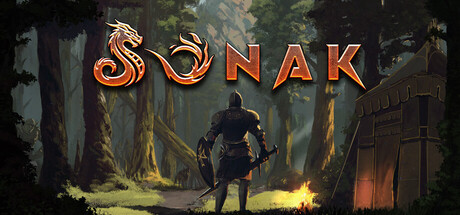
Some graphical and auditory assets for Sonak were developed using Image and sound effect generation software.
The majority of generated content is Icons, and sound effects that the player will encounter while playing Sonak.
All assets generated were manually changed and designed to fit the look and feel of the game.
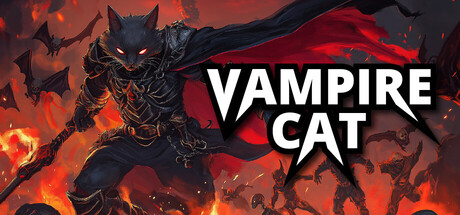
AI was used to create all the visuals in the game. However, every illustration required manual reworking, whether through adjustments, graphic polishing, or integration into the game.
I understand that some may not appreciate this approach. Please know that my main goal has always been to create a fun and enjoyable game. I am a solo developer who left my job to dedicate 100% of my time to making video games.
To be honest, I don’t know how to model in 3D or illustrate in 2D, which is why I used AI as a support tool. I’m fully aware that AI can be seen as a sensitive topic, and that’s why I’ve been reworking the visuals as much as possible. My wish is also, if the game allows me the resources after release, to collaborate with a 2D artist to further enhance the visual identity.
Thank you sincerely for your understanding, and I truly hope you’ll enjoy playing Vampire Cat despite these choices. Your support means the world to me.
Some graphical assets in the game were created or modified using artificial intelligence algorithms. This applies only to certain elements of the game visual artwork.
Most in-game sprites and item art in this game were generated using DALL·E. As a solo developer, generative AI tools allow me to create a breadth of visual content that would otherwise not have been possible. All assets were carefully selected, curated, and integrated to ensure they align with the game's vision and quality.
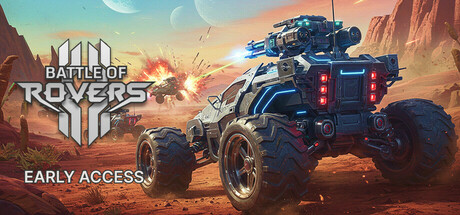
A-Genro is an AI-powered rover that learns from the way you play. Whether it’s your strategy, movement, or combat style, it picks up on your habits and adapts to help you play smarter. Over time, it becomes a personal assistant in the game, giving you support when things get tough and even taking over in auto-pilot mode when needed.
The more you play, the better A-Genro gets—becoming a powerful ally that matches your skills and helps you level up your game. Train it, trust it, and let it take your gameplay to the next level!
Some image assets in the game of lesser importance (character portraits, item icons) are made using a process that includes AI image generation. This will be replaced with original artwork in the final product.
For Lets Get Loot, we have used generative AI for some store materials and also for some of the music within the game. Aside from this, the gameplay experience does not include in-game generated assets, functionality, or any other form of content.
Some visual assets in Poker Clicker were initially created with AI image generation tools, then manually redrawn and refined by the developer to fit the game's visual style.
Part of the art resources in this game are generated through AI technology and undergo manual secondary processing To avoid potential infringement risks
We will use AI-generated marketing images for our promotional pictures. The usage locations will include the main promotional image, vertical promotional image, library promotional image, library profile image, and library home page image on the store page. The original materials are self-created and will be processed by AI for later use. There are no AI elements or AI-created content within the game.
This game incorporates generative artificial intelligence to create select assets, including some in-game textures and AI-generated voices, enhancing the immersive and dynamic player experience. This game does not use AI to live-generated content or code during gameplay.
AI use was minimal and limited to non-gameplay elements, such as generating some in-game audio, assisting with draft texts, and providing a rough sketch for the initial logo concept.
All gameplay, design, and final assets were created and refined by hand.
Due to the limitation of development funds, the game's equipment icons, item icons, objects on the scene, and animation sequence frames of characters are generated with AI-assisted generation. This game only uses pre-rendered art assets, not real-time generation AI. If the financial conditions permit, we will gradually replace these art assets.
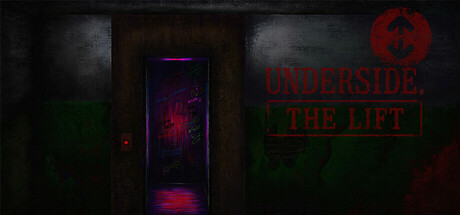
Some elements of Underside: The Lift were partially created using generative artificial intelligence tools:
Several environment artworks and the project logo were generated with the help of AI tools and later refined manually.
A portion of the in-game notes and lore texts were drafted with the help of AI and then edited by the developer.
The game's Steam store page and marketing materials do not include AI-generated content. Only minor editorial assistance from AI was used when writing the store description.
There is no generative AI operating in real time within the game itself.
Some images and backgrounds in the game are AI-assisted assets that have been carefully edited and refined by me. The artwork is a blend of self-designed visuals and AI-generated elements, with adjustments made to harmonize color patterns.
Character concepts and some design elements were created with assistance from ChatGPT, in close collaboration with the creator (Abstract Gaming). This approach ensured thoughtful planning and a focus on integrating original ideas, balancing AI support with human creativity.
AI technology was used for select visual assets and localization. Character illustrations and in-game designs began as AI drafts and were refined manually to match our style.
All visual art and assets in Nightmare Frontier were created entirely by human hands; no art assets in the game have been generated or assisted by AI.
Our use of AI is strictly limited to translation and localization. Specifically, AI-powered translation tools were used to help adapt and refine the game's text across different languages.
As a two man bootstrapped indie team, achieving our game's vision without AI would have been literally impossible. We have used AI tools such as Midjourney for item icons, some materials in game, & parts of our trailers. We also used AI such as Soundraw.io for our soundtrack in-game, Suno for trailer music, Elevenlabs for voice acting, and a few other AI tools for technical areas of the game.
Some graphical and auditory assets for Sonak were developed using Image and sound effect generation software.
The majority of generated content is Icons, and sound effects that the player will encounter while playing Sonak.
All assets generated were manually changed and designed to fit the look and feel of the game.
AI was used to create all the visuals in the game. However, every illustration required manual reworking, whether through adjustments, graphic polishing, or integration into the game.
I understand that some may not appreciate this approach. Please know that my main goal has always been to create a fun and enjoyable game. I am a solo developer who left my job to dedicate 100% of my time to making video games.
To be honest, I don’t know how to model in 3D or illustrate in 2D, which is why I used AI as a support tool. I’m fully aware that AI can be seen as a sensitive topic, and that’s why I’ve been reworking the visuals as much as possible. My wish is also, if the game allows me the resources after release, to collaborate with a 2D artist to further enhance the visual identity.
Thank you sincerely for your understanding, and I truly hope you’ll enjoy playing Vampire Cat despite these choices. Your support means the world to me.
Some graphical assets in the game were created or modified using artificial intelligence algorithms. This applies only to certain elements of the game visual artwork.
Most in-game sprites and item art in this game were generated using DALL·E. As a solo developer, generative AI tools allow me to create a breadth of visual content that would otherwise not have been possible. All assets were carefully selected, curated, and integrated to ensure they align with the game's vision and quality.
A-Genro is an AI-powered rover that learns from the way you play. Whether it’s your strategy, movement, or combat style, it picks up on your habits and adapts to help you play smarter. Over time, it becomes a personal assistant in the game, giving you support when things get tough and even taking over in auto-pilot mode when needed.
The more you play, the better A-Genro gets—becoming a powerful ally that matches your skills and helps you level up your game. Train it, trust it, and let it take your gameplay to the next level!
Some image assets in the game of lesser importance (character portraits, item icons) are made using a process that includes AI image generation. This will be replaced with original artwork in the final product.
For Lets Get Loot, we have used generative AI for some store materials and also for some of the music within the game. Aside from this, the gameplay experience does not include in-game generated assets, functionality, or any other form of content.
Some visual assets in Poker Clicker were initially created with AI image generation tools, then manually redrawn and refined by the developer to fit the game's visual style.
Part of the art resources in this game are generated through AI technology and undergo manual secondary processing To avoid potential infringement risks
We will use AI-generated marketing images for our promotional pictures. The usage locations will include the main promotional image, vertical promotional image, library promotional image, library profile image, and library home page image on the store page. The original materials are self-created and will be processed by AI for later use. There are no AI elements or AI-created content within the game.
This game incorporates generative artificial intelligence to create select assets, including some in-game textures and AI-generated voices, enhancing the immersive and dynamic player experience. This game does not use AI to live-generated content or code during gameplay.
AI use was minimal and limited to non-gameplay elements, such as generating some in-game audio, assisting with draft texts, and providing a rough sketch for the initial logo concept.
All gameplay, design, and final assets were created and refined by hand.
Due to the limitation of development funds, the game's equipment icons, item icons, objects on the scene, and animation sequence frames of characters are generated with AI-assisted generation. This game only uses pre-rendered art assets, not real-time generation AI. If the financial conditions permit, we will gradually replace these art assets.
Some elements of Underside: The Lift were partially created using generative artificial intelligence tools:
Several environment artworks and the project logo were generated with the help of AI tools and later refined manually.
A portion of the in-game notes and lore texts were drafted with the help of AI and then edited by the developer.
The game's Steam store page and marketing materials do not include AI-generated content. Only minor editorial assistance from AI was used when writing the store description.
There is no generative AI operating in real time within the game itself.
Some images and backgrounds in the game are AI-assisted assets that have been carefully edited and refined by me. The artwork is a blend of self-designed visuals and AI-generated elements, with adjustments made to harmonize color patterns.
Character concepts and some design elements were created with assistance from ChatGPT, in close collaboration with the creator (Abstract Gaming). This approach ensured thoughtful planning and a focus on integrating original ideas, balancing AI support with human creativity.
AI technology was used for select visual assets and localization. Character illustrations and in-game designs began as AI drafts and were refined manually to match our style.
All visual art and assets in Nightmare Frontier were created entirely by human hands; no art assets in the game have been generated or assisted by AI.
Our use of AI is strictly limited to translation and localization. Specifically, AI-powered translation tools were used to help adapt and refine the game's text across different languages.
As a two man bootstrapped indie team, achieving our game's vision without AI would have been literally impossible. We have used AI tools such as Midjourney for item icons, some materials in game, & parts of our trailers. We also used AI such as Soundraw.io for our soundtrack in-game, Suno for trailer music, Elevenlabs for voice acting, and a few other AI tools for technical areas of the game.