








Disclosure
Use of AI-generated content: solely for visual design. Most of the visuals were created using a generative artificial intelligence.
- Creator
- Kitten Purradise Studios
- Reviews
- -
- Added
- Aug 25, 2026
Public Steam disclosure research 25,383 disclosures tracked
Search developers’ Steam disclosures, compare classified AI use across games, and follow recorded changes. This index adds cross-game classifications and statistics to statements published on individual store pages.
Code help, debugging and other development work.
Capsule art, trailers and promotional material.
Pre-made art, audio, writing and other game assets.
Interactive or runtime AI features disclosed by the developer.
Groups reflect automatic analysis of public disclosures; mature records are excluded. These counts do not measure AI use across all of Steam. Missing or unclear statements cannot establish whether a game uses AI.
Use of AI-generated content: solely for visual design. Most of the visuals were created using a generative artificial intelligence.
Some visual assets and music used in this game were created with the assistance of generative AI. All AI-generated content was reviewed, if needed edited, and curated by the developer before being included in the game.
Generative AI tools were used as part of the content creation process for this game: - Visual assets — some item, charm and UI sprites were generated with AI assistance and used as a base, then reviewed, reworked and finalized by the team before being integrated into the game - Store page artwork — AI image generation was used as a starting point, then reworked, recolored and finalized by the team to match the game's pixel art style A large part of the game's code was written with the help of AI coding assistants. All content was reviewed and approved by the team before shipping.
Some of the art in this game — the chef characters, the customer characters, the lane skins, and some of the plates — was created with the help of AI image generation tools. The sushi artwork does not use AI.
Portions of the in-game codex (character biographies, historical battle summaries) were drafted with the assistance of a large language model based on the developer's own lore notes and edited by hand. A subset of pixel-art tile and prop textures were procedurally generated from developer-written Python scripts. All content is reviewed and finalized by the developer; no generative image models (e.g. Stable Diffusion, Midjourney) were used to produce in-game art.
HaddyForge utilizes PixelLab AI as part of our development workflow to assist with the prototyping and production of select pixel-art sprites, character concepts, and animation frames. AI-assisted output is primarily used as a starting point for development and is not typically considered game-ready in its initial form. Assets are reviewed, refined, edited, and iterated upon by the developer using PixelLab, Aseprite, and our broader pixel-art workflow until they meet the visual, animation, and technical requirements of the game. As an independent studio combining pixel-art creation and software development, HaddyForge uses AI-assisted tools to accelerate experimentation and prototyping while maintaining direct creative control over the final assets included in the game. AI-assisted development tools have also been used during software development to help review and iterate on game systems, identify potential bugs, improve testing, and increase development efficiency. All resulting game systems and implementations are reviewed, tested, and integrated by the developer before release.
Some of the content in TOWER TOWER was created with the help of generative AI tools. This applies to parts of the pixel art and the in-game music and sound effects, to the store page text and its translations, and to promotional materials such as the trailer and the capsule images. All AI-assisted content was reviewed and edited by the developer before being used. The game does not generate anything with AI while it is running — everything you see and hear in the game is finalized in advance.
All assets in this game — art, music, and text — were created by humans. During development, generative AI tools were used for coding assistance and debugging. All resulting code was reviewed and approved by a human developer before inclusion.
Generative AI was used to create some of the artwork and audio content in this game.
Store page and marketing artwork (capsule images, library assets) were created with the assistance of generative AI image tools. Some in-game art assets were also produced with AI assistance. All generated content was reviewed, edited, and finalized by the developer.
This game was developed with the help of generative AI. - Generative AI was used to write and translate text (slime descriptions, in-game wording, and the English localisation). All of it was reviewed and edited by a human. - Generative AI was also used to write program code. - The slime pixel art is not image-generated. It is drawn by a rendering program written for this game. - No AI runs while the game is playing. The game makes no network connections and calls no AI models.
Generative AI was used during development to create a small amount of temporary placeholder imagery. AI-generated content is limited to pre-generated visual assets and no AI content is generated during gameplay.
Some of the code was generated with AI assistance.
Some 2D art assets (character portraits and a portion of the character sprites) and some in-game text (dialogue lines) were produced with the assistance of generative AI tools. All AI-generated output was manually edited, retouched and adjusted by the developer before being included in the game. No content is generated at runtime; everything ships with the build as pre-generated assets.
I used generative AI in the process of creating most art/visual assets in Trouble Shooters, with touch ups made after generation. Music and sound effects were either composed without the use of generative AI or sourced from sound libraries that predate generative AI workflows. Nothing is generated on-the-fly.
Generative AI was used as an auxiliary tool during development and to make minor edits and compositions to graphical assets, including logos. No generative AI is used to generate content dynamically during gameplay.
The 2D art in this game — character and enemy sprites, weapon and UI icons, visual effects, tilesets, the title screen, and the store artwork — was produced with the help of generative AI image tools. Every asset was then processed by hand for the game: sliced, colour-keyed, scaled with nearest-neighbour, and assembled into sprite sheets by the developer. All audio is synthesised procedurally by the developer's own scripts — it is not AI generated. The game's code and design are written by the developer. Nothing is generated by AI while you play. All content ships with the game and never changes.
Generative AI tools were used during development to assist in creating various game assets, including visual assets, UI elements, and some audio content. All AI-assisted content was reviewed, selected, and integrated by the developer as part of the game's overall creative direction. The game does not use generative AI to create content in real time during gameplay.
Since all the content of the code was completed by the producer alone, it was inevitable to use AI for bug maintenance.
AFKTower contains AI-assisted content that was generated during development; no AI runs inside the game. Art: most of the pixel art hero, enemy and boss sprites and their animations, weapon and armor art, skins, combat backgrounds, map scrolls, UI panels, rarity frames and icons was generated with PixelLab (pixellab.ai) from prompts and references, then handn selected, edited, recolored and assembled by the developer. The AFKTower logo was drawn without AI. Music: the three soundtrack tracks were composed by the developer with Suno (paid plan with commercial license). Sound effects are synthesized procedurally by the game's own code, not by AI. Text: the game and store texts were written in Spanish by the developer; the English localization and copy editing were done with the help of an AI language model (Claude, by Anthropic) and reviewed by humans. Store screenshots are unedited captures of the game. Nothing is generated at runtime: the game contains no AI systems.
Some images and translations used in the game and its marketing materials were created or assisted using generative AI tools only when necessary. The majority of the assets were created by human artists and contributors. All AI-assisted content was reviewed and integrated by the development team before inclusion.
The capsule art and some sfx were generated by AI.
Generative AI was used during development to create initial visual concepts and source imagery. These images were then substantially edited, redrawn, and altered by the developer before being included in the final game.
Pre-Generated Content This demo includes pre-generated AI content: - The background images used in the Store, Breeding, and Inventory screens. - The shared background image used in the Collection and Tutorial screens. - Wooden aquarium decorations. - Snail aquarium decorations. - Background music tracks generated with Suno AI. The developer holds a license for their use. No AI-generated content is created during gameplay. Players cannot enter prompts or interact with AI systems.
The general philosophy of AI usage is: keep it to non-creative endeavors.
Some sound effects and the in-game text localization were created with the help of AI tools during development. All AI-generated audio and translated text was reviewed and edited by a human before shipping. No AI-generated artwork, and no AI content is generated while the game is running.
Aftergrowth's code was written with the help of an AI coding assistant, and some of the game's text — including parts of this store page — was first drafted with it and then edited by hand. Nothing you see or hear is AI-generated. Every sprite, tile and icon is drawn by deterministic Python scripts rather than by an image model. The music is synthesised and the sound effects are CC0 recordings by Kenney, both credited in the game's CREDITS file. No generative AI runs while you play: nothing is generated live, and the game makes no request to any AI service.
We used Artificial Intelligence tools as an aid during development and in the creation of some game content. All AI-assisted material was personally reviewed and adjusted by our team, who were involved throughout every stage of the creative process.
Generative AI was used during development to create selected pre-generated store graphics, story illustrations, and in-game art. These assets were reviewed and edited before inclusion. The game does not generate AI content at runtime and does not send player input or personal data to AI services.
本作品使用了生成式人工智能生产了部分游戏资源、代码。
AI was used in the generation and editing of code and to edit the script for the dialogue present in the game.
This game includes an optional AI assistant. Players may use the AI tools during gameplay for in‑game assistance such as balloon‑shooting, feeding and other actions. No AI‑generated content will be produced. During development, generative AI tools were used to assist with programming and some pre‑generated text. All AI‑assisted text included in the game was reviewed and edited by the development team. No AI was used to generate the game's artwork or music. All artwork and music were created by human artists and musicians.
Contenu visuel pré-généré uniquement. Des outils d'IA générative ont servi à produire une partie des illustrations livrées avec le jeu (portraits de personnages, décors, illustrations de cartes, icônes de succès) ainsi que des ressources graphiques de la page du magasin. Toutes les images ont été sélectionnées, retouchées et validées manuellement par le développeur avant intégration. Aucune génération en temps réel pendant le jeu.
This game uses an open-source language model (Qwen2.5) bundled with the game to generate real-time NPC dialogue and ambient chatter entirely offline on the player's own machine via llama.cpp. No external server, no third-party API, and no internet connection are required. Players can toggle this feature on or off. The model runs locally using the player's CPU — no data is uploaded, collected, stored, or used for training.
AI tools were used during development to provide feedback on artwork and assist with localization. No AI-generated artwork or other AI-generated assets are included in the final game.
Generative AI tools were used during development to create or process some pre-generated voice audio and selected 2D visual assets, including stylized character and news-related images. All AI-assisted content is created before release and manually reviewed, edited, and curated by the developer before being included in the game. No generative AI runs during gameplay, and no player input or data is sent to generative AI services.
CrystalCanvas uses generative AI in parts of its development process. For the sound effects played when placing voxels, we aimed to create sounds that remain pleasant and unobtrusive even during extended play sessions. After exploring a variety of sound assets and recordings, we ultimately used generative AI as part of the sound design process to achieve the desired result. Generative AI is also used as a development aid through Claude Code for generating and assisting with parts of the code related to voxel space management and rendering. Generative AI is not used to generate the voxel artwork or gameplay content itself.
Some visual assets in the game, including certain card illustrations and UI elements, were created with the assistance of generative AI tools. These assets were generated during development and are included as pre-generated content in the game.
Text content only, all pre-generated during development and reviewed by the developer. AI assistance was used to write the in-game story text, the user interface translations for the 8 supported languages, the achievement names and descriptions, and the store page copy. Nothing is generated live at runtime and the game does not connect to any AI service. Art, sprites, capsule images, icons and the soundtrack are NOT AI-generated: they are produced by procedural scripts written by the developer and included in the project source.
All AI involvement is pre-generated and human-reviewed: nothing is generated while you play, the game runs no AI models, and it never sends your data anywhere.
This game uses generative AI to assist with some translations. All AI-assisted translations were reviewed, edited, and approved by the developer before being included in the game.
Some of the scene images are AI-generated.
Galithia uses generative AI during development for some concepting, visual iteration, and content support. Any AI-assisted assets or materials are reviewed, modified, and integrated by the developer, with final approval and creative direction remaining fully human-led. Gameplay systems, combat balance, encounter design, and final implementation are developer-controlled.
Portions of this game's code were written with the assistance of an AI coding tool, working under the developer's direction, with all output reviewed, tested, and integrated by hand. All artwork, animation, music, and sound effects are human-created licensed assets — no AI-generated art or audio is used. The game does not generate any content with AI at runtime; computer opponents use traditional hand-written game logic.
Game Design
This game was developed with the help of generative AI tools in the following areas: Some art assets, including characters, backgrounds, UI, and effects Store page capsule images and key art English localization of in-game text Portions of the source code All generated output was reviewed, edited, and integrated by the developer, and the final content is the developer's responsibility. No content is generated by AI while the game is running.
Some of the store promotional materials for this game (including the cover, main key visual, and some 2D UI elements) were created with the assistance of generative AI. In-game visual effects, programming, gameplay, and all other game content were developed entirely by human developers. The game does not use generative AI during runtime, nor does it collect or upload player data.
AI helped us create our new logo, and we used Claude Code to help us with... the code, bro. Otherwise, the game's hand-made! Our world is entering a troubling and hilarious time, and so critical reflection is important - but we are not categorically anti-AI. After all, you can't criticize something you don't understand, can you?
Generative AI was used for selected visual assets during development. All AI-assisted content was reviewed by the developer. No AI content is generated during gameplay.
Generative AI was used as a creative tool to assist with parts of the artwork, code, and written content. All design choices, creative direction, edits, and final decisions were made by the human developer, with all AI-assisted work reviewed and refined before release.
| Title⇅ | Disclosure | Creator⇅ | Src | Reviews⇅ | Added↓ |
|---|---|---|---|---|---|
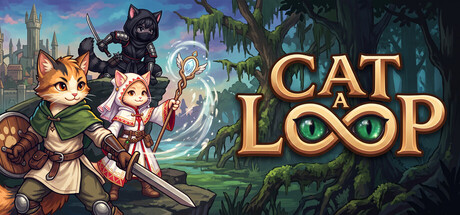 Cat a Loop In-game content art | Use of AI-generated content: solely for visual design. Most of the visuals were created using a generative artificial intelligence. | Kitten Purradise Studios | - | Aug 25, 2026 | |
 Card Revolution Soccer In-game content artaudio | Some visual assets and music used in this game were created with the assistance of generative AI. All AI-generated content was reviewed, if needed edited, and curated by the developer before being included in the game. | LetsPlaymaker Productions | - | Aug 25, 2026 | |
 Junkpot In-game content artcode | Generative AI tools were used as part of the content creation process for this game:
- Visual assets — some item, charm and UI sprites were generated with AI assistance and used as a base, then reviewed, reworked and finalized by the team before being integrated into the game
- Store page artwork — AI image generation was used as a starting point, then reworked, recolored and finalized by the team to match the game's pixel art style
A large part of the game's code was written with the help of AI coding assistants.
All content was reviewed and approved by the team before shipping. | Velum Games | - | Aug 25, 2026 | |
 SUSHI PARADE In-game content art | Some of the art in this game — the chef characters, the customer characters, the lane skins, and some of the plates — was created with the help of AI image generation tools. The sushi artwork does not use AI. | zawascript | - | Aug 25, 2026 | |
 The Isles of the Nine Crowns: Tales of Alaric Stoneheart In-game content textart | Portions of the in-game codex (character biographies, historical battle summaries) were drafted with the assistance of a large language model based on the developer's own lore notes and edited by hand. A subset of pixel-art tile and prop textures were procedurally generated from developer-written Python scripts. All content is reviewed and finalized by the developer; no generative image models (e.g. Stable Diffusion, Midjourney) were used to produce in-game art. | Nine Crown Games | - | Aug 25, 2026 | |
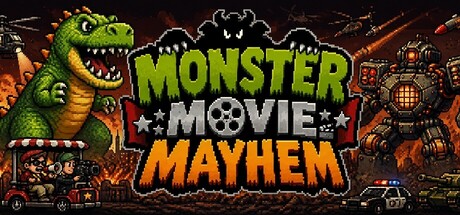 Monster Movie Mayhem In-game content art | HaddyForge utilizes PixelLab AI as part of our development workflow to assist with the prototyping and production of select pixel-art sprites, character concepts, and animation frames.
AI-assisted output is primarily used as a starting point for development and is not typically considered game-ready in its initial form. Assets are reviewed, refined, edited, and iterated upon by the developer using PixelLab, Aseprite, and our broader pixel-art workflow until they meet the visual, animation, and technical requirements of the game.
As an independent studio combining pixel-art creation and software development, HaddyForge uses AI-assisted tools to accelerate experimentation and prototyping while maintaining direct creative control over the final assets included in the game.
AI-assisted development tools have also been used during software development to help review and iterate on game systems, identify potential bugs, improve testing, and increase development efficiency. All resulting game systems and implementations are reviewed, tested, and integrated by the developer before release. | HaddyForge | - | Aug 25, 2026 | |
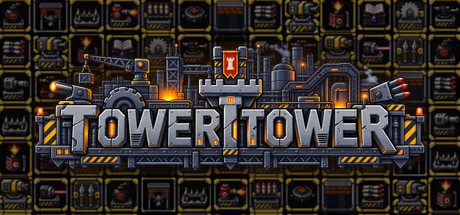 TOWERTOWER In-game content artaudiotext | Some of the content in TOWER TOWER was created with the help of generative AI tools. This applies to parts of the pixel art and the in-game music and sound effects, to the store page text and its translations, and to promotional materials such as the trailer and the capsule images. All AI-assisted content was reviewed and edited by the developer before being used. The game does not generate anything with AI while it is running — everything you see and hear in the game is finalized in advance. | 反省文工房 | - | Aug 25, 2026 | |
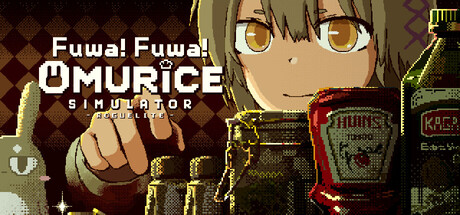 Fuwa! Fuwa! Omurice Simulator Roguelite Dev only code | All assets in this game — art, music, and text — were created by humans. During development, generative AI tools were used for coding assistance and debugging. All resulting code was reviewed and approved by a human developer before inclusion. | スタジオ白亜研究室 | - | Aug 25, 2026 | |
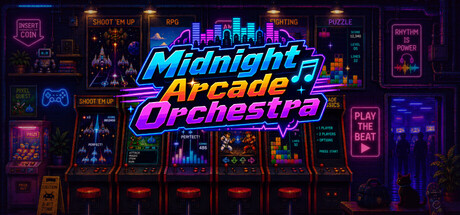 Midnight Arcade Orchestra In-game content artaudio | Generative AI was used to create some of the artwork and audio content in this game. | Joyful Jo | - | Aug 25, 2026 | |
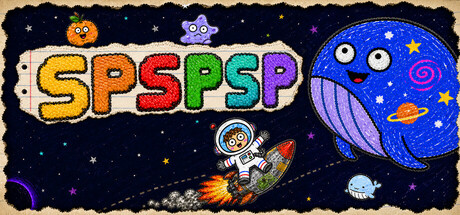 SPSPSP In-game content art | Store page and marketing artwork (capsule images, library assets)
were created with the assistance of generative AI image tools.
Some in-game art assets were also produced with AI assistance.
All generated content was reviewed, edited, and finalized by
the developer. | GamingOry | - | Aug 25, 2026 | |
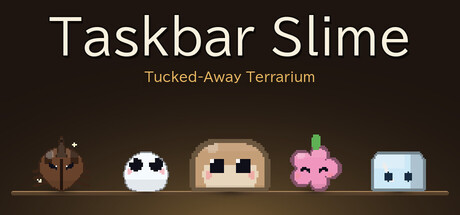 Taskbar Slime ~片隅のテラリウム~ In-game content textcode | This game was developed with the help of generative AI.
- Generative AI was used to write and translate text (slime descriptions,
in-game wording, and the English localisation). All of it was reviewed
and edited by a human.
- Generative AI was also used to write program code.
- The slime pixel art is not image-generated. It is drawn by a rendering
program written for this game.
- No AI runs while the game is playing. The game makes no network
connections and calls no AI models. | GarrAtelier | - | Aug 25, 2026 | |
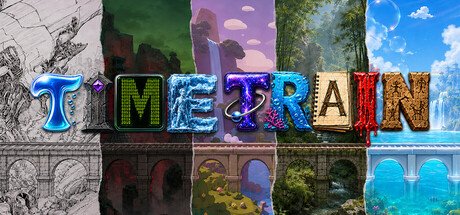 Time Train In-game content art | Generative AI was used during development to create a small amount of temporary placeholder imagery. AI-generated content is limited to pre-generated visual assets and no AI content is generated during gameplay. | NestHex Games | - | Aug 25, 2026 | |
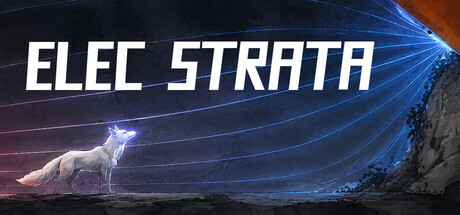 电脉层域 Dev only code | Some of the code was generated with AI assistance. | Draeften | - | Aug 25, 2026 | |
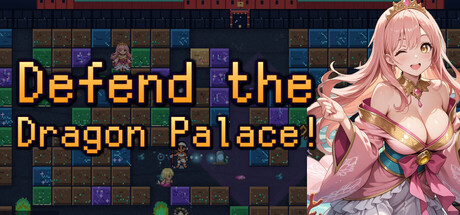 Defend the Dragon Palace! In-game content arttext | Some 2D art assets (character portraits and a portion of the character sprites) and some in-game text (dialogue lines) were produced with the assistance of generative AI tools. All AI-generated output was manually edited, retouched and adjusted by the developer before being included in the game.
No content is generated at runtime; everything ships with the build as pre-generated assets. | Crystal Cat | - | Aug 25, 2026 | |
 TROUBLE SHOOTERS In-game content art | I used generative AI in the process of creating most art/visual assets in Trouble Shooters, with touch ups made after generation. Music and sound effects were either composed without the use of generative AI or sourced from sound libraries that predate generative AI workflows. Nothing is generated on-the-fly. | Music For Robots | - | Aug 25, 2026 | |
 Centauri B In-game content art | Generative AI was used as an auxiliary tool during development and to make minor edits and compositions to graphical assets, including logos. No generative AI is used to generate content dynamically during gameplay. | Vinribs Games | - | Aug 25, 2026 | |
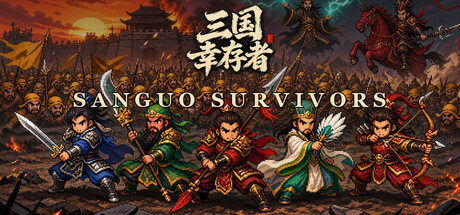 Sanguo Survivors In-game content art | The 2D art in this game — character and enemy sprites, weapon and UI icons, visual effects, tilesets, the title screen, and the store artwork — was produced with the help of generative AI image tools. Every asset was then processed by hand for the game: sliced, colour-keyed, scaled with nearest-neighbour, and assembled into sprite sheets by the developer.
All audio is synthesised procedurally by the developer's own scripts — it is not AI generated. The game's code and design are written by the developer.
Nothing is generated by AI while you play. All content ships with the game and never changes. | kevin | - | Aug 25, 2026 | |
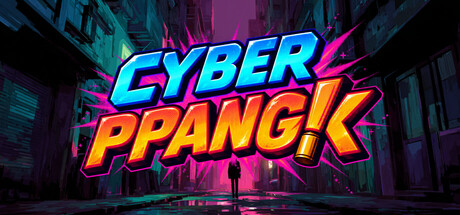 Cyberppangk In-game content artaudio | Generative AI tools were used during development to assist in creating various game assets, including visual assets, UI elements, and some audio content. All AI-assisted content was reviewed, selected, and integrated by the developer as part of the game's overall creative direction. The game does not use generative AI to create content in real time during gameplay. | Eturnalove | - | Aug 24, 2026 | |
 Parasomnia Dev only code | Since all the content of the code was completed by the producer alone, it was inevitable to use AI for bug maintenance. | Yishun Qin | - | Aug 24, 2026 | |
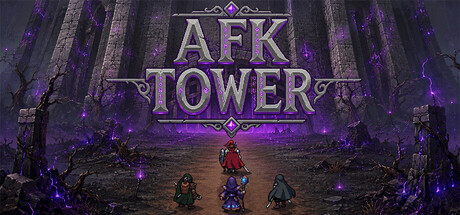 AFKTower In-game content artaudiotext | AFKTower contains AI-assisted content that was generated during development; no AI runs inside the game.
Art: most of the pixel art hero, enemy and boss sprites and their animations, weapon and armor art, skins, combat backgrounds, map scrolls, UI panels, rarity frames and icons was generated with PixelLab (pixellab.ai) from prompts and references, then handn selected, edited, recolored and assembled by the developer. The AFKTower logo was drawn without AI.
Music: the three soundtrack tracks were composed by the developer with Suno (paid plan with commercial license). Sound effects are synthesized procedurally by the game's own code, not by AI.
Text: the game and store texts were written in Spanish by the developer; the English localization and copy editing were done with the help of an AI language model (Claude, by Anthropic) and reviewed by humans.
Store screenshots are unedited captures of the game. Nothing is generated at runtime: the game contains no AI systems. | SpecialStudios | - | Aug 24, 2026 | |
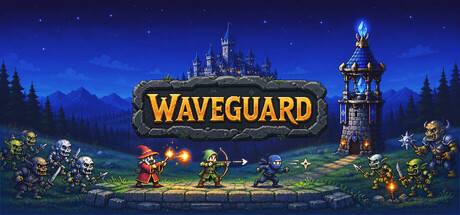 Waveguard In-game content arttext | Some images and translations used in the game and its marketing materials were created or assisted using generative AI tools only when necessary. The majority of the assets were created by human artists and contributors. All AI-assisted content was reviewed and integrated by the development team before inclusion. | DLD Games | - | Aug 24, 2026 | |
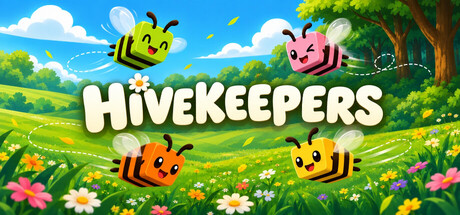 Hivekeepers In-game content artaudio | The capsule art and some sfx were generated by AI. | MNXC Games | - | Aug 24, 2026 | |
 Pawn of the Pit In-game content art | Generative AI was used during development to create initial visual concepts and source imagery. These images were then substantially edited, redrawn, and altered by the developer before being included in the final game. | ArdenGames | - | Aug 24, 2026 | |
 Little Bettas In-game content artaudio | Pre-Generated Content
This demo includes pre-generated AI content:
- The background images used in the Store, Breeding, and Inventory screens.
- The shared background image used in the Collection and Tutorial screens.
- Wooden aquarium decorations.
- Snail aquarium decorations.
- Background music tracks generated with Suno AI. The developer holds a license for their use.
No AI-generated content is created during gameplay. Players cannot enter prompts or interact with AI systems. | ElaraClub | - | Aug 24, 2026 | |
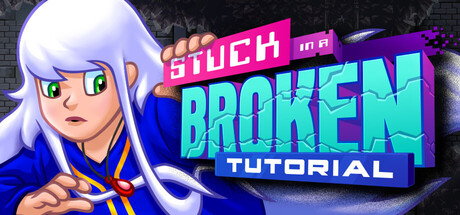 Stuck in a Broken Tutorial Unclear | The general philosophy of AI usage is: keep it to non-creative endeavors. | Xtonomous | - | Aug 24, 2026 | |
 Stackflow In-game content audiotext | Some sound effects and the in-game text localization were created with the help of AI tools during development. All AI-generated audio and translated text was reviewed and edited by a human before shipping. No AI-generated artwork, and no AI content is generated while the game is running. | Caue Ferrareto | 190 | Aug 24, 2026 | |
 Aftergrowth Dev only textcode | Aftergrowth's code was written with the help of an AI coding assistant, and some of the game's text — including parts of this store page — was first drafted with it and then edited by hand.
Nothing you see or hear is AI-generated. Every sprite, tile and icon is drawn by deterministic Python scripts rather than by an image model. The music is synthesised and the sound effects are CC0 recordings by Kenney, both credited in the game's CREDITS file. No generative AI runs while you play: nothing is generated live, and the game makes no request to any AI service. | pl0xuee | - | Aug 24, 2026 | |
 Runecast Unclear | We used Artificial Intelligence tools as an aid during development and in the creation of some game content. All AI-assisted material was personally reviewed and adjusted by our team, who were involved throughout every stage of the creative process. | Dotsmith | - | Aug 24, 2026 | |
 Fab.exe In-game content art | Generative AI was used during development to create selected pre-generated store graphics, story illustrations, and in-game art. These assets were reviewed and edited before inclusion. The game does not generate AI content at runtime and does not send player input or personal data to AI services. | BT Studio | - | Aug 24, 2026 | |
 超能力不防弹 In-game content artcode | 本作品使用了生成式人工智能生产了部分游戏资源、代码。 | 哨子工作室 | - | Aug 24, 2026 | |
 ASCEND.exe In-game content text | AI was used in the generation and editing of code and to edit the script for the dialogue present in the game. | Sprint Jump Studio | - | Aug 24, 2026 | |
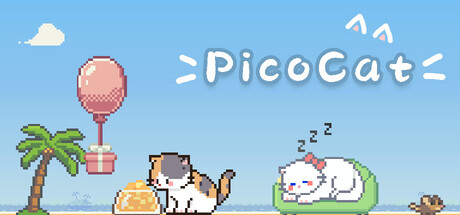 流浪猫岛 Live AI textcode | This game includes an optional AI assistant. Players may use the AI tools during gameplay for in‑game assistance such as balloon‑shooting, feeding and other actions. No AI‑generated content will be produced.
During development, generative AI tools were used to assist with programming and some pre‑generated text. All AI‑assisted text included in the game was reviewed and edited by the development team.
No AI was used to generate the game's artwork or music. All artwork and music were created by human artists and musicians. | 行云工作室 | - | Aug 24, 2026 | |
 Football Cup Survivor In-game content art | Contenu visuel pré-généré uniquement. Des outils d'IA générative ont servi à
produire une partie des illustrations livrées avec le jeu (portraits de
personnages, décors, illustrations de cartes, icônes de succès) ainsi que des
ressources graphiques de la page du magasin. Toutes les images ont été
sélectionnées, retouchées et validées manuellement par le développeur avant
intégration. Aucune génération en temps réel pendant le jeu. | illou | - | Aug 24, 2026 | |
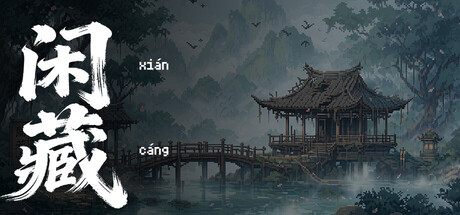 闲藏 Live AI text | This game uses an open-source language model (Qwen2.5) bundled with the game to generate real-time NPC dialogue and ambient chatter entirely offline on the player's own machine via llama.cpp. No external server, no third-party API, and no internet connection are required. Players can toggle this feature on or off. The model runs locally using the player's CPU — no data is uploaded, collected, stored, or used for training. | SUN JIANXIN | - | Aug 24, 2026 | |
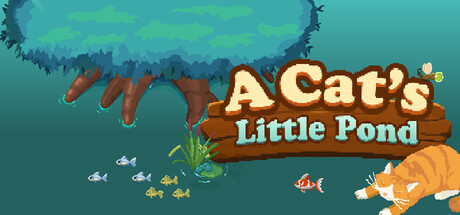 A Cat's Little Pond In-game content arttext | AI tools were used during development to provide feedback on artwork and assist with localization. No AI-generated artwork or other AI-generated assets are included in the final game. | Rikerat | - | Aug 24, 2026 | |
 Money Makes Money: Historical Market Simulator In-game content audioart | Generative AI tools were used during development to create or process some pre-generated voice audio and selected 2D visual assets, including stylized character and news-related images.
All AI-assisted content is created before release and manually reviewed, edited, and curated by the developer before being included in the game.
No generative AI runs during gameplay, and no player input or data is sent to generative AI services. | DH_GameStudio | - | Aug 24, 2026 | |
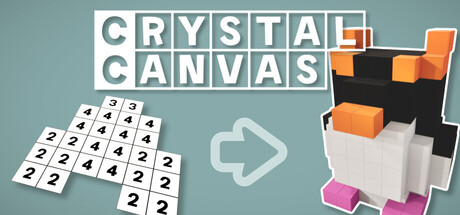 rov Dev only audiocode | CrystalCanvas uses generative AI in parts of its development process.
For the sound effects played when placing voxels, we aimed to create sounds that remain pleasant and unobtrusive even during extended play sessions. After exploring a variety of sound assets and recordings, we ultimately used generative AI as part of the sound design process to achieve the desired result.
Generative AI is also used as a development aid through Claude Code for generating and assisting with parts of the code related to voxel space management and rendering.
Generative AI is not used to generate the voxel artwork or gameplay content itself. | coznssoft | - | Aug 24, 2026 | |
 ANONYMOUS CARD (TCG) In-game content art | Some visual assets in the game, including certain card illustrations and UI elements, were created with the assistance of generative AI tools. These assets were generated during development and are included as pre-generated content in the game. | ルーたん | - | Aug 24, 2026 | |
 Neon Horde In-game content text | Text content only, all pre-generated during development and reviewed by the developer. AI assistance was used to write the in-game story text, the user interface translations for the 8 supported languages, the achievement names and descriptions, and the store page copy. Nothing is generated live at runtime and the game does not connect to any AI service. Art, sprites, capsule images, icons and the soundtrack are NOT AI-generated: they are produced by procedural scripts written by the developer and included in the project source. | Guilherme Henrique Amorin | - | Aug 24, 2026 | |
 Second Stage general | All AI involvement is pre-generated and human-reviewed: nothing is generated while you play, the game runs no AI models, and it never sends your data anywhere. | Archaic Labs | - | Aug 24, 2026 | |
 Slime Hunter In-game content text | This game uses generative AI to assist with some translations. All AI-assisted translations were reviewed, edited, and approved by the developer before being included in the game. | DogDog | - | Aug 24, 2026 | |
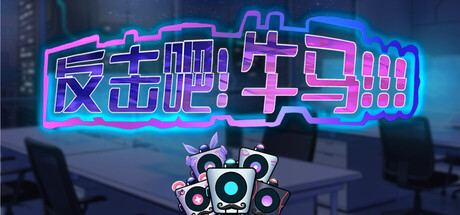 反击吧!牛马!!! In-game content art | Some of the scene images are AI-generated. | Xuanhuo Games | - | Aug 24, 2026 | |
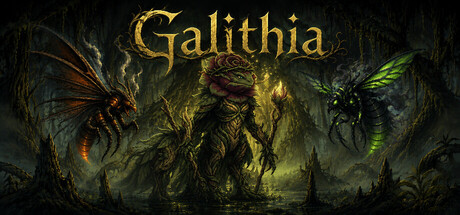 Galithia Dev only art | Galithia uses generative AI during development for some concepting, visual iteration, and content support. Any AI-assisted assets or materials are reviewed, modified, and integrated by the developer, with final approval and creative direction remaining fully human-led. Gameplay systems, combat balance, encounter design, and final implementation are developer-controlled. | Josh Schoenberger | - | Aug 23, 2026 | |
 Tiny Banners Dev only code | Portions of this game's code were written with the assistance of an AI coding tool, working under the developer's direction, with all output reviewed, tested, and integrated by hand. All artwork, animation, music, and sound effects are human-created licensed assets — no AI-generated art or audio is used. The game does not generate any content with AI at runtime; computer opponents use traditional hand-written game logic. | Gergatory Games | - | Aug 23, 2026 | |
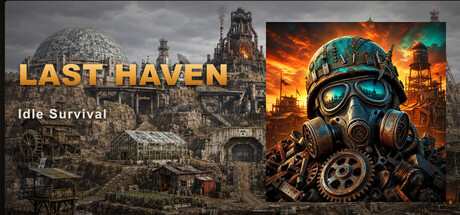 Last Haven: Idle Survival Unclear | Game Design | WishHaveFun OPC | - | Aug 23, 2026 | |
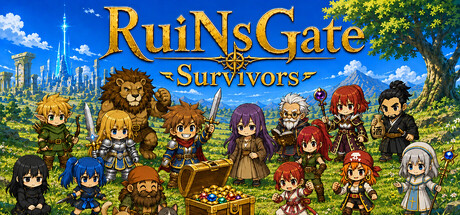 RuiNsGate Survivors In-game content arttextcode | This game was developed with the help of generative AI tools in the following areas:
Some art assets, including characters, backgrounds, UI, and effects
Store page capsule images and key art
English localization of in-game text
Portions of the source code
All generated output was reviewed, edited, and integrated by the developer, and the final content is the developer's responsibility. No content is generated by AI while the game is running. | R.N.G Works | - | Aug 23, 2026 | |
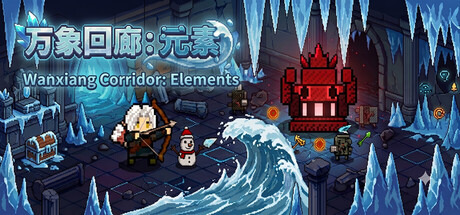 万象回廊:元素 In-game content art | Some of the store promotional materials for this game (including the cover, main key visual, and some 2D UI elements) were created with the assistance of generative AI. In-game visual effects, programming, gameplay, and all other game content were developed entirely by human developers. The game does not use generative AI during runtime, nor does it collect or upload player data. | 黄涛 | - | Aug 23, 2026 | |
 AI Tycoon Store/marketing artcode | AI helped us create our new logo, and we used Claude Code to help us with... the code, bro. Otherwise, the game's hand-made!
Our world is entering a troubling and hilarious time, and so critical reflection is important - but we are not categorically anti-AI. After all, you can't criticize something you don't understand, can you? | Moonstruck | 87 | Aug 23, 2026 | |
 Long Watch In-game content art | Generative AI was used for selected visual assets during development. All AI-assisted content was reviewed by the developer. No AI content is generated during gameplay. | William Wilson | - | Aug 23, 2026 | |
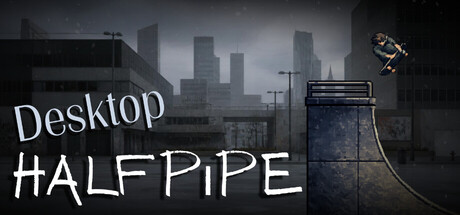 Desktop Halfpipe In-game content arttextcode | Generative AI was used as a creative tool to assist with parts of the artwork, code, and written content. All design choices, creative direction, edits, and final decisions were made by the human developer, with all AI-assisted work reviewed and refined before release. | Stripey Cat Games | - | Aug 23, 2026 |


