Public Steam disclosure research25,383 disclosures tracked
Where do games disclose AI use?
Search developers’ Steam disclosures, compare classified AI use across
games, and follow recorded changes.
This index adds cross-game classifications and statistics to
statements published on individual store pages.
Groups reflect automatic analysis of public disclosures; mature records are excluded. These counts do not measure AI use across all of Steam.
Missing or unclear statements cannot establish whether a game uses AI.
Some music, sound effects, and UI icons in this game were created with the assistance of generative AI tools during development. All AI-generated content has been directly reviewed, selected, and retouched for optimal integration.
Generative AI tools were used to create some background assets used within the actual game client. All game assets created this way were pre-generated and fixed by the developer.
This game includes pre-generated artwork and music created with the assistance of generative AI. All generated content was reviewed and curated by the developer. The game does not generate AI content during gameplay.
Generative AI tools were used during development for visual assets, 3D models, audio, and localization. Final assets were selected and integrated by the developer. Generative AI was also used to assist with translations. No AI content is generated during gameplay.
Some visual assets in this game, including character designs, were initially
generated using AI image tools and subsequently refined and adapted by the developer.
All AI-generated visual assets (character designs, icons, screenshots/trailer materials,
etc.) are being fully replaced with hand-crafted or licensed content.
As a solo project, Vibin & Survivin leverages AI assistance for asset design, audio generation, and coding support. This allowed me to punch above my weight class as a single developer and focus on crafting tight, responsive action-roguelike gameplay!
The majority of the game's programming was done by AI.
For the in-game text, AI is utilized as a supplementary tool to improve grammar, but all text is ultimately checked and adjusted manually. AI is also used for translating the game into other languages.
However, no AI is used whatsoever for the illustrations or UI.
The images in this game start from generative AI output and are then redrawn pixel by pixel by the developer. This covers equipment icons, character and enemy sprites, backgrounds, and the images on this store page.
The music was created with a generative AI music service under a commercial-use license.
The text is written in Japanese and machine-translated into other languages.
Some visual assets and promotional images were created with generative AI tools and later reviewed, modified, and integrated by the developer. No generative AI content is created during gameplay.
The non-English text is AI machine-translated for now (English is the only hand-written one), and it's labelled as AI in-game. If you're a native speaker and want to help fix the rough spots, there'll be an open localization repo for corrections, which ship in updates.
Generative AI was used to assist with the localization of the game's text into multiple languages. The Portuguese and English localizations were reviewed by the developer, while the Japanese localization received partial human review. Other supported languages were translated with AI assistance and have not yet received full human review, or their review is still in progress.
Green vs Tan was built with AI-assisted development tools under human direction. Every design decision was made and reviewed by a person.
The art you see while playing is not shipped as image files. The soldiers, vehicles, carpet and bosses are drawn procedurally by the game's own code, and the sound effects are synthesized as they play.
Some of our store and marketing artwork was AI-assisted and human-curated.
No content is generated by AI while you play, and the game never calls out to an AI service.
Generative AI was used to create the game's artwork, audio, localization, and promotional materials. All AI-generated content was personally reviewed, selected, directed, and refined by the developer before being included in the game. No generative AI is used during gameplay.
RUSTCAN includes an optional live-generated AI guide called the Gnome. Players can ask the Gnome questions about gameplay, controls, progression, and the in-game world. The Gnome generates text responses at runtime through a server-side AI service.
Responses may be inaccurate and are provided for entertainment and gameplay guidance only. The Gnome does not provide professional, financial, medical, or legal advice.
Players access the feature after signing in, entering Hollow Pines, and selecting Ask the Gnome or speaking with the Gnome in town.
Requests require an authenticated RUSTCAN account and server-side application verification. Requests are rate-limited and monitored. Server-side input moderation blocks or flags severe illegal, exploitative, violent, self-harm, and other prohibited requests.
Generated replies are sanitized before display, and fallback responses are used when the AI service fails or produces no usable response. Players can report problems through the in-game bug/report tools.
Some of the assets in this game were created with the help of generative AI tools: part of the background music and sound effects, some of the 2D images and textures used in the game and on the store page, some of the 3D models, and part of the source code. Every AI-assisted asset was reviewed and adjusted by the developer before it was included in the game, and we do not knowingly use material that infringes the rights of third parties. This game does not generate any content with AI while it is running; NPC dialogue is randomly selected from text written in advance by the developer.
Darcnia Monster is made by a single independent developer. Some of the game's visual assets — background illustrations, cinematic scenes, and character and card artwork — were created with the help of generative AI image tools, and the in-game character voices were produced using AI voice synthesis. Every AI-assisted asset was hand-selected, edited, and integrated by the developer to match the game's art direction and story. No AI runs while you play: nothing is generated in real time, and no player data is ever sent to any AI service.
Some of the visual artwork in Coilbound — including character and card illustrations, environment art, and store assets — was created with the assistance of generative AI image tools during development. All generated content was reviewed, edited, and curated by the developer. Coilbound does not use any AI-generated content in real time during gameplay.
Some pre-generated visual assets were created with the assistance of generative AI tools during development, including selected skill icons, weapon icons, concept references and promotional art references. All final assets included in the game were reviewed, curated, edited where needed, and integrated by the development team to match the game’s art direction. The game does not use live-generated AI during gameplay.
Most of the game's 2D art assets — including monster sprites, map backgrounds, skill and skill tree icons, achievement icons, and store/marketing key art — were created with the assistance of generative AI image tools and then reviewed and edited by the developer. Portions of the localization text (store page and in-game translations) were produced with AI assistance under human review. The game does not generate any content with AI at runtime.
We used generative AI as a coding assistant during development to help write and debug the game's source code. All AI-assisted code was reviewed and tested by the developer. The game contains some AI-generated sounds and visual content at runtime however most is non AI. The game sends no player data to any AI service.
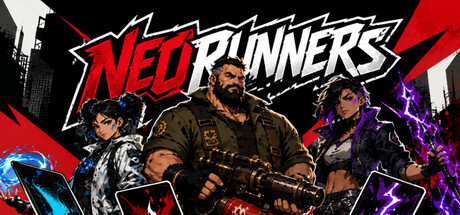
NeoRunners uses generative AI tools as part of its development process. AI-assisted content includes portions of the game's visual artwork and UI assets, promotional/store artwork, and character voice audio. These assets are generated and/or iterated on during development and are reviewed, selected, edited, and integrated by the development team before being included in the game. The game does not generate this content dynamically during gameplay.
I am a solo developer with limited art experience. Generative AI tools were used to assist with the creation of some assets, while I created and refined other assets and sound effects myself.
Some visual assets used in the game and its promotional materials were created with the assistance of generative AI. These assets were reviewed and integrated by the developer as part of the game's overall art direction.
This game used AI generated content in early phases for help with game art. This content was later modified or changed completely to achieve the creative vision of the developer.
Some of our art (not all) began as generative drafts made with AI tools, then heavily reworked by hand to fit the game's look. Everything else, story, music, game design and level design is human-made (with love).
The card illustrations, background art and background music in this game were created with generative AI tools during development. All of it is produced ahead of time, reviewed and selected by the developer, and shipped as fixed asset files. The game does not generate any content at runtime and does not connect to any AI service while you play.
Pre-generated AI tools were used to create store page and marketing artwork (capsules, key art, banners, broadcast panels). No AI-generated content ships inside the game itself: all in-game visuals are built procedurally in code or come from CC0 asset kits. No live-generated AI content.
Generative AI technology is used in a supplementary capacity during the creation of some user interface assets.
Any such assets are replaced through our production pipeline by our art and development teams, ensuring they meet our quality standards and creative direction.
Some music, sound effects, and UI icons in this game were created with the assistance of generative AI tools during development. All AI-generated content has been directly reviewed, selected, and retouched for optimal integration.
Generative AI tools were used to create some background assets used within the actual game client. All game assets created this way were pre-generated and fixed by the developer.
This game includes pre-generated artwork and music created with the assistance of generative AI. All generated content was reviewed and curated by the developer. The game does not generate AI content during gameplay.
Generative AI tools were used during development for visual assets, 3D models, audio, and localization. Final assets were selected and integrated by the developer. Generative AI was also used to assist with translations. No AI content is generated during gameplay.
Some visual assets in this game, including character designs, were initially
generated using AI image tools and subsequently refined and adapted by the developer.
All AI-generated visual assets (character designs, icons, screenshots/trailer materials,
etc.) are being fully replaced with hand-crafted or licensed content.
As a solo project, Vibin & Survivin leverages AI assistance for asset design, audio generation, and coding support. This allowed me to punch above my weight class as a single developer and focus on crafting tight, responsive action-roguelike gameplay!
The majority of the game's programming was done by AI.
For the in-game text, AI is utilized as a supplementary tool to improve grammar, but all text is ultimately checked and adjusted manually. AI is also used for translating the game into other languages.
However, no AI is used whatsoever for the illustrations or UI.
The images in this game start from generative AI output and are then redrawn pixel by pixel by the developer. This covers equipment icons, character and enemy sprites, backgrounds, and the images on this store page.
The music was created with a generative AI music service under a commercial-use license.
The text is written in Japanese and machine-translated into other languages.
Some visual assets and promotional images were created with generative AI tools and later reviewed, modified, and integrated by the developer. No generative AI content is created during gameplay.
The non-English text is AI machine-translated for now (English is the only hand-written one), and it's labelled as AI in-game. If you're a native speaker and want to help fix the rough spots, there'll be an open localization repo for corrections, which ship in updates.
Generative AI was used to assist with the localization of the game's text into multiple languages. The Portuguese and English localizations were reviewed by the developer, while the Japanese localization received partial human review. Other supported languages were translated with AI assistance and have not yet received full human review, or their review is still in progress.
Green vs Tan was built with AI-assisted development tools under human direction. Every design decision was made and reviewed by a person.
The art you see while playing is not shipped as image files. The soldiers, vehicles, carpet and bosses are drawn procedurally by the game's own code, and the sound effects are synthesized as they play.
Some of our store and marketing artwork was AI-assisted and human-curated.
No content is generated by AI while you play, and the game never calls out to an AI service.
Generative AI was used to create the game's artwork, audio, localization, and promotional materials. All AI-generated content was personally reviewed, selected, directed, and refined by the developer before being included in the game. No generative AI is used during gameplay.
RUSTCAN includes an optional live-generated AI guide called the Gnome. Players can ask the Gnome questions about gameplay, controls, progression, and the in-game world. The Gnome generates text responses at runtime through a server-side AI service.
Responses may be inaccurate and are provided for entertainment and gameplay guidance only. The Gnome does not provide professional, financial, medical, or legal advice.
Players access the feature after signing in, entering Hollow Pines, and selecting Ask the Gnome or speaking with the Gnome in town.
Requests require an authenticated RUSTCAN account and server-side application verification. Requests are rate-limited and monitored. Server-side input moderation blocks or flags severe illegal, exploitative, violent, self-harm, and other prohibited requests.
Generated replies are sanitized before display, and fallback responses are used when the AI service fails or produces no usable response. Players can report problems through the in-game bug/report tools.
Some of the assets in this game were created with the help of generative AI tools: part of the background music and sound effects, some of the 2D images and textures used in the game and on the store page, some of the 3D models, and part of the source code. Every AI-assisted asset was reviewed and adjusted by the developer before it was included in the game, and we do not knowingly use material that infringes the rights of third parties. This game does not generate any content with AI while it is running; NPC dialogue is randomly selected from text written in advance by the developer.
Darcnia Monster is made by a single independent developer. Some of the game's visual assets — background illustrations, cinematic scenes, and character and card artwork — were created with the help of generative AI image tools, and the in-game character voices were produced using AI voice synthesis. Every AI-assisted asset was hand-selected, edited, and integrated by the developer to match the game's art direction and story. No AI runs while you play: nothing is generated in real time, and no player data is ever sent to any AI service.
Some of the visual artwork in Coilbound — including character and card illustrations, environment art, and store assets — was created with the assistance of generative AI image tools during development. All generated content was reviewed, edited, and curated by the developer. Coilbound does not use any AI-generated content in real time during gameplay.
Some pre-generated visual assets were created with the assistance of generative AI tools during development, including selected skill icons, weapon icons, concept references and promotional art references. All final assets included in the game were reviewed, curated, edited where needed, and integrated by the development team to match the game’s art direction. The game does not use live-generated AI during gameplay.
Most of the game's 2D art assets — including monster sprites, map backgrounds, skill and skill tree icons, achievement icons, and store/marketing key art — were created with the assistance of generative AI image tools and then reviewed and edited by the developer. Portions of the localization text (store page and in-game translations) were produced with AI assistance under human review. The game does not generate any content with AI at runtime.
We used generative AI as a coding assistant during development to help write and debug the game's source code. All AI-assisted code was reviewed and tested by the developer. The game contains some AI-generated sounds and visual content at runtime however most is non AI. The game sends no player data to any AI service.
NeoRunners uses generative AI tools as part of its development process. AI-assisted content includes portions of the game's visual artwork and UI assets, promotional/store artwork, and character voice audio. These assets are generated and/or iterated on during development and are reviewed, selected, edited, and integrated by the development team before being included in the game. The game does not generate this content dynamically during gameplay.
I am a solo developer with limited art experience. Generative AI tools were used to assist with the creation of some assets, while I created and refined other assets and sound effects myself.
Some visual assets used in the game and its promotional materials were created with the assistance of generative AI. These assets were reviewed and integrated by the developer as part of the game's overall art direction.
This game used AI generated content in early phases for help with game art. This content was later modified or changed completely to achieve the creative vision of the developer.
Some of our art (not all) began as generative drafts made with AI tools, then heavily reworked by hand to fit the game's look. Everything else, story, music, game design and level design is human-made (with love).
The card illustrations, background art and background music in this game were created with generative AI tools during development. All of it is produced ahead of time, reviewed and selected by the developer, and shipped as fixed asset files. The game does not generate any content at runtime and does not connect to any AI service while you play.
Pre-generated AI tools were used to create store page and marketing artwork (capsules, key art, banners, broadcast panels). No AI-generated content ships inside the game itself: all in-game visuals are built procedurally in code or come from CC0 asset kits. No live-generated AI content.
Generative AI technology is used in a supplementary capacity during the creation of some user interface assets.
Any such assets are replaced through our production pipeline by our art and development teams, ensuring they meet our quality standards and creative direction.