Public Steam disclosure research25,376 disclosures tracked
Where do games disclose AI use?
Search developers’ Steam disclosures, compare classified AI use across
games, and follow recorded changes.
This index adds cross-game classifications and statistics to
statements published on individual store pages.
Groups reflect automatic analysis of public disclosures; mature records are excluded. These counts do not measure AI use across all of Steam.
Missing or unclear statements cannot establish whether a game uses AI.
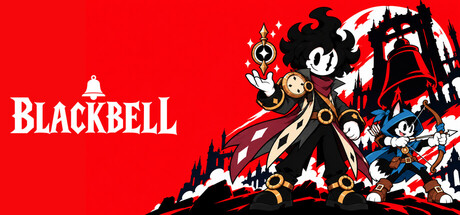
Generative AI tools were used extensively during the development of BLACKBELL, including for artwork, writing, audio, code, and production support. All AI-generated content included in the shipped game is pre-generated, selected, edited, and integrated by the developer. The developer is responsible for the game's creative direction, design, curation, quality control, and final implementation.
Some in-game posters and signs, the splash screen, and parts of the text and translation were made with the help of generative AI and then edited by hand.
The intro cinematic and the artwork taken from it (used on this store page) were generated with AI video tools from the game's own 3D models, as were some illustrations and icons of the interface. The soundtrack was composed with an AI music tool, and the translations were made with AI assistance. No AI generates content while you play.
Everything is AI Assisted
only thing that isn't AI Assisted is the Soundtrack, If i release the Soundtracks on Steam they made by my Friends Imogen and Orlando.
Generative AI tools were used to create music and visual artwork, including store and promotional images. These assets were generated before release and selected by the developer. No AI content is generated during gameplay.
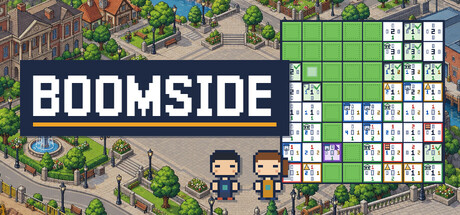
Boomside's background artwork, including the title-screen city and the district backgrounds, was created with the help of generative AI image tools. The developer then selected, edited and integrated it into the game. The game does not use AI to generate any content while you play.
Artwork: cards, lobby illustrations and achievement icons were pregenerated with AI image tools and rewritten by hand. The visual style was reviewed and rewritten artist.
Text: The German and Italian localizations were made with AI translation.
Generative AI tools were used during development to create visual assets, including character artwork, environments, and visual effects, as well as in-game music. AI tools also assisted with promotional artwork and the translation of store descriptions. These contents were generated during development. The game does not generate content using AI during gameplay.
This game was made using generative AI. Generative AI was used for card illustrations, backgrounds, character videos, music, the story and other text, translations, and promotional materials such as the store page and trailer. All of this content was created in advance; no content is generated by AI during gameplay.
AI was used in assisiting to create the VFX, trailer music, localisation and concept art.
All generated material was reviewed, refined and integrated by the developers before use.
Generative AI tools were used during development to help create code, 2D art and text, including draft translations. The developer directed, selected and assembled all of it into the game.
No generative AI runs while you play. Meridian, your companion, is scripted rather than a chatbot, and the game sends nothing to AI services. Planets come from the game's own procedural generator, not an AI model.
Some pre-generated content was made with AI tools: the store key art and capsule images, the localization into 19 languages, and parts of the in-game and store text. 3D models, sound effects and achievement icons are built procedurally by code written with AI assistance. No AI-generated content is created live while you play.
All artwork, music, and sound effects in Geargrave Outlands were created with generative AI tools (images: OpenAI image models; music: Suno; sound effects: ElevenLabs) and then selected, edited, and integrated by the developer. Story text was written with AI assistance and edited by the developer. All translations were produced with AI assistance. All of this content is pre-generated and ships as fixed files. The game does not generate any content with AI while you play.
AI was used to create a handful of static images within the game as the developer had no other options at the time. All of this will be replaced as soon as possible.
Generative AI tools are used during the development of MASSVEIL to assist with the creation and refinement of certain pre-generated materials, including selected visual elements, sound effects, voice lines, and text content.
All AI-assisted content is reviewed and, where necessary, edited by the developer before being included in the game.
Generative AI is not used to create new content during gameplay, and the game does not connect to third-party AI services while running.
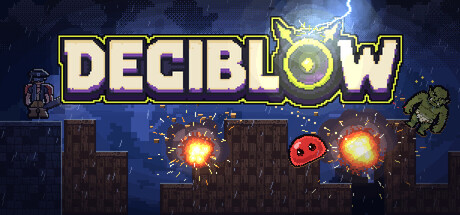
DECIBLOW utilized generative AI for a few small things like localization & partial involvement in some of the music to speed up production (heavy human involvement at a DAW level).
Custom Built LLM & Vertex DB, 100% home made AI model built by developer of Abandon All Hope was used to aid in padding out Dialog for the game, as well as the store page description. All Other content has been hand crafted.
Pissant is built with AI-assisted code. The developer directs and edits everything; an AI assistant helps write the game's code, its in-game text, the music scores and the store and marketing text. No AI image, video or voice generator made anything in the game: every visual is drawn by the game's own procedural code, and every sound and note of music comes from its own synthesis engine. No generative AI runs during gameplay, and the game does not connect to any AI service.
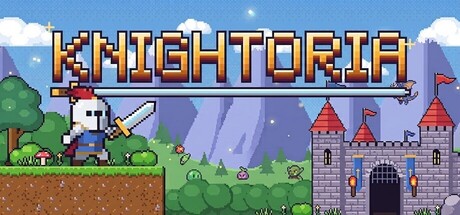
Some artwork and marketing materials for Knightoria were created using generative AI. AI-generated content is pre-rendered and is not generated during gameplay.
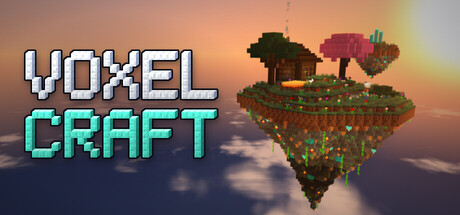
Generative AI tools were used to help create promotional artwork and store page images for VoxelCraft. AI is not used to generate in-game content, code, or gameplay at runtime.
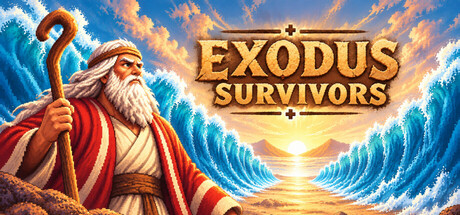
Generative AI tools were used during the development of Exodus Survivors to create some of the game's visual assets and music. AI was also used as a development tool to assist with programming and other aspects of production. The game was developed and assembled by the developer, with the final content selected, edited, integrated, and reviewed as part of the development process.
The game's pixel art, sound effects and music, in-game text (including translation), program code, and the store page text and images were created using an AI tool (Anthropic's Claude) under the developer's direction and review. The game does not generate any content with AI while it is running.
Used Ai to generate a NPC of my daughter Princess Octavia, Also used it to implement bought assets from epic store. Used to generate capsules for steam page.
Some of the game's illustrations (characters, enemies, backgrounds, store art), its music, its sound effects and parts of its text were created with the help of AI tools during development, then selected, edited and integrated by hand. The game does not generate any content while you play.
Generative AI tools were used during development to create selected visual and audio assets. All AI-generated content was reviewed, edited, and integrated by the development team.
Some visual assets were created with the assistance of generative AI during development, while others were created manually. AI-assisted assets were reviewed and adjusted by the developer. The game does not generate AI content during gameplay.
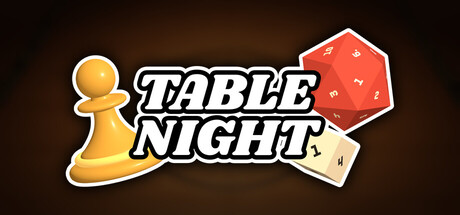
Table Night has an optional AI LLM game master: if the host turns it on with their own AI account, a language model narrates the match and judges what players write, while the game rolls the dice and decides every result. The AI is instructed to keep everything suitable for teens. Players' text is sent to the host's AI provider, and any table can be played with a human game master or none instead.
Some pre-generated artwork was created with the help of generative AI tools and then edited by the developer, including store and marketing images and some loading-screen art. No AI content is generated live while you play, and the game does not connect to any AI service.
Generative AI was used to create some of the game's content. The illustrations and the characters (character designs and artwork and models) were created with the help of generative AI tools, then selected, edited and integrated by the developer. Some English localization text (UI and character descriptions) and the store page description were also drafted with an AI assistant and reviewed and edited by the developer. The game does not generate any content with AI while it is running.
AI was used during development to create some of the game's visual artwork and graphical assets. The AI-generated assets are pre-generated and included as static content in the game. No AI content is generated during gameplay, and the game does not connect to or use an AI service at runtime.
I use Codex as a programming assistant to help write, debug, and optimize portions of the game’s code. Everything else like artwork and stuff were made by humans.
Some images in the game were generated using AI tools and then refined by the game's developer. All the music in the game was written by the game's developer, but the mastering was done using AI tools. The 3D character models (all except the zombie mutants) were initially generated via AI and later refined and adapted by the game's developer.
Generative AI tools were used to help create promotional artwork and Steam store page text. This content was prepared in advance. The game does not use generative AI or connect to external AI services during gameplay.
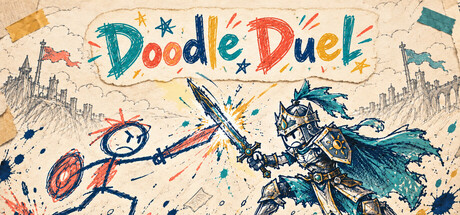
Some promotional materials for Doodle Duel, including animation and music created or assisted by generative AI tools based on game images, were made with generative AI. The game itself does not generate content at runtime and does not connect to external AI services.
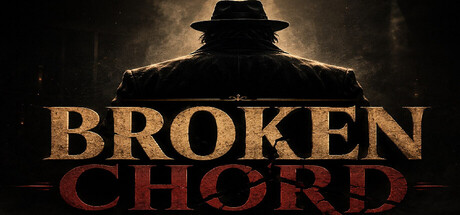
BROKEN CHORD uses generative AI in the creation of selected music and visual assets used in the game and its presentation. AI-generated material is curated, edited, and integrated into the game’s overall artistic and audiovisual direction by the developer.
Character, enemy, and terrain sprites and the key art were produced with AI image tools from our own concept art and style references, then selected, corrected, and composited by hand. All game rules, code, writing, board layout, and interface art are made by the developer without generative AI at runtime. The game does not generate content with AI while you play.
Generative AI tools were used extensively during the development of BLACKBELL, including for artwork, writing, audio, code, and production support. All AI-generated content included in the shipped game is pre-generated, selected, edited, and integrated by the developer. The developer is responsible for the game's creative direction, design, curation, quality control, and final implementation.
Some in-game posters and signs, the splash screen, and parts of the text and translation were made with the help of generative AI and then edited by hand.
The intro cinematic and the artwork taken from it (used on this store page) were generated with AI video tools from the game's own 3D models, as were some illustrations and icons of the interface. The soundtrack was composed with an AI music tool, and the translations were made with AI assistance. No AI generates content while you play.
Everything is AI Assisted
only thing that isn't AI Assisted is the Soundtrack, If i release the Soundtracks on Steam they made by my Friends Imogen and Orlando.
Generative AI tools were used to create music and visual artwork, including store and promotional images. These assets were generated before release and selected by the developer. No AI content is generated during gameplay.
Boomside's background artwork, including the title-screen city and the district backgrounds, was created with the help of generative AI image tools. The developer then selected, edited and integrated it into the game. The game does not use AI to generate any content while you play.
Artwork: cards, lobby illustrations and achievement icons were pregenerated with AI image tools and rewritten by hand. The visual style was reviewed and rewritten artist.
Text: The German and Italian localizations were made with AI translation.
Generative AI tools were used during development to create visual assets, including character artwork, environments, and visual effects, as well as in-game music. AI tools also assisted with promotional artwork and the translation of store descriptions. These contents were generated during development. The game does not generate content using AI during gameplay.
This game was made using generative AI. Generative AI was used for card illustrations, backgrounds, character videos, music, the story and other text, translations, and promotional materials such as the store page and trailer. All of this content was created in advance; no content is generated by AI during gameplay.
AI was used in assisiting to create the VFX, trailer music, localisation and concept art.
All generated material was reviewed, refined and integrated by the developers before use.
Generative AI tools were used during development to help create code, 2D art and text, including draft translations. The developer directed, selected and assembled all of it into the game.
No generative AI runs while you play. Meridian, your companion, is scripted rather than a chatbot, and the game sends nothing to AI services. Planets come from the game's own procedural generator, not an AI model.
Some pre-generated content was made with AI tools: the store key art and capsule images, the localization into 19 languages, and parts of the in-game and store text. 3D models, sound effects and achievement icons are built procedurally by code written with AI assistance. No AI-generated content is created live while you play.
All artwork, music, and sound effects in Geargrave Outlands were created with generative AI tools (images: OpenAI image models; music: Suno; sound effects: ElevenLabs) and then selected, edited, and integrated by the developer. Story text was written with AI assistance and edited by the developer. All translations were produced with AI assistance. All of this content is pre-generated and ships as fixed files. The game does not generate any content with AI while you play.
AI was used to create a handful of static images within the game as the developer had no other options at the time. All of this will be replaced as soon as possible.
Generative AI tools are used during the development of MASSVEIL to assist with the creation and refinement of certain pre-generated materials, including selected visual elements, sound effects, voice lines, and text content.
All AI-assisted content is reviewed and, where necessary, edited by the developer before being included in the game.
Generative AI is not used to create new content during gameplay, and the game does not connect to third-party AI services while running.
DECIBLOW utilized generative AI for a few small things like localization & partial involvement in some of the music to speed up production (heavy human involvement at a DAW level).
Custom Built LLM & Vertex DB, 100% home made AI model built by developer of Abandon All Hope was used to aid in padding out Dialog for the game, as well as the store page description. All Other content has been hand crafted.
Pissant is built with AI-assisted code. The developer directs and edits everything; an AI assistant helps write the game's code, its in-game text, the music scores and the store and marketing text. No AI image, video or voice generator made anything in the game: every visual is drawn by the game's own procedural code, and every sound and note of music comes from its own synthesis engine. No generative AI runs during gameplay, and the game does not connect to any AI service.
Some artwork and marketing materials for Knightoria were created using generative AI. AI-generated content is pre-rendered and is not generated during gameplay.
Generative AI tools were used to help create promotional artwork and store page images for VoxelCraft. AI is not used to generate in-game content, code, or gameplay at runtime.
Generative AI tools were used during the development of Exodus Survivors to create some of the game's visual assets and music. AI was also used as a development tool to assist with programming and other aspects of production. The game was developed and assembled by the developer, with the final content selected, edited, integrated, and reviewed as part of the development process.
The game's pixel art, sound effects and music, in-game text (including translation), program code, and the store page text and images were created using an AI tool (Anthropic's Claude) under the developer's direction and review. The game does not generate any content with AI while it is running.
Used Ai to generate a NPC of my daughter Princess Octavia, Also used it to implement bought assets from epic store. Used to generate capsules for steam page.
Some of the game's illustrations (characters, enemies, backgrounds, store art), its music, its sound effects and parts of its text were created with the help of AI tools during development, then selected, edited and integrated by hand. The game does not generate any content while you play.
Generative AI tools were used during development to create selected visual and audio assets. All AI-generated content was reviewed, edited, and integrated by the development team.
Some visual assets were created with the assistance of generative AI during development, while others were created manually. AI-assisted assets were reviewed and adjusted by the developer. The game does not generate AI content during gameplay.
Table Night has an optional AI LLM game master: if the host turns it on with their own AI account, a language model narrates the match and judges what players write, while the game rolls the dice and decides every result. The AI is instructed to keep everything suitable for teens. Players' text is sent to the host's AI provider, and any table can be played with a human game master or none instead.
Some pre-generated artwork was created with the help of generative AI tools and then edited by the developer, including store and marketing images and some loading-screen art. No AI content is generated live while you play, and the game does not connect to any AI service.
Generative AI was used to create some of the game's content. The illustrations and the characters (character designs and artwork and models) were created with the help of generative AI tools, then selected, edited and integrated by the developer. Some English localization text (UI and character descriptions) and the store page description were also drafted with an AI assistant and reviewed and edited by the developer. The game does not generate any content with AI while it is running.
AI was used during development to create some of the game's visual artwork and graphical assets. The AI-generated assets are pre-generated and included as static content in the game. No AI content is generated during gameplay, and the game does not connect to or use an AI service at runtime.
I use Codex as a programming assistant to help write, debug, and optimize portions of the game’s code. Everything else like artwork and stuff were made by humans.
Some images in the game were generated using AI tools and then refined by the game's developer. All the music in the game was written by the game's developer, but the mastering was done using AI tools. The 3D character models (all except the zombie mutants) were initially generated via AI and later refined and adapted by the game's developer.
Generative AI tools were used to help create promotional artwork and Steam store page text. This content was prepared in advance. The game does not use generative AI or connect to external AI services during gameplay.
Some promotional materials for Doodle Duel, including animation and music created or assisted by generative AI tools based on game images, were made with generative AI. The game itself does not generate content at runtime and does not connect to external AI services.
BROKEN CHORD uses generative AI in the creation of selected music and visual assets used in the game and its presentation. AI-generated material is curated, edited, and integrated into the game’s overall artistic and audiovisual direction by the developer.
Character, enemy, and terrain sprites and the key art were produced with AI image tools from our own concept art and style references, then selected, corrected, and composited by hand. All game rules, code, writing, board layout, and interface art are made by the developer without generative AI at runtime. The game does not generate content with AI while you play.