Public Steam disclosure research25,376 disclosures tracked
Where do games disclose AI use?
Search developers’ Steam disclosures, compare classified AI use across
games, and follow recorded changes.
This index adds cross-game classifications and statistics to
statements published on individual store pages.
Groups reflect automatic analysis of public disclosures; mature records are excluded. These counts do not measure AI use across all of Steam.
Missing or unclear statements cannot establish whether a game uses AI.
We used generative AI tools to create base 3D meshes for some of the NPCs and initial compositions for achievement icons. These assets were not used 'as-is'; our team manually performed UV unwrapping, created custom texture masks, and modified the materials to ensure they work with our custom-made in-game shaders. This manual rework allows the assets to match our game’s unique visual style, performance standards, and lighting requirements.
Some of the images on loading screens and menus have been manipulated using AI including the title art and store backgrounds. I'm a solo developer with no budget and I'm a terrible artist.
For our game, we've generated the following content using pre-production AI tools:
1.Hero illustrations for the gacha interface.
2.Hero icons.
Background music for the game.
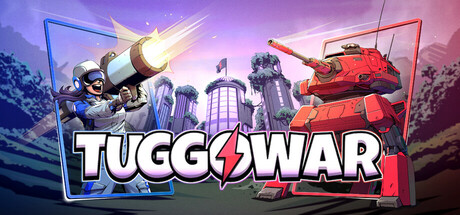
Tuggowar artwork is created through a process of creative design by artists who used AI-assisted rendering and manual work. As a small independent studio, hiring a team of full-time artists was not within our means. All use of AI is commercially licensed.
Translations done by humans, but aided by DeepL; most graphics used Leonardo and SD as tools; a few of the audio files were generated with the help of Suno and Udio, while most were made by human artists without AI help. 11.ai was used to improve the voices of the human voice actors.
The main capsule image that appears in the card when sharing Battle Marine's store page URL on social media such as Twitter is created using a generative AI.
AI generated diagram explanation:
1. The title screen of the game
2. Image of promotional images
3. Library homepage image
4. Use Ai to generate in-game plot events and illustrations
Artificial intelligence was used to create transparent textures and improve image quality. In some cases, photos were processed using the Prisma filter app.
AI is used to generate the handful of character portraits. Original prompts describing each character is used, and iteratively adjusted to discover the final image that represents the character we imagine to be in our story world.
The creative process taken to generate each character starts first with an imagination of what the inhabitants of the game's fantasy world setting would look like, including the personalities, outfit, abilities, jobs, and overall stylistic theme of the game, while balancing between character uniqueness versus technical complexity to implement.
To avoid any legal issues, we use original prompts written by ourselves using generic descriptive keywords, without reference to any names of artists or existing creative works.
Ai is used in some of the background character's voices. The AI comes from Replica Studios (https://www.replicastudios.com/) and is legal and does not violate any copyright laws. The majority of the voice acting comes from hired professionals. Additionally, some of the artists I hired may have used AI to create or edit some of the art.
As a self funded, mostly solo indie dev Ai Art has been used during development for prototyping and concept art as well as promotional/marketing materials.
All art in game before and during early access should be considered a WIP and not final. It is my goal that sales during EA can fund hiring artists to update/replace this content.
* The background scene of the in-door shooting range is AI generated
* Some of the widgets use pre-rendered graphics
* Some voice overs for widgets use pre-rendered AI files
In Rivandy, Artificial Intelligence is only used as a creative assistant. Since we are a very small team, AI helps us mainly with artistic aspects—such as illustrations to enhance immersion, or voice generation to ensure consistency across characters. Occasionally, it may assist in code prototyping to unblock situations.
However, the game itself is essentially human-made: the core code, design, and mechanics are developed by us, and all visual assets such as FX and 3D models are purchased, not AI-generated.
This way, we can stay focused on building a unique, handcrafted experience while using AI only as a supportive tool.
We use AI to pre-generate some in-game banners and icons. Some of this generated content is used as reference and then modified by our in-house art team.
Nearly all content in the game including gameplay, environments, and story was handcrafted. Some cosmetic elements, such as nose-art decals, icons, were AI generated or AI-assisted, then manually refined to match the game's visual style and tone.
We utilize generative AI tools during the development process to enhance the overall quality and depth of the game's world. Specifically:
Character Models: The mesh for the game’s final boss was created using AI-assisted generation tools, then manually refined to ensure high-quality technical standards.
Localization: AI tools are used to assist in translating game text into multiple languages, which are then manually reviewed and polished for accuracy.
Marketing Materials: Some promotional assets and store page visuals may include elements enhanced by AI to better represent the game's tactical vision.
We used generative AI tools to create base 3D meshes for some of the NPCs and initial compositions for achievement icons. These assets were not used 'as-is'; our team manually performed UV unwrapping, created custom texture masks, and modified the materials to ensure they work with our custom-made in-game shaders. This manual rework allows the assets to match our game’s unique visual style, performance standards, and lighting requirements.
Some of the images on loading screens and menus have been manipulated using AI including the title art and store backgrounds. I'm a solo developer with no budget and I'm a terrible artist.
For our game, we've generated the following content using pre-production AI tools:
1.Hero illustrations for the gacha interface.
2.Hero icons.
Background music for the game.
Tuggowar artwork is created through a process of creative design by artists who used AI-assisted rendering and manual work. As a small independent studio, hiring a team of full-time artists was not within our means. All use of AI is commercially licensed.
Translations done by humans, but aided by DeepL; most graphics used Leonardo and SD as tools; a few of the audio files were generated with the help of Suno and Udio, while most were made by human artists without AI help. 11.ai was used to improve the voices of the human voice actors.
The main capsule image that appears in the card when sharing Battle Marine's store page URL on social media such as Twitter is created using a generative AI.
AI generated diagram explanation:
1. The title screen of the game
2. Image of promotional images
3. Library homepage image
4. Use Ai to generate in-game plot events and illustrations
Artificial intelligence was used to create transparent textures and improve image quality. In some cases, photos were processed using the Prisma filter app.
AI is used to generate the handful of character portraits. Original prompts describing each character is used, and iteratively adjusted to discover the final image that represents the character we imagine to be in our story world.
The creative process taken to generate each character starts first with an imagination of what the inhabitants of the game's fantasy world setting would look like, including the personalities, outfit, abilities, jobs, and overall stylistic theme of the game, while balancing between character uniqueness versus technical complexity to implement.
To avoid any legal issues, we use original prompts written by ourselves using generic descriptive keywords, without reference to any names of artists or existing creative works.
Ai is used in some of the background character's voices. The AI comes from Replica Studios (https://www.replicastudios.com/) and is legal and does not violate any copyright laws. The majority of the voice acting comes from hired professionals. Additionally, some of the artists I hired may have used AI to create or edit some of the art.
As a self funded, mostly solo indie dev Ai Art has been used during development for prototyping and concept art as well as promotional/marketing materials.
All art in game before and during early access should be considered a WIP and not final. It is my goal that sales during EA can fund hiring artists to update/replace this content.
* The background scene of the in-door shooting range is AI generated
* Some of the widgets use pre-rendered graphics
* Some voice overs for widgets use pre-rendered AI files
In Rivandy, Artificial Intelligence is only used as a creative assistant. Since we are a very small team, AI helps us mainly with artistic aspects—such as illustrations to enhance immersion, or voice generation to ensure consistency across characters. Occasionally, it may assist in code prototyping to unblock situations.
However, the game itself is essentially human-made: the core code, design, and mechanics are developed by us, and all visual assets such as FX and 3D models are purchased, not AI-generated.
This way, we can stay focused on building a unique, handcrafted experience while using AI only as a supportive tool.
We use AI to pre-generate some in-game banners and icons. Some of this generated content is used as reference and then modified by our in-house art team.
Nearly all content in the game including gameplay, environments, and story was handcrafted. Some cosmetic elements, such as nose-art decals, icons, were AI generated or AI-assisted, then manually refined to match the game's visual style and tone.
We utilize generative AI tools during the development process to enhance the overall quality and depth of the game's world. Specifically:
Character Models: The mesh for the game’s final boss was created using AI-assisted generation tools, then manually refined to ensure high-quality technical standards.
Localization: AI tools are used to assist in translating game text into multiple languages, which are then manually reviewed and polished for accuracy.
Marketing Materials: Some promotional assets and store page visuals may include elements enhanced by AI to better represent the game's tactical vision.