
Disclosure
Generative AI was used during development to assist with initial pixel art drafts and multilingual translation drafts.
- Creator
- Wonder Road
- Reviews
- -
- Added
- May 23, 2026
Public Steam disclosure research 25,980 disclosures tracked
Search developers’ Steam disclosures, compare classified AI use across games, and follow recorded changes. This index adds cross-game classifications and statistics to statements published on individual store pages.
Code help, debugging and other development work.
Capsule art, trailers and promotional material.
Pre-made art, audio, writing and other game assets.
Interactive or runtime AI features disclosed by the developer.
Groups reflect automatic analysis of public disclosures; mature records are excluded. These counts do not measure AI use across all of Steam. Missing or unclear statements cannot establish whether a game uses AI.
Generative AI was used during development to assist with initial pixel art drafts and multilingual translation drafts.
This game is created by a solo developer. Generative AI tools were utilized to enhance the music, sound effects, and localization for a better atmosphere and overall experience. All AI-assisted content has been personally reviewed and finalized by the developer. All visual assets and the narrative are entirely handcrafted.
AI tools were utilized to assist with text correction and translation. Additionally, AI was used to refine certain artwork, as well as to generate certain audio elements. All other aspects of the project, from creative direction and story to core gameplay and scripting, represent the dedicated, hand-crafted effort of a solo developer.
AI was used to generate the icon.
I'm Alex, a solo developer. Most of Sphere TD is handmade by me: towers, mods, UI, maps, game design, and core gameplay art. A small amount of AI assisted creation is used for flavor: optional map background images (off by default), and music tracks that combine indie production with AI assisted composition. I also have a no AI assets switch in Settings to toggle off generated content if you prefer.
In short: 8 years of manual development then accelerated with AI, used in following areas: - Sprites and other images: no - Music and Sounds: yes - Game engine and mechanics: A little at the end of development, I used AI for minor features and tidious configuration of some mechanics in XML input files for my engine. - Puzzle maps: no - Dungeon maps: no - Preview survival openworld maps: Worldgen parameters is moslty generated
Some localization texts and 1 image were created with the assistance of AI tools.
This game was built extensively with generative AI. AI tools were used to assist with code development, pixel art generation, music composition, sound effect creation, voice acting, dialogue writing, story design, and game design.
Mix a Meow uses AI generation tools to create some assets, including character illustrations, icons, music, and sound effects. All character concepts and design directions were crafted by the developer; AI was used as a tool to bring them to life. No content is generated by AI during gameplay — all AI-assisted assets were reviewed and finalized by the developer before release.
This game utilizes generative AI tools to assist in the creation of select 2D artwork, specifically some UI icons, league background themes, and store page promotional materials. Other in-game assets, such as enemy art and player icon and GUI, were acquired through licensed asset stores.
**About the Use of AI** This game was largely developed by a single developer with limited resources. To move faster and support certain parts of the creative process, I occasionally used AI tools during development. AI was mainly used to help generate early drafts of visuals, initial text ideas, and to assist throughout the production process. However, everything you see in the game has been manually refined, reworked, and shaped to fit the overall vision of the game. My goal was not to use AI as a shortcut, but as a supportive tool to help bring ideas to life more efficiently. This allowed me to focus more on the atmosphere, gameplay, and overall experience I wanted to create. The final result — its world, mechanics, and feeling — reflects my own vision.
Some visual assets in this game, including backgrounds and certain enemy designs, were created using AI-assisted tools and then edited, modified, and integrated into the game by the developer.
Artificial intelligence was used in the production of the game to modulate voices and generate songs.
The game's soundtrack was composed with the assistance of AI tools.
Generative AI has been used during the development of this game in the following ways: AI tools were used to assist in writing part of the game's source code and to help create or refine some 2D graphic assets, such as logos and UI elements.
Some visual assets (illustrations and portraits) and the music were created with the help of AI tools. The game code was developed with AI-assisted programming. All content was reviewed, curated, and approved by the developer.
The Steam store page banners and promotional materials were created with the help of generative AI tools. The in-game assets were either manually created or edited afterward, while certain marketing visuals (such as headers, capsules, and banners) contain AI-generated elements.
This game uses generative AI during development for certain 2D icons, concept art, placeholder graphics, and text. All AI-generated content has been manually reviewed, edited, and adapted by the developer before being included in the final game.
All assets (including music and sound) and most of the logic has been generated with the help of A.I.
Generative AI (SoundID VoiceAI) was used to process recorded voice-acting performances for character dialogue and undead vocals. AI tools were also used in the creation of environmental textures and ambient sound layers."
Generative AI tools were used to assist with localization translations. All AI-generated translations were reviewed and edited by the development team.
Some visual assets used in the game’s store page and promotional materials were created with the assistance of generative AI tools. All gameplay content, writing, and narrative design are created by the developer.
Generative AI tools were used in the creation of select marketing materials, including the promotional video, icons, and store images.
Some content in this game, including text and certain assets, was created with the assistance of AI tools during development. All AI-generated content has been reviewed, edited, and integrated by the developer to ensure quality and consistency.
Used for the mother's voice and the voice of Daniel's significant other.
Every asset in AeonFall is designed and produced by our development team. For some 3D assets, we make limited use of generative AI as a reference tool at the modeling and texture draft stage, and even then the input is original work our team created first. No AI-generated draft ever goes into the game as is. Every asset is finished by the team through retopology, texture rework, rigging, and final editing, and all art direction and final decisions are made in-house. We do not use generative AI for game design, programming, levels, or UI.
AI is used for some of the experiences art, voices, and textures.
Used AI to aid in the process of generating images, audio, and some text (dialog and names).
A lot of the artwork in Melovar's Tale, including the card, relic and character illustrations were created with the assistance of AI tools. All AI Generated items were reviewed, curated, and refined to ensure they meet the game visual and thematic standards. There isn't any AI content generated live during the game.
The logo and some of the art surrounding the logo on the main menu screen is partly made using Photoshop Generative AI feature.
3D Models: Generative artificial intelligence is used to restore and recreate interior objects of the real building that were lost in the fire. Images: The paintings inside the manor are real photographs of artworks that once hung inside, but they have been enhanced and restored. Music & Sounds: Specially created to build a unique and immersive atmosphere.
The core concepts, rules, and gameplay mechanics of The Bone Yard are entirely my own original creation. Because this is a solo passion project, I utilized generative AI as a development assistant to help bring my vision to life. AI tools were used to help brainstorm visual design elements, which I then curated and integrated into the game. I also used AI to assist with coding and text localization. The heart of the game, how it plays, how it feels, is 100% USDA Prime Human.
Parts of the game's music were created with the help of generative AI.
The store capsule images and some in-game icons were generated by artificial intelligence.
Generative AI has been utilized to assist in content development, including 3d modeling and icon generation.
AI was used to generate parts of the game's soundtrack/music.
This game uses AI-generated promotional images.
In development and early prototyping, Rankbreaker used some generative art assets. These are being actively replaced with original work created by professional artists, and this transition is already underway. Current contributions include: Leonardo Veronesi: Disruptors “Void,” “Raven,” “Recoil,” and character card “Axl Rydell” Samuele Colombini: Character cards “Bloodthirst,” “Ironjaw,” “Riff the Cat,” and “Stonewhal” Richard Kessler: Location art “Deadspace,” “Sepulcher,” and “The Arc” All generative assets are being phased out in favor of fully original artwork as development continues.
AI was used to create certain graphics in the main menu and enemy textures in the game.
Some store imagery (capsule art) was created with AI image generation tools. Game text translations for non-English/Turkish languages were assisted by AI translation, with manual review
This game was developed with the assistance of AI tools during certain stages of production. These tools were used to support and enhance the creative process, while all final content was curated and integrated by the developer. Programming Support: AI-assisted tools were used to help prototype and refine parts of the game logic and structure. Image Generation: Some visual assets were created or enhanced using AI image generation, followed by manual selection and adjustments. Music Generation: Portions of the soundtrack were generated with AI tools and further refined to match the game's atmosphere. Text Generation: AI was used to assist in drafting and polishing certain in-game text and descriptions. All AI-assisted content was reviewed, edited, and adapted to ensure consistency with the game’s design and artistic direction.
Visual and music assets in the game were created or assisted using generative AI tools during development. All content has been reviewed, edited, and integrated by the developer.
UIの画像に事前にAI生成した画像を用いています。生成した画像に不適切なコンテンツが含まれていないか、製作者が手動で判別してから、ゲームに組み込んでいます。
The visual assets in this game (character illustrations and background images) are generated using KlingAI. All other content — including scenario, music, and programming — is created by the developer.
Generative AI tools were utilized during the pre-production and development phases to assist a solo developer in establishing the visual concepts, background art, and base textures for the cyber-apocalyptic world. All AI-generated base assets were subsequently reviewed, heavily curated, and manually integrated into the game engine to ensure they perfectly match the strict artistic direction and gameplay requirements of PROTOCOL: Zero-day.
AI was used during development to generate placeholders, graphics & variation of existing developer-made assets.
AI tools were used during development to assist with asset creation (pixel art sprites, terrain textures, localization drafts) and game design iteration. All AI-generated content was reviewed, edited and curated by the developer.
The background images and fairies pictures are pre-rendered AI art
Exonie Online uses pre-generated AI content to provide a high-quality multiplayer experience. Gameplay Code: Generative AI was used as a primary collaborative tool to develop the game's networking logic, hybrid asset-loading systems, and core mechanics. Visual Assets: AI tools were used to generate environmental maps, character sprites, and UI elements. Audio: The game’s soundtrack was generated using Suno AI (Pro Tier), ensuring the developer holds full commercial rights. All AI-assisted content was manually reviewed and integrated by the developer. No AI content is generated live during gameplay
All narrative, lore, and in-game text were written entirely by our team. Music and sound design are produced by our talented sound designer. Character concepts and initial illustrations/visual designs are human created. AI tools were used to assist in the modeling pipeline, with all output reviewed, adjusted, and approved by the team. We are actively working towards bringing on a 3D artist as the project grows (reach out to us if this might be you).
| Title⇅ | Disclosure | Creator⇅ | Src | Reviews⇅ | Added↓ |
|---|---|---|---|---|---|
 Iron Bird In-game content arttext | Generative AI was used during development to assist with initial pixel art drafts and multilingual translation drafts. | Wonder Road | - | May 23, 2026 | |
 Mayor Quake In-game content audiotext | This game is created by a solo developer. Generative AI tools were utilized to enhance the music, sound effects, and localization for a better atmosphere and overall experience. All AI-assisted content has been personally reviewed and finalized by the developer. All visual assets and the narrative are entirely handcrafted. | sKed Games | - | May 23, 2026 | |
 Barely a Hero In-game content textartaudio | AI tools were utilized to assist with text correction and translation. Additionally, AI was used to refine certain artwork, as well as to generate certain audio elements.
All other aspects of the project, from creative direction and story to core gameplay and scripting, represent the dedicated, hand-crafted effort of a solo developer. | Adorable Abyss Studio | - | May 23, 2026 | |
 Bladebound In-game content art | AI was used to generate the icon. | ZeroSeven | - | May 23, 2026 | |
 Sphere TD In-game content artaudio | I'm Alex, a solo developer. Most of Sphere TD is handmade by me: towers, mods, UI, maps, game design, and core gameplay art.
A small amount of AI assisted creation is used for flavor: optional map background images (off by default), and music tracks that combine indie production with AI assisted composition.
I also have a no AI assets switch in Settings to toggle off generated content if you prefer. | Standard Issue Games | - | May 23, 2026 | |
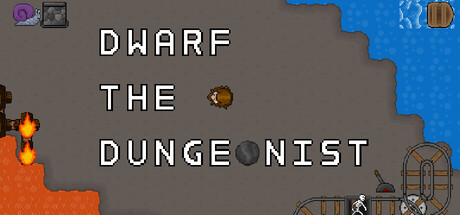 Dwarf the Dungeonist In-game content audiocode | In short: 8 years of manual development then accelerated with AI, used in following areas:
- Sprites and other images: no
- Music and Sounds: yes
- Game engine and mechanics: A little at the end of development, I used AI for minor features and tidious configuration of some mechanics in XML input files for my engine.
- Puzzle maps: no
- Dungeon maps: no
- Preview survival openworld maps: Worldgen parameters is moslty generated | Robert Kortowski | - | May 23, 2026 | |
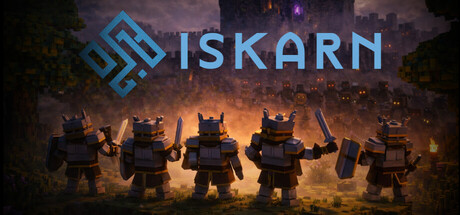 Iskarn In-game content textart | Some localization texts and 1 image were created with the assistance of AI tools. | Iskarn | - | May 23, 2026 | |
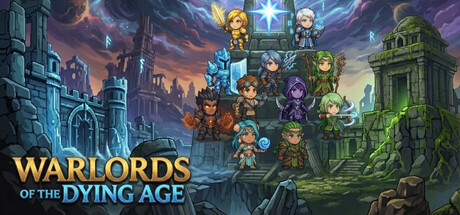 Warlords of the Dying Age In-game content artaudiotextcode | This game was built extensively with generative AI. AI tools were used to assist with code development, pixel art generation, music composition, sound effect creation, voice acting, dialogue writing, story design, and game design. | Kronarc Engine Collective | - | May 23, 2026 | |
 쓰까냥 (Mix a Meow) In-game content artaudio | Mix a Meow uses AI generation tools to create some assets, including character illustrations, icons, music, and sound effects. All character concepts and design directions were crafted by the developer; AI was used as a tool to bring them to life. No content is generated by AI during gameplay — all AI-assisted assets were reviewed and finalized by the developer before release. | BLANK ANSWER | - | May 23, 2026 | |
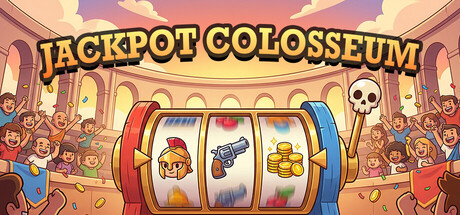 Jackpot Colosseum In-game content art | This game utilizes generative AI tools to assist in the creation of select 2D artwork, specifically some UI icons, league background themes, and store page promotional materials. Other in-game assets, such as enemy art and player icon and GUI, were acquired through licensed asset stores. | Wumbo Games | - | May 23, 2026 | |
 Shop of Deals In-game content arttext | **About the Use of AI**
This game was largely developed by a single developer with limited resources. To move faster and support certain parts of the creative process, I occasionally used AI tools during development.
AI was mainly used to help generate early drafts of visuals, initial text ideas, and to assist throughout the production process. However, everything you see in the game has been manually refined, reworked, and shaped to fit the overall vision of the game.
My goal was not to use AI as a shortcut, but as a supportive tool to help bring ideas to life more efficiently. This allowed me to focus more on the atmosphere, gameplay, and overall experience I wanted to create.
The final result — its world, mechanics, and feeling — reflects my own vision. | Kenthrix Studios | - | May 23, 2026 | |
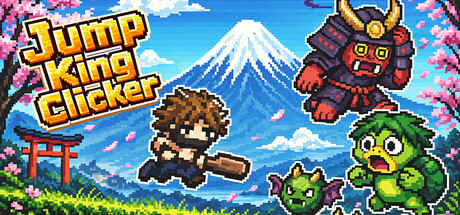 Jump King Clicker In-game content art | Some visual assets in this game, including backgrounds and certain enemy designs, were created using AI-assisted tools and then edited, modified, and integrated into the game by the developer. | Antique Box Studio | - | May 23, 2026 | |
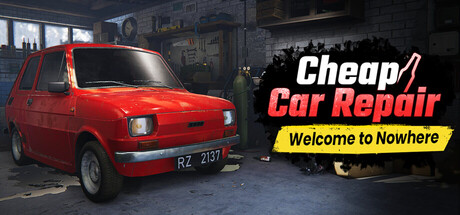 Cheap Car Repair: Welcome to Nowhere In-game content audio | Artificial intelligence was used in the production of the game to modulate voices and generate songs. | Little Dog Games | 522 | May 23, 2026 | |
 On The Ramp In-game content audio | The game's soundtrack was composed with the assistance of AI tools. | FromGamers4Gamers | - | May 23, 2026 | |
 Subsuelo In-game content artcode | Generative AI has been used during the development of this game in the following ways: AI tools were used to assist in writing part of the game's source code and to help create or refine some 2D graphic assets, such as logos and UI elements. | SirthGames | - | May 23, 2026 | |
 Winter Hunts Us In-game content artaudio | Some visual assets (illustrations and portraits) and the music were created with the help of AI tools. The game code was developed with AI-assisted programming. All content was reviewed, curated, and approved by the developer. | Syslí Nora | - | May 23, 2026 | |
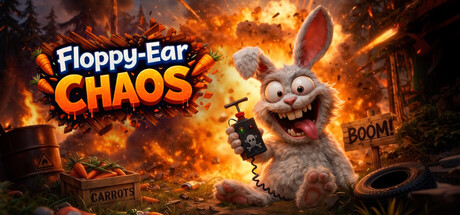 Floppy-Ear Chaos In-game content art | The Steam store page banners and promotional materials were created with the help of generative AI tools. The in-game assets were either manually created or edited afterward, while certain marketing visuals (such as headers, capsules, and banners) contain AI-generated elements. | SCRAPIEDEE S.R.L. | 46 | May 23, 2026 | |
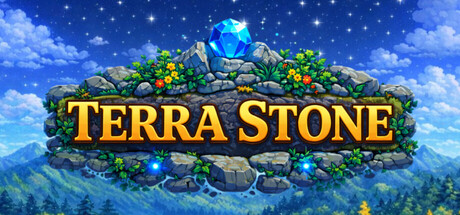 Terrastone In-game content arttext | This game uses generative AI during development for certain 2D icons, concept art, placeholder graphics, and text. All AI-generated content has been manually reviewed, edited, and adapted by the developer before being included in the final game. | Polarpaw | - | May 23, 2026 | |
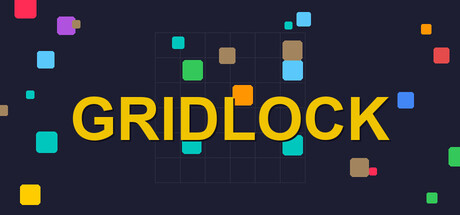 Gridlock In-game content artaudiotextcode | All assets (including music and sound) and most of the logic has been generated with the help of A.I. | Aeterna | - | May 23, 2026 | |
 All Hallows In-game content audioart | Generative AI (SoundID VoiceAI) was used to process recorded voice-acting performances for character dialogue and undead vocals. AI tools were also used in the creation of environmental textures and ambient sound layers." | Aardvark Anteater Acoustics | - | May 23, 2026 | |
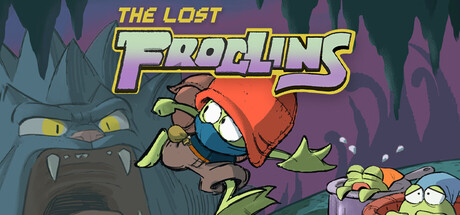 The Lost Froglins In-game content text | Generative AI tools were used to assist with localization translations. All AI-generated translations were reviewed and edited by the development team. | Emanuele Pavarotti | - | May 23, 2026 | |
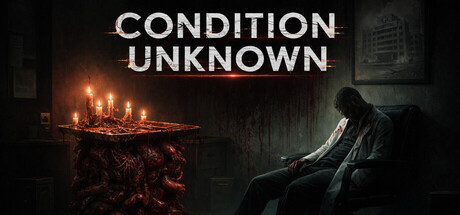 Condition Unknown In-game content art | Some visual assets used in the game’s store page and promotional materials were created with the assistance of generative AI tools. All gameplay content, writing, and narrative design are created by the developer. | Bizibee Interactive | - | May 23, 2026 | |
 Aylix: Linux Aiming Crosshair Overlay In-game content art | Generative AI tools were used in the creation of select marketing materials, including the promotional video, icons, and store images. | Aylix | 14 | May 23, 2026 | |
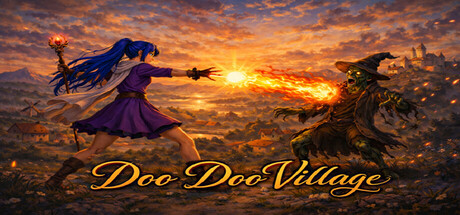 DOO DOO VILLAGE In-game content textart | Some content in this game, including text and certain assets, was created with the assistance of AI tools during development. All AI-generated content has been reviewed, edited, and integrated by the developer to ensure quality and consistency. | DOO DOO OPPA | - | May 23, 2026 | |
 What Remains In-game content audio | Used for the mother's voice and the voice of Daniel's significant other. | Michael Lapinski | - | May 23, 2026 | |
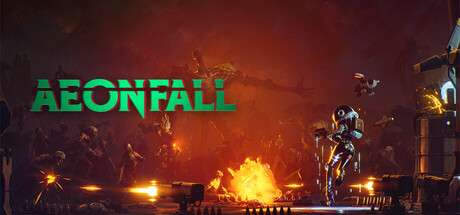 THE AEON FALL In-game content art | Every asset in AeonFall is designed and produced by our development team. For some 3D assets, we make limited use of generative AI as a reference tool at the modeling and texture draft stage, and even then the input is original work our team created first. No AI-generated draft ever goes into the game as is. Every asset is finished by the team through retopology, texture rework, rigging, and final editing, and all art direction and final decisions are made in-house. We do not use generative AI for game design, programming, levels, or UI. | Dalla Games Inc. | - | May 23, 2026 | |
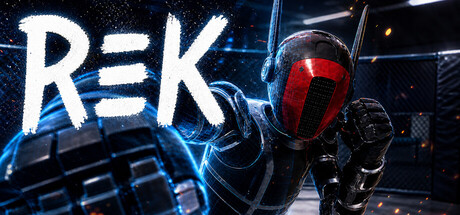 REK In-game content artaudio | AI is used for some of the experiences art, voices, and textures. | REK | - | May 23, 2026 | |
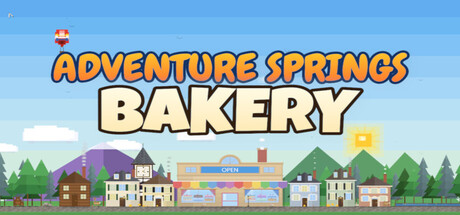 Adventure Springs Bakery In-game content artaudiotext | Used AI to aid in the process of generating images, audio, and some text (dialog and names). | Dylan Robinson | - | May 23, 2026 | |
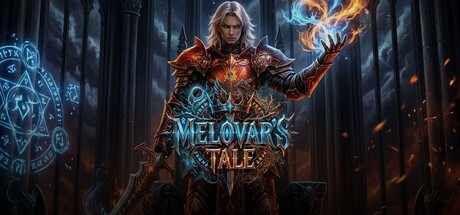 Melovar's Tale In-game content art | A lot of the artwork in Melovar's Tale, including the card, relic and character illustrations were created with the assistance of AI tools. All AI Generated items were reviewed, curated, and refined to ensure they meet the game visual and thematic standards. There isn't any AI content generated live during the game. | Niad Chowdhury | - | May 23, 2026 | |
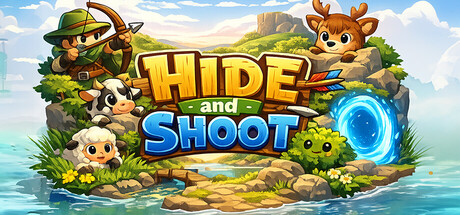 Hide and Shoot In-game content art | The logo and some of the art surrounding the logo on the main menu screen is partly made using Photoshop Generative AI feature. | Eneas Wollbekk-Grande | - | May 23, 2026 | |
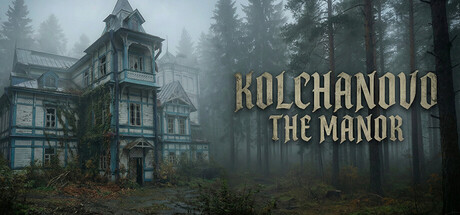 Kolchanovo: The Manor In-game content artaudio | 3D Models: Generative artificial intelligence is used to restore and recreate interior objects of the real building that were lost in the fire.
Images: The paintings inside the manor are real photographs of artworks that once hung inside, but they have been enhanced and restored.
Music & Sounds: Specially created to build a unique and immersive atmosphere. | Mistborn Games | - | May 23, 2026 | |
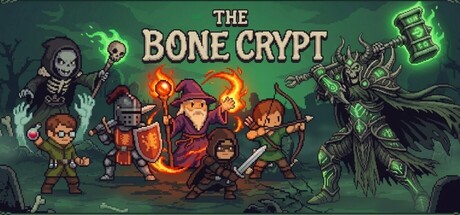 The Bone Crypt In-game content artcodetext | The core concepts, rules, and gameplay mechanics of The Bone Yard are entirely my own original creation. Because this is a solo passion project, I utilized generative AI as a development assistant to help bring my vision to life. AI tools were used to help brainstorm visual design elements, which I then curated and integrated into the game. I also used AI to assist with coding and text localization. The heart of the game, how it plays, how it feels, is 100% USDA Prime Human. | T-Squared Conglomerate | - | May 23, 2026 | |
 CoGaWan In-game content audio | Parts of the game's music were created with the help of generative AI. | Josef Šuma | - | May 23, 2026 | |
 Only Driving - Cozy Car Journey In-game content art | The store capsule images and some in-game icons were generated by artificial intelligence. | Musa GUNGOR | 16 | May 23, 2026 | |
 Beyond Orbit In-game content art | Generative AI has been utilized to assist in content development, including 3d modeling and icon generation. | Beyond Orbit Games | - | May 23, 2026 | |
 Keyboard Survivors In-game content audio | AI was used to generate parts of the game's soundtrack/music. | AhmedJalil | - | May 23, 2026 | |
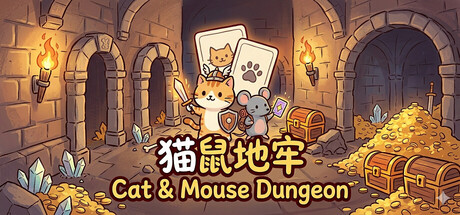 猫鼠地牢 In-game content art | This game uses AI-generated promotional images. | Xunx | - | May 23, 2026 | |
 Rankbreaker In-game content art | In development and early prototyping, Rankbreaker used some generative art assets. These are being actively replaced with original work created by professional artists, and this transition is already underway.
Current contributions include:
Leonardo Veronesi: Disruptors “Void,” “Raven,” “Recoil,” and character card “Axl Rydell”
Samuele Colombini: Character cards “Bloodthirst,” “Ironjaw,” “Riff the Cat,” and “Stonewhal”
Richard Kessler: Location art “Deadspace,” “Sepulcher,” and “The Arc”
All generative assets are being phased out in favor of fully original artwork as development continues. | RHEND Studios | - | May 23, 2026 | |
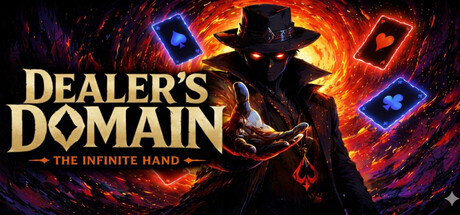 Dealer's Domain: The Infinite Hand In-game content art | AI was used to create certain graphics in the main menu and enemy textures in the game. | Reece | - | May 23, 2026 | |
 Neo Capitalist - Stock Market Survival Simulator In-game content arttext | Some store imagery (capsule art) was created with AI image generation tools. Game text translations for non-English/Turkish languages were assisted by AI translation, with manual review | Paper Plane Logic | - | May 23, 2026 | |
 TAMURO CARDS In-game content artaudiotext | This game was developed with the assistance of AI tools during certain stages of production. These tools were used to support and enhance the creative process, while all final content was curated and integrated by the developer.
Programming Support: AI-assisted tools were used to help prototype and refine parts of the game logic and structure.
Image Generation: Some visual assets were created or enhanced using AI image generation, followed by manual selection and adjustments.
Music Generation: Portions of the soundtrack were generated with AI tools and further refined to match the game's atmosphere.
Text Generation: AI was used to assist in drafting and polishing certain in-game text and descriptions.
All AI-assisted content was reviewed, edited, and adapted to ensure consistency with the game’s design and artistic direction. | Sa5x | - | May 23, 2026 | |
 Ossan Hamster In-game content artaudio | Visual and music assets in the game were created or assisted using generative AI tools during development. All content has been reviewed, edited, and integrated by the developer. | Karol Staszewski | - | May 23, 2026 | |
 United2030 In-game content art | UIの画像に事前にAI生成した画像を用いています。生成した画像に不適切なコンテンツが含まれていないか、製作者が手動で判別してから、ゲームに組み込んでいます。 | 9nahitoproject | - | May 23, 2026 | |
 Blue Hawaii Aniki's Small Celebration vol.2 In-game content art | The visual assets in this game (character illustrations and background images) are generated using KlingAI. All other content — including scenario, music, and programming — is created by the developer. | Kirishima Shoichi | - | May 23, 2026 | |
 PROTOCOL: Zero-day In-game content art | Generative AI tools were utilized during the pre-production and development phases to assist a solo developer in establishing the visual concepts, background art, and base textures for the cyber-apocalyptic world. All AI-generated base assets were subsequently reviewed, heavily curated, and manually integrated into the game engine to ensure they perfectly match the strict artistic direction and gameplay requirements of PROTOCOL: Zero-day. | CRYPTOS Interactive | - | May 23, 2026 | |
 Crownhold In-game content art | AI was used during development to generate placeholders, graphics & variation of existing developer-made assets. | Tobias Mikula | 354 | May 23, 2026 | |
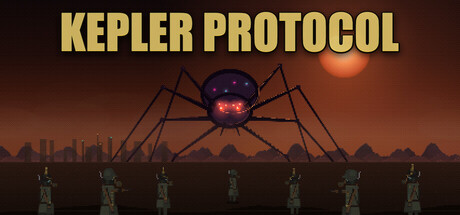 Kepler Protocol In-game content arttext | AI tools were used during development to assist with asset creation (pixel art sprites, terrain textures, localization drafts) and game design iteration. All AI-generated content was reviewed, edited and curated by the developer. | Boe | - | May 23, 2026 | |
 Space Memory: Fairies In-game content art | The background images and fairies pictures are pre-rendered AI art | Quantum Quiver Games | - | May 23, 2026 | |
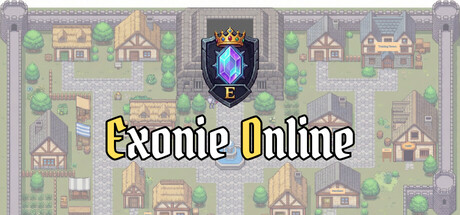 Exonie Online In-game content artaudiocode | Exonie Online uses pre-generated AI content to provide a high-quality multiplayer experience.
Gameplay Code: Generative AI was used as a primary collaborative tool to develop the game's networking logic, hybrid asset-loading systems, and core mechanics.
Visual Assets: AI tools were used to generate environmental maps, character sprites, and UI elements.
Audio: The game’s soundtrack was generated using Suno AI (Pro Tier), ensuring the developer holds full commercial rights.
All AI-assisted content was manually reviewed and integrated by the developer. No AI content is generated live during gameplay | Xenie Gaming | 14 | May 23, 2026 | |
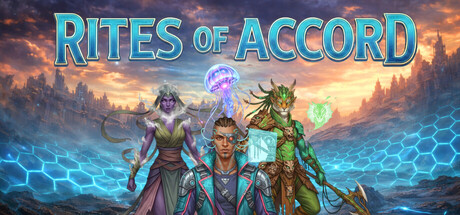 Rites of Accord In-game content art | All narrative, lore, and in-game text were written entirely by our team. Music and sound design are produced by our talented sound designer. Character concepts and initial illustrations/visual designs are human created. AI tools were used to assist in the modeling pipeline, with all output reviewed, adjusted, and approved by the team. We are actively working towards bringing on a 3D artist as the project grows (reach out to us if this might be you). | CodeSeed | - | May 23, 2026 |


