


Disclosure
Some visual assets in the game were created with the assistance of generative AI tools. All gameplay systems, mechanics, and interactive content were developed by the team.
- Creator
- Game Mixer
- Reviews
- -
- Added
- Jul 27, 2026
Public Steam disclosure research 26,946 disclosures tracked
Search developers’ Steam disclosures, compare classified AI use across games, and follow recorded changes. This index adds cross-game classifications and statistics to statements published on individual store pages.
Code help, debugging and other development work.
Capsule art, trailers and promotional material.
Pre-made art, audio, writing and other game assets.
Interactive or runtime AI features disclosed by the developer.
Groups reflect automatic analysis of public disclosures; mature records are excluded. These counts do not measure AI use across all of Steam. Missing or unclear statements cannot establish whether a game uses AI.
Some visual assets in the game were created with the assistance of generative AI tools. All gameplay systems, mechanics, and interactive content were developed by the team.
Some images were generated by AI. Some manually created images were enhanced using AI.
We used AI to design our game's cover art and logo.
AI was used for C# scripting, language translation and making images.
We have only used Gen AI for the purposes of creating and placing the Capsule Art of the game. We will be replacing the capsule art with our in-house capsule art.
During development, AI-assisted and AI-generated tools were used for pre-generated player-facing content. Our production workflow combines original human-created assets with AI-assisted or AI-generated content. AI tools were used to assist with text translation/localization, visual asset modification and refinement, and the generation of certain audio assets. Most final assets are the result of a mixed workflow: they may include both original developer-created elements and AI-assisted or AI-generated elements. All final text, visual, and audio assets included in the game have been manually reviewed, edited, selected, and approved by the development team. The game does not include live-generated AI content. It does not generate new text, images, audio, or other player-facing content through AI during gameplay.
Some of the music is AI generated. See the licenses under "music" for more information.
The core gameplay of this game adopts an independent AI warlord confrontation system. All Three Kingdoms generals and regional lord NPCs make autonomous decisions on their own, and can independently launch alliances, declarations of war, diplomatic negotiations, grain supply trades, secret betrayals and other political strategic behaviors. In-game plot dialogues and interactions among warlords are dynamically generated by AI. A built-in content safety filter is activated throughout the game to prevent the generation of illegal, violent and inappropriate content.
Generative AI was used only to create the music featured in the game’s trailer.
Generative AI tools were used during development to assist with selected pre-generated visual assets, promotional artwork, store-page materials, text, and code. All AI-assisted content was reviewed and edited by the developer before inclusion. The game does not generate AI content while running.
As a passionate two-person indie team with a $0 budget, we utilize advanced, paid AI tools to breathe life into our world. We use high-quality, expressive AI voice acting to deliver emotional depth to our characters, alongside curated AI art to enhance environmental storytelling. Every asset is carefully selected and integrated by hand to match our artistic vision without compromising on quality."
Some visual assets, promotional artwork, and portions of the localization were created or assisted using generative AI during development. All AI-assisted content was reviewed, edited, and integrated by the development team. The game does not generate AI content during gameplay.
Generative AI tools were used during the development of this game to assist in creating background marketing materials and promotional store assets. Additionally, AI was utilized as a supportive tool for code optimization, bug-hunting, development consulting, and text localization. While the vast majority of the game's assets were created using traditional development methods, players may encounter a small number of AI-generated assets integrated within the game itself. No AI content is generated in real-time during gameplay.
Some images used in the game’s development and promotional materials were initially generated with the assistance of AI tools. These images were not used as final untouched AI output: they were reviewed, edited, adjusted, and finalized by human artists. AI was used only as a production aid to speed up early visual exploration and reduce iteration time. It was not used to replace the work of human artists, but rather as part of a broader art pipeline that still relies on human direction, editing, and final approval.
AI was used to troubleshoot code and to draft isolated sections of the codebase, which I then finalized. All graphics, UI, and music are made without AI. AI was used for initial translation from English into other languages. Many translations were then reviewed and edited by native speakers.
The game contains pre-generated 2D artwork created with the assistance of generative AI tools during development. This includes some character artwork, backgrounds, UI elements, and promotional/library artwork. All assets were manually reviewed and edited before inclusion. The game does not generate any content using AI while running.
During Early Access, generative AI will be used to translate human-written English text for the Steam store page and application into other languages, due to limited resources. The English localization is not AI generated. No AI-generated artwork or audio is included, and no content is generated by AI at runtime. Our goal is to replace all AI-generated translations with translations created and reviewed by professional human translators for the full release. This disclosure will remain while any AI-assisted translations are included.
This game's 3D environment was created with the help of AI-based 3D scene generation tools. Some marketing materials (trailer footage) were also created using AI image and video generation tools. No AI-generated content is created live during gameplay — all AI-assisted content was produced during development and is fixed at release.
Some of the images and music were created with the assistance of AI tools.
Background music is AI generated
Generative tools were used to create and refine selected 2D illustrations, music, sound effects, localization, and store text. All materials were reviewed and edited by the developer. The game does not generate content using AI or connect to generative AI services during gameplay.
This game uses generative AI to interpret the player’s written question and create tarot-style responses during each reading. AI-generated text is used for card interpretations and the final answer. The game does not use AI to make real predictions or provide professional advice.
During the development of this game, artificial intelligence tools were used strictly for pre-generated content. Specifically, AI was utilized to assist with code refinement, the creation of initial concept art, and the design of certain user interface (UI) elements. All AI-assisted assets and code were thoroughly reviewed, modified, and integrated manually to ensure they meet the game's specific style and technical requirements.
Generative AI was used to create certain visual assets, including 2D illustrations, the game logo, Steam capsule images, library artwork, and achievement icons. Generative AI was also used as a development assistant for portions of the source code. All AI-generated content was reviewed and, where appropriate, modified by the developer before being incorporated into the game. The game's design, gameplay, and final implementation were created and completed by the developer.
The promotional video and the character design of GUGUGAGA is generated by AI.
Pre-generated visual assets and localized text were created with the assistance of generative tools, then reviewed, edited, and integrated by the developer. The game does not generate content during gameplay.
Generative AI was used in the development of this game for coding, artwork creation, and localization.
Graphics generated by AI.
This game uses generative artificial intelligence tools during development to assist in the creation of some game content, including certain visual assets, icons, and promotional materials. All AI-generated content has been reviewed, modified, and refined by the development team, and integrated with human-created content to ensure that the final presentation meets the game's overall artistic direction and quality standards.
Some character art, icons, and store capsule/key-art images in this game were created with the help of generative AI tools (Google Gemini). All AI-generated assets were reviewed, curated, and edited by the developer, and do not misuse third-party copyrighted works. No AI content is generated live for players at runtime — all assets are pre-generated and fixed.
Pre-generated AI tools were used during development to assist with the creation of certain 2D illustrations, graphical assets, music, and marketing materials. All generated content was reviewed and selected by the developer before inclusion. The game does not generate AI content during gameplay and does not connect players to any live AI service.
Shadow Runner uses AI image-generation tools to create a portion of the game's 2D visual art. AI was used as a starting point for: • Store assets — capsule, header, and marketing images. • In-game illustrations — chapter cutscene art and non-interactive background/scene imagery. • Achievement icons. All AI-generated images were produced with commercial text-to-image models (Midjourney / Stable Diffusion / DALL·E), then reviewed, edited, composited, and color-corrected by the developer before shipping. Pixel-art sprites, all gameplay elements, UI, visual effects, audio, and code are hand-authored and not AI-generated. Audio is procedural (Web Audio), not AI. The game contains no live/runtime AI: nothing is generated on the player's machine during play, and no player data is sent to any AI service. The developer has confirmed the generated images do not depict real, identifiable people or third-party IP, and holds commercial-use rights under each tool's license.
The quiz content (questions, answer choices, and explanations) was authored with the assistance of large language models, then validated by automated checks (every citation resolves against the canonical text) and human review passes. The scripture text itself is NOT AI-generated — it is the public-domain JPS 1917 translation sourced from Sefaria.org. Decorative chapter art and store capsule art were produced by our own procedural generation scripts with AI-assisted design; store copy was written with AI assistance and human-edited. The game contains no live/runtime AI generation.
AI has been used during the development of Blokkit to accelerate the process of writing code, creating some assets for the store page, and for writing translations into 7 different languages,
Generative AI tools were used during development to assist with some pre-generated 2D artwork and UI imagery, 3D models and animations, instrumental music and sound effects, localization drafts, and portions of the game code. As a two-person team, we selected, edited, integrated, and reviewed all of these outputs before inclusion. The game does not generate content at runtime and does not send player input to generative AI services.
Using AI to assist with work
The character behavior is connected to external AI services.
استُخدمت أدوات الذكاء الاصطناعي أثناء التطوير للمساعدة في كتابة أجزاء من كود اللعبة وبعض النصوص داخلها، مثل التلميحات ورسائل الواجهة، وكذلك في إنشاء بعض النماذج ثلاثية الأبعاد والخامات (التكستشر). جميع المحتوى المُنجز بمساعدة الذكاء الاصطناعي تمت مراجعته وتعديله واعتماده من المطوّر. قصة اللعبة وتصميمها وإخراجها من صنع الإنسان بالكامل، ولا يتم توليد أي محتوى بالذكاء الاصطناعي أثناء اللعب.
OpenAI Codex was used during development to assist with writing, reviewing, and debugging portions of the game’s code. All AI-assisted output was reviewed, edited, and integrated by the developer. The game does not use generative AI during gameplay, and no player input is sent to a generative AI service.
Generative AI was used during development to assist with the creation of some pre-generated visual assets, promotional artwork, and localization text. All AI-assisted content was reviewed and edited by the developer before being included. The game does not use live generative AI during gameplay.
Some of the art and audio in The Ancient Caverns was created with the help of generative AI tools — including character and creature animations, item, weapon and environment art, and the musical soundtrack. All AI-assisted assets were reviewed, edited and integrated by the developer. The game does not generate any content with AI while you play; everything is fixed and created ahead of time.
Generative AI is used in this game for both asset creation (such as UI elements and character visuals) and as a tool to assist in the development process (such as code organization). Every piece of content generated by AI is carefully reviewed and refined by the development team to ensure it meets our quality standards.
Some fixed music tracks and selected pre-rendered promotional and manual artwork were created with generative AI tools. No AI content is generated during gameplay.
The store page and library artwork for GeoPinQuest (capsule images, library assets, and application icons) was created using generative AI image tools. Inside the game itself, no AI-generated content is used - country outlines come from a public GeoJSON dataset, city and locality data from Geoapify's public locality dump, and the Earth surface texture from NASA's Blue Marble imagery. The game does not use AI at runtime and does not connect to any external AI services.
AI tools were used for translation purposes.
Generative AI tools were used extensively throughout development to create the game's code, dialogue and other written content, sound effects, visual assets, localization, and Steam store and marketing materials. All AI-generated content was reviewed, selected, and integrated by the developer before release. The game does not use generative AI to create new content during gameplay.
Some visual assets were created with the assistance of generative AI tools as part of the development process. No content is generated by AI during gameplay.
Many scene illustrations were generated with AI image tools, then selected, edited, and integrated by hand. Every image in the game was individually reviewed and curated by the developer.
Generative AI tools were used during the development process to assist in creating and refining some visual assets. All AI-assisted content was reviewed, edited, and curated by the developer before being included in the game or its promotional materials.
Games localization is created by assistance of AI
| Title⇅ | Disclosure | Creator⇅ | Src | Reviews⇅ | Added↓ |
|---|---|---|---|---|---|
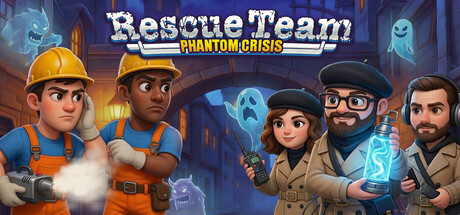 Rescue Team: Phantom Crisis In-game content art | Some visual assets in the game were created with the assistance of generative AI tools. All gameplay systems, mechanics, and interactive content were developed by the team. | Game Mixer | - | Jul 27, 2026 | |
 Quest game Unclear art | Some images were generated by AI. Some manually created images were enhanced using AI. | Anzer Games | - | Jul 27, 2026 | |
 Scrapman Simulator Store/marketing art | We used AI to design our game's cover art and logo. | Analiz Games | - | Jul 27, 2026 | |
 Stop The Runaway Train In-game content arttext | AI was used for C# scripting, language translation and making images. | Axiom | - | Jul 27, 2026 | |
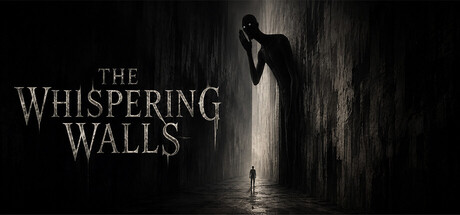 The Whispering Walls Store/marketing art | We have only used Gen AI for the purposes of creating and placing the Capsule Art of the game.
We will be replacing the capsule art with our in-house capsule art. | Treta Studios | - | Jul 27, 2026 | |
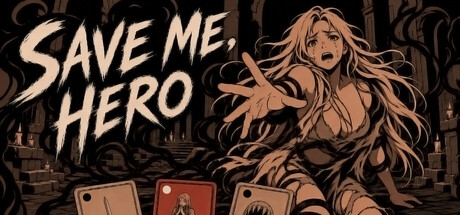 救救我,勇者大人! In-game content artaudiotext | During development, AI-assisted and AI-generated tools were used for pre-generated player-facing content.
Our production workflow combines original human-created assets with AI-assisted or AI-generated content. AI tools were used to assist with text translation/localization, visual asset modification and refinement, and the generation of certain audio assets.
Most final assets are the result of a mixed workflow: they may include both original developer-created elements and AI-assisted or AI-generated elements. All final text, visual, and audio assets included in the game have been manually reviewed, edited, selected, and approved by the development team.
The game does not include live-generated AI content. It does not generate new text, images, audio, or other player-facing content through AI during gameplay. | X-Servivor | - | Jul 27, 2026 | |
 The Tower Of The Mad Wizard In-game content audio | Some of the music is AI generated. See the licenses under "music" for more information. | Plaintive Pasta | - | Jul 27, 2026 | |
 三国权谋模拟器 Live AI text | The core gameplay of this game adopts an independent AI warlord confrontation system. All Three Kingdoms generals and regional lord NPCs make autonomous decisions on their own, and can independently launch alliances, declarations of war, diplomatic negotiations, grain supply trades, secret betrayals and other political strategic behaviors. In-game plot dialogues and interactions among warlords are dynamically generated by AI. A built-in content safety filter is activated throughout the game to prevent the generation of illegal, violent and inappropriate content. | 闪电游戏工作室 | - | Jul 27, 2026 | |
 Mike the Hooper audio | Generative AI was used only to create the music featured in the game’s trailer. | Steel Arrow | - | Jul 27, 2026 | |
 Evergreen Clicker In-game content arttextcode | Generative AI tools were used during development to assist with selected pre-generated visual assets, promotional artwork, store-page materials, text, and code. All AI-assisted content was reviewed and edited by the developer before inclusion. The game does not generate AI content while running. | Otakulah | - | Jul 27, 2026 | |
 Silent Abbey In-game content audioart | As a passionate two-person indie team with a $0 budget, we utilize advanced, paid AI tools to breathe life into our world. We use high-quality, expressive AI voice acting to deliver emotional depth to our characters, alongside curated AI art to enhance environmental storytelling. Every asset is carefully selected and integrated by hand to match our artistic vision without compromising on quality." | Pixeliu Seklos | - | Jul 27, 2026 | |
 Sausage Escape In-game content arttext | Some visual assets, promotional artwork, and portions of the localization were created or assisted using generative AI during development. All AI-assisted content was reviewed, edited, and integrated by the development team. The game does not generate AI content during gameplay. | Ridvan_Laz | - | Jul 27, 2026 | |
 Behind the corner In-game content artcodetext | Generative AI tools were used during the development of this game to assist in creating background marketing materials and promotional store assets. Additionally, AI was utilized as a supportive tool for code optimization, bug-hunting, development consulting, and text localization. While the vast majority of the game's assets were created using traditional development methods, players may encounter a small number of AI-generated assets integrated within the game itself. No AI content is generated in real-time during gameplay. | MetaProx Studio | - | Jul 27, 2026 | |
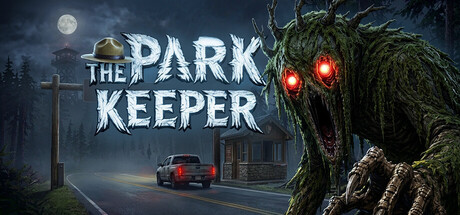 The Park Keeper In-game content art | Some images used in the game’s development and promotional materials were initially generated with the assistance of AI tools. These images were not used as final untouched AI output: they were reviewed, edited, adjusted, and finalized by human artists.
AI was used only as a production aid to speed up early visual exploration and reduce iteration time. It was not used to replace the work of human artists, but rather as part of a broader art pipeline that still relies on human direction, editing, and final approval. | TacoEaters | - | Jul 27, 2026 | |
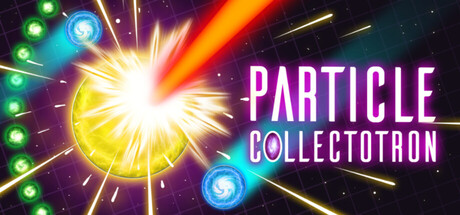 Incremental Collider In-game content codetext | AI was used to troubleshoot code and to draft isolated sections of the codebase, which I then finalized.
All graphics, UI, and music are made without AI.
AI was used for initial translation from English into other languages. Many translations were then reviewed and edited by native speakers. | Miorama Games | - | Jul 27, 2026 | |
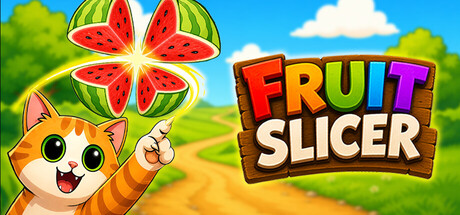 Fruit slicer In-game content art | The game contains pre-generated 2D artwork created with the assistance of generative AI tools during development. This includes some character artwork, backgrounds, UI elements, and promotional/library artwork. All assets were manually reviewed and edited before inclusion. The game does not generate any content using AI while running. | MotionForge | - | Jul 27, 2026 | |
 Proximity Core In-game content text | During Early Access, generative AI will be used to translate human-written English text for the Steam store page and application into other languages, due to limited resources.
The English localization is not AI generated. No AI-generated artwork or audio is included, and no content is generated by AI at runtime.
Our goal is to replace all AI-generated translations with translations created and reviewed by professional human translators for the full release. This disclosure will remain while any AI-assisted translations are included. | Two Fault | - | Jul 26, 2026 | |
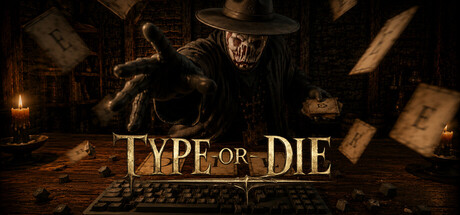 TYPE OR DIE In-game content art | This game's 3D environment was created with the help of AI-based 3D scene generation tools. Some marketing materials (trailer footage) were also created using AI image and video generation tools. No AI-generated content is created live during gameplay — all AI-assisted content was produced during development and is fixed at release. | MASK Games | - | Jul 25, 2026 | |
 Mini Soccer Manager In-game content artaudio | Some of the images and music were created with the assistance of AI tools. | Pedro Verpha | - | Jul 25, 2026 | |
 Minky In-game content audio | Background music is AI generated | Lraz Games | - | Jul 25, 2026 | |
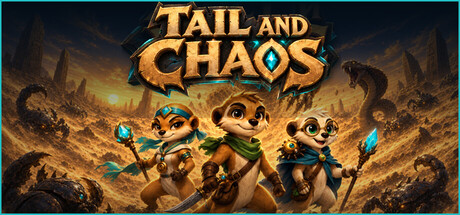 Tail and Chaos In-game content artaudiotext | Generative tools were used to create and refine selected 2D illustrations, music, sound effects, localization, and store text. All materials were reviewed and edited by the developer. The game does not generate content using AI or connect to generative AI services during gameplay. | Shnumi | 34 | Jul 25, 2026 | |
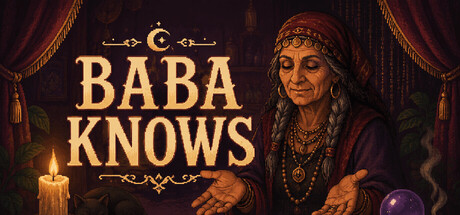 Baba Knows Live AI text | This game uses generative AI to interpret the player’s written question and create tarot-style responses during each reading. AI-generated text is used for card interpretations and the final answer. The game does not use AI to make real predictions or provide professional advice. | Microtaur | - | Jul 25, 2026 | |
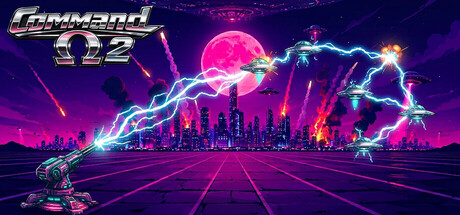 Command-Ω Omega 2 In-game content artcode | During the development of this game, artificial intelligence tools were used strictly for pre-generated content. Specifically, AI was utilized to assist with code refinement, the creation of initial concept art, and the design of certain user interface (UI) elements. All AI-assisted assets and code were thoroughly reviewed, modified, and integrated manually to ensure they meet the game's specific style and technical requirements. | IMPERIAL DYNAMICS | - | Jul 25, 2026 | |
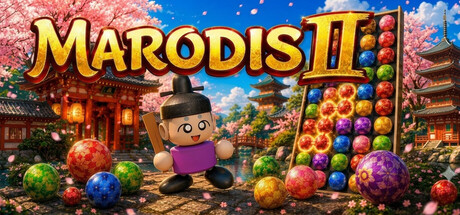 MARODIS2 In-game content artcode | Generative AI was used to create certain visual assets, including 2D illustrations, the game logo, Steam capsule images, library artwork, and achievement icons. Generative AI was also used as a development assistant for portions of the source code. All AI-generated content was reviewed and, where appropriate, modified by the developer before being incorporated into the game. The game's design, gameplay, and final implementation were created and completed by the developer. | HIROSHI TODO | - | Jul 25, 2026 | |
 GUGUGAGA:PEEKABOO Store/marketing art | The promotional video and the character design of GUGUGAGA is generated by AI. | DreamStep | - | Jul 25, 2026 | |
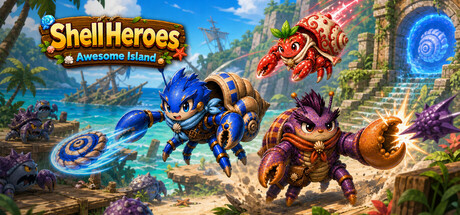 Shell Heroes: Awesome Island In-game content arttext | Pre-generated visual assets and localized text were created with the assistance of generative tools, then reviewed, edited, and integrated by the developer. The game does not generate content during gameplay. | GlowShell Creative | - | Jul 25, 2026 | |
 LuMIDI In-game content artcodetext | Generative AI was used in the development of this game for coding, artwork creation, and localization. | Studio SHIRANUI | - | Jul 25, 2026 | |
 Space Detective 14 Unclear art | Graphics generated by AI. | Videogame Collective | - | Jul 25, 2026 | |
 RetraceLight In-game content art | This game uses generative artificial intelligence tools during development to assist in the creation of some game content, including certain visual assets, icons, and promotional materials. All AI-generated content has been reviewed, modified, and refined by the development team, and integrated with human-created content to ensure that the final presentation meets the game's overall artistic direction and quality standards. | RetraceLight Team | - | Jul 25, 2026 | |
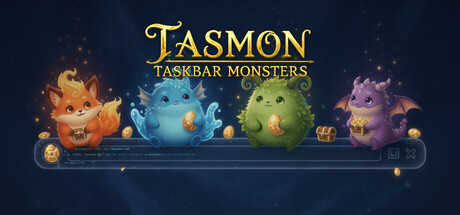 TASMON: Taskbar Monsters art | Some character art, icons, and store capsule/key-art images in this game were
created with the help of generative AI tools (Google Gemini). All AI-generated
assets were reviewed, curated, and edited by the developer, and do not
misuse third-party copyrighted works. No AI content is generated live for
players at runtime — all assets are pre-generated and fixed. | ProjectZeta | 106 | Jul 25, 2026 | |
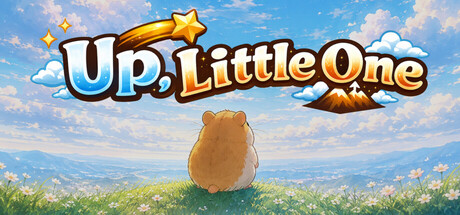 Up, Little One In-game content artaudio | Pre-generated AI tools were used during development to assist with the creation of certain 2D illustrations, graphical assets, music, and marketing materials. All generated content was reviewed and selected by the developer before inclusion. The game does not generate AI content during gameplay and does not connect players to any live AI service. | Yurari Games | - | Jul 25, 2026 | |
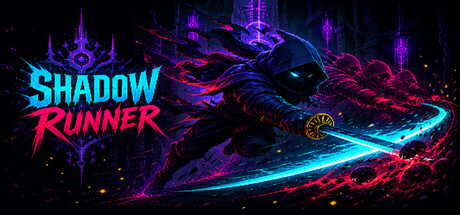 Shadow Runner In-game content art | Shadow Runner uses AI image-generation tools to create a portion of the game's 2D visual art. AI was used as a starting point for:
• Store assets — capsule, header, and marketing images.
• In-game illustrations — chapter cutscene art and non-interactive background/scene imagery.
• Achievement icons.
All AI-generated images were produced with commercial text-to-image models (Midjourney / Stable Diffusion / DALL·E), then reviewed, edited, composited, and color-corrected by the developer before shipping. Pixel-art sprites, all gameplay elements, UI, visual effects, audio, and code are hand-authored and not AI-generated. Audio is procedural (Web Audio), not AI.
The game contains no live/runtime AI: nothing is generated on the player's machine during play, and no player data is sent to any AI service.
The developer has confirmed the generated images do not depict real, identifiable people or third-party IP, and holds commercial-use rights under each tool's license. | ArcadeDeck | - | Jul 25, 2026 | |
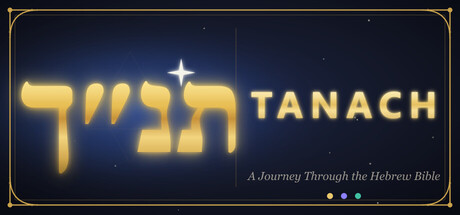 Tanach: A Journey Through the Hebrew Bible In-game content textart | The quiz content (questions, answer choices, and explanations) was authored with the assistance of large language models, then validated by automated checks (every citation resolves against the canonical text) and human review passes. The scripture text itself is NOT AI-generated — it is the public-domain JPS 1917 translation sourced from Sefaria.org. Decorative chapter art and store capsule art were produced by our own procedural generation scripts with AI-assisted design; store copy was written with AI assistance and human-edited. The game contains no live/runtime AI generation. | Elundis Interactive | - | Jul 25, 2026 | |
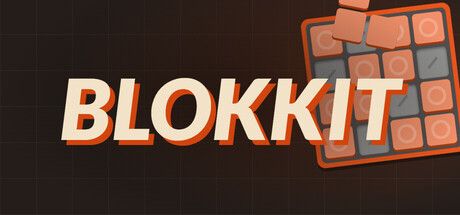 Blokkit In-game content codearttext | AI has been used during the development of Blokkit to accelerate the process of writing code, creating some assets for the store page, and for writing translations into 7 different languages, | OutOut Interactive | - | Jul 25, 2026 | |
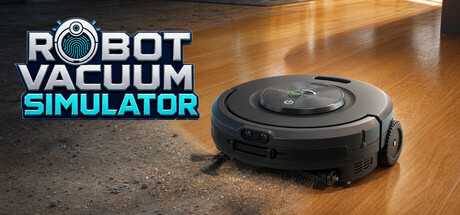 Robot Vacuum Simulator In-game content artaudiotextcode | Generative AI tools were used during development to assist with some pre-generated 2D artwork and UI imagery, 3D models and animations, instrumental music and sound effects, localization drafts, and portions of the game code. As a two-person team, we selected, edited, integrated, and reviewed all of these outputs before inclusion. The game does not generate content at runtime and does not send player input to generative AI services. | Rocket Industries Inc. | - | Jul 25, 2026 | |
 Mortal & Dao Dev only | Using AI to assist with work | 张玄 | - | Jul 25, 2026 | |
 Desktop Gremlins | The character behavior is connected to external AI services. | ShuGhost | - | Jul 25, 2026 | |
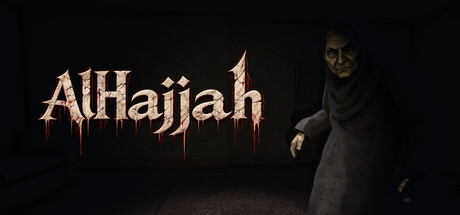 الحجة In-game content arttextcode | استُخدمت أدوات الذكاء الاصطناعي أثناء التطوير للمساعدة في كتابة أجزاء من كود اللعبة وبعض النصوص داخلها، مثل التلميحات ورسائل الواجهة، وكذلك في إنشاء بعض النماذج ثلاثية الأبعاد والخامات (التكستشر). جميع المحتوى المُنجز بمساعدة الذكاء الاصطناعي تمت مراجعته وتعديله واعتماده من المطوّر. قصة اللعبة وتصميمها وإخراجها من صنع الإنسان بالكامل، ولا يتم توليد أي محتوى بالذكاء الاصطناعي أثناء اللعب. | Jordan Studio | - | Jul 25, 2026 | |
 Until We Fly Dev only code | OpenAI Codex was used during development to assist with writing, reviewing, and debugging portions of the game’s code. All AI-assisted output was reviewed, edited, and integrated by the developer. The game does not use generative AI during gameplay, and no player input is sent to a generative AI service. | firearly | - | Jul 25, 2026 | |
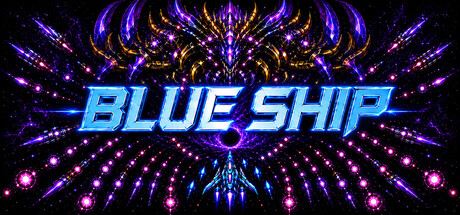 BLUE SHIP In-game content arttext | Generative AI was used during development to assist with the creation of some pre-generated visual assets, promotional artwork, and localization text. All AI-assisted content was reviewed and edited by the developer before being included. The game does not use live generative AI during gameplay. | HAE GAME STUDIO | - | Jul 25, 2026 | |
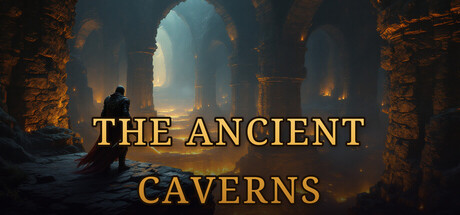 The Ancient Caverns In-game content artaudio | Some of the art and audio in The Ancient Caverns was created with the help of generative AI tools — including character and creature animations, item, weapon and environment art, and the musical soundtrack. All AI-assisted assets were reviewed, edited and integrated by the developer. The game does not generate any content with AI while you play; everything is fixed and created ahead of time. | Meridian Studios | - | Jul 25, 2026 | |
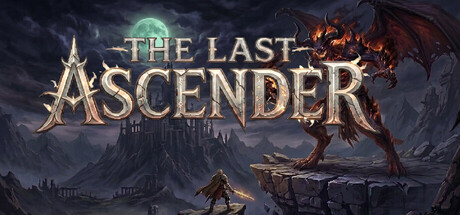 Last Ascender In-game content artcode | Generative AI is used in this game for both asset creation (such as UI elements and character visuals) and as a tool to assist in the development process (such as code organization). Every piece of content generated by AI is carefully reviewed and refined by the development team to ensure it meets our quality standards. | Ideal Creative | - | Jul 25, 2026 | |
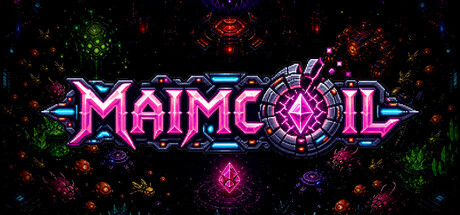 MAIMCOIL In-game content audioart | Some fixed music tracks and selected pre-rendered promotional and manual artwork were created with generative AI tools. No AI content is generated during gameplay. | corewisevideo | - | Jul 25, 2026 | |
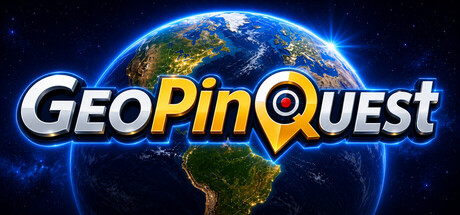 GeoPinQuest In-game content art | The store page and library artwork for GeoPinQuest (capsule images, library assets, and application icons) was created using generative AI image tools. Inside the game itself, no AI-generated content is used - country outlines come from a public GeoJSON dataset, city and locality data from Geoapify's public locality dump, and the Earth surface texture from NASA's Blue Marble imagery. The game does not use AI at runtime and does not connect to any external AI services. | Richard Folea | - | Jul 25, 2026 | |
 Ducasse In-game content text | AI tools were used for translation purposes. | Adrien De Nève | - | Jul 25, 2026 | |
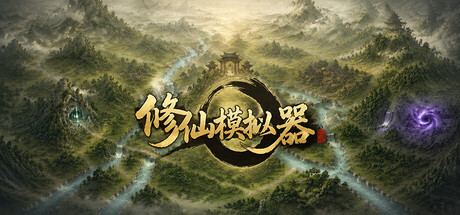 修仙模拟器 In-game content arttextcodeaudio | Generative AI tools were used extensively throughout development to create the game's code, dialogue and other written content, sound effects, visual assets, localization, and Steam store and marketing materials. All AI-generated content was reviewed, selected, and integrated by the developer before release. The game does not use generative AI to create new content during gameplay. | dj4231 | - | Jul 25, 2026 | |
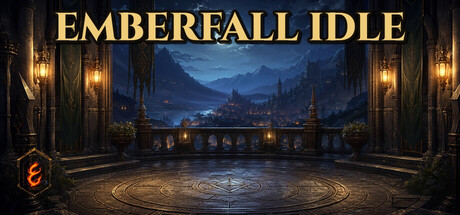 Emberfall Idle Dev only art | Some visual assets were created with the assistance of generative AI tools as part of the development process.
No content is generated by AI during gameplay. | Ariwell Studios | - | Jul 25, 2026 | |
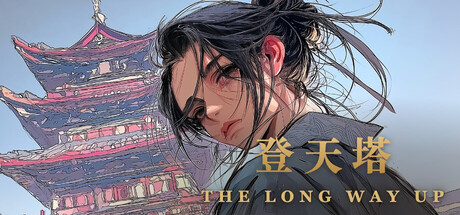 The Long Way Up In-game content art | Many scene illustrations were generated with AI image tools, then selected, edited, and integrated by hand. Every image in the game was individually reviewed and curated by the developer. | Flytel | - | Jul 25, 2026 | |
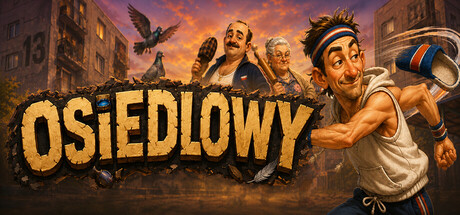 Osiedlowy In-game content art | Generative AI tools were used during the development process to assist in creating and refining some visual assets. All AI-assisted content was reviewed, edited, and curated by the developer before being included in the game or its promotional materials. | Koy Games | - | Jul 25, 2026 | |
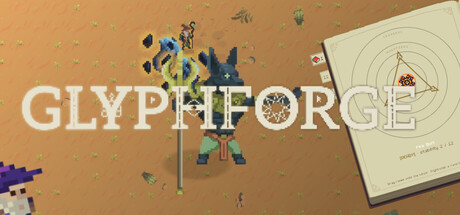 Glyphforge In-game content text | Games localization is created by assistance of AI | Salty Games Studio | - | Jul 25, 2026 |


