Public Steam disclosure research27,951 disclosures tracked
Where do games disclose AI use?
Search developers’ Steam disclosures, compare classified AI use across
games, and follow recorded changes.
This index adds cross-game classifications and statistics to
statements published on individual store pages.
Groups reflect automatic analysis of public disclosures; mature records are excluded. These counts do not measure AI use across all of Steam.
Missing or unclear statements cannot establish whether a game uses AI.
Good morning everyone :),
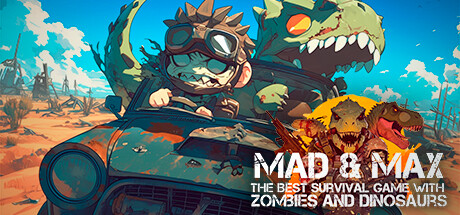
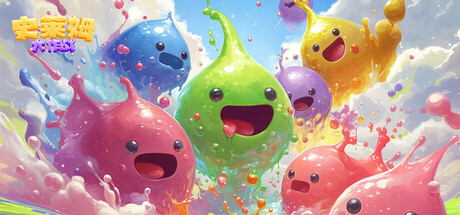
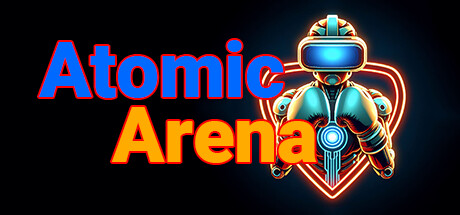
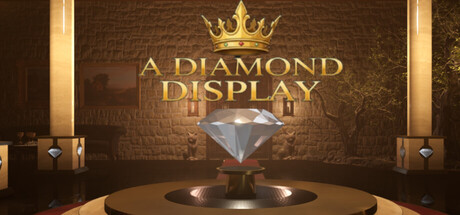
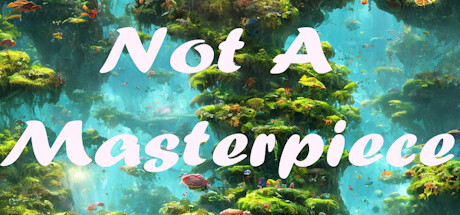
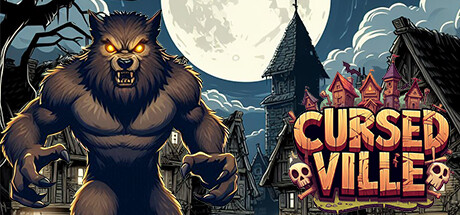
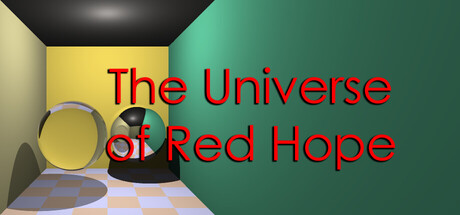
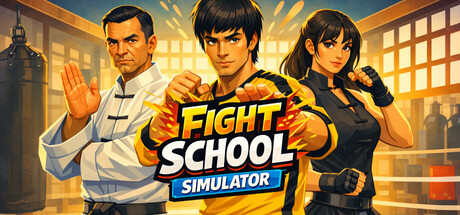
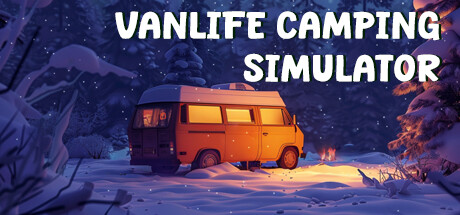
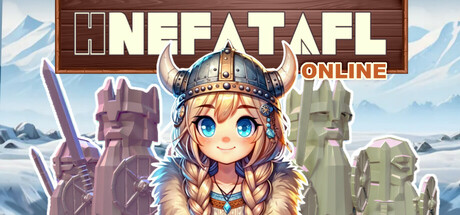
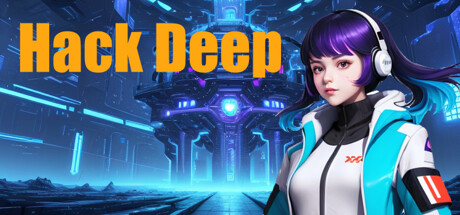
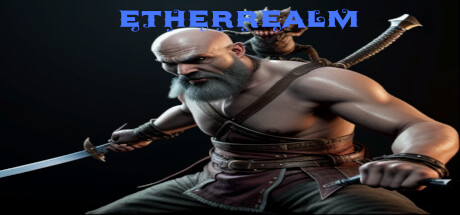
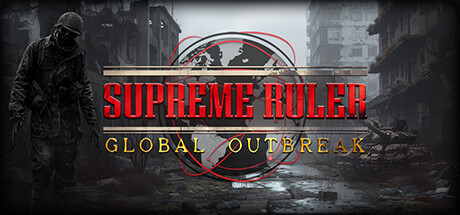
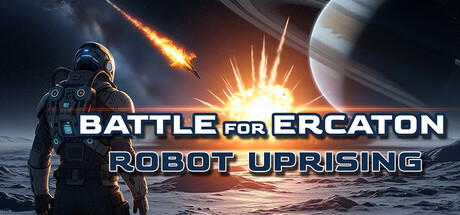
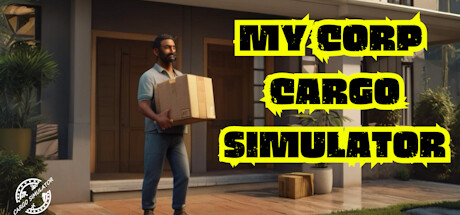
In this case, we have used AI to generate the promotional images for the game shown on Steam, such as the cover.
We also used it within our game to explain the initial narrative, introducing the player through a series of images that show what the game world is like.
The rest of the game has been created and illustrated by me :) (I’m not good at conceptual art but I am with the characters hahaha).
If you have any questions, feel free to ask me. Best regards!
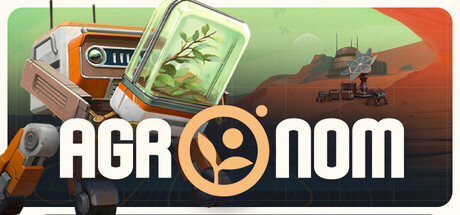
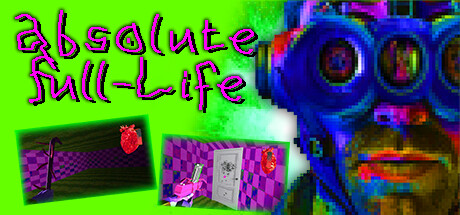
Generative AI was used solely for conceptual ideas for the main artwork images of store page. The final artworks visible on store were the completely, manually reworked, only using generative AI content as reference.
The store pages primarily feature AI-generated text. Within the game, all voiceovers are created using AI, and certain meshes have been generated through AI as well.
AI Voice changing software was used for voice overs to change the voice actors voice into character voices.
Character portraits were drafted by AI and repainted/remastered by an artist.
Some UI icons were created based on detailed descriptions provided to the AI tool, while others were created by rendering 3D models and then fine-tuned using AI-assisted retouching. All final versions were selected and approved by developers.
We use AI during our production process to facilitate quest integration through our in-house tool, HanaCore.
It allows us to synthesize, correct, and integrate quests while fully respecting the existing lore.
We also use AI to assist with code generation, helping us save valuable development time.
In early development of this game placeholder art, some audio and a little in-game text was generated by AI. This content, for the most part, will be removed as we move from Alpha to Beta and into release. However, it is possible that some of this will remain in the game upon release.
We used generative AI tools during the production of our Gameplay Trailer. These tools were employed to create a portrait of the character Gramps Makar, animate it, and generate a short voice line for the trailer.
In the store page the main capsule was done started by AI generated image and then expanded and edited in photoshop to finalize and customize it for our needs.
We use AI for audio and for some of the pictures. However, most content is made by artists. Since we are a parody game, we modify any content to fit the parody. We also try our best to make sure nothing is an immediate copy, and that we are generating unique content.
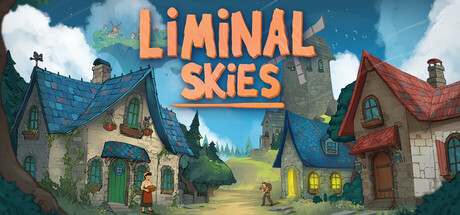
The Liminal Magic AI is an optional feature to help spark your imagination.
You can handcraft your own character dialog, or ask for suggestions based on the unique personalities and roles you've created, helping you create unique stories for your town.
Some visual assets, such as store capsule images and in-game card illustrations, were created with the assistance of generative AI tools. All gameplay and code are original.
This software uses DDPG and TD3 self-learning algorithms to train virtual lifeforms to control their bodies. These algorithms only learn from experiences collected by their organisms over the course of their lifetimes and use no other data.
In the future, we plan to introduce the recombination engine - a generative AI that will analyse genetic data from lifeforms based on viability and use the results to create new, more capable species of offspring, simulating an accelerated evolutionary process. User-created lifeforms may be used for this as well as those, generated by the engine. Only those lifeforms, explicitly shared by the user, will be utilized for this purpose.
Both processes are initiated by the user with their direct permission.
This game contains pre-rendered AI generated 3D monster and player models that have been fine tuned and remodeled by hand after the initial form was generated from text.
Only a few textures and sprites in the game were created using AI tools, but all of them underwent extensive manual processing, editing, and polishing. AI tools were also used for promotional materials with subsequent manual editing.