Public Steam disclosure research25,980 disclosures tracked
Where do games disclose AI use?
Search developers’ Steam disclosures, compare classified AI use across
games, and follow recorded changes.
This index adds cross-game classifications and statistics to
statements published on individual store pages.
Groups reflect automatic analysis of public disclosures; mature records are excluded. These counts do not measure AI use across all of Steam.
Missing or unclear statements cannot establish whether a game uses AI.
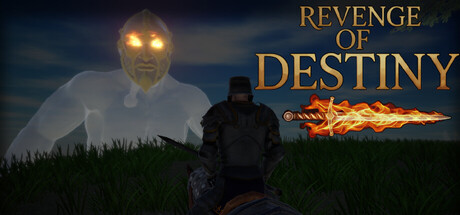
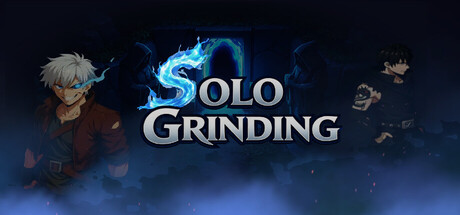
Building a game of this scale as a solo indie developer is a gigantic quest. To bring this vision to life, I utilized AI to help manage the immense development load.
I have used AI to help create placeholder assets as visual guides to get the final look and feel, some initial base assets that have since been modified to be game-ready, and, in some rare cases, game elements that did not require further polishing. I have worked hard to ensure the overall quality is as high as possible, given the limitations with funding, personnel and time.
What wasn't made with AI:
The core game design, idea and execution. Some of the game code, performance optimizations, final polishing, and most final assets. Additionally, some of the development tools, such as the terrain optimizer/generator, targeting, turret, and explosion systems, have been under development as personal hobby projects for nearly a decade. The game was completely visualized, balanced, play tested, and designed by people (the fun part).
What is heavily AI-generated:
Audio: The audio concepts and prompts were written by me, generated using AI algorithms, and then manually polished where needed. Real human work was required to orchestrate, mix, time, and fit these audio clips seamlessly into the game.
Some textures: In a few rare cases, a generated texture was used "as-is" and did not require any additional post-processing or optimization of any kind (excluding cropping or some basic photoshopping).
Some content in this game was created with the assistance of generative AI tools. This includes parts of the intro cinematic, background music, and a small number of visual assets. All AI-assisted content has been reviewed, edited, and integrated by the developer to ensure quality and consistency with the overall game experience.
Some visual assets such as fictional product packaging, posters, decorative graphics, icons and marketing materials were created with the help of generative AI and then reviewed/edited before being included in the game.
Some visual and textual elements of this game were initially created using generative artificial intelligence tools as part of the development process. All content has subsequently been reviewed, edited, and manually refined by the team to ensure its quality, consistency, and suitability for the final game experience.
Game development was accelerated through use of AI code assistants to help create and test the software code.
Language translations were provided by AI.
AI tools were used during development to assist with text localization,
narrative drafting, and music prompt generation. All game design, pixel art,
code, and final creative decisions are made by the developer.
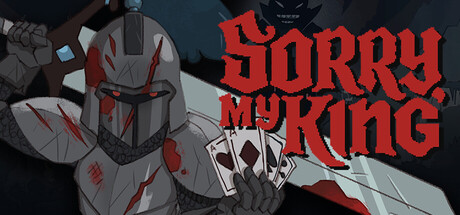
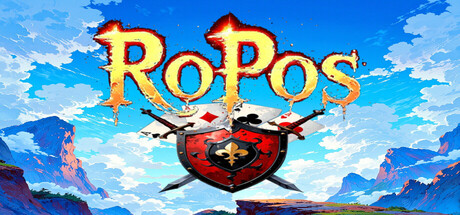
AI tools were used to assist in creating some card illustrations during development. We will continuously optimize and update the game's visuals based on development progress.
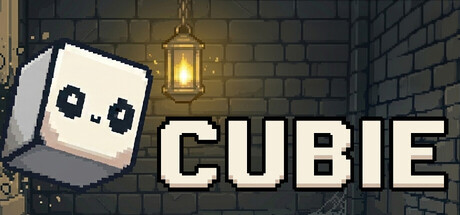
In the development of Cubie, generative AI tools were used to assist in the creation of various 2D graphical assets and environmental artwork. Additionally, AI was utilized to support the localization process, ensuring a better experience for players in different languages. All AI-generated content has been manually reviewed and refined to maintain the game's artistic vision and quality.
I used AI-assisted tools to help create and animate characters, manually refining and adapting them to fit the game's art style.
All other content, including world-building, UI, SFX, VFX, was either licensed from professional artists or created traditionally.
AI-Generated Content Disclosure:
This game includes AI-generated and AI-assisted content. Most 2D art assets (including character/prop/environment illustrations, icons, and UI artwork) were created using generative AI tools and then reviewed and edited by the developer for consistency and quality.
Most audio assets (including sound effects and some music/ambience, if applicable) were also created using AI generation tools and then post-processed (editing, mixing, and mastering) by the developer.
All AI-generated content is curated and integrated by the developer, and the final in-game assets may include manual modifications and additional original work.
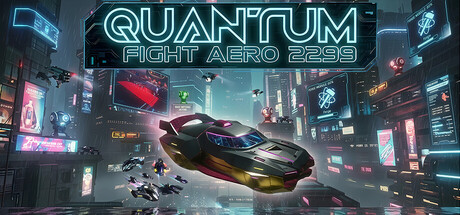
We use generative AI tools during our development process to assist in the creation of certain visual assets, such as concept art for environments and base textures for some 3D models. All AI-generated content is meticulously refined and integrated by our team to ensure it meets the artistic standards of Quantum Fight: Aero 2299. Our goal is to use these technologies as a support tool to enhance the game's atmosphere while maintaining full creative control over the final experience.
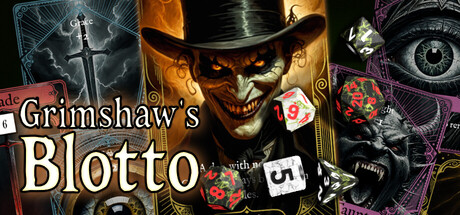
Some pre-generated visual assets in Grimshaw's Blotto were created with the assistance of generative AI during development. The game does not generate AI content during gameplay.
This game incorporates AI assistance in its development. The overall vision and execution remain that of the developer.
All language translations were done using Claude. If there are any mistranslations, please contact me to fix them!
AI-powered image generation tools were used to create the game's visual elements, including character and environment images. AI tools were also used to support translations into multiple languages.
A small number of visual elements in this game have been created using generative artificial intelligence. These AI-generated images are limited to a few specific artworks, while the vast majority of visuals, as well as all gameplay, story, and mechanics, are crafted by professional artists and staff.
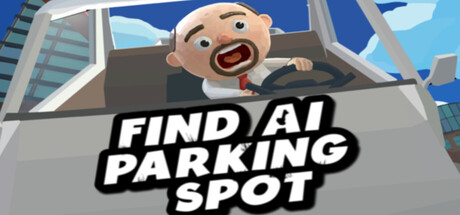
Textures for billboards are made with AI to showoff the "AI car company" The AI art is easily noticable and intentional
Text to Speech software is used for the AI cars commands. this can be toggled off ingame
LLM is used in the steampage description, THOUGH it has not written a single word of the description, it was just used to find proper words and sentences to make it look like it was written by the AI bot of the car.
This game includes some AI-generated visual assets, such as certain in-game images and store page artwork like the logo are ai. These assets are used for visual design purposes and do not impact gameplay or player interaction.
AI is used to create codes for the game, also used to create some graphical elements, like usage of upscayl to create larger map, some character may also created with ai. Texture etc is hand made, (see full disclosure in credits page within the game, this page also available in demo)
Some of the promotional and storefront images were created with AI tools and then refined by hand. All of the in-game assets were designed by a 3D artist.
This game uses generative artificial intelligence as part of its development process. AI tools were used to assist in creating early concept art, drafting dialogue, generating ideas during brainstorming, producing some 3D assets, and supporting debugging and problem-solving during development.
All AI-assisted content and outputs were reviewed, edited, and refined by our development team. Final assets, writing, and implementation were curated to ensure consistency, quality, and alignment with the game’s vision.
AI is not used to generate content dynamically during gameplay; all in-game content is pre-created and finalized by the developers.
We are committed to using these tools responsibly and transparently, with strong human oversight across all aspects of the game.
This game uses generative AI during development to assist in creating some user interface (UI) icons. All AI-generated content has been reviewed, edited, and integrated by the development team. Generative AI is not used in gameplay or during the runtime of the game.
This game uses generative artificial intelligence to create skill icons, the title screen background image, and a very small portion of UI assets.
These elements were used as supportive tools during development, while the overall game design and gameplay experience were directly designed and implemented by the developer.
This app utilized AI to use CSS styling and java-script to make the application feel more modern. such as creating UI icons like the trash bin icons, navigation slide bars, and stylizing features. It was also used to resize and upscale the main Ghost Vault logo and store image assets.
Some in-game audio content, such as radio dialogue and in-game radio music may be generated using artificial intelligence tools. These elements are used to enhance immersion and provide dynamic environmental storytelling.
All gameplay systems, mechanics, and core content are designed and implemented by the developer.
This game was developed with the assistance of generative AI tools.
Character and background artwork was created using Scenario.com.
Sound effects were generated using ElevenLabs, and background music
was composed using Lyria 2. These tools were used to support the
creative vision of a solo indie developer.
This game utilizes AI technology to generate certain image assets used for illustrative and descriptive purposes (e.g., item descriptions and UI-based visuals)
Some visual assets used in this game were created with the help of AI-assisted tools during development. AI-assisted tools were also used for parts of the programming process. No AI is used during gameplay, and the game does not generate live content for players.
This game uses AI-generated artwork for card illustrations, character portraits, arena backgrounds, and UI elements. AI was also used to assist with sound design and animation assets. Game code was developed with AI-assisted programming tools.
AI was used to assist with language translation and the generation of certain images and music. All final content has been reviewed and refined by the Yajirushi Studio team to ensure quality and an authentic player experience.
We used generative AI (ChatGPT) to compose and refine the store page description and in-game text. In addition, image generation AI was used to create the app icon and some in-game background assets, which were then adjusted and processed by the developer. All content has been reviewed and edited by the developer to ensure it does not infringe on any third-party rights.
The store page utilizes AI-assisted generation for some of its assets and decorative icons. All such materials have been manually selected and post-processed to ensure they best represent the game's style.
Some character portraits and CG illustrations in this game were created with reference to AI-generated images for visual inspiration and compositional guidance. All final artwork was manually produced by our art team.
Building a game of this scale as a solo indie developer is a gigantic quest. To bring this vision to life, I utilized AI to help manage the immense development load.
I have used AI to help create placeholder assets as visual guides to get the final look and feel, some initial base assets that have since been modified to be game-ready, and, in some rare cases, game elements that did not require further polishing. I have worked hard to ensure the overall quality is as high as possible, given the limitations with funding, personnel and time.
What wasn't made with AI:
The core game design, idea and execution. Some of the game code, performance optimizations, final polishing, and most final assets. Additionally, some of the development tools, such as the terrain optimizer/generator, targeting, turret, and explosion systems, have been under development as personal hobby projects for nearly a decade. The game was completely visualized, balanced, play tested, and designed by people (the fun part).
What is heavily AI-generated:
Audio: The audio concepts and prompts were written by me, generated using AI algorithms, and then manually polished where needed. Real human work was required to orchestrate, mix, time, and fit these audio clips seamlessly into the game.
Some textures: In a few rare cases, a generated texture was used "as-is" and did not require any additional post-processing or optimization of any kind (excluding cropping or some basic photoshopping).
Some content in this game was created with the assistance of generative AI tools. This includes parts of the intro cinematic, background music, and a small number of visual assets. All AI-assisted content has been reviewed, edited, and integrated by the developer to ensure quality and consistency with the overall game experience.
Some visual assets such as fictional product packaging, posters, decorative graphics, icons and marketing materials were created with the help of generative AI and then reviewed/edited before being included in the game.
Some visual and textual elements of this game were initially created using generative artificial intelligence tools as part of the development process. All content has subsequently been reviewed, edited, and manually refined by the team to ensure its quality, consistency, and suitability for the final game experience.
Game development was accelerated through use of AI code assistants to help create and test the software code.
Language translations were provided by AI.
AI tools were used during development to assist with text localization,
narrative drafting, and music prompt generation. All game design, pixel art,
code, and final creative decisions are made by the developer.
AI tools were used to assist in creating some card illustrations during development. We will continuously optimize and update the game's visuals based on development progress.
In the development of Cubie, generative AI tools were used to assist in the creation of various 2D graphical assets and environmental artwork. Additionally, AI was utilized to support the localization process, ensuring a better experience for players in different languages. All AI-generated content has been manually reviewed and refined to maintain the game's artistic vision and quality.
I used AI-assisted tools to help create and animate characters, manually refining and adapting them to fit the game's art style.
All other content, including world-building, UI, SFX, VFX, was either licensed from professional artists or created traditionally.
AI-Generated Content Disclosure:
This game includes AI-generated and AI-assisted content. Most 2D art assets (including character/prop/environment illustrations, icons, and UI artwork) were created using generative AI tools and then reviewed and edited by the developer for consistency and quality.
Most audio assets (including sound effects and some music/ambience, if applicable) were also created using AI generation tools and then post-processed (editing, mixing, and mastering) by the developer.
All AI-generated content is curated and integrated by the developer, and the final in-game assets may include manual modifications and additional original work.
We use generative AI tools during our development process to assist in the creation of certain visual assets, such as concept art for environments and base textures for some 3D models. All AI-generated content is meticulously refined and integrated by our team to ensure it meets the artistic standards of Quantum Fight: Aero 2299. Our goal is to use these technologies as a support tool to enhance the game's atmosphere while maintaining full creative control over the final experience.
Some pre-generated visual assets in Grimshaw's Blotto were created with the assistance of generative AI during development. The game does not generate AI content during gameplay.
This game incorporates AI assistance in its development. The overall vision and execution remain that of the developer.
All language translations were done using Claude. If there are any mistranslations, please contact me to fix them!
AI-powered image generation tools were used to create the game's visual elements, including character and environment images. AI tools were also used to support translations into multiple languages.
A small number of visual elements in this game have been created using generative artificial intelligence. These AI-generated images are limited to a few specific artworks, while the vast majority of visuals, as well as all gameplay, story, and mechanics, are crafted by professional artists and staff.
Textures for billboards are made with AI to showoff the "AI car company" The AI art is easily noticable and intentional
Text to Speech software is used for the AI cars commands. this can be toggled off ingame
LLM is used in the steampage description, THOUGH it has not written a single word of the description, it was just used to find proper words and sentences to make it look like it was written by the AI bot of the car.
This game includes some AI-generated visual assets, such as certain in-game images and store page artwork like the logo are ai. These assets are used for visual design purposes and do not impact gameplay or player interaction.
AI is used to create codes for the game, also used to create some graphical elements, like usage of upscayl to create larger map, some character may also created with ai. Texture etc is hand made, (see full disclosure in credits page within the game, this page also available in demo)
Some of the promotional and storefront images were created with AI tools and then refined by hand. All of the in-game assets were designed by a 3D artist.
This game uses generative artificial intelligence as part of its development process. AI tools were used to assist in creating early concept art, drafting dialogue, generating ideas during brainstorming, producing some 3D assets, and supporting debugging and problem-solving during development.
All AI-assisted content and outputs were reviewed, edited, and refined by our development team. Final assets, writing, and implementation were curated to ensure consistency, quality, and alignment with the game’s vision.
AI is not used to generate content dynamically during gameplay; all in-game content is pre-created and finalized by the developers.
We are committed to using these tools responsibly and transparently, with strong human oversight across all aspects of the game.
This game uses generative AI during development to assist in creating some user interface (UI) icons. All AI-generated content has been reviewed, edited, and integrated by the development team. Generative AI is not used in gameplay or during the runtime of the game.
This game uses generative artificial intelligence to create skill icons, the title screen background image, and a very small portion of UI assets.
These elements were used as supportive tools during development, while the overall game design and gameplay experience were directly designed and implemented by the developer.
This app utilized AI to use CSS styling and java-script to make the application feel more modern. such as creating UI icons like the trash bin icons, navigation slide bars, and stylizing features. It was also used to resize and upscale the main Ghost Vault logo and store image assets.
Some in-game audio content, such as radio dialogue and in-game radio music may be generated using artificial intelligence tools. These elements are used to enhance immersion and provide dynamic environmental storytelling.
All gameplay systems, mechanics, and core content are designed and implemented by the developer.
This game was developed with the assistance of generative AI tools.
Character and background artwork was created using Scenario.com.
Sound effects were generated using ElevenLabs, and background music
was composed using Lyria 2. These tools were used to support the
creative vision of a solo indie developer.
This game utilizes AI technology to generate certain image assets used for illustrative and descriptive purposes (e.g., item descriptions and UI-based visuals)
Some visual assets used in this game were created with the help of AI-assisted tools during development. AI-assisted tools were also used for parts of the programming process. No AI is used during gameplay, and the game does not generate live content for players.
This game uses AI-generated artwork for card illustrations, character portraits, arena backgrounds, and UI elements. AI was also used to assist with sound design and animation assets. Game code was developed with AI-assisted programming tools.
AI was used to assist with language translation and the generation of certain images and music. All final content has been reviewed and refined by the Yajirushi Studio team to ensure quality and an authentic player experience.
We used generative AI (ChatGPT) to compose and refine the store page description and in-game text. In addition, image generation AI was used to create the app icon and some in-game background assets, which were then adjusted and processed by the developer. All content has been reviewed and edited by the developer to ensure it does not infringe on any third-party rights.
The store page utilizes AI-assisted generation for some of its assets and decorative icons. All such materials have been manually selected and post-processed to ensure they best represent the game's style.
Some character portraits and CG illustrations in this game were created with reference to AI-generated images for visual inspiration and compositional guidance. All final artwork was manually produced by our art team.