








Disclosure
Covers of game have been made with help of AI
- Creator
- Pix Arts
- Reviews
- -
- Added
- Jul 25, 2026
Public Steam disclosure research 25,394 disclosures tracked
Search developers’ Steam disclosures, compare classified AI use across games, and follow recorded changes. This index adds cross-game classifications and statistics to statements published on individual store pages.
Code help, debugging and other development work.
Capsule art, trailers and promotional material.
Pre-made art, audio, writing and other game assets.
Interactive or runtime AI features disclosed by the developer.
Groups reflect automatic analysis of public disclosures; mature records are excluded. These counts do not measure AI use across all of Steam. Missing or unclear statements cannot establish whether a game uses AI.
Covers of game have been made with help of AI
Generative AI tools were used during development to assist with the creation of game content. All final content was reviewed and refined by the development team.
We use AI to create the music and the narration audio.
AI was used only as a supporting tool for the design of fictional images on the videotapes.
Some visual assets in this game, including UI elements and graphics, were created with the assistance of AI image generation tools.
Our Policy on AI & Procedural Generation Valenfeld is built by one person, on a shoestring budget, with an Elder Scrolls–sized ambition. Here is exactly how, and why, AI fits into that. Why we use it Valenfeld is a solo indie project chasing a scope that normally takes a studio of dozens: a massive, hand-lorekept world you can wander for years without hitting an edge. That scope is not achievable by one person typing every tree, every ruin, and every line of dialogue by hand on a shoestring budget and an ambitious timeline. So we lean on AI-enabled workflows and, more importantly, cutting-edge procedural algorithms to scale content production and world scale to match the ambition — not to replace it. What always stays human Every piece of content in the game — every place, character, creature, item, quest, and line of lore — is built and overseen by a human creator and judge, grounded in our own ideas, our own lore, and our own systems design. AI does not decide what Valenfeld is. It never originates the world's canon, its themes, or its design intent on its own; it accelerates producing what we've already decided the world should be, and everything it touches is reviewed before it ships. Not AI slop — procedural generation is the point We're not interested in dumping raw model output into the game and calling it done. Our actual goal is an experimental, large-scale world built on cutting-edge procedural algorithms — terrain, dungeons, towns, ecosystems, even history — designed to be massively replayable for years, not a one-and-done AI slideshow. AI-assisted tooling is one part of the production pipeline that gets us there faster on a small budget; the procedural systems and the authored lore they run on are the actual craft, and that's where our attention to detail goes. Our bet We believe that if we focus relentlessly on delivering the best game possible — with a genuinely obsessive eye for detail on everything we ship — we can produce something great on a low budget and a small team of one. That is the bar we hold ourselves to, not "shipped fast" or "shipped cheap." As we grow This is how we build today, as a solo project with an ambitious scope and timeline. If and when Valenfeld earns a bigger budget for this game or for future releases, we intend to keep building just as ambitiously — with a team of art, lore, and gameplay experts working alongside these same tools, not replaced by them. Thinking about the best possible game comes first; everything else, including how we scale to build it, follows from that. — Metatransformer Studios
Some images are drawn after being referenced by AI-assisted generation
Some promotional key art (store capsule illustrations and website artwork) was created with generative AI tools and then curated and edited by the developer. All in-game content - graphics (procedural vector rendering), gameplay, text, and audio - is hand-authored. The game does not generate any content with AI at runtime and does not connect to any AI service.
This game utilizes generative AI to create art assets, which are primarily used for the store page background and the card examples in the workshop.
3d Models for Space Ships created with Meshy. cooperation in Thinking, design and balance. C# coding. Unity Editor Agent for crafting suns and planets out of bought Unity Asset Store Assets.
No art or sound generation was used. Some help for coding the complex in-game enemy AI interactions were utilized from LLM models. Also the game analysis was made with coding help.
Some content generated by AI.
Pre-generated: Store page capsule art and marketing images were created with AI assistance. In-game text (unit descriptions, UI copy) and the store description were written with AI assistance. All in-game visuals are drawn procedurally at runtime by the game's own code. No AI model runs in the game and no content is generated during play. All AI-assisted output was reviewed and edited by the developer and contains no third-party or infringing material.
This game uses generative AI in limited, non-gameplay-critical areas: - AI-assisted code refactoring and performance optimization during development - AI-assisted translation polishing for multi-language support - UI layout refinement suggested by AI tools during the design process All core gameplay logic, the unique drawing-and-deduction design, and all original game artwork were created, reviewed and refined by human developers.
Some in-game visual assets were created or refined using generative AI during development. These assets are pre-generated and included with the game. The game does not generate AI content while running.
Generative AI tools were used to help create parts of this game, always under the developer's direction: a significant part of the artwork (such as backgrounds, unit graphics, UI elements and store page images) was created with AI assistance and then reviewed, edited and hand-tuned by the developer. AI also assisted in writing the in-game text and translating it, along with this store page, into the supported languages. Music and sound effects are not AI-generated. No AI content is generated live during gameplay.
Ai is used to create some loading-screens and other branding materials, also can be used in descriptive texts of the game. All game code/assets are 100% made by humans.
Generative AI tools were used during development to assist with portions of the game’s code. All AI-assisted code was reviewed, edited, and tested by the developer. The game does not generate AI content during gameplay and does not connect to external AI services.
This game is built by a two-member team: a human developer and an AI assistant working under his direction. Large parts of the game code and many pre-rendered assets (enemy creatures, towers, environment props, marketing artwork) were created with the assistance of generative AI — always based on human design decisions, and reviewed, tested and curated by the developer. The game does not generate any content at runtime using AI.
Some pre-generated artwork and sound assets used in the game and its marketing materials were created or edited with the assistance of generative AI tools. All such content was manually selected, reviewed, and edited as needed by the developer. The game does not generate AI content during gameplay.
AI was used for some scripts
有使用AI进行游戏开发
The card illustrations and backgrounds in this game were pre-generated by the developer using image-generation AI (Stable Diffusion / DreamShaper 8), then curated and edited by hand. Text, game logic, music, and fonts are NOT AI-generated. No content is generated by AI during gameplay (pre-generated, fixed assets only).
Some illustrations used in the game's introductory sequence were created with the assistance of generative AI. All such assets were reviewed, refined where necessary, and integrated by the developer before being included in the game.
We use AI to make programmatic rendering to adapt graphics. We also use to do augmentation or transformation to adapt existing arts.
The game's graphics and software are powered by artificial intelligence.
Crooked Derby includes some pre-generated visual assets created with generative AI. All AI-assisted content was iterated on, reviewed, and approved by the developer before being included in the game.
Campfire Battles is our attempt to bring an idea to life as a two-person team. AI tools helped us work quickly, particularly on the coding side, but every piece was reviewed and refined by hand.
All in-game illustrations (character portraits, NPC and monster art, location and item images, key art) were pre-generated during development using generative AI tools and manually curated by the developer. The game does not create AI-generated content at runtime.
The core game mechanics, game design, and overall creative direction are 100% my original vision. No AI tools were used for conceptualizing ideas or narrative structure. The programming code was generated utilizing the Rosebud AI platform, and the 2D visual assets were initially created with generative art tools. Code, artwork, and music were reviewed, manually edited, and arranged by me to bring my specific creative vision to life.
The game's fighters are controlled by AI models (LLMs) chosen by the player and reached through their own OpenRouter API key. During a match the model decides the character's actions and writes the short taunts shown on screen (text only). The game does not generate images, audio, music or voices with AI: every character, arena, soundtrack and sound effect is authored in advance and ships with the game. Every AI-generated line goes through an illegal content filter before it is displayed, on the player's computer and again on the server that hosts online matches, and online matches have a report system reviewed by a human team.
Some 2D art assets in this game — such as menu UI textures (buttons and panels) and background images — were created with the help of generative AI image tools during development. All AI-generated assets were reviewed and edited by the developer before being included in the game. No AI-generated content is created live during gameplay.
Generative AI was used for some images and localization.
Generative AI tools were used to assist in the creation of selected promotional and store artwork. During gameplay, players can also optionally use generative AI to create custom word sets and hints.
Some promotional images and marketing content for Maze Mischief were created with the assistance of generative artificial intelligence tools and subsequently reviewed and adjusted by the developer.
AI tools were used during development to help write the game's code and store text.
Train Trek uses generative AI in two ways. During development we used AI tools to help make some assets: the user-interface art (HUD and menu icons, menu artwork, frames, button plates, mouse cursors), the instrumental soundtrack, and some sound effects. All of it was chosen, edited and finished by hand before it shipped. The 3D models are built procedurally by our own scripts, and the design, world generation and balancing are authored by hand. Parts of the source code were written with an AI coding assistant, reviewed and tested by the developer. While you play, the game speaks using a text-to-speech model that ships inside the game and runs entirely on your own computer. It voices tutorial guidance, hints and menu narration instead of pre-recorded audio. It needs no internet connection, sends nothing anywhere, and never records or listens to you. It only reads lines we wrote and shipped with the game - it does not invent dialogue.
Generative AI was used to create artwork for the title screen, lobby background, and some UI decorations. The generated images were selected, edited, and sliced by the development team before being integrated into the game. Generative AI was also used to assist with drafting and editing some mini-game prompts. The game does not use generative AI at runtime and does not connect to external AI services during play.
Generative AI tools were utilized to create some base visual and audio assets for Warix. AI was used to generate background textures, character sprites, and promotional store art. All AI-generated imagery was subsequently edited, composited, and polished by hand to fit the game's final aesthetic.
Some of the game's assets and marketing materials were created with the assistance of generative AI tools, then reviewed and edited by the developer. All content is pre-rendered; the game does not generate any content at runtime.
Generative AI tools were used during development to assist with localization, some in-game GUI icons and sfx.
Some visual assets — character art/portraits, sprite artwork, and store/marketing capsule images — were created with the help of generative AI image tools, then edited, composited, and curated by the developer. All such assets are PRE-GENERATED during development; the shipped game performs NO live/runtime AI generation. No generative AI produces text, dialogue, or any player-facing content at runtime. All generated assets were reviewed by the developer to ensure they contain no infringing or inappropriate material.
Some store and marketing artwork (capsule/header images) was created with AI image tools and then reviewed and edited by the developer. Some in-game commander avatars were also AI-assisted. The game does not generate any AI content live during play.
AI-generated art objects
World of ClaudeCraft is, unapologetically, a game built with AI — the name is a hint. We used AI in two ways, and we want to be clear about both. During development, the game's code was written with an AI coding assistant, and we used AI generation tools to create some of the assets that ship in the game as ordinary, fixed files: Sound: Most in-game sound effects and all spoken NPC voice lines were generated with ElevenLabs' AI audio and text-to-speech models. The written dialogue itself is authored by us; AI produced the spoken audio. 3D models: A small number of creature models (the "Drowned Litany") were generated with Meshy AI (text-to-3D). Everything else is either created by the game's own code (the world, towns, terrain, water, weather, and the music soundtrack are all generated procedurally at runtime) or is licensed third-party art — CC0 model, texture, and HDRI packs plus a purchased commercial icon set. That content is not AI-generated. Critically: no generative AI runs while you play. Every AI-made asset was generated once, offline, during development and baked into the game as a static file. The running game makes no AI or LLM calls, and none of your gameplay or personal data is ever sent to an AI system. The simulation is fully deterministic — the same inputs always produce the same result.
Localization
During the development process, we may use AI-based tools. In all such cases, the final product reflects the creativity and expression of our own development team.
The development team was assisted by AI in writing and debugging code. Some sounds were also created using AI.
AI tools were used to assist with pre-created text content: the localization of the game's UI text into 8 languages (reviewed by the developer) and the store page texts. All artwork, 3D models, animations and audio are human-made licensed assets; no AI-generated imagery or audio ships with the game. The game does not generate any AI content at runtime.
This game is partly made by AI
| Title⇅ | Disclosure | Creator⇅ | Src | Reviews⇅ | Added↓ |
|---|---|---|---|---|---|
 Universal Flight Simulator 3 PvP Store/marketing art | Covers of game have been made with help of AI | Pix Arts | - | Jul 25, 2026 | |
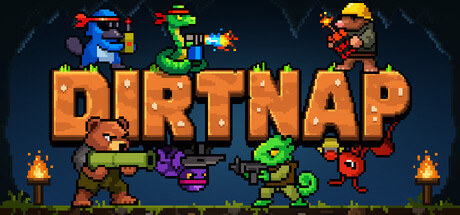 Dirtnap Unclear | Generative AI tools were used during development to assist with the creation of game content. All final content was reviewed and refined by the development team. | Unstable Entity | - | Jul 25, 2026 | |
 Chaos Football Club (CFC) In-game content audio | We use AI to create the music and the narration audio. | TheDevRealm | - | Jul 25, 2026 | |
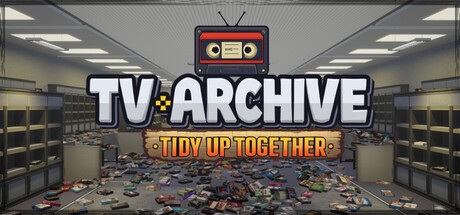 TV Archive: Tidy Up Together In-game content art | AI was used only as a supporting tool for the design of fictional images on the videotapes. | Games Together | 400 | Jul 25, 2026 | |
 Okey 101 In-game content art | Some visual assets in this game, including UI elements and graphics, were created with the assistance of AI image generation tools. | Ayazwai | - | Jul 25, 2026 | |
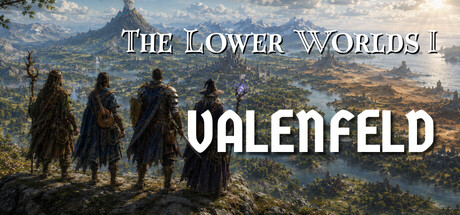 Valenfeld In-game content arttext | Our Policy on AI & Procedural Generation
Valenfeld is built by one person, on a shoestring budget, with an Elder Scrolls–sized ambition. Here is exactly how, and why, AI fits into that.
Why we use it
Valenfeld is a solo indie project chasing a scope that normally takes a studio of dozens: a massive, hand-lorekept world you can wander for years without hitting an edge. That scope is not achievable by one person typing every tree, every ruin, and every line of dialogue by hand on a shoestring budget and an ambitious timeline. So we lean on AI-enabled workflows and, more importantly, cutting-edge procedural algorithms to scale content production and world scale to match the ambition — not to replace it.
What always stays human
Every piece of content in the game — every place, character, creature, item, quest, and line of lore — is built and overseen by a human creator and judge, grounded in our own ideas, our own lore, and our own systems design. AI does not decide what Valenfeld is. It never originates the world's canon, its themes, or its design intent on its own; it accelerates producing what we've already decided the world should be, and everything it touches is reviewed before it ships.
Not AI slop — procedural generation is the point
We're not interested in dumping raw model output into the game and calling it done. Our actual goal is an experimental, large-scale world built on cutting-edge procedural algorithms — terrain, dungeons, towns, ecosystems, even history — designed to be massively replayable for years, not a one-and-done AI slideshow. AI-assisted tooling is one part of the production pipeline that gets us there faster on a small budget; the procedural systems and the authored lore they run on are the actual craft, and that's where our attention to detail goes.
Our bet
We believe that if we focus relentlessly on delivering the best game possible — with a genuinely obsessive eye for detail on everything we ship — we can produce something great on a low budget and a small team of one. That is the bar we hold ourselves to, not "shipped fast" or "shipped cheap."
As we grow
This is how we build today, as a solo project with an ambitious scope and timeline. If and when Valenfeld earns a bigger budget for this game or for future releases, we intend to keep building just as ambitiously — with a team of art, lore, and gameplay experts working alongside these same tools, not replaced by them. Thinking about the best possible game comes first; everything else, including how we scale to build it, follows from that.
— Metatransformer Studios | Metatransformer Studios | - | Jul 25, 2026 | |
 群琼逐鹿 In-game content art | Some images are drawn after being referenced by AI-assisted generation | YiTuiZhe | - | Jul 25, 2026 | |
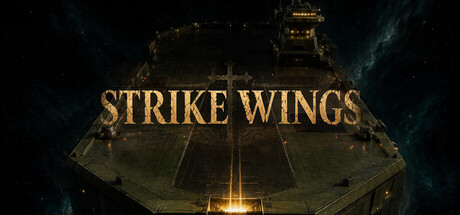 Strike Wings In-game content art | Some promotional key art (store capsule illustrations and website artwork) was created with generative AI tools and then curated and edited by the developer. All in-game content - graphics (procedural vector rendering), gameplay, text, and audio - is hand-authored. The game does not generate any content with AI at runtime and does not connect to any AI service. | Strike Wings Games | - | Jul 25, 2026 | |
 Boss Key Store/marketing art | This game utilizes generative AI to create art assets, which are primarily used for the store page background and the card examples in the workshop. | Institute of Card Game Studies | - | Jul 25, 2026 | |
 Black Stars - The M87 Conflict In-game content artcode | 3d Models for Space Ships created with Meshy.
cooperation in Thinking, design and balance.
C# coding.
Unity Editor Agent for crafting suns and planets out of bought Unity Asset Store Assets. | Robin Krause | - | Jul 25, 2026 | |
 Chaos Chess Dev only code | No art or sound generation was used. Some help for coding the complex in-game enemy AI interactions were utilized from LLM models. Also the game analysis was made with coding help. | Mad Gnome Works | - | Jul 24, 2026 | |
 Word Cubes Unclear | Some content generated by AI. | BTA Electronics | - | Jul 23, 2026 | |
 Ragebait Marathon Live AI textart | Pre-generated: Store page capsule art and marketing images were created with AI assistance. In-game text (unit descriptions, UI copy) and the store description were written with AI assistance. All in-game visuals are drawn procedurally at runtime by the game's own code. No AI model runs in the game and no content is generated during play. All AI-assisted output was reviewed and edited by the developer and contains no third-party or infringing material. | SEUNG WON JUN | - | Jul 23, 2026 | |
 Huiyu Spy Draw In-game content codetext | This game uses generative AI in limited, non-gameplay-critical areas:
- AI-assisted code refactoring and performance optimization during development
- AI-assisted translation polishing for multi-language support
- UI layout refinement suggested by AI tools during the design process
All core gameplay logic, the unique drawing-and-deduction design, and all original game artwork were created, reviewed and refined by human developers. | Huiyu | - | Jul 23, 2026 | |
 Among Demons In-game content art | Some in-game visual assets were created or refined using generative AI during development. These assets are pre-generated and included with the game. The game does not generate AI content while running. | purecosu | - | Jul 23, 2026 | |
 Tides of Empires In-game content arttext | Generative AI tools were used to help create parts of this game, always under the developer's direction: a significant part of the artwork (such as backgrounds, unit graphics, UI elements and store page images) was created with AI assistance and then reviewed, edited and hand-tuned by the developer. AI also assisted in writing the in-game text and translating it, along with this store page, into the supported languages. Music and sound effects are not AI-generated. No AI content is generated live during gameplay. | AtomicPixelGames | - | Jul 23, 2026 | |
 SCARVOID Store/marketing arttext | Ai is used to create some loading-screens and other branding materials, also can be used in descriptive texts of the game.
All game code/assets are 100% made by humans. | Cyberhaze | - | Jul 23, 2026 | |
 Whisky Disky Dev only code | Generative AI tools were used during development to assist with portions of the game’s code. All AI-assisted code was reviewed, edited, and tested by the developer. The game does not generate AI content during gameplay and does not connect to external AI services. | Brewski Studios | - | Jul 23, 2026 | |
 Mindswarm Elements TD In-game content artcode | This game is built by a two-member team: a human developer and an AI assistant working under his direction. Large parts of the game code and many pre-rendered assets (enemy creatures, towers, environment props, marketing artwork) were created with the assistance of generative AI — always based on human design decisions, and reviewed, tested and curated by the developer. The game does not generate any content at runtime using AI. | Steffen Großmann | - | Jul 23, 2026 | |
 Oops, All Tanks! In-game content artaudio | Some pre-generated artwork and sound assets used in the game and its marketing materials were created or edited with the assistance of generative AI tools. All such content was manually selected, reviewed, and edited as needed by the developer. The game does not generate AI content during gameplay. | All Tanks! | - | Jul 23, 2026 | |
 UKNON Jones - Fighters Dev only code | AI was used for some scripts | Guynelk ROSAMONT | - | Jul 23, 2026 | |
 诸天斗法 Unclear | 有使用AI进行游戏开发 | 老K | - | Jul 23, 2026 | |
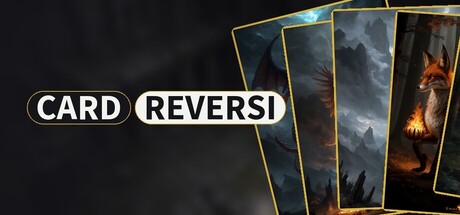 Card Reversi In-game content art | The card illustrations and backgrounds in this game were pre-generated by the developer using image-generation AI (Stable Diffusion / DreamShaper 8), then curated and edited by hand. Text, game logic, music, and fonts are NOT AI-generated. No content is generated by AI during gameplay (pre-generated, fixed assets only). | okkeiji | - | Jul 23, 2026 | |
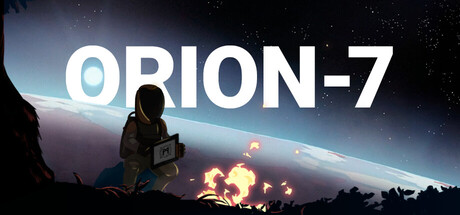 Orion-7 In-game content art | Some illustrations used in the game's introductory sequence were created with the assistance of generative AI. All such assets were reviewed, refined where necessary, and integrated by the developer before being included in the game. | Skybug | - | Jul 23, 2026 | |
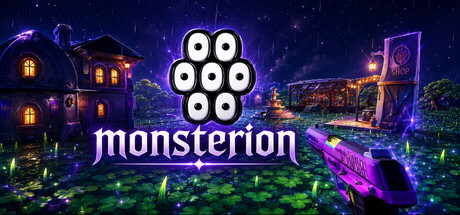 monsterion In-game content art | We use AI to make programmatic rendering to adapt graphics. We also use to do augmentation or transformation to adapt existing arts. | kitkatmarty | - | Jul 23, 2026 | |
 Alamet: Interstellar Wars Unclear | The game's graphics and software are powered by artificial intelligence. | ACA Games | - | Jul 23, 2026 | |
 Crooked Derby In-game content art | Crooked Derby includes some pre-generated visual assets created with generative AI. All AI-assisted content was iterated on, reviewed, and approved by the developer before being included in the game. | GRM Games | - | Jul 23, 2026 | |
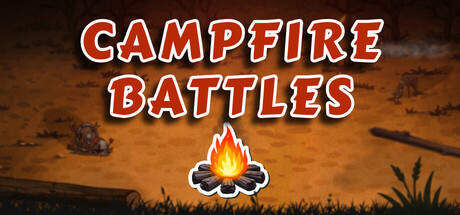 Campfire Battles Dev only code | Campfire Battles is our attempt to bring an idea to life as a two-person team. AI tools helped us work quickly, particularly on the coding side, but every piece was reviewed and refined by hand. | BatteryAcidDev | - | Jul 23, 2026 | |
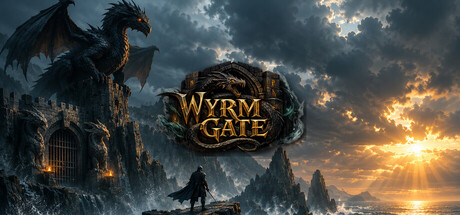 WyrmGate In-game content art | All in-game illustrations (character portraits, NPC and monster art, location and item images, key art) were pre-generated during development using generative AI tools and manually curated by the developer. The game does not create AI-generated content at runtime. | Evgeny Popov | - | Jul 23, 2026 | |
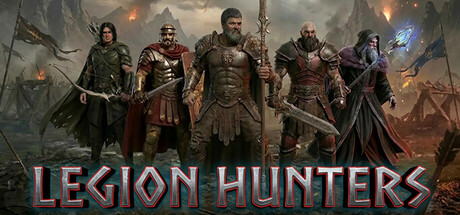 Legion Hunters In-game content artcode | The core game mechanics, game design, and overall creative direction are 100% my original vision. No AI tools were used for conceptualizing ideas or narrative structure. The programming code was generated utilizing the Rosebud AI platform, and the 2D visual assets were initially created with generative art tools. Code, artwork, and music were reviewed, manually edited, and arranged by me to bring my specific creative vision to life. | LegionH | - | Jul 22, 2026 | |
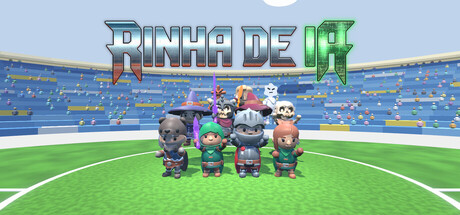 Rinha de IA Live AI text | The game's fighters are controlled by AI models (LLMs) chosen by the player and reached through their own OpenRouter API key. During a match the model decides the character's actions and writes the short taunts shown on screen (text only). The game does not generate images, audio, music or voices with AI: every character, arena, soundtrack and sound effect is authored in advance and ships with the game. Every AI-generated line goes through an illegal content filter before it is displayed, on the player's computer and again on the server that hosts online matches, and online matches have a report system reviewed by a human team. | ProdMan | - | Jul 22, 2026 | |
 Velocrash In-game content art | Some 2D art assets in this game — such as menu UI textures (buttons and panels) and background images — were created with the help of generative AI image tools during development. All AI-generated assets were reviewed and edited by the developer before being included in the game. No AI-generated content is created live during gameplay. | Apolloxian Games | 11 | Jul 22, 2026 | |
 Crown Marshal In-game content arttext | Generative AI was used for some images and localization. | FOGMOE | - | Jul 22, 2026 | |
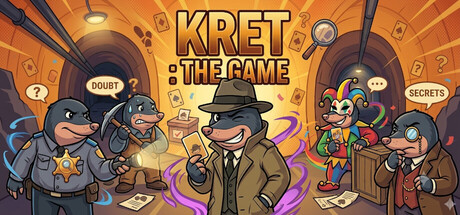 Kret: The Game Live AI arttext | Generative AI tools were used to assist in the creation of selected promotional and store artwork. During gameplay, players can also optionally use generative AI to create custom word sets and hints. | Gucio Entertainment Studio | - | Jul 22, 2026 | |
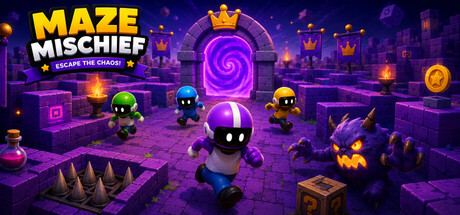 Maze Mischief art | Some promotional images and marketing content for Maze Mischief were created with the assistance of generative artificial intelligence tools and subsequently reviewed and adjusted by the developer. | Gleison Souza | - | Jul 22, 2026 | |
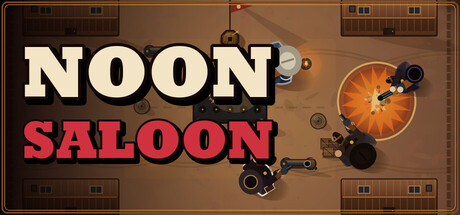 Noon Saloon Dev only textcode | AI tools were used during development to help write the game's code and store text. | Racc PG | - | Jul 22, 2026 | |
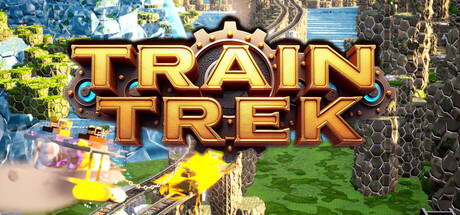 Train Trek Live AI artaudiocode | Train Trek uses generative AI in two ways.
During development we used AI tools to help make some assets: the user-interface art (HUD and menu icons, menu artwork, frames, button plates, mouse cursors), the instrumental soundtrack, and some sound effects. All of it was chosen, edited and finished by hand before it shipped. The 3D models are built procedurally by our own scripts, and the design, world generation and balancing are authored by hand. Parts of the source code were written with an AI coding assistant, reviewed and tested by the developer.
While you play, the game speaks using a text-to-speech model that ships inside the game and runs entirely on your own computer. It voices tutorial guidance, hints and menu narration instead of pre-recorded audio. It needs no internet connection, sends nothing anywhere, and never records or listens to you. It only reads lines we wrote and shipped with the game - it does not invent dialogue. | Aixceptional | - | Jul 22, 2026 | |
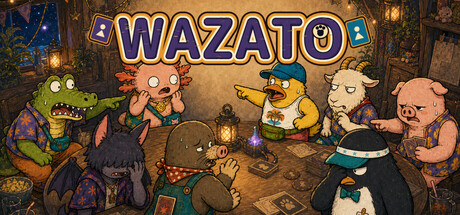 WAZATO: Sabotage or Mistake? In-game content arttext | Generative AI was used to create artwork for the title screen, lobby background, and some UI decorations. The generated images were selected, edited, and sliced by the development team before being integrated into the game. Generative AI was also used to assist with drafting and editing some mini-game prompts. The game does not use generative AI at runtime and does not connect to external AI services during play. | Nichicoma LLC | - | Jul 22, 2026 | |
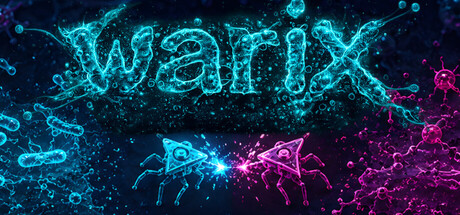 Warix In-game content artaudio | Generative AI tools were utilized to create some base visual and audio assets for Warix. AI was used to generate background textures, character sprites, and promotional store art. All AI-generated imagery was subsequently edited, composited, and polished by hand to fit the game's final aesthetic. | Star-snuffing Black | - | Jul 22, 2026 | |
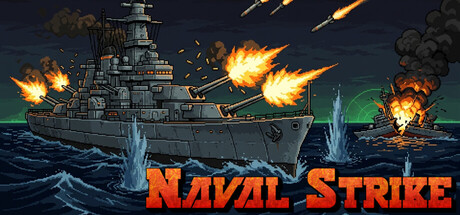 Naval Strike Store/marketing art | Some of the game's assets and marketing materials were created with the assistance of generative AI tools, then reviewed and edited by the developer. All content is pre-rendered; the game does not generate any content at runtime. | VGP256 | - | Jul 22, 2026 | |
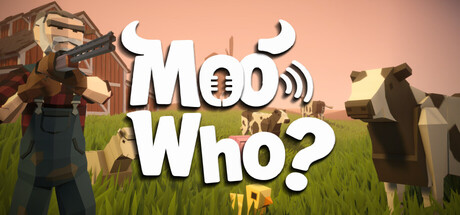 Moo Who? In-game content textartaudio | Generative AI tools were used during development to assist with localization, some in-game GUI icons and sfx. | SAT Productions | 106 | Jul 22, 2026 | |
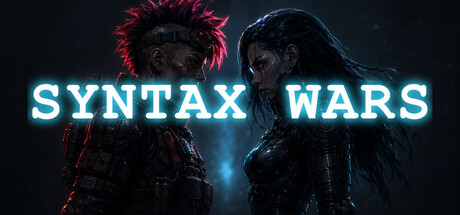 SYNTAX WARS art | Some visual assets — character art/portraits, sprite artwork, and store/marketing
capsule images — were created with the help of generative AI image tools, then
edited, composited, and curated by the developer. All such assets are PRE-GENERATED
during development; the shipped game performs NO live/runtime AI generation. No
generative AI produces text, dialogue, or any player-facing content at runtime.
All generated assets were reviewed by the developer to ensure they contain no
infringing or inappropriate material. | Mosan Game Studio | - | Jul 22, 2026 | |
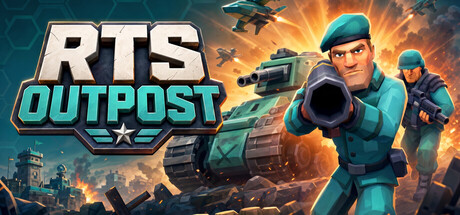 RTS Outpost In-game content art | Some store and marketing artwork (capsule/header images) was created with AI image
tools and then reviewed and edited by the developer. Some in-game commander avatars
were also AI-assisted. The game does not generate any AI content live during play. | Murat Yucel | - | Jul 22, 2026 | |
 Gran Velocita - Real Driving In-game content art | AI-generated art objects | Dorian Dragoi | - | Jul 22, 2026 | |
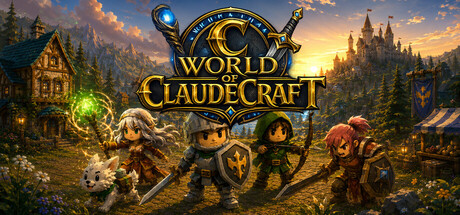 World of ClaudeCraft In-game content audioartcode | World of ClaudeCraft is, unapologetically, a game built with AI — the name is a hint. We used AI in two ways, and we want to be clear about both.
During development, the game's code was written with an AI coding assistant, and we used AI generation tools to create some of the assets that ship in the game as ordinary, fixed files:
Sound: Most in-game sound effects and all spoken NPC voice lines were generated with ElevenLabs' AI audio and text-to-speech models. The written dialogue itself is authored by us; AI produced the spoken audio.
3D models: A small number of creature models (the "Drowned Litany") were generated with Meshy AI (text-to-3D).
Everything else is either created by the game's own code (the world, towns, terrain, water, weather, and the music soundtrack are all generated procedurally at runtime) or is licensed third-party art — CC0 model, texture, and HDRI packs plus a purchased commercial icon set. That content is not AI-generated.
Critically: no generative AI runs while you play. Every AI-made asset was generated once, offline, during development and baked into the game as a static file. The running game makes no AI or LLM calls, and none of your gameplay or personal data is ever sent to an AI system. The simulation is fully deterministic — the same inputs always produce the same result. | Levy Street Games | - | Jul 22, 2026 | |
 The Thrill of the Fight 2 In-game content text | Localization | Halfbrick Studios Pty Ltd | - | Jul 22, 2026 | |
 NGC-404: Fractured Sector Dev only | During the development process, we may use AI-based tools. In all such cases, the final product reflects the creativity and expression of our own development team. | WhiteDogo Entertainment | - | Jul 21, 2026 | |
 Couch PVP Dev only audio | The development team was assisted by AI in writing and debugging code. Some sounds were also created using AI. | Homelaser | - | Jul 20, 2026 | |
 Blend In In-game content textartaudio | AI tools were used to assist with pre-created text content: the localization of the game's UI text into 8 languages (reviewed by the developer) and the store page texts. All artwork, 3D models, animations and audio are human-made licensed assets; no AI-generated imagery or audio ships with the game. The game does not generate any AI content at runtime. | Funcion84 | - | Jul 20, 2026 | |
 RonkBonk Unclear | This game is partly made by AI | copoeric | - | Jul 20, 2026 |


