Public Steam disclosure research25,383 disclosures tracked
Where do games disclose AI use?
Search developers’ Steam disclosures, compare classified AI use across
games, and follow recorded changes.
This index adds cross-game classifications and statistics to
statements published on individual store pages.
Groups reflect automatic analysis of public disclosures; mature records are excluded. These counts do not measure AI use across all of Steam.
Missing or unclear statements cannot establish whether a game uses AI.
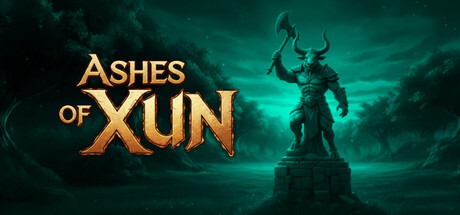
Environment tiles are assisted by AI tools to support the game’s art development. We intend to get rid of this IA asset as soon as possible. All gameplay and player content is fully created and controlled by the developers
Before I get into this, I'd like to say that I am a professional game designer, writer, sprite artist, video animator, music producer, and audio engineer. I worked in the industry for a number of years, and deciding on whether or not to use gen AI was not something I took lightly. I know there are a lot of feelings about this right now, and I understand why a lot of people are hurting, but ultimately, I felt that it enhances the will and talent of the end user. I use programs that claim they are trained on models that own the rights to the content, or are trained on open source materials. This game uses a limited amount of generative AI for content. About 50% of the art assets are generated, then carefully tailored for visual cohesion. Currently, very little animation is done with generative AI, but this could change in the future. The music is 100% human created by Punch Deck. The voiceover is 100% generative AI. Depending on funding, this could change in the future.
The development of this game was handled by a team of just two people. To create a rich and engaging visual novel despite our small size, we used artificial intelligence (AI) as an assistive tool. AI was involved in the initial generation of several elements, including background images, sound effects, and provided a base for editing the character sprites.
Every AI-generated asset was then carefully selected, thoroughly edited, and integrated by us to ensure it fits the game's style and delivers a consistent, high-quality experience. This approach allowed us to bring our idea to life efficiently.
AI generated images have been used as reference images. All generated images have been either very heavily modified or fully redrawn by artists before.
AI tools were used exclusively to generate static illustrations and to assist with the translation of the game's text. All character sprites, tiles, and pixel art assets were created by hand by the developer. All AI-generated output has been reviewed, edited, and validated by the developer to ensure it fits the artistic direction and gameplay experience.
Some of the promotional and storefront images were created with AI tools and then refined by hand. All of the in-game assets were designed by a 3D artist.
You talk to characters in the game using a local LLM. There is no cost for tokens, and the model responds in a fun and interesting way. Art in the game is also AI generated (and you can generate your own art to decorate your apartment).
This game uses AI-assisted tools for creating certain illustrations and background artworks.
All AI-generated images were supervised, refined, and post-processed by the developer to ensure artistic consistency and quality.
All game design, story, UI, and balance elements are fully human-made.
Use of AI in Development
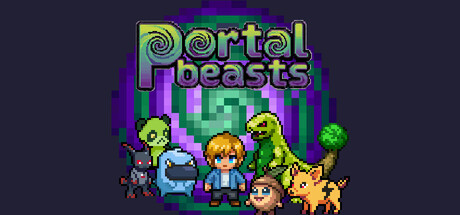
Artificial intelligence has been used as a creative and technical assistant throughout the development of Portal Beasts.
AI tools have supported the process in several ways:
💻 Code Assistance: Helping to write, optimize, and debug gameplay systems in Godot, including combat logic, monster AI, animations, and UI functionality.
🎨 Graphic Support: Generating concept art, logo variations, and promotional visuals inspired by the game’s pixel art style.
🧠 Design Feedback: Providing ideas, structure, and iteration support for gameplay mechanics, interface layouts, and presentation materials (like Steam assets).
All AI-generated material has been curated, refined, and integrated manually to ensure it fits the artistic and gameplay vision of Portal Beasts.
This game uses generative AI for coding assistance and translation reference.
All in-game graphics, music, and sound effects are created by human creators and do not contain AI-generated content.
*This excludes placeholder assets used during development (including demos) and third-party assets.
Some of the game's artwork, such as supporting illustrations and auxiliary images, was initially created with the help of AI tools for visual prototyping. All content used in the final product has been reviewed, edited, and curated by humans to ensure consistent style and alignment with the game's universe.
The game does not use AI for gameplay decisions, character behavior, progression, dialogues, or any functional part of the experience. All narrative, mechanics, programming, and design were developed manually.
AI was used to create the main characters: how they look, sound and move. All cutscenes and dialogue are pre-generated with AI. All translations were done with the help of AI. Many in-game assets are made with AI or with the help of AI.
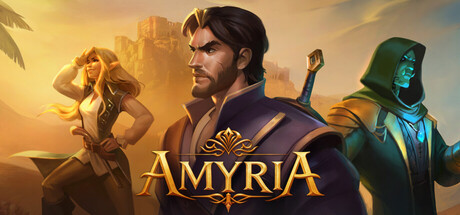
All art and animation in Amyria is hand-crafted by human artists. AI powers NPC dialogue and decision-making, enabling truly infinite conversations. You can say anything and get a real response. We believe AI belongs where it genuinely improves the experience, not where it replaces craftsmanship. NPC dialogue is exactly that use case.
Some 2D art assets were initially created with the assistance of AI tools and then manually edited and finalized by the developer.
No AI is used during gameplay or to generate content in real time.
I utilized generative artificial intelligence (AI) tools during the development of this game. The specific applications are as follows:
Art & Visual Assets: Generative AI was used to create a portion of the in-game images, textures, and visual concept art. All such assets were subsequently refined and optimized manually.
Music & Sound Effects: Certain background music and audio assets were generated using AI tools to enhance the overall auditory experience.
Programming & Development: AI-generated code snippets were integrated into the development process, and AI tools were utilized to assist in code optimization and troubleshooting of game logic.
This game includes some images created with the assistance of AI tools.
All AI-generated assets were reviewed and refined by the development team to ensure quality, originality, and compliance with Steam’s content guidelines.
Rift Investigations uses AI in three core ways: First, every mystery case is procedurally generated by AI,
creating unique investigations with original characters, clues, and solutions—no two cases are ever the same.
Second, you can interrogate NPCs using natural language questions; an AI system generates contextual, believable
responses based on what each character knows and their relationship to the crime. Third, all character portraits
and location backgrounds are AI-generated to visually bring each procedurally-created case to life. The power of AI enables infinite replayability
with genuinely different detective stories each time you play.
During the development of this game, we used generative AI tools to assist in creating two types of core content: first, game-related graphical materials, including capsule images required for store promotion (such as Header Capsule, Small Capsule, etc.), in-game scene illustrations, character design reference images, and other visual assets; second, game audio materials, including background music for scenes, operational interaction sound effects, and other musical content. All AI-generated materials have undergone screening, modification, and compliance review by the development team to ensure they meet Steam's graphical asset rules and content guidelines. The final presentation is highly consistent with the game's overall style and core gameplay, and does not involve any non-compliant or infringing content.
About half of the character 3D models were created using AI. AI was used for most of the music, with a few exceptions. For images, AI was used for the icons.
The game uses some AI-generated text to enhance immersion through short form responsive NPC dialogue and procedurally described events. Each character’s dialogue is contextually grounded in their role, knowledge, and surroundings, keeping interactions cohesive and authentic.
Generative AI is NOT used for world narrative writing, lore, game logic, audio, images, or calculating outcomes of any kind.
AI systems ensure every player’s experience feels distinct while remaining true to the game’s established lore and tone.
This feature is experimental, and is not part of the core game.
In the game, players can press the "G" key to open the AI communication panel, and interact with the two AIs—Doubao and DeepSeek—by typing text. Players can choose to chat with either Doubao or DeepSeek, and both AIs will respond based on the player's input.
Meanwhile, the AIs' decisions will influence the progression of the in-game storyline and their own specific behaviors. For instance, the AIs may determine the direction of storyline branches based on the content of the player's conversation, or change their movement paths in the game world and perform different actions. This creates a richer and more personalized gaming experience for players.
During development, some pre-generated assets were created using commercially licensed generative AI services. This includes a portion of the environmental art, character portraits, and character audio voice lines. The developer holds the appropriate commercial licenses for all tools used and owns the rights to all generated assets included in the game.
Environment tiles are assisted by AI tools to support the game’s art development. We intend to get rid of this IA asset as soon as possible. All gameplay and player content is fully created and controlled by the developers
Before I get into this, I'd like to say that I am a professional game designer, writer, sprite artist, video animator, music producer, and audio engineer. I worked in the industry for a number of years, and deciding on whether or not to use gen AI was not something I took lightly. I know there are a lot of feelings about this right now, and I understand why a lot of people are hurting, but ultimately, I felt that it enhances the will and talent of the end user. I use programs that claim they are trained on models that own the rights to the content, or are trained on open source materials. This game uses a limited amount of generative AI for content. About 50% of the art assets are generated, then carefully tailored for visual cohesion. Currently, very little animation is done with generative AI, but this could change in the future. The music is 100% human created by Punch Deck. The voiceover is 100% generative AI. Depending on funding, this could change in the future.
The development of this game was handled by a team of just two people. To create a rich and engaging visual novel despite our small size, we used artificial intelligence (AI) as an assistive tool. AI was involved in the initial generation of several elements, including background images, sound effects, and provided a base for editing the character sprites.
Every AI-generated asset was then carefully selected, thoroughly edited, and integrated by us to ensure it fits the game's style and delivers a consistent, high-quality experience. This approach allowed us to bring our idea to life efficiently.
AI generated images have been used as reference images. All generated images have been either very heavily modified or fully redrawn by artists before.
AI tools were used exclusively to generate static illustrations and to assist with the translation of the game's text. All character sprites, tiles, and pixel art assets were created by hand by the developer. All AI-generated output has been reviewed, edited, and validated by the developer to ensure it fits the artistic direction and gameplay experience.
Some of the promotional and storefront images were created with AI tools and then refined by hand. All of the in-game assets were designed by a 3D artist.
You talk to characters in the game using a local LLM. There is no cost for tokens, and the model responds in a fun and interesting way. Art in the game is also AI generated (and you can generate your own art to decorate your apartment).
This game uses AI-assisted tools for creating certain illustrations and background artworks.
All AI-generated images were supervised, refined, and post-processed by the developer to ensure artistic consistency and quality.
All game design, story, UI, and balance elements are fully human-made.
Use of AI in Development
Artificial intelligence has been used as a creative and technical assistant throughout the development of Portal Beasts.
AI tools have supported the process in several ways:
💻 Code Assistance: Helping to write, optimize, and debug gameplay systems in Godot, including combat logic, monster AI, animations, and UI functionality.
🎨 Graphic Support: Generating concept art, logo variations, and promotional visuals inspired by the game’s pixel art style.
🧠 Design Feedback: Providing ideas, structure, and iteration support for gameplay mechanics, interface layouts, and presentation materials (like Steam assets).
All AI-generated material has been curated, refined, and integrated manually to ensure it fits the artistic and gameplay vision of Portal Beasts.
This game uses generative AI for coding assistance and translation reference.
All in-game graphics, music, and sound effects are created by human creators and do not contain AI-generated content.
*This excludes placeholder assets used during development (including demos) and third-party assets.
Some of the game's artwork, such as supporting illustrations and auxiliary images, was initially created with the help of AI tools for visual prototyping. All content used in the final product has been reviewed, edited, and curated by humans to ensure consistent style and alignment with the game's universe.
The game does not use AI for gameplay decisions, character behavior, progression, dialogues, or any functional part of the experience. All narrative, mechanics, programming, and design were developed manually.
AI was used to create the main characters: how they look, sound and move. All cutscenes and dialogue are pre-generated with AI. All translations were done with the help of AI. Many in-game assets are made with AI or with the help of AI.
All art and animation in Amyria is hand-crafted by human artists. AI powers NPC dialogue and decision-making, enabling truly infinite conversations. You can say anything and get a real response. We believe AI belongs where it genuinely improves the experience, not where it replaces craftsmanship. NPC dialogue is exactly that use case.
Some 2D art assets were initially created with the assistance of AI tools and then manually edited and finalized by the developer.
No AI is used during gameplay or to generate content in real time.
I utilized generative artificial intelligence (AI) tools during the development of this game. The specific applications are as follows:
Art & Visual Assets: Generative AI was used to create a portion of the in-game images, textures, and visual concept art. All such assets were subsequently refined and optimized manually.
Music & Sound Effects: Certain background music and audio assets were generated using AI tools to enhance the overall auditory experience.
Programming & Development: AI-generated code snippets were integrated into the development process, and AI tools were utilized to assist in code optimization and troubleshooting of game logic.
This game includes some images created with the assistance of AI tools.
All AI-generated assets were reviewed and refined by the development team to ensure quality, originality, and compliance with Steam’s content guidelines.
Rift Investigations uses AI in three core ways: First, every mystery case is procedurally generated by AI,
creating unique investigations with original characters, clues, and solutions—no two cases are ever the same.
Second, you can interrogate NPCs using natural language questions; an AI system generates contextual, believable
responses based on what each character knows and their relationship to the crime. Third, all character portraits
and location backgrounds are AI-generated to visually bring each procedurally-created case to life. The power of AI enables infinite replayability
with genuinely different detective stories each time you play.
During the development of this game, we used generative AI tools to assist in creating two types of core content: first, game-related graphical materials, including capsule images required for store promotion (such as Header Capsule, Small Capsule, etc.), in-game scene illustrations, character design reference images, and other visual assets; second, game audio materials, including background music for scenes, operational interaction sound effects, and other musical content. All AI-generated materials have undergone screening, modification, and compliance review by the development team to ensure they meet Steam's graphical asset rules and content guidelines. The final presentation is highly consistent with the game's overall style and core gameplay, and does not involve any non-compliant or infringing content.
About half of the character 3D models were created using AI. AI was used for most of the music, with a few exceptions. For images, AI was used for the icons.
The game uses some AI-generated text to enhance immersion through short form responsive NPC dialogue and procedurally described events. Each character’s dialogue is contextually grounded in their role, knowledge, and surroundings, keeping interactions cohesive and authentic.
Generative AI is NOT used for world narrative writing, lore, game logic, audio, images, or calculating outcomes of any kind.
AI systems ensure every player’s experience feels distinct while remaining true to the game’s established lore and tone.
This feature is experimental, and is not part of the core game.
In the game, players can press the "G" key to open the AI communication panel, and interact with the two AIs—Doubao and DeepSeek—by typing text. Players can choose to chat with either Doubao or DeepSeek, and both AIs will respond based on the player's input.
Meanwhile, the AIs' decisions will influence the progression of the in-game storyline and their own specific behaviors. For instance, the AIs may determine the direction of storyline branches based on the content of the player's conversation, or change their movement paths in the game world and perform different actions. This creates a richer and more personalized gaming experience for players.
During development, some pre-generated assets were created using commercially licensed generative AI services. This includes a portion of the environmental art, character portraits, and character audio voice lines. The developer holds the appropriate commercial licenses for all tools used and owns the rights to all generated assets included in the game.