








Disclosure
In-game visuals and audio were developed with AI assistance.
- Creator
- Cupixel
- Reviews
- -
- Added
- Sep 30, 2026
Public Steam disclosure research 25,376 disclosures tracked
Search developers’ Steam disclosures, compare classified AI use across games, and follow recorded changes. This index adds cross-game classifications and statistics to statements published on individual store pages.
Code help, debugging and other development work.
Capsule art, trailers and promotional material.
Pre-made art, audio, writing and other game assets.
Interactive or runtime AI features disclosed by the developer.
Groups reflect automatic analysis of public disclosures; mature records are excluded. These counts do not measure AI use across all of Steam. Missing or unclear statements cannot establish whether a game uses AI.
In-game visuals and audio were developed with AI assistance.
Serv-Bot's Firewall uses AI tools in its art and media pipeline, always under human direction and review: Sprite art. The game's original hand-authored sprites were upscaled and repainted at native resolution with an image-editing model (Qwen-Image-Edit), then reviewed, corrected and in many cases restored to the originals by hand. Concept art for the six "arsenal" enemy types, the Serv-Bot HUD portraits and the achievement icon motifs were generated with local image models (Z-Image Turbo, Qwen-Image-Edit) from our own designs and reference art, then composited and finished in code. Canon elements such as the Greeb ship in the icons are the game's own sprite art, not generated. Cutscenes. The in-game story videos come from our SIGNAL series. Keyframes were generated with a local image model trained on our own characters, motion with a local video model (Wan 2.2), narration with a text-to-speech model (Kokoro) and music with local music models (ACE-Step, Stable Audio Open). Scripts, story, character designs, editing and direction are ours. Localization. Interface text in 28 languages was machine-translated with an AI model from our English source and has not yet been reviewed by native speakers. Code. Parts of the game's code were written with AI coding assistance, reviewed and tested by the developer. Sound effects are procedurally synthesised, not AI-generated. All AI generation ran on the developer's own hardware; no copyrighted third-party works were used as inputs beyond our own assets and characters.
The game contains pre-generated artwork and AI-assisted narrative/localization created during development under human direction. The assets were iteratively selected, composed, edited and reviewed for this project. Prompts requested generic original fantasy subjects and did not request existing characters, logos, or the imitation of a named living artist. No generative AI service runs during gameplay and players cannot submit prompts.
This game includes assets created with generative AI during development (official music, song artwork, and drum animations). Nothing is generated while you play, and the game does not connect to an AI service at runtime. Players cannot send prompts to any AI.
Code was written using help of AI tools, all artwork is human made.
AI models have been used to validate, optimize, rank and test the puzzles and the simulation engine. Soundtrack is procedurally generated music using the same engine that simulates the electronics, powered by the C~ language.
Generative AI tools were used to assist with some promotional/store artwork, minor code edits, and the improvement and iteration of some music. AI-generated content is not created dynamically during gameplay.
Art assets were initially generated using AI image-generation tools, then reviewed, manually edited, and refined by human artists.
The original 1998 version of Avalon was created entirely by hand, including its graphics, music, story, gameplay, game engine and even its custom music software. Avalon: Legacy Edition retains many of these original assets. Generative AI was used to create or refine much of the updated visual, audio and written content. No content is generated live during gameplay.
Generative AI was used to assist with English texts, localizations, and some pre-generated 3D character models, with all content manually reviewed and edited by the developer.
Some of this game's art was stylized or created with AI image generation tools from original prompts and project reference material: character portraits, tables, backgrounds, and Steam store and community artwork. Initial translations were AI-assisted. All of it was edited and reviewed before shipping. The soundtrack is chip-synth music generated at build time by the game's own code, no audio model and no sampled audio in the shipped files. Several tracks are AI-stylized arrangements of original songs written by a member of the development team; others were composed with AI assistance to our direction. Nothing is generated by AI while you play.
The text on the store page was translated using generative AI.
The game uses generative AI to create some of the 2D pixel-art sprites and character animations. All such content is manually reviewed and edited before being included in the game.
I used an AI coding assistant while building the game, and it helped come up with the achievement names and descriptions, which I edited. Nothing else in the game is AI generated: the soundtrack is licensed from its creators, the radio voices are my own recordings, and the art and sounds are produced by the game's own code.
Some textures were created with AI assistance.
Generative AI tools were used to assist in creating promotional artwork, cover images, and store page visual assets. The game itself does not generate AI content during gameplay.
Aetas is designed, directed and built by a single developer. Generative AI was used as a development assistant: it helped write code and tools, the in-game texts and their English/Dutch localization, and the store page texts, all under the developer's direction and review. No AI image generation was used: all sprites and tiles are hand-drawn Liberated Pixel Cup art by human artists (credited in the game folder), or assembled programmatically from that art. The trailer music was produced by a synthesis script. The game does not generate any content with AI during gameplay and does not connect to any AI service.
This game's cat characters are based on art assets we created, expanded with generative AI into a variety of patterns and colors. Generative AI image tools were also used at the concept stage for the store page's capsule images and icons. Players can also optionally register their own free Google API key to chat with their cats or check today's fortune. This feature connects live to Google's Gemini API while the game is running to generate responses; the rest of the game can be enjoyed the same way without registering a key.
Some of the game's pre-made content and the store page texts were created with the help of generative AI tools, and then reviewed and edited by our team. No content is generated by AI while you play.
AI was used for text proofreading and translation. AI was also used to enhance some textures.
Generative AI used as developer tool for code, testing, modeling, and sound. Generative AI used directly for campaign mission brief and victory screen full screen background art.
Some visual assets in PALADIN HC were created or recreated with the assistance of generative AI tools during development. All AI-assisted content was reviewed, selected, and integrated by the developer before being included in the game.
Generative AI tools were used during development to assist with the creation and refinement of some game content and assets. All AI-assisted content was reviewed and integrated by the development team before being included in the game.
Some in-game backgrounds and character and item artwork, as well as promotional artwork, were created using generative AI. AI also assisted with text localization. No generative AI is used during gameplay.
Visual assets and music in Homeward on the Wind were created with the assistance of generative AI tools and were reviewed and refined by the development team. The game does not generate content in real time. All storylines, choices, and interactions are pre-designed.
AI tools were used for troubleshooting coding during development and resolving errors. AI was also used to assist with artwork and logo assets.
Icons and Artworks for the Shop are made with the help of A.I.
Generative AI tools were used during development to create some artwork, music, text and translations, including promotional material. This content is prepared in advance. The game does not generate AI content or connect to AI services while you play.
Music production is AI assisted and human curated. The game "engine" itself is engineered/verified with LLM assistance. Visual assets are handmade.
Some of STACKPUNK's 2D pixel art — including boss portraits, card artwork, background scenes, UI ornaments and achievement icons — was created with the assistance of a generative AI pixel-art tool during development. All AI-assisted images were generated ahead of time, then reviewed, edited and hand-finished by us before being shipped as fixed image files in the game. STACKPUNK does not generate any content live while you play, and the game never connects to an AI service. All gameplay, code, design, music and sound are authored by us or sourced from properly licensed/CC0 material.
Generative AI used for UV editing, and slight modifications to existing works. (80's arcade video game posters modified to avoid using trademarked content)
Part of the game's visual content (location backgrounds and some animated CG scenes) was created using generative neural networks based on references and artistic descriptions developed by the author.
AI-assisted tools were used in the enhancement of the game’s music.
The game used AI in the production of the music tracks, the album cover artwork, the artwork for the store page, and the achievement icons.
Generative AI was used to assist in the creation of certain promotional and store page artwork. All gameplay, programming, game design, pixel art, and in-game content were created and reviewed by the developer.
Pre-generated content: part of the game's art (backgrounds, character and enemy sprites, portraits, props, key art and capsule images) was created with generative image tools (Google Gemini, PixelLab) and then reviewed, cut, edited and assembled by hand by the developer. Some sound effects were produced with AI audio tools (ElevenLabs). Parts of the source code were written with the assistance of an AI coding assistant (Anthropic Claude) under the developer's direction and review. The story, game design, world, dialogue and puzzles are the developer's own work. Live-generated content: none. The game does not generate any content with AI while it is running.
Generative AI tools were used during the development of the game to assist with creating parts of the game. AI was used as a development aid, while the final content and implementation were reviewed and integrated by the developer.
Generative AI tools were used to assist in the creation and refinement of visual assets, music, and voice content. All final assets were selected, edited, adapted, and integrated by the developer. No AI-generated content is created during gameplay.
Some of the in-game background images and the store Capsule image art assets in this game were created using pre-rendered generative AI tools. These assets were then reviewed, refined, and integrated by our development team to fit the game's artistic vision
Some art and audio in this game were created with generative AI tools and then edited by hand: ability and application icons and the logo (OpenAI image generation), a number of 3D props (Tripo3D), and some sound effects (ElevenLabs). All of it was generated during development and reviewed by the developer before shipping. Nothing is generated live while you play
Generative AI tools were used during the development process to assist in the conceptualization and creation of character sprites and visual assets. All AI-generated content was pre-rendered and manually refined to fit the game's art style
Generative AI was used during development to assist in the creation of some of the game's pre-generated illustrations and visual assets. No generative AI is used to create content during gameplay.
This game was created with the assistance of AI tools in several areas of development. Music: The songs were written and originally recorded by me, with AI tools used for additional processing and production. Artwork: The visual concepts and creative direction were created by me, while AI tools were used to generate and develop some of the final artwork based on my concepts. Programming: AI-assisted tools were used during development to help with coding and implementation. All AI-assisted content was reviewed, selected, and integrated by me as part of the game's creative and development process.
No generative AI is used during live gameplay. During our development process we use generative AI for some algorithms, pixel art, some marketing content and where appropriate to improve code quality.
Generative AI was used only to create pre-generated background artwork for the Steam store and library images. The official logo, text, user interface, and gameplay screenshots were created separately. The game does not generate content during gameplay and does not connect to any third-party AI service.
Lost Gaijin uses generative AI during development and gameplay. Selected pre-generated visual and audio assets used in the game and its Steam materials were created or edited with generative AI tools and reviewed by the developer. During play, text-generating AI responds to player input and game state to create dynamic story content and personalized Japanese-language coaching. Live-generated text is provided through OpenRouter and may vary between playthroughs.
Certain UI elements and regional logos were created with the assistance of AI.
Covers and in game movie posters are made with AI.
The branching narrative in FOREST QUEST '88 was generated during development using a locally-run AI language model (an offline Dolphin/LLaMA-family model via Ollama). All AI-generated text was produced ahead of time, then reviewed, edited, and curated by the developer before being baked into the finished game as fixed, hand-checked content. The shipped game contains no live AI generation — it plays back a static, pre-authored story. No player data is sent to any AI service; the game runs fully offline.
Generative AI was used extensively during development to assist with localization, text review, and selected production/reference workflows. All code and most image assets and models were created with generative AI. All AI-assisted content included in the game was reviewed and curated by the developer. The game does not use live generative AI during gameplay.
| Title⇅ | Disclosure | Creator⇅ | Src | Reviews⇅ | Added↓ |
|---|---|---|---|---|---|
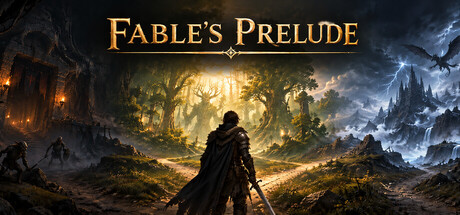 Fable's Prelude In-game content artaudio | In-game visuals and audio were developed with AI assistance. | Cupixel | - | Sep 30, 2026 | |
 The Last Byte: Serv-Bots Firewall In-game content arttextaudiocode | Serv-Bot's Firewall uses AI tools in its art and media pipeline, always under human direction and review:
Sprite art. The game's original hand-authored sprites were upscaled and repainted at native resolution with an image-editing model (Qwen-Image-Edit), then reviewed, corrected and in many cases restored to the originals by hand. Concept art for the six "arsenal" enemy types, the Serv-Bot HUD portraits and the achievement icon motifs were generated with local image models (Z-Image Turbo, Qwen-Image-Edit) from our own designs and reference art, then composited and finished in code. Canon elements such as the Greeb ship in the icons are the game's own sprite art, not generated.
Cutscenes. The in-game story videos come from our SIGNAL series. Keyframes were generated with a local image model trained on our own characters, motion with a local video model (Wan 2.2), narration with a text-to-speech model (Kokoro) and music with local music models (ACE-Step, Stable Audio Open). Scripts, story, character designs, editing and direction are ours.
Localization. Interface text in 28 languages was machine-translated with an AI model from our English source and has not yet been reviewed by native speakers.
Code. Parts of the game's code were written with AI coding assistance, reviewed and tested by the developer.
Sound effects are procedurally synthesised, not AI-generated. All AI generation ran on the developer's own hardware; no copyrighted third-party works were used as inputs beyond our own assets and characters. | Lerk Interactive Studio | - | Sep 30, 2026 | |
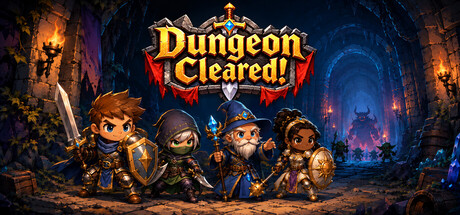 Dungeon Cleared! In-game content arttext | The game contains pre-generated artwork and AI-assisted narrative/localization created during development under human direction.
The assets were iteratively selected, composed, edited and reviewed for this project.
Prompts requested generic original fantasy subjects and did not request existing characters, logos, or the imitation of a named living artist.
No generative AI service runs during gameplay and players cannot submit prompts. | Macs | - | Sep 28, 2026 | |
 Music Maniaz In-game content artaudio | This game includes assets created with generative AI during development (official music, song artwork, and drum animations). Nothing is generated while you play, and the game does not connect to an AI service at runtime. Players cannot send prompts to any AI. | Maniaz | - | Sep 28, 2026 | |
 Whale Hunter Dev only code | Code was written using help of AI tools, all artwork is human made. | Tegridy Made Games | - | Sep 28, 2026 | |
 101 Circuits In-game content audiocode | AI models have been used to validate, optimize, rank and test the puzzles and the simulation engine. Soundtrack is procedurally generated music using the same engine that simulates the electronics, powered by the C~ language. | Chilling Moose Games | - | Sep 27, 2026 | |
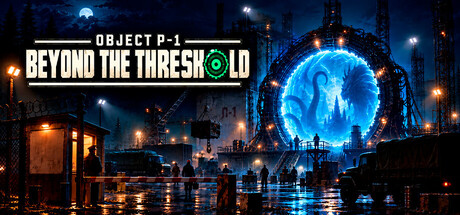 Object P-1: Beyond the Threshold — Idle Store/marketing artaudiocode | Generative AI tools were used to assist with some promotional/store artwork, minor code edits, and the improvement and iteration of some music. AI-generated content is not created dynamically during gameplay. | Ural Birds | - | Sep 27, 2026 | |
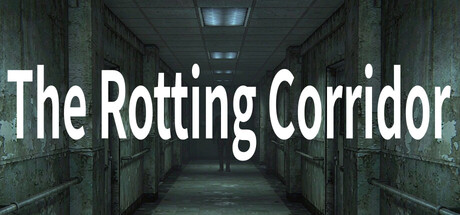 The Rotting Corridor In-game content art | Art assets were initially generated using AI image-generation tools, then reviewed, manually edited, and refined by human artists. | NimbusCode Studio | - | Sep 27, 2026 | |
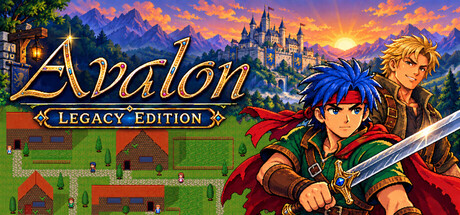 Avalon: Legacy Edition In-game content artaudiotext | The original 1998 version of Avalon was created entirely by hand, including its graphics, music, story, gameplay, game engine and even its custom music software. Avalon: Legacy Edition retains many of these original assets. Generative AI was used to create or refine much of the updated visual, audio and written content. No content is generated live during gameplay. | Seven Mages | - | Sep 27, 2026 | |
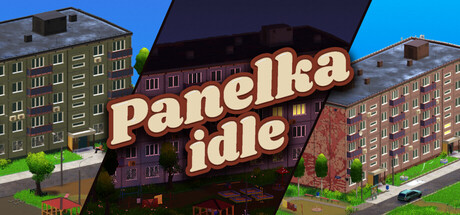 Panelka Idle In-game content textart | Generative AI was used to assist with English texts, localizations, and some pre-generated 3D character models, with all content manually reviewed and edited by the developer. | Glitchplay | - | Sep 27, 2026 | |
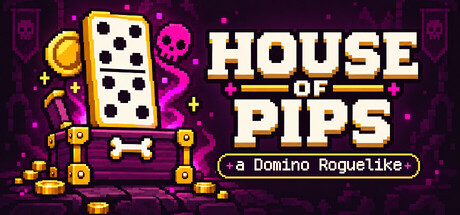 House of Pips: a Domino Roguelike In-game content arttextaudio | Some of this game's art was stylized or created with AI image generation tools from original prompts and project reference material: character portraits, tables, backgrounds, and Steam store and community artwork. Initial translations were AI-assisted. All of it was edited and reviewed before shipping. The soundtrack is chip-synth music generated at build time by the game's own code, no audio model and no sampled audio in the shipped files. Several tracks are AI-stylized arrangements of original songs written by a member of the development team; others were composed with AI assistance to our direction. Nothing is generated by AI while you play. | Slapcraft Games | - | Sep 25, 2026 | |
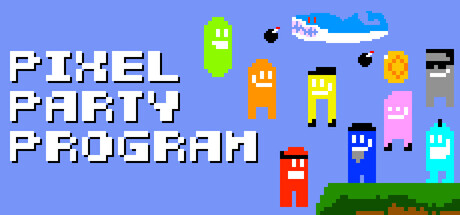 Pixel Party Program In-game content text | The text on the store page was translated using generative AI. | tdhr | - | Sep 25, 2026 | |
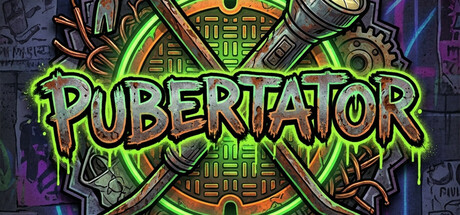 Pubertator In-game content art | The game uses generative AI to create some of the 2D pixel-art sprites and character animations. All such content is manually reviewed and edited before being included in the game. | Victoria Games | - | Sep 25, 2026 | |
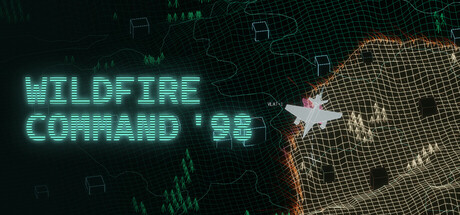 Wildfire Command '98 In-game content text | I used an AI coding assistant while building the game, and it helped come up with the achievement names and descriptions, which I edited. Nothing else in the game is AI generated: the soundtrack is licensed from its creators, the radio voices are my own recordings, and the art and sounds are produced by the game's own code. | MonkeyCat Games | - | Sep 25, 2026 | |
 Broken Family 1: Mr. Rabbit In-game content art | Some textures were created with AI assistance. | AURORA STUDIO | - | Sep 25, 2026 | |
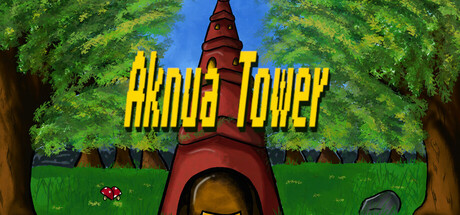 Aknua Tower Store/marketing art | Generative AI tools were used to assist in creating promotional artwork, cover images, and store page visual assets. The game itself does not generate AI content during gameplay. | KillerTimeGamer | - | Sep 25, 2026 | |
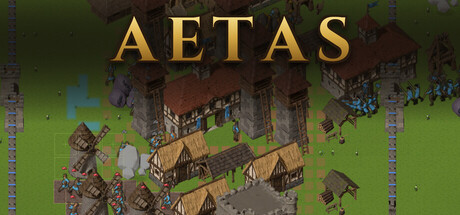 Aetas In-game content textcode | Aetas is designed, directed and built by a single developer. Generative AI was used as a development assistant: it helped write code and tools, the in-game texts and their English/Dutch localization, and the store page texts, all under the developer's direction and review. No AI image generation was used: all sprites and tiles are hand-drawn Liberated Pixel Cup art by human artists (credited in the game folder), or assembled programmatically from that art. The trailer music was produced by a synthesis script. The game does not generate any content with AI during gameplay and does not connect to any AI service. | Consul Games | - | Sep 25, 2026 | |
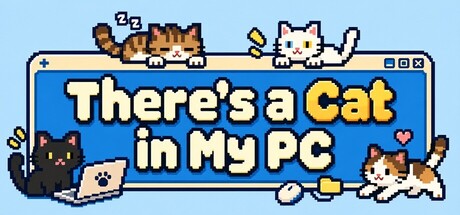 There's a Cat in My PC Live AI art | This game's cat characters are based on art assets we created, expanded with generative AI into a variety of patterns and colors. Generative AI image tools were also used at the concept stage for the store page's capsule images and icons.
Players can also optionally register their own free Google API key to chat with their cats or check today's fortune. This feature connects live to Google's Gemini API while the game is running to generate responses; the rest of the game can be enjoyed the same way without registering a key. | Dopamine | - | Sep 25, 2026 | |
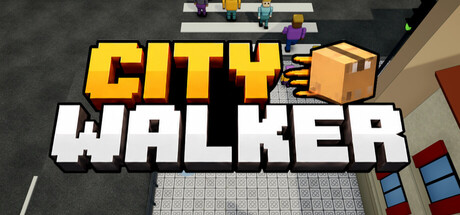 City Walker Store/marketing text | Some of the game's pre-made content and the store page texts were created with the help of generative AI tools, and then reviewed and edited by our team. No content is generated by AI while you play. | Prado Games | - | Sep 25, 2026 | |
 True Crime Archive: Horror Tidy Up In-game content textart | AI was used for text proofreading and translation. AI was also used to enhance some textures. | Bormak Studio | - | Sep 24, 2026 | |
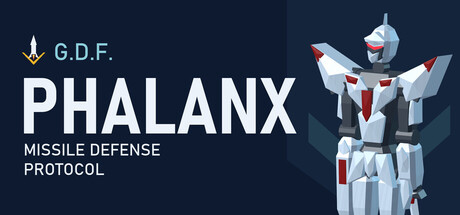 G.D.F. PHALANX: Missile Defense Protocol In-game content arttextcodeaudio | Generative AI used as developer tool for code, testing, modeling, and sound.
Generative AI used directly for campaign mission brief and victory screen full screen background art. | KC Ogren | - | Sep 24, 2026 | |
 Paladin HC In-game content art | Some visual assets in PALADIN HC were created or recreated with the assistance of generative AI tools during development. All AI-assisted content was reviewed, selected, and integrated by the developer before being included in the game. | Fahrettin's House | - | Sep 24, 2026 | |
 Office God In-game content arttextaudio | Generative AI tools were used during development to assist with the creation and refinement of some game content and assets. All AI-assisted content was reviewed and integrated by the development team before being included in the game. | KAL Foundry | - | Sep 24, 2026 | |
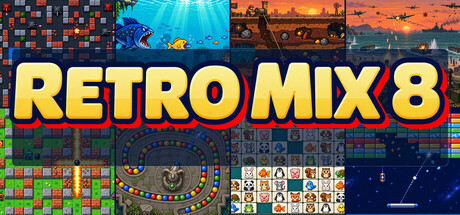 Retro Mix 8: Arcade Collection In-game content arttext | Some in-game backgrounds and character and item artwork, as well as promotional artwork, were created using generative AI. AI also assisted with text localization. No generative AI is used during gameplay. | Dylan Lee | - | Sep 24, 2026 | |
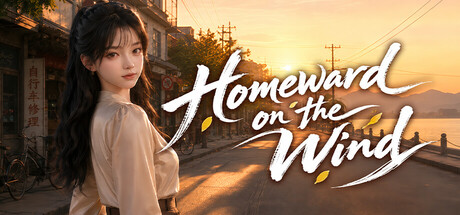 回到风吹过的地方 In-game content artaudio | Visual assets and music in Homeward on the Wind were created with the assistance of generative AI tools and were reviewed and refined by the development team. The game does not generate content in real time. All storylines, choices, and interactions are pre-designed. | 大吃一斤汉堡团队 | - | Sep 24, 2026 | |
 Rock Market In-game content artcode | AI tools were used for troubleshooting coding during development and resolving errors. AI was also used to assist with artwork and logo assets. | SpaceeSapling | - | Sep 24, 2026 | |
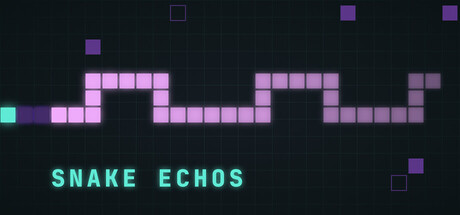 Snake Echos In-game content art | Icons and Artworks for the Shop are made with the help of A.I. | Stinghe Dorian | - | Sep 24, 2026 | |
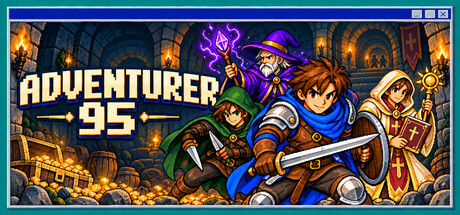 Aventureiro 95 In-game content artaudiotext | Generative AI tools were used during development to create some artwork, music, text and translations, including promotional material. This content is prepared in advance. The game does not generate AI content or connect to AI services while you play. | STREAM ON | - | Sep 22, 2026 | |
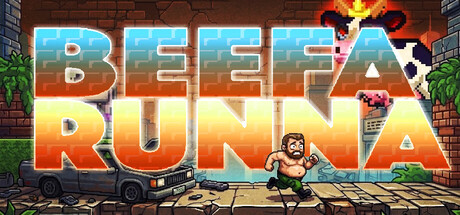 Beefarunna In-game content audiocode | Music production is AI assisted and human curated. The game "engine" itself is engineered/verified with LLM assistance.
Visual assets are handmade. | zinkem | - | Sep 22, 2026 | |
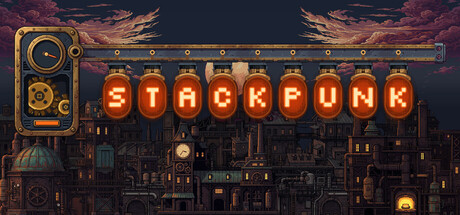 STACKPUNK In-game content art | Some of STACKPUNK's 2D pixel art — including boss portraits, card artwork, background scenes, UI ornaments and achievement icons — was created with the assistance of a generative AI pixel-art tool during development. All AI-assisted images were generated ahead of time, then reviewed, edited and hand-finished by us before being shipped as fixed image files in the game. STACKPUNK does not generate any content live while you play, and the game never connects to an AI service. All gameplay, code, design, music and sound are authored by us or sourced from properly licensed/CC0 material. | Jinx Arcade | - | Sep 22, 2026 | |
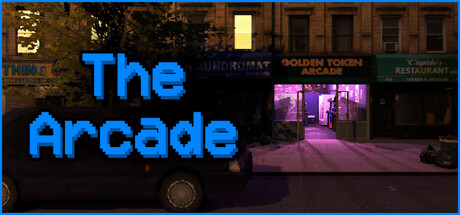 The Arcade In-game content art | Generative AI used for UV editing, and slight modifications to existing works. (80's arcade video game posters modified to avoid using trademarked content) | Colourplay Games | - | Sep 22, 2026 | |
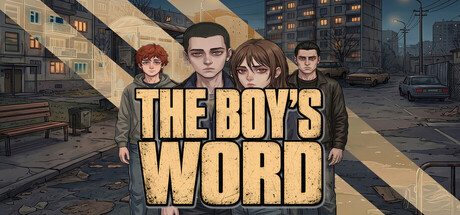 THE BOY'S WORD In-game content art | Part of the game's visual content (location backgrounds and some animated CG scenes) was created using generative neural networks based on references and artistic descriptions developed by the author. | featherbyte | - | Sep 22, 2026 | |
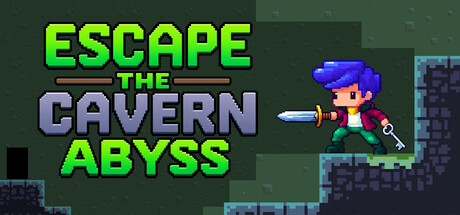 Escape The Cavern Abyss In-game content audio | AI-assisted tools were used in the enhancement of the game’s music. | Luke Silva | - | Sep 21, 2026 | |
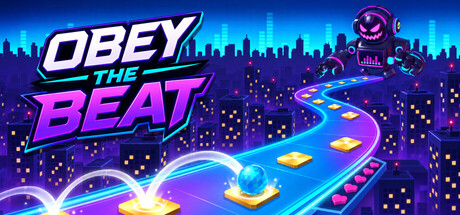 Obey the Beat In-game content audioart | The game used AI in the production of the music tracks, the album cover artwork, the artwork for the store page, and the achievement icons. | Bekho Team | - | Sep 21, 2026 | |
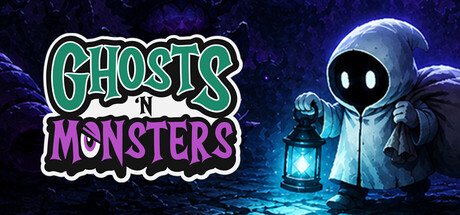 Ghosts and Monsters In-game content art | Generative AI was used to assist in the creation of certain promotional and store page artwork. All gameplay, programming, game design, pixel art, and in-game content were created and reviewed by the developer. | Michel Marcoux | - | Sep 20, 2026 | |
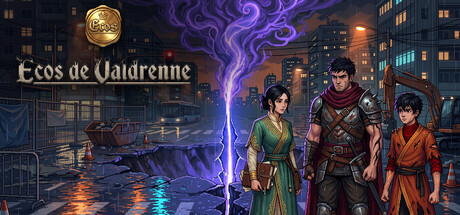 Ecos de Valdrenne In-game content artaudiocode | Pre-generated content: part of the game's art (backgrounds, character and enemy sprites, portraits, props, key art and capsule images) was created with generative image tools (Google Gemini, PixelLab) and then reviewed, cut, edited and assembled by hand by the developer. Some sound effects were produced with AI audio tools (ElevenLabs). Parts of the source code were written with the assistance of an AI coding assistant (Anthropic Claude) under the developer's direction and review. The story, game design, world, dialogue and puzzles are the developer's own work.
Live-generated content: none. The game does not generate any content with AI while it is running. | Manuel Manzano | - | Sep 19, 2026 | |
 Killpath Dev only | Generative AI tools were used during the development of the game to assist with creating parts of the game. AI was used as a development aid, while the final content and implementation were reviewed and integrated by the developer. | Szymon Deresz | - | Sep 19, 2026 | |
 Highside Challenge In-game content artaudio | Generative AI tools were used to assist in the creation and refinement of visual assets, music, and voice content. All final assets were selected, edited, adapted, and integrated by the developer. No AI-generated content is created during gameplay. | codeGamepad | - | Sep 19, 2026 | |
 星月大陆:放置帝国 In-game content art | Some of the in-game background images and the store Capsule image art assets in this game were created using pre-rendered generative AI tools. These assets were then reviewed, refined, and integrated by our development team to fit the game's artistic vision | yeshaojia | - | Sep 19, 2026 | |
 Please, Kick the Can! In-game content artaudio | Some art and audio in this game were created with generative AI tools and then edited by hand: ability and application icons and the logo (OpenAI image generation), a number of 3D props (Tripo3D), and some sound effects (ElevenLabs). All of it was generated during development and reviewed by the developer before shipping. Nothing is generated live while you play | Pingu Works | - | Sep 18, 2026 | |
 TamaWhere In-game content art | Generative AI tools were used during the development process to assist in the conceptualization and creation of character sprites and visual assets. All AI-generated content was pre-rendered and manually refined to fit the game's art style | David Kalil Braga | - | Sep 18, 2026 | |
 PERSONAL COMPUTER SOCCER by David Minayo In-game content art | Generative AI was used during development to assist in the creation of some of the game's pre-generated illustrations and visual assets. No generative AI is used to create content during gameplay. | David Minayo | - | Sep 18, 2026 | |
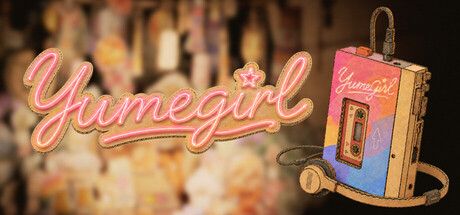 YumeGirl In-game content artaudiocode | This game was created with the assistance of AI tools in several areas of development.
Music: The songs were written and originally recorded by me, with AI tools used for additional processing and production.
Artwork: The visual concepts and creative direction were created by me, while AI tools were used to generate and develop some of the final artwork based on my concepts.
Programming: AI-assisted tools were used during development to help with coding and implementation.
All AI-assisted content was reviewed, selected, and integrated by me as part of the game's creative and development process. | NotABear | - | Sep 18, 2026 | |
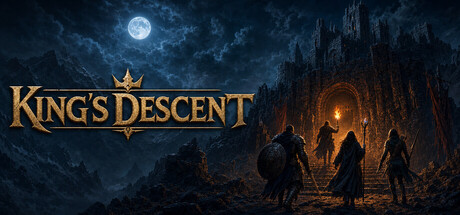 King's Descent Store/marketing artcode | No generative AI is used during live gameplay. During our development process we use generative AI for some algorithms, pixel art, some marketing content and where appropriate to improve code quality. | Stoneshift Games | - | Sep 18, 2026 | |
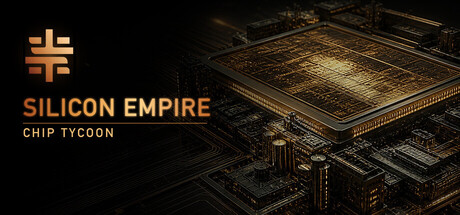 Silicon Empire: Chip Tycoon Store/marketing art | Generative AI was used only to create pre-generated background artwork for the Steam store and library images. The official logo, text, user interface, and gameplay screenshots were created separately. The game does not generate content during gameplay and does not connect to any third-party AI service. | Ringare | - | Sep 18, 2026 | |
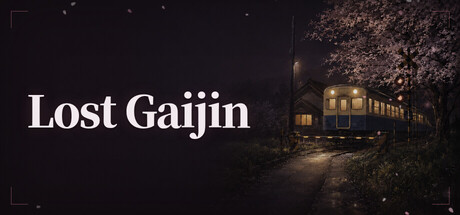 Lost Gaijin Live AI artaudiotext | Lost Gaijin uses generative AI during development and gameplay. Selected pre-generated visual and audio assets used in the game and its Steam materials were created or edited with generative AI tools and reviewed by the developer. During play, text-generating AI responds to player input and game state to create dynamic story content and personalized Japanese-language coaching. Live-generated text is provided through OpenRouter and may vary between playthroughs. | Ten Turtle Games | - | Sep 18, 2026 | |
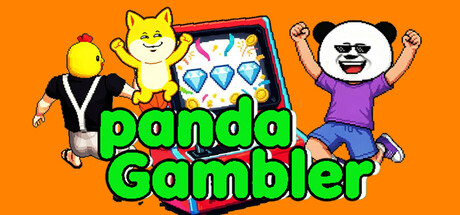 Panda Gambler In-game content art | Certain UI elements and regional logos were created with the assistance of AI. | TR Panda 、박정금 | - | Sep 18, 2026 | |
 TV Station Tycoon In-game content art | Covers and in game movie posters are made with AI. | Tycoon Managers | - | Sep 18, 2026 | |
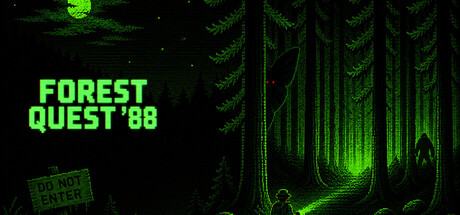 Forest Quest 88 In-game content text | The branching narrative in FOREST QUEST '88 was generated during development using a locally-run AI language model (an offline Dolphin/LLaMA-family model via Ollama). All AI-generated text was produced ahead of time, then reviewed, edited, and curated by the developer before being baked into the finished game as fixed, hand-checked content. The shipped game contains no live AI generation — it plays back a static, pre-authored story. No player data is sent to any AI service; the game runs fully offline. | ShangkoStudio | - | Sep 18, 2026 | |
 Last Copy In-game content textartcode | Generative AI was used extensively during development to assist with localization, text review, and selected production/reference workflows. All code and most image assets and models were created with generative AI. All AI-assisted content included in the game was reviewed and curated by the developer. The game does not use live generative AI during gameplay. | Casdera Labs | - | Sep 16, 2026 |


