


Disclosure
AI is used to translate the store page.
- Creator
- Alex Le Mesurier
- Reviews
- -
- Added
- Oct 12, 2026
Public Steam disclosure research 25,376 disclosures tracked
Search developers’ Steam disclosures, compare classified AI use across games, and follow recorded changes. This index adds cross-game classifications and statistics to statements published on individual store pages.
Code help, debugging and other development work.
Capsule art, trailers and promotional material.
Pre-made art, audio, writing and other game assets.
Interactive or runtime AI features disclosed by the developer.
Groups reflect automatic analysis of public disclosures; mature records are excluded. These counts do not measure AI use across all of Steam. Missing or unclear statements cannot establish whether a game uses AI.
AI is used to translate the store page.
Use for Cover Art and decorative Posters in Game.
During the R&D process, we used AI to assist with scriptwriting, but the content was still reviewed and polished by humans.
Portions of this game's art assets (2D sprites and background illustrations) were created with the assistance of generative AI tools, then manually reviewed and edited by our team. All game code, gameplay systems, game design and sound effects were made by humans. No AI-generated content is produced at runtime.
Only alien images were generated using AI.
Some in-game 3D models, textures and sound effects are generated by code written with AI assistance.
Generative AI tools were used to create store artwork and portions of in-game text, customer support dialogue, and German/English localization during development. Development also used AI-assisted programming. The current build does not generate content during gameplay or connect to an external AI service.
Some images in the game were generated using AI tools and then refined by the game's developer. All the music in the game was written by the game's developer, but the mastering was done using AI tools. The 3D character models (all except the zombie mutants) were initially generated via AI and later refined and adapted by the game's developer.
Several 3D assets in this game — including some character models and props — were created with generative AI tools (Meshy) and then converted, cleaned up and hand-adjusted before being used in the game. Textures are either hand-made or generated procedurally with our own code.
Generative AI tools were used in the development of some visual assets, primarily to help enhance and upscale textures and create additional variations. All assets were reviewed and integrated by the development team as part of the game's art pipeline.
Generative Artificial Intelligence used to create background graphics and voices.
The remake's 3D robots, arenas and animation were produced with AI-assisted generation tools (image-to-3D and image generation) from the original game's designs, then authored, repaired and reviewed by hand in Blender and Unreal. The menu art shown in HD is AI-remastered from the original game's pictures, and the store page artwork was AI-generated from renders of our in-game robots. All AI content is pre-made during development; nothing is generated while you play. The music and sound effects are the original recordings, remastered without AI.
Some content in PRE-ECHO was created with the help of generative AI tools during development and was then integrated, adjusted and art-directed by the developer: - 3D models: the character and creature models, and many prop and vehicle models, were generated with Tripo from original reference images made for this project, then rigged, adjusted and textured in Blender and Unreal Engine. - 2D art: some textures and interface images (such as the main-menu background, the workshop investigation board, journal and map paper, and inventory icons) were generated with image-generation tools from original prompts. - Voices: all spoken lines are synthesized with the open-source Kokoro text-to-speech model using generic voices. No real person's voice was recorded or cloned. - Text: the script, in-game text and English/Spanish localization were written with an AI assistant under the developer's direction. - Store art: the store and library artwork was generated with AI image tools from the project's own character and creature references, then retouched by the developer. The logo was made without AI. The screenshots are unedited captures of the game. No content is generated by AI while the game is running.
I used an AI coding assistant while building the game, and it helped come up with the achievement names and descriptions, and some events which I edited. Nothing else in the game is AI generated: the soundtrack is licensed from its creators, the radio voices are my own recordings, and the art and sounds are produced by the game's code.
AI was used for some sounds or small textures
background and Logo with created AI.
The visuals, music, sound effects, store art, trailer and text for CYBERBIKES were made with the help of AI under my direction, built in code with Blender and Godot. LINK's voice is pre-recorded text-to-speech from the open Kokoro model. Nothing is generated while you play.
Generative AI was used during development to create in-game collectible cover artwork, as well as store and marketing artwork and text. These assets are prepared in advance. The game does not generate AI content during gameplay or connect to a live AI service.
Generative AI was used during development to create, pixel artwork, music and written content under our concept and design direction. The game contains pre-generated content only; it does not generate AI content during play.
AI assistance has been used in marketing materials.
How we do use AI:
Created with Astra and Claude.
This game used AI assistance to help arrange the store page artwork and to support programming. AI assistance was also used to write the store page text, and the multi-language localization in the current version was produced with AI assistance. All AI-related work was carried out under the direction and planning of the developer.
This game incorporates AI assistance in its development. The overall vision and execution remain that of the developer. All language translations were done using Claude. If there are any mistranslations, please contact me to fix them!
AI-assisted coding and editor automation tools were used during development for workflow efficiency. Most of the art was hand-made by me. The remaining art generated by AI tools like icons or textures will be swapped to human-made art in the near future. AI translation tools were used to create localization drafts, that are being reviewed by speakers of the language.
Artificial intelligence was used to generate our Steam achievement icons and some of our localizations. We're a small independent team of two self-taught developers. If you'd like to help us replace this content on a voluntary basis, please contact us on Discord or email us at contact@milkycocogames.com.
AI coding tools help write and maintain the game's plugin code, and parts of the in-game text like NPC combinatorial string banks and translations were written with AI assistance, all being reviewed manully by the developer.
Character illustrations, backgrounds, cutscene videos, voice acting and music were created with generative AI tools, then selected and edited by our team. The story, dialogue and game systems were written and designed by the developer with AI assistance. No content is generated by AI during gameplay.
Translated content and subtitle translations produced by artificial intelligence.
Generative AI was used during development to create select environmental artwork, including some fictional posters and signage appearing within the game. These assets were reviewed and curated by the developers before inclusion in the final game.
Generative AI tools were used during development to assist in the creation of selected visual, audio, and text assets. All AI-assisted content was reviewed, curated, and integrated by the development team. The game does not generate AI content during gameplay.
As a solo dev who is horrible at drawing but good at code, 2d and 3d assets have been build using the help of generative AI.
Generative AI was used only to create the Steam capsule. The screenshots and the game itself do not contain any content created using generative AI.
Our visual style relies on a blend of commissioned artwork, curated assets, and custom designs. We occasionally use AI generation as a tool in our creative process, but never as a final product. Every AI-assisted asset is either fully redrawn or heavily refined by human artists before making its way into the game.
Icons, Sounds
Generative AI was used in supporting the generation of artwork, code, testing and marketing.
Generative AI tools were used during development to assist with the localization of in-game text into multiple languages. All AI-assisted translations were reviewed, edited and integrated manually by the developer. No generative AI is used during gameplay. Visual and audio assets were not generated using AI.
Some artwork on ROM Hollow's store page was generated with AI.
Some background images, 3D models, background music, and program used AI.
Artificial intelligence tools were used to generate some of the sprites and images used in this game.
I replaced some of the images with AI-generated ones and translated the game with the help of AI as well.
HELIOBANE was made with the help of generative AI tools. - Assets: AI was used to generate some of the game's assets, including artwork, voice lines, sound effects, in-game text and translations. Artwork was edited and fitted to the game's 32-colour palette and style before use. - Music: the soundtrack was made with a custom tracker built for agentic work, by an AI trained on a curated collection of public-domain tracker (MOD) music. - Some store page and marketing art is also AI-assisted. Nothing is generated while you play. All content is fixed in the build, and the game does not connect to any AI service.
I'm a solo developer with a full-time job and a dad with two wonderful little kids. Full Count Club is a game I've wanted to make for a long time. AI tools are how I fit it into the time I have: they helped create the illustrated art, some sound effects, and some in-game writing such as newspaper headlines. I direct, select and edit all of it. The game does not generate any AI content while you play.
Some of the visual elements were created using AI
Generative AI was used during development. Part of the graphics (characters, enemies, bosses, icons, room backgrounds and backdrops) was created with image-generation tools: Google Gemini, OpenAI ChatGPT and a locally run Stable Diffusion model. Part of the music was created with audio-generation tools (Google Gemini). Part of the code, room layouts and texts were written with the help of an AI assistant. The developer reviewed, cut, retouched and hand-adjusted all of this material before adding it to the game. The game does not generate any AI content while it is being played.
The game engine is written with substantial AI assistance. Some dialogues and quest texts are AI generated, and are successively replaced by human-written dialogue. Every piece of flavor text has a label that states the author (human or ai). The 3D character models are currently generated with AI, and then transformed through a custom pipeline to work with the text-based graphics and CPU rendering. It is possible to replace them with manually crafted models.
Generative AI tools were used during development to assist with the creation of some pre-generated visual artwork. AI-assisted artwork is substantially edited, painted over, composited, and finalized by the developer before inclusion in the game. No generative AI is used to create content during gameplay.
we have use ai to develop this game
Some background environment props and their textures (signage, lamps, surfaces, decals and small set-dressing objects) were generated with AI assistance, using AI written procedural code rather than an image or mesh generator. They ship with the game as scenery. Everything else is the developer's own work: all writing and in-game text, game design, game code, audio and sound design, the visual identity, and all store page art. No AI generated content is produced while the game is running.
AI tools were used during development for programming, image creation, scenario writing, and translation. All AI-assisted or AI-generated content has been reviewed and, where necessary, edited by the developer before being included in the final release. No content is generated by AI during gameplay.
| Title⇅ | Disclosure | Creator⇅ | Src | Reviews⇅ | Added↓ |
|---|---|---|---|---|---|
 Untold Cases - Lot 42 Store/marketing text | AI is used to translate the store page. | Alex Le Mesurier | - | Oct 12, 2026 | |
 SLASHER NIGHT In-game content art | Use for Cover Art and decorative Posters in Game. | N0N | - | Oct 12, 2026 | |
 Roswell: Redacted Dev only text | During the R&D process, we used AI to assist with scriptwriting, but the content was still reviewed and polished by humans. | 莓西工作室 | - | Oct 12, 2026 | |
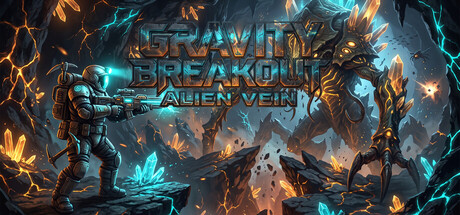 Gravity Breakout: Alien Vein In-game content art | Portions of this game's art assets (2D sprites and background illustrations) were created with the assistance of generative AI tools, then manually reviewed and edited by our team. All game code, gameplay systems, game design and sound effects were made by humans. No AI-generated content is produced at runtime. | Changsha Yujie Technology | - | Oct 12, 2026 | |
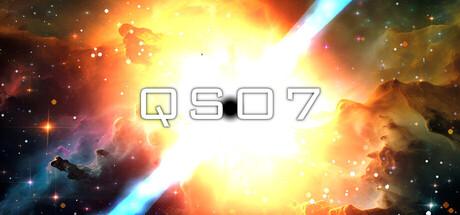 QSO7 In-game content art | Only alien images were generated using AI. | John Nash | - | Oct 11, 2026 | |
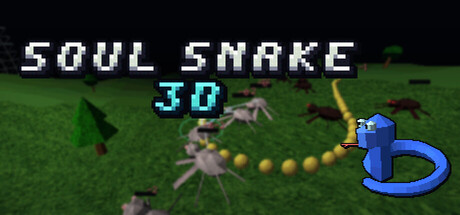 Soul Snake 3D In-game content artaudiocode | Some in-game 3D models, textures and sound effects are generated by code written with AI assistance. | nanophage research | - | Oct 10, 2026 | |
 Connection Empire In-game content arttext | Generative AI tools were used to create store artwork and portions of in-game text, customer support dialogue, and German/English localization during development. Development also used AI-assisted programming. The current build does not generate content during gameplay or connect to an external AI service. | GFZ Games | - | Oct 10, 2026 | |
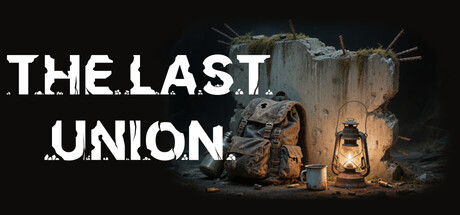 The Last UNION In-game content artaudio | Some images in the game were generated using AI tools and then refined by the game's developer. All the music in the game was written by the game's developer, but the mastering was done using AI tools. The 3D character models (all except the zombie mutants) were initially generated via AI and later refined and adapted by the game's developer. | DevStoria | - | Oct 10, 2026 | |
 Çay Ocağı: Bir Bardak Daha In-game content art | Several 3D assets in this game — including some character models and props — were created with generative AI tools (Meshy) and then converted, cleaned up and hand-adjusted before being used in the game. Textures are either hand-made or generated procedurally with our own code. | Akgul Studio | - | Oct 10, 2026 | |
 Mightmancer In-game content art | Generative AI tools were used in the development of some visual assets, primarily to help enhance and upscale textures and create additional variations. All assets were reviewed and integrated by the development team as part of the game's art pipeline. | Haphazardly | - | Oct 10, 2026 | |
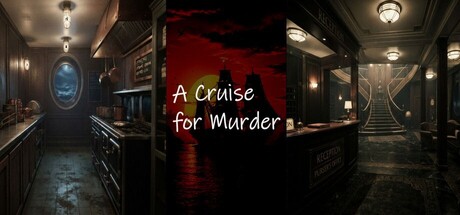 A Cruise for Murder In-game content artaudio | Generative Artificial Intelligence used to create background graphics and voices. | MICHAEL CHOURDAKIS | - | Oct 9, 2026 | |
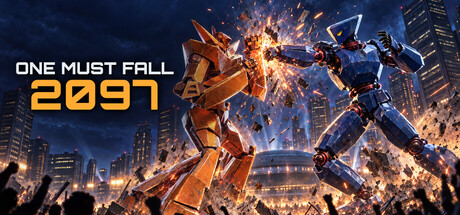 One Must Fall 2097 In-game content art | The remake's 3D robots, arenas and animation were produced with AI-assisted generation tools (image-to-3D and image generation) from the original game's designs, then authored, repaired and reviewed by hand in Blender and Unreal. The menu art shown in HD is AI-remastered from the original game's pictures, and the store page artwork was AI-generated from renders of our in-game robots. All AI content is pre-made during development; nothing is generated while you play. The music and sound effects are the original recordings, remastered without AI. | LineCrush Games | - | Oct 9, 2026 | |
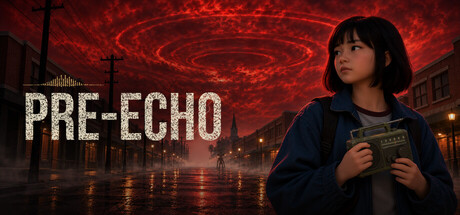 PRE-ECHO In-game content artaudiotext | Some content in PRE-ECHO was created with the help of generative AI tools during development and was then integrated, adjusted and art-directed by the developer:
- 3D models: the character and creature models, and many prop and vehicle models, were generated with Tripo from original reference images made for this project, then rigged, adjusted and textured in Blender and Unreal Engine.
- 2D art: some textures and interface images (such as the main-menu background, the workshop investigation board, journal and map paper, and inventory icons) were generated with image-generation tools from original prompts.
- Voices: all spoken lines are synthesized with the open-source Kokoro text-to-speech model using generic voices. No real person's voice was recorded or cloned.
- Text: the script, in-game text and English/Spanish localization were written with an AI assistant under the developer's direction.
- Store art: the store and library artwork was generated with AI image tools from the project's own character and creature references, then retouched by the developer. The logo was made without AI. The screenshots are unedited captures of the game.
No content is generated by AI while the game is running. | Simulsix | - | Oct 9, 2026 | |
 Catch Command '98 In-game content text | I used an AI coding assistant while building the game, and it helped come up with the achievement names and descriptions, and some events which I edited. Nothing else in the game is AI generated: the soundtrack is licensed from its creators, the radio voices are my own recordings, and the art and sounds are produced by the game's code. | MonkeyCat Games | - | Oct 9, 2026 | |
 NO SHELTER art | AI was used for some sounds or small textures | Rough Devs | - | Oct 9, 2026 | |
 Not a Duck Store/marketing art | background and Logo with created AI. | NOXRG | - | Oct 9, 2026 | |
 CYBERBIKES In-game content artaudiotext | The visuals, music, sound effects, store art, trailer and text for CYBERBIKES were made with the help of AI under my direction, built in code with Blender and Godot. LINK's voice is pre-recorded text-to-speech from the open Kokoro model. Nothing is generated while you play. | Mister Gato | - | Oct 9, 2026 | |
 Retro Game Collector Simulator In-game content arttext | Generative AI was used during development to create in-game collectible cover artwork, as well as store and marketing artwork and text. These assets are prepared in advance. The game does not generate AI content during gameplay or connect to a live AI service. | nrnbgames | - | Oct 7, 2026 | |
 Pipkind In-game content artaudiotext | Generative AI was used during development to create, pixel artwork, music and written content under our concept and design direction. The game contains pre-generated content only; it does not generate AI content during play. | Short Of Genius | - | Oct 7, 2026 | |
 The Arrow Store/marketing arttext | AI assistance has been used in marketing materials. | Doomed Frog | - | Oct 7, 2026 | |
 Perceptum Unclear | How we do use AI: | Duck Reaction | - | Oct 7, 2026 | |
 MossLight Unclear | Created with Astra and Claude. | Flucky Antics Games | - | Oct 6, 2026 | |
 Last Knight ~ Reclaim the Empire ~ In-game content arttext | This game used AI assistance to help arrange the store page artwork and to support programming. AI assistance was also used to write the store page text, and the multi-language localization in the current version was produced with AI assistance. All AI-related work was carried out under the direction and planning of the developer. | Honga Games Inc. | - | Oct 6, 2026 | |
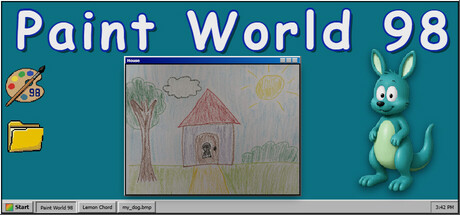 Paint World 98 In-game content text | This game incorporates AI assistance in its development. The overall vision and execution remain that of the developer.
All language translations were done using Claude. If there are any mistranslations, please contact me to fix them! | MiThiKaL Productions | - | Oct 6, 2026 | |
 White Christmas In-game content codearttext | AI-assisted coding and editor automation tools were used during development for workflow efficiency.
Most of the art was hand-made by me. The remaining art generated by AI tools like icons or textures will be swapped to human-made art in the near future.
AI translation tools were used to create localization drafts, that are being reviewed by speakers of the language. | Jele Studios | - | Oct 6, 2026 | |
 DROWSE In-game content arttext | Artificial intelligence was used to generate our Steam achievement icons and some of our localizations.
We're a small independent team of two self-taught developers. If you'd like to help us replace this content on a voluntary basis, please contact us on Discord or email us at contact@milkycocogames.com. | MILKY COCO GAMES | - | Oct 5, 2026 | |
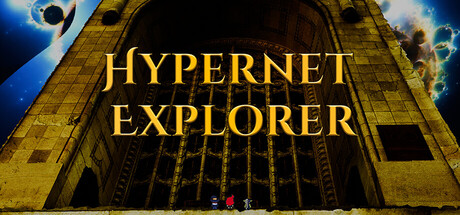 Hypernet Explorer In-game content textcode | AI coding tools help write and maintain the game's plugin code, and parts of the in-game text like NPC combinatorial string banks and translations were written with AI assistance, all being reviewed manully by the developer. | Nocoldiz | - | Oct 5, 2026 | |
 RETURN TO 1990 In-game content artaudiotext | Character illustrations, backgrounds, cutscene videos, voice acting and music were created with generative AI tools, then selected and edited by our team. The story, dialogue and game systems were written and designed by the developer with AI assistance. No content is generated by AI during gameplay. | LABOON | - | Oct 4, 2026 | |
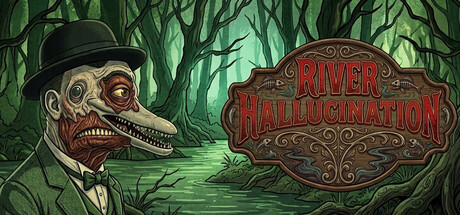 River Hallucination In-game content text | Translated content and subtitle translations produced by artificial intelligence. | Viviane dos Santos Brito | - | Oct 4, 2026 | |
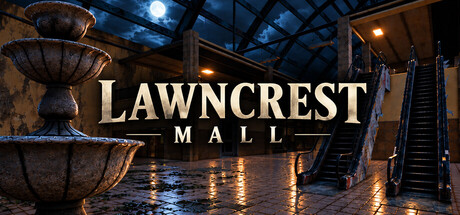 Lawncrest Mall In-game content art | Generative AI was used during development to create select environmental artwork, including some fictional posters and signage appearing within the game. These assets were reviewed and curated by the developers before inclusion in the final game. | Halfway Home Studios | - | Oct 3, 2026 | |
 SCREW IT! In-game content artaudiotext | Generative AI tools were used during development to assist in the creation of selected visual, audio, and text assets. All AI-assisted content was reviewed, curated, and integrated by the development team. The game does not generate AI content during gameplay. | 352 Interactive | - | Oct 3, 2026 | |
 Frozen Velocity In-game content art | As a solo dev who is horrible at drawing but good at code, 2d and 3d assets have been build using the help of generative AI. | OPPRESSED Game Studios | - | Oct 3, 2026 | |
 The Quiet Flat Store/marketing art | Generative AI was used only to create the Steam capsule. The screenshots and the game itself do not contain any content created using generative AI. | Firzy Games | 39 | Oct 3, 2026 | |
 WonderLang Arabic Dev only art | Our visual style relies on a blend of commissioned artwork, curated assets, and custom designs. We occasionally use AI generation as a tool in our creative process, but never as a final product. Every AI-assisted asset is either fully redrawn or heavily refined by human artists before making its way into the game. | bair games | - | Oct 2, 2026 | |
 PINDEMONIUM artaudio | Icons, Sounds | Drypoint | - | Oct 1, 2026 | |
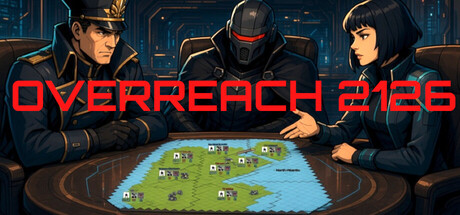 OVERREACH 2126 Dev only artcode | Generative AI was used in supporting the generation of artwork, code, testing and marketing. | The Extremely Tiny Game Studio | - | Oct 1, 2026 | |
 BITS OVERLOAD In-game content text | Generative AI tools were used during development to assist with the localization of in-game text into multiple languages. All AI-assisted translations were reviewed, edited and integrated manually by the developer. No generative AI is used during gameplay. Visual and audio assets were not generated using AI. | SRADRAVEN | - | Oct 1, 2026 | |
 ROM Hollow Store/marketing art | Some artwork on ROM Hollow's store page was generated with AI. | Chris Karageorge | - | Oct 1, 2026 | |
 The Round-Card King In-game content artaudiocode | Some background images, 3D models, background music, and program used AI. | MistMillis | - | Oct 1, 2026 | |
 BOZÓ! In-game content art | Artificial intelligence tools were used to generate some of the sprites and images used in this game. | Lililoka | - | Oct 1, 2026 | |
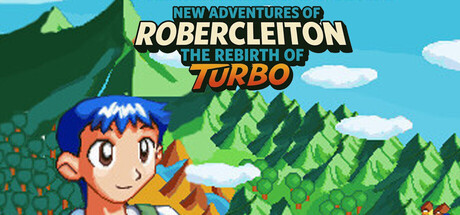 Novas Las Aventurietas Del Robercleiton: O Renascimento do TURBO Complete and Remade Edition In-game content arttext | I replaced some of the images with AI-generated ones and translated the game with the help of AI as well. | Rafael Mori Neiva | - | Oct 1, 2026 | |
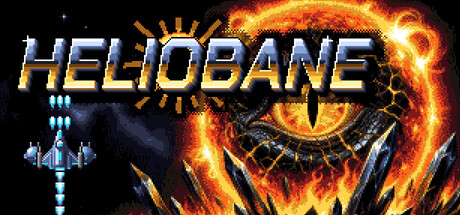 Heliobane In-game content artaudiotext | HELIOBANE was made with the help of generative AI tools.
- Assets: AI was used to generate some of the game's assets, including artwork, voice lines, sound effects, in-game text and translations. Artwork was edited and fitted to the game's 32-colour palette and style before use.
- Music: the soundtrack was made with a custom tracker built for agentic work, by an AI trained on a curated collection of public-domain tracker (MOD) music.
- Some store page and marketing art is also AI-assisted.
Nothing is generated while you play. All content is fixed in the build, and the game does not connect to any AI service. | Gand | - | Sep 30, 2026 | |
 Full Count Club In-game content artaudiotext | I'm a solo developer with a full-time job and a dad with two wonderful little kids. Full Count Club is a game I've wanted to make for a long time. AI tools are how I fit it into the time I have: they helped create the illustrated art, some sound effects, and some in-game writing such as newspaper headlines. I direct, select and edit all of it. The game does not generate any AI content while you play. | Corner Lab Games | - | Sep 30, 2026 | |
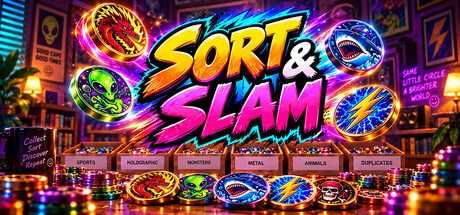 Sort & Slam Unclear art | Some of the visual elements were created using AI | ValiantLight | - | Sep 30, 2026 | |
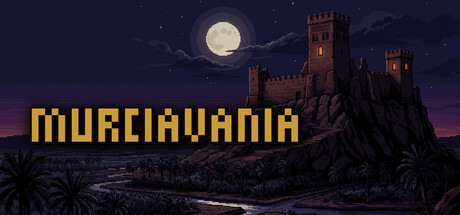 Murciavania In-game content artaudiotextcode | Generative AI was used during development. Part of the graphics (characters, enemies, bosses, icons, room backgrounds and backdrops) was created with image-generation tools: Google Gemini, OpenAI ChatGPT and a locally run Stable Diffusion model. Part of the music was created with audio-generation tools (Google Gemini). Part of the code, room layouts and texts were written with the help of an AI assistant. The developer reviewed, cut, retouched and hand-adjusted all of this material before adding it to the game. The game does not generate any AI content while it is being played. | Manuel Manzano | - | Sep 30, 2026 | |
 Swaggerfall In-game content textart | The game engine is written with substantial AI assistance.
Some dialogues and quest texts are AI generated, and are successively replaced by human-written dialogue. Every piece of flavor text has a label that states the author (human or ai).
The 3D character models are currently generated with AI, and then transformed through a custom pipeline to work with the text-based graphics and CPU rendering. It is possible to replace them with manually crafted models. | holonaut | - | Sep 30, 2026 | |
 Cozy Cockpit In-game content art | Generative AI tools were used during development to assist with the creation of some pre-generated visual artwork. AI-assisted artwork is substantially edited, painted over, composited, and finalized by the developer before inclusion in the game. No generative AI is used to create content during gameplay. | MR FUTURE GAMES | - | Sep 30, 2026 | |
 GroundHog Simulator Unclear | we have use ai to develop this game | groundhogheist | - | Sep 30, 2026 | |
 Archival Security In-game content artcode | Some background environment props and their textures (signage, lamps,
surfaces, decals and small set-dressing objects) were generated with AI
assistance, using AI written procedural code rather than an image or mesh
generator. They ship with the game as scenery.
Everything else is the developer's own work: all writing and in-game text,
game design, game code, audio and sound design, the visual identity, and all
store page art.
No AI generated content is produced while the game is running. | Donewasting | - | Sep 30, 2026 | |
 Defeat the Demon King with a Financed Bahamut In-game content arttext | AI tools were used during development for programming, image creation, scenario writing, and translation.
All AI-assisted or AI-generated content has been reviewed and, where necessary, edited by the developer before being included in the final release.
No content is generated by AI during gameplay. | Shobota | - | Sep 30, 2026 |


