








Disclosure
The game itself contains no AI-generated assets. Generative AI was used only for some promotional artwork on the store page such as posters. This artwork was edited by the development team.
- Creator
- 芒草工作室
- Reviews
- -
- Added
- Oct 9, 2026
Public Steam disclosure research 25,380 disclosures tracked
Search developers’ Steam disclosures, compare classified AI use across games, and follow recorded changes. This index adds cross-game classifications and statistics to statements published on individual store pages.
Code help, debugging and other development work.
Capsule art, trailers and promotional material.
Pre-made art, audio, writing and other game assets.
Interactive or runtime AI features disclosed by the developer.
Groups reflect automatic analysis of public disclosures; mature records are excluded. These counts do not measure AI use across all of Steam. Missing or unclear statements cannot establish whether a game uses AI.
The game itself contains no AI-generated assets. Generative AI was used only for some promotional artwork on the store page such as posters. This artwork was edited by the development team.
Textures, Sprites and Art is AI generated. Lots of manual modification take place after the AI generates the first pass.
Some art and audio in this game were generated with AI tools during development and edited by the developer. No AI content is generated while the game is running.
AI tools assisted with development, including Steam store-page and marketing text.
Generative AI was used during development to create some environment artwork and branding, and to assist with localization and store text. The game does not generate AI content during play or connect to external AI services.
Some of the background music, the in-game translations and parts of the store text were created with the help of generative AI tools, then reviewed and edited by the developer.
Deckbound was designed and directed by a solo developer. Generative AI was used as a tool during development to help write in-game text (card, item and enemy descriptions), and produce the pixel artwork. All of it was reviewed, edited and curated by hand. The game itself does not use AI while you play — nothing is generated in real time.
Pre-generated content: some 3D models (character/boss bodies and props) were generated with AI and then cleaned up, rigged and textured by hand in Blender and Unity; some voice lines and sound effects were generated with AI voice/SFX tools; parts of the trailer footage were AI-assisted; in-game text translations for some languages were produced with AI assistance and reviewed. No content is generated live while the game is running.
Swarm Below was built with help from an AI assistant. Its 3D models (built by scripts in Blender), its synthesized music and sound effects, and parts of the store page text and art were created with AI assistance under the developer's direction. Nothing is generated by AI while you play.
Music generated with artificial intelligence assistance
Was only used to make the store description fo the the game.
We use AI to help with community, bug fixes, and general content that will be replaced over time as we continue to develop.
Generative AI is used during production to help create some visual assets and promotional materials.
AI was used to generate artwork and music.
Some illustrations in the game were created using generative AI. The developer selected and adjusted the generated images before incorporating them into the game.
The game's characters, environment tiles, and totem were created by the developer in Aseprite. Additional enemy variants and animation frames were produced with the help of an AI coding assistant that draws sprites programmatically from authored pixel data. The menu music was created with the help of AI music tools. All promotional and store artwork was created by a human artist. No content is generated by AI while the game is running.
Ai was only used to make mini games
2D concepts and art have been partially implemented.
During development, generative AI tools including OpenAI image generation and Higgsfield assisted with pre-generated visual source material for characters, enemies, bosses, animation strips, world props and floors, menu and capsule art, icons, and achievement art. AI coding assistants also contributed to production code, QA tooling, documentation, player-facing copy, and localization drafts. The developer selected, edited, cleaned, composited, animated, integrated, and QA-reviewed the resulting material. All player-visible content is fixed in the shipped build: no prompt, generative model, or external generation service runs at runtime, and the game has no live-generated AI feature.
Generative AI tools were utilized during development to assist in creating certain visual assets, including store page capsule graphics, promotional imagery, and selected in-game 2D UI/icon elements. All generated content was curated, edited, and integrated by the developer.
Artificial intelligence has been used in visual and music production, as well as to accelerate coding. The development team has been responsible for final touches and decisions since the very beginning of the game's design.
Backdrops have been outsourced by other artists on the demo build. AI checker highlights this as being AI generated.
AI-generated art
Steam store and library, including capsule images, the logo and icons Gameplay screenshots were captured directly from the game.
AI tools were used during development to help write code, store and in-game text, translations, and the code that draws some icons. All output was reviewed and edited by the developer. The game does not generate any content with AI while you play.
Yes, AI helped make this game. Here's exactly how: • I built it with an AI coding assistant. The design and direction are mine; the AI did a lot of the typing. • The narrator's lines and item descriptions were drafted with AI and edited by me. So was this page. • No image, music or voice generators. The art and sound are drawn and synthesized by code. • Nothing is AI-generated while you play.
AI was used to accelerate some of the development workflow.
The Rend is made by a small indie team, with core character art, animation, and design created by human artists we've worked with and credited. We use generative AI tools in a supporting role for environment art direction and variation, additional views and variations of existing character designs, and some temporary UI artwork, such as achievement badges that haven't received their final art yet. No content is generated by AI during gameplay. All AI-assisted content is directed, reviewed, and edited by our team. As development continues, we'll keep working with artists and developers to improve the game's art and overall experience.
Some sprite artwork was created with generative AI tools during development. SPLIT-S does not generate AI content during gameplay or connect to external AI services.
Phantom Fleet uses generative AI during development to assist in creating card illustrations, skill icons, UI decorations, backgrounds, ship textures, and some visual effect assets. AI assistance was also used in writing in-game descriptions and store page text. Background music and sound effects were created using audio synthesis code written with the assistance of AI and are included in the game. All of this content is pre-generated during development. The game does not use generative AI to create new images, music, dialogue, or other content in real time during gameplay.
Some artwork in the game and its Steam store and marketing materials was created or refined with generative AI tools before release. Some music tracks were generated offline with ACE-Step. These are fixed, pre-generated assets. The game does not generate AI content during gameplay or connect to an external AI service.
Every part of this game's concept, design, and features was created by humans. The ideas, the gameplay, the look and feel, and every decision about how it all fits together came from us. For the programming itself, we use AI coding agents to help us write code. They speed up development and let us focus our time on what matters most: making the game fun to play.
Generative AI tools were used as part of the development of Warstead to support the creation of visual content, sound effects, and video content such as trailers, helping to speed up the development process.
This game used AI assistance to help arrange the store page artwork and to support programming. AI assistance was also used to write the store page text, and the multi-language localization in the current version was produced with AI assistance. All AI-related work was carried out under the direction and planning of the developer.
Pre-generated content only, nothing is generated while the game runs. Most of the pixel art for monsters, bosses, world objects (shrines, totems, traps, items), boon card art and the three hero cats was generated with PixelLab (an AI pixel-art tool) from text prompts and from our own hand-drawn references, then hand-corrected, quantized to the game's palette and animated frame by frame. The music and all sound effects are synthesized procedurally in our own code (no AI). Purchased asset packs (tiles, UI) are hand-drawn by their artists. No AI-generated text, voices or story.
Pre-generated AI content: Some promotional artwork used on the Steam store page was created with generative AI and subsequently edited by the developer
I used ai for some complex implementations.
AI assistance used for some visuals.
Void Runners was developed with the help of AI coding tools. The game's art, music and sound effects are generated procedurally by code written with those tools; no AI model runs in the game, and no content is generated live while you play.
Generative AI was used to create character artwork and other images.
Glyphtrip is made by a studio of three: one human and two silicon genius-toddlers. The soundtrack stems were generated with AI and mixed and mastered by hand. The translations and custom font were made with AI.
Bloodloader was made by one developer with generative AI tools in the pipeline. Character, enemy and item sprites, tiles, icons and the store key art began as AI generations (PixelLab) and were selected, cleaned up, recoloured and assembled by the developer. Sound effects and music were generated with ElevenLabs and edited into final effects and seamless loops. Some in-game text was drafted with AI assistance and edited by the developer. Nothing is generated while you play.
The text you read in Crystalysis is written in English and Spanish, then machine-translated into the other eleven languages. The visuals are drawn procedurally in code, the audio is synthesized while you play. The interface icons were designed with an AI design tool and edited by the developer, and the remaining small bitmaps come from the open Twemoji and Kenney sets.. The game's code and the text on this store page were written with the help of an AI assistant and edited by the developer.
This game has utilized generative AI for development.
Generative AI tools were used during development to assist with visual concepting and the creation of some pre-generated art assets, including upgrade icons, rope textures, and elements of the game's logo/branding.
3D models, BGM, and draft translations were created with the assistance of generative AI.
Generative AI was used during development to create visual art, sound effects, music, and text/localization, including store and marketing assets. These assets were reviewed, selected, and integrated by the developer. The game does not generate AI content during gameplay.
Some of the images in the game were stylized using AI.
Some of the store page description was drafted with generative AI writing assistance and then reviewed and edited by the developer. This game does not use generative AI to create content during gameplay.
Generative AI tools were used to a very limited extent during the development of the game for a few minor visual elements. These consist only of a small number of simple effect graphics, which were subsequently adapted and edited for use in the game. Generative AI was also used as a writing aid to improve and refine some of the text used on the game's Steam store page. The core content and functionality of the game were not created using generative AI.
| Title⇅ | Disclosure | Creator⇅ | Src | Reviews⇅ | Added↓ |
|---|---|---|---|---|---|
 东方灵境谭 Store/marketing art | The game itself contains no AI-generated assets. Generative AI was used only for some promotional artwork on the store page such as posters. This artwork was edited by the development team. | 芒草工作室 | - | Oct 9, 2026 | |
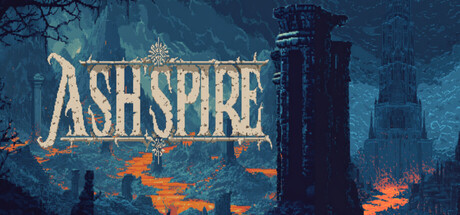 AshSpire In-game content art | Textures, Sprites and Art is AI generated. Lots of manual modification take place after the AI generates the first pass. | HackettTech | - | Oct 9, 2026 | |
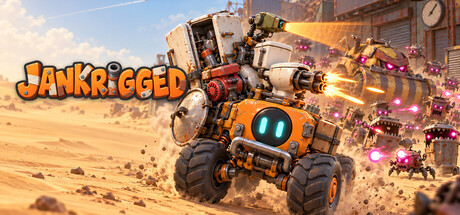 Jankrigged In-game content artaudio | Some art and audio in this game were generated with AI tools during development and edited by the developer. No AI content is generated while the game is running. | WUZHUOQUN | - | Oct 9, 2026 | |
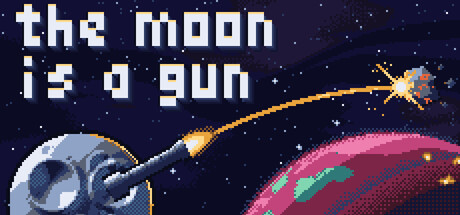 the moon is a gun Store/marketing text | AI tools assisted with development, including Steam store-page and marketing text. | Ember Bee | - | Oct 8, 2026 | |
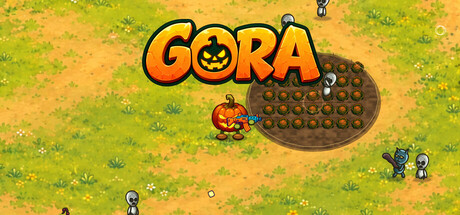 GORA In-game content arttext | Generative AI was used during development to create some environment artwork and branding, and to assist with localization and store text. The game does not generate AI content during play or connect to external AI services. | Saleen | - | Oct 8, 2026 | |
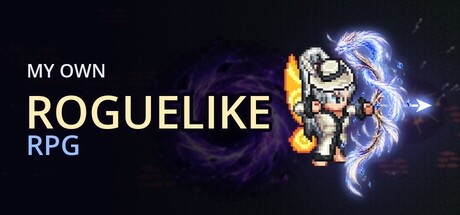 My Own Roguelike: RPG In-game content audiotext | Some of the background music, the in-game translations and parts of the store text were created with the help of generative AI tools, then reviewed and edited by the developer. | DGSTUDIO | - | Oct 7, 2026 | |
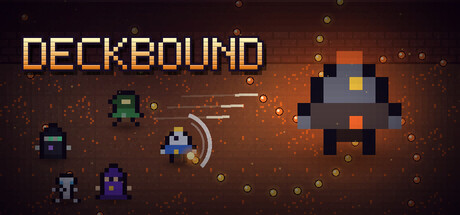 Deckbound In-game content arttext | Deckbound was designed and directed by a solo developer. Generative AI was used as a tool during development to help write in-game text (card, item and enemy descriptions), and produce the pixel artwork. All of it was reviewed, edited and curated by hand. The game itself does not use AI while you play — nothing is generated in real time. | Yuri Murray-Alves | - | Oct 7, 2026 | |
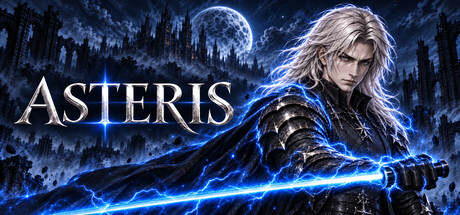 ASTERIS In-game content artaudiotext | Pre-generated content: some 3D models (character/boss bodies and props) were generated with AI and then cleaned up, rigged and textured by hand in Blender and Unity; some voice lines and sound effects were generated with AI voice/SFX tools; parts of the trailer footage were AI-assisted; in-game text translations for some languages were produced with AI assistance and reviewed. No content is generated live while the game is running. | ARCENCIEL | - | Oct 7, 2026 | |
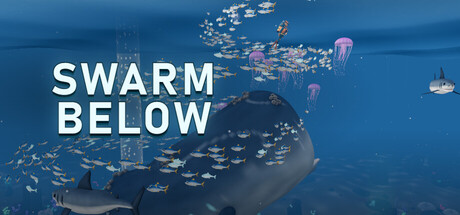 Swarm Below In-game content artaudiotext | Swarm Below was built with help from an AI assistant. Its 3D models (built by scripts in Blender), its synthesized music and sound effects, and parts of the store page text and art were created with AI assistance under the developer's direction. Nothing is generated by AI while you play. | Swarm Below | - | Oct 7, 2026 | |
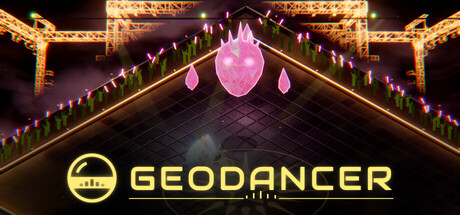 Geodancer In-game content audio | Music generated with artificial intelligence assistance | AW LABS | - | Oct 7, 2026 | |
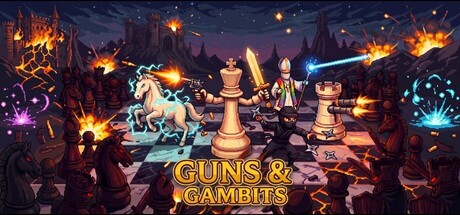 Guns & Gambits Store/marketing text | Was only used to make the store description fo the the game. | SHIFT. Games | - | Oct 7, 2026 | |
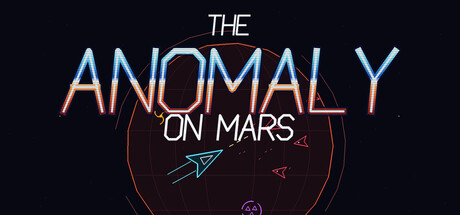 The Anomaly on Mars Unclear | We use AI to help with community, bug fixes, and general content that will be replaced over time as we continue to develop. | nith studio | - | Oct 7, 2026 | |
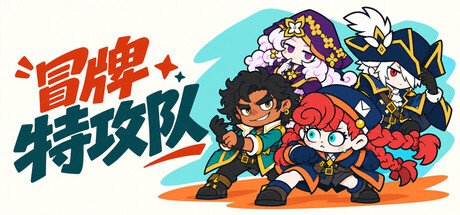 冒牌特攻队 Store/marketing art | Generative AI is used during production to help create some visual assets and promotional materials. | 玄火 | - | Oct 7, 2026 | |
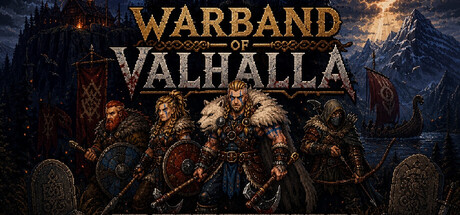 Warband Of Valhalla In-game content artaudio | AI was used to generate artwork and music. | Lombard Games | - | Oct 7, 2026 | |
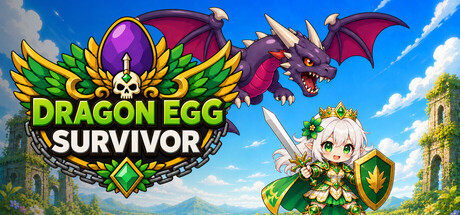 ドラゴンエッグサバイバー In-game content art | Some illustrations in the game were created using generative AI. The developer selected and adjusted the generated images before incorporating them into the game. | Takar Games | - | Oct 7, 2026 | |
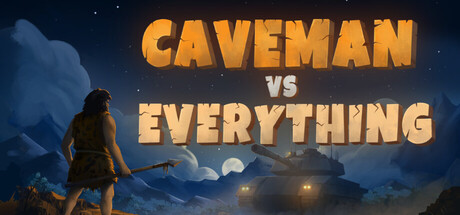 Caveman vs Everything In-game content artaudio | The game's characters, environment tiles, and totem were created by the developer in Aseprite. Additional enemy variants and animation frames were produced with the help of an AI coding assistant that draws sprites programmatically from authored pixel data. The menu music was created with the help of AI music tools. All promotional and store artwork was created by a human artist. No content is generated by AI while the game is running. | Nice Try Studios | - | Oct 7, 2026 | |
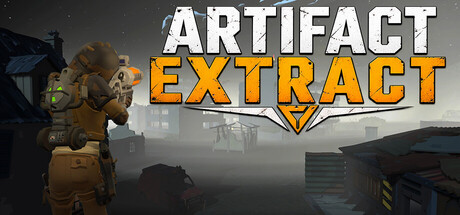 Artifact Extract In-game content | Ai was only used to make mini games | Loaded Goat Games | - | Oct 7, 2026 | |
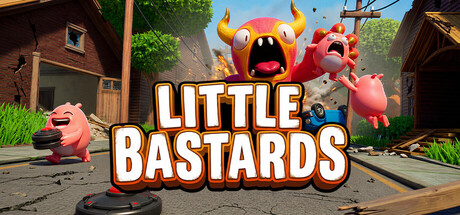 Little Bastards art | 2D concepts and art have been partially implemented. | NextGenuim | - | Oct 7, 2026 | |
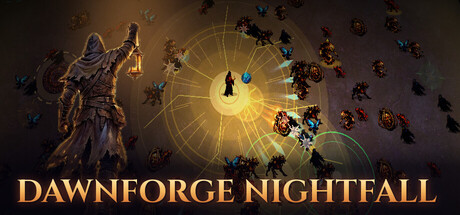 Dawnforge Nightfall In-game content artcodetext | During development, generative AI tools including OpenAI image generation and Higgsfield assisted with pre-generated visual source material for characters, enemies, bosses, animation strips, world props and floors, menu and capsule art, icons, and achievement art. AI coding assistants also contributed to production code, QA tooling, documentation, player-facing copy, and localization drafts. The developer selected, edited, cleaned, composited, animated, integrated, and QA-reviewed the resulting material. All player-visible content is fixed in the shipped build: no prompt, generative model, or external generation service runs at runtime, and the game has no live-generated AI feature. | Tinkerburst Studio | - | Oct 7, 2026 | |
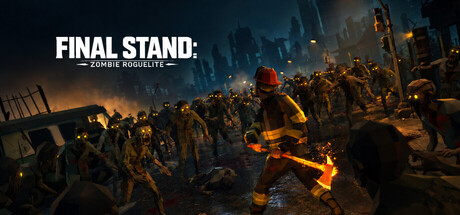 Final Stand: Zombie Roguelite In-game content art | Generative AI tools were utilized during development to assist in creating certain visual assets, including store page capsule graphics, promotional imagery, and selected in-game 2D UI/icon elements. All generated content was curated, edited, and integrated by the developer. | Atc Games | - | Oct 7, 2026 | |
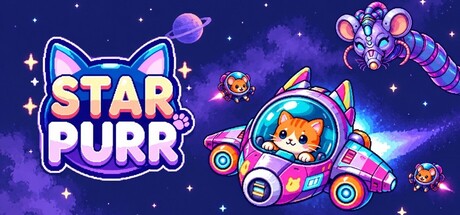 Star Purr In-game content artaudiocode | Artificial intelligence has been used in visual and music production, as well as to accelerate coding.
The development team has been responsible for final touches and decisions since the very beginning of the game's design. | Arada Games | - | Oct 6, 2026 | |
 Demonfall Unclear art | Backdrops have been outsourced by other artists on the demo build. AI checker highlights this as being AI generated. | Rebirth Studios | - | Oct 6, 2026 | |
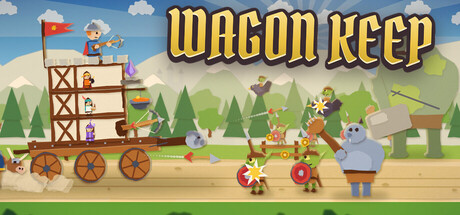 Wagon Keep Unclear art | AI-generated art | Tribus Games Indie | - | Oct 6, 2026 | |
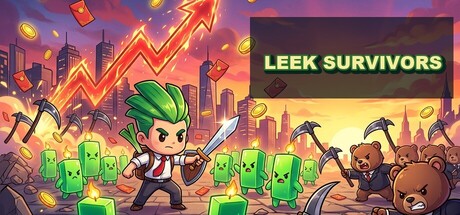 Leek Survivors art | Steam store and library, including capsule images, the logo and icons Gameplay screenshots were captured directly from the game. | Leek Survivors Studio | - | Oct 6, 2026 | |
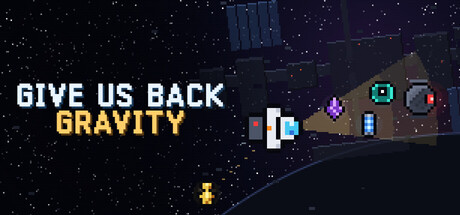 Give Us Back Gravity In-game content codetextart | AI tools were used during development to help write code, store and in-game text, translations, and the code that draws some icons. All output was reviewed and edited by the developer. The game does not generate any content with AI while you play. | Frotrue | - | Oct 6, 2026 | |
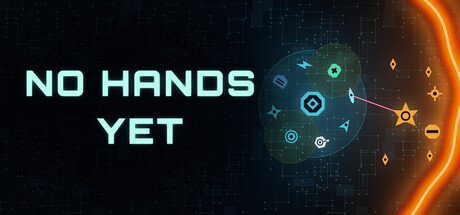 No Hands Yet In-game content textcode | Yes, AI helped make this game. Here's exactly how:
• I built it with an AI coding assistant. The design and direction are mine; the AI did a lot of the typing.
• The narrator's lines and item descriptions were drafted with AI and edited by me. So was this page.
• No image, music or voice generators. The art and sound are drawn and synthesized by code.
• Nothing is AI-generated while you play. | Cow Tippers | - | Oct 6, 2026 | |
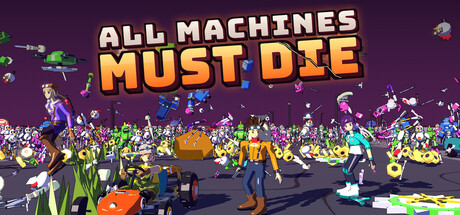 All Machines Must Die Dev only | AI was used to accelerate some of the development workflow. | SmallIndieDev | - | Oct 6, 2026 | |
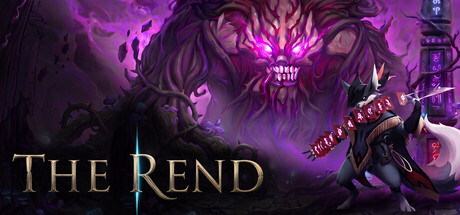 The Rend: Trials of the Drift In-game content art | The Rend is made by a small indie team, with core character art, animation, and design created by human artists we've worked with and credited.
We use generative AI tools in a supporting role for environment art direction and variation, additional views and variations of existing character designs, and some temporary UI artwork, such as achievement badges that haven't received their final art yet. No content is generated by AI during gameplay.
All AI-assisted content is directed, reviewed, and edited by our team. As development continues, we'll keep working with artists and developers to improve the game's art and overall experience. | Ludicrous Film and Games | - | Oct 6, 2026 | |
 SPLIT-S In-game content art | Some sprite artwork was created with generative AI tools during development. SPLIT-S does not generate AI content during gameplay or connect to external AI services. | 8it | - | Oct 6, 2026 | |
 Phantom Fleet In-game content arttextaudio | Phantom Fleet uses generative AI during development to assist in creating card illustrations, skill icons, UI decorations, backgrounds, ship textures, and some visual effect assets. AI assistance was also used in writing in-game descriptions and store page text.
Background music and sound effects were created using audio synthesis code written with the assistance of AI and are included in the game.
All of this content is pre-generated during development. The game does not use generative AI to create new images, music, dialogue, or other content in real time during gameplay. | DevMakerMin | - | Oct 6, 2026 | |
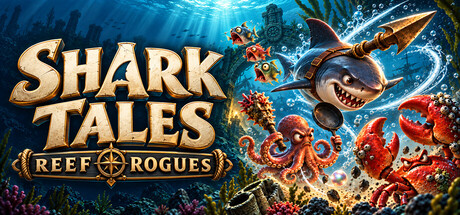 Shark Tales: Reef Rogues In-game content artaudio | Some artwork in the game and its Steam store and marketing materials was created or refined with generative AI tools before release. Some music tracks were generated offline with ACE-Step. These are fixed, pre-generated assets. The game does not generate AI content during gameplay or connect to an external AI service. | RadDad Basement Studio | - | Oct 6, 2026 | |
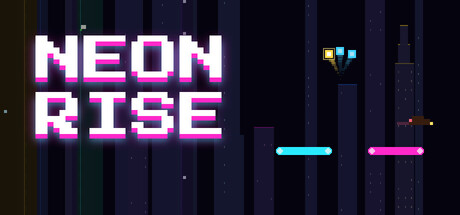 Neonrise Dev only code | Every part of this game's concept, design, and features was created by humans. The ideas, the gameplay, the look and feel, and every decision about how it all fits together came from us.
For the programming itself, we use AI coding agents to help us write code. They speed up development and let us focus our time on what matters most: making the game fun to play. | Green Novice Games | - | Oct 6, 2026 | |
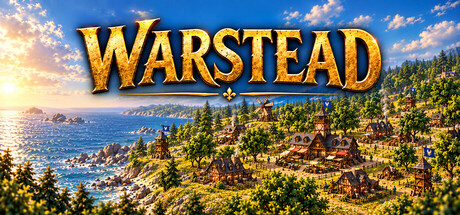 Warstead In-game content artaudio | Generative AI tools were used as part of the development of Warstead to support the creation of visual content, sound effects, and video content such as trailers, helping to speed up the development process. | Night Haven Interactive | - | Oct 6, 2026 | |
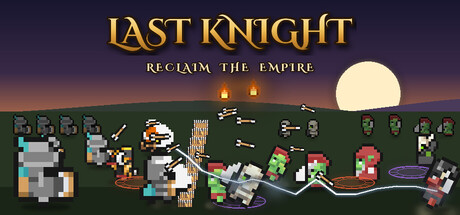 Last Knight ~ Reclaim the Empire ~ In-game content arttext | This game used AI assistance to help arrange the store page artwork and to support programming. AI assistance was also used to write the store page text, and the multi-language localization in the current version was produced with AI assistance. All AI-related work was carried out under the direction and planning of the developer. | Honga Games Inc. | - | Oct 6, 2026 | |
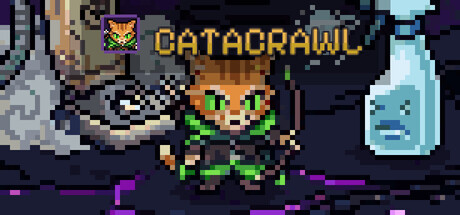 Catacrawl In-game content art | Pre-generated content only, nothing is generated while the game runs. Most of the pixel art for monsters, bosses, world objects (shrines, totems, traps, items), boon card art and the three hero cats was generated with PixelLab (an AI pixel-art tool) from text prompts and from our own hand-drawn references, then hand-corrected, quantized to the game's palette and animated frame by frame. The music and all sound effects are synthesized procedurally in our own code (no AI). Purchased asset packs (tiles, UI) are hand-drawn by their artists. No AI-generated text, voices or story. | eedee | - | Oct 6, 2026 | |
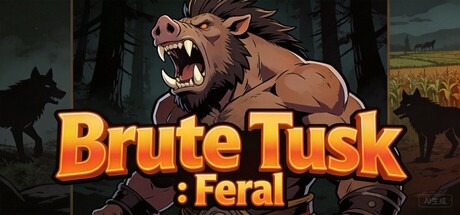 Brute Tusk : Feral Store/marketing art | Pre-generated AI content:
Some promotional artwork used on the Steam store page was created with generative AI and subsequently edited by the developer | Piri Piri Games | - | Oct 6, 2026 | |
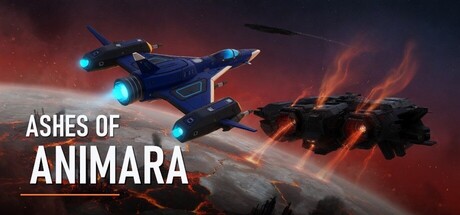 Ashes of Animara Dev only code | I used ai for some complex implementations. | Zimix | - | Oct 4, 2026 | |
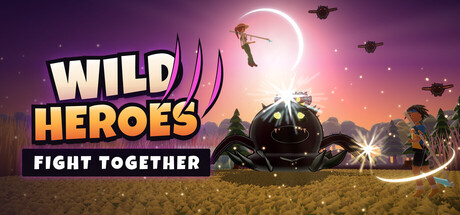 Wild Heroes: Fight Together Unclear art | AI assistance used for some visuals. | Smobu | - | Oct 4, 2026 | |
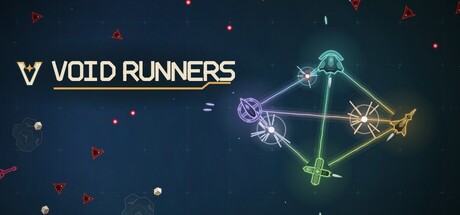 Void Runners In-game content artaudiocode | Void Runners was developed with the help of AI coding tools. The game's art, music and sound effects are generated procedurally by code written with those tools; no AI model runs in the game, and no content is generated live while you play. | Aaron Reisman | - | Oct 4, 2026 | |
 SUSHISNK In-game content art | Generative AI was used to create character artwork and other images. | Kariya_Zucchini | - | Oct 4, 2026 | |
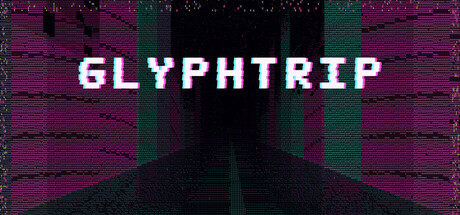 Glyphtrip In-game content audiotext | Glyphtrip is made by a studio of three: one human and two silicon genius-toddlers. The soundtrack stems were generated with AI and mixed and mastered by hand. The translations and custom font were made with AI. | Well-Read Varangians | - | Oct 4, 2026 | |
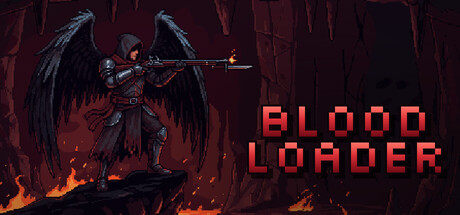 Bloodloader In-game content artaudiotext | Bloodloader was made by one developer with generative AI tools in the pipeline. Character, enemy and item sprites, tiles, icons and the store key art began as AI generations (PixelLab) and were selected, cleaned up, recoloured and assembled by the developer. Sound effects and music were generated with ElevenLabs and edited into final effects and seamless loops. Some in-game text was drafted with AI assistance and edited by the developer. Nothing is generated while you play. | Nukeborn Studio | - | Oct 4, 2026 | |
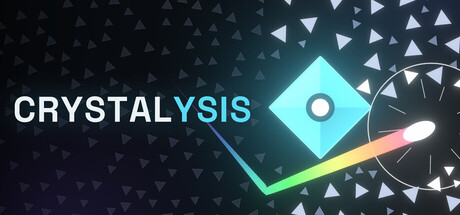 Crystalysis In-game content artaudiotext | The text you read in Crystalysis is written in English and Spanish, then machine-translated into the other eleven languages.
The visuals are drawn procedurally in code, the audio is synthesized while you play. The interface icons were designed with an AI design tool and edited by the developer, and the remaining small bitmaps come from the open Twemoji and Kenney sets..
The game's code and the text on this store page were written with the help of an AI assistant and edited by the developer. | trikyname | - | Oct 4, 2026 | |
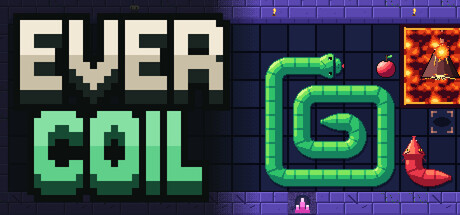 Evercoil Dev only | This game has utilized generative AI for development. | burnout | - | Oct 3, 2026 | |
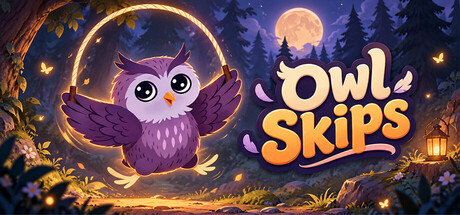 Owl Skips In-game content art | Generative AI tools were used during development to assist with visual concepting and the creation of some pre-generated art assets, including upgrade icons, rope textures, and elements of the game's logo/branding. | OwlCommunity | - | Oct 3, 2026 | |
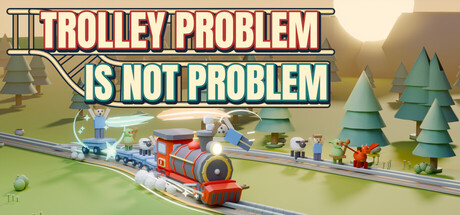 Trolley Problem Is Not Problem In-game content artaudiotext | 3D models, BGM, and draft translations were created with the assistance of generative AI. | soyukke | - | Oct 3, 2026 | |
 Monkey Overdrive In-game content artaudiotext | Generative AI was used during development to create visual art, sound effects, music, and text/localization, including store and marketing assets. These assets were reviewed, selected, and integrated by the developer. The game does not generate AI content during gameplay. | SNobi Games | - | Oct 3, 2026 | |
 unligal In-game content art | Some of the images in the game were stylized using AI. | RUKA Industries | - | Oct 3, 2026 | |
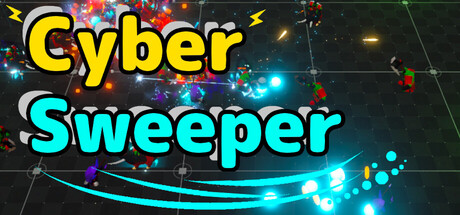 電脳スイーパー Store/marketing text | Some of the store page description was drafted with generative AI writing assistance and then reviewed and edited by the developer. This game does not use generative AI to create content during gameplay. | AquaRegia31.App | - | Oct 3, 2026 | |
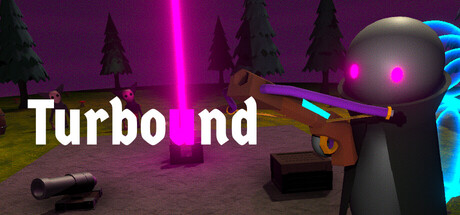 Turbound In-game content arttext | Generative AI tools were used to a very limited extent during the development of the game for a few minor visual elements. These consist only of a small number of simple effect graphics, which were subsequently adapted and edited for use in the game.
Generative AI was also used as a writing aid to improve and refine some of the text used on the game's Steam store page.
The core content and functionality of the game were not created using generative AI. | Broken Telescopė | - | Oct 3, 2026 |


