Public Steam disclosure research25,376 disclosures tracked
Where do games disclose AI use?
Search developers’ Steam disclosures, compare classified AI use across
games, and follow recorded changes.
This index adds cross-game classifications and statistics to
statements published on individual store pages.
Groups reflect automatic analysis of public disclosures; mature records are excluded. These counts do not measure AI use across all of Steam.
Missing or unclear statements cannot establish whether a game uses AI.
Generative AI tools were used to assist in the creation of various assets for the game. All generated graphics were subsequently edited, refined, and adjusted in Adobe Photoshop by the developer. No AI-generated graphics are used directly in the game without manual editing and refinement.
Generative AI tools were used during development to assist with selected pre-generated text and localization included in the game, its Steam store page and marketing materials. No generative AI content is created during gameplay.
The core assets, music, 3D objects, and story of this game were entirely reviewed, refined, and crafted by the developer. However, generative AI tools were utilized to assist in creating certain sound effects and a few background/UI images. As this is my very first game developed entirely as a solo indie developer, these tools were used to help overcome the immense challenges of managing all aspects of production alone. All AI-assisted contents have been thoroughly checked to ensure quality and compliance.
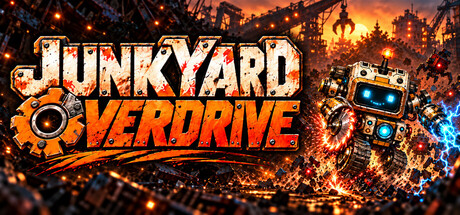
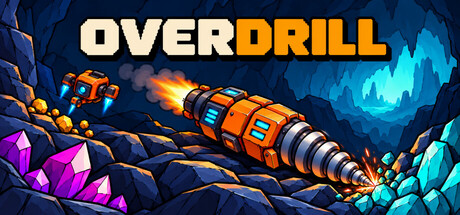
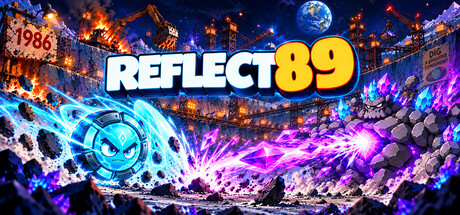
Generative AI tools were used during development to create some in-game artwork, including robot sprites and relic icons, and promotional artwork, including the game logo and Steam store artwork. These assets are pre-generated. The game does not generate AI content or connect to AI services during gameplay.
The Steam store page artwork (capsule, header, hero, logo and icon images) was created with the help of a generative AI image tool, using our own prompts and art direction. This artwork is used on the store page only and is not part of the game itself. Screenshots and trailer footage are real in-engine captures. The game itself contains no AI-generated art, audio, voice or text, and it does not use generative AI while you play.
Game source code, videos, images, and music in some parts of the game are initially generated using generative AI and then manually edited and refined.
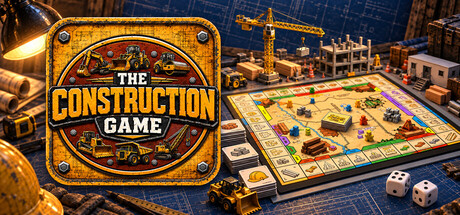
Generative AI tools assisted with programming and development of The Construction Game and were used to create some promotional images. The game does not use generative AI to create content during gameplay.
In the game itself, all graphics and sound effects are drawn and synthesized by the game's own code, which was also written with AI assistance. The game contains no AI-generated image, voice or music files, and nothing is generated by AI while you play.
AI tools were used to translate the store page text and some localizations. All in-game art, 3D models, animations, music and sound effects are not AI-generated.
Generative AI was used during development to create static artwork, including game sprites, icons, the illustrated menu background, and Steam store and library artwork. AI assistance was also used for written text and translations. These assets were reviewed and integrated by the developer. No content is generated by AI during gameplay.
AI tools were used under the developer’s creative direction to assist with implementation, interface text, localization, documentation, procedural visuals, and selected promotional artwork, including the manual’s cover. No generative AI runs during gameplay.
The host's voice lines were generated with an AI text-to-speech service from a script we wrote. Parts of the store page text were drafted with AI assistance and edited by us. All game art, minigames and code are made by the developer; nothing is generated while you play.
This game was created with a lot of help from AI. Although I'm an experienced game developer a lot of the physics, graphic elements, and code were generate with the help of AI.
Dealer's Choice was made by a solo developer working with AI assistance. AI tools helped write the game's code and in-game text, and the store artwork and achievement icons were rendered from 3D models built with AI assistance. All of this content was created during development and reviewed by the developer. Nothing in the game is generated by AI while you play.
Some graphics and sound assets included in this game were created with the assistance of Generative AI and were subsequently reviewed and retouched by humans.
The remake's 3D robots, arenas and animation were produced with AI-assisted generation tools (image-to-3D and image generation) from the original game's designs, then authored, repaired and reviewed by hand in Blender and Unreal. The menu art shown in HD is AI-remastered from the original game's pictures, and the store page artwork was AI-generated from renders of our in-game robots. All AI content is pre-made during development; nothing is generated while you play. The music and sound effects are the original recordings, remastered without AI.
NBD2 is an AI game development studio. As a solo indie dev who is unlikely to ever make a dime from any of my games, there's no other way I could bring my ideas to life.
Pop 1,000,000 Hot Air Balloons was created using generative AI throughout development, including its artwork and visuals, store artwork, music, sound effects, player-facing text, and game code. All AI generation took place during development. The game does not generate AI content or code during play or connect to an external AI service.
I recognize AI in game development is an extremely sensitive topic and I appreciate both sides. I only hope the game is fun.
The goal should always be making something that human beings will enjoy.
Pre-generated: the music and SFX was created with generative AI tools and then edited and mixed by the developer. No generative AI is used while the game is running.
Generative AI was used to assist with some pre-generated 2D artwork. All AI-assisted assets were selected, edited and integrated by the developer. No generative AI is used during gameplay.
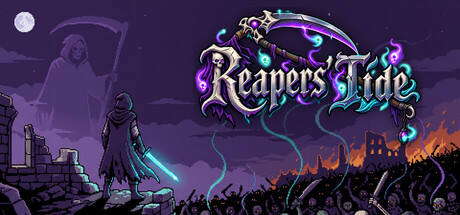
The game's pixel art (characters, enemies, bosses, environment tiles and props, effects, UI icons) was created with the help of the AI tool PixelLab and then selected, edited, animated and assembled by the developer. The key art, logo, app icon, music and sound effects were generated with Higgsfield and then edited and mixed by the developer. The trailer's opening and closing cinematic shots are AI-animated from the game's key art. All gameplay, code and design are the developer's own. The game does not generate any content with AI while it runs.
Generative AI was used only to help draft and polish English store-page text, as English is not my first language. No game assets, images, sound effects, or music were generated using generative AI. Screenshots show actual gameplay, and promotional artwork uses in-game renders. The game does not generate AI content during gameplay or connect to external AI services.
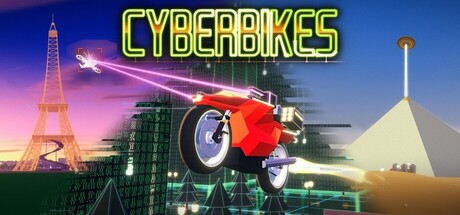
The visuals, music, sound effects, store art, trailer and text for CYBERBIKES were made with the help of AI under my direction, built in code with Blender and Godot. LINK's voice is pre-recorded text-to-speech from the open Kokoro model. Nothing is generated while you play.
AI was used to translate the game for multi-language support. All other content, including art, animation, sound effects, and music, was either created by the developers or used under license.
Solo devving the art for the cards is practically really long given how many cards are there. So i had to make the cards a bit prettier. Everything else is non AI.
AI tools assisted the creation of in-game text and localization, and the development of code used to render pixel artwork and synthesize music and sound effects. The game does not use a generative AI model or service during gameplay.
Most of the 3D models appearing in this game, including the main protagonist and various objects, were generated and modeled using generative AI tools. While some of the programming code was also generated with the assistance of generative AI (such as Gemini), all tasks—including implementation, fine-tuning gameplay behaviors, overall game design, and adjustments—were carried out manually by a solo human developer.
Some content in this game was created with the help of generative AI tools during development: sound effects, the English translation, some 3D assets and parts of the store page text. All of it was reviewed and edited by the developer. The game does not generate any content with AI while you play.
Some artwork associated with Rocket's Way was created using generative AI tools. This content is pre-generated and does not generate new content during gameplay.
Generative AI tools were used to create promotional artwork for the Steam store and to assist with in-game localization. The game does not generate AI content during gameplay. Gameplay screenshots and gameplay footage were captured in the game.
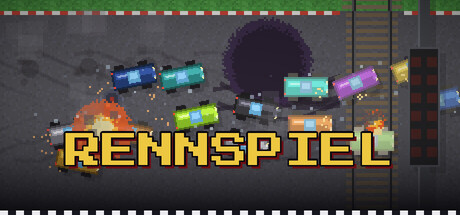
Everything you see and hear in this game - the graphics, the sound effects, the music and the built-in tracks - is produced by our own hand-written generators: drawn and synthesised in code. No generative AI is involved in any of it, and nothing is generated by an AI while the game is running. The computer drivers race on ordinary, hand-written driving logic, not on an AI model.
Generative AI was used during development, as an assistant for code and for text: in writing the program code and those generators, in the menu and interface text, in the names of the computer drivers, and in the translation between German and English. Every line of it was reviewed and reworked before it went into the game.
The images and the video on this store page are captured from the running game.
The 3D character models and their textures in this game were created using a generative AI tool (Tripo AI), based on original images prepared by the developer. ChatGPT / DALL·E were also used to create UI icons, background art (sky and grass), and some textures. All generated results were reviewed and adjusted by the developer before being included in the game. The game does not generate any AI content at runtime.
Some of the artwork in Wonder Glider (scenery, characters, icons and the title lettering) and some of its text and translations were created with the help of generative AI tools, then edited by us. The game does not generate any AI content while you play.
Generative AI-assisted tools were used during development for parts of localization and written marketing content. During gameplay, automated translation may be used to translate player-written chat messages between supported languages. Original player messages are written by users and are not generated by AI.
The booth announcer's voice (Chuck Baseball) is generated with ElevenLabs from a script written by the developers. AI tools also assisted with translating the game's text into Simplified Chinese, Japanese, Korean, Spanish, Brazilian Portuguese, Italian and French.
Generative AI tools were used during development to assist with some artwork, text and localization, and English announcer voice clips created using text-to-speech. This content is prepared in advance and used as fixed assets in the game or on its Steam store page. No AI-generated content is created during gameplay.
Generative AI was used during the development of the game to create and assist with visual assets, including illustrations, UI elements, icons, textures, and promotional artwork. These AI-generated assets were reviewed, selected, edited, and integrated into the game by the developer.
Generative AI was used to assist in the creation of promotional images and some graphical assets, as well as to assist with the localization of in-game text and the Steam store page. The game does not use generative AI during gameplay.
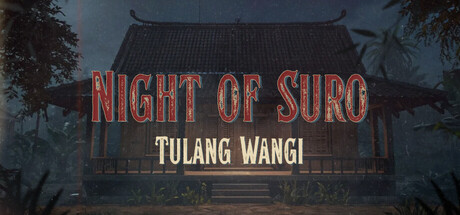
AI tools were used in a limited capacity for a few prop images such as the photographs in the main house, and translation of some Javanese writings. All AI-assisted content was carefully reviewed and approved by humans to ensure it was appropriate and respectful, the final product is a reflection of our own cultural identity and creativity.
Generative AI tools were used to assist in the creation of various assets for the game. All generated graphics were subsequently edited, refined, and adjusted in Adobe Photoshop by the developer. No AI-generated graphics are used directly in the game without manual editing and refinement.
Generative AI tools were used during development to assist with selected pre-generated text and localization included in the game, its Steam store page and marketing materials. No generative AI content is created during gameplay.
The core assets, music, 3D objects, and story of this game were entirely reviewed, refined, and crafted by the developer. However, generative AI tools were utilized to assist in creating certain sound effects and a few background/UI images. As this is my very first game developed entirely as a solo indie developer, these tools were used to help overcome the immense challenges of managing all aspects of production alone. All AI-assisted contents have been thoroughly checked to ensure quality and compliance.
Generative AI tools were used during development to create some in-game artwork, including robot sprites and relic icons, and promotional artwork, including the game logo and Steam store artwork. These assets are pre-generated. The game does not generate AI content or connect to AI services during gameplay.
The Steam store page artwork (capsule, header, hero, logo and icon images) was created with the help of a generative AI image tool, using our own prompts and art direction. This artwork is used on the store page only and is not part of the game itself. Screenshots and trailer footage are real in-engine captures. The game itself contains no AI-generated art, audio, voice or text, and it does not use generative AI while you play.
Game source code, videos, images, and music in some parts of the game are initially generated using generative AI and then manually edited and refined.
Generative AI tools assisted with programming and development of The Construction Game and were used to create some promotional images. The game does not use generative AI to create content during gameplay.
In the game itself, all graphics and sound effects are drawn and synthesized by the game's own code, which was also written with AI assistance. The game contains no AI-generated image, voice or music files, and nothing is generated by AI while you play.
AI tools were used to translate the store page text and some localizations. All in-game art, 3D models, animations, music and sound effects are not AI-generated.
Generative AI was used during development to create static artwork, including game sprites, icons, the illustrated menu background, and Steam store and library artwork. AI assistance was also used for written text and translations. These assets were reviewed and integrated by the developer. No content is generated by AI during gameplay.
AI tools were used under the developer’s creative direction to assist with implementation, interface text, localization, documentation, procedural visuals, and selected promotional artwork, including the manual’s cover. No generative AI runs during gameplay.
The host's voice lines were generated with an AI text-to-speech service from a script we wrote. Parts of the store page text were drafted with AI assistance and edited by us. All game art, minigames and code are made by the developer; nothing is generated while you play.
This game was created with a lot of help from AI. Although I'm an experienced game developer a lot of the physics, graphic elements, and code were generate with the help of AI.
Dealer's Choice was made by a solo developer working with AI assistance. AI tools helped write the game's code and in-game text, and the store artwork and achievement icons were rendered from 3D models built with AI assistance. All of this content was created during development and reviewed by the developer. Nothing in the game is generated by AI while you play.
Some graphics and sound assets included in this game were created with the assistance of Generative AI and were subsequently reviewed and retouched by humans.
The remake's 3D robots, arenas and animation were produced with AI-assisted generation tools (image-to-3D and image generation) from the original game's designs, then authored, repaired and reviewed by hand in Blender and Unreal. The menu art shown in HD is AI-remastered from the original game's pictures, and the store page artwork was AI-generated from renders of our in-game robots. All AI content is pre-made during development; nothing is generated while you play. The music and sound effects are the original recordings, remastered without AI.
NBD2 is an AI game development studio. As a solo indie dev who is unlikely to ever make a dime from any of my games, there's no other way I could bring my ideas to life.
Pop 1,000,000 Hot Air Balloons was created using generative AI throughout development, including its artwork and visuals, store artwork, music, sound effects, player-facing text, and game code. All AI generation took place during development. The game does not generate AI content or code during play or connect to an external AI service.
I recognize AI in game development is an extremely sensitive topic and I appreciate both sides. I only hope the game is fun.
The goal should always be making something that human beings will enjoy.
Pre-generated: the music and SFX was created with generative AI tools and then edited and mixed by the developer. No generative AI is used while the game is running.
Generative AI was used to assist with some pre-generated 2D artwork. All AI-assisted assets were selected, edited and integrated by the developer. No generative AI is used during gameplay.
The game's pixel art (characters, enemies, bosses, environment tiles and props, effects, UI icons) was created with the help of the AI tool PixelLab and then selected, edited, animated and assembled by the developer. The key art, logo, app icon, music and sound effects were generated with Higgsfield and then edited and mixed by the developer. The trailer's opening and closing cinematic shots are AI-animated from the game's key art. All gameplay, code and design are the developer's own. The game does not generate any content with AI while it runs.
Generative AI was used only to help draft and polish English store-page text, as English is not my first language. No game assets, images, sound effects, or music were generated using generative AI. Screenshots show actual gameplay, and promotional artwork uses in-game renders. The game does not generate AI content during gameplay or connect to external AI services.
The visuals, music, sound effects, store art, trailer and text for CYBERBIKES were made with the help of AI under my direction, built in code with Blender and Godot. LINK's voice is pre-recorded text-to-speech from the open Kokoro model. Nothing is generated while you play.
AI was used to translate the game for multi-language support. All other content, including art, animation, sound effects, and music, was either created by the developers or used under license.
Solo devving the art for the cards is practically really long given how many cards are there. So i had to make the cards a bit prettier. Everything else is non AI.
AI tools assisted the creation of in-game text and localization, and the development of code used to render pixel artwork and synthesize music and sound effects. The game does not use a generative AI model or service during gameplay.
Most of the 3D models appearing in this game, including the main protagonist and various objects, were generated and modeled using generative AI tools. While some of the programming code was also generated with the assistance of generative AI (such as Gemini), all tasks—including implementation, fine-tuning gameplay behaviors, overall game design, and adjustments—were carried out manually by a solo human developer.
Some content in this game was created with the help of generative AI tools during development: sound effects, the English translation, some 3D assets and parts of the store page text. All of it was reviewed and edited by the developer. The game does not generate any content with AI while you play.
Some artwork associated with Rocket's Way was created using generative AI tools. This content is pre-generated and does not generate new content during gameplay.
Generative AI tools were used to create promotional artwork for the Steam store and to assist with in-game localization. The game does not generate AI content during gameplay. Gameplay screenshots and gameplay footage were captured in the game.
Everything you see and hear in this game - the graphics, the sound effects, the music and the built-in tracks - is produced by our own hand-written generators: drawn and synthesised in code. No generative AI is involved in any of it, and nothing is generated by an AI while the game is running. The computer drivers race on ordinary, hand-written driving logic, not on an AI model.
Generative AI was used during development, as an assistant for code and for text: in writing the program code and those generators, in the menu and interface text, in the names of the computer drivers, and in the translation between German and English. Every line of it was reviewed and reworked before it went into the game.
The images and the video on this store page are captured from the running game.
The 3D character models and their textures in this game were created using a generative AI tool (Tripo AI), based on original images prepared by the developer. ChatGPT / DALL·E were also used to create UI icons, background art (sky and grass), and some textures. All generated results were reviewed and adjusted by the developer before being included in the game. The game does not generate any AI content at runtime.
Some of the artwork in Wonder Glider (scenery, characters, icons and the title lettering) and some of its text and translations were created with the help of generative AI tools, then edited by us. The game does not generate any AI content while you play.
Generative AI-assisted tools were used during development for parts of localization and written marketing content. During gameplay, automated translation may be used to translate player-written chat messages between supported languages. Original player messages are written by users and are not generated by AI.
The booth announcer's voice (Chuck Baseball) is generated with ElevenLabs from a script written by the developers. AI tools also assisted with translating the game's text into Simplified Chinese, Japanese, Korean, Spanish, Brazilian Portuguese, Italian and French.
Generative AI tools were used during development to assist with some artwork, text and localization, and English announcer voice clips created using text-to-speech. This content is prepared in advance and used as fixed assets in the game or on its Steam store page. No AI-generated content is created during gameplay.
Generative AI was used during the development of the game to create and assist with visual assets, including illustrations, UI elements, icons, textures, and promotional artwork. These AI-generated assets were reviewed, selected, edited, and integrated into the game by the developer.
Generative AI was used to assist in the creation of promotional images and some graphical assets, as well as to assist with the localization of in-game text and the Steam store page. The game does not use generative AI during gameplay.
AI tools were used in a limited capacity for a few prop images such as the photographs in the main house, and translation of some Javanese writings. All AI-assisted content was carefully reviewed and approved by humans to ensure it was appropriate and respectful, the final product is a reflection of our own cultural identity and creativity.