








Disclosure
Generative AI was used to assist with translating in-game text into supported languages.
- Creator
- DragDrop Games
- Reviews
- -
- Added
- Oct 7, 2026
Public Steam disclosure research 25,376 disclosures tracked
Search developers’ Steam disclosures, compare classified AI use across games, and follow recorded changes. This index adds cross-game classifications and statistics to statements published on individual store pages.
Code help, debugging and other development work.
Capsule art, trailers and promotional material.
Pre-made art, audio, writing and other game assets.
Interactive or runtime AI features disclosed by the developer.
Groups reflect automatic analysis of public disclosures; mature records are excluded. These counts do not measure AI use across all of Steam. Missing or unclear statements cannot establish whether a game uses AI.
Generative AI was used to assist with translating in-game text into supported languages.
Generative AI tools were used during development to assist with localization and the creation of some game assets. Generative AI is not used to generate content during gameplay, and the game does not connect to external AI services during execution.
AI tools are used to create SVG artwork, generate sound effects, and translate and localize the game's store page text.
Generative AI was used to create selected promotional artwork for the Steam store page and to assist with the localization of store text. All generated content was reviewed and edited by the developer. No generative AI is used during gameplay, and the game does not connect to external AI services.
Generative AI was used to create some pre-generated 3D models, artwork, audio, and voice assets used in the game and marketing materials. No AI-generated content is created during gameplay.
AI-Based Translation
AI-generated art
AI tools were part of our process, helping with the game's art, writing and translations. Everything was shaped and reviewed by us, and nothing is generated by AI while you play.
Generative AI was used during development for code, music, UI text, icons, and store imagery. Generated output is reviewed, edited, tested, and integrated by the developer.
Generative AI is used in the creation of some visual assets, including in-game cinematics, background images, and character illustrations. It is also used to assist with writing and translating some in-game text. This content is created during development and included in the game. The game does not generate new content using generative AI during gameplay.
AI was used to enhance store page image assets.
We use AI tools to make some of the game's art, sound, voices and writing. Every result was reviewed and edited before it went into the game. - 3D models: most creature and character bodies (dinosaurs, Ice Age animals, wildlife, the infected, the customisable human bodies, hairstyles and hats) and some props and plants were generated with Tripo through Unity AI, from reference images made with OpenAI GPT Image. They were then cleaned up, rigged and fitted to the game's style. - Textures: the dinosaur hides and the human characters' faces, skin, clothing and infection damage were painted with the help of GPT Image. - Illustrations: the field guide's species plates were generated with GPT Image from renders of the in-game models. - Sound: the calls of the mammoths, giant elk, ground sloths and sauropods were generated with Unity AI sound generation. - Voices: the radio voices (the island broadcasts, the voice on the collection frequency and the facility's recorded messages) and the skipper's two lines in the opening scene are AI voices, made with ElevenLabs Eleven v4 text-to-speech from the game's own script. Face-to-face dialogue and the tapes are not voiced. - Writing: in-game text (dialogue, records and descriptions) and this store page were drafted with AI writing assistance and edited by the developer. - Store art: the capsule and library artwork and the logo were generated with GPT Image. They are illustrations, not screenshots. The screenshots, trailers and About clips are in-engine footage with licensed music and sound effects; any voices, herd calls, logo or artwork in the trailers are the AI content listed above. Buildings, vehicles, weapons, most props, the music, most sound effects and all animation come from licensed asset packs (a few animation clips are adapted from them). The interface was built for the game. The game generates no AI content while you play.
Store images are ai generated.
Some of Deadlight's artwork was created with the help of generative AI. This includes the key art, the store and library capsules, and the ten location paintings on the expedition screen. The images were generated with a locally run image model, then chosen, cleaned up and colour-graded by hand. The store page text and its translations were drafted with AI assistance and edited by the developer. No content is generated by AI while you play.
LLMs were used for language translation and localization only.
Terafom was developed with the help of generative AI tools. Some of the artwork, 3D models, in-game text and translations, voice, music and sound effects were created with AI assistance and reviewed by the developer. During gameplay, the in-game AI helper character answers players' questions about the game using third-party AI services (Google Gemini, DeepSeek, OpenAI), and its answers are spoken with an AI-generated voice.
Some in-game visual assets were generated or modified with generative AI tools during development. The game also includes pre-recorded AI-generated combat voice lines. The developer selected and integrated these as fixed game assets before release.
Generative AI tools were used during development to assist with some visual assets and portions of the game's code. AI-assisted artwork includes the title background, dungeon environments, monsters, adventurers, and trap visuals. All such content was created before release and integrated as fixed game assets. Hearthdeep does not generate AI content during gameplay and does not connect to external AI services while the game is running.
The core art direction and a portion of the artwork were hand-drawn by the developer, and AI was used to produce additional assets in a matching style, which were then reviewed, edited and integrated by hand. The game's music was generated with AI tools. No AI content is generated live while the game is running.
Some artwork, 3D models, and code in this game were created with the assistance of AI tools during development. All AI-assisted content is pre-made and included in the game files; no content or code is generated live during gameplay.
Generative AI tools were used during development to help create and refine some 2D artwork, icons and promotional images, and to assist with store-page text and translation. These assets are prepared before release and reviewed by the developer. The game does not generate AI content during gameplay or connect to an external AI service. Player-designed weapons are created with the in-game drawing and crafting tools, not generative AI.
The store capsule artwork (and the app/shortcut icons cropped from it) was created with AI image generation tools. All in-game content — art, models, audio, writing — was not AI generated.
AI-assisted tools are used throughout the development of Idle Frontier, including design, programming, content creation and marketing. Generative AI is used to generate or assist with player-facing artwork and illustrations, backgrounds, promotional images and logos, narrative and dialogue, encyclopedia text, localization and store-page copy. The developer selects and integrates the material into the released game. This is pre-generated content: the game does not generate content or code with AI during play and does not connect to external AI services.
Some pre-made content was created with the help of generative AI tools and then edited by our team: parts of the key art and logo, some 3D models, some UI/ability icons, and some character voice lines. AI coding assistants were also used during development. Gameplay design and level design were done by the developers. The game does not generate any AI content live during gameplay.
FleetBane was created by a solo developer with assistance from generative AI tools. During development, these tools helped create and refine some visual assets, music, and written game content. All AI-assisted material was reviewed, selected, edited, polished, or substantially reworked by the developer before being integrated into the game. FleetBane does not use generative AI during gameplay and does not send player input or data to any AI service.
The store page and the hero portraits in the game use AI-generated content.
Some sprites, event card illustrations, background music and sound effects were created with locally-run generative AI models (Stable Diffusion XL, ACE-Step, Stable Audio Open) and then edited by the developer. No generative AI is used while the game is running.
Generative AI was used to create the illustrations, as well as a small portion of the character artwork and dialogue. This content was created during development. The game does not generate AI content during gameplay.
Generative AI tools were used during development to create artwork, icons, 3D assets, written content, and trailer narration. This content is reviewed, refined, and integrated under the developer’s creative direction. The game does not generate AI content during gameplay.
Generative AI Disclosure As a solo developer, I used generative AI tools to assist in two specific areas of development: Coding & Debugging: Used AI as a programming assistant for troubleshooting and debugging code, helping optimize performance and stability.
AI tools were used to help write the game's code and make some placeholder sprites and text. All placeholder art/text is being removed by me, and i'm getting help with the removal/cleanup of AI code.
We used AI tools to help create artwork, music, and text, including translations. We selected and refined the visuals to fit Desktop Theme Park’s cartoon style.
An AI coding assistant (Claude, Anthropic) was used under the developer's direction to help write the game's code, some in-game text and the note tables of its music, which is then rendered by our own synthesis code and a licensed instrument sample library. No audio-generation, image-generation or voice models were used: no AI-generated artwork, 3D models, voice or sound recordings ship in the game, on the store page or in marketing materials. Every shipped track is logged in a provenance ledger and checked against YouTube Content ID
AI tools were used to help create some in-game assets. The final game reflects my creative vision and direction.
Generative AI was used for art and sound.
Translations wher made by AI from human written German texts
Most graphics are generatively produced with refined qualities.
Generative AI-assisted tools were used during development to support the creation and refinement of some pre-generated visual assets. No AI content is generated during gameplay.
Maps will be generated
Some of the in-game and store page text was written with the help of AI tools and edited by the developer. No AI image, music or voice generators were used.
Artificial Intelligence utilized in store images due to solo developer budget constraints. Images will be updated in the near future as budget constraints ease.
Artificial intelligence has been used to color the buildings, for the shotgun unit art, and to translate the game into multiple languages.
Generative AI tools were used during development, and every output was reviewed, edited and integrated by the developer. AI contributed to: parts of the code, the English translation and store copy, some tower and enemy 3D models and textures, UI icons, co-op stickers, title and loading screen illustrations, the opening and ending cinematics, the store key art, the promotional mascot, and the background music and some sound effects. Game design, levels, balance and overall direction were decided by the developer. Nothing is generated by AI while you play.
Some of Grim Island's artwork was created using generative AI image tools, working from original artwork hand-drawn by the developer and then curated and edited by the developer. No other content is AI-generated.
AI tools were used during the creation of draft visual assets. All AI-generated material is reviewed, edited, and manually refined by professional artists before being included in the final product.
Generative AI tools were used during development to create and refine some pre-generated artwork, icons, audio, text and localization, and marketing imagery. All such content was reviewed and curated by the developer. No AI-generated content is created during gameplay.
Generative AI was used during development to create some 2D artwork, including machines, enemies and environments, and to assist with in-game text, English and German localization, and store materials. These are pre-generated assets and texts.
A small amount of artwork and text included in the game was created using generative AI during development. All such content is pre-generated. The game does not generate AI content during gameplay or connect to external AI services.
Generative AI tools were used during development to create portions of the artwork, character and environment assets, cinematic visuals, music, sound effects, voice recordings, text, localization, and store marketing materials. These assets are prepared in advance and incorporated into the game by Keke Studio. The game does not generate AI content or connect to third-party generative AI services during gameplay.
Gród is designed, built and tested by a solo developer. Every rule, system and pixel of the game follows my own vision. AI tools helped with parts of the production: the voice lines, the music and some store artwork were created with generative AI, then selected, edited and fitted into the game by me. The in-game pixel art is drawn by the game's own code, with no AI image generators. Screenshots and GIFs show real gameplay. The game does not use generative AI while you play.
| Title⇅ | Disclosure | Creator⇅ | Src | Reviews⇅ | Added↓ |
|---|---|---|---|---|---|
 Moon Sweepers In-game content text | Generative AI was used to assist with translating in-game text into supported languages. | DragDrop Games | - | Oct 7, 2026 | |
 TownEmpire In-game content textart | Generative AI tools were used during development to assist with localization and the creation of some game assets. Generative AI is not used to generate content during gameplay, and the game does not connect to external AI services during execution. | CKL | - | Oct 7, 2026 | |
 Robots To Scrap In-game content artaudiotext | AI tools are used to create SVG artwork, generate sound effects, and translate and localize the game's store page text. | NangmanGames | - | Oct 7, 2026 | |
 Wood Imperium In-game content arttext | Generative AI was used to create selected promotional artwork for the Steam store page and to assist with the localization of store text. All generated content was reviewed and edited by the developer. No generative AI is used during gameplay, and the game does not connect to external AI services. | Braincoders | - | Oct 7, 2026 | |
 The Lost Cape In-game content artaudiotext | Generative AI was used to create some pre-generated 3D models, artwork, audio, and voice assets used in the game and marketing materials. No AI-generated content is created during gameplay. | RS Game Studio | - | Oct 7, 2026 | |
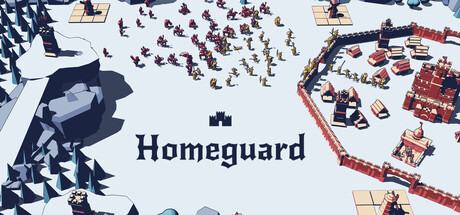 Homeguard In-game content text | AI-Based Translation | Pull of the Deep | - | Oct 7, 2026 | |
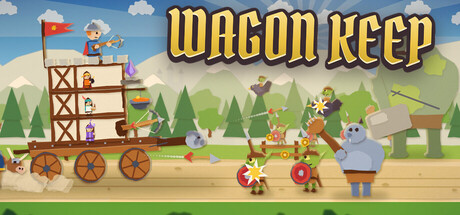 Wagon Keep Unclear art | AI-generated art | Tribus Games Indie | - | Oct 6, 2026 | |
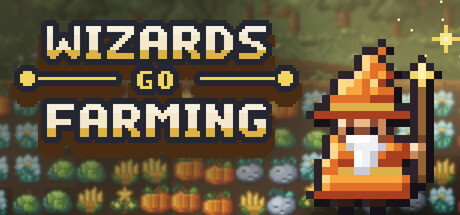 Wizards Go Farming In-game content arttext | AI tools were part of our process, helping with the game's art, writing and translations. Everything was shaped and reviewed by us, and nothing is generated by AI while you play. | Pocket Pebble Games | - | Oct 6, 2026 | |
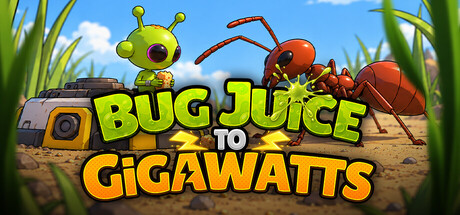 Bug Juice to Gigawatts In-game content artaudiotextcode | Generative AI was used during development for code, music, UI text, icons, and store imagery. Generated output is reviewed, edited, tested, and integrated by the developer. | Spectral Nuke | - | Oct 6, 2026 | |
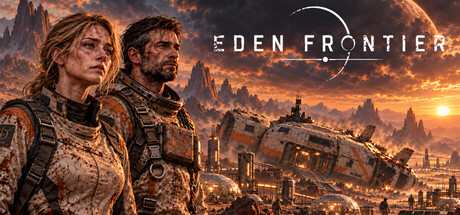 EDEN FRONTIER In-game content arttext | Generative AI is used in the creation of some visual assets, including in-game cinematics, background images, and character illustrations. It is also used to assist with writing and translating some in-game text. This content is created during development and included in the game. The game does not generate new content using generative AI during gameplay. | Axion Inc. | - | Oct 6, 2026 | |
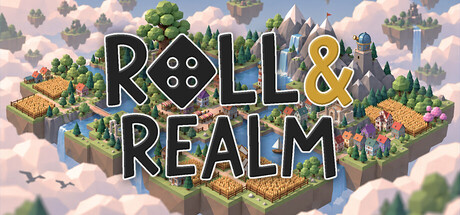 Roll & Realm Store/marketing art | AI was used to enhance store page image assets. | Spellmeat | - | Oct 6, 2026 | |
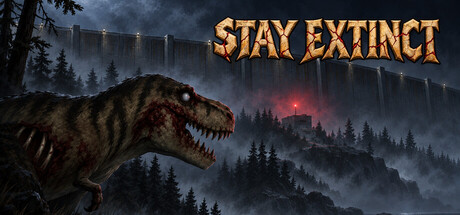 Stay Extinct In-game content artaudiotext | We use AI tools to make some of the game's art, sound, voices and writing. Every result was reviewed and edited before it went into the game.
- 3D models: most creature and character bodies (dinosaurs, Ice Age animals, wildlife, the infected, the customisable human bodies, hairstyles and hats) and some props and plants were generated with Tripo through Unity AI, from reference images made with OpenAI GPT Image. They were then cleaned up, rigged and fitted to the game's style.
- Textures: the dinosaur hides and the human characters' faces, skin, clothing and infection damage were painted with the help of GPT Image.
- Illustrations: the field guide's species plates were generated with GPT Image from renders of the in-game models.
- Sound: the calls of the mammoths, giant elk, ground sloths and sauropods were generated with Unity AI sound generation.
- Voices: the radio voices (the island broadcasts, the voice on the collection frequency and the facility's recorded messages) and the skipper's two lines in the opening scene are AI voices, made with ElevenLabs Eleven v4 text-to-speech from the game's own script. Face-to-face dialogue and the tapes are not voiced.
- Writing: in-game text (dialogue, records and descriptions) and this store page were drafted with AI writing assistance and edited by the developer.
- Store art: the capsule and library artwork and the logo were generated with GPT Image. They are illustrations, not screenshots. The screenshots, trailers and About clips are in-engine footage with licensed music and sound effects; any voices, herd calls, logo or artwork in the trailers are the AI content listed above.
Buildings, vehicles, weapons, most props, the music, most sound effects and all animation come from licensed asset packs (a few animation clips are adapted from them). The interface was built for the game. The game generates no AI content while you play. | windurex | - | Oct 6, 2026 | |
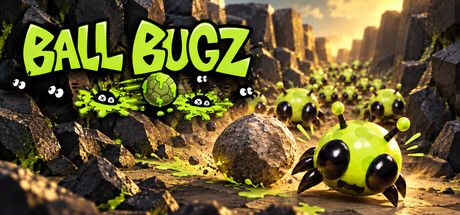 Ball Bugz Store/marketing art | Store images are ai generated. | Crush Bug Studios | - | Oct 5, 2026 | |
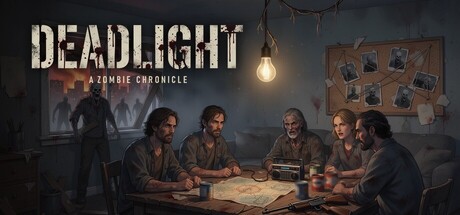 Deadlight In-game content arttext | Some of Deadlight's artwork was created with the help of generative AI. This includes the key art, the store and library capsules, and the ten location paintings on the expedition screen. The images were generated with a locally run image model, then chosen, cleaned up and colour-graded by hand. The store page text and its translations were drafted with AI assistance and edited by the developer. No content is generated by AI while you play. | ZiBa Entertainment | - | Oct 4, 2026 | |
 R01 In-game content text | LLMs were used for language translation and localization only. | Roy El-Rayes | - | Oct 4, 2026 | |
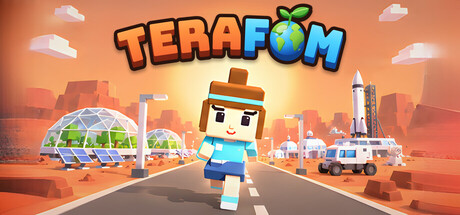 Terafom Live AI artaudiotext | Terafom was developed with the help of generative AI tools. Some of the artwork, 3D models, in-game text and translations, voice, music and sound effects were created with AI assistance and reviewed by the developer. During gameplay, the in-game AI helper character answers players' questions about the game using third-party AI services (Google Gemini, DeepSeek, OpenAI), and its answers are spoken with an AI-generated voice. | WITHCENTER | - | Oct 4, 2026 | |
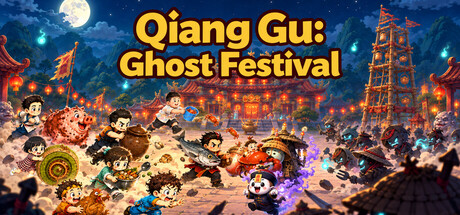 搶孤 In-game content artaudio | Some in-game visual assets were generated or modified with generative AI tools during development. The game also includes pre-recorded AI-generated combat voice lines. The developer selected and integrated these as fixed game assets before release. | LILIWEI | - | Oct 4, 2026 | |
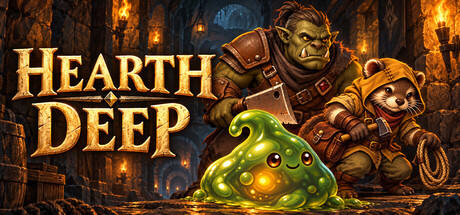 Hearthdeep In-game content artcode | Generative AI tools were used during development to assist with some visual assets and portions of the game's code. AI-assisted artwork includes the title background, dungeon environments, monsters, adventurers, and trap visuals. All such content was created before release and integrated as fixed game assets. Hearthdeep does not generate AI content during gameplay and does not connect to external AI services while the game is running. | Surume Games Studio | - | Oct 4, 2026 | |
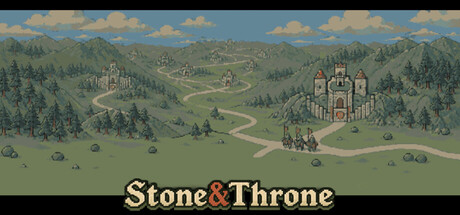 Stone & Throne In-game content artaudio | The core art direction and a portion of the artwork were hand-drawn by the developer, and AI was used to produce additional assets in a matching style, which were then reviewed, edited and integrated by hand. The game's music was generated with AI tools. No AI content is generated live while the game is running. | CTE Gaming | - | Oct 4, 2026 | |
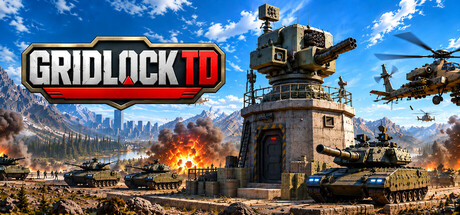 Gridlock TD In-game content artcode | Some artwork, 3D models, and code in this game were created with the assistance of AI tools during development. All AI-assisted content is pre-made and included in the game files; no content or code is generated live during gameplay. | Vekingen | - | Oct 4, 2026 | |
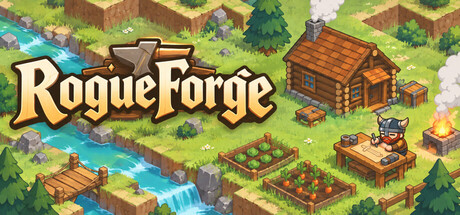 RogueForge In-game content arttext | Generative AI tools were used during development to help create and refine some 2D artwork, icons and promotional images, and to assist with store-page text and translation. These assets are prepared before release and reviewed by the developer. The game does not generate AI content during gameplay or connect to an external AI service. Player-designed weapons are created with the in-game drawing and crafting tools, not generative AI. | SOOFT Studio | - | Oct 4, 2026 | |
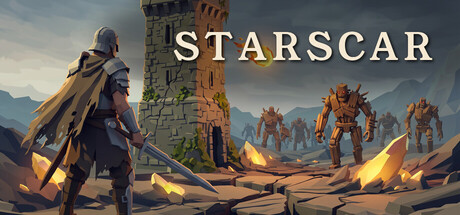 Starscar In-game content art | The store capsule artwork (and the app/shortcut icons cropped from it) was created with AI image generation tools. All in-game content — art, models, audio, writing — was not AI generated. | Mars Rover Games | - | Oct 4, 2026 | |
 放置边境 In-game content arttext | AI-assisted tools are used throughout the development of Idle Frontier, including design, programming, content creation and marketing. Generative AI is used to generate or assist with player-facing artwork and illustrations, backgrounds, promotional images and logos, narrative and dialogue, encyclopedia text, localization and store-page copy. The developer selects and integrates the material into the released game. This is pre-generated content: the game does not generate content or code with AI during play and does not connect to external AI services. | Villeo Games | - | Oct 4, 2026 | |
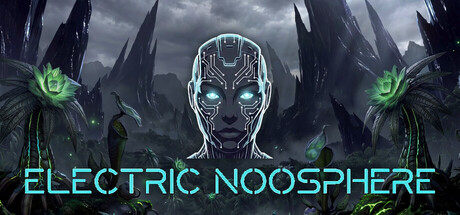 Electric Noosphere In-game content artaudiocode | Some pre-made content was created with the help of generative AI tools and then edited by our team: parts of the key art and logo, some 3D models, some UI/ability icons, and some character voice lines. AI coding assistants were also used during development. Gameplay design and level design were done by the developers. The game does not generate any AI content live during gameplay. | Simulated Flow UG | - | Oct 4, 2026 | |
 FleetBane In-game content artaudiotext | FleetBane was created by a solo developer with assistance from generative AI tools. During development, these tools helped create and refine some visual assets, music, and written game content. All AI-assisted material was reviewed, selected, edited, polished, or substantially reworked by the developer before being integrated into the game. FleetBane does not use generative AI during gameplay and does not send player input or data to any AI service. | Archimond | - | Oct 4, 2026 | |
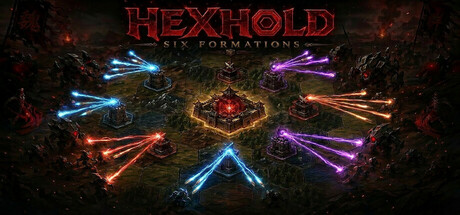 守城录:六阵 — 三国卡牌构筑塔防 In-game content art | The store page and the hero portraits in the game use AI-generated content. | Meowridian Studio | - | Oct 4, 2026 | |
 FARLINE In-game content artaudio | Some sprites, event card illustrations, background music and sound effects were created with locally-run generative AI models (Stable Diffusion XL, ACE-Step, Stable Audio Open) and then edited by the developer. No generative AI is used while the game is running. | Tal Games | - | Oct 3, 2026 | |
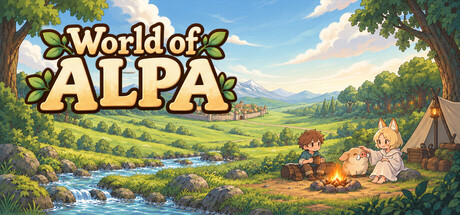 World of ALPA In-game content arttext | Generative AI was used to create the illustrations, as well as a small portion of the character artwork and dialogue. This content was created during development. The game does not generate AI content during gameplay. | Nater Studio | - | Oct 3, 2026 | |
 Build Christmas In-game content arttextaudio | Generative AI tools were used during development to create artwork, icons, 3D assets, written content, and trailer narration. This content is reviewed, refined, and integrated under the developer’s creative direction. The game does not generate AI content during gameplay. | Cozy Gridworks | - | Oct 3, 2026 | |
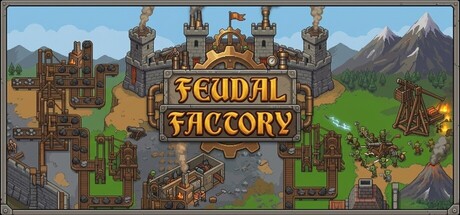 Feudal Factory Dev only code | Generative AI Disclosure
As a solo developer, I used generative AI tools to assist in two specific areas of development:
Coding & Debugging: Used AI as a programming assistant for troubleshooting and debugging code, helping optimize performance and stability. | Aethel Studio | - | Oct 3, 2026 | |
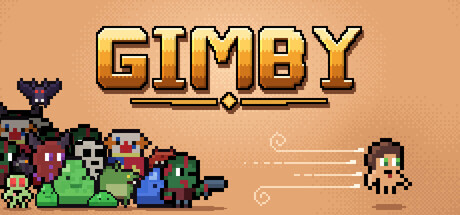 Gimby In-game content codearttext | AI tools were used to help write the game's code and make some placeholder sprites and text. All placeholder art/text is being removed by me, and i'm getting help with the removal/cleanup of AI code. | Gimby Studios | - | Oct 3, 2026 | |
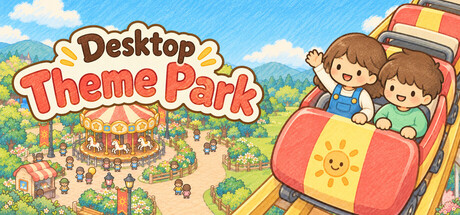 Desktop Theme Park In-game content artaudiotext | We used AI tools to help create artwork, music, and text, including translations. We selected and refined the visuals to fit Desktop Theme Park’s cartoon style. | Tiny Pause | - | Oct 3, 2026 | |
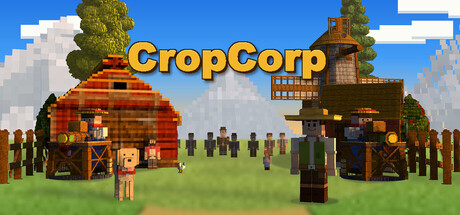 CropCorp In-game content codetext | An AI coding assistant (Claude, Anthropic) was used under the developer's direction to help write the game's code, some in-game text and the note tables of its music, which is then rendered by our own synthesis code and a licensed instrument sample library. No audio-generation, image-generation or voice models were used: no AI-generated artwork, 3D models, voice or sound recordings ship in the game, on the store page or in marketing materials. Every shipped track is logged in a provenance ledger and checked against YouTube Content ID | Web Level Up | - | Oct 3, 2026 | |
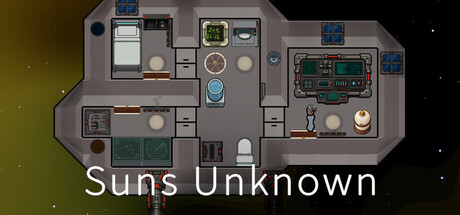 Suns Unknown In-game content art | AI tools were used to help create some in-game assets. The final game reflects my creative vision and direction. | Moralsoft | - | Oct 3, 2026 | |
 Wargrown In-game content artaudio | Generative AI was used for art and sound. | Drowning Donkey | - | Oct 3, 2026 | |
 Keep the night In-game content text | Translations wher made by AI from human written German texts | GamingPugsStudios | - | Oct 1, 2026 | |
 Valoria In-game content art | Most graphics are generatively produced with refined qualities. | Ironstone Interactive | - | Oct 1, 2026 | |
 Legacy of Sol In-game content art | Generative AI-assisted tools were used during development to support the creation and refinement of some pre-generated visual assets. No AI content is generated during gameplay. | LittleShark Marketing Kft. | - | Oct 1, 2026 | |
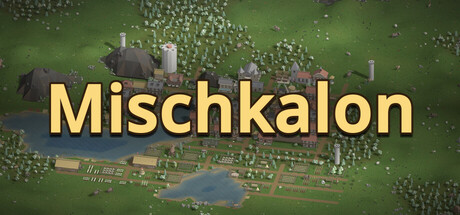 Mischkalon Live AI | Maps will be generated | Clanwirtschaft.de | - | Oct 1, 2026 | |
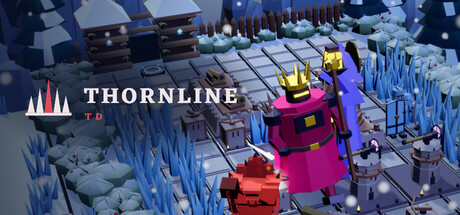 Thornline TD In-game content text | Some of the in-game and store page text was written with the help of AI tools and edited by the developer. No AI image, music or voice generators were used. | Corby Wenzelbach | - | Oct 1, 2026 | |
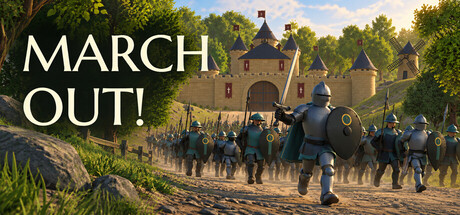 March Out! Store/marketing art | Artificial Intelligence utilized in store images due to solo developer budget constraints. Images will be updated in the near future as budget constraints ease. | Mason Brignac | - | Oct 1, 2026 | |
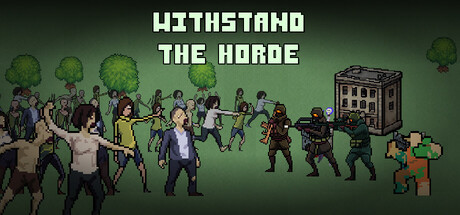 Withstand The Horde In-game content arttext | Artificial intelligence has been used to color the buildings, for the shotgun unit art, and to translate the game into multiple languages. | Pere Brau Martínez | - | Oct 1, 2026 | |
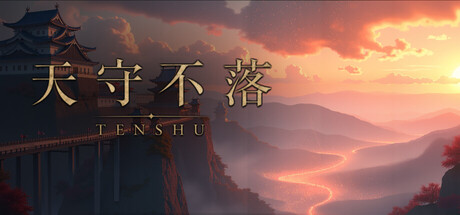 Tenshu: The Keep Must Hold In-game content artaudiocodetext | Generative AI tools were used during development, and every output was reviewed, edited and integrated by the developer. AI contributed to: parts of the code, the English translation and store copy, some tower and enemy 3D models and textures, UI icons, co-op stickers, title and loading screen illustrations, the opening and ending cinematics, the store key art, the promotional mascot, and the background music and some sound effects. Game design, levels, balance and overall direction were decided by the developer. Nothing is generated by AI while you play. | 亞瑟先生 Mister Arthur Games | - | Oct 1, 2026 | |
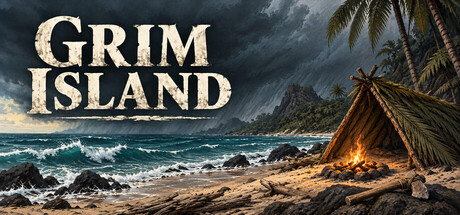 Grim Island In-game content art | Some of Grim Island's artwork was created using generative AI image tools, working from original artwork hand-drawn by the developer and then curated and edited by the developer. No other content is AI-generated. | Spectral Crow | - | Oct 1, 2026 | |
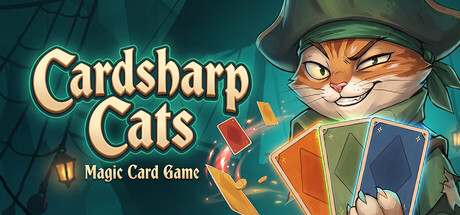 Cardsharp Cats: Magic Card Game In-game content art | AI tools were used during the creation of draft visual assets. All AI-generated material is reviewed, edited, and manually refined by professional artists before being included in the final product. | ScyScore Games | - | Oct 1, 2026 | |
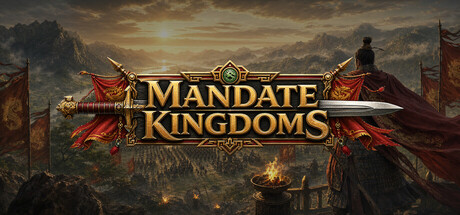 Mandate Kingdoms In-game content artaudiotext | Generative AI tools were used during development to create and refine some pre-generated artwork, icons, audio, text and localization, and marketing imagery. All such content was reviewed and curated by the developer. No AI-generated content is created during gameplay. | Dreolo | - | Oct 1, 2026 | |
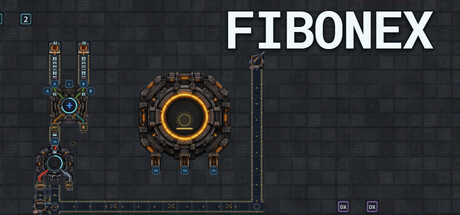 Fibonex In-game content arttext | Generative AI was used during development to create some 2D artwork, including machines, enemies and environments, and to assist with in-game text, English and German localization, and store materials. These are pre-generated assets and texts. | Fibonexia | - | Oct 1, 2026 | |
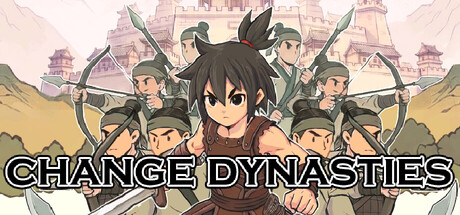 change dynasties In-game content arttext | A small amount of artwork and text included in the game was created using generative AI during development. All such content is pre-generated. The game does not generate AI content during gameplay or connect to external AI services. | 正义伙伴 | - | Sep 30, 2026 | |
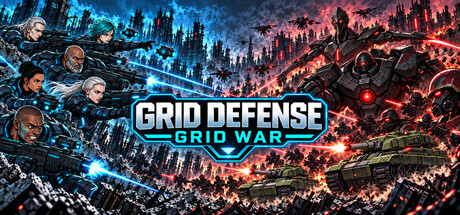 GRID DEFENSE: GRID WAR In-game content artaudiotext | Generative AI tools were used during development to create portions of the artwork, character and environment assets, cinematic visuals, music, sound effects, voice recordings, text, localization, and store marketing materials. These assets are prepared in advance and incorporated into the game by Keke Studio. The game does not generate AI content or connect to third-party generative AI services during gameplay. | Keke Studio | - | Sep 30, 2026 | |
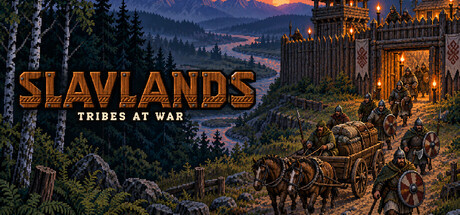 Slavlands: Tribes at War In-game content audioart | Gród is designed, built and tested by a solo developer. Every rule, system and pixel of the game follows my own vision.
AI tools helped with parts of the production: the voice lines, the music and some store artwork were created with generative AI, then selected, edited and fitted into the game by me. The in-game pixel art is drawn by the game's own code, with no AI image generators.
Screenshots and GIFs show real gameplay. The game does not use generative AI while you play. | SAD Games Studio | - | Sep 30, 2026 |


