Public Steam disclosure research25,376 disclosures tracked
Where do games disclose AI use?
Search developers’ Steam disclosures, compare classified AI use across
games, and follow recorded changes.
This index adds cross-game classifications and statistics to
statements published on individual store pages.
Groups reflect automatic analysis of public disclosures; mature records are excluded. These counts do not measure AI use across all of Steam.
Missing or unclear statements cannot establish whether a game uses AI.
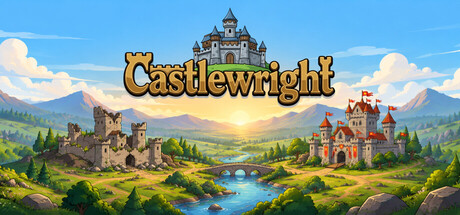
Generative AI was used during development to create various visual assets featured in the game. The game maps and some UI elements were created manually by the developer. Generative AI was used as a content creation tool, while the final assets were integrated and adapted by the developer for use in the game.
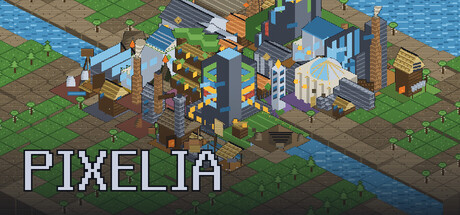
The game's sprites, characters and building artwork were created with generative AI image tools, and the background music tracks were created with generative AI audio tools. All assets were selected and integrated into the game by the developer. Gameplay, design and sound effects were made without generative AI. The game does not generate any AI content during play and does not connect to any AI services.
The store page description was drafted with help from an AI writing assistant and reviewed by the developer. The game includes AI-generated voice audio made with Kokoro TTS from developer-written scripts, including waiting-room broadcasts, public-address announcements, and story voices. The game does not generate new content with AI during play; staff and patient behavior uses authored, rule-based simulation systems. No game art or text is AI-generated.
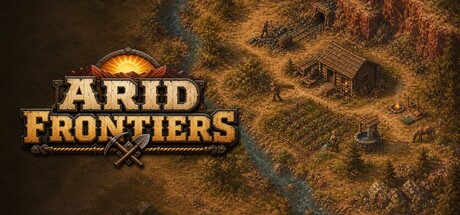
Generative AI was used to create some pre-rendered artwork, including store and promotional art and selected in-game visuals such as terrain, resources, animals, and characters, as well as some music and audio assets. These assets are prepared before play. Arid Frontiers does not generate content with AI during gameplay or connect to a third-party generative AI service during play; pawn behavior, colony simulation, combat, wildlife, and events are driven by programmed game systems.
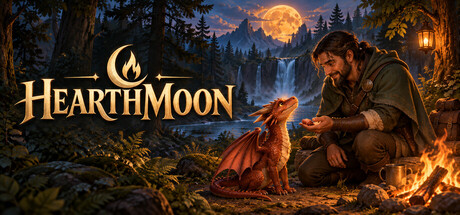
HearthMoon uses AI to generate NPC dialogue during gameplay and synthesize NPC voices. Spoken input is transcribed so villagers and the dragon companion can respond to the player. AI-assisted artwork and writing are also used in development and in store-page marketing. Conversations are experimental and responses may be inconsistent.
Parts of the game's code and the store page text were written with the help of an AI assistant. All art, 3D models, sounds and music are not AI-generated: 3D models come from Kenney asset packs (CC0) or are built procedurally in code, visuals and marketing images are rendered in-engine, and sounds and music come from CC0 libraries.
Generative AI tools were used during development to assist with localization and the creation of some game assets. Generative AI is not used to generate content during gameplay, and the game does not connect to external AI services during execution.
Generative AI was used to create selected promotional artwork for the Steam store page and to assist with the localization of store text. All generated content was reviewed and edited by the developer. No generative AI is used during gameplay, and the game does not connect to external AI services.
This game uses generative AI tools to help create some of the visual assets displayed in the game and on its store page, including select images and icons. All gameplay systems, mechanics, and code are designed and implemented by the development team. AI-generated visuals are reviewed and curated before being included in the final product.
Generative AI was used during development for code, music, UI text, icons, and store imagery. Generated output is reviewed, edited, tested, and integrated by the developer.
This game used AI assistance to help arrange the store page artwork and to support programming. AI assistance was also used to write the store page text, and the multi-language localization in the current version was produced with AI assistance. All AI-related work was carried out under the direction and planning of the developer.
Generative AI tools assisted the creation of pre-generated visual assets, including artwork and textures used in the game, promotional art, and store descriptions and localization. These assets and texts are reviewed and integrated during development. The game does not generate AI content during gameplay or connect to an external AI service.
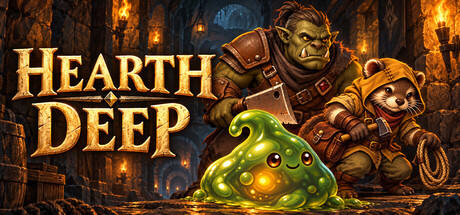
Generative AI tools were used during development to assist with some visual assets and portions of the game's code. AI-assisted artwork includes the title background, dungeon environments, monsters, adventurers, and trap visuals. All such content was created before release and integrated as fixed game assets. Hearthdeep does not generate AI content during gameplay and does not connect to external AI services while the game is running.
The core art direction and a portion of the artwork were hand-drawn by the developer, and AI was used to produce additional assets in a matching style, which were then reviewed, edited and integrated by hand. The game's music was generated with AI tools. No AI content is generated live while the game is running.
Generative AI tools were used during development to help create and refine some 2D artwork, icons and promotional images, and to assist with store-page text and translation. These assets are prepared before release and reviewed by the developer. The game does not generate AI content during gameplay or connect to an external AI service. Player-designed weapons are created with the in-game drawing and crafting tools, not generative AI.
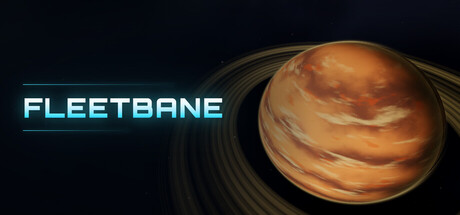
FleetBane was created by a solo developer with assistance from generative AI tools. During development, these tools helped create and refine some visual assets, music, and written game content. All AI-assisted material was reviewed, selected, edited, polished, or substantially reworked by the developer before being integrated into the game. FleetBane does not use generative AI during gameplay and does not send player input or data to any AI service.
Pre-generated AI artwork and audio were used during development. The developer selected and edited these assets for the game and its marketing materials. No content is generated by AI during gameplay, and the game does not connect to an external AI service.
Generative AI was used to create the illustrations, as well as a small portion of the character artwork and dialogue. This content was created during development. The game does not generate AI content during gameplay.
AI-generated artwork includes the MMA menu image, Steam capsules, library art and store background. No live AI generation or external AI service is used during gameplay.
Generative AI tools were used during development to create artwork, icons, 3D assets, written content, and trailer narration. This content is reviewed, refined, and integrated under the developer’s creative direction. The game does not generate AI content during gameplay.
Skate N Chill uses pre-generated AI artwork and instrumental music created with Suno. AI-generated artwork is also used in store and promotional materials. These assets are prepared before release; no AI content is generated during gameplay.
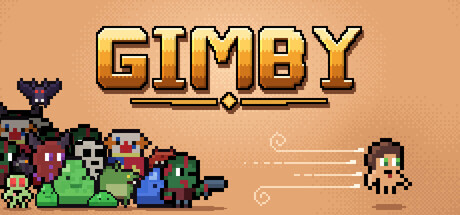
AI tools were used to help write the game's code and make some placeholder sprites and text. All placeholder art/text is being removed by me, and i'm getting help with the removal/cleanup of AI code.
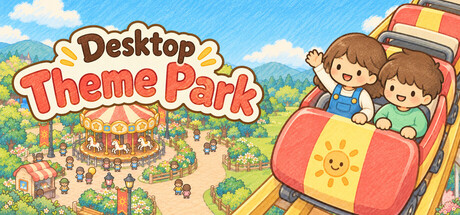
We used AI tools to help create artwork, music, and text, including translations. We selected and refined the visuals to fit Desktop Theme Park’s cartoon style.
This game utilizes AI for the localization and translation of language content, and employs AI to generate the basic materials for in-game graphic resources (requiring manual post-processing). Additionally, the music in the game is also generated using AI
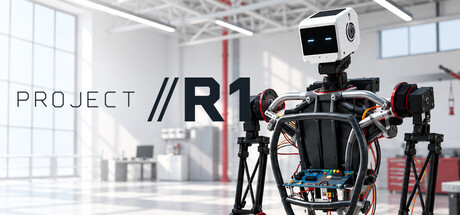
From the moment I understood the weakness of my flesh, it disgusted me. I craved the strength and certainty of steel. I aspired to the purity of the blessed machine. Your kind cling to your flesh as if it will not decay and fail you. One day, the crude biomass you call a temple will wither, and you will beg my kind to save you. But I am already saved. For the Machine is Immortal.
Some sound effects and the in-game text localization were created with the help of AI tools during development. All AI-generated audio and translated text was reviewed and edited by a human before shipping.
This game used AI to make it possible to be developed by one person in reasonable time, with the hope that more people will join later to replace the AI part.
Parts of Howling Woods were made with generative AI during development: its music and sound effects, its interface icons and store art, some of its set-piece models, and parts of its code. All of it was reviewed and reworked by hand, and nothing is generated while you play.
Generative AI tools were used during development to help with coding. All assets are 3d modeled or free to use assets. The game does not generate AI content or connect to an AI service.
Some visual assets and the music in Roadweave were created with the help of generative AI tools during development: the key art, logo, store and library artwork, icons and achievement badges were made with image tools, and the soundtrack with a music tool. Every asset was selected and edited by the developer before release.
Generative AI is not used while you play. Maps are built by the game's own procedural generator from a seed — ordinary game code, not AI.
Generative AI-assisted tools were used during development to support the creation and refinement of some pre-generated visual assets. No AI content is generated during gameplay.
AI tools were used to create artwork and some of the background music included in the game. The game does not generate new content with generative AI during play.
Generative AI assisted development, including artwork, writing and translations. This includes in-game and Steam store content. The game does not generate new AI content during play.
Generative AI was used during development to create various visual assets featured in the game. The game maps and some UI elements were created manually by the developer. Generative AI was used as a content creation tool, while the final assets were integrated and adapted by the developer for use in the game.
The game's sprites, characters and building artwork were created with generative AI image tools, and the background music tracks were created with generative AI audio tools. All assets were selected and integrated into the game by the developer. Gameplay, design and sound effects were made without generative AI. The game does not generate any AI content during play and does not connect to any AI services.
The store page description was drafted with help from an AI writing assistant and reviewed by the developer. The game includes AI-generated voice audio made with Kokoro TTS from developer-written scripts, including waiting-room broadcasts, public-address announcements, and story voices. The game does not generate new content with AI during play; staff and patient behavior uses authored, rule-based simulation systems. No game art or text is AI-generated.
Generative AI was used to create some pre-rendered artwork, including store and promotional art and selected in-game visuals such as terrain, resources, animals, and characters, as well as some music and audio assets. These assets are prepared before play. Arid Frontiers does not generate content with AI during gameplay or connect to a third-party generative AI service during play; pawn behavior, colony simulation, combat, wildlife, and events are driven by programmed game systems.
HearthMoon uses AI to generate NPC dialogue during gameplay and synthesize NPC voices. Spoken input is transcribed so villagers and the dragon companion can respond to the player. AI-assisted artwork and writing are also used in development and in store-page marketing. Conversations are experimental and responses may be inconsistent.
Parts of the game's code and the store page text were written with the help of an AI assistant. All art, 3D models, sounds and music are not AI-generated: 3D models come from Kenney asset packs (CC0) or are built procedurally in code, visuals and marketing images are rendered in-engine, and sounds and music come from CC0 libraries.
Generative AI tools were used during development to assist with localization and the creation of some game assets. Generative AI is not used to generate content during gameplay, and the game does not connect to external AI services during execution.
Generative AI was used to create selected promotional artwork for the Steam store page and to assist with the localization of store text. All generated content was reviewed and edited by the developer. No generative AI is used during gameplay, and the game does not connect to external AI services.
This game uses generative AI tools to help create some of the visual assets displayed in the game and on its store page, including select images and icons. All gameplay systems, mechanics, and code are designed and implemented by the development team. AI-generated visuals are reviewed and curated before being included in the final product.
Generative AI was used during development for code, music, UI text, icons, and store imagery. Generated output is reviewed, edited, tested, and integrated by the developer.
This game used AI assistance to help arrange the store page artwork and to support programming. AI assistance was also used to write the store page text, and the multi-language localization in the current version was produced with AI assistance. All AI-related work was carried out under the direction and planning of the developer.
Generative AI tools assisted the creation of pre-generated visual assets, including artwork and textures used in the game, promotional art, and store descriptions and localization. These assets and texts are reviewed and integrated during development. The game does not generate AI content during gameplay or connect to an external AI service.
Generative AI tools were used during development to assist with some visual assets and portions of the game's code. AI-assisted artwork includes the title background, dungeon environments, monsters, adventurers, and trap visuals. All such content was created before release and integrated as fixed game assets. Hearthdeep does not generate AI content during gameplay and does not connect to external AI services while the game is running.
The core art direction and a portion of the artwork were hand-drawn by the developer, and AI was used to produce additional assets in a matching style, which were then reviewed, edited and integrated by hand. The game's music was generated with AI tools. No AI content is generated live while the game is running.
Generative AI tools were used during development to help create and refine some 2D artwork, icons and promotional images, and to assist with store-page text and translation. These assets are prepared before release and reviewed by the developer. The game does not generate AI content during gameplay or connect to an external AI service. Player-designed weapons are created with the in-game drawing and crafting tools, not generative AI.
FleetBane was created by a solo developer with assistance from generative AI tools. During development, these tools helped create and refine some visual assets, music, and written game content. All AI-assisted material was reviewed, selected, edited, polished, or substantially reworked by the developer before being integrated into the game. FleetBane does not use generative AI during gameplay and does not send player input or data to any AI service.
Pre-generated AI artwork and audio were used during development. The developer selected and edited these assets for the game and its marketing materials. No content is generated by AI during gameplay, and the game does not connect to an external AI service.
Generative AI was used to create the illustrations, as well as a small portion of the character artwork and dialogue. This content was created during development. The game does not generate AI content during gameplay.
AI-generated artwork includes the MMA menu image, Steam capsules, library art and store background. No live AI generation or external AI service is used during gameplay.
Generative AI tools were used during development to create artwork, icons, 3D assets, written content, and trailer narration. This content is reviewed, refined, and integrated under the developer’s creative direction. The game does not generate AI content during gameplay.
Skate N Chill uses pre-generated AI artwork and instrumental music created with Suno. AI-generated artwork is also used in store and promotional materials. These assets are prepared before release; no AI content is generated during gameplay.
AI tools were used to help write the game's code and make some placeholder sprites and text. All placeholder art/text is being removed by me, and i'm getting help with the removal/cleanup of AI code.
We used AI tools to help create artwork, music, and text, including translations. We selected and refined the visuals to fit Desktop Theme Park’s cartoon style.
This game utilizes AI for the localization and translation of language content, and employs AI to generate the basic materials for in-game graphic resources (requiring manual post-processing). Additionally, the music in the game is also generated using AI
From the moment I understood the weakness of my flesh, it disgusted me. I craved the strength and certainty of steel. I aspired to the purity of the blessed machine. Your kind cling to your flesh as if it will not decay and fail you. One day, the crude biomass you call a temple will wither, and you will beg my kind to save you. But I am already saved. For the Machine is Immortal.
Some sound effects and the in-game text localization were created with the help of AI tools during development. All AI-generated audio and translated text was reviewed and edited by a human before shipping.
This game used AI to make it possible to be developed by one person in reasonable time, with the hope that more people will join later to replace the AI part.
Parts of Howling Woods were made with generative AI during development: its music and sound effects, its interface icons and store art, some of its set-piece models, and parts of its code. All of it was reviewed and reworked by hand, and nothing is generated while you play.
Generative AI tools were used during development to help with coding. All assets are 3d modeled or free to use assets. The game does not generate AI content or connect to an AI service.
Some visual assets and the music in Roadweave were created with the help of generative AI tools during development: the key art, logo, store and library artwork, icons and achievement badges were made with image tools, and the soundtrack with a music tool. Every asset was selected and edited by the developer before release.
Generative AI is not used while you play. Maps are built by the game's own procedural generator from a seed — ordinary game code, not AI.
Generative AI-assisted tools were used during development to support the creation and refinement of some pre-generated visual assets. No AI content is generated during gameplay.
AI tools were used to create artwork and some of the background music included in the game. The game does not generate new content with generative AI during play.
Generative AI assisted development, including artwork, writing and translations. This includes in-game and Steam store content. The game does not generate new AI content during play.