Public Steam disclosure research25,376 disclosures tracked
Where do games disclose AI use?
Search developers’ Steam disclosures, compare classified AI use across
games, and follow recorded changes.
This index adds cross-game classifications and statistics to
statements published on individual store pages.
Groups reflect automatic analysis of public disclosures; mature records are excluded. These counts do not measure AI use across all of Steam.
Missing or unclear statements cannot establish whether a game uses AI.
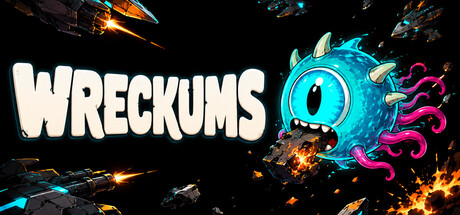
Generative AI tools were used during development to help create selected artwork, audio assets, and promotional materials. These materials were reviewed and selected by the developer. Wreckums does not generate AI content during gameplay or connect to external AI services while you play.
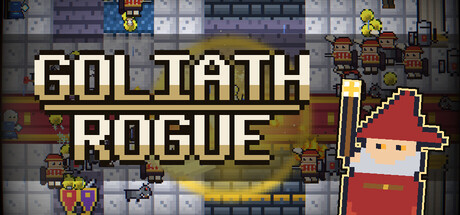
Goliath Rogue was made with the help of generative AI. The 2D art, the music and the sound effects were AI-generated — some of the art was then retouched by hand — and the Spanish and French translations were AI-assisted. All of it ships as fixed assets in the game; nothing is generated while you play. AI coding tools were also used during development to help write the game's code.
Generative AI was used during development to help create images, background music, and sound effects, assist with programming, and translate in-game text. All voice performances were recorded by human performers. No AI content is generated during gameplay.
We are relying on pre-rendered assets for proof-of-concepts, but continuously replacing these with our assets. Our plan to is replace all textures before go-live. No AI-generated music/sfx is used.
Some assets used in this game may have been created using AI. Information about these assets can be found in the game's credits. AI-assisted tools were also used during the development of this game.
This game uses generative AI in the creation of some visual assets, including character illustrations, backgrounds, and promotional artwork. These assets were selected, adjusted, and integrated into the game and store materials by the developer. The game does not generate content in real time during gameplay, and no player input or personal data is sent to external AI services.
Generative AI tools were used during development to assist with coding, music, dialogue writing, and texture assets. All content has been reviewed and approved by the developer.
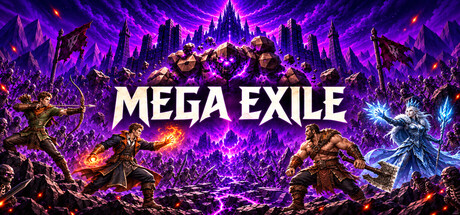
Generative AI tools were used during development to help create some 3D character assets and store page text. This content is prepared in advance. Mega Exile does not generate AI content during gameplay or connect to external AI services while you play.
Generative AI was used during development to assist with the creation of some visual assets, as well as marketing materials. AI-generated assets were reviewed, edited, and integrated by the developer as part of the game's overall art direction. Generative AI is not used to generate content or code during gameplay.
Generative AI tools were used during development to assist with portions of the game's 2D artwork, UI illustrations, audio, and text/localization. All AI-assisted content was reviewed, selected, edited, and integrated by the developer. The game does not generate AI content during gameplay and does not connect to external AI services.
Generative AI was used to assist in the creation of certain promotional and store page artwork. All gameplay, programming, game design, pixel art, and in-game content were created and reviewed by the developer.
The game contains AI generated visuals, which will be removed through further development. Replacement of AI generated contents will be announced and after full replacement the Generative Artificial Intelligence notice in the store page will be removed together.
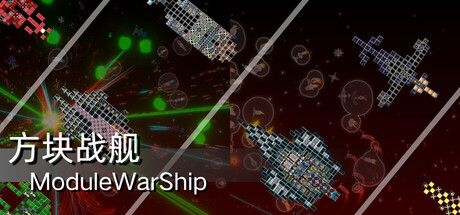
・Translated text in the following languages:
English, French, German, Italian, Spanish, Chinese (Simplified), Chinese (Traditional), Korean, Russian
・Generation of title screen background images
・Generation of images for some module icons
Development of this game used AI assistance for writing source code, and for creating some of the in-game art assets such as objects and enemies. All AI-generated content was produced during development and reviewed by the developer; the game does not generate any content with AI at runtime.
Generative AI tools were used to assist in creating some pre-generated UI images, promotional artwork, and graphical assets. All AI-assisted assets are pre-generated and were reviewed and edited by the developer before being included in the game or used on the Steam store page. The game does not generate AI content during gameplay.
This game contains pre-generated visual and audio assets created with generative AI tools and edited by the developer. No content is generated during gameplay.
The text in HEATSINK — its interface strings and its translations — was written with the assistance of generative AI.
Nothing is generated while you play. There are no AI-generated images or audio in this game, because there are no image or audio files at all: every shape on screen is drawn by code, and every sound is synthesised when the game launches.
We used Generative AI tools solely to assist in creating capsule art and marketing assets for the store page. No AI content is generated live during gameplay.
This game uses generative AI tools to assist with the creation of some visual assets, promotional images, sound effects, and localization drafts. All AI-assisted content is reviewed, edited, and integrated by the developer before release. The game does not use generative AI to create real-time user-facing content during gameplay.
Some art assets, sound effects and texts of this game are produced with the assistance of generative AI. No real‑time AI‑generated content will be created during gameplay.
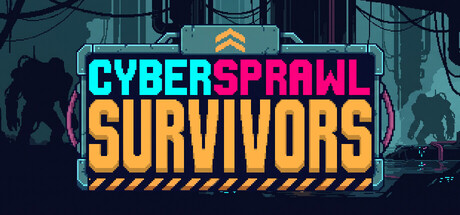
CyberSprawl: Survivors contains pre-generated visual art, written content, sound effects, and other assets created or assisted with generative AI tools, then curated and integrated by the development team. Generative AI also assists development, including code. No AI generates content during gameplay, and the game does not connect to external AI services while you play.
Pre-generated AI artwork was used for characters, enemies, bosses, environments, interface icons, and store and promotional artwork. These assets were selected, edited, and integrated during development. The game does not generate AI content during play or connect to external AI services.
Pre-generated AI content: TROPHY FLEET's visual assets and its synthetic character voice performances were produced using AI image and voice generation as a starting point during development. Every generated asset was then selected, chroma-keyed against a solid key background, retouched, resized and hand-aligned by the developer before shipping. Boss artwork is collision-aligned to gameplay: each visible weak point on a boss sprite corresponds to an actual targetable hitbox at that exact position. Source masters and shipped runtime assets are both retained in the project repository.
The soundtrack is not AI-generated. It consists of 39 CC0-licensed music tracks, curated per world and normalized to -16 LUFS, with full attribution shipped in the game's THIRD_PARTY_NOTICES file.
All game design, code, level authoring, enemy behaviour, boss mechanics and balance systems are the developer's own work.
The game generates no content while it is running. It sends no player data or prompts to any AI service or any other service, requires no network connection, and functions fully offline.
Pre-generated content only. No AI runs while the game is played.
Some monster and boss sprites were generated with PixelLab (an AI pixel-art tool) and then hand-edited, cut into animation strips and cleaned up by the developer. A few background art pieces, such as arcade machine sheets and map-card thumbnails, were generated with Google Gemini and then reworked by hand. The music soundtrack was generated with Suno on a paid licence. Some store page art may be based on these assets.
All gameplay code, the level design, the rest of the sprite art, UI, sound effects and all text were made by the developer without generative AI. The game does not generate any content at runtime.
Development used generative AI tools to create pre-generated visual assets: seven battlefield and escalation backgrounds, twenty-six combat-art atlases, and one progression-card atlas (34 bitmap files total). AI tools also helped translate the store page and in-game text from the original, manually written English into eight languages. All generated content is pre-generated and curated; the game does not generate content while running. No third-party logos, characters, or source art were used as image-generation references.
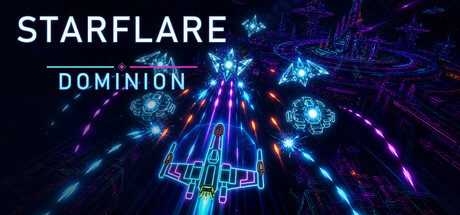
Starflare Dominion uses generative AI in two ways. Some visual assets, music, and sound effects were created with assistance from generative AI tools and were selected, edited, processed, and integrated by Whimstead LLC. During Story play, hosted OpenAI models may generate bounded narrative text, including pilot backgrounds, quotes, Cantina news, Old Man Rich stories, campaign consequences, and final legends. Players do not directly prompt an unrestricted chatbot. Generated text is checked by structured rules and validators, with retries and curated local fallback content when needed.
Generative AI tools were used during development to help create selected artwork, audio assets, and promotional materials. These materials were reviewed and selected by the developer. Wreckums does not generate AI content during gameplay or connect to external AI services while you play.
Goliath Rogue was made with the help of generative AI. The 2D art, the music and the sound effects were AI-generated — some of the art was then retouched by hand — and the Spanish and French translations were AI-assisted. All of it ships as fixed assets in the game; nothing is generated while you play. AI coding tools were also used during development to help write the game's code.
Generative AI was used during development to help create images, background music, and sound effects, assist with programming, and translate in-game text. All voice performances were recorded by human performers. No AI content is generated during gameplay.
We are relying on pre-rendered assets for proof-of-concepts, but continuously replacing these with our assets. Our plan to is replace all textures before go-live. No AI-generated music/sfx is used.
Some assets used in this game may have been created using AI. Information about these assets can be found in the game's credits. AI-assisted tools were also used during the development of this game.
This game uses generative AI in the creation of some visual assets, including character illustrations, backgrounds, and promotional artwork. These assets were selected, adjusted, and integrated into the game and store materials by the developer. The game does not generate content in real time during gameplay, and no player input or personal data is sent to external AI services.
Generative AI tools were used during development to assist with coding, music, dialogue writing, and texture assets. All content has been reviewed and approved by the developer.
Generative AI tools were used during development to help create some 3D character assets and store page text. This content is prepared in advance. Mega Exile does not generate AI content during gameplay or connect to external AI services while you play.
Generative AI was used during development to assist with the creation of some visual assets, as well as marketing materials. AI-generated assets were reviewed, edited, and integrated by the developer as part of the game's overall art direction. Generative AI is not used to generate content or code during gameplay.
Generative AI tools were used during development to assist with portions of the game's 2D artwork, UI illustrations, audio, and text/localization. All AI-assisted content was reviewed, selected, edited, and integrated by the developer. The game does not generate AI content during gameplay and does not connect to external AI services.
Generative AI was used to assist in the creation of certain promotional and store page artwork. All gameplay, programming, game design, pixel art, and in-game content were created and reviewed by the developer.
The game contains AI generated visuals, which will be removed through further development. Replacement of AI generated contents will be announced and after full replacement the Generative Artificial Intelligence notice in the store page will be removed together.
・Translated text in the following languages:
English, French, German, Italian, Spanish, Chinese (Simplified), Chinese (Traditional), Korean, Russian
・Generation of title screen background images
・Generation of images for some module icons
Development of this game used AI assistance for writing source code, and for creating some of the in-game art assets such as objects and enemies. All AI-generated content was produced during development and reviewed by the developer; the game does not generate any content with AI at runtime.
Generative AI tools were used to assist in creating some pre-generated UI images, promotional artwork, and graphical assets. All AI-assisted assets are pre-generated and were reviewed and edited by the developer before being included in the game or used on the Steam store page. The game does not generate AI content during gameplay.
This game contains pre-generated visual and audio assets created with generative AI tools and edited by the developer. No content is generated during gameplay.
The text in HEATSINK — its interface strings and its translations — was written with the assistance of generative AI.
Nothing is generated while you play. There are no AI-generated images or audio in this game, because there are no image or audio files at all: every shape on screen is drawn by code, and every sound is synthesised when the game launches.
We used Generative AI tools solely to assist in creating capsule art and marketing assets for the store page. No AI content is generated live during gameplay.
This game uses generative AI tools to assist with the creation of some visual assets, promotional images, sound effects, and localization drafts. All AI-assisted content is reviewed, edited, and integrated by the developer before release. The game does not use generative AI to create real-time user-facing content during gameplay.
Some art assets, sound effects and texts of this game are produced with the assistance of generative AI. No real‑time AI‑generated content will be created during gameplay.
CyberSprawl: Survivors contains pre-generated visual art, written content, sound effects, and other assets created or assisted with generative AI tools, then curated and integrated by the development team. Generative AI also assists development, including code. No AI generates content during gameplay, and the game does not connect to external AI services while you play.
Pre-generated AI artwork was used for characters, enemies, bosses, environments, interface icons, and store and promotional artwork. These assets were selected, edited, and integrated during development. The game does not generate AI content during play or connect to external AI services.
Pre-generated AI content: TROPHY FLEET's visual assets and its synthetic character voice performances were produced using AI image and voice generation as a starting point during development. Every generated asset was then selected, chroma-keyed against a solid key background, retouched, resized and hand-aligned by the developer before shipping. Boss artwork is collision-aligned to gameplay: each visible weak point on a boss sprite corresponds to an actual targetable hitbox at that exact position. Source masters and shipped runtime assets are both retained in the project repository.
The soundtrack is not AI-generated. It consists of 39 CC0-licensed music tracks, curated per world and normalized to -16 LUFS, with full attribution shipped in the game's THIRD_PARTY_NOTICES file.
All game design, code, level authoring, enemy behaviour, boss mechanics and balance systems are the developer's own work.
The game generates no content while it is running. It sends no player data or prompts to any AI service or any other service, requires no network connection, and functions fully offline.
Pre-generated content only. No AI runs while the game is played.
Some monster and boss sprites were generated with PixelLab (an AI pixel-art tool) and then hand-edited, cut into animation strips and cleaned up by the developer. A few background art pieces, such as arcade machine sheets and map-card thumbnails, were generated with Google Gemini and then reworked by hand. The music soundtrack was generated with Suno on a paid licence. Some store page art may be based on these assets.
All gameplay code, the level design, the rest of the sprite art, UI, sound effects and all text were made by the developer without generative AI. The game does not generate any content at runtime.
Development used generative AI tools to create pre-generated visual assets: seven battlefield and escalation backgrounds, twenty-six combat-art atlases, and one progression-card atlas (34 bitmap files total). AI tools also helped translate the store page and in-game text from the original, manually written English into eight languages. All generated content is pre-generated and curated; the game does not generate content while running. No third-party logos, characters, or source art were used as image-generation references.
Starflare Dominion uses generative AI in two ways. Some visual assets, music, and sound effects were created with assistance from generative AI tools and were selected, edited, processed, and integrated by Whimstead LLC. During Story play, hosted OpenAI models may generate bounded narrative text, including pilot backgrounds, quotes, Cantina news, Old Man Rich stories, campaign consequences, and final legends. Players do not directly prompt an unrestricted chatbot. Generated text is checked by structured rules and validators, with retries and curated local fallback content when needed.