Public Steam disclosure research25,376 disclosures tracked
Where do games disclose AI use?
Search developers’ Steam disclosures, compare classified AI use across
games, and follow recorded changes.
This index adds cross-game classifications and statistics to
statements published on individual store pages.
Groups reflect automatic analysis of public disclosures; mature records are excluded. These counts do not measure AI use across all of Steam.
Missing or unclear statements cannot establish whether a game uses AI.
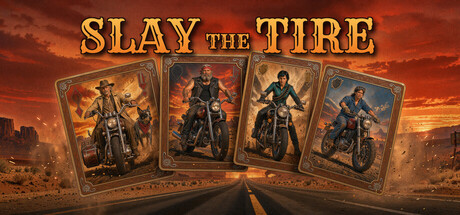
Slay the Tire combines original human authorship with generative AI tools. I designed and wrote the game, its locations, and gameplay. AI assisted with visual assets, including card art, textures, 3D models, scenery, and marketing artwork, as well as audio production and store text. The soundtrack began as music I composed and performed on instruments, then used Suno for styling, orchestration, and production. All content is prepared during development; no AI content is generated during gameplay.
Dealer's Choice was made by a solo developer working with AI assistance. AI tools helped write the game's code and in-game text, and the store artwork and achievement icons were rendered from 3D models built with AI assistance. All of this content was created during development and reviewed by the developer. Nothing in the game is generated by AI while you play.
Generative AI assisted some game text and store descriptions. Promotional images and gameplay screenshots use actual game visuals. No live AI or external AI services. Offline.
The game includes 2D illustrations created with generative AI during development, including characters, enemies and backgrounds. These images were then manually cleaned up, edited and integrated into the game. The game does not generate AI content during gameplay.
Hello! It’s a pleasure to greet you.
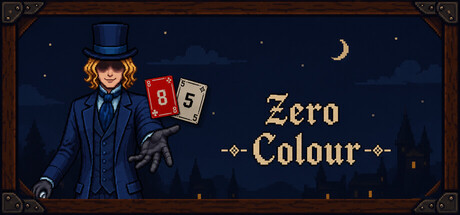
I am the developer of Zero Colour.
As you may notice, some aspects of the game include AI. I understand that some people may not like this or may find it bothersome, so I apologize for that.
I am using this tool because I do not have the resources to hire professionals for the game’s art or translations. Please excuse any mistakes; I did my best.
I hope you enjoy the game. If you have any corrections or suggestions, please feel free to let me know.
Thank you very much!
1) Artwork: card illustrations and other visual assets were created with the help of AI image generation tools, then selected and edited by the developer.
2) Music: the soundtrack was created with the help of AI music generation tools.
The character portraits, ingredient and trick illustrations, bar background and UI artwork in this game were created using generative AI image tools, then selected, cleaned up and integrated by the developer. All gameplay, design, music and sound effects were made without generative AI. The game does not generate any AI content during play and does not connect to any AI services.
Solo devving the art for the cards is practically really long given how many cards are there. So i had to make the cards a bit prettier. Everything else is non AI.
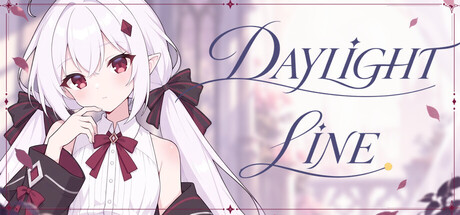
Generative AI assisted with some programming and debugging during the development of Daylight Line. Some in-game visual assets, including battle status icons, were also created with the assistance of generative AI and then processed and integrated by the development team. The game does not generate AI content during gameplay.
Generative AI tools were used during development to assist in creating some artwork, text, and localization used in the game. All AI-assisted content was reviewed, selected, and edited by the developer before being included in the game. No generative AI is used during gameplay.
Music, background, videos and images in this game, especially the artwork, were created using AI tools as a visual supplement.
This creative choice allowed me to focus more time and resources on what matters most, delivering longer, more engaging, and fun gameplay.
AI tools were used during development to assist with portions of the game’s artwork, audio, and gameplay logic, which were refined and integrated by the developer. All AI-assisted content was created in advance; the game does not use real-time generative AI during gameplay.
We’re two developers living on opposite sides of the world, who have been A LOT of sleepless nights building the game and world we wanted to see made possible.
Without AI, this game would not have been possible. Despite that, we know that the world would be portrayed much better with a dedicated team of designers and artists behind it. We've made it a massive priority ours to create all of our visual design with as much human touch as we can to stay true to how we envision the world.
The story, characters, worldbuilding, etc. Are all written by uS. A *very* generous friend is creating the soundtrack. We know everyone has different views on AI generated content and we are committed to being VERY clear of the when and where of it's used. In the long-term, we hope to grow to a point where we rely on AI less, and rely on people more for further development of Vorpus.
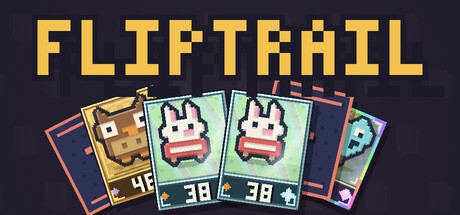
Fliprium contains visual artwork, music, and sound effects created with the assistance of generative AI tools. OpenAI image-generation tools were used for some visual assets, Suno for some music, and ElevenLabs for some sound effects. These assets were selected, edited, and integrated into the game by the developer during production
All 2D visual assets in RindTown—including characters, backgrounds, fruit, icons, machines, and UI elements—were created using generative AI image tools. These generated images were then manually curated, cut, edited, and post-processed by the developer to ensure a strict and consistent "crisp digital anime" art style across the entire game.
Generative AI was used exclusively for creating static art assets during development. No generative AI is used for real-time gameplay logic or text generation while playing.
Generative AI tools were used during development to assist in creating some visual artwork and image assets used in the game. All AI-assisted content was generated prior to release and was reviewed, selected, and integrated by the development team before being included in the final product. The game does not use generative AI during runtime and does not generate content dynamically for players.
This game utilizes generative AI tools to assist in the production of select art, sound, and music assets. However, no raw AI content is used. Every single AI-generated asset has been extensively modified, remade, and personalized by hand to fit the game's specific creative vision.
The card illustrations were made with an AI image tool from our own low-poly style references, then reviewed and placed by hand. All other art, the map, characters, interface, voices and writing were made by people. Store art and screenshots are captured from the game itself. I'm hoping I can replace the card art by proper human art before full release.
Deckbound was designed and directed by a solo developer. Generative AI was used as a tool during development to help write in-game text (card, item and enemy descriptions), and produce the pixel artwork. All of it was reviewed, edited and curated by hand. The game itself does not use AI while you play — nothing is generated in real time.
Some pre-generated visual assets were created with the help of AI image generation tools and then edited by the developer: UI elements (buttons, icons, bars), the game logo, and the campaign zone background art. Some store and community artwork may also use AI-assisted imagery. All gameplay, card art, sound effects and music are procedurally generated by the game's own code, not by AI. No content is generated by AI live during gameplay.
Some art assets of this game were generated with generative AI assistance during development, including character and enemy portraits, card illustrations, icons, chapter backgrounds, UI elements, comic storyboards, and store page promotional images. All assets were generated following directions set by the developer. Every asset was manually screened, edited and adjusted one by one before integration into the game. No AI-generated assets are used without human review.
The art, music, and sound effects in this game were made with the help of generative AI tools, and each piece was selected and refined by the developer. The Chinese and English translations were drafted with AI assistance and will continue to be refined throughout Early Access. The story and dialogue were written by the developer, and the game was designed by the developer.
AI-assisted tools were used during the development of some visual assets, music, and localization. All AI-assisted content has been reviewed, edited, and integrated by the development team, and is used under licenses that permit commercial use.
Generative AI Usage Disclosure
Generative AI tools were used during the development of One Last Shot! to generate or assist with the game’s code, character designs, and visual assets. This includes AI-assisted programming, refactoring, and debugging, as well as AI-generated or AI-assisted character concepts, card artwork, backgrounds, UI elements, and other visual assets.
All AI-generated or AI-assisted content included in the released version was reviewed, edited, integrated, and tested by the development team. The game does not use live generative AI during gameplay, and no text, images, audio, or other content is generated at runtime through an external AI service.
AI tools were used to assist with some of the programming, under the direction and review of the game's developer. AI was also used in the translation process for non-English languages. All art and music were created by human artists.
AI tools (Anthropic Claude) assisted the developer with the code, the vector art, the texts and translations, and the synthesized music and sound effects. Everything was directed and reviewed by the developer. No AI runs in the game and nothing is generated at runtime.
Pre-generated AI-assisted illustrations are used in some in-game artwork and in Steam store and library artwork, including capsule images, the logo, and achievement icons. Gameplay screenshots were captured directly from the game. The game does not generate AI content during play.
Card, character, background, UI and store art, as well as some in-game text and translations, were made with the help of generative AI. The game does not generate any content with AI while it runs.
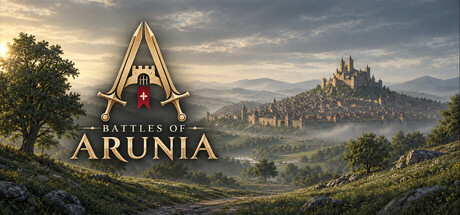
Battles of Arunia uses AI-generated artwork created during development, including card illustrations, character portraits, backgrounds and interface artwork. We plan to replace some placeholder artwork during Early Access, including through voluntary community contributions used with permission. The game does not generate AI content during gameplay.
Generative AI tools were used during development to assist in creating some artwork, music, sound effects, and promotional materials, and in drafting and translating text. These materials are prepared before release. The game does not generate AI content during gameplay or connect to external AI services.
AI tools were used during development to assist in creating and iterating on some pre-generated assets. These assets were subsequently selected, edited, integrated, and reviewed by the developers before inclusion in the game. The game does not generate AI content during gameplay.
Generative AI tools were used during development to create some in-game artwork and sound effects, as well as some store and promotional visual assets. Generative AI also assisted with drafting store descriptions and translating them into English. This content is pre-generated. The game does not generate AI content or connect to external generative AI services during gameplay.
Generative AI assisted the creation of some card and character illustrations, environments, CG artwork, UI and marketing art, music and sound effects, written text and localization, and Mandarin and English voices for characters, tutorials, announcements and bond stories, including narration. These assets are pre-generated, selected, edited and integrated during development. The game does not generate content at runtime or connect to external generative AI services. AI opponents use local game rules and strategy code.
Clearly Cribbage is my first game as a developer. I used AI tools to help with coding, debugging, testing, and working through design ideas while I learned to build it.
The opening studio image, game logo and icon, and some Steam artwork were made with AI image generation under my direction. Some of the licensed music in the game is also identified by its creators as AI-generated. I chose what to use and made the final decisions about the game.
No generative AI creates content while you play.
開発では生成 AI を使っています。生成 AI で作った素材を、開発チームが選んで調整し、ゲームに入れています。
対象は、カードとリーダーのイラスト、キャラクターボイス、BGM です。
ゲーム内の説明文の一部も生成 AI で下書きし、開発チームが確認して直しています。ゲームのルールとカードの効果は、開発チームが決めています。
対戦相手の AI の一部は、手を選ぶために外部の AI サービスを使っています。AI が選ぶのはルール上できる手の中からだけで、絵・文章・音声は作りません。
Generative AI was used as part of the process of creating some sprites and visual assets, which were then edited and adapted by the team to keep them consistent with the game's final art style.
AI tools assisted with a small number of icon images and most text localization. Localized text may be replaced in future updates with higher-quality, human-translated versions.
AI was used as a support tool during development (code assistance and initial image generation). All artwork was individually reworked by hand, and no content is generated live during gameplay.
Slay the Tire combines original human authorship with generative AI tools. I designed and wrote the game, its locations, and gameplay. AI assisted with visual assets, including card art, textures, 3D models, scenery, and marketing artwork, as well as audio production and store text. The soundtrack began as music I composed and performed on instruments, then used Suno for styling, orchestration, and production. All content is prepared during development; no AI content is generated during gameplay.
Dealer's Choice was made by a solo developer working with AI assistance. AI tools helped write the game's code and in-game text, and the store artwork and achievement icons were rendered from 3D models built with AI assistance. All of this content was created during development and reviewed by the developer. Nothing in the game is generated by AI while you play.
Generative AI assisted some game text and store descriptions. Promotional images and gameplay screenshots use actual game visuals. No live AI or external AI services. Offline.
The game includes 2D illustrations created with generative AI during development, including characters, enemies and backgrounds. These images were then manually cleaned up, edited and integrated into the game. The game does not generate AI content during gameplay.
Hello! It’s a pleasure to greet you.
I am the developer of Zero Colour.
As you may notice, some aspects of the game include AI. I understand that some people may not like this or may find it bothersome, so I apologize for that.
I am using this tool because I do not have the resources to hire professionals for the game’s art or translations. Please excuse any mistakes; I did my best.
I hope you enjoy the game. If you have any corrections or suggestions, please feel free to let me know.
Thank you very much!
1) Artwork: card illustrations and other visual assets were created with the help of AI image generation tools, then selected and edited by the developer.
2) Music: the soundtrack was created with the help of AI music generation tools.
The character portraits, ingredient and trick illustrations, bar background and UI artwork in this game were created using generative AI image tools, then selected, cleaned up and integrated by the developer. All gameplay, design, music and sound effects were made without generative AI. The game does not generate any AI content during play and does not connect to any AI services.
Solo devving the art for the cards is practically really long given how many cards are there. So i had to make the cards a bit prettier. Everything else is non AI.
Generative AI assisted with some programming and debugging during the development of Daylight Line. Some in-game visual assets, including battle status icons, were also created with the assistance of generative AI and then processed and integrated by the development team. The game does not generate AI content during gameplay.
Generative AI tools were used during development to assist in creating some artwork, text, and localization used in the game. All AI-assisted content was reviewed, selected, and edited by the developer before being included in the game. No generative AI is used during gameplay.
Music, background, videos and images in this game, especially the artwork, were created using AI tools as a visual supplement.
This creative choice allowed me to focus more time and resources on what matters most, delivering longer, more engaging, and fun gameplay.
AI tools were used during development to assist with portions of the game’s artwork, audio, and gameplay logic, which were refined and integrated by the developer. All AI-assisted content was created in advance; the game does not use real-time generative AI during gameplay.
We’re two developers living on opposite sides of the world, who have been A LOT of sleepless nights building the game and world we wanted to see made possible.
Without AI, this game would not have been possible. Despite that, we know that the world would be portrayed much better with a dedicated team of designers and artists behind it. We've made it a massive priority ours to create all of our visual design with as much human touch as we can to stay true to how we envision the world.
The story, characters, worldbuilding, etc. Are all written by uS. A *very* generous friend is creating the soundtrack. We know everyone has different views on AI generated content and we are committed to being VERY clear of the when and where of it's used. In the long-term, we hope to grow to a point where we rely on AI less, and rely on people more for further development of Vorpus.
Fliprium contains visual artwork, music, and sound effects created with the assistance of generative AI tools. OpenAI image-generation tools were used for some visual assets, Suno for some music, and ElevenLabs for some sound effects. These assets were selected, edited, and integrated into the game by the developer during production
All 2D visual assets in RindTown—including characters, backgrounds, fruit, icons, machines, and UI elements—were created using generative AI image tools. These generated images were then manually curated, cut, edited, and post-processed by the developer to ensure a strict and consistent "crisp digital anime" art style across the entire game.
Generative AI was used exclusively for creating static art assets during development. No generative AI is used for real-time gameplay logic or text generation while playing.
Generative AI tools were used during development to assist in creating some visual artwork and image assets used in the game. All AI-assisted content was generated prior to release and was reviewed, selected, and integrated by the development team before being included in the final product. The game does not use generative AI during runtime and does not generate content dynamically for players.
This game utilizes generative AI tools to assist in the production of select art, sound, and music assets. However, no raw AI content is used. Every single AI-generated asset has been extensively modified, remade, and personalized by hand to fit the game's specific creative vision.
The card illustrations were made with an AI image tool from our own low-poly style references, then reviewed and placed by hand. All other art, the map, characters, interface, voices and writing were made by people. Store art and screenshots are captured from the game itself. I'm hoping I can replace the card art by proper human art before full release.
Deckbound was designed and directed by a solo developer. Generative AI was used as a tool during development to help write in-game text (card, item and enemy descriptions), and produce the pixel artwork. All of it was reviewed, edited and curated by hand. The game itself does not use AI while you play — nothing is generated in real time.
Some pre-generated visual assets were created with the help of AI image generation tools and then edited by the developer: UI elements (buttons, icons, bars), the game logo, and the campaign zone background art. Some store and community artwork may also use AI-assisted imagery. All gameplay, card art, sound effects and music are procedurally generated by the game's own code, not by AI. No content is generated by AI live during gameplay.
Some art assets of this game were generated with generative AI assistance during development, including character and enemy portraits, card illustrations, icons, chapter backgrounds, UI elements, comic storyboards, and store page promotional images. All assets were generated following directions set by the developer. Every asset was manually screened, edited and adjusted one by one before integration into the game. No AI-generated assets are used without human review.
The art, music, and sound effects in this game were made with the help of generative AI tools, and each piece was selected and refined by the developer. The Chinese and English translations were drafted with AI assistance and will continue to be refined throughout Early Access. The story and dialogue were written by the developer, and the game was designed by the developer.
AI-assisted tools were used during the development of some visual assets, music, and localization. All AI-assisted content has been reviewed, edited, and integrated by the development team, and is used under licenses that permit commercial use.
Generative AI Usage Disclosure
Generative AI tools were used during the development of One Last Shot! to generate or assist with the game’s code, character designs, and visual assets. This includes AI-assisted programming, refactoring, and debugging, as well as AI-generated or AI-assisted character concepts, card artwork, backgrounds, UI elements, and other visual assets.
All AI-generated or AI-assisted content included in the released version was reviewed, edited, integrated, and tested by the development team. The game does not use live generative AI during gameplay, and no text, images, audio, or other content is generated at runtime through an external AI service.
AI tools were used to assist with some of the programming, under the direction and review of the game's developer. AI was also used in the translation process for non-English languages. All art and music were created by human artists.
AI tools (Anthropic Claude) assisted the developer with the code, the vector art, the texts and translations, and the synthesized music and sound effects. Everything was directed and reviewed by the developer. No AI runs in the game and nothing is generated at runtime.
Pre-generated AI-assisted illustrations are used in some in-game artwork and in Steam store and library artwork, including capsule images, the logo, and achievement icons. Gameplay screenshots were captured directly from the game. The game does not generate AI content during play.
Card, character, background, UI and store art, as well as some in-game text and translations, were made with the help of generative AI. The game does not generate any content with AI while it runs.
Battles of Arunia uses AI-generated artwork created during development, including card illustrations, character portraits, backgrounds and interface artwork. We plan to replace some placeholder artwork during Early Access, including through voluntary community contributions used with permission. The game does not generate AI content during gameplay.
Generative AI tools were used during development to assist in creating some artwork, music, sound effects, and promotional materials, and in drafting and translating text. These materials are prepared before release. The game does not generate AI content during gameplay or connect to external AI services.
AI tools were used during development to assist in creating and iterating on some pre-generated assets. These assets were subsequently selected, edited, integrated, and reviewed by the developers before inclusion in the game. The game does not generate AI content during gameplay.
Generative AI tools were used during development to create some in-game artwork and sound effects, as well as some store and promotional visual assets. Generative AI also assisted with drafting store descriptions and translating them into English. This content is pre-generated. The game does not generate AI content or connect to external generative AI services during gameplay.
Generative AI assisted the creation of some card and character illustrations, environments, CG artwork, UI and marketing art, music and sound effects, written text and localization, and Mandarin and English voices for characters, tutorials, announcements and bond stories, including narration. These assets are pre-generated, selected, edited and integrated during development. The game does not generate content at runtime or connect to external generative AI services. AI opponents use local game rules and strategy code.
Clearly Cribbage is my first game as a developer. I used AI tools to help with coding, debugging, testing, and working through design ideas while I learned to build it.
The opening studio image, game logo and icon, and some Steam artwork were made with AI image generation under my direction. Some of the licensed music in the game is also identified by its creators as AI-generated. I chose what to use and made the final decisions about the game.
No generative AI creates content while you play.
開発では生成 AI を使っています。生成 AI で作った素材を、開発チームが選んで調整し、ゲームに入れています。
対象は、カードとリーダーのイラスト、キャラクターボイス、BGM です。
ゲーム内の説明文の一部も生成 AI で下書きし、開発チームが確認して直しています。ゲームのルールとカードの効果は、開発チームが決めています。
対戦相手の AI の一部は、手を選ぶために外部の AI サービスを使っています。AI が選ぶのはルール上できる手の中からだけで、絵・文章・音声は作りません。
Generative AI was used as part of the process of creating some sprites and visual assets, which were then edited and adapted by the team to keep them consistent with the game's final art style.
AI tools assisted with a small number of icon images and most text localization. Localized text may be replaced in future updates with higher-quality, human-translated versions.
AI was used as a support tool during development (code assistance and initial image generation). All artwork was individually reworked by hand, and no content is generated live during gameplay.