Public Steam disclosure research25,376 disclosures tracked
Where do games disclose AI use?
Search developers’ Steam disclosures, compare classified AI use across
games, and follow recorded changes.
This index adds cross-game classifications and statistics to
statements published on individual store pages.
Groups reflect automatic analysis of public disclosures; mature records are excluded. These counts do not measure AI use across all of Steam.
Missing or unclear statements cannot establish whether a game uses AI.
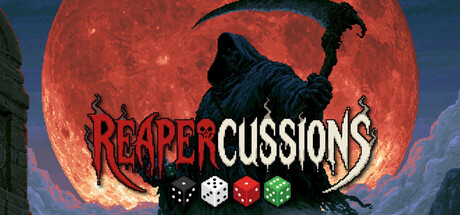
AI tools were used to help create some of the content, which was then selected and edited by the developer: the store page capsule and library images, the achievement icons, some item art, the Reaper cutscene videos, and some voice lines. Most in-game art, sound effects and fonts come from licensed asset packs, and the game's design, writing and rules are hand-crafted by a game designer.
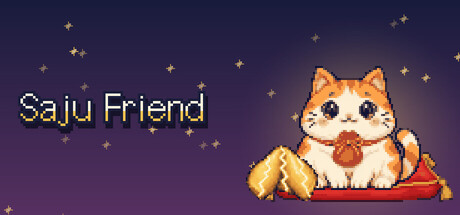
Some 2D pixel-art sprites and illustrations (fortune-game icons, items and backgrounds) were created with the help of AI image tools (PixelLab) and then edited and curated by our developer. All game text, fortune logic, code, sound and the cat character animations are made by the developer or licensed (CC0/OFL).
During development we used procedural and AI-assisted tools to help create some content. The game does not generate any content with AI while you play.
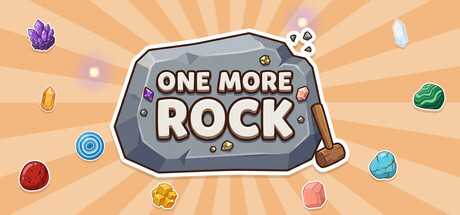
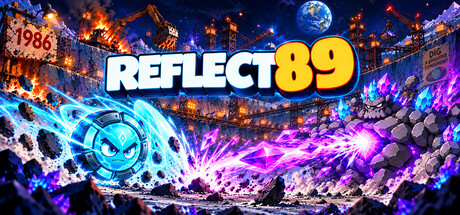
The game's 2D illustrations (rocks, gems, tools, icons and logo) were generated with AI image tools, then cleaned up and edited by the developer. Cracks, rarity effects, particles and animations are made in code. The translations were produced with the help of AI. The store page capsules, screenshots and trailer are built from these same in-game sprites. No content is generated by AI while the game is running.
Generative AI was used to assist with some pre-generated 2D artwork. All AI-assisted assets were selected, edited and integrated by the developer. No generative AI is used during gameplay.
Pre-generated AI content only; nothing is generated live during gameplay.
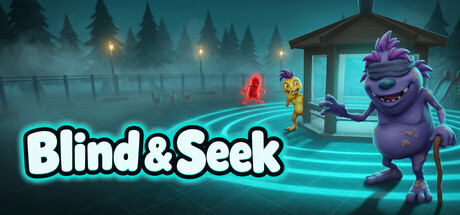
- Some 3D assets (character models, the seeker's bandana and a few props) were
created with AI-assisted 3D generation tools, then edited, rigged and adjusted
by hand before being used in the game.
- Some 2D images (in-game "how to play" board, UI art) were created with AI image
tools and edited by hand.
- Parts of the in-game text localization were produced with AI translation and
reviewed by the developer.
All AI-generated assets were reviewed by us and we hold the rights required to
use and distribute them.
Some of the game's text (menus, hints, minigame descriptions and translations) and the copy on this store page were written with the help of an AI language model. The game does not use AI to create anything while you play.
No AI is used to generate content or code while the game is running, and the game does not connect to any AI service. Sound effects and music are synthesized by the game itself and are not AI-generated.
The game development started around 2019/2025, my official Initial commit on Github was on Jun 7, 2023, means most work has been done without knowing AI.
AI Usage:
AI has been used as mathematician and bughunter - which you really need as one (wo or man) studio - and to generate some small graphics such as achievements. 90% of work has been done by me over the years, I decided now to finish this game after doing it as side project for many years. AI helped me to handle the complexity the data by simulating the game play 100 of times, which would be not possible as single developer having a life outside of the cave. One last: Majority of the shop and ingame translations have been done by AI.
AI was used to translate the game for multi-language support. All other content, including art, animation, sound effects, and music, was either created by the developers or used under license.
The game's music was created with AI tools. The translations of the game's text and of this store page into languages other than French were also made with the help of AI tools. All the game's visuals are drawn by code by the developer.
Some included character, animal, creature and sample images were created with generative AI and then edited and prepared for the product. Generative AI also assisted with localization. MEMEMINT does not generate new images or text with generative AI during use and does not connect to a third-party generative AI service. Its local background-removal feature uses a non-generative segmentation model.
We use generative AI for some of the following elements.
・Some of the in-game art
・Some of the code
・Some of the banners and trailers on the store page
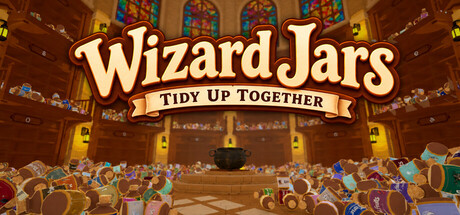
As a solo developer, I used generative AI to help create the game’s 440 different jar labels and localization content. Every label was individually reviewed by me and edited where necessary.
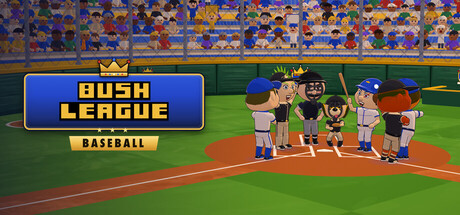
The booth announcer's voice (Chuck Baseball) is generated with ElevenLabs from a script written by the developers. AI tools also assisted with translating the game's text into Simplified Chinese, Japanese, Korean, Spanish, Brazilian Portuguese, Italian and French.
Some art and audio in this game were generated with AI tools during development and edited by the developer. No AI content is generated while the game is running.
This game uses Generative AI tools during development to assist with asset, text, or code generation. All AI-generated content has been manually reviewed, edited, and integrated by the developers.
During development we used generative AI tools to create content that ships with the game: character, creature and environment art and animation frames (generated, then edited and assembled by the team), the hunters' short voice lines, the music, some sound effects, and drafts of in-game and store text. All AI-generated content was reviewed, edited and integrated by the developers. The game does not generate any content with AI while it is running.
Sound effects and music were created with AI audio tools (ElevenLabs) and selected and edited by the developer. Parts of the in-game text, villager dialogue and translations were written with the help of AI and reviewed by the developer. AI coding assistants were used during development, including scripts that build the game's 3D models. No AI generates content while you play.
Some game assets were made with AI generation tools during development and then edited by us: the talent icons, the digger crew sprites, the sound effects and the music. Store descriptions were drafted with AI assistance and reviewed by the developer. Nothing is generated by AI while you play.
Some of the game's pre-made content was created with the help of generative AI tools and then edited and checked by the developer: character, monster, item and background artwork, store artwork, music and sound effects. The game does not generate any content with AI while you play.
As a solo developer AI helped me with:
- fine tuning text and Steam store descriptions
- solve complex coding issues
- visuals are not "ai" generated, but all visuals are programmatically generated within my own software, and the scripts that do that, are optimised by AI coding tools
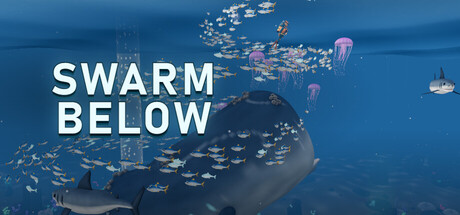
Swarm Below was built with help from an AI assistant. Its 3D models (built by scripts in Blender), its synthesized music and sound effects, and parts of the store page text and art were created with AI assistance under the developer's direction. Nothing is generated by AI while you play.
The game's three music tracks were generated with Suno (a generative AI tool) from prompts written for the game. The game's text and this store page were written with the help of an AI assistant, then reviewed by the team. No AI generates content while you play.
Generative AI tools were used during development to create visual assets, including images and artwork, as well as sound assets. AI tools were also used to assist with localization and the creation of store page descriptions and marketing materials. These assets and texts are prepared in advance. The game does not generate AI content during gameplay.
Generative AI tools were used during development to assist with the creation and refinement of game content. All content included in the final game was reviewed, selected, and integrated by the developer. The game does not generate AI content during gameplay.
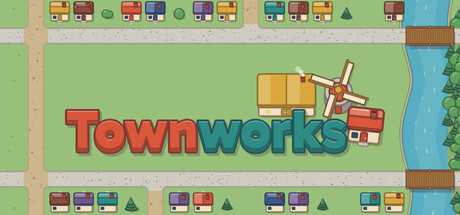
The game's sprites, characters and building artwork were created with generative AI image tools, and the background music tracks were created with generative AI audio tools. All assets were selected and integrated into the game by the developer. Gameplay, design and sound effects were made without generative AI. The game does not generate any AI content during play and does not connect to any AI services.
I've wanted to make games for as long as I can remember but could never learn to code, so AI helped write the code. Some 3D models started as AI-generated base meshes that were then reshaped and repainted by hand, and the arena announcer is an AI voice reading lines we wrote. Everything else is hand-made or licensed.
Parts of the game's code and the store page text were written with the help of an AI assistant. All art, 3D models, sounds and music are not AI-generated: 3D models come from Kenney asset packs (CC0) or are built procedurally in code, visuals and marketing images are rendered in-engine, and sounds and music come from CC0 libraries.
Pre-generated AI was used to assist with some pre-rendered cutscene artwork, in-game art, music, and selected store/library promotional images. All AI-assisted content was reviewed and edited by the developer. The game does not generate AI content during play.
Generative AI tools were used in a supporting role for parts of our art, sound, and translation work. For art assets in particular, we avoid using AI-generated output as-is; AI serves mainly as a starting point and reference, and much of the final artwork is reworked and finalized by our team.
Generative AI was used during development to create some of the game's 2D artwork, UI assets, sound effects, and localized text. This content was prepared before release and is included as part of the game.
Generative AI tools were used during development to assist with the creation of certain 2D visual assets, animations and sound effects. AI tools were also used as development assistance for programming and implementation. All generated content was reviewed and curated by the developer before inclusion in the final game.
Development assistance and pre-generated content: the 3D models, props and characters were built with Blender Python scripts that were written with AI coding assistants (Claude and Codex), and the game code was also written with AI assistance. All sound effects and music are synthesized in code or come from CC0 sample packs; there is no AI-generated voice, no AI-generated images or textures, and nothing is generated live while playing. The store page copy was drafted with AI assistance and reviewed by the developer.
As a solo developer, I used generative AI tools as part of the visual production workflow for selected assets. All final materials were carefully reviewed, edited, and refined by hand before being included in the game.
AI tools were used to help create some of the content, which was then selected and edited by the developer: the store page capsule and library images, the achievement icons, some item art, the Reaper cutscene videos, and some voice lines. Most in-game art, sound effects and fonts come from licensed asset packs, and the game's design, writing and rules are hand-crafted by a game designer.
Some 2D pixel-art sprites and illustrations (fortune-game icons, items and backgrounds) were created with the help of AI image tools (PixelLab) and then edited and curated by our developer. All game text, fortune logic, code, sound and the cat character animations are made by the developer or licensed (CC0/OFL).
During development we used procedural and AI-assisted tools to help create some content. The game does not generate any content with AI while you play.
The game's 2D illustrations (rocks, gems, tools, icons and logo) were generated with AI image tools, then cleaned up and edited by the developer. Cracks, rarity effects, particles and animations are made in code. The translations were produced with the help of AI. The store page capsules, screenshots and trailer are built from these same in-game sprites. No content is generated by AI while the game is running.
Generative AI was used to assist with some pre-generated 2D artwork. All AI-assisted assets were selected, edited and integrated by the developer. No generative AI is used during gameplay.
Pre-generated AI content only; nothing is generated live during gameplay.
- Some 3D assets (character models, the seeker's bandana and a few props) were
created with AI-assisted 3D generation tools, then edited, rigged and adjusted
by hand before being used in the game.
- Some 2D images (in-game "how to play" board, UI art) were created with AI image
tools and edited by hand.
- Parts of the in-game text localization were produced with AI translation and
reviewed by the developer.
All AI-generated assets were reviewed by us and we hold the rights required to
use and distribute them.
Some of the game's text (menus, hints, minigame descriptions and translations) and the copy on this store page were written with the help of an AI language model. The game does not use AI to create anything while you play.
No AI is used to generate content or code while the game is running, and the game does not connect to any AI service. Sound effects and music are synthesized by the game itself and are not AI-generated.
The game development started around 2019/2025, my official Initial commit on Github was on Jun 7, 2023, means most work has been done without knowing AI.
AI Usage:
AI has been used as mathematician and bughunter - which you really need as one (wo or man) studio - and to generate some small graphics such as achievements. 90% of work has been done by me over the years, I decided now to finish this game after doing it as side project for many years. AI helped me to handle the complexity the data by simulating the game play 100 of times, which would be not possible as single developer having a life outside of the cave. One last: Majority of the shop and ingame translations have been done by AI.
AI was used to translate the game for multi-language support. All other content, including art, animation, sound effects, and music, was either created by the developers or used under license.
The game's music was created with AI tools. The translations of the game's text and of this store page into languages other than French were also made with the help of AI tools. All the game's visuals are drawn by code by the developer.
Some included character, animal, creature and sample images were created with generative AI and then edited and prepared for the product. Generative AI also assisted with localization. MEMEMINT does not generate new images or text with generative AI during use and does not connect to a third-party generative AI service. Its local background-removal feature uses a non-generative segmentation model.
We use generative AI for some of the following elements.
・Some of the in-game art
・Some of the code
・Some of the banners and trailers on the store page
As a solo developer, I used generative AI to help create the game’s 440 different jar labels and localization content. Every label was individually reviewed by me and edited where necessary.
The booth announcer's voice (Chuck Baseball) is generated with ElevenLabs from a script written by the developers. AI tools also assisted with translating the game's text into Simplified Chinese, Japanese, Korean, Spanish, Brazilian Portuguese, Italian and French.
Some art and audio in this game were generated with AI tools during development and edited by the developer. No AI content is generated while the game is running.
This game uses Generative AI tools during development to assist with asset, text, or code generation. All AI-generated content has been manually reviewed, edited, and integrated by the developers.
During development we used generative AI tools to create content that ships with the game: character, creature and environment art and animation frames (generated, then edited and assembled by the team), the hunters' short voice lines, the music, some sound effects, and drafts of in-game and store text. All AI-generated content was reviewed, edited and integrated by the developers. The game does not generate any content with AI while it is running.
Sound effects and music were created with AI audio tools (ElevenLabs) and selected and edited by the developer. Parts of the in-game text, villager dialogue and translations were written with the help of AI and reviewed by the developer. AI coding assistants were used during development, including scripts that build the game's 3D models. No AI generates content while you play.
Some game assets were made with AI generation tools during development and then edited by us: the talent icons, the digger crew sprites, the sound effects and the music. Store descriptions were drafted with AI assistance and reviewed by the developer. Nothing is generated by AI while you play.
Some of the game's pre-made content was created with the help of generative AI tools and then edited and checked by the developer: character, monster, item and background artwork, store artwork, music and sound effects. The game does not generate any content with AI while you play.
As a solo developer AI helped me with:
- fine tuning text and Steam store descriptions
- solve complex coding issues
- visuals are not "ai" generated, but all visuals are programmatically generated within my own software, and the scripts that do that, are optimised by AI coding tools
Swarm Below was built with help from an AI assistant. Its 3D models (built by scripts in Blender), its synthesized music and sound effects, and parts of the store page text and art were created with AI assistance under the developer's direction. Nothing is generated by AI while you play.
The game's three music tracks were generated with Suno (a generative AI tool) from prompts written for the game. The game's text and this store page were written with the help of an AI assistant, then reviewed by the team. No AI generates content while you play.
Generative AI tools were used during development to create visual assets, including images and artwork, as well as sound assets. AI tools were also used to assist with localization and the creation of store page descriptions and marketing materials. These assets and texts are prepared in advance. The game does not generate AI content during gameplay.
Generative AI tools were used during development to assist with the creation and refinement of game content. All content included in the final game was reviewed, selected, and integrated by the developer. The game does not generate AI content during gameplay.
The game's sprites, characters and building artwork were created with generative AI image tools, and the background music tracks were created with generative AI audio tools. All assets were selected and integrated into the game by the developer. Gameplay, design and sound effects were made without generative AI. The game does not generate any AI content during play and does not connect to any AI services.
I've wanted to make games for as long as I can remember but could never learn to code, so AI helped write the code. Some 3D models started as AI-generated base meshes that were then reshaped and repainted by hand, and the arena announcer is an AI voice reading lines we wrote. Everything else is hand-made or licensed.
Parts of the game's code and the store page text were written with the help of an AI assistant. All art, 3D models, sounds and music are not AI-generated: 3D models come from Kenney asset packs (CC0) or are built procedurally in code, visuals and marketing images are rendered in-engine, and sounds and music come from CC0 libraries.
Pre-generated AI was used to assist with some pre-rendered cutscene artwork, in-game art, music, and selected store/library promotional images. All AI-assisted content was reviewed and edited by the developer. The game does not generate AI content during play.
Generative AI tools were used in a supporting role for parts of our art, sound, and translation work. For art assets in particular, we avoid using AI-generated output as-is; AI serves mainly as a starting point and reference, and much of the final artwork is reworked and finalized by our team.
Generative AI was used during development to create some of the game's 2D artwork, UI assets, sound effects, and localized text. This content was prepared before release and is included as part of the game.
Generative AI tools were used during development to assist with the creation of certain 2D visual assets, animations and sound effects. AI tools were also used as development assistance for programming and implementation. All generated content was reviewed and curated by the developer before inclusion in the final game.
Development assistance and pre-generated content: the 3D models, props and characters were built with Blender Python scripts that were written with AI coding assistants (Claude and Codex), and the game code was also written with AI assistance. All sound effects and music are synthesized in code or come from CC0 sample packs; there is no AI-generated voice, no AI-generated images or textures, and nothing is generated live while playing. The store page copy was drafted with AI assistance and reviewed by the developer.
As a solo developer, I used generative AI tools as part of the visual production workflow for selected assets. All final materials were carefully reviewed, edited, and refined by hand before being included in the game.