Public Steam disclosure research25,376 disclosures tracked
Where do games disclose AI use?
Search developers’ Steam disclosures, compare classified AI use across
games, and follow recorded changes.
This index adds cross-game classifications and statistics to
statements published on individual store pages.
Groups reflect automatic analysis of public disclosures; mature records are excluded. These counts do not measure AI use across all of Steam.
Missing or unclear statements cannot establish whether a game uses AI.
Generative AI was used with human review to assist with portions of the store page text, promotional artwork, and illustrative building blueprint previews. These illustrations are development artwork; actual gameplay appearance may vary. During gameplay, a locally running language model generates text responses in the AI OS tablet and robot chat interfaces. Robot gathering and construction actions use programmed game systems. The language model runs on the player’s computer and does not require an external third-party AI service.
Some of the game's content was created with the help of generative AI tools (some of the illustrations and the English translation), then reworked, curated and integrated by the developer. The game does not generate any AI content in real time.
Drugrunners uses generative AI tools to help create some in-game visual assets, including icons, item art, and background artwork. This content is generated in advance during development. The game does not use AI to generate content live or in response to player input during gameplay.
Artwork, video and voice performances in this game were created with generative-AI tools and selected and edited by the author; the writing was drafted with AI assistance and reviewed by the author. Nothing is generated while you play.
Generative AI tools assisted in producing content for the game and its store materials, including some images, music and character voices. Starlit Hall Studio designs, selects, revises, integrates and reviews the final content. All content is prepared before release; the game does not generate content or connect to generative AI services during play.
Some pre-rendered visual and audio assets were created with the assistance of generative AI tools during development. All such content was reviewed, edited, and finalized by the developer before shipping. The game does not use AI to generate content during gameplay.
I would use pictures, send them through Nano Banana to enhance and modify (Example: silver eyes for Bees) then have AI turn the creatures into sprites. Game mechanics are all mine but AI would make the Pop up's. (Example: For a $5 bonus correctly spell the territory you captured.) A few sounds are AI generated.
This game uses generative AI in the creation of the following content:
- Parts of the ending animations and still illustrations
- Parts of the scenario text
- UI artwork
- Store page assets such as the logo and key visual
- Store page text in languages other than Japanese
All generated assets were reviewed, selected and edited by our team before being included in the final build. No content is generated by AI while the game is running.
Part of the game's artwork - backgrounds, character illustrations, and CG images - was created with the assistance of generative AI tools, and some background music tracks and character voice lines were produced using AI music and AI speech generation services. All AI-assisted assets were reviewed and selected by the developer. The story, characters, and writing were authored by the developer. The game also includes an optional runtime AI dialogue feature that runs on a local model bundled with the game, fully offline; it generates short character replies only and cannot change the story or endings.
Generative AI tools were used during development to assist with the creation of some visual assets, textures, and promotional artwork. All AI-assisted content was reviewed, selected, edited where appropriate, and integrated by the developer.
Generative AI tools were used during development to assist in creating some visual assets, music, sound effects, and voice-over content. All AI-generated content was created and reviewed prior to its inclusion in the game. The game does not generate AI content during gameplay.
In-game icons and background assets were generated with AI and then manually adjusted
Promotional images and promotional videos were generated with AI and then manually adjusted
Some of this game's art and audio were made with generative AI tools and then edited and modified by the developer. All of it is pre-generated during development. No AI runs live during gameplay. The game's code, design and writing are authored by the developer.
Generative AI was used only in the preparation of selected promotional images for the game’s Steam page. It assisted with creating and refining background artwork in the game’s visual style. The developer reviewed the results, adapted them to the required dimensions, and added the official SkillHouse logo. The game does not generate any content using AI during gameplay.
Generative AI was used during development for certain supernatural visual elements and pre-rendered video sequences, and to assist with some visual design, UI, localization, code modifications, and limited narrative design. All live-action footage of Osaka Castle Park was filmed on location. No AI-generated content is created during gameplay.
The English translation and some store page materials (text and logo artwork) were created with the help of generative AI tools, then reviewed and edited by the developer The original Spanish game text was written by the developer. No AI is used while you play.
Generative AI tools were used during development to assist with creating and refining a limited number of sprites, images, and sound effects. All resulting assets were reviewed, edited where necessary, and approved before inclusion in the game. The game does not generate AI content during gameplay.
1. This game uses AI to interact with the input text commands.
2. Some of the art resources and music assets in the game are generated by AI during the development stage.
The story outline, the characters, and the five branching endings were created by hand. On that basis, the script prose, the 357 background illustrations, the soundtrack and the sound effects were generated with AI and individually reviewed by the developer before inclusion; candidates that did not pass were discarded and are not in the game. The English and Japanese translations were produced with AI and spot-checked by the developer. The store artwork and trailer also use AI-generated images.
No AI runs while you play. All content is fixed at release.
Almost all graphic elements in the game were created using artificial intelligence tools and subsequently refined in graphic editing software to ensure visual consistency. Non-English translations are generated automatically.
No AI-generated content is created in real time during gameplay. All graphical assets are static and pre-rendered.
KiosuneVN ships no generative AI: nothing it draws, composes or exports comes out of an AI model, it makes no calls to any AI service, and nothing you make is collected or sent anywhere. The developer used an AI assistant (Claude) to help write parts of the application's code and this store page's text; every character, sprite, cue and starter script the tools produce comes from hand-built, deterministic engines.
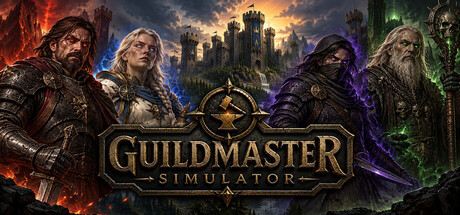
Guildmaster Simulator is developed independently, and I use generative AI as one of the tools that helps me bring the game to life. As I am not a professional graphic designer or illustrator, AI-assisted tools have helped me create selected visual assets, character artwork, interface elements and promotional imagery that I can then review, refine and adapt to fit the game’s established style.
Generative AI has also assisted with portions of the game’s written content, including some quest, event and narrative text. All AI-assisted content is reviewed, edited and shaped by me before being included in the game to ensure it fits the world, characters, gameplay systems and overall creative direction of Guildmaster Simulator.
No generative AI is used during gameplay. All AI-assisted content is created during development and is fixed within the shipped game.
Generative AI tools were used during development to create or assist with 3D models, voice audio, and translations/localization. Generative AI was also used to create and edit promotional artwork for the Steam store and library, including capsule images, backgrounds, and logo artwork.
Deepwood Valley uses a generative AI language model to power conversations with the
characters who live in the valley. The model runs entirely on your own computer — no
account is required, and nothing you type is sent to us or to any third party.
Every line of AI-generated dialogue passes through a deterministic content filter
before it is displayed. This filter is compiled into the game, runs on all generated
speech without exception, and cannot be turned off by the player or by mods.
Character personalities, story, world design, and all art and audio are authored by
our team.
Some visual assets used in the game and its store page were created with generative AI tools and subsequently edited and integrated into the final presentation.
Parts of this game's 2D artwork (event panels, backgrounds, UI elements) were created using generative AI tools and were then curated, corrected and finished by our artist. Some music and ambience tracks were produced with AI assistance and manually edited. Event texts were drafted with LLM assistance and fully reviewed, edited and approved by the developers. The game contains NO live/runtime AI generation: all content is pre-generated and human-reviewed before shipping. No third-party copyrighted material and no real persons' likenesses were used in prompts.
Some of the images on our store page were created by artificial intelligence and edits were made on the images. and some images in the game were made by artificial intelligence.
Generative AI tools were used during development to create and revise pre-generated illustrations, narrative text, localization and promotional artwork. Content is prepared before play; the game does not generate AI content at runtime or connect to an external AI service during play.
Generative AI was used to brainstorm some character images (but not directly used), and to render some static backgrounds. I also argued with it about coding bugs. It was helpful but not smart.
Lost Gaijin uses generative AI during development and gameplay. Selected pre-generated visual and audio assets used in the game and its Steam materials were created or edited with generative AI tools and reviewed by the developer. During play, text-generating AI responds to player input and game state to create dynamic story content and personalized Japanese-language coaching. Live-generated text is provided through OpenRouter and may vary between playthroughs.
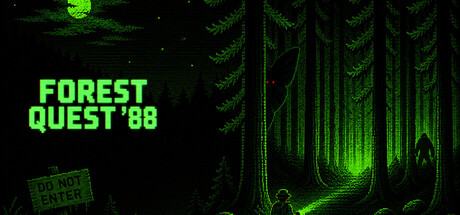
The branching narrative in FOREST QUEST '88 was generated during development using a locally-run AI language model (an offline Dolphin/LLaMA-family model via Ollama). All AI-generated text was produced ahead of time, then reviewed, edited, and curated by the developer before being baked into the finished game as fixed, hand-checked content. The shipped game contains no live AI generation — it plays back a static, pre-authored story. No player data is sent to any AI service; the game runs fully offline.
The Therapist was developed with the assistance of generative AI tools. AI was used to assist with programming and to generate certain visual and audio assets included in the game. The game's core concept, narrative direction, game design, mechanics, and creative direction were conceived and developed by the game's creator. AI-generated assets were selected, edited, integrated, and directed as part of the game's overall creative process.
Generative AI tools were used during development to create or refine selected visual and text assets. All such content was pre-generated, reviewed, and edited before use; the game does not use live generative AI.
Generative AI tools were used during development to assist with the creation of visual assets (backgrounds, character art, and UI elements), draft narrative ideas, and compose the background music. All generated visual and text materials were curated, manually edited, and refined by the developer.
Generative AI was used with human review to assist with portions of the store page text, promotional artwork, and illustrative building blueprint previews. These illustrations are development artwork; actual gameplay appearance may vary. During gameplay, a locally running language model generates text responses in the AI OS tablet and robot chat interfaces. Robot gathering and construction actions use programmed game systems. The language model runs on the player’s computer and does not require an external third-party AI service.
Some of the game's content was created with the help of generative AI tools (some of the illustrations and the English translation), then reworked, curated and integrated by the developer. The game does not generate any AI content in real time.
Drugrunners uses generative AI tools to help create some in-game visual assets, including icons, item art, and background artwork. This content is generated in advance during development. The game does not use AI to generate content live or in response to player input during gameplay.
Artwork, video and voice performances in this game were created with generative-AI tools and selected and edited by the author; the writing was drafted with AI assistance and reviewed by the author. Nothing is generated while you play.
Generative AI tools assisted in producing content for the game and its store materials, including some images, music and character voices. Starlit Hall Studio designs, selects, revises, integrates and reviews the final content. All content is prepared before release; the game does not generate content or connect to generative AI services during play.
Some pre-rendered visual and audio assets were created with the assistance of generative AI tools during development. All such content was reviewed, edited, and finalized by the developer before shipping. The game does not use AI to generate content during gameplay.
I would use pictures, send them through Nano Banana to enhance and modify (Example: silver eyes for Bees) then have AI turn the creatures into sprites. Game mechanics are all mine but AI would make the Pop up's. (Example: For a $5 bonus correctly spell the territory you captured.) A few sounds are AI generated.
This game uses generative AI in the creation of the following content:
- Parts of the ending animations and still illustrations
- Parts of the scenario text
- UI artwork
- Store page assets such as the logo and key visual
- Store page text in languages other than Japanese
All generated assets were reviewed, selected and edited by our team before being included in the final build. No content is generated by AI while the game is running.
Part of the game's artwork - backgrounds, character illustrations, and CG images - was created with the assistance of generative AI tools, and some background music tracks and character voice lines were produced using AI music and AI speech generation services. All AI-assisted assets were reviewed and selected by the developer. The story, characters, and writing were authored by the developer. The game also includes an optional runtime AI dialogue feature that runs on a local model bundled with the game, fully offline; it generates short character replies only and cannot change the story or endings.
Generative AI tools were used during development to assist with the creation of some visual assets, textures, and promotional artwork. All AI-assisted content was reviewed, selected, edited where appropriate, and integrated by the developer.
Generative AI tools were used during development to assist in creating some visual assets, music, sound effects, and voice-over content. All AI-generated content was created and reviewed prior to its inclusion in the game. The game does not generate AI content during gameplay.
In-game icons and background assets were generated with AI and then manually adjusted
Promotional images and promotional videos were generated with AI and then manually adjusted
Some of this game's art and audio were made with generative AI tools and then edited and modified by the developer. All of it is pre-generated during development. No AI runs live during gameplay. The game's code, design and writing are authored by the developer.
Generative AI was used only in the preparation of selected promotional images for the game’s Steam page. It assisted with creating and refining background artwork in the game’s visual style. The developer reviewed the results, adapted them to the required dimensions, and added the official SkillHouse logo. The game does not generate any content using AI during gameplay.
Generative AI was used during development for certain supernatural visual elements and pre-rendered video sequences, and to assist with some visual design, UI, localization, code modifications, and limited narrative design. All live-action footage of Osaka Castle Park was filmed on location. No AI-generated content is created during gameplay.
The English translation and some store page materials (text and logo artwork) were created with the help of generative AI tools, then reviewed and edited by the developer The original Spanish game text was written by the developer. No AI is used while you play.
Generative AI tools were used during development to assist with creating and refining a limited number of sprites, images, and sound effects. All resulting assets were reviewed, edited where necessary, and approved before inclusion in the game. The game does not generate AI content during gameplay.
1. This game uses AI to interact with the input text commands.
2. Some of the art resources and music assets in the game are generated by AI during the development stage.
The story outline, the characters, and the five branching endings were created by hand. On that basis, the script prose, the 357 background illustrations, the soundtrack and the sound effects were generated with AI and individually reviewed by the developer before inclusion; candidates that did not pass were discarded and are not in the game. The English and Japanese translations were produced with AI and spot-checked by the developer. The store artwork and trailer also use AI-generated images.
No AI runs while you play. All content is fixed at release.
Almost all graphic elements in the game were created using artificial intelligence tools and subsequently refined in graphic editing software to ensure visual consistency. Non-English translations are generated automatically.
No AI-generated content is created in real time during gameplay. All graphical assets are static and pre-rendered.
KiosuneVN ships no generative AI: nothing it draws, composes or exports comes out of an AI model, it makes no calls to any AI service, and nothing you make is collected or sent anywhere. The developer used an AI assistant (Claude) to help write parts of the application's code and this store page's text; every character, sprite, cue and starter script the tools produce comes from hand-built, deterministic engines.
Guildmaster Simulator is developed independently, and I use generative AI as one of the tools that helps me bring the game to life. As I am not a professional graphic designer or illustrator, AI-assisted tools have helped me create selected visual assets, character artwork, interface elements and promotional imagery that I can then review, refine and adapt to fit the game’s established style.
Generative AI has also assisted with portions of the game’s written content, including some quest, event and narrative text. All AI-assisted content is reviewed, edited and shaped by me before being included in the game to ensure it fits the world, characters, gameplay systems and overall creative direction of Guildmaster Simulator.
No generative AI is used during gameplay. All AI-assisted content is created during development and is fixed within the shipped game.
Generative AI tools were used during development to create or assist with 3D models, voice audio, and translations/localization. Generative AI was also used to create and edit promotional artwork for the Steam store and library, including capsule images, backgrounds, and logo artwork.
Deepwood Valley uses a generative AI language model to power conversations with the
characters who live in the valley. The model runs entirely on your own computer — no
account is required, and nothing you type is sent to us or to any third party.
Every line of AI-generated dialogue passes through a deterministic content filter
before it is displayed. This filter is compiled into the game, runs on all generated
speech without exception, and cannot be turned off by the player or by mods.
Character personalities, story, world design, and all art and audio are authored by
our team.
Some visual assets used in the game and its store page were created with generative AI tools and subsequently edited and integrated into the final presentation.
Parts of this game's 2D artwork (event panels, backgrounds, UI elements) were created using generative AI tools and were then curated, corrected and finished by our artist. Some music and ambience tracks were produced with AI assistance and manually edited. Event texts were drafted with LLM assistance and fully reviewed, edited and approved by the developers. The game contains NO live/runtime AI generation: all content is pre-generated and human-reviewed before shipping. No third-party copyrighted material and no real persons' likenesses were used in prompts.
Some of the images on our store page were created by artificial intelligence and edits were made on the images. and some images in the game were made by artificial intelligence.
Generative AI tools were used during development to create and revise pre-generated illustrations, narrative text, localization and promotional artwork. Content is prepared before play; the game does not generate AI content at runtime or connect to an external AI service during play.
Generative AI was used to brainstorm some character images (but not directly used), and to render some static backgrounds. I also argued with it about coding bugs. It was helpful but not smart.
Lost Gaijin uses generative AI during development and gameplay. Selected pre-generated visual and audio assets used in the game and its Steam materials were created or edited with generative AI tools and reviewed by the developer. During play, text-generating AI responds to player input and game state to create dynamic story content and personalized Japanese-language coaching. Live-generated text is provided through OpenRouter and may vary between playthroughs.
The branching narrative in FOREST QUEST '88 was generated during development using a locally-run AI language model (an offline Dolphin/LLaMA-family model via Ollama). All AI-generated text was produced ahead of time, then reviewed, edited, and curated by the developer before being baked into the finished game as fixed, hand-checked content. The shipped game contains no live AI generation — it plays back a static, pre-authored story. No player data is sent to any AI service; the game runs fully offline.
The Therapist was developed with the assistance of generative AI tools. AI was used to assist with programming and to generate certain visual and audio assets included in the game. The game's core concept, narrative direction, game design, mechanics, and creative direction were conceived and developed by the game's creator. AI-generated assets were selected, edited, integrated, and directed as part of the game's overall creative process.
Generative AI tools were used during development to create or refine selected visual and text assets. All such content was pre-generated, reviewed, and edited before use; the game does not use live generative AI.
Generative AI tools were used during development to assist with the creation of visual assets (backgrounds, character art, and UI elements), draft narrative ideas, and compose the background music. All generated visual and text materials were curated, manually edited, and refined by the developer.