








Disclosure
Generative AI was used to create some promotional artwork.
- Creator
- Nick
- Reviews
- -
- Added
- Oct 10, 2026
Public Steam disclosure research 25,376 disclosures tracked
Search developers’ Steam disclosures, compare classified AI use across games, and follow recorded changes. This index adds cross-game classifications and statistics to statements published on individual store pages.
Code help, debugging and other development work.
Capsule art, trailers and promotional material.
Pre-made art, audio, writing and other game assets.
Interactive or runtime AI features disclosed by the developer.
Groups reflect automatic analysis of public disclosures; mature records are excluded. These counts do not measure AI use across all of Steam. Missing or unclear statements cannot establish whether a game uses AI.
Generative AI was used to create some promotional artwork.
Generative AI tools were used to assist in the creation of various assets for the game. All generated graphics were subsequently edited, refined, and adjusted in Adobe Photoshop by the developer. No AI-generated graphics are used directly in the game without manual editing and refinement.
Generative AI tools were used in the development of some visual assets, primarily to help enhance and upscale textures and create additional variations. All assets were reviewed and integrated by the development team as part of the game's art pipeline.
Generative AI assisted some game art, store illustrations, logos and icons. Screenshots show the actual development build. No AI content is generated during gameplay.
Generative AI was used during development to create early drafts of some graphical resources and to help further develop and refine game design concepts. All AI-assisted materials were reviewed and adjusted by the development team before being used in the final game.
用AI来辅助制作宣传素材
Generative AI used in the creation of images and coding.
Generative AI was used during development to assist with pre-rendered character and environment artwork, animations, music and sound effects, and portions of narrative writing and localization. These materials are included as fixed game assets. The game does not generate AI content or connect to external AI services during gameplay.
Generative AI tools were used during development to create some in-game artwork, including robot sprites and relic icons, and promotional artwork, including the game logo and Steam store artwork. These assets are pre-generated. The game does not generate AI content or connect to AI services during gameplay.
Store page capsule art was made with the help of generative AI.
The game's artwork, audio and other assets are not AI-generated. The game engine is written from scratch over the course of 8 months in C++ and Simple DirectMedia Layer 2; in which Codex assistance was used for programming. No content is generated by AI during gameplay. No AI service is used during gameplay. All AI actions in the game are classic decision tree based intelligence made.
Doctrine Strike uses generative AI in its art pipeline. Unit models, structures, faction artwork, and the key art on this page were produced with AI image and 3D generation tools, then reviewed, edited and assembled by the team before shipping. Every asset that reaches the game passes human review. While playing, players can also generate landmark models, units and faction artwork from their own text descriptions. This uses third-party AI services reached through our own server and costs credits bought in-game through Steam. The results are stored only on the player's own computer and are never shared with other players.
In the game itself, all graphics and sound effects are drawn and synthesized by the game's own code, which was also written with AI assistance. The game contains no AI-generated image, voice or music files, and nothing is generated by AI while you play.
This game utilizes art, sounds and code created in part by generative AI.
The music, most sound effects and a few sprites and icons were made with AI assistance and reviewed by the team. Store graphics were assembled with AI assistance from the team's own artwork. No AI generates content while you play.
ZANOKA is made by a solo developer. All of its art began as hand-made drawings, sketches and pixel art, including concept art by artist Malaika Raheel. AI-assisted tools were used for polishing, frame interpolation and translation.
Generative AI was used to create or assist in the creation of some visual assets and promotional artwork, as well as music tracks used in the game.
Some store artwork (key art, logo and capsule images) and some in-game icons were created with the help of generative AI tools, then reviewed and edited by the developer. Some in-game text translations were drafted with AI and reviewed by the developer. 3D models, textures and animations come from licensed asset packs. No content is generated by AI while you play.
The in game graphics were generated with ai.
AI tools were used during development to create music, selected sound effects and promotional artwork, and to assist with written content and translations. Content is prepared in advance; no AI content is generated during gameplay.
AI tools were used under the developer’s creative direction to assist with implementation, interface text, localization, documentation, procedural visuals, and selected promotional artwork, including the manual’s cover. No generative AI runs during gameplay.
Some 2D artwork and visual assets were created with the assistance of generative AI tools during development and were reviewed and edited by the developer. The game does not generate AI content during gameplay.
Generative AI tools were used to create visual artwork for the game and its marketing, and to assist with store-page text. These materials are prepared in advance. Temple Breaker does not generate content with AI during gameplay.
The remake's 3D robots, arenas and animation were produced with AI-assisted generation tools (image-to-3D and image generation) from the original game's designs, then authored, repaired and reviewed by hand in Blender and Unreal. The menu art shown in HD is AI-remastered from the original game's pictures, and the store page artwork was AI-generated from renders of our in-game robots. All AI content is pre-made during development; nothing is generated while you play. The music and sound effects are the original recordings, remastered without AI.
Some in-game artwork (sprites, icons and illustrations), sound effects, music and localized text were created with the help of generative AI tools, then edited, curated and reviewed by the developer. No content is generated by AI during gameplay.
Some content was pre-generated with AI tools during development and then edited by the developer.
The visuals, music, sound effects, store art, trailer and text for CYBERBIKES were made with the help of AI under my direction, built in code with Blender and Godot. LINK's voice is pre-recorded text-to-speech from the open Kokoro model. Nothing is generated while you play.
Generative AI tools were used during development to assist in creating and refining some of the game's visual assets and artwork. These assets were subsequently selected, edited, adapted, and integrated into the game by the developer. No generative AI is used during gameplay, and the game does not generate content dynamically for players.
AI was used for in-game translations of UI, tutorial and caption text. It was also used to translate the store page content into non-English locales.
AI tools helped create models, art, textures, music and English localization.
Generative AI tools were used during development to create some artwork, 3D assets, music, sound effects and localization text. These assets are prepared before release. The game does not generate AI content during play or connect to external AI services.
We have used AI for the translations.
The art, sound effects and voicelines are AI generated. Ideally, if the game makes some amount of $ I will replace all AI generate content. Read more about AI usage here: https://www.sdgames.co/blog/shades-of-europa-steam-page-and-demo
Generative AI assisted with some programming and debugging during the development of Daylight Line. Some in-game visual assets, including battle status icons, were also created with the assistance of generative AI and then processed and integrated by the development team. The game does not generate AI content during gameplay.
Generative AI tools were used during development to create some visual assets and to assist with writing, modifying, and debugging code. All AI-generated or AI-assisted content was reviewed, adjusted, and integrated by the developer. The game does not use generative AI to create content during gameplay.
Some of the game's content was created with the help of generative AI tools and then reviewed, edited and integrated by the developer: parts of the 3D unit and vehicle models and their textures, the key art and store artwork, backgrounds, voice lines and music.
Generative AI was used during development to create selected pre-generated visual assets, including some character models, weapon presentation models and related images, as well as some promotional artwork for the store. These assets were selected, post-processed and integrated by the developer. Store gameplay screenshots are captured from the running game and have not been generatively altered; they may show game content that uses pre-generated AI assets. The current game does not call generative AI services or generate new content during play.
Clade is made by a small independent developer. During development, AI tools were used to help write some of the game's code, and to create some placeholder 3D models and text. All placeholder art is being replaced with handmade work, and this note will be updated as that happens. The game does not generate any content with AI while you play. The computer controlled empires are traditional game AI written for Clade, not generative AI.
Generative AI was used during development to assist in creating some character, monster, pet, environment, item icon, and promotional artwork, as well as to support programming and multilingual text translation. The resulting content was selected, adjusted, and integrated into the game by the developer. This content is created in advance during development; the game does not generate AI content in real time during gameplay.
AI was used as coding assistant, to create localization and also to mix and master sound and video files.
Generative AI tools were used during development to create and refine visual artwork, including spacecraft images, environments, story illustrations, and promotional graphics. This content was prepared during development and is included as fixed assets. Fleet Forge does not generate AI artwork, dialogue, or other content during gameplay.
The 3D character models and their textures in this game were created using a generative AI tool (Tripo AI), based on original images prepared by the developer. ChatGPT / DALL·E were also used to create UI icons, background art (sky and grass), and some textures. All generated results were reviewed and adjusted by the developer before being included in the game. The game does not generate any AI content at runtime.
Generative AI was used to help create some of the game's art assets, concept art, and promotional images, which were then selected, refined, and integrated by the developer.
Parts of the game's code and in-game text were written with AI assistance and edited by hand. The store capsule art was generated with AI image tools from the game's own visual style and then edited. No AI-generated image or audio files ship inside the game itself: every graphic is drawn in code while it runs, and all music and sound are synthesised live.
Some pre-generated assets were created with generative AI tools and then reviewed and edited by the developer: chapter illustrations and mission background images shown in the menus, some badge (achievement) artwork, four mission-category icons, and six short cockpit voice alerts (text-to-speech). Gameplay, terrain, aircraft models, flight physics, mission design, and all in-game text were authored by the developer. The game does not generate any content at runtime.
Generative AI tools may be used during development to assist in creating certain pre-generated visual, written, audio, or marketing content. All such content is reviewed and curated by the development team before inclusion. The game does not use generative AI to generate content during gameplay.
This game was created with extensive AI assistance. AI-generated and AI-assisted content is used in the game, store artwork, descriptions and trailer. This includes graphics and artwork, text, and contributions to programming, music and trailer production. The trailer and screenshots show actual footage captured from the game. No generative AI content is created during gameplay, and the game does not connect to external AI services while being played.
AI tools were used to help with the game's localization and parts of the music
some 2D art elements & some audio
Textures, Sprites and Art is AI generated. Lots of manual modification take place after the AI generates the first pass.
| Title⇅ | Disclosure | Creator⇅ | Src | Reviews⇅ | Added↓ |
|---|---|---|---|---|---|
 Hyped Store/marketing art | Generative AI was used to create some promotional artwork. | Nick | - | Oct 10, 2026 | |
 Spot the Difference Fighter In-game content art | Generative AI tools were used to assist in the creation of various assets for the game. All generated graphics were subsequently edited, refined, and adjusted in Adobe Photoshop by the developer. No AI-generated graphics are used directly in the game without manual editing and refinement. | hirohasu | - | Oct 10, 2026 | |
 Mightmancer In-game content art | Generative AI tools were used in the development of some visual assets, primarily to help enhance and upscale textures and create additional variations. All assets were reviewed and integrated by the development team as part of the game's art pipeline. | Haphazardly | - | Oct 10, 2026 | |
 xiukov In-game content art | Generative AI assisted some game art, store illustrations, logos and icons. Screenshots show the actual development build. No AI content is generated during gameplay. | Luyu Games | - | Oct 10, 2026 | |
 IGNOTUS Dev only art | Generative AI was used during development to create early drafts of some graphical resources and to help further develop and refine game design concepts. All AI-assisted materials were reviewed and adjusted by the development team before being used in the final game. | Nero-Pon | - | Oct 10, 2026 | |
 奇迹觉醒之大天使传奇 Store/marketing art | 用AI来辅助制作宣传素材 | 奇迹觉醒 | - | Oct 10, 2026 | |
 Monster Miner Unclear artcode | Generative AI used in the creation of images and coding. | Jewel Shot Games | - | Oct 10, 2026 | |
 玄境 In-game content artaudiotext | Generative AI was used during development to assist with pre-rendered character and environment artwork, animations, music and sound effects, and portions of narrative writing and localization. These materials are included as fixed game assets. The game does not generate AI content or connect to external AI services during gameplay. | FunPlaceGame | - | Oct 10, 2026 | |
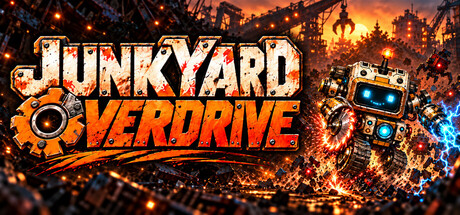 Junkyard Overdrive In-game content art | Generative AI tools were used during development to create some in-game artwork, including robot sprites and relic icons, and promotional artwork, including the game logo and Steam store artwork. These assets are pre-generated. The game does not generate AI content or connect to AI services during gameplay. | AfterGlow Games | - | Oct 10, 2026 | |
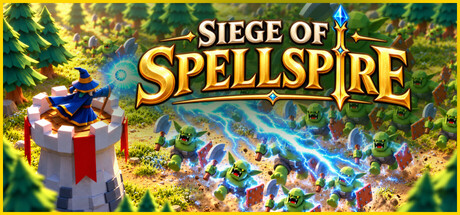 Siege of Spellspire Store/marketing art | Store page capsule art was made with the help of generative AI. | Weekend Almond | - | Oct 10, 2026 | |
 Fleets of Calder Dev only code | The game's artwork, audio and other assets are not AI-generated. The game engine is written from scratch over the course of 8 months in C++ and Simple DirectMedia Layer 2; in which Codex assistance was used for programming. No content is generated by AI during gameplay. No AI service is used during gameplay. All AI actions in the game are classic decision tree based intelligence made. | Strike Wings Games | - | Oct 10, 2026 | |
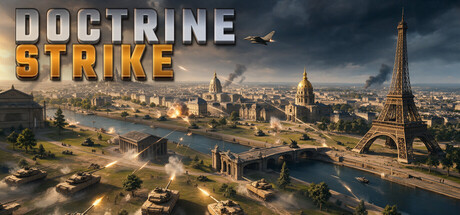 Doctrine Strike Live AI art | Doctrine Strike uses generative AI in its art pipeline. Unit models, structures, faction artwork, and the key art on this page were produced with AI image and 3D generation tools, then reviewed, edited and assembled by the team before shipping. Every asset that reaches the game passes human review.
While playing, players can also generate landmark models, units and faction artwork from their own text descriptions. This uses third-party AI services reached through our own server and costs credits bought in-game through Steam. The results are stored only on the player's own computer and are never shared with other players. | Triple O Games | - | Oct 10, 2026 | |
 Crateball In-game content artaudiocode | In the game itself, all graphics and sound effects are drawn and synthesized by the game's own code, which was also written with AI assistance. The game contains no AI-generated image, voice or music files, and nothing is generated by AI while you play. | rafi | - | Oct 10, 2026 | |
 Chaos Trigger In-game content artaudiocode | This game utilizes art, sounds and code created in part by generative AI. | Topjimmies | - | Oct 10, 2026 | |
 Theos In-game content artaudio | The music, most sound effects and a few sprites and icons were made with AI assistance and reviewed by the team. Store graphics were assembled with AI assistance from the team's own artwork. No AI generates content while you play. | OCoding | - | Oct 9, 2026 | |
 Zanoka In-game content arttext | ZANOKA is made by a solo developer. All of its art began as hand-made drawings, sketches and pixel art, including concept art by artist Malaika Raheel. AI-assisted tools were used for polishing, frame interpolation and translation. | ZanokaGameDev | - | Oct 9, 2026 | |
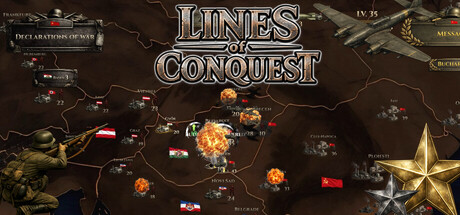 Lines of Conquest In-game content artaudio | Generative AI was used to create or assist in the creation of some visual assets and promotional artwork, as well as music tracks used in the game. | DIGIS | - | Oct 9, 2026 | |
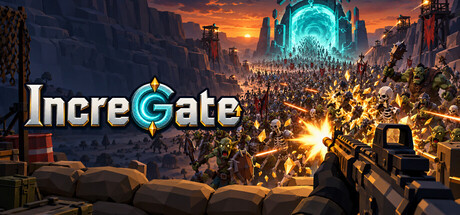 IncreGate In-game content arttext | Some store artwork (key art, logo and capsule images) and some in-game icons were created with the help of generative AI tools, then reviewed and edited by the developer. Some in-game text translations were drafted with AI and reviewed by the developer. 3D models, textures and animations come from licensed asset packs. No content is generated by AI while you play. | STAGE Games | - | Oct 9, 2026 | |
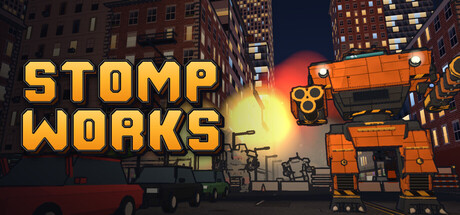 Stompworks In-game content art | The in game graphics were generated with ai. | KRUMB Games | - | Oct 9, 2026 | |
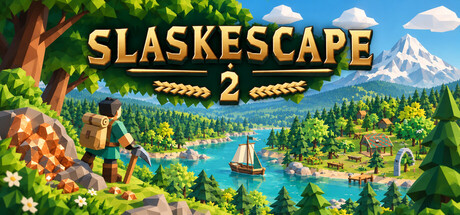 Slaskescape 2 In-game content audiotextart | AI tools were used during development to create music, selected sound effects and promotional artwork, and to assist with written content and translations. Content is prepared in advance; no AI content is generated during gameplay. | Slaske Studios | - | Oct 9, 2026 | |
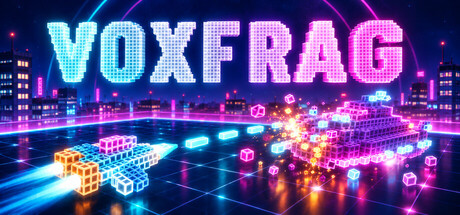 VOXFRAG In-game content textart | AI tools were used under the developer’s creative direction to assist with implementation, interface text, localization, documentation, procedural visuals, and selected promotional artwork, including the manual’s cover. No generative AI runs during gameplay. | Gaboo Arts Entertainment | - | Oct 9, 2026 | |
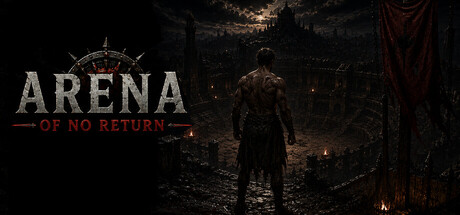 Arena of No Return In-game content art | Some 2D artwork and visual assets were created with the assistance of generative AI tools during development and were reviewed and edited by the developer. The game does not generate AI content during gameplay. | Tiltados Games | - | Oct 9, 2026 | |
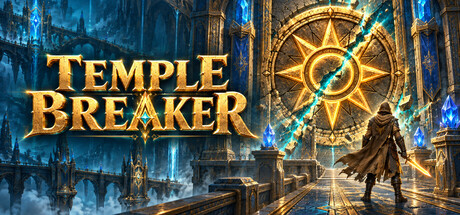 TEMPLE BREAKER Store/marketing arttext | Generative AI tools were used to create visual artwork for the game and its marketing, and to assist with store-page text. These materials are prepared in advance. Temple Breaker does not generate content with AI during gameplay. | NEXTSQUARESTUDIO | - | Oct 9, 2026 | |
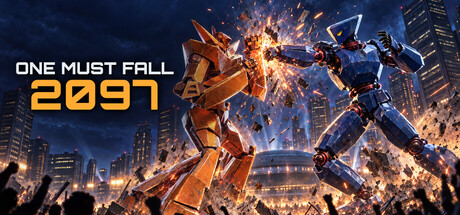 One Must Fall 2097 In-game content art | The remake's 3D robots, arenas and animation were produced with AI-assisted generation tools (image-to-3D and image generation) from the original game's designs, then authored, repaired and reviewed by hand in Blender and Unreal. The menu art shown in HD is AI-remastered from the original game's pictures, and the store page artwork was AI-generated from renders of our in-game robots. All AI content is pre-made during development; nothing is generated while you play. The music and sound effects are the original recordings, remastered without AI. | LineCrush Games | - | Oct 9, 2026 | |
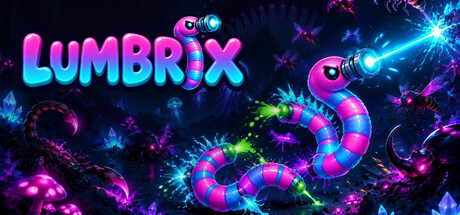 Lumbrix In-game content artaudiotext | Some in-game artwork (sprites, icons and illustrations), sound effects, music and localized text were created with the help of generative AI tools, then edited, curated and reviewed by the developer. No content is generated by AI during gameplay. | JSM games | - | Oct 9, 2026 | |
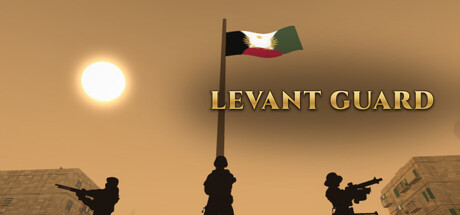 Levant Guard Dev only artaudiotext | Some content was pre-generated with AI tools during development and then edited by the developer. | GameQ Labs | - | Oct 9, 2026 | |
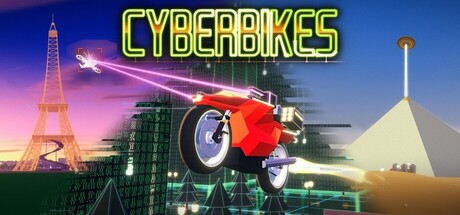 CYBERBIKES In-game content artaudiotext | The visuals, music, sound effects, store art, trailer and text for CYBERBIKES were made with the help of AI under my direction, built in code with Blender and Godot. LINK's voice is pre-recorded text-to-speech from the open Kokoro model. Nothing is generated while you play. | Mister Gato | - | Oct 9, 2026 | |
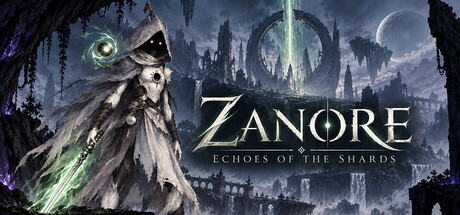 Zanore: Echoes of the Shards In-game content art | Generative AI tools were used during development to assist in creating and refining some of the game's visual assets and artwork. These assets were subsequently selected, edited, adapted, and integrated into the game by the developer. No generative AI is used during gameplay, and the game does not generate content dynamically for players. | Nine Gates Studio | - | Oct 9, 2026 | |
 Patrol In-game content text | AI was used for in-game translations of UI, tutorial and caption text. It was also used to translate the store page content into non-English locales. | REMO Games | - | Oct 9, 2026 | |
 捕快: Constable of a Ming County In-game content artaudiotext | AI tools helped create models, art, textures, music and English localization. | chi yin so | - | Oct 9, 2026 | |
 Iron & Arrow In-game content artaudiotext | Generative AI tools were used during development to create some artwork, 3D assets, music, sound effects and localization text. These assets are prepared before release. The game does not generate AI content during play or connect to external AI services. | Mevius Studio | - | Oct 9, 2026 | |
 Doodle Wars: Ink and Paper In-game content text | We have used AI for the translations. | Humbertronics Arts | - | Oct 9, 2026 | |
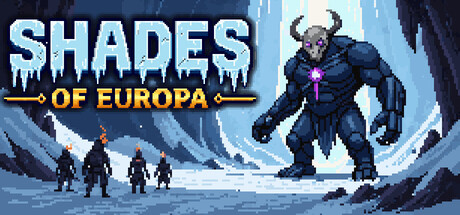 Shades of Europa In-game content artaudio | The art, sound effects and voicelines are AI generated. Ideally, if the game makes some amount of $ I will replace all AI generate content.
Read more about AI usage here: https://www.sdgames.co/blog/shades-of-europa-steam-page-and-demo | sirix | - | Oct 9, 2026 | |
 Daylight Line In-game content artcode | Generative AI assisted with some programming and debugging during the development of Daylight Line. Some in-game visual assets, including battle status icons, were also created with the assistance of generative AI and then processed and integrated by the development team. The game does not generate AI content during gameplay. | Windquill | - | Oct 9, 2026 | |
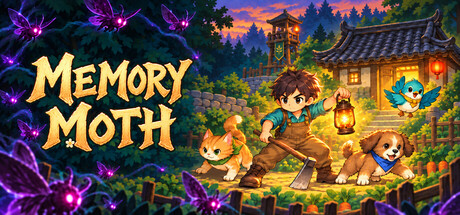 记忆蛀虫 Dev only artcodetext | Generative AI tools were used during development to create some visual assets and to assist with writing, modifying, and debugging code. All AI-generated or AI-assisted content was reviewed, adjusted, and integrated by the developer. The game does not use generative AI to create content during gameplay. | JSXPY工作室 | - | Oct 9, 2026 | |
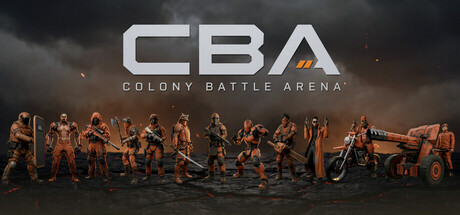 Colony Battle Arena In-game content artaudio | Some of the game's content was created with the help of generative AI tools and then reviewed, edited and integrated by the developer: parts of the 3D unit and vehicle models and their textures, the key art and store artwork, backgrounds, voice lines and music. | Gerbert Guliyev | - | Oct 9, 2026 | |
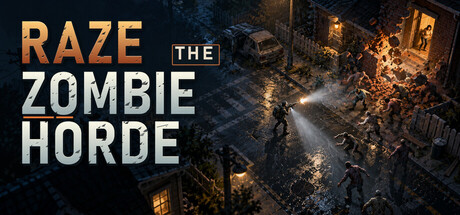 Raze the Zombie Horde In-game content art | Generative AI was used during development to create selected pre-generated visual assets, including some character models, weapon presentation models and related images, as well as some promotional artwork for the store. These assets were selected, post-processed and integrated by the developer. Store gameplay screenshots are captured from the running game and have not been generatively altered; they may show game content that uses pre-generated AI assets. The current game does not call generative AI services or generate new content during play. | Moonwrought Studio | - | Oct 9, 2026 | |
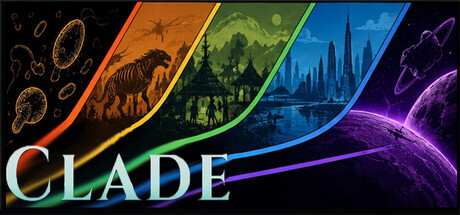 Clade Dev only codearttext | Clade is made by a small independent developer. During development, AI tools were used to help write some of the game's code, and to create some placeholder 3D models and text. All placeholder art is being replaced with handmade work, and this note will be updated as that happens. The game does not generate any content with AI while you play. The computer controlled empires are traditional game AI written for Clade, not generative AI. | Hyena Striata | - | Oct 9, 2026 | |
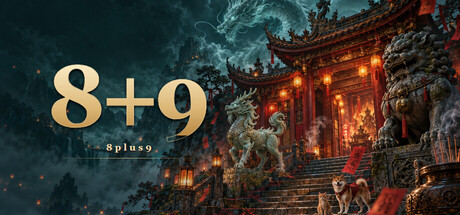 8+9 In-game content arttextcode | Generative AI was used during development to assist in creating some character, monster, pet, environment, item icon, and promotional artwork, as well as to support programming and multilingual text translation. The resulting content was selected, adjusted, and integrated into the game by the developer. This content is created in advance during development; the game does not generate AI content in real time during gameplay. | 蛋生遊戲 | - | Oct 9, 2026 | |
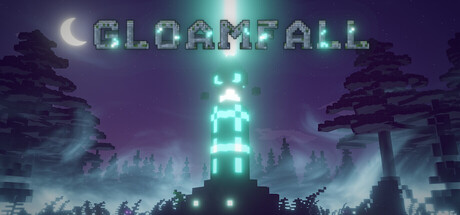 Gloamfall In-game content codetextaudio | AI was used as coding assistant, to create localization and also to mix and master sound and video files. | lenno | - | Oct 9, 2026 | |
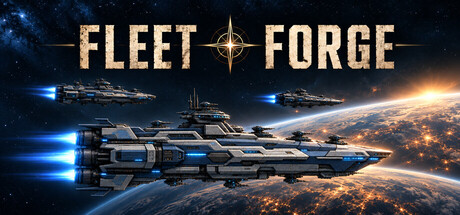 Fleet Forge In-game content art | Generative AI tools were used during development to create and refine visual artwork, including spacecraft images, environments, story illustrations, and promotional graphics. This content was prepared during development and is included as fixed assets. Fleet Forge does not generate AI artwork, dialogue, or other content during gameplay. | Richard Stake | - | Oct 9, 2026 | |
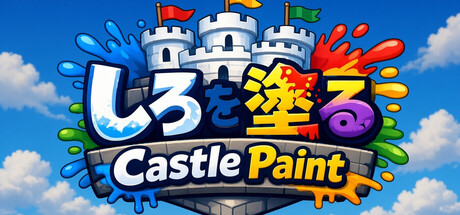 しろを塗る Castle Paint In-game content art | The 3D character models and their textures in this game were created using a generative AI tool (Tripo AI), based on original images prepared by the developer. ChatGPT / DALL·E were also used to create UI icons, background art (sky and grass), and some textures. All generated results were reviewed and adjusted by the developer before being included in the game. The game does not generate any AI content at runtime. | tatmos | - | Oct 9, 2026 | |
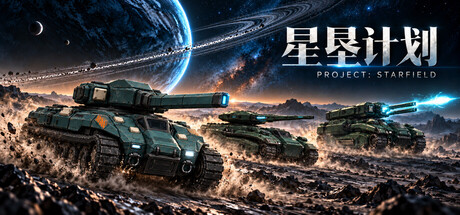 星垦计划 Store/marketing art | Generative AI was used to help create some of the game's art assets, concept art, and promotional images, which were then selected, refined, and integrated by the developer. | Liam Mactavish | - | Oct 9, 2026 | |
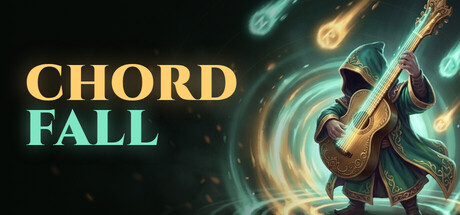 Chordfall In-game content arttextcode | Parts of the game's code and in-game text were written with AI assistance and edited by hand. The store capsule art was generated with AI image tools from the game's own visual style and then edited. No AI-generated image or audio files ship inside the game itself: every graphic is drawn in code while it runs, and all music and sound are synthesised live. | Kovid Bhaduri | - | Oct 9, 2026 | |
 F-2 MISSIONS: CASE ONE In-game content artaudio | Some pre-generated assets were created with generative AI tools and then reviewed and edited by the developer: chapter illustrations and mission background images shown in the menus, some badge (achievement) artwork, four mission-category icons, and six short cockpit voice alerts (text-to-speech). Gameplay, terrain, aircraft models, flight physics, mission design, and all in-game text were authored by the developer. The game does not generate any content at runtime. | UNVELL Games | - | Oct 9, 2026 | |
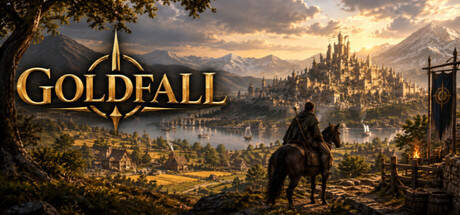 Goldfall In-game content arttextaudio | Generative AI tools may be used during development to assist in creating certain pre-generated visual, written, audio, or marketing content. All such content is reviewed and curated by the development team before inclusion. The game does not use generative AI to generate content during gameplay. | IAMDEXTER | - | Oct 9, 2026 | |
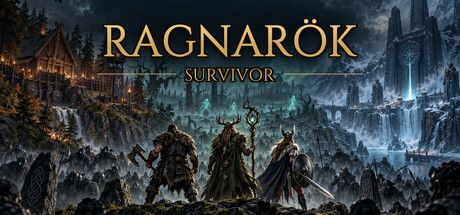 Ragnarök Survivor In-game content arttextaudiocode | This game was created with extensive AI assistance. AI-generated and AI-assisted content is used in the game, store artwork, descriptions and trailer. This includes graphics and artwork, text, and contributions to programming, music and trailer production. The trailer and screenshots show actual footage captured from the game. No generative AI content is created during gameplay, and the game does not connect to external AI services while being played. | Rabenwacht Studios | - | Oct 9, 2026 | |
 Wobble In-game content textaudio | AI tools were used to help with the game's localization and parts of the music | ThreePlate | - | Oct 9, 2026 | |
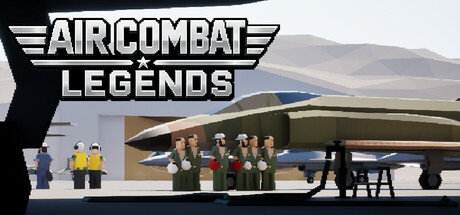 Air Combat Legends In-game content artaudio | some 2D art elements & some audio | ENLITE Games | - | Oct 9, 2026 | |
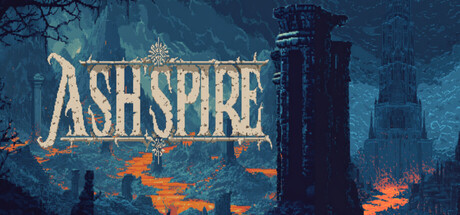 AshSpire In-game content art | Textures, Sprites and Art is AI generated. Lots of manual modification take place after the AI generates the first pass. | HackettTech | - | Oct 9, 2026 |


