








Disclosure
This game uses AI-generated art and other assets.
- Creator
- VAFORT
- Reviews
- -
- Added
- Oct 10, 2026
Public Steam disclosure research 25,376 disclosures tracked
Search developers’ Steam disclosures, compare classified AI use across games, and follow recorded changes. This index adds cross-game classifications and statistics to statements published on individual store pages.
Code help, debugging and other development work.
Capsule art, trailers and promotional material.
Pre-made art, audio, writing and other game assets.
Interactive or runtime AI features disclosed by the developer.
Groups reflect automatic analysis of public disclosures; mature records are excluded. These counts do not measure AI use across all of Steam. Missing or unclear statements cannot establish whether a game uses AI.
This game uses AI-generated art and other assets.
Machine translation tools were used to assist with localization for languages other than Korean and English.
Some pre-rendered 2D artwork and textures, including promotional artwork, were created with generative AI and reviewed and edited by the developer. The game does not generate AI content during play.
·AI-assisted bug fixes ·AI-assisted creation of some art assets ·AI-generated promotional assets
Generative AI tools were used to assist with some of the game's artwork and translations. All content was directed, selected and edited by the developer. Nothing is generated while you play.
Made with AI tools and reviewed and edited by the developer: the character portraits of pilots and controllers, the app icon and the medal artwork (image generation); some 3D props (image-to-3D, then edited); the radio voices, which are original designed voices (not imitating real people) synthesised with text-to-speech. The voices speak only the game's own radio phrases; players cannot make them say other text.
Nook uses generative AI for character artwork and video assets. During use, AI generates personalized dialogue, speech, and short video responses based on the player's conversation.
Some of this game's code, art and music were made with the help of an AI assistant. Everything was reviewed, edited and assembled by hand, and no content is generated while you play.
AI tools are used to speed up coding and to generate the visual art you see in the game. This is not the work of a "soul less machine" - It takes real human effort besides the generation of images. Even if you dislike AI in games, I hope you will try my game demo when available and see for yourself if it is fun. Personally I think AI will let me respond to feedback faster and give you a better game. Thank you!
Gen-AI has been used to help debug the game.
Automated temporary localization files, that can be overrided by mods
The game contains pre-generated AI-assisted artwork, including industrial workshop and interface art, jewels, visual effect assets, and static store artwork. No content is generated by AI during gameplay, and the game does not connect to external AI services.
Generative AI tools assisted with programming and development of The Construction Game and were used to create some promotional images. The game does not use generative AI to create content during gameplay.
AI tools were used for Art Assets including the Steam store capsules
Parts of this store page, as well as certain code elements of the game, were created with the assistance of AI tools. These tools helped speed up development and improve clarity, while all creative direction, design choices, and final implementation remain in the hands of the developer.
Generative AI was used during development to create promotional illustrations and the title-screen logo, and to assist with written text and translations. This content is prepared in advance. The game does not generate content or connect to AI services during gameplay.
Some artwork and music in the game were created using generative AI. Generative AI was also used to create store and promotional artwork.
Some 2D pixel-art sprites and illustrations (fortune-game icons, items and backgrounds) were created with the help of AI image tools (PixelLab) and then edited and curated by our developer. All game text, fortune logic, code, sound and the cat character animations are made by the developer or licensed (CC0/OFL).
AI tools were used to assist in the creation of store Assets
Generative AI was used during development to create static artwork, including game sprites, icons, the illustrated menu background, and Steam store and library artwork. AI assistance was also used for written text and translations. These assets were reviewed and integrated by the developer. No content is generated by AI during gameplay.
Nuclear Kitty Games is a human-led studio whose team brings 15 years of professional game-development experience. We use AI and large language models (LLMs) to support development and content creation, improve our workflows and speed up iteration. Our developers direct the design and development of every game, and review and integrate the final content. We are game makers and players who care about the games we create. Some content included in this game and its promotional materials was created with generative AI assistance. The game does not generate AI content or connect to AI services during play.
This game was made with the help of AI tools. Parts of the in-game text, the store page artwork and text, and the trailer (including its music) were created with AI assistance and reviewed by the developer. No content is generated by AI while you play.
The game's 2D illustrations (rocks, gems, tools, icons and logo) were generated with AI image tools, then cleaned up and edited by the developer. Cracks, rarity effects, particles and animations are made in code. The translations were produced with the help of AI. The store page capsules, screenshots and trailer are built from these same in-game sprites. No content is generated by AI while the game is running.
This game was created with a lot of help from AI. Although I'm an experienced game developer a lot of the physics, graphic elements, and code were generate with the help of AI.
Sound effects and voice-overs were created using generative AI tools.
Some of the images on our store page were created by artificial intelligence and edits were made on the images. and some images in the game were made by artificial intelligence.
The player character's sprite sheet was created with an AI tool and edited by hand.
The 32 illustrations, the soundtrack and the sound effects in A to Zen were created with generative AI tools from the developer's own prompts, then selected, checked and edited by hand. The in-game texts, the store translations and parts of the game code were also made with AI assistance and reviewed and tested by the developer. Game design, puzzle mechanics and the chapter concept are the developer's own work. Nothing is generated while you play, and the game does not connect to any AI service.
AI created promotional images, cinematic trailer footage and helped translate this store page. No AI content is generated during gameplay. The game does not connect to an external AI service while playing.
3D models were made with Meshy and the radio and trailer music with ElevenLabs, all then selected and edited by the developer. Code was written with AI assistance. Nothing is generated while you play.
The key art and logo began as an AI-generated base image, which we then reworked and finished by hand in Photoshop. The narration in the trailers is a synthetic voice made with a text-to-speech model. Nothing inside the game is AI-generated: every critter, the world, the device, the music and the sound are drawn and composed by the game's own code.
The game's text is partially translated into multiple languages with the help of AI. Feedback from native speakers is welcome.
Parts of Tinselwood were made with generative AI during development: its music and sound effects, its interface icons and store art, some of its set-piece models, and parts of its code. All of it was reviewed and reworked by hand, and nothing is generated while you play.
This game did use generative AI during its development. This was more of a fun side project while working on the main project (Ducki's Descent, which doesn't use AI), tinkering around with AI since my fiancé likes this genre of games, so since it uses AI its free.
Generative AI was used to create music for the game and its promotional trailer.
Generative AI was used during development to create some illustrations, visual assets, and built-in example dog images. These assets are included with the game. Your own pet photos are processed locally on your computer to create animated paper cutouts; they are never uploaded to online AI services or redrawn using generative AI.
The game's music was created with AI tools. The translations of the game's text and of this store page into languages other than French were also made with the help of AI tools. All the game's visuals are drawn by code by the developer.
Artifical Railways was developed with extensive AI assistance, including programming and the creation of custom train models, procedural scenery, interface elements, and procedural sound effects. The game also incorporates third-party models, music, sound recordings, and fonts. Station announcements use AI-generated speech synthesized locally during gameplay from announcement templates and in-game railway information. This speech generation does not connect to an external AI service.
This game includes pre-generated AI-assisted visual and audio assets, including gemstone, tool, environment, achievement, and promotional artwork, background music, and sound effects, as well as AI-assisted localization drafts. All included content was generated before release and was selected, edited, composited, mixed, and reviewed by the developer. The game does not generate content with AI during gameplay and does not connect to a generative AI service.
It's used for generating some of the pixel art assets.
Generative AI was used to create pre-generated vivid reinterpretations of public-domain classical paintings and promotional/store artwork. These fixed images are included with the game. Gameplay does not generate AI content or connect to external AI services; imported images are processed locally.
Generative AI technology is used to realize the creative direction through the creation of assets.
As a solo developer, I used generative AI to help create the game’s 440 different jar labels and localization content. Every label was individually reviewed by me and edited where necessary.
Generative AI-assisted tools were used during development to support programming, localization and store-page text, and the creation or refinement of some visual game assets. All AI-assisted output was reviewed, edited, tested and integrated by the developer. No content is generated by AI during gameplay, and the game does not connect to external AI services.
AI was used to assist with text translation into Italian, Portuguese, Chinese, Japanese, Korean, Norwegian, Swedish and German. The translations are used in the store page and in-game. No other content in this game uses AI.
All 2D visual assets in RindTown—including characters, backgrounds, fruit, icons, machines, and UI elements—were created using generative AI image tools. These generated images were then manually curated, cut, edited, and post-processed by the developer to ensure a strict and consistent "crisp digital anime" art style across the entire game. Generative AI was used exclusively for creating static art assets during development. No generative AI is used for real-time gameplay logic or text generation while playing.
Speech on the second half of the trailer and localization.
The game uses AI-assisted tools during development, including code generation, asset creation, music composition, map prototyping, and image generation. These systems are part of the production workflow and do not generate new content during gameplay. AI for Coding: Development tools assist with scripting, debugging, and generating boilerplate code. All AI-generated code is reviewed and manually refined by the development team. AI for Visual Assets: Some environmental elements, props, and textures are created or enhanced using AI image-generation tools. These images are always curated, edited, and finalized by artists to ensure consistency with the game’s historical art direction. AI for Music: Background tracks and ambient layers may be composed with AI tools, then adjusted by human composers to match the tone of the game. AI for Maps: AI is used to prototype terrain shapes and layout ideas, which are later fully redesigned and polished by level designers. AI for Image Generation: Certain concept art, reference images, and early-stage visual drafts are produced using AI image-generation systems. These are used only as development references or starting points, not as final in‑game assets. All AI-generated materials are static, pre-produced, and manually validated. No AI system creates dynamic content, gameplay outcomes, or real-time images while the player is playing.
Generative AI assisted with pre-generated branding, Steam capsule and library artwork, store descriptions and translations. No content is generated by AI during gameplay.
Generative AI was used during development to create character, environment artwork, and illustrated UI elements. Localization was AI-translated and separately AI-reviewed.
| Title⇅ | Disclosure | Creator⇅ | Src | Reviews⇅ | Added↓ |
|---|---|---|---|---|---|
 Tiny Tavern In-game content art | This game uses AI-generated art and other assets. | VAFORT | - | Oct 10, 2026 | |
 Cherry Pick In-game content text | Machine translation tools were used to assist with localization for languages other than Korean and English. | Havenarc | - | Oct 10, 2026 | |
 Spherion In-game content art | Some pre-rendered 2D artwork and textures, including promotional artwork, were created with generative AI and reviewed and edited by the developer. The game does not generate AI content during play. | DPとーやま | - | Oct 10, 2026 | |
 猫咪之家 CatHome In-game content art | ·AI-assisted bug fixes
·AI-assisted creation of some art assets
·AI-generated promotional assets | PotS | - | Oct 10, 2026 | |
 Malibu Club: Cocktail Bar Simulator In-game content arttext | Generative AI tools were used to assist with some of the game's artwork and translations. All content was directed, selected and edited by the developer. Nothing is generated while you play. | LasGen Interactive | - | Oct 10, 2026 | |
 Airport Land: Air Traffic Control In-game content artaudio | Made with AI tools and reviewed and edited by the developer: the character portraits of pilots and controllers, the app icon and the medal artwork (image generation); some 3D props (image-to-3D, then edited); the radio voices, which are original designed voices (not imitating real people) synthesised with text-to-speech. The voices speak only the game's own radio phrases; players cannot make them say other text. | Safafish | - | Oct 10, 2026 | |
 Nook : The World’s First Real-Time, Real-Human Confidant Live AI arttextaudio | Nook uses generative AI for character artwork and video assets. During use, AI generates personalized dialogue, speech, and short video responses based on the player's conversation. | Plotfun Inc | - | Oct 10, 2026 | |
 Munshi Meadows In-game content artaudiocode | Some of this game's code, art and music were made with the help of an AI assistant. Everything was reviewed, edited and assembled by hand, and no content is generated while you play. | Drangus Studios | - | Oct 10, 2026 | |
 Before Dawn Bakery In-game content artcode | AI tools are used to speed up coding and to generate the visual art you see in the game.
This is not the work of a "soul less machine" - It takes real human effort besides the generation of images.
Even if you dislike AI in games, I hope you will try my game demo when available and see for yourself if it is fun. Personally I think AI will let me respond to feedback faster and give you a better game.
Thank you! | Ricardo Cebola | - | Oct 10, 2026 | |
 Life's Too Short: A Christmas Spirit Dev only code | Gen-AI has been used to help debug the game. | Pixel Ghost | - | Oct 10, 2026 | |
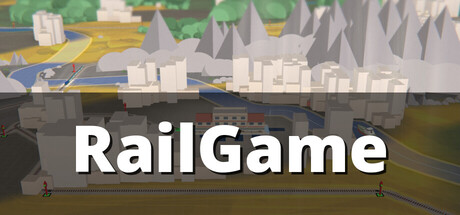 RailGame In-game content text | Automated temporary localization files, that can be overrided by mods | Levia Labs | - | Oct 10, 2026 | |
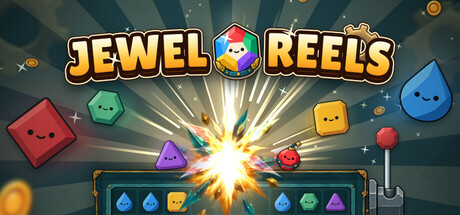 Jewel Reels In-game content art | The game contains pre-generated AI-assisted artwork, including industrial workshop and interface art, jewels, visual effect assets, and static store artwork. No content is generated by AI during gameplay, and the game does not connect to external AI services. | Shinkami Dev | - | Oct 10, 2026 | |
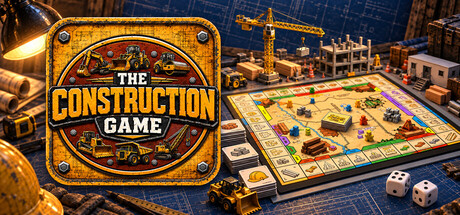 The Construction Game Store/marketing artcode | Generative AI tools assisted with programming and development of The Construction Game and were used to create some promotional images. The game does not use generative AI to create content during gameplay. | Alexander Fervan | - | Oct 10, 2026 | |
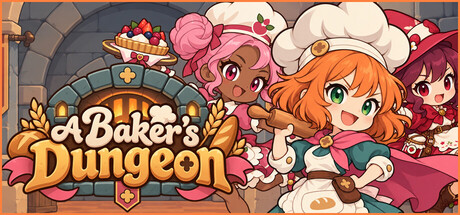 A Baker's Dungeon Store/marketing art | AI tools were used for Art Assets including the Steam store capsules | Chibi.Games | - | Oct 10, 2026 | |
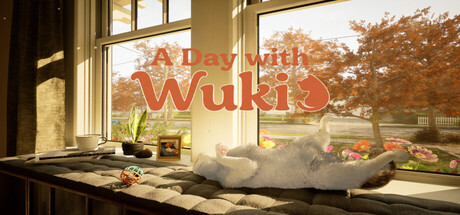 A Day with Wuki Store/marketing codetext | Parts of this store page, as well as certain code elements of the game, were created with the assistance of AI tools. These tools helped speed up development and improve clarity, while all creative direction, design choices, and final implementation remain in the hands of the developer. | Cravex Games | - | Oct 10, 2026 | |
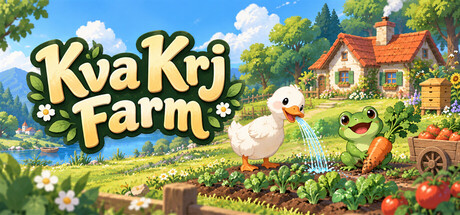 Kva Krj Farm Store/marketing arttext | Generative AI was used during development to create promotional illustrations and the title-screen logo, and to assist with written text and translations. This content is prepared in advance. The game does not generate content or connect to AI services during gameplay. | PotatoStudioGames | - | Oct 9, 2026 | |
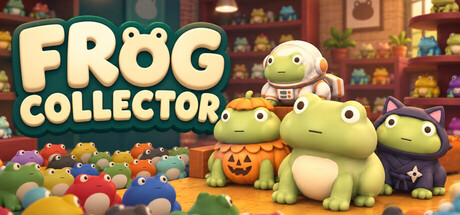 Frog Collector In-game content artaudio | Some artwork and music in the game were created using generative AI. Generative AI was also used to create store and promotional artwork. | TidyMage | - | Oct 9, 2026 | |
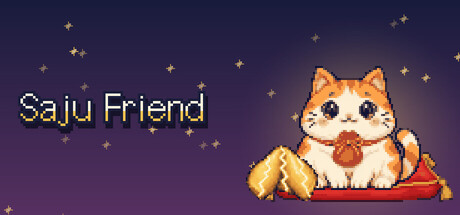 Saju Friend In-game content art | Some 2D pixel-art sprites and illustrations (fortune-game icons, items and backgrounds) were created with the help of AI image tools (PixelLab) and then edited and curated by our developer. All game text, fortune logic, code, sound and the cat character animations are made by the developer or licensed (CC0/OFL). | Noligo Games | - | Oct 9, 2026 | |
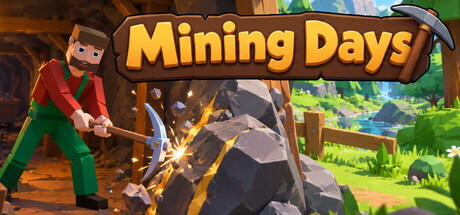 Mining Days Store/marketing art | AI tools were used to assist in the creation of store Assets | DNA ARMY GAMING | - | Oct 9, 2026 | |
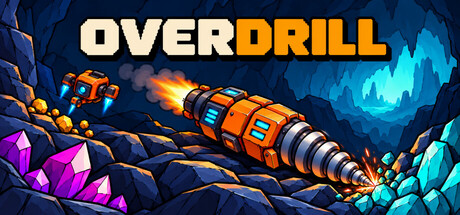 OVERDRILL In-game content arttext | Generative AI was used during development to create static artwork, including game sprites, icons, the illustrated menu background, and Steam store and library artwork. AI assistance was also used for written text and translations. These assets were reviewed and integrated by the developer. No content is generated by AI during gameplay. | Lunart Entertainment | - | Oct 9, 2026 | |
 My Nail Salon In-game content arttext | Nuclear Kitty Games is a human-led studio whose team brings 15 years of professional game-development experience. We use AI and large language models (LLMs) to support development and content creation, improve our workflows and speed up iteration. Our developers direct the design and development of every game, and review and integrate the final content. We are game makers and players who care about the games we create.
Some content included in this game and its promotional materials was created with generative AI assistance. The game does not generate AI content or connect to AI services during play. | Nuclear Kitty Games | - | Oct 9, 2026 | |
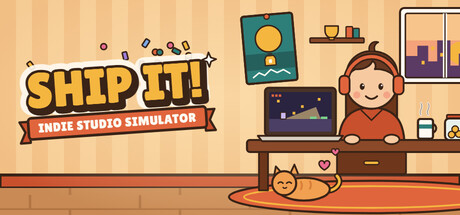 Ship It! : Indie Studio Simulator In-game content textartaudio | This game was made with the help of AI tools. Parts of the in-game text, the store page artwork and text, and the trailer (including its music) were created with AI assistance and reviewed by the developer. No content is generated by AI while you play. | McHunter Studio | - | Oct 9, 2026 | |
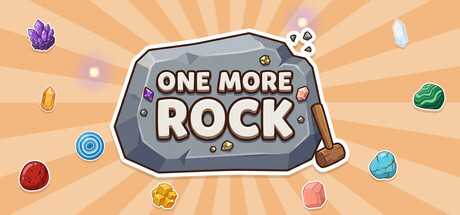 One More Rock In-game content arttext | The game's 2D illustrations (rocks, gems, tools, icons and logo) were generated with AI image tools, then cleaned up and edited by the developer. Cracks, rarity effects, particles and animations are made in code. The translations were produced with the help of AI. The store page capsules, screenshots and trailer are built from these same in-game sprites. No content is generated by AI while the game is running. | NB10 Studio | - | Oct 9, 2026 | |
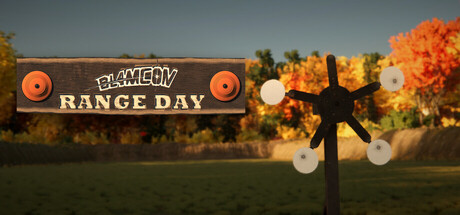 Blamcon's Range Day In-game content artcode | This game was created with a lot of help from AI. Although I'm an experienced game developer a lot of the physics, graphic elements, and code were generate with the help of AI. | Chris Patch | - | Oct 9, 2026 | |
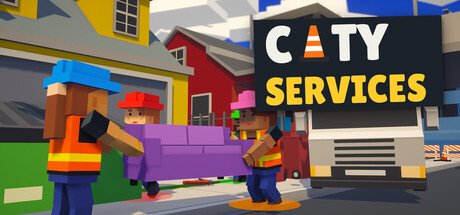 City Services In-game content audio | Sound effects and voice-overs were created using generative AI tools. | 84boxes | - | Oct 9, 2026 | |
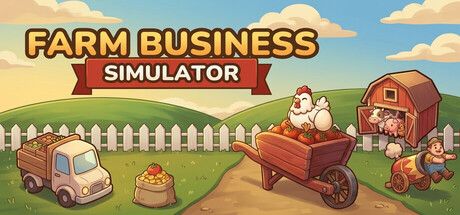 Farm Business Simulator In-game content art | Some of the images on our store page were created by artificial intelligence and edits were made on the images. and some images in the game were made by artificial intelligence. | Gun&Don | - | Oct 9, 2026 | |
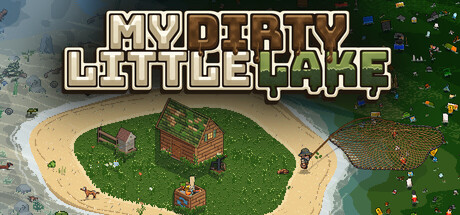 My Dirty Little Lake In-game content art | The player character's sprite sheet was created with an AI tool and edited by hand. | Modern Daedalus Studio | - | Oct 9, 2026 | |
 A to Zen: Cozy Anime Puzzle In-game content artaudiocodetext | The 32 illustrations, the soundtrack and the sound effects in A to Zen were created with generative AI tools from the developer's own prompts, then selected, checked and edited by hand. The in-game texts, the store translations and parts of the game code were also made with AI assistance and reviewed and tested by the developer. Game design, puzzle mechanics and the chapter concept are the developer's own work. Nothing is generated while you play, and the game does not connect to any AI service. | Pross Digital Studio | - | Oct 9, 2026 | |
 Beadroom In-game content arttext | AI created promotional images, cinematic trailer footage and helped translate this store page. No AI content is generated during gameplay. The game does not connect to an external AI service while playing. | Panda Games VK | - | Oct 9, 2026 | |
 Not Another Garbage Simulator In-game content artaudiocode | 3D models were made with Meshy and the radio and trailer music with ElevenLabs, all then selected and edited by the developer. Code was written with AI assistance. Nothing is generated while you play. | Score Software LLC | - | Oct 9, 2026 | |
 PeeCee Critters In-game content artaudio | The key art and logo began as an AI-generated base image, which we then reworked and finished by hand in Photoshop. The narration in the trailers is a synthetic voice made with a text-to-speech model. Nothing inside the game is AI-generated: every critter, the world, the device, the music and the sound are drawn and composed by the game's own code. | MutantToes Studios | - | Oct 9, 2026 | |
 WaxWire: Program the Hive In-game content text | The game's text is partially translated into multiple languages with the help of AI.
Feedback from native speakers is welcome. | dyskomworks | - | Oct 9, 2026 | |
 Tinselwood In-game content artaudiocode | Parts of Tinselwood were made with generative AI during development: its music and sound effects, its interface icons and store art, some of its set-piece models, and parts of its code. All of it was reviewed and reworked by hand, and nothing is generated while you play. | Clackety Rock LLC | - | Oct 9, 2026 | |
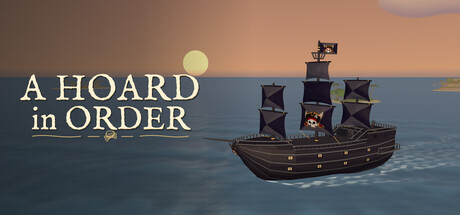 A Hoard in Order Dev only | This game did use generative AI during its development. This was more of a fun side project while working on the main project (Ducki's Descent, which doesn't use AI), tinkering around with AI since my fiancé likes this genre of games, so since it uses AI its free. | Salty Scallop Games | - | Oct 9, 2026 | |
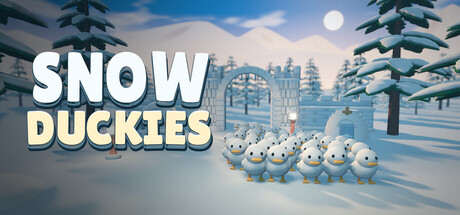 Snow Duckies In-game content audio | Generative AI was used to create music for the game and its promotional trailer. | Lost Games | - | Oct 9, 2026 | |
 Candid: Good Dog In-game content art | Generative AI was used during development to create some illustrations, visual assets, and built-in example dog images. These assets are included with the game. Your own pet photos are processed locally on your computer to create animated paper cutouts; they are never uploaded to online AI services or redrawn using generative AI. | Yang Yang | - | Oct 9, 2026 | |
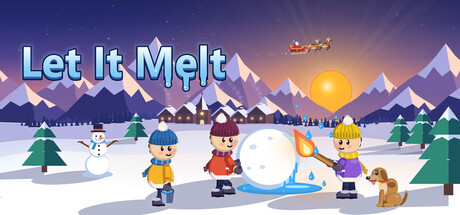 Let It Melt In-game content audiotextart | The game's music was created with AI tools. The translations of the game's text and of this store page into languages other than French were also made with the help of AI tools. All the game's visuals are drawn by code by the developer. | Osiris Atlas | - | Oct 9, 2026 | |
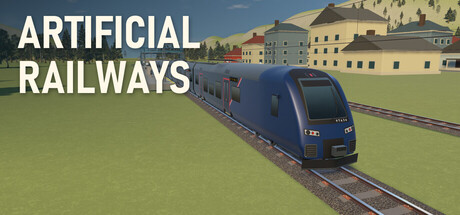 Artifical Railways Live AI artaudiocode | Artifical Railways was developed with extensive AI assistance, including programming and the creation of custom train models, procedural scenery, interface elements, and procedural sound effects. The game also incorporates third-party models, music, sound recordings, and fonts. Station announcements use AI-generated speech synthesized locally during gameplay from announcement templates and in-game railway information. This speech generation does not connect to an external AI service. | Starkim1999 | - | Oct 9, 2026 | |
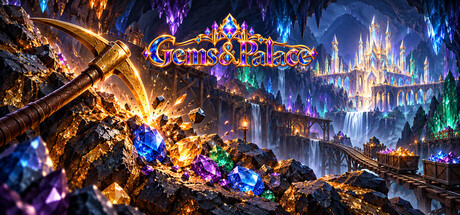 Gems & Palace In-game content artaudiotext | This game includes pre-generated AI-assisted visual and audio assets, including gemstone, tool, environment, achievement, and promotional artwork, background music, and sound effects, as well as AI-assisted localization drafts. All included content was generated before release and was selected, edited, composited, mixed, and reviewed by the developer. The game does not generate content with AI during gameplay and does not connect to a generative AI service. | FYF | - | Oct 9, 2026 | |
 Zen Village In-game content art | It's used for generating some of the pixel art assets. | Zen Studios | - | Oct 9, 2026 | |
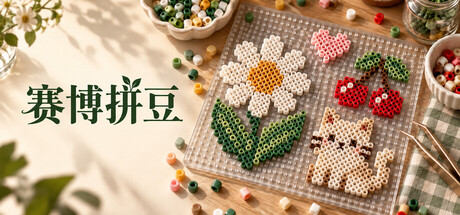 赛博拼豆 In-game content art | Generative AI was used to create pre-generated vivid reinterpretations of public-domain classical paintings and promotional/store artwork. These fixed images are included with the game. Gameplay does not generate AI content or connect to external AI services; imported images are processed locally. | shanjianyeren | - | Oct 9, 2026 | |
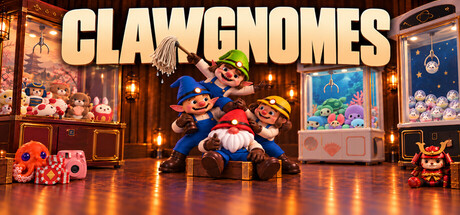 ClawGnomes In-game content art | Generative AI technology is used to realize the creative direction through the creation of assets. | AnotherBuild | - | Oct 9, 2026 | |
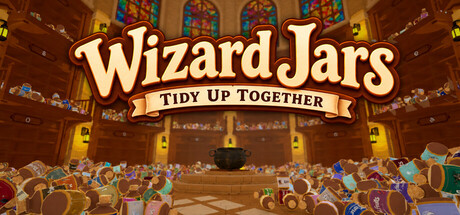 Wizard Jars: Tidy Up Together In-game content arttext | As a solo developer, I used generative AI to help create the game’s 440 different jar labels and localization content. Every label was individually reviewed by me and edited where necessary. | Kelecik | - | Oct 9, 2026 | |
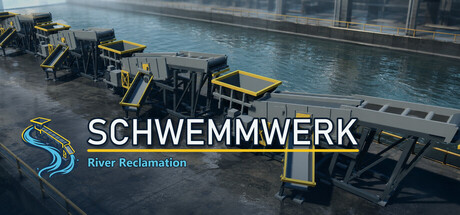 Schwemmwerk: River Reclamation In-game content arttextcode | Generative AI-assisted tools were used during development to support programming, localization and store-page text, and the creation or refinement of some visual game assets. All AI-assisted output was reviewed, edited, tested and integrated by the developer. No content is generated by AI during gameplay, and the game does not connect to external AI services. | Kartal Ziegner | - | Oct 9, 2026 | |
 Attkand In-game content text | AI was used to assist with text translation into Italian, Portuguese, Chinese, Japanese, Korean, Norwegian, Swedish and German. The translations are used in the store page and in-game.
No other content in this game uses AI. | Starhand Games | - | Oct 9, 2026 | |
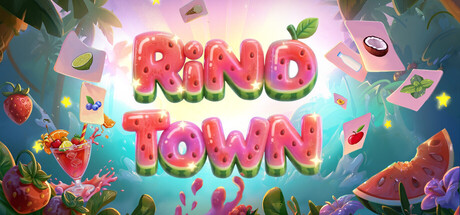 Rind Town In-game content art | All 2D visual assets in RindTown—including characters, backgrounds, fruit, icons, machines, and UI elements—were created using generative AI image tools. These generated images were then manually curated, cut, edited, and post-processed by the developer to ensure a strict and consistent "crisp digital anime" art style across the entire game.
Generative AI was used exclusively for creating static art assets during development. No generative AI is used for real-time gameplay logic or text generation while playing. | Sehr Games | - | Oct 9, 2026 | |
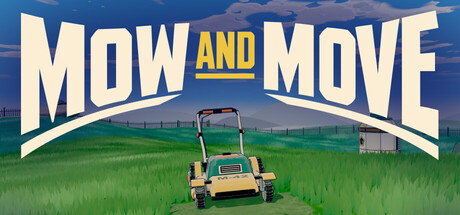 Mow and Move In-game content text | Speech on the second half of the trailer and localization. | Kazasker | - | Oct 9, 2026 | |
 History of war: Napoleon in Spain In-game content artaudiocode | The game uses AI-assisted tools during development, including code generation, asset creation, music composition, map prototyping, and image generation. These systems are part of the production workflow and do not generate new content during gameplay.
AI for Coding: Development tools assist with scripting, debugging, and generating boilerplate code. All AI-generated code is reviewed and manually refined by the development team.
AI for Visual Assets: Some environmental elements, props, and textures are created or enhanced using AI image-generation tools. These images are always curated, edited, and finalized by artists to ensure consistency with the game’s historical art direction.
AI for Music: Background tracks and ambient layers may be composed with AI tools, then adjusted by human composers to match the tone of the game.
AI for Maps: AI is used to prototype terrain shapes and layout ideas, which are later fully redesigned and polished by level designers.
AI for Image Generation: Certain concept art, reference images, and early-stage visual drafts are produced using AI image-generation systems. These are used only as development references or starting points, not as final in‑game assets.
All AI-generated materials are static, pre-produced, and manually validated.
No AI system creates dynamic content, gameplay outcomes, or real-time images while the player is playing. | War History Studio | - | Oct 8, 2026 | |
 Sort Them Dice In-game content arttext | Generative AI assisted with pre-generated branding, Steam capsule and library artwork, store descriptions and translations. No content is generated by AI during gameplay. | Dice Dice Dice | - | Oct 7, 2026 | |
 Monsters, Inn Order! In-game content arttext | Generative AI was used during development to create character, environment artwork, and illustrated UI elements. Localization was AI-translated and separately AI-reviewed. | Monsters, Inn Order! | - | Oct 7, 2026 |


