Public Steam disclosure research25,376 disclosures tracked
Where do games disclose AI use?
Search developers’ Steam disclosures, compare classified AI use across
games, and follow recorded changes.
This index adds cross-game classifications and statistics to
statements published on individual store pages.
Groups reflect automatic analysis of public disclosures; mature records are excluded. These counts do not measure AI use across all of Steam.
Missing or unclear statements cannot establish whether a game uses AI.
Generative AI was used to create some artwork, music, sound effects, text, and localization included in the game. Some AI-generated content is used as-is, while some has been edited by the developer.
The game does not generate AI content at runtime.
Generative AI assisted with portions of the artwork, audio, code, and store promotional materials during development. These outputs were reviewed, adjusted, and integrated by the development team.
Generative AI Usage Disclosure
Generative AI tools were used during the development of One Last Shot! to generate or assist with the game’s code, character designs, and visual assets. This includes AI-assisted programming, refactoring, and debugging, as well as AI-generated or AI-assisted character concepts, card artwork, backgrounds, UI elements, and other visual assets.
All AI-generated or AI-assisted content included in the released version was reviewed, edited, integrated, and tested by the development team. The game does not use live generative AI during gameplay, and no text, images, audio, or other content is generated at runtime through an external AI service.
Generative AI was used to translate the game's text from Japanese into the other supported languages (English, Simplified Chinese, Traditional Chinese, Russian, German and French). The original Japanese text was written by a human.
AI tools were used to assist with some of the programming, under the direction and review of the game's developer. AI was also used in the translation process for non-English languages. All art and music were created by human artists.
Pre-generated AI-assisted illustrations are used in some in-game artwork and in Steam store and library artwork, including capsule images, the logo, and achievement icons. Gameplay screenshots were captured directly from the game. The game does not generate AI content during play.
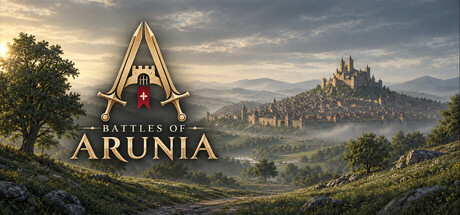
Battles of Arunia uses AI-generated artwork created during development, including card illustrations, character portraits, backgrounds and interface artwork. We plan to replace some placeholder artwork during Early Access, including through voluntary community contributions used with permission. The game does not generate AI content during gameplay.
Generative AI tools were used during production to create character artwork, portraits, and some of the game's illustrations and visual assets. AI tools also assisted with the story, dialogue, and store-page copy, including its English version. These are pre-generated materials; the game does not use generative AI to create new content during gameplay.
Generative AI tools were used during development to assist in creating some artwork, music, sound effects, and promotional materials, and in drafting and translating text. These materials are prepared before release. The game does not generate AI content during gameplay or connect to external AI services.
AI tools were used during development to assist in creating and iterating on some pre-generated assets. These assets were subsequently selected, edited, integrated, and reviewed by the developers before inclusion in the game. The game does not generate AI content during gameplay.
Generative AI tools were used during development to create some in-game artwork and sound effects, as well as some store and promotional visual assets. Generative AI also assisted with drafting store descriptions and translating them into English. This content is pre-generated. The game does not generate AI content or connect to external generative AI services during gameplay.
Generative AI assisted the creation of some card and character illustrations, environments, CG artwork, UI and marketing art, music and sound effects, written text and localization, and Mandarin and English voices for characters, tutorials, announcements and bond stories, including narration. These assets are pre-generated, selected, edited and integrated during development. The game does not generate content at runtime or connect to external generative AI services. AI opponents use local game rules and strategy code.
Generative AI was used as part of the process of creating some sprites and visual assets, which were then edited and adapted by the team to keep them consistent with the game's final art style.
AI was used to generate the art, music, sound effects, the captains' short vocal reactions, the game text and the translations, all curated and reviewed by hand. Nothing is generated at runtime.
AI tools assisted with a small number of icon images and most text localization. Localized text may be replaced in future updates with higher-quality, human-translated versions.
AI was used as a support tool during development (code assistance and initial image generation). All artwork was individually reworked by hand, and no content is generated live during gameplay.
Some game assets were created using AI generative tools. AI-generated visual assets were subsequently painted over, edited, and composited manually by the developer in Photoshop/Photopea. AI was also used to assist with localized text translations.
Generative AI tools were used during development to assist with programming, proofreading, and improving the clarity of English-language text. All player-facing text was reviewed and finalized by the developer.
Generative AI was not used to create the game’s artwork, music, sound effects, or voice acting. All artwork featured in the game and its store materials was created by human artists Iida Kiela and Paul Laane. The game design, rules, and card mechanics were also created by human designers. The game does not generate any content using AI during gameplay.
All visual assets, audio, text, and promotional materials in this game were created using generative AI tools. The developer selected, edited, refined, and integrated the generated content into the final game. The game does not use generative AI to generate content in real time during gameplay.
AI was used as a supporting tool during the development of this game. However, the original game idea and its underlying concept were created several years ago and were developed entirely independently of AI.
The entire project is being created by a solo developer with a university degree in Game Design. Over the years, several hundred hours of work, experience, creativity, and personal passion have gone into the concept, development, and realization of the game.
AI was used to assist with certain parts of the development process. This includes support with coding as well as some aspects of soundtrack and visual asset creation. Many of the visual assets were subsequently edited, refined, adapted, or partially recreated manually using image editing software to achieve the intended style and quality.
AI was also used as a supporting tool for written content, primarily to make minor improvements to texts written by the developer and to correct grammar and wording.
AI therefore serves as an additional tool within the development process. The original game concept, game design, creative decisions, final direction, and implementation of the game remain the work of the developer. Various sounds and some of the soundtracks used in the game were also created and composed by the developer.
Some 2D artwork used in the game and on the store page was created with generative image tools and then selected, edited, composited, and integrated by the developer. This includes selected backgrounds, character or enemy illustrations, card-related artwork, logos, and promotional assets. The game does not generate new content from player input at runtime, and no generative AI system is used for gameplay decisions or player interactions.
Some of the game's artwork was created with the help of AI image tools, and was then chosen, edited and placed by the developer. AI tools were also used to help translate the game's text into French, German, Spanish, Portuguese and Chinese. Nothing is generated while you play.
Generative AI was used during development to create some promotional artwork, including Steam store capsule images and logo variations. Generative AI is not used during gameplay, and no AI-generated content is created in real time.
Illustrations and store art were created with Google Nano Banana 2 AI image generation, then selected, edited and assembled by the developer. Background music was created with Stable Audio 2.5. No AI content is generated during gameplay.
This game has been made by a solo developper with the help of AI. Gamers deserve dozens of hours of fun at a cheap price, that's what the use of AI should aim for, and that's what this game is about. Zero information collected.
Made by one developer with a little help from AI! Some artwork and text started life in generative AI tools, then got edited and polished by hand. Nothing is generated while you play.
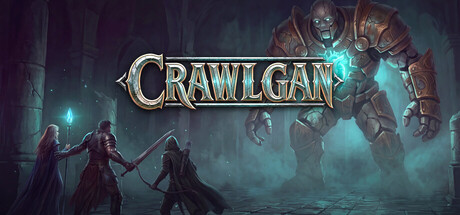
Crawlgan uses generative AI for pre-made content only. All artwork, music and sound effects in the game and on this store page were created with generative AI tools, then selected and edited by the developer. The game text and store page are translated into other languages with AI assistance. Nothing is generated by AI while you play.
The translations of this game into English, Spanish, Portuguese, Russian and Chinese were produced with the help of a large language model, working from the German original. The Spanish, Portuguese, Russian and Chinese versions are machine-made and are marked as beta inside the game. The text of this store page and the captions in the trailer were written the same way.
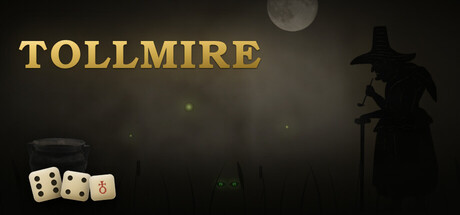
No image, no sound and no music in this game is AI-generated. The symbols come from historical alchemical plates, the witches from the Wellcome Collection, the cauldron from the Smithsonian, the reeds from an 1885 plant atlas.
Pre-generated content: Generative AI tools were used to create the game's visual and audio assets, including card and item artwork, backgrounds, key art and store capsule images, and the background music. The developer directed, selected, edited and integrated all AI-generated assets. Game design, rules and balance were created by the developer. No content is generated live by AI during gameplay.
We used AI to generate the code, UI assets, localization, and promotional materials for this project (the reference images for the AI were sourced from *Oath of Miko*).
Made by an ordinary person building a game for the first time, with generative AI tools helping throughout.
The card illustrations, 3D models, music and sound effects, game code, and the localized text translated from the original Korean were all produced with AI tools. I picked through the results and edited them by hand before putting them in the game.
Everything was generated ahead of time and shipped inside the build. Nothing is generated live while you play.
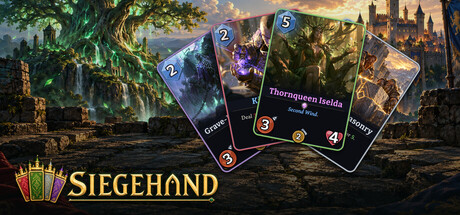
As a solo developer I have been using some generative AI tools to support the design of some card illustrations and backgrounds. These assets are prepared before release and through early access I intend to replace the majority of these assets with alternatives, where appropriate. Siegehand does not generate content using AI during gameplay.
The operator portraits in-game are procedurally drawn, but their designs were based on AI-generated reference art. The full body operators in the promo images were also AI-generated.
Generative AI assisted the creation of characters, card artwork, environments, some interface artwork, pre-rendered animations, and some narrative and localized text during development. This content was selected, edited, and reviewed in the game. Generative AI was also used to create store artwork. Music and sound effects include locally synthesized audio. The game does not use generative AI to create content during gameplay.
Generative AI tools were used during development to create visual assets and music, and to assist with localization. All content is prepared in advance. The game does not generate AI content during gameplay or connect to external AI services.
Generative AI was used during development to help create some visual assets and assist with development work. The resulting content was selected, edited, and integrated into the game by the developer.
Generative AI tools were used during development to create and assist with some pre-generated visual and audio assets. All AI-assisted content included in the game is reviewed, selected, and integrated by the developer. No generative AI content is created in real time during gameplay.
Generative AI was used to create some artwork, music, sound effects, text, and localization included in the game. Some AI-generated content is used as-is, while some has been edited by the developer.
The game does not generate AI content at runtime.
Generative AI assisted with portions of the artwork, audio, code, and store promotional materials during development. These outputs were reviewed, adjusted, and integrated by the development team.
Generative AI Usage Disclosure
Generative AI tools were used during the development of One Last Shot! to generate or assist with the game’s code, character designs, and visual assets. This includes AI-assisted programming, refactoring, and debugging, as well as AI-generated or AI-assisted character concepts, card artwork, backgrounds, UI elements, and other visual assets.
All AI-generated or AI-assisted content included in the released version was reviewed, edited, integrated, and tested by the development team. The game does not use live generative AI during gameplay, and no text, images, audio, or other content is generated at runtime through an external AI service.
Generative AI was used to translate the game's text from Japanese into the other supported languages (English, Simplified Chinese, Traditional Chinese, Russian, German and French). The original Japanese text was written by a human.
AI tools were used to assist with some of the programming, under the direction and review of the game's developer. AI was also used in the translation process for non-English languages. All art and music were created by human artists.
Pre-generated AI-assisted illustrations are used in some in-game artwork and in Steam store and library artwork, including capsule images, the logo, and achievement icons. Gameplay screenshots were captured directly from the game. The game does not generate AI content during play.
Battles of Arunia uses AI-generated artwork created during development, including card illustrations, character portraits, backgrounds and interface artwork. We plan to replace some placeholder artwork during Early Access, including through voluntary community contributions used with permission. The game does not generate AI content during gameplay.
Generative AI tools were used during production to create character artwork, portraits, and some of the game's illustrations and visual assets. AI tools also assisted with the story, dialogue, and store-page copy, including its English version. These are pre-generated materials; the game does not use generative AI to create new content during gameplay.
Generative AI tools were used during development to assist in creating some artwork, music, sound effects, and promotional materials, and in drafting and translating text. These materials are prepared before release. The game does not generate AI content during gameplay or connect to external AI services.
AI tools were used during development to assist in creating and iterating on some pre-generated assets. These assets were subsequently selected, edited, integrated, and reviewed by the developers before inclusion in the game. The game does not generate AI content during gameplay.
Generative AI tools were used during development to create some in-game artwork and sound effects, as well as some store and promotional visual assets. Generative AI also assisted with drafting store descriptions and translating them into English. This content is pre-generated. The game does not generate AI content or connect to external generative AI services during gameplay.
Generative AI assisted the creation of some card and character illustrations, environments, CG artwork, UI and marketing art, music and sound effects, written text and localization, and Mandarin and English voices for characters, tutorials, announcements and bond stories, including narration. These assets are pre-generated, selected, edited and integrated during development. The game does not generate content at runtime or connect to external generative AI services. AI opponents use local game rules and strategy code.
Generative AI was used as part of the process of creating some sprites and visual assets, which were then edited and adapted by the team to keep them consistent with the game's final art style.
AI was used to generate the art, music, sound effects, the captains' short vocal reactions, the game text and the translations, all curated and reviewed by hand. Nothing is generated at runtime.
AI tools assisted with a small number of icon images and most text localization. Localized text may be replaced in future updates with higher-quality, human-translated versions.
AI was used as a support tool during development (code assistance and initial image generation). All artwork was individually reworked by hand, and no content is generated live during gameplay.
Some game assets were created using AI generative tools. AI-generated visual assets were subsequently painted over, edited, and composited manually by the developer in Photoshop/Photopea. AI was also used to assist with localized text translations.
Generative AI tools were used during development to assist with programming, proofreading, and improving the clarity of English-language text. All player-facing text was reviewed and finalized by the developer.
Generative AI was not used to create the game’s artwork, music, sound effects, or voice acting. All artwork featured in the game and its store materials was created by human artists Iida Kiela and Paul Laane. The game design, rules, and card mechanics were also created by human designers. The game does not generate any content using AI during gameplay.
All visual assets, audio, text, and promotional materials in this game were created using generative AI tools. The developer selected, edited, refined, and integrated the generated content into the final game. The game does not use generative AI to generate content in real time during gameplay.
AI was used as a supporting tool during the development of this game. However, the original game idea and its underlying concept were created several years ago and were developed entirely independently of AI.
The entire project is being created by a solo developer with a university degree in Game Design. Over the years, several hundred hours of work, experience, creativity, and personal passion have gone into the concept, development, and realization of the game.
AI was used to assist with certain parts of the development process. This includes support with coding as well as some aspects of soundtrack and visual asset creation. Many of the visual assets were subsequently edited, refined, adapted, or partially recreated manually using image editing software to achieve the intended style and quality.
AI was also used as a supporting tool for written content, primarily to make minor improvements to texts written by the developer and to correct grammar and wording.
AI therefore serves as an additional tool within the development process. The original game concept, game design, creative decisions, final direction, and implementation of the game remain the work of the developer. Various sounds and some of the soundtracks used in the game were also created and composed by the developer.
Some 2D artwork used in the game and on the store page was created with generative image tools and then selected, edited, composited, and integrated by the developer. This includes selected backgrounds, character or enemy illustrations, card-related artwork, logos, and promotional assets. The game does not generate new content from player input at runtime, and no generative AI system is used for gameplay decisions or player interactions.
Some of the game's artwork was created with the help of AI image tools, and was then chosen, edited and placed by the developer. AI tools were also used to help translate the game's text into French, German, Spanish, Portuguese and Chinese. Nothing is generated while you play.
Generative AI was used during development to create some promotional artwork, including Steam store capsule images and logo variations. Generative AI is not used during gameplay, and no AI-generated content is created in real time.
Illustrations and store art were created with Google Nano Banana 2 AI image generation, then selected, edited and assembled by the developer. Background music was created with Stable Audio 2.5. No AI content is generated during gameplay.
This game has been made by a solo developper with the help of AI. Gamers deserve dozens of hours of fun at a cheap price, that's what the use of AI should aim for, and that's what this game is about. Zero information collected.
Made by one developer with a little help from AI! Some artwork and text started life in generative AI tools, then got edited and polished by hand. Nothing is generated while you play.
Crawlgan uses generative AI for pre-made content only. All artwork, music and sound effects in the game and on this store page were created with generative AI tools, then selected and edited by the developer. The game text and store page are translated into other languages with AI assistance. Nothing is generated by AI while you play.
The translations of this game into English, Spanish, Portuguese, Russian and Chinese were produced with the help of a large language model, working from the German original. The Spanish, Portuguese, Russian and Chinese versions are machine-made and are marked as beta inside the game. The text of this store page and the captions in the trailer were written the same way.
No image, no sound and no music in this game is AI-generated. The symbols come from historical alchemical plates, the witches from the Wellcome Collection, the cauldron from the Smithsonian, the reeds from an 1885 plant atlas.
Pre-generated content: Generative AI tools were used to create the game's visual and audio assets, including card and item artwork, backgrounds, key art and store capsule images, and the background music. The developer directed, selected, edited and integrated all AI-generated assets. Game design, rules and balance were created by the developer. No content is generated live by AI during gameplay.
We used AI to generate the code, UI assets, localization, and promotional materials for this project (the reference images for the AI were sourced from *Oath of Miko*).
Made by an ordinary person building a game for the first time, with generative AI tools helping throughout.
The card illustrations, 3D models, music and sound effects, game code, and the localized text translated from the original Korean were all produced with AI tools. I picked through the results and edited them by hand before putting them in the game.
Everything was generated ahead of time and shipped inside the build. Nothing is generated live while you play.
As a solo developer I have been using some generative AI tools to support the design of some card illustrations and backgrounds. These assets are prepared before release and through early access I intend to replace the majority of these assets with alternatives, where appropriate. Siegehand does not generate content using AI during gameplay.
The operator portraits in-game are procedurally drawn, but their designs were based on AI-generated reference art. The full body operators in the promo images were also AI-generated.
Generative AI assisted the creation of characters, card artwork, environments, some interface artwork, pre-rendered animations, and some narrative and localized text during development. This content was selected, edited, and reviewed in the game. Generative AI was also used to create store artwork. Music and sound effects include locally synthesized audio. The game does not use generative AI to create content during gameplay.
Generative AI tools were used during development to create visual assets and music, and to assist with localization. All content is prepared in advance. The game does not generate AI content during gameplay or connect to external AI services.
Generative AI was used during development to help create some visual assets and assist with development work. The resulting content was selected, edited, and integrated into the game by the developer.
Generative AI tools were used during development to create and assist with some pre-generated visual and audio assets. All AI-assisted content included in the game is reviewed, selected, and integrated by the developer. No generative AI content is created in real time during gameplay.