Public Steam disclosure research25,376 disclosures tracked
Where do games disclose AI use?
Search developers’ Steam disclosures, compare classified AI use across
games, and follow recorded changes.
This index adds cross-game classifications and statistics to
statements published on individual store pages.
Groups reflect automatic analysis of public disclosures; mature records are excluded. These counts do not measure AI use across all of Steam.
Missing or unclear statements cannot establish whether a game uses AI.
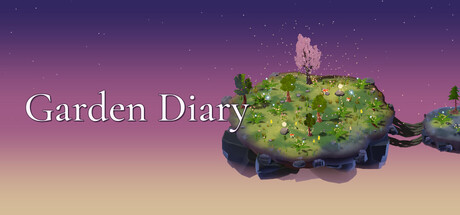
Garden Diary uses generative AI in these places, all reviewed and edited by me:
• Code - written with an AI coding assistant.
• Text - the interface text, hints and the game's written lines were drafted with AI help and edited by hand. This store description was written the same way.
• Interface icons- the small line glyphs are hand-authored SVG produced with the same assistant.
No AI-generated 3D art, textures, voice or music. Every 3D asset comes from licensed, human-made packs; the fonts are open-licensed human work; the wind, crickets, bells and lullaby are synthesised by the game's own audio code, and the rain is a licensed recording.
Generative AI tools were used during development to assist with debugging. AI-assisted content included in the final game was reviewed and edited by the developer. No content is generated by AI during gameplay.
This game is a polished and updated version of a limited-time game released in August 2026, and only available for a single month.
The objective for the original was to create a game in as short a time as possible. Development was finished in three weeks, and to achieve this goal, Suno(AI) was used to create some of the sound assets.
If you would prefer not to support this game due to this use of AI, we fully understand. Regardless, thank you for taking the time to consider it!
"All artwork and video scenes in this game were pre-generated using AI tools. The in-game content is completely fixed, and no adult content or mode-switching code/mechanics are provided."
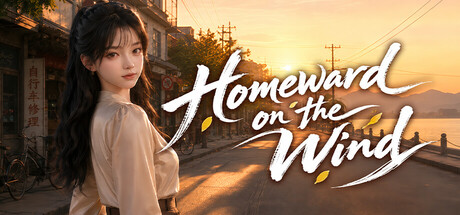
Visual assets and music in Homeward on the Wind were created with the assistance of generative AI tools and were reviewed and refined by the development team. The game does not generate content in real time. All storylines, choices, and interactions are pre-designed.
Generative AI tools were used during development to assist with language translation and localization, as well as researching historical and contextual lore to ensure narrative accuracy. All final text, gameplay content, and lore were reviewed and edited by human creators.
Generative AI was used during development to assist with programming and to create most of the game's visual assets. The player character artwork was created without generative AI.
Part of the game's artwork - backgrounds, character illustrations, and CG images - was created with the assistance of generative AI tools, and some background music tracks and character voice lines were produced using AI music and AI speech generation services. All AI-assisted assets were reviewed and selected by the developer. The story, characters, and writing were authored by the developer. The game also includes an optional runtime AI dialogue feature that runs on a local model bundled with the game, fully offline; it generates short character replies only and cannot change the story or endings.
Pre-generated AI-assisted content: portions of the game's 2D art, music, sound effects, NPC voice lines, and promotional artwork were created with AI generation tools during development, then reviewed and finalized by the developer. No AI content is generated at runtime.
Some visual and art assets in the game were created with the assistance of generative AI, combined with live-action materials and human-created artwork and editing.
Part of the game's visual content (location backgrounds and some animated CG scenes) was created using generative neural networks based on references and artistic descriptions developed by the author.
Some of this game's assets were created with the assistance of generative AI tools and were then reviewed, edited, and finalized by our development team. This applies to portions of the 2D artwork, such as UI elements, decorative frames, backgrounds, and illustrations, as well as some localized text. All AI-assisted content was pre-generated during development. The live-action video footage features real actors filmed by our production team, and no content is generated by AI during gameplay.
Generative AI was used during development to assist with some pre-generated artwork, audio, music, sound effects, and written content. All AI-assisted content was reviewed and edited by the developer before being included in the game. No live-generated AI is used during gameplay.
Generative AI tools were used during development to assist with programming, gameplay and balance systems, mission and narrative text, UI copy, Korean–English localization, and some store and marketing text. Generative AI was also used to create an early pre-rendered concept image for the game's visual direction. The current in-game character and environment artwork, fonts, music, and most sound effects are human-created assets used under their respective licenses. The game does not generate content with AI at runtime, and players cannot submit prompts or interact with generative AI.
This game utilizes Artificial Intelligence solely for text translation and localization across different languages. All translated text has been manually reviewed and proofread for quality and coherence. All other aspects of development, including game design, mechanics, and art, are original assets. The audio features a mix of original work and third-party assets used under their respective licenses.
Pre-generated content only. Store page artwork (capsules, hero image) was created with an image-generation model and then edited by hand. Some in-game art (level backgrounds, some character sprite sheets) was generated with AI tools and hand-edited. UI text for German, French, Spanish, Italian, Polish and Czech was machine-translated with an AI model from the human-written English source and is being reviewed by native speakers. No AI is used at runtime; players cannot generate content with AI in the game.
Generative AI was used during development for some visual and audio assets.
During gameplay, narrative text and character dialogue are generated in real time by a third-party AI model selected and configured by the player.
This game uses generative AI for some pre-produced visual assets, including character artwork and backgrounds, and for text generated during gameplay. A language model running locally on your computer generates VTuber dialogue and responses based on player input, character settings, and the current game situation. Generated dialogue can vary between playthroughs.
AI tools were used during development solely to assist with coding, including identifying and fixing bugs and making minor code corrections and improvements. AI does not generate any content for players during gameplay.
Generative AI tools were used to create illustrations, brief pre-rendered animated sequences, and some store and promotional artwork under the author's direction, selection, and editing. AI tools were also used to assist with translation and language editing. The original novel and its story were written by Takahiro Yonemura. No content is generated by AI while the application is running.
本作在开发过程中使用生成式 AI 辅助制作部分视觉素材,主要用于部分背景图像的生成、构图参考及初步素材制作。相关素材均经过制作组人工筛选、修改、修正或进一步加工后用于游戏。
游戏的主要剧本、角色设定、原创音乐、程序及核心美术设计均由制作组成员完成。游戏运行过程中不会调用生成式 AI,也不存在由玩家输入内容后实时生成文本、图像、音频或其他内容的功能。
Parts of the soundtrack were created with AI-assisted music generation, then edited, mixed and mastered by hand. Some of the game's code and store text were also written with AI assistance. All art, level design and gameplay are hand-made. No content is generated while you play.
This game was created with the assistance of AI tools in several areas of development.
Music: The songs were written and originally recorded by me, with AI tools used for additional processing and production.
Artwork: The visual concepts and creative direction were created by me, while AI tools were used to generate and develop some of the final artwork based on my concepts.
Programming: AI-assisted tools were used during development to help with coding and implementation.
All AI-assisted content was reviewed, selected, and integrated by me as part of the game's creative and development process.
Generative AI was used to assist in the creation of some in-game graphical assets and to generate or process some voice audio. All AI-assisted content was created and reviewed during development. The game does not generate AI content during gameplay.
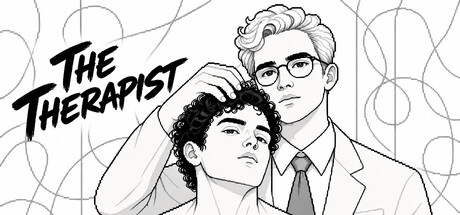
The Therapist was developed with the assistance of generative AI tools. AI was used to assist with programming and to generate certain visual and audio assets included in the game. The game's core concept, narrative direction, game design, mechanics, and creative direction were conceived and developed by the game's creator. AI-generated assets were selected, edited, integrated, and directed as part of the game's overall creative process.
As a small development team of just two people, we used generative AI tools in limited cases to assist with the production of certain visual assets and help manage the scope of development.
All AI-assisted assets were carefully reviewed, edited, refined, and finalized by us to fit the game's established art style and direction. Generative AI was used as a supporting tool during development, rather than to define the creative direction of the game.
Generative AI tools were used during development to create or refine selected visual and text assets. All such content was pre-generated, reviewed, and edited before use; the game does not use live generative AI.
The game’s core artwork and content were created by people. Generative AI use was limited to select elements of UI images and icons, Steam capsule image retouching, map and calendar textures within buildings, and localization translations.
Generative AI tools were used during development to assist with the creation of visual assets (backgrounds, character art, and UI elements), draft narrative ideas, and compose the background music. All generated visual and text materials were curated, manually edited, and refined by the developer.
Some marketing and store page artwork (capsule art, promotional images, achievement icons) was created with the assistance of generative AI tools and then reviewed and edited by our team. The game itself does not generate content with AI at runtime.
Generative AI tools were used during development to create selected pre-generated textures, sound effects, and promotional artwork. These materials are used as individual components within the game and its marketing rather than being generated dynamically.
AI-assisted materials are selected, edited, adapted, composed, and integrated by the developer to fit the game's original visual and audio direction. The game's design, gameplay systems, implementation, world building, and overall creative direction are developed by the developer.
No generative AI is used during gameplay, and the game does not connect to external AI services while running.
Some AI was used to generate marketing images and in-game content, including music and art.
This game would not be possible for a 1-person studio without such tools.
Garden Diary uses generative AI in these places, all reviewed and edited by me:
• Code - written with an AI coding assistant.
• Text - the interface text, hints and the game's written lines were drafted with AI help and edited by hand. This store description was written the same way.
• Interface icons- the small line glyphs are hand-authored SVG produced with the same assistant.
No AI-generated 3D art, textures, voice or music. Every 3D asset comes from licensed, human-made packs; the fonts are open-licensed human work; the wind, crickets, bells and lullaby are synthesised by the game's own audio code, and the rain is a licensed recording.
Generative AI tools were used during development to assist with debugging. AI-assisted content included in the final game was reviewed and edited by the developer. No content is generated by AI during gameplay.
This game is a polished and updated version of a limited-time game released in August 2026, and only available for a single month.
The objective for the original was to create a game in as short a time as possible. Development was finished in three weeks, and to achieve this goal, Suno(AI) was used to create some of the sound assets.
If you would prefer not to support this game due to this use of AI, we fully understand. Regardless, thank you for taking the time to consider it!
"All artwork and video scenes in this game were pre-generated using AI tools. The in-game content is completely fixed, and no adult content or mode-switching code/mechanics are provided."
Visual assets and music in Homeward on the Wind were created with the assistance of generative AI tools and were reviewed and refined by the development team. The game does not generate content in real time. All storylines, choices, and interactions are pre-designed.
Generative AI tools were used during development to assist with language translation and localization, as well as researching historical and contextual lore to ensure narrative accuracy. All final text, gameplay content, and lore were reviewed and edited by human creators.
Generative AI was used during development to assist with programming and to create most of the game's visual assets. The player character artwork was created without generative AI.
Part of the game's artwork - backgrounds, character illustrations, and CG images - was created with the assistance of generative AI tools, and some background music tracks and character voice lines were produced using AI music and AI speech generation services. All AI-assisted assets were reviewed and selected by the developer. The story, characters, and writing were authored by the developer. The game also includes an optional runtime AI dialogue feature that runs on a local model bundled with the game, fully offline; it generates short character replies only and cannot change the story or endings.
Pre-generated AI-assisted content: portions of the game's 2D art, music, sound effects, NPC voice lines, and promotional artwork were created with AI generation tools during development, then reviewed and finalized by the developer. No AI content is generated at runtime.
Some visual and art assets in the game were created with the assistance of generative AI, combined with live-action materials and human-created artwork and editing.
Part of the game's visual content (location backgrounds and some animated CG scenes) was created using generative neural networks based on references and artistic descriptions developed by the author.
Some of this game's assets were created with the assistance of generative AI tools and were then reviewed, edited, and finalized by our development team. This applies to portions of the 2D artwork, such as UI elements, decorative frames, backgrounds, and illustrations, as well as some localized text. All AI-assisted content was pre-generated during development. The live-action video footage features real actors filmed by our production team, and no content is generated by AI during gameplay.
Generative AI was used during development to assist with some pre-generated artwork, audio, music, sound effects, and written content. All AI-assisted content was reviewed and edited by the developer before being included in the game. No live-generated AI is used during gameplay.
Generative AI tools were used during development to assist with programming, gameplay and balance systems, mission and narrative text, UI copy, Korean–English localization, and some store and marketing text. Generative AI was also used to create an early pre-rendered concept image for the game's visual direction. The current in-game character and environment artwork, fonts, music, and most sound effects are human-created assets used under their respective licenses. The game does not generate content with AI at runtime, and players cannot submit prompts or interact with generative AI.
This game utilizes Artificial Intelligence solely for text translation and localization across different languages. All translated text has been manually reviewed and proofread for quality and coherence. All other aspects of development, including game design, mechanics, and art, are original assets. The audio features a mix of original work and third-party assets used under their respective licenses.
Pre-generated content only. Store page artwork (capsules, hero image) was created with an image-generation model and then edited by hand. Some in-game art (level backgrounds, some character sprite sheets) was generated with AI tools and hand-edited. UI text for German, French, Spanish, Italian, Polish and Czech was machine-translated with an AI model from the human-written English source and is being reviewed by native speakers. No AI is used at runtime; players cannot generate content with AI in the game.
Generative AI was used during development for some visual and audio assets.
During gameplay, narrative text and character dialogue are generated in real time by a third-party AI model selected and configured by the player.
This game uses generative AI for some pre-produced visual assets, including character artwork and backgrounds, and for text generated during gameplay. A language model running locally on your computer generates VTuber dialogue and responses based on player input, character settings, and the current game situation. Generated dialogue can vary between playthroughs.
AI tools were used during development solely to assist with coding, including identifying and fixing bugs and making minor code corrections and improvements. AI does not generate any content for players during gameplay.
Generative AI tools were used to create illustrations, brief pre-rendered animated sequences, and some store and promotional artwork under the author's direction, selection, and editing. AI tools were also used to assist with translation and language editing. The original novel and its story were written by Takahiro Yonemura. No content is generated by AI while the application is running.
本作在开发过程中使用生成式 AI 辅助制作部分视觉素材,主要用于部分背景图像的生成、构图参考及初步素材制作。相关素材均经过制作组人工筛选、修改、修正或进一步加工后用于游戏。
游戏的主要剧本、角色设定、原创音乐、程序及核心美术设计均由制作组成员完成。游戏运行过程中不会调用生成式 AI,也不存在由玩家输入内容后实时生成文本、图像、音频或其他内容的功能。
Parts of the soundtrack were created with AI-assisted music generation, then edited, mixed and mastered by hand. Some of the game's code and store text were also written with AI assistance. All art, level design and gameplay are hand-made. No content is generated while you play.
This game was created with the assistance of AI tools in several areas of development.
Music: The songs were written and originally recorded by me, with AI tools used for additional processing and production.
Artwork: The visual concepts and creative direction were created by me, while AI tools were used to generate and develop some of the final artwork based on my concepts.
Programming: AI-assisted tools were used during development to help with coding and implementation.
All AI-assisted content was reviewed, selected, and integrated by me as part of the game's creative and development process.
Generative AI was used to assist in the creation of some in-game graphical assets and to generate or process some voice audio. All AI-assisted content was created and reviewed during development. The game does not generate AI content during gameplay.
The Therapist was developed with the assistance of generative AI tools. AI was used to assist with programming and to generate certain visual and audio assets included in the game. The game's core concept, narrative direction, game design, mechanics, and creative direction were conceived and developed by the game's creator. AI-generated assets were selected, edited, integrated, and directed as part of the game's overall creative process.
As a small development team of just two people, we used generative AI tools in limited cases to assist with the production of certain visual assets and help manage the scope of development.
All AI-assisted assets were carefully reviewed, edited, refined, and finalized by us to fit the game's established art style and direction. Generative AI was used as a supporting tool during development, rather than to define the creative direction of the game.
Generative AI tools were used during development to create or refine selected visual and text assets. All such content was pre-generated, reviewed, and edited before use; the game does not use live generative AI.
The game’s core artwork and content were created by people. Generative AI use was limited to select elements of UI images and icons, Steam capsule image retouching, map and calendar textures within buildings, and localization translations.
Generative AI tools were used during development to assist with the creation of visual assets (backgrounds, character art, and UI elements), draft narrative ideas, and compose the background music. All generated visual and text materials were curated, manually edited, and refined by the developer.
Some marketing and store page artwork (capsule art, promotional images, achievement icons) was created with the assistance of generative AI tools and then reviewed and edited by our team. The game itself does not generate content with AI at runtime.
Generative AI tools were used during development to create selected pre-generated textures, sound effects, and promotional artwork. These materials are used as individual components within the game and its marketing rather than being generated dynamically.
AI-assisted materials are selected, edited, adapted, composed, and integrated by the developer to fit the game's original visual and audio direction. The game's design, gameplay systems, implementation, world building, and overall creative direction are developed by the developer.
No generative AI is used during gameplay, and the game does not connect to external AI services while running.
Some AI was used to generate marketing images and in-game content, including music and art.
This game would not be possible for a 1-person studio without such tools.