Public Steam disclosure research25,376 disclosures tracked
Where do games disclose AI use?
Search developers’ Steam disclosures, compare classified AI use across
games, and follow recorded changes.
This index adds cross-game classifications and statistics to
statements published on individual store pages.
Groups reflect automatic analysis of public disclosures; mature records are excluded. These counts do not measure AI use across all of Steam.
Missing or unclear statements cannot establish whether a game uses AI.
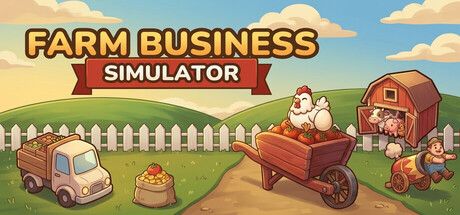
Parts of this store page, as well as certain code elements of the game, were created with the assistance of AI tools. These tools helped speed up development and improve clarity, while all creative direction, design choices, and final implementation remain in the hands of the developer.
The host's voice lines were generated with an AI text-to-speech service from a script we wrote. Parts of the store page text were drafted with AI assistance and edited by us. All game art, minigames and code are made by the developer; nothing is generated while you play.
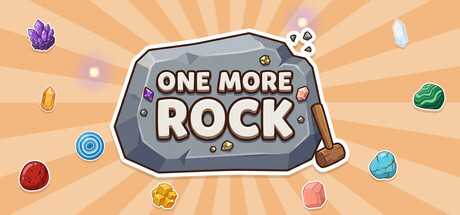
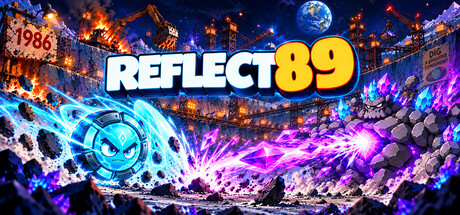
The game's 2D illustrations (rocks, gems, tools, icons and logo) were generated with AI image tools, then cleaned up and edited by the developer. Cracks, rarity effects, particles and animations are made in code. The translations were produced with the help of AI. The store page capsules, screenshots and trailer are built from these same in-game sprites. No content is generated by AI while the game is running.
Some of the images on our store page were created by artificial intelligence and edits were made on the images. and some images in the game were made by artificial intelligence.
The 32 illustrations, the soundtrack and the sound effects in A to Zen were created with generative AI tools from the developer's own prompts, then selected, checked and edited by hand. The in-game texts, the store translations and parts of the game code were also made with AI assistance and reviewed and tested by the developer. Game design, puzzle mechanics and the chapter concept are the developer's own work. Nothing is generated while you play, and the game does not connect to any AI service.
AI created promotional images, cinematic trailer footage and helped translate this store page. No AI content is generated during gameplay. The game does not connect to an external AI service while playing.
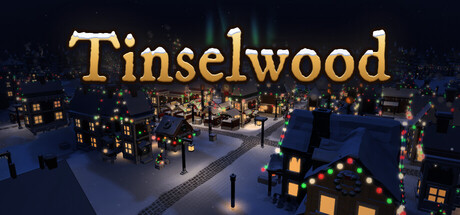
Parts of Tinselwood were made with generative AI during development: its music and sound effects, its interface icons and store art, some of its set-piece models, and parts of its code. All of it was reviewed and reworked by hand, and nothing is generated while you play.
Generative AI was used to assist with some pre-generated 2D artwork. All AI-assisted assets were selected, edited and integrated by the developer. No generative AI is used during gameplay.
Pre-generated AI content only; nothing is generated live during gameplay.
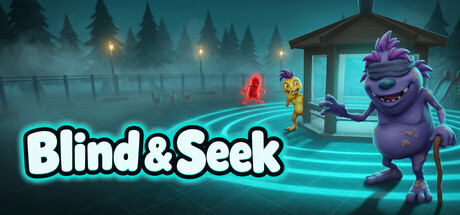
- Some 3D assets (character models, the seeker's bandana and a few props) were
created with AI-assisted 3D generation tools, then edited, rigged and adjusted
by hand before being used in the game.
- Some 2D images (in-game "how to play" board, UI art) were created with AI image
tools and edited by hand.
- Parts of the in-game text localization were produced with AI translation and
reviewed by the developer.
All AI-generated assets were reviewed by us and we hold the rights required to
use and distribute them.
Hello! It’s a pleasure to greet you.
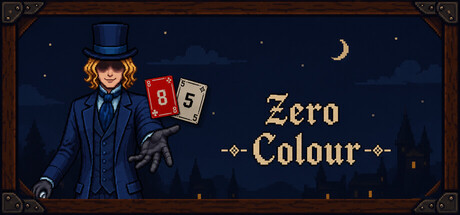
I am the developer of Zero Colour.
As you may notice, some aspects of the game include AI. I understand that some people may not like this or may find it bothersome, so I apologize for that.
I am using this tool because I do not have the resources to hire professionals for the game’s art or translations. Please excuse any mistakes; I did my best.
I hope you enjoy the game. If you have any corrections or suggestions, please feel free to let me know.
Thank you very much!
Some of the game's text (menus, hints, minigame descriptions and translations) and the copy on this store page were written with the help of an AI language model. The game does not use AI to create anything while you play.
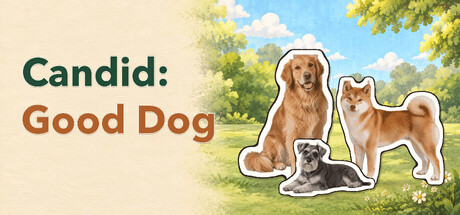
Generative AI was used during development to create some illustrations, visual assets, and built-in example dog images. These assets are included with the game. Your own pet photos are processed locally on your computer to create animated paper cutouts; they are never uploaded to online AI services or redrawn using generative AI.
The game's music was created with AI tools. The translations of the game's text and of this store page into languages other than French were also made with the help of AI tools. All the game's visuals are drawn by code by the developer.
Some content in this game was created with the help of generative AI tools during development: sound effects, the English translation, some 3D assets and parts of the store page text. All of it was reviewed and edited by the developer. The game does not generate any content with AI while you play.
Generative AI was used to create pre-generated vivid reinterpretations of public-domain classical paintings and promotional/store artwork. These fixed images are included with the game. Gameplay does not generate AI content or connect to external AI services; imported images are processed locally.
The 3D character models and their textures in this game were created using a generative AI tool (Tripo AI), based on original images prepared by the developer. ChatGPT / DALL·E were also used to create UI icons, background art (sky and grass), and some textures. All generated results were reviewed and adjusted by the developer before being included in the game. The game does not generate any AI content at runtime.
Some of the artwork in Wonder Glider (scenery, characters, icons and the title lettering) and some of its text and translations were created with the help of generative AI tools, then edited by us. The game does not generate any AI content while you play.
Generative AI-assisted tools were used during development to support programming, localization and store-page text, and the creation or refinement of some visual game assets. All AI-assisted output was reviewed, edited, tested and integrated by the developer. No content is generated by AI during gameplay, and the game does not connect to external AI services.
AI was used to assist with text translation into Italian, Portuguese, Chinese, Japanese, Korean, Norwegian, Swedish and German. The translations are used in the store page and in-game.
No other content in this game uses AI.
AI helped create promotional artwork and the main-menu background illustration, and draft the story, dialogue and Korean and English store descriptions. These assets are pre-generated; no AI content is generated or external AI service used during gameplay.
This game was developed with extensive use of generative AI (Anthropic's Claude and OpenAI's GPT). The game code, the 3D models (generated by AI-written scripts), procedurally generated visuals, synthesized sound effects and music (produced by AI-written synthesis code), in-game text and translations, and the store page text and trailer were all created with AI assistance. No AI content is generated while the game is running, and the game does not connect to any external AI service.
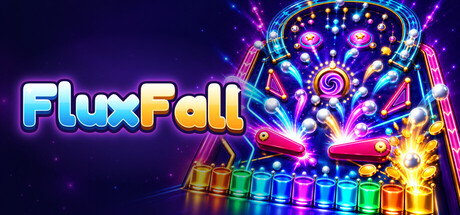
Generative AI tools assisted with creating content for FluxFall and its promotional materials. The developer revied and refined the results, guiding the creative direction, gameplay design, and final presentation.
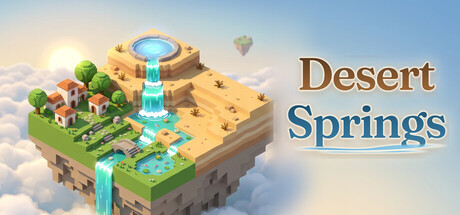
Desert Springs uses AI-assisted tools in parts of its development: some UI icons and Images were made with AI image generation. All of it was reviewed and edited by the developer. 2D art, level design, game design and codes are human made. No content is generated by AI while the game runs.
Sound effects and music were created with AI audio tools (ElevenLabs) and selected and edited by the developer. Parts of the in-game text, villager dialogue and translations were written with the help of AI and reviewed by the developer. AI coding assistants were used during development, including scripts that build the game's 3D models. No AI generates content while you play.
Some game assets were made with AI generation tools during development and then edited by us: the talent icons, the digger crew sprites, the sound effects and the music. Store descriptions were drafted with AI assistance and reviewed by the developer. Nothing is generated by AI while you play.
Generative AI was used to assist in the creation and iteration of selected visual assets and marketing materials. All final content was reviewed, selected, and integrated by the developer. No generative AI is used during gameplay.
Some of the game's pre-made content was created with the help of generative AI tools and then edited and checked by the developer: character, monster, item and background artwork, store artwork, music and sound effects. The game does not generate any content with AI while you play.
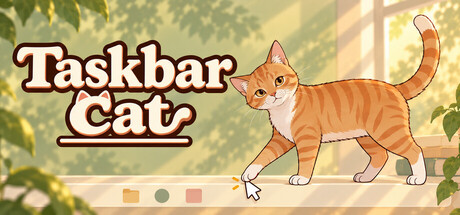
Taskbar Cat uses pre-generated AI-assisted artwork, cat and prop animation sprites, some cat sound effects, and promotional artwork. These assets were edited and assembled during development. The game does not generate AI content or connect to an AI service during gameplay.
The game's three music tracks were generated with Suno (a generative AI tool) from prompts written for the game. The game's text and this store page were written with the help of an AI assistant, then reviewed by the team. No AI generates content while you play.
Some pre-generated visual assets were created with the help of AI image generation tools and then edited by the developer: UI elements (buttons, icons, bars), the game logo, and the campaign zone background art. Some store and community artwork may also use AI-assisted imagery. All gameplay, card art, sound effects and music are procedurally generated by the game's own code, not by AI. No content is generated by AI live during gameplay.
Generative AI tools were used during development to create selected visual assets and music. All generated content was reviewed, selected, edited where necessary, and integrated by the developer.
The game's sprites, characters and building artwork were created with generative AI image tools, and the background music tracks were created with generative AI audio tools. All assets were selected and integrated into the game by the developer. Gameplay, design and sound effects were made without generative AI. The game does not generate any AI content during play and does not connect to any AI services.
The store page description was drafted with help from an AI writing assistant and reviewed by the developer. The game includes AI-generated voice audio made with Kokoro TTS from developer-written scripts, including waiting-room broadcasts, public-address announcements, and story voices. The game does not generate new content with AI during play; staff and patient behavior uses authored, rule-based simulation systems. No game art or text is AI-generated.
Generative AI was used during development to create, pixel artwork, music and written content under our concept and design direction. The game contains pre-generated content only; it does not generate AI content during play.
The game's 2D artwork (plant, item and upgrade icons, logo, background and store key art) and some of the garden sound effects (harvest, plant, water, discover and golden-seed sounds) were created with generative AI tools (OpenAI GPT Image and Stability AI Stable Audio) and curated by the developer. All content is pre-generated and ships with the game. The game does not generate any content with AI during gameplay and does not connect to any external AI service.
Hey everyone! I used AI for three things that ship in this game:
- The game logo, which also appears on the store capsules
- A couple of real photos converted into an anime style photo, used as wall art in some of the environments.
- The achievement icons are ai generated.
That's everything. No other AI-generated art, no AI voices/music, and nothing generative running while you play.
Pre-generated AI tools assisted with development, including code, interface copy and localization, in-game comic illustrations, and promotional key art, logo, and icon drafts. The developer reviewed and edited all AI-assisted output before inclusion. The game does not generate AI content while running.
During the development of our game, generative AI tools were used to assist in creating certain 2D underwater background visuals, store page graphics. Additionally, AI-based language models were utilized for writing the store page descriptions and localizing the game into various languages. All AI-generated content was manually reviewed and edited before being implemented into the game or the store page.
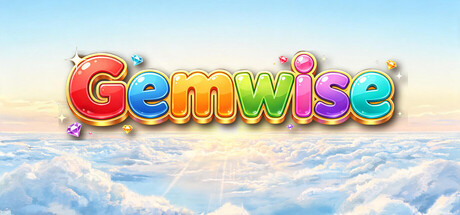
Gemwise includes pre-generated music, visual artwork, and localized text created with generative AI tools. These assets were selected, edited, processed, integrated, and reviewed by the developer. The game does not generate AI content during gameplay and does not connect to external AI services.
AI has been used for some of the games code. Certain game assets were created via code, however no AI generated images/textures are present in the game.
AI-assisted development tools (an AI coding assistant) were used during development to help write code and portions of this store page's descriptive text. No game art, music, or narrative content was generated by AI.
Parts of this store page, as well as certain code elements of the game, were created with the assistance of AI tools. These tools helped speed up development and improve clarity, while all creative direction, design choices, and final implementation remain in the hands of the developer.
The host's voice lines were generated with an AI text-to-speech service from a script we wrote. Parts of the store page text were drafted with AI assistance and edited by us. All game art, minigames and code are made by the developer; nothing is generated while you play.
The game's 2D illustrations (rocks, gems, tools, icons and logo) were generated with AI image tools, then cleaned up and edited by the developer. Cracks, rarity effects, particles and animations are made in code. The translations were produced with the help of AI. The store page capsules, screenshots and trailer are built from these same in-game sprites. No content is generated by AI while the game is running.
Some of the images on our store page were created by artificial intelligence and edits were made on the images. and some images in the game were made by artificial intelligence.
The 32 illustrations, the soundtrack and the sound effects in A to Zen were created with generative AI tools from the developer's own prompts, then selected, checked and edited by hand. The in-game texts, the store translations and parts of the game code were also made with AI assistance and reviewed and tested by the developer. Game design, puzzle mechanics and the chapter concept are the developer's own work. Nothing is generated while you play, and the game does not connect to any AI service.
AI created promotional images, cinematic trailer footage and helped translate this store page. No AI content is generated during gameplay. The game does not connect to an external AI service while playing.
Parts of Tinselwood were made with generative AI during development: its music and sound effects, its interface icons and store art, some of its set-piece models, and parts of its code. All of it was reviewed and reworked by hand, and nothing is generated while you play.
Generative AI was used to assist with some pre-generated 2D artwork. All AI-assisted assets were selected, edited and integrated by the developer. No generative AI is used during gameplay.
Pre-generated AI content only; nothing is generated live during gameplay.
- Some 3D assets (character models, the seeker's bandana and a few props) were
created with AI-assisted 3D generation tools, then edited, rigged and adjusted
by hand before being used in the game.
- Some 2D images (in-game "how to play" board, UI art) were created with AI image
tools and edited by hand.
- Parts of the in-game text localization were produced with AI translation and
reviewed by the developer.
All AI-generated assets were reviewed by us and we hold the rights required to
use and distribute them.
Hello! It’s a pleasure to greet you.
I am the developer of Zero Colour.
As you may notice, some aspects of the game include AI. I understand that some people may not like this or may find it bothersome, so I apologize for that.
I am using this tool because I do not have the resources to hire professionals for the game’s art or translations. Please excuse any mistakes; I did my best.
I hope you enjoy the game. If you have any corrections or suggestions, please feel free to let me know.
Thank you very much!
Some of the game's text (menus, hints, minigame descriptions and translations) and the copy on this store page were written with the help of an AI language model. The game does not use AI to create anything while you play.
Generative AI was used during development to create some illustrations, visual assets, and built-in example dog images. These assets are included with the game. Your own pet photos are processed locally on your computer to create animated paper cutouts; they are never uploaded to online AI services or redrawn using generative AI.
The game's music was created with AI tools. The translations of the game's text and of this store page into languages other than French were also made with the help of AI tools. All the game's visuals are drawn by code by the developer.
Some content in this game was created with the help of generative AI tools during development: sound effects, the English translation, some 3D assets and parts of the store page text. All of it was reviewed and edited by the developer. The game does not generate any content with AI while you play.
Generative AI was used to create pre-generated vivid reinterpretations of public-domain classical paintings and promotional/store artwork. These fixed images are included with the game. Gameplay does not generate AI content or connect to external AI services; imported images are processed locally.
The 3D character models and their textures in this game were created using a generative AI tool (Tripo AI), based on original images prepared by the developer. ChatGPT / DALL·E were also used to create UI icons, background art (sky and grass), and some textures. All generated results were reviewed and adjusted by the developer before being included in the game. The game does not generate any AI content at runtime.
Some of the artwork in Wonder Glider (scenery, characters, icons and the title lettering) and some of its text and translations were created with the help of generative AI tools, then edited by us. The game does not generate any AI content while you play.
Generative AI-assisted tools were used during development to support programming, localization and store-page text, and the creation or refinement of some visual game assets. All AI-assisted output was reviewed, edited, tested and integrated by the developer. No content is generated by AI during gameplay, and the game does not connect to external AI services.
AI was used to assist with text translation into Italian, Portuguese, Chinese, Japanese, Korean, Norwegian, Swedish and German. The translations are used in the store page and in-game.
No other content in this game uses AI.
AI helped create promotional artwork and the main-menu background illustration, and draft the story, dialogue and Korean and English store descriptions. These assets are pre-generated; no AI content is generated or external AI service used during gameplay.
This game was developed with extensive use of generative AI (Anthropic's Claude and OpenAI's GPT). The game code, the 3D models (generated by AI-written scripts), procedurally generated visuals, synthesized sound effects and music (produced by AI-written synthesis code), in-game text and translations, and the store page text and trailer were all created with AI assistance. No AI content is generated while the game is running, and the game does not connect to any external AI service.
Generative AI tools assisted with creating content for FluxFall and its promotional materials. The developer revied and refined the results, guiding the creative direction, gameplay design, and final presentation.
Desert Springs uses AI-assisted tools in parts of its development: some UI icons and Images were made with AI image generation. All of it was reviewed and edited by the developer. 2D art, level design, game design and codes are human made. No content is generated by AI while the game runs.
Sound effects and music were created with AI audio tools (ElevenLabs) and selected and edited by the developer. Parts of the in-game text, villager dialogue and translations were written with the help of AI and reviewed by the developer. AI coding assistants were used during development, including scripts that build the game's 3D models. No AI generates content while you play.
Some game assets were made with AI generation tools during development and then edited by us: the talent icons, the digger crew sprites, the sound effects and the music. Store descriptions were drafted with AI assistance and reviewed by the developer. Nothing is generated by AI while you play.
Generative AI was used to assist in the creation and iteration of selected visual assets and marketing materials. All final content was reviewed, selected, and integrated by the developer. No generative AI is used during gameplay.
Some of the game's pre-made content was created with the help of generative AI tools and then edited and checked by the developer: character, monster, item and background artwork, store artwork, music and sound effects. The game does not generate any content with AI while you play.
Taskbar Cat uses pre-generated AI-assisted artwork, cat and prop animation sprites, some cat sound effects, and promotional artwork. These assets were edited and assembled during development. The game does not generate AI content or connect to an AI service during gameplay.
The game's three music tracks were generated with Suno (a generative AI tool) from prompts written for the game. The game's text and this store page were written with the help of an AI assistant, then reviewed by the team. No AI generates content while you play.
Some pre-generated visual assets were created with the help of AI image generation tools and then edited by the developer: UI elements (buttons, icons, bars), the game logo, and the campaign zone background art. Some store and community artwork may also use AI-assisted imagery. All gameplay, card art, sound effects and music are procedurally generated by the game's own code, not by AI. No content is generated by AI live during gameplay.
Generative AI tools were used during development to create selected visual assets and music. All generated content was reviewed, selected, edited where necessary, and integrated by the developer.
The game's sprites, characters and building artwork were created with generative AI image tools, and the background music tracks were created with generative AI audio tools. All assets were selected and integrated into the game by the developer. Gameplay, design and sound effects were made without generative AI. The game does not generate any AI content during play and does not connect to any AI services.
The store page description was drafted with help from an AI writing assistant and reviewed by the developer. The game includes AI-generated voice audio made with Kokoro TTS from developer-written scripts, including waiting-room broadcasts, public-address announcements, and story voices. The game does not generate new content with AI during play; staff and patient behavior uses authored, rule-based simulation systems. No game art or text is AI-generated.
Generative AI was used during development to create, pixel artwork, music and written content under our concept and design direction. The game contains pre-generated content only; it does not generate AI content during play.
The game's 2D artwork (plant, item and upgrade icons, logo, background and store key art) and some of the garden sound effects (harvest, plant, water, discover and golden-seed sounds) were created with generative AI tools (OpenAI GPT Image and Stability AI Stable Audio) and curated by the developer. All content is pre-generated and ships with the game. The game does not generate any content with AI during gameplay and does not connect to any external AI service.
Hey everyone! I used AI for three things that ship in this game:
- The game logo, which also appears on the store capsules
- A couple of real photos converted into an anime style photo, used as wall art in some of the environments.
- The achievement icons are ai generated.
That's everything. No other AI-generated art, no AI voices/music, and nothing generative running while you play.
Pre-generated AI tools assisted with development, including code, interface copy and localization, in-game comic illustrations, and promotional key art, logo, and icon drafts. The developer reviewed and edited all AI-assisted output before inclusion. The game does not generate AI content while running.
During the development of our game, generative AI tools were used to assist in creating certain 2D underwater background visuals, store page graphics. Additionally, AI-based language models were utilized for writing the store page descriptions and localizing the game into various languages. All AI-generated content was manually reviewed and edited before being implemented into the game or the store page.
Gemwise includes pre-generated music, visual artwork, and localized text created with generative AI tools. These assets were selected, edited, processed, integrated, and reviewed by the developer. The game does not generate AI content during gameplay and does not connect to external AI services.
AI has been used for some of the games code. Certain game assets were created via code, however no AI generated images/textures are present in the game.
AI-assisted development tools (an AI coding assistant) were used during development to help write code and portions of this store page's descriptive text. No game art, music, or narrative content was generated by AI.