Public Steam disclosure research25,376 disclosures tracked
Where do games disclose AI use?
Search developers’ Steam disclosures, compare classified AI use across
games, and follow recorded changes.
This index adds cross-game classifications and statistics to
statements published on individual store pages.
Groups reflect automatic analysis of public disclosures; mature records are excluded. These counts do not measure AI use across all of Steam.
Missing or unclear statements cannot establish whether a game uses AI.
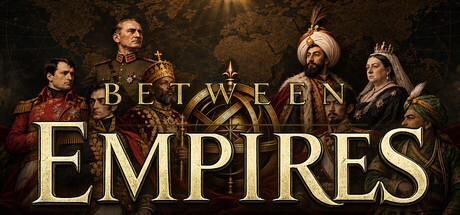
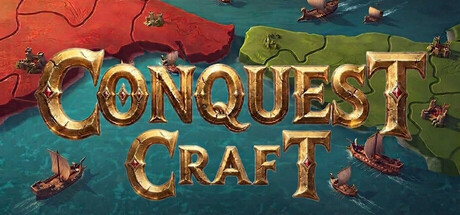
This product contains pre-generated content created with the assistance of generative AI tools during development. AI-assisted content includes selected 2D artwork, character portraits, unit illustrations, decorative interface imagery, trailer and store artwork, portions of the soundtrack, and some player-facing descriptive or localization text. All AI-assisted content was reviewed and edited by the developer and is fixed before release. The game does not generate text, images, audio, or any other content using generative AI while it is running. Computer-controlled opponents and procedural simulation systems use conventional game logic, not generative AI.
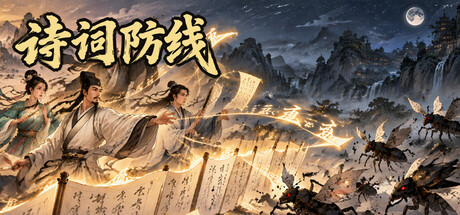
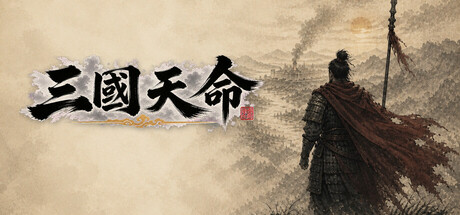
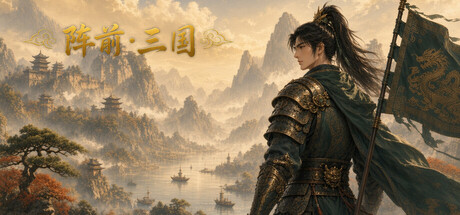
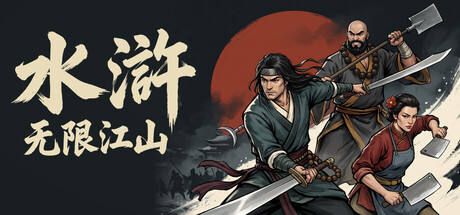
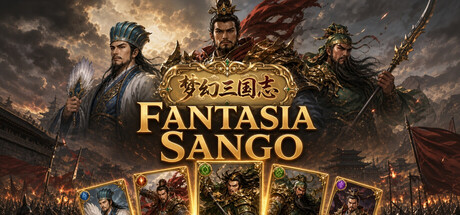
This game uses pre-generated AI-assisted visual content. Generative AI tools were used during development to help create and refine some 2D artwork and Steam store materials, including Chinese ink-style backgrounds, capsule images, UI/marketing artwork, icons, and related visual elements. All AI-assisted assets were reviewed and edited by the developer before being included. The game does not use live generative AI during gameplay, and no player input is sent to an AI service to generate content.
Some pre-generated artwork used in the game and on its Steam store page, including title, introduction, event illustration, and capsule artwork, was created using OpenAI image generation tools. One music track was generated using Google Gemini from a developer-written prompt. All generated assets were reviewed and selected by the developer before release. The game does not generate AI content during gameplay or connect to external AI services.
AI tools assisted portions of the pre-produced artwork, text, development code, and audio-production scripts. Music and sound effects use procedural synthesis. No AI content is generated during gameplay, and the Windows game does not connect to an external AI service.
AI tools assisted historical card wording, interface and rules text, Japanese translations, and original procedural game and marketing artwork. Cards include source references. No generative AI runs during gameplay.
Generative AI was used during development to help create some of the game's artwork, written content, and translations, as well as some store-page images and text. This content was prepared before release. The game does not generate AI content during gameplay.
During development, this game used generative AI tools to assist in creating some content: some card illustrations, character art, and scene images were initially generated by AI, then manually selected, redrawn, and post-processed by the developer. Some music, sound effects, and text were also created with AI assistance and finalized after item-by-item revisions by the developer. Some assets used on the store page and promotional images were also produced with the assistance of the above tools. The game does not contain any AI content generated in real time at runtime, and does not use any third-party copyrighted characters, assets, or trademarks.
Some in-game assets were created with the assistance of generative AI tools during development. All AI-assisted content has been reviewed, edited, and curated by our team before being included in the game. The game does not use generative AI at runtime — no content is generated while you play.
Generative AI tools assisted in producing some background artwork, music and sound effects, models, and narrative content. The developer reviewed and edited these materials before integrating them into the game. No AI content is generated during gameplay.
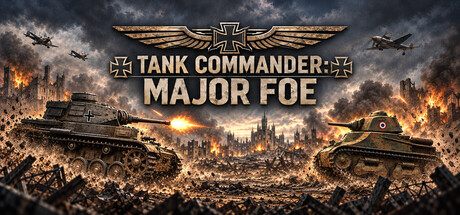
Some 2D artwork and visual assets in Tank Commander: Major FOE were created with the assistance of generative AI tools. These assets were reviewed, selected, edited, and integrated by the developer. The game does not generate AI content during gameplay and does not connect to external AI services while being played.
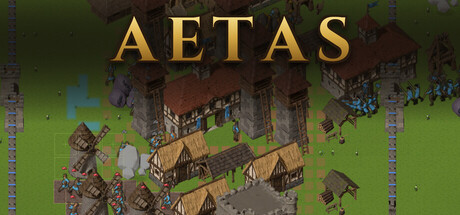
Aetas is designed, directed and built by a single developer. Generative AI was used as a development assistant: it helped write code and tools, the in-game texts and their English/Dutch localization, and the store page texts, all under the developer's direction and review. No AI image generation was used: all sprites and tiles are hand-drawn Liberated Pixel Cup art by human artists (credited in the game folder), or assembled programmatically from that art. The trailer music was produced by a synthesis script. The game does not generate any content with AI during gameplay and does not connect to any AI service.
Generative AI tools were used during development across visual assets, audio, and written content. AI-assisted outputs were substantially edited, composited, photobashed and hand-painted by the developer before inclusion in the game. No generative AI is used at runtime.
Pre-generated content: some character and venue artwork, some 3D props, the cast voice lines, the intro films and the translations were created with AI tools and reviewed by the developer. No content is generated at runtime.
The store artwork (key art, capsule images, logo) was created with the help of generative AI and then selected and edited by hand. AI tools assisted with programming, in-game text and translations; all content was reviewed and revised by the developer. The in-game 3D models, textures and animations come from licensed asset packs and are not AI-generated. No content is generated by AI during gameplay.
Pre-generated content only. The game contains no live or runtime AI generation and makes no network connection.
Visual art: the pixel art in this game — sprites, backgrounds, key art, banners and icons — was produced with the assistance of generative AI image tools and then edited, composited, recoloured and assembled by hand for use in the game.
Written content and store text: the encounter text and the store description were written with AI assistance and edited by the developer.
Everything shipped was reviewed by a human before it went in. No content is generated while the game is running.
Kingdoms in Ink uses pre-generated AI-assisted content, including decorative map frames, store artwork, and some in-game and store text and translations. These assets and texts are prepared and reviewed during development. The game does not generate AI content during play or connect to external AI services.
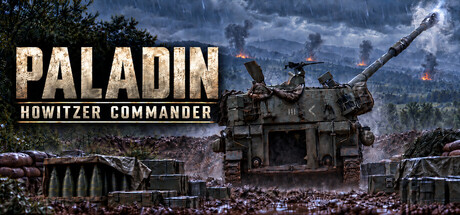
Some visual assets in PALADIN HC were created or recreated with the assistance of generative AI tools during development. All AI-assisted content was reviewed, selected, and integrated by the developer before being included in the game.
This game includes AI-generated content created during development.
Character portraits, illustrations and store artwork were generated with an image model and curated by the developer. Background music was generated with Google Lyria and contains SynthID watermarking.
Translations were produced with AI assistance. No AI content is generated while you play.
This game uses pre-generated AI-assisted artwork for character portraits, store images, and some illustrations. No AI content is generated during gameplay.
Generative AI is used during development to help create store artwork, some character and military prop source assets, and localized store text. Assets are edited and integrated during development. The game does not generate AI content or connect to external AI services during gameplay.
Some 3D character and prop models were generated with 3D AI Studio during development. Some player-facing text was drafted with AI assistance. All content is prepared in advance; no generative AI runs during gameplay.
Some art, music and the non-English translations were created with the help of AI tools during development, then edited by hand. Everything ships as static files; nothing is generated while you play.
Generative AI was used to assist in creating some art assets, including backgrounds, prop images, and store promotional images, and in drafting and polishing some written content. The developer selected, edited, and integrated these materials for use in the game and on its store page. The game does not generate AI content during gameplay or connect to external AI services.
Ai was only used to help polish the content on the store page and to create the company and game logos. All code and assets used in game were created by humans (the author, online verified sources, or contracted/paid designers).
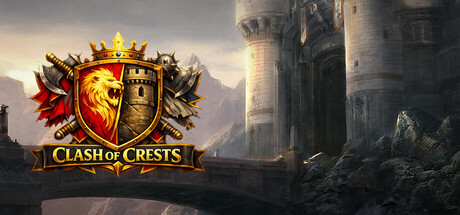
Some of the artwork in Clash of Crests was produced with generative AI image tools and then cropped, composited, retouched and finished by the developer. This includes unit and character portraits, faction crests, campaign banners and key art, and some environment and prop art. Parts of the in-game lore and flavour text were drafted with AI assistance and then edited by the developer. Nothing is generated by AI while you play: all content ships with the game as fixed, pre-made assets.
The game includes pre-generated AI-assisted content, including some character and card illustrations, boss videos, and portions of localized text. These assets are produced during development and included with the game. The game does not request new images, text, or voices from generative AI services during play.
Only the game's source code was written with the assistance of an AI coding tool. All art, music, writing, and other creative assets were created by hand without generative AI.
This game uses artwork, audio, and other assets created with generative AI during development. These assets are generated in advance and included in the game installation. Generative AI is also used to create Steam store artwork. The game does not generate AI content during gameplay or connect to external AI services.
Generative AI was used during development to create officer portraits, illustrations, backgrounds and other graphical assets, translations, and background music. This content was generated in advance; no AI content is generated during gameplay.
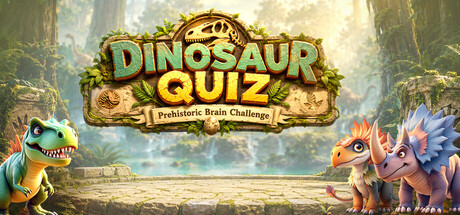
Some questions and answers in our quiz game are generated using AI. Additionally, we utilized pre-generated AI images included in the capsules and for in-game assets.
This game uses generative AI tools during development to assist with art assets, soundtrack production, code drafting and text localization. All in-game content is pre-generated, manually reviewed, refined and finalized by the development team. No content is generated in real time during gameplay.
Some visual assets and all story voice-over audio in this game were generated using AI tools, then curated and edited by the developer. Some store page and marketing assets were also AI-assisted.
This product contains pre-generated content created with the assistance of generative AI tools during development. AI-assisted content includes selected 2D artwork, character portraits, unit illustrations, decorative interface imagery, trailer and store artwork, portions of the soundtrack, and some player-facing descriptive or localization text. All AI-assisted content was reviewed and edited by the developer and is fixed before release. The game does not generate text, images, audio, or any other content using generative AI while it is running. Computer-controlled opponents and procedural simulation systems use conventional game logic, not generative AI.
This game uses pre-generated AI-assisted visual content. Generative AI tools were used during development to help create and refine some 2D artwork and Steam store materials, including Chinese ink-style backgrounds, capsule images, UI/marketing artwork, icons, and related visual elements. All AI-assisted assets were reviewed and edited by the developer before being included. The game does not use live generative AI during gameplay, and no player input is sent to an AI service to generate content.
Some pre-generated artwork used in the game and on its Steam store page, including title, introduction, event illustration, and capsule artwork, was created using OpenAI image generation tools. One music track was generated using Google Gemini from a developer-written prompt. All generated assets were reviewed and selected by the developer before release. The game does not generate AI content during gameplay or connect to external AI services.
AI tools assisted portions of the pre-produced artwork, text, development code, and audio-production scripts. Music and sound effects use procedural synthesis. No AI content is generated during gameplay, and the Windows game does not connect to an external AI service.
AI tools assisted historical card wording, interface and rules text, Japanese translations, and original procedural game and marketing artwork. Cards include source references. No generative AI runs during gameplay.
Generative AI was used during development to help create some of the game's artwork, written content, and translations, as well as some store-page images and text. This content was prepared before release. The game does not generate AI content during gameplay.
During development, this game used generative AI tools to assist in creating some content: some card illustrations, character art, and scene images were initially generated by AI, then manually selected, redrawn, and post-processed by the developer. Some music, sound effects, and text were also created with AI assistance and finalized after item-by-item revisions by the developer. Some assets used on the store page and promotional images were also produced with the assistance of the above tools. The game does not contain any AI content generated in real time at runtime, and does not use any third-party copyrighted characters, assets, or trademarks.
Some in-game assets were created with the assistance of generative AI tools during development. All AI-assisted content has been reviewed, edited, and curated by our team before being included in the game. The game does not use generative AI at runtime — no content is generated while you play.
Generative AI tools assisted in producing some background artwork, music and sound effects, models, and narrative content. The developer reviewed and edited these materials before integrating them into the game. No AI content is generated during gameplay.
Some 2D artwork and visual assets in Tank Commander: Major FOE were created with the assistance of generative AI tools. These assets were reviewed, selected, edited, and integrated by the developer. The game does not generate AI content during gameplay and does not connect to external AI services while being played.
Aetas is designed, directed and built by a single developer. Generative AI was used as a development assistant: it helped write code and tools, the in-game texts and their English/Dutch localization, and the store page texts, all under the developer's direction and review. No AI image generation was used: all sprites and tiles are hand-drawn Liberated Pixel Cup art by human artists (credited in the game folder), or assembled programmatically from that art. The trailer music was produced by a synthesis script. The game does not generate any content with AI during gameplay and does not connect to any AI service.
Generative AI tools were used during development across visual assets, audio, and written content. AI-assisted outputs were substantially edited, composited, photobashed and hand-painted by the developer before inclusion in the game. No generative AI is used at runtime.
Pre-generated content: some character and venue artwork, some 3D props, the cast voice lines, the intro films and the translations were created with AI tools and reviewed by the developer. No content is generated at runtime.
The store artwork (key art, capsule images, logo) was created with the help of generative AI and then selected and edited by hand. AI tools assisted with programming, in-game text and translations; all content was reviewed and revised by the developer. The in-game 3D models, textures and animations come from licensed asset packs and are not AI-generated. No content is generated by AI during gameplay.
Pre-generated content only. The game contains no live or runtime AI generation and makes no network connection.
Visual art: the pixel art in this game — sprites, backgrounds, key art, banners and icons — was produced with the assistance of generative AI image tools and then edited, composited, recoloured and assembled by hand for use in the game.
Written content and store text: the encounter text and the store description were written with AI assistance and edited by the developer.
Everything shipped was reviewed by a human before it went in. No content is generated while the game is running.
Kingdoms in Ink uses pre-generated AI-assisted content, including decorative map frames, store artwork, and some in-game and store text and translations. These assets and texts are prepared and reviewed during development. The game does not generate AI content during play or connect to external AI services.
Some visual assets in PALADIN HC were created or recreated with the assistance of generative AI tools during development. All AI-assisted content was reviewed, selected, and integrated by the developer before being included in the game.
This game includes AI-generated content created during development.
Character portraits, illustrations and store artwork were generated with an image model and curated by the developer. Background music was generated with Google Lyria and contains SynthID watermarking.
Translations were produced with AI assistance. No AI content is generated while you play.
This game uses pre-generated AI-assisted artwork for character portraits, store images, and some illustrations. No AI content is generated during gameplay.
Generative AI is used during development to help create store artwork, some character and military prop source assets, and localized store text. Assets are edited and integrated during development. The game does not generate AI content or connect to external AI services during gameplay.
Some 3D character and prop models were generated with 3D AI Studio during development. Some player-facing text was drafted with AI assistance. All content is prepared in advance; no generative AI runs during gameplay.
Some art, music and the non-English translations were created with the help of AI tools during development, then edited by hand. Everything ships as static files; nothing is generated while you play.
Generative AI was used to assist in creating some art assets, including backgrounds, prop images, and store promotional images, and in drafting and polishing some written content. The developer selected, edited, and integrated these materials for use in the game and on its store page. The game does not generate AI content during gameplay or connect to external AI services.
Ai was only used to help polish the content on the store page and to create the company and game logos. All code and assets used in game were created by humans (the author, online verified sources, or contracted/paid designers).
Some of the artwork in Clash of Crests was produced with generative AI image tools and then cropped, composited, retouched and finished by the developer. This includes unit and character portraits, faction crests, campaign banners and key art, and some environment and prop art. Parts of the in-game lore and flavour text were drafted with AI assistance and then edited by the developer. Nothing is generated by AI while you play: all content ships with the game as fixed, pre-made assets.
The game includes pre-generated AI-assisted content, including some character and card illustrations, boss videos, and portions of localized text. These assets are produced during development and included with the game. The game does not request new images, text, or voices from generative AI services during play.
Only the game's source code was written with the assistance of an AI coding tool. All art, music, writing, and other creative assets were created by hand without generative AI.
This game uses artwork, audio, and other assets created with generative AI during development. These assets are generated in advance and included in the game installation. Generative AI is also used to create Steam store artwork. The game does not generate AI content during gameplay or connect to external AI services.
Generative AI was used during development to create officer portraits, illustrations, backgrounds and other graphical assets, translations, and background music. This content was generated in advance; no AI content is generated during gameplay.
Some questions and answers in our quiz game are generated using AI. Additionally, we utilized pre-generated AI images included in the capsules and for in-game assets.
This game uses generative AI tools during development to assist with art assets, soundtrack production, code drafting and text localization. All in-game content is pre-generated, manually reviewed, refined and finalized by the development team. No content is generated in real time during gameplay.
Some visual assets and all story voice-over audio in this game were generated using AI tools, then curated and edited by the developer. Some store page and marketing assets were also AI-assisted.