Public Steam disclosure research25,376 disclosures tracked
Where do games disclose AI use?
Search developers’ Steam disclosures, compare classified AI use across
games, and follow recorded changes.
This index adds cross-game classifications and statistics to
statements published on individual store pages.
Groups reflect automatic analysis of public disclosures; mature records are excluded. These counts do not measure AI use across all of Steam.
Missing or unclear statements cannot establish whether a game uses AI.
Pre-generated AI content: The four background music tracks were generated with Suno AI under the developer's paid subscription (commercial license per Suno's Terms of Service). The source image of the application icon was generated with an AI image tool and manually processed. All in-game 3D models, textures, chalk illustrations and sound effects are procedurally generated by in-house scripts without AI. The game contains no live-generated AI content.
We don’t particularly like using AI.
Unfortunately, we are a small indie studio made of programmers and designers who are currently somewhere between “making a game” and “having existential crises”.
So, for now, we use AI to help us with some parts of our daily work and to bring some of our music, ideas, and inspirations to life.
But don’t worry, we haven’t handed over the steering wheel to the robots just yet.
Our project, its identity, and its originality are still created and directed by us. AI is simply one of the tools helping us survive the development process while our budget is busy pretending it doesn’t exist.
As soon as we have the resources to replace AI with our own human made work, we absolutely intend to do so.
Until then, we’re just a bunch of indie developers trying to make something cool before our refrigerators become purely decorative objects.
AI coding tools help write and maintain the game's plugin code, and parts of the in-game text like NPC combinatorial string banks and translations were written with AI assistance, all being reviewed manully by the developer.
The developer used generative AI tools to help create some of the game's artwork and 3D models, sound effects and music, and text, including the store description and translations. All AI-assisted content was reviewed and edited by the developer before being included. The game does not generate any AI content while you play.
Character illustrations, backgrounds, cutscene videos, voice acting and music were created with generative AI tools, then selected and edited by our team. The story, dialogue and game systems were written and designed by the developer with AI assistance. No content is generated by AI during gameplay.
The character art, idle animations, icons and store images were created with locally run AI image tools, then selected and retouched by hand. Nothing is generated by AI while the game runs.
Use of Generative AI & AI Credits
This game uses AI to generate in-game dialogue text and small gameplay extension modules ("evolution modules"). AI features consume AI credits.
You can get AI credits via small in-game purchases processed by Steam, or connect your own AI service at no extra cost — the settings menu lets you enter a custom API URL and key (any OpenAI-compatible endpoint), in which case usage is billed directly by your provider and no credits are consumed.
AI-generated code runs in a strictly sandboxed environment with a limited set of game APIs, and every output must pass the game's validation and test gates before taking effect. AI features can be disabled at any time.
Generative AI tools were used during development to help create and refine some 2D artwork, icons and promotional images, and to assist with store-page text and translation. These assets are prepared before release and reviewed by the developer. The game does not generate AI content during gameplay or connect to an external AI service. Player-designed weapons are created with the in-game drawing and crafting tools, not generative AI.
Portions of this game's code and dialogue were written with the assistance of AI tools and then reviewed and edited by the developer. All art, 3D models, music and sound effects are human-made assets (Quaternius, Kay Lousberg, Kenney, omfgdude and SubspaceAudio, all CC0). Nothing is generated by AI while you play.
Our logo and key art were created with the help of AI image generation tools and edited by us. All gameplay, 3D models, and audio were made by our team.
Character art, backgrounds, interface graphics and store artwork were created with the help of generative image tools and then selected, edited and assembled by the developer. Game design, code and writing are our own work. The game does not generate any content while you play.
This was created by a developer who used AI to assist with concept images, 3D model creation, and assets. Each piece was meticulously placed by an actual person. We're comedians, not professional artists.
Some environment, item, interface, and branding artwork was created with assistance from generative AI and then selected, edited, and integrated by the developer. AI tools also assisted with drafting or translating some text and localization, which were reviewed by the developer. The game does not use live-generated AI content during gameplay.
Parts of the artwork and audio in Shred Inc. — including textures, images and sound effects — were created using generative AI tools and then reviewed and edited by hand. The same applies to some of the store page and marketing material. No content is generated by AI during gameplay, and the game does not connect to any external AI service.
Generative AI was used to create some art assets (the title screen background and the store capsule images). The game does not use AI to generate any content at runtime.
We use generative AI as a reference and supporting tool during game development, while final creative decisions and implementation are made by our team.
The background music in this game was created using generative AI. Generative AI was also used for the translations into the nine languages other than Korean, and for the achievement icons. The game design, the original Korean writing, and the character pixel art are human-made.
Rally Dynasty's illustrations were produced with generative AI image tools and then chosen, cropped and composited by hand. That covers the key art the game's branding is built on, and the side-elevation drawing of each car in the catalogue. Nothing is generated while you play: the game runs offline, connects to no AI service, and the simulation itself - the era rules, the results, and every line of text you read - is written by hand.
Generative AI tools were used during development to assist with some artwork and localization for the game and its store materials. These images and texts are prepared in advance and included as pre-generated content. The game does not use generative AI to create content or code during gameplay.
Some sprite artwork was pre-generated with AI assistance, then manually selected, edited, and integrated into the shipped game. No AI-generated content is created during gameplay.
Artificial intelligence was used to assist in development, primarily for the front end, and AI generated content is used in game for text and voices via local models ran on the player's system or external models provided by the player.
The in-game text and the store page text, including the Korean, Japanese and Simplified Chinese translations, were written with the help of AI. Nothing is generated by AI while you play.
Generative AI was used to assist with the localization of some store page content. The generated translations were reviewed and edited before publication.
After a talk, audience questions are generated at runtime by a small open-weight language model (Qwen3) running locally on the player's computer, based on a transcript of what the player just said. Speech-to-text also runs locally (whisper.cpp). Nothing is sent to any server.
Generative AI was used to assist in the creation of some in-game images, textures, dialogue, store page text, and localization. All AI-assisted content was reviewed, edited, and implemented by the developer. No live-generated AI content is used during gameplay.
Peso Pena uses generative AI tools during production, under the direction and review of our team. AI was used to create pre-rendered visual assets, including character illustrations, sprites and animation frames, backgrounds, store artwork and trailer/cutscene footage, all of which were curated, edited and approved by our artists. Some in-game and store texts were drafted or translated with AI assistance and then reviewed by the team. The game does not generate any content at runtime: every image, animation, text and sound that players see is fixed and was reviewed before release.
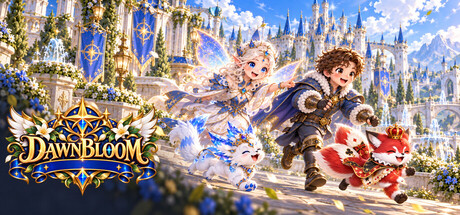
DAWNBLOOM uses generative AI-assisted tools during the development of certain game content. The in-game “Dawnbloom Spirit” feature connects to a generative AI service to provide real-time text responses to players’ game-related questions, including game knowledge, gameplay explanations, and general guidance. This feature generates auxiliary text content only. It does not generate or modify game code, nor does it directly control game rules, character data, or player assets.
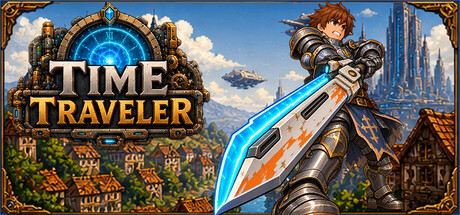
Time Traveler: Divergence uses locally running generative AI to enable dynamic NPC conversations. AI-generated dialogue is constrained by the game's predefined rules, characters, world knowledge, and simulation state. AI is also used locally to generate voice-over for these dynamic conversations. No external AI service is required during gameplay.
Generative AI tools were used during development to assist with the creation of some 2D visual assets and development-related content. All AI-assisted content is reviewed and integrated by the development team.
Some content in Camping Resort Simulator was made with the help of generative AI tools and then reviewed and reworked by the developer:
- base 3D models for some buildings, props and characters, retouched by hand;
- the music of the in-game radio;
- the first draft of the translations;
- some promotional artwork.
Nothing is generated by AI while you play.
Pre-generated AI content: The four background music tracks were generated with Suno AI under the developer's paid subscription (commercial license per Suno's Terms of Service). The source image of the application icon was generated with an AI image tool and manually processed. All in-game 3D models, textures, chalk illustrations and sound effects are procedurally generated by in-house scripts without AI. The game contains no live-generated AI content.
We don’t particularly like using AI.
Unfortunately, we are a small indie studio made of programmers and designers who are currently somewhere between “making a game” and “having existential crises”.
So, for now, we use AI to help us with some parts of our daily work and to bring some of our music, ideas, and inspirations to life.
But don’t worry, we haven’t handed over the steering wheel to the robots just yet.
Our project, its identity, and its originality are still created and directed by us. AI is simply one of the tools helping us survive the development process while our budget is busy pretending it doesn’t exist.
As soon as we have the resources to replace AI with our own human made work, we absolutely intend to do so.
Until then, we’re just a bunch of indie developers trying to make something cool before our refrigerators become purely decorative objects.
AI coding tools help write and maintain the game's plugin code, and parts of the in-game text like NPC combinatorial string banks and translations were written with AI assistance, all being reviewed manully by the developer.
The developer used generative AI tools to help create some of the game's artwork and 3D models, sound effects and music, and text, including the store description and translations. All AI-assisted content was reviewed and edited by the developer before being included. The game does not generate any AI content while you play.
Character illustrations, backgrounds, cutscene videos, voice acting and music were created with generative AI tools, then selected and edited by our team. The story, dialogue and game systems were written and designed by the developer with AI assistance. No content is generated by AI during gameplay.
The character art, idle animations, icons and store images were created with locally run AI image tools, then selected and retouched by hand. Nothing is generated by AI while the game runs.
Use of Generative AI & AI Credits
This game uses AI to generate in-game dialogue text and small gameplay extension modules ("evolution modules"). AI features consume AI credits.
You can get AI credits via small in-game purchases processed by Steam, or connect your own AI service at no extra cost — the settings menu lets you enter a custom API URL and key (any OpenAI-compatible endpoint), in which case usage is billed directly by your provider and no credits are consumed.
AI-generated code runs in a strictly sandboxed environment with a limited set of game APIs, and every output must pass the game's validation and test gates before taking effect. AI features can be disabled at any time.
Generative AI tools were used during development to help create and refine some 2D artwork, icons and promotional images, and to assist with store-page text and translation. These assets are prepared before release and reviewed by the developer. The game does not generate AI content during gameplay or connect to an external AI service. Player-designed weapons are created with the in-game drawing and crafting tools, not generative AI.
Portions of this game's code and dialogue were written with the assistance of AI tools and then reviewed and edited by the developer. All art, 3D models, music and sound effects are human-made assets (Quaternius, Kay Lousberg, Kenney, omfgdude and SubspaceAudio, all CC0). Nothing is generated by AI while you play.
Our logo and key art were created with the help of AI image generation tools and edited by us. All gameplay, 3D models, and audio were made by our team.
Character art, backgrounds, interface graphics and store artwork were created with the help of generative image tools and then selected, edited and assembled by the developer. Game design, code and writing are our own work. The game does not generate any content while you play.
This was created by a developer who used AI to assist with concept images, 3D model creation, and assets. Each piece was meticulously placed by an actual person. We're comedians, not professional artists.
Some environment, item, interface, and branding artwork was created with assistance from generative AI and then selected, edited, and integrated by the developer. AI tools also assisted with drafting or translating some text and localization, which were reviewed by the developer. The game does not use live-generated AI content during gameplay.
Parts of the artwork and audio in Shred Inc. — including textures, images and sound effects — were created using generative AI tools and then reviewed and edited by hand. The same applies to some of the store page and marketing material. No content is generated by AI during gameplay, and the game does not connect to any external AI service.
Generative AI was used to create some art assets (the title screen background and the store capsule images). The game does not use AI to generate any content at runtime.
We use generative AI as a reference and supporting tool during game development, while final creative decisions and implementation are made by our team.
The background music in this game was created using generative AI. Generative AI was also used for the translations into the nine languages other than Korean, and for the achievement icons. The game design, the original Korean writing, and the character pixel art are human-made.
Rally Dynasty's illustrations were produced with generative AI image tools and then chosen, cropped and composited by hand. That covers the key art the game's branding is built on, and the side-elevation drawing of each car in the catalogue. Nothing is generated while you play: the game runs offline, connects to no AI service, and the simulation itself - the era rules, the results, and every line of text you read - is written by hand.
Generative AI tools were used during development to assist with some artwork and localization for the game and its store materials. These images and texts are prepared in advance and included as pre-generated content. The game does not use generative AI to create content or code during gameplay.
Some sprite artwork was pre-generated with AI assistance, then manually selected, edited, and integrated into the shipped game. No AI-generated content is created during gameplay.
Artificial intelligence was used to assist in development, primarily for the front end, and AI generated content is used in game for text and voices via local models ran on the player's system or external models provided by the player.
The in-game text and the store page text, including the Korean, Japanese and Simplified Chinese translations, were written with the help of AI. Nothing is generated by AI while you play.
Generative AI was used to assist with the localization of some store page content. The generated translations were reviewed and edited before publication.
After a talk, audience questions are generated at runtime by a small open-weight language model (Qwen3) running locally on the player's computer, based on a transcript of what the player just said. Speech-to-text also runs locally (whisper.cpp). Nothing is sent to any server.
Generative AI was used to assist in the creation of some in-game images, textures, dialogue, store page text, and localization. All AI-assisted content was reviewed, edited, and implemented by the developer. No live-generated AI content is used during gameplay.
Peso Pena uses generative AI tools during production, under the direction and review of our team. AI was used to create pre-rendered visual assets, including character illustrations, sprites and animation frames, backgrounds, store artwork and trailer/cutscene footage, all of which were curated, edited and approved by our artists. Some in-game and store texts were drafted or translated with AI assistance and then reviewed by the team. The game does not generate any content at runtime: every image, animation, text and sound that players see is fixed and was reviewed before release.
DAWNBLOOM uses generative AI-assisted tools during the development of certain game content. The in-game “Dawnbloom Spirit” feature connects to a generative AI service to provide real-time text responses to players’ game-related questions, including game knowledge, gameplay explanations, and general guidance. This feature generates auxiliary text content only. It does not generate or modify game code, nor does it directly control game rules, character data, or player assets.
Time Traveler: Divergence uses locally running generative AI to enable dynamic NPC conversations. AI-generated dialogue is constrained by the game's predefined rules, characters, world knowledge, and simulation state. AI is also used locally to generate voice-over for these dynamic conversations. No external AI service is required during gameplay.
Generative AI tools were used during development to assist with the creation of some 2D visual assets and development-related content. All AI-assisted content is reviewed and integrated by the development team.
Some content in Camping Resort Simulator was made with the help of generative AI tools and then reviewed and reworked by the developer:
- base 3D models for some buildings, props and characters, retouched by hand;
- the music of the in-game radio;
- the first draft of the translations;
- some promotional artwork.
Nothing is generated by AI while you play.