Public Steam disclosure research25,376 disclosures tracked
Where do games disclose AI use?
Search developers’ Steam disclosures, compare classified AI use across
games, and follow recorded changes.
This index adds cross-game classifications and statistics to
statements published on individual store pages.
Groups reflect automatic analysis of public disclosures; mature records are excluded. These counts do not measure AI use across all of Steam.
Missing or unclear statements cannot establish whether a game uses AI.
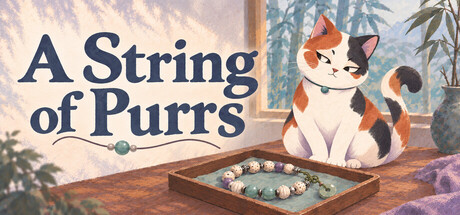
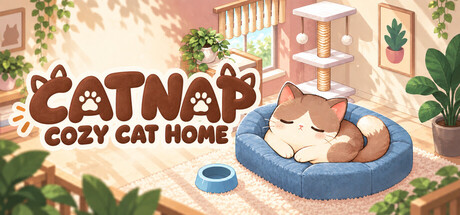
Generative AI tools were used during development to assist with some art assets, written content and localization, as well as store and marketing materials. This includes character portraits, cat and scene illustrations, selected textures and UI illustrations, store capsule artwork and promotional illustrations. These materials are generated, selected and integrated as fixed assets before release. The game does not use generative AI during play or generate dialogue, images or audio in real time.
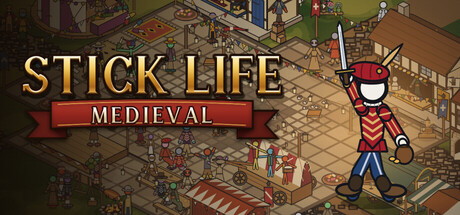
Stick Life: Medieval is designed and directed by a solo developer. Some of the game's code, its in-game writing, the artwork the game draws and parts of this store page were made with the help of generative AI tools, and some of its music was made with Suno, an AI music tool. All of it was played, reviewed and edited by the developer. Nothing is generated by AI while you play.
Generative AI tools were used throughout this game's production pipeline, alongside traditional development tools and techniques, to speed up iteration and expand what our team can make. AI-assisted content that ships in the game includes 2D artwork, voice narration, sound effects, music and in-game text. Every asset in the final product was selected, reviewed, modified where appropriate, and integrated by the development team. No generative AI content is created during gameplay.
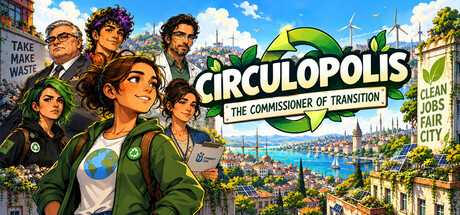
The game's code, some in-game text (English/Turkish dialogue and UI) and some poster artwork were created with the help of generative AI and then reviewed and edited by the developer. The game does not generate any AI content at runtime.
The capsule and logo artwork was created with an AI image generator. Some of the game's code and parts of the written dialogue were produced with the help of an AI assistant, then reviewed and edited by the developer. No content is generated by AI while the game is running.
AI-GENERATED CONTENT
Parts of this game were created with generative AI tools during development. Character art, backgrounds and icons were generated with image models and then edited, composited and corrected by hand. The voice acting in Portuguese and English was produced with AI voice synthesis. Some sound effects and cutscene music were generated with AI audio tools. Much of the source code was written with the assistance of an AI coding tool, reviewed and tested by the developer.
All of this content was generated before release and ships as fixed audio and image files. Game design, economy, balancing, story and script are the developer's own work, as is the procedurally synthesized music and sound of the minigames, which uses no AI model.
Generative AI is used solely to assist with localization and translation work; all texts are reviewed and modified by the developers. This work does not use AI-generated art, audio, or real-time AI-generated content within the game.
Some of the in-game text (dialogue and descriptions) was written with the help of AI and reviewed and edited line by line by the developer. All pixel art and music are drawn and synthesized in real time by the game's own code, which was written with AI assistance; no AI image or audio generation models were used.
The game uses pre-generated AI-assisted artwork, including some game visuals and Steam promotional artwork. An optional local large language model generates character conversations, some fictional social text and short resident plans during play. Players can turn the local AI feature off and continue playing.
Elya uses generative AI for optional real-time character conversations and synthesized speech. AI-assisted tools were also used to prepare portions of the store localization and selected marketing artwork. The game includes bundled local models, and users may optionally connect compatible third-party AI services or configure their own providers. Live-generated content is based on user input and character settings.
This game contains content created with the assistance of AI tools. AI was used during development to assist with programming, visual assets, and other creative elements. All generated content was reviewed, edited, and integrated by the dev.
AI tools were used to create artwork and assist with coding. The game's writing and planning were created by the developer. No generative AI runs during gameplay.
The English voice-over for story dialogue and prison PA announcements was generated with an open-source text-to-speech model (Kokoro) from scripts written for the game. Much of the game's code, dialogue text and localisation was written with AI assistance under the developer's direction. No AI generates content while you play. 3D models, textures, sound effects and music come from human-made asset libraries (CC0 sources and Mixamo).
Generative AI tools were used for parts of this game during development: some story and dialogue text, the English localization, store page text, and some of the code that draws patterns and shapes. The developer directed all of it, chose what to keep, and reviewed and edited every piece. The music and sound effects were not made with AI, and nothing is generated by AI while you play.
Some artwork and localized text were created with generative AI assistance. Optional AI chat generates text replies through a service chosen and configured by the player: OpenAI, Claude, Gemini, DeepSeek, Kimi or a custom compatible endpoint.
Nook uses generative AI for character artwork and video assets. During use, AI generates personalized dialogue, speech, and short video responses based on the player's conversation.
Some of this game's code, art and music were made with the help of an AI assistant. Everything was reviewed, edited and assembled by hand, and no content is generated while you play.
Parts of this store page, as well as certain code elements of the game, were created with the assistance of AI tools. These tools helped speed up development and improve clarity, while all creative direction, design choices, and final implementation remain in the hands of the developer.
Explanation about the game development process:
In the early concept design and creative ideation stage of this game, we did use AI technology as an auxiliary tool to help us explore and validate various artistic styles and creative directions more quickly. These AI-generated reference materials provided us with initial inspiration.
However, the core creative concepts, story writing, character design, and all artistic assets presented in the final game were personally conceived and carefully crafted by our creative team. Each game element underwent repeated human optimization and fine-tuning to ensure the best gaming experience.
AI was only used as an auxiliary tool, and the final game content presented is the result of human creation. We have always adhered to human creation as the main driver, committed to bringing players a unique and meticulously polished gaming experience.
Generative AI was used as a development aid for drafting and refining some in-game text, English localization, the game logo, and certain visual design elements. The game does not use generative AI to create content during gameplay.
This game was made with the help of AI tools. Parts of the in-game text, the store page artwork and text, and the trailer (including its music) were created with AI assistance and reviewed by the developer. No content is generated by AI while you play.
Generative AI tools may be used to assist with text localization/translation and to support sound effects or background audio production during development. No AI-generated visual assets, 3D models, or artwork are used in the final build of the game.
The key art and logo began as an AI-generated base image, which we then reworked and finished by hand in Photoshop. The narration in the trailers is a synthetic voice made with a text-to-speech model. Nothing inside the game is AI-generated: every critter, the world, the device, the music and the sound are drawn and composed by the game's own code.
Generative AI was used during development to create some illustrations, visual assets, and built-in example dog images. These assets are included with the game. Your own pet photos are processed locally on your computer to create animated paper cutouts; they are never uploaded to online AI services or redrawn using generative AI.
We use generative AI for some of the following elements.
・Some of the in-game art
・Some of the code
・Some of the banners and trailers on the store page
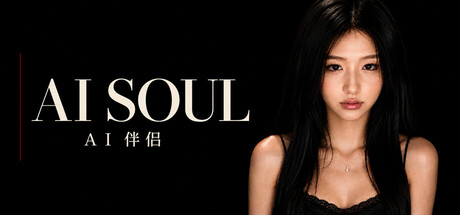
AI SOUL uses generative AI for conversational text, synthesized speech and speech-driven facial animation. Character imagery and store artwork include AI-generated material. Core conversation models run locally. Xiaoya is a synthetic character, not a live human operator. Responses may be inaccurate.
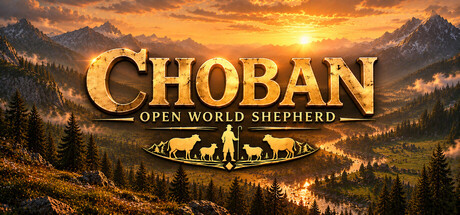
Choban uses generative AI to power conversations and interactions with certain NPCs. AI-generated dialogue is used to create more natural, dynamic, and context-aware responses during gameplay. All core gameplay systems, quests, progression, world generation, and game mechanics are designed by the developers and are not generated by AI. AI is used solely to enhance NPC interactions and player immersion.
This game uses Generative AI tools during development to assist with asset, text, or code generation. All AI-generated content has been manually reviewed, edited, and integrated by the developers.
Sound effects and music were created with AI audio tools (ElevenLabs) and selected and edited by the developer. Parts of the in-game text, villager dialogue and translations were written with the help of AI and reviewed by the developer. AI coding assistants were used during development, including scripts that build the game's 3D models. No AI generates content while you play.
This game contains content created with the assistance of AI tools. AI was used during development to assist with programming, visual assets, and other creative elements. All generated content was reviewed, edited, and integrated by the dev.
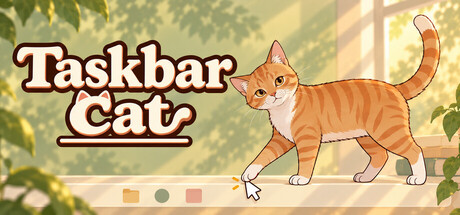
Taskbar Cat uses pre-generated AI-assisted artwork, cat and prop animation sprites, some cat sound effects, and promotional artwork. These assets were edited and assembled during development. The game does not generate AI content or connect to an AI service during gameplay.
The game uses AI-generated code, textures, and sound effects.Some 2D item artwork was created with generative AI tools during development, including certain pet-care items, container states, and shed-fur graphics. Store promotional illustrations, title artwork, and icons were also created with generative AI tools. AI assisted with drafting and translating the store descriptions. The relevant in-game artwork is provided as pre-generated static assets. The game does not use generative AI to create content during gameplay.
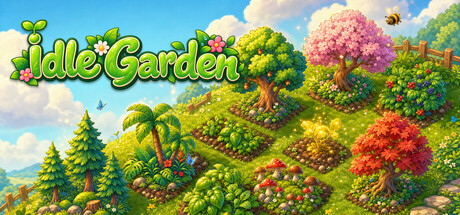
The game's 2D artwork (plant, item and upgrade icons, logo, background and store key art) and some of the garden sound effects (harvest, plant, water, discover and golden-seed sounds) were created with generative AI tools (OpenAI GPT Image and Stability AI Stable Audio) and curated by the developer. All content is pre-generated and ships with the game. The game does not generate any content with AI during gameplay and does not connect to any external AI service.
Some of the promotional and storefront images were created with AI tools and then refined by hand. All of the in-game assets were designed by a Pixel Art artist.
Generative AI tools were used during development to assist with drafting and refining portions of the game's store-page copy, localization, and player-facing text. All AI-assisted content was reviewed, edited, and approved by the developer. The game does not generate AI content during gameplay and does not connect to external AI services.
AI tools were used during development to create some sound effects and voice audio, and to assist with store-page text. These assets and text are prepared in advance.
Generative AI was used during development to create some of the game's 2D artwork, UI assets, sound effects, and localized text. This content was prepared before release and is included as part of the game.
Some text in this game — the store page, in-game UI labels and menus, and the English translation — was drafted with the help of an AI assistant and then reviewed and edited by the developer. AI coding assistants were also used during development. All in-game art, 3D models, textures and sounds are hand-made, generated procedurally by the game's own code, or licensed third-party assets; none of them are AI-generated. No AI is used to generate content during gameplay.
Generative AI tools were used during development to assist with some art assets, written content and localization, as well as store and marketing materials. This includes character portraits, cat and scene illustrations, selected textures and UI illustrations, store capsule artwork and promotional illustrations. These materials are generated, selected and integrated as fixed assets before release. The game does not use generative AI during play or generate dialogue, images or audio in real time.
Stick Life: Medieval is designed and directed by a solo developer. Some of the game's code, its in-game writing, the artwork the game draws and parts of this store page were made with the help of generative AI tools, and some of its music was made with Suno, an AI music tool. All of it was played, reviewed and edited by the developer. Nothing is generated by AI while you play.
Generative AI tools were used throughout this game's production pipeline, alongside traditional development tools and techniques, to speed up iteration and expand what our team can make. AI-assisted content that ships in the game includes 2D artwork, voice narration, sound effects, music and in-game text. Every asset in the final product was selected, reviewed, modified where appropriate, and integrated by the development team. No generative AI content is created during gameplay.
The game's code, some in-game text (English/Turkish dialogue and UI) and some poster artwork were created with the help of generative AI and then reviewed and edited by the developer. The game does not generate any AI content at runtime.
The capsule and logo artwork was created with an AI image generator. Some of the game's code and parts of the written dialogue were produced with the help of an AI assistant, then reviewed and edited by the developer. No content is generated by AI while the game is running.
AI-GENERATED CONTENT
Parts of this game were created with generative AI tools during development. Character art, backgrounds and icons were generated with image models and then edited, composited and corrected by hand. The voice acting in Portuguese and English was produced with AI voice synthesis. Some sound effects and cutscene music were generated with AI audio tools. Much of the source code was written with the assistance of an AI coding tool, reviewed and tested by the developer.
All of this content was generated before release and ships as fixed audio and image files. Game design, economy, balancing, story and script are the developer's own work, as is the procedurally synthesized music and sound of the minigames, which uses no AI model.
Generative AI is used solely to assist with localization and translation work; all texts are reviewed and modified by the developers. This work does not use AI-generated art, audio, or real-time AI-generated content within the game.
Some of the in-game text (dialogue and descriptions) was written with the help of AI and reviewed and edited line by line by the developer. All pixel art and music are drawn and synthesized in real time by the game's own code, which was written with AI assistance; no AI image or audio generation models were used.
The game uses pre-generated AI-assisted artwork, including some game visuals and Steam promotional artwork. An optional local large language model generates character conversations, some fictional social text and short resident plans during play. Players can turn the local AI feature off and continue playing.
Elya uses generative AI for optional real-time character conversations and synthesized speech. AI-assisted tools were also used to prepare portions of the store localization and selected marketing artwork. The game includes bundled local models, and users may optionally connect compatible third-party AI services or configure their own providers. Live-generated content is based on user input and character settings.
This game contains content created with the assistance of AI tools. AI was used during development to assist with programming, visual assets, and other creative elements. All generated content was reviewed, edited, and integrated by the dev.
AI tools were used to create artwork and assist with coding. The game's writing and planning were created by the developer. No generative AI runs during gameplay.
The English voice-over for story dialogue and prison PA announcements was generated with an open-source text-to-speech model (Kokoro) from scripts written for the game. Much of the game's code, dialogue text and localisation was written with AI assistance under the developer's direction. No AI generates content while you play. 3D models, textures, sound effects and music come from human-made asset libraries (CC0 sources and Mixamo).
Generative AI tools were used for parts of this game during development: some story and dialogue text, the English localization, store page text, and some of the code that draws patterns and shapes. The developer directed all of it, chose what to keep, and reviewed and edited every piece. The music and sound effects were not made with AI, and nothing is generated by AI while you play.
Some artwork and localized text were created with generative AI assistance. Optional AI chat generates text replies through a service chosen and configured by the player: OpenAI, Claude, Gemini, DeepSeek, Kimi or a custom compatible endpoint.
Nook uses generative AI for character artwork and video assets. During use, AI generates personalized dialogue, speech, and short video responses based on the player's conversation.
Some of this game's code, art and music were made with the help of an AI assistant. Everything was reviewed, edited and assembled by hand, and no content is generated while you play.
Parts of this store page, as well as certain code elements of the game, were created with the assistance of AI tools. These tools helped speed up development and improve clarity, while all creative direction, design choices, and final implementation remain in the hands of the developer.
Explanation about the game development process:
In the early concept design and creative ideation stage of this game, we did use AI technology as an auxiliary tool to help us explore and validate various artistic styles and creative directions more quickly. These AI-generated reference materials provided us with initial inspiration.
However, the core creative concepts, story writing, character design, and all artistic assets presented in the final game were personally conceived and carefully crafted by our creative team. Each game element underwent repeated human optimization and fine-tuning to ensure the best gaming experience.
AI was only used as an auxiliary tool, and the final game content presented is the result of human creation. We have always adhered to human creation as the main driver, committed to bringing players a unique and meticulously polished gaming experience.
Generative AI was used as a development aid for drafting and refining some in-game text, English localization, the game logo, and certain visual design elements. The game does not use generative AI to create content during gameplay.
This game was made with the help of AI tools. Parts of the in-game text, the store page artwork and text, and the trailer (including its music) were created with AI assistance and reviewed by the developer. No content is generated by AI while you play.
Generative AI tools may be used to assist with text localization/translation and to support sound effects or background audio production during development. No AI-generated visual assets, 3D models, or artwork are used in the final build of the game.
The key art and logo began as an AI-generated base image, which we then reworked and finished by hand in Photoshop. The narration in the trailers is a synthetic voice made with a text-to-speech model. Nothing inside the game is AI-generated: every critter, the world, the device, the music and the sound are drawn and composed by the game's own code.
Generative AI was used during development to create some illustrations, visual assets, and built-in example dog images. These assets are included with the game. Your own pet photos are processed locally on your computer to create animated paper cutouts; they are never uploaded to online AI services or redrawn using generative AI.
We use generative AI for some of the following elements.
・Some of the in-game art
・Some of the code
・Some of the banners and trailers on the store page
AI SOUL uses generative AI for conversational text, synthesized speech and speech-driven facial animation. Character imagery and store artwork include AI-generated material. Core conversation models run locally. Xiaoya is a synthetic character, not a live human operator. Responses may be inaccurate.
Choban uses generative AI to power conversations and interactions with certain NPCs. AI-generated dialogue is used to create more natural, dynamic, and context-aware responses during gameplay. All core gameplay systems, quests, progression, world generation, and game mechanics are designed by the developers and are not generated by AI. AI is used solely to enhance NPC interactions and player immersion.
This game uses Generative AI tools during development to assist with asset, text, or code generation. All AI-generated content has been manually reviewed, edited, and integrated by the developers.
Sound effects and music were created with AI audio tools (ElevenLabs) and selected and edited by the developer. Parts of the in-game text, villager dialogue and translations were written with the help of AI and reviewed by the developer. AI coding assistants were used during development, including scripts that build the game's 3D models. No AI generates content while you play.
This game contains content created with the assistance of AI tools. AI was used during development to assist with programming, visual assets, and other creative elements. All generated content was reviewed, edited, and integrated by the dev.
Taskbar Cat uses pre-generated AI-assisted artwork, cat and prop animation sprites, some cat sound effects, and promotional artwork. These assets were edited and assembled during development. The game does not generate AI content or connect to an AI service during gameplay.
The game uses AI-generated code, textures, and sound effects.Some 2D item artwork was created with generative AI tools during development, including certain pet-care items, container states, and shed-fur graphics. Store promotional illustrations, title artwork, and icons were also created with generative AI tools. AI assisted with drafting and translating the store descriptions. The relevant in-game artwork is provided as pre-generated static assets. The game does not use generative AI to create content during gameplay.
The game's 2D artwork (plant, item and upgrade icons, logo, background and store key art) and some of the garden sound effects (harvest, plant, water, discover and golden-seed sounds) were created with generative AI tools (OpenAI GPT Image and Stability AI Stable Audio) and curated by the developer. All content is pre-generated and ships with the game. The game does not generate any content with AI during gameplay and does not connect to any external AI service.
Some of the promotional and storefront images were created with AI tools and then refined by hand. All of the in-game assets were designed by a Pixel Art artist.
Generative AI tools were used during development to assist with drafting and refining portions of the game's store-page copy, localization, and player-facing text. All AI-assisted content was reviewed, edited, and approved by the developer. The game does not generate AI content during gameplay and does not connect to external AI services.
AI tools were used during development to create some sound effects and voice audio, and to assist with store-page text. These assets and text are prepared in advance.
Generative AI was used during development to create some of the game's 2D artwork, UI assets, sound effects, and localized text. This content was prepared before release and is included as part of the game.
Some text in this game — the store page, in-game UI labels and menus, and the English translation — was drafted with the help of an AI assistant and then reviewed and edited by the developer. AI coding assistants were also used during development. All in-game art, 3D models, textures and sounds are hand-made, generated procedurally by the game's own code, or licensed third-party assets; none of them are AI-generated. No AI is used to generate content during gameplay.