Public Steam disclosure research25,376 disclosures tracked
Where do games disclose AI use?
Search developers’ Steam disclosures, compare classified AI use across
games, and follow recorded changes.
This index adds cross-game classifications and statistics to
statements published on individual store pages.
Groups reflect automatic analysis of public disclosures; mature records are excluded. These counts do not measure AI use across all of Steam.
Missing or unclear statements cannot establish whether a game uses AI.
Parts of this game were made with the help of generative AI tools:
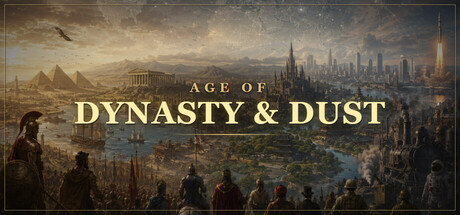
- 3,928 of the 6,608 character portraits were created with generative AI tools and then selected and retouched by a person. The other 2,404 are historical images from public archives such as Wikimedia Commons, and 276 reuse an existing picture.
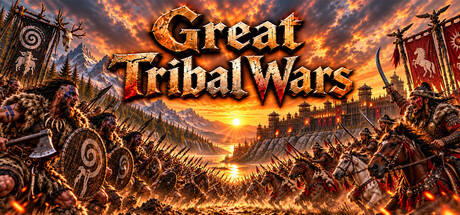
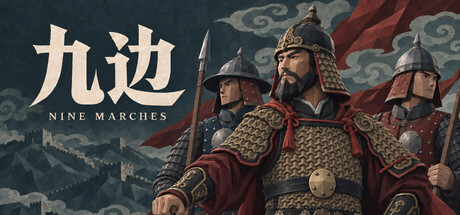
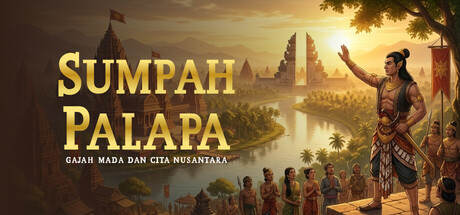
- The title-screen key art was created with generative AI.
- The character biographies and historical event texts were written with the assistance of generative AI, based on historical sources, and edited by the developer.
- The English, Japanese and Traditional Chinese translations were produced with the assistance of generative AI.
No content is generated by AI while the game is running.
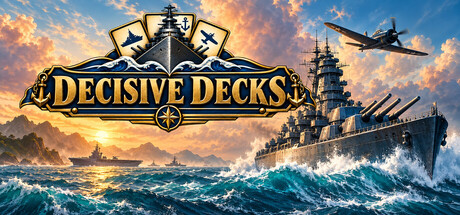
This game uses generative AI to assist in creating some of its visual assets, including card illustrations, backgrounds, and interface artwork. These assets are reviewed, edited, and integrated by the developer. All AI-assisted content is created during development; the game does not generate AI content while you play.
This game uses a mix of human and generative AI tools. AI was used in some visual art assets, code generation, and portions of the store page text. All writing in the game, voice acting, and music are fully human-created.
Generative AI was used to create some pre-generated artwork, audio, and text included in the game and its promotional materials. The game does not generate AI content during gameplay.
This game used generative AI for asset creation during development. The HQ statue's 3D model was created with Meshy AI, and background music was composed with Suno AI. Most in-game icons and images were created using Google Gemini and ChatGPT.
Generative AI was used during development to help create some of the game's artwork, written content, and translations, as well as some store-page images and text. This content was prepared before release. The game does not generate AI content during gameplay.
Some promotional artwork and visual assets were created with the assistance of generative AI and have been reviewed, refined, and integrated by the developer. No generative AI is used during gameplay.
Generative AI assisted with promotional/key artwork, icons, interface content, and portions of written catalogue and store-page text during development. These assets and text were selected and edited during development. The game does not generate AI content during gameplay and does not connect to an AI service. Generated artwork is illustrative and is not presented as documentary imagery.
Some in-game assets were created with the assistance of generative AI tools during development. All AI-assisted content has been reviewed, edited, and curated by our team before being included in the game. The game does not use generative AI at runtime — no content is generated while you play.
Parts of this game's content were produced with generative AI tools.
No content is generated at runtime. Every asset shipped with the game was produced, reviewed and approved prior to release.
The soundtrack was produced with generative AI music tools and then edited, cut and mixed by the developer. Part of the game's text and this store page was written with AI assistance and reviewed line by line by the developer. Everything else - code, interface art, achievement icons, the map and every capsule and screenshot - is hand-made. No content is generated by AI while you play.
Generative AI tools were utilized to generate base assets for various 3D models and musical tracks. All AI-generated content was subsequently edited, refined, and integrated manually to match the vision of the game.
AI was used during development to create some of the game's visual artwork and graphical assets. The AI-generated assets are pre-generated and included as static content in the game. No AI content is generated during gameplay, and the game does not connect to or use an AI service at runtime.
Generative AI was used to create and refine the game's store capsule art and logo. No other in-game assets were generated with generative AI, and to the best of my knowledge, the same is true of third-party assets. Separately, a model trained with reinforcement learning controls enemy behavior. It does not generate content.
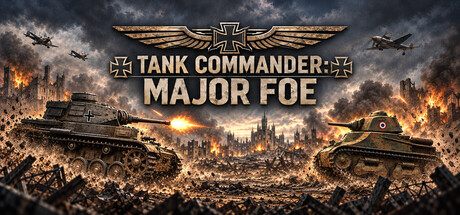
Some 2D artwork and visual assets in Tank Commander: Major FOE were created with the assistance of generative AI tools. These assets were reviewed, selected, edited, and integrated by the developer. The game does not generate AI content during gameplay and does not connect to external AI services while being played.
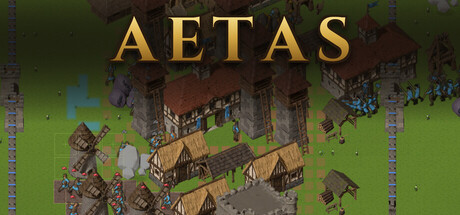
Aetas is designed, directed and built by a single developer. Generative AI was used as a development assistant: it helped write code and tools, the in-game texts and their English/Dutch localization, and the store page texts, all under the developer's direction and review. No AI image generation was used: all sprites and tiles are hand-drawn Liberated Pixel Cup art by human artists (credited in the game folder), or assembled programmatically from that art. The trailer music was produced by a synthesis script. The game does not generate any content with AI during gameplay and does not connect to any AI service.
Some assets used in this game may have been created using AI. Information about these assets can be found in the game's credits. AI-assisted tools were also used during the development of this game.
Some pre-production assets were generated with AI tools and then hand-finished by the team: 3D character bodies (Tripo) that were re-rigged, textured and animated by hand; concept and brand imagery (OpenAI image generation) redrawn or composited by hand; voice lines and sound effects (ElevenLabs); and music (Suno) under a commercial licence. No AI content is generated during gameplay, and the game connects to no AI service.
Some visual assets in PALADIN HC were created or recreated with the assistance of generative AI tools during development. All AI-assisted content was reviewed, selected, and integrated by the developer before being included in the game.
This game includes AI-generated content created during development.
Character portraits, illustrations and store artwork were generated with an image model and curated by the developer. Background music was generated with Google Lyria and contains SynthID watermarking.
Translations were produced with AI assistance. No AI content is generated while you play.
I built my own Agentic AI harness, and then used it to build this game, including some assets & animations etc.. I'm not a developer, I'm a Functional/UX/Graphic Designer that finally found a tool that could help me build my dream games... There is no AI running in the game or generating anything live. I wouldn't consider the game "vibe coded", it has been months of obsessive iterations to ensure the functionality and user experience is of the highest level, which was 100% designed and directed by me, using Agentic AI to build to order. It's far from a "one-shot" prompt hope and prayer... and I think you'll be surprised when you see it.
Generative AI tools were used during development to assist in creating pre-generated content included in the game and its Steam store presence. This includes selected in-game UI icons, unit and building artwork, other visual assets, Steam capsule and library artwork, promotional/store graphics, and AI-assisted localization and translated text. All AI-assisted content is pre-generated, reviewed, and manually selected by the developer before inclusion. The game does not use generative AI to generate content or code during gameplay and does not connect to external generative AI services while running.
We use AI tools as part of our development pipeline: some images were generated with AI, and AI-assisted tools support parts of the production process. Everything produced this way is reviewed, edited and integrated by hand - the design, gameplay systems and final content are our own work.
Generative AI is used during development to help create store artwork, some character and military prop source assets, and localized store text. Assets are edited and integrated during development. The game does not generate AI content or connect to external AI services during gameplay.
The soundtrack was composed with Suno, and the sound effects and unit/announcer voice lines were generated with ElevenLabs; all were selected, edited and mixed by the developer. The title logo illustration was drafted with an AI image tool and finished by hand. The UI frame art is a licensed commercial kit (not AI). No AI content is generated while the game runs.
Generative AI tools were used during development to assist with selected text content and localization. All AI-assisted content was reviewed and edited by the developer before inclusion. The game does not generate AI content during gameplay.
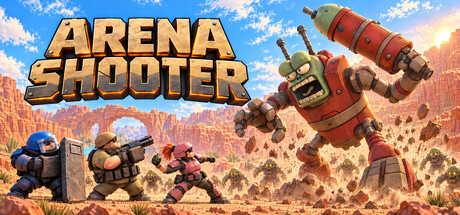
Generative AI tools were used to help create some of our promotional artwork, such as the store capsule and key art. AI is used to develop intelligence of the enemy bot players in the arena. It was reviewed and selected by our team. No AI content is generated during gameplay.
Card illustrations, some environment backgrounds and promotional assets in this game were created with AI-assisted generation tools, then hand-picked, edited and post-processed by the team. No AI-generated content is produced at runtime; the game does not connect to any external AI service during gameplay.
Some visual assets, including certain 3D models, textures, UI icons, and promotional artwork, were created with the assistance of generative AI tools. All generated content was reviewed, selected, and edited by the developer before inclusion in the game. The game does not generate AI content during gameplay
Generative tools were used during development to create and refine pre-generated artwork, some 3D assets, textures, audio, cinematic sequences, and store/marketing materials, including translated store descriptions. These assets are included as fixed content. The game does not generate AI content during play and does not connect to a generative AI service.
・Translated text in the following languages:
English, French, German, Italian, Spanish, Chinese (Simplified), Chinese (Traditional), Korean, Russian
・Generation of title screen background images
・Generation of images for some module icons
Most of Stackade's code was written with generative AI coding tools, working to the developer's direction. Everything you see on the board is drawn by that code; the game contains no AI-generated images. The ten translations besides English were produced with AI. Parts of this store page, its marketing images and its trailer were also made with AI assistance. The sound effects and music are recordings made by people and are credited in the game. Nothing is generated by AI while you play, and the game never connects to an AI service.
Some environment prop artwork was created with an image-generation model from written briefs, then hand-reviewed, cropped and integrated. Sprites, tilesets, audio, UI, achievement icons and all code are authored procedurally or by hand. No AI-generated text, narrative or live-generated content.
Generative AI-assisted tools were used in parts of the development process, including selected visual assets, 3D models, music/audio, and promotional materials. These elements are reviewed and integrated by the developer as part of the game's overall creative direction. No generative AI is used to create content live during gameplay.
Some 2D sprites, sound effects, and music tracks were created with the assistance of generative AI tools during development and were manually reviewed and edited by the developer.
AI was used to help with created capsule art and assist with building the teaser trailers. There is no generative AI art, sound effects, video, or voice art in the game itself.
-- Store page capsule art was created in a comprehensive workflow with OpenArt.ai, using Blender and Windows Paint3D, and by employing painstakingly crafted text prompts over dozens of A.I. generations, while incorporating thousands of my own brushstrokes and adhering to my own artistic vision for composition and mood.
-- The game’s main logo texture was refined with OpenArt.ai.
-- 30+ characters may be heard with distinct voices speaking in the background, commenting generally about the situation at hand with any of dozens of phrases, or hundreds of snippets of phrases. The things they say are my creation, but as an early development budget consideration the voices were generated using OpenArt.ai. Clerk P.A. announcements are also an A.I.-generated voice.
-- Some vehicle sounds and background activity sound loops were generated using A.I. from OpenArt.ai or freesound.org.
AI was used to create write parts of the game code and scripting, to refine mech textures, and for voiceover and audio content - to be used as placeholders while in playtests.
Modern generative AI tools have been used alongside traditional development tools to assist with creating and modifying some visual and audio assets. This includes tasks such as retexturing assets to improve historical accuracy.
Parts of this game were made with the help of generative AI tools:
- 3,928 of the 6,608 character portraits were created with generative AI tools and then selected and retouched by a person. The other 2,404 are historical images from public archives such as Wikimedia Commons, and 276 reuse an existing picture.
- The title-screen key art was created with generative AI.
- The character biographies and historical event texts were written with the assistance of generative AI, based on historical sources, and edited by the developer.
- The English, Japanese and Traditional Chinese translations were produced with the assistance of generative AI.
No content is generated by AI while the game is running.
This game uses generative AI to assist in creating some of its visual assets, including card illustrations, backgrounds, and interface artwork. These assets are reviewed, edited, and integrated by the developer. All AI-assisted content is created during development; the game does not generate AI content while you play.
This game uses a mix of human and generative AI tools. AI was used in some visual art assets, code generation, and portions of the store page text. All writing in the game, voice acting, and music are fully human-created.
Generative AI was used to create some pre-generated artwork, audio, and text included in the game and its promotional materials. The game does not generate AI content during gameplay.
This game used generative AI for asset creation during development. The HQ statue's 3D model was created with Meshy AI, and background music was composed with Suno AI. Most in-game icons and images were created using Google Gemini and ChatGPT.
Generative AI was used during development to help create some of the game's artwork, written content, and translations, as well as some store-page images and text. This content was prepared before release. The game does not generate AI content during gameplay.
Some promotional artwork and visual assets were created with the assistance of generative AI and have been reviewed, refined, and integrated by the developer. No generative AI is used during gameplay.
Generative AI assisted with promotional/key artwork, icons, interface content, and portions of written catalogue and store-page text during development. These assets and text were selected and edited during development. The game does not generate AI content during gameplay and does not connect to an AI service. Generated artwork is illustrative and is not presented as documentary imagery.
Some in-game assets were created with the assistance of generative AI tools during development. All AI-assisted content has been reviewed, edited, and curated by our team before being included in the game. The game does not use generative AI at runtime — no content is generated while you play.
Parts of this game's content were produced with generative AI tools.
No content is generated at runtime. Every asset shipped with the game was produced, reviewed and approved prior to release.
The soundtrack was produced with generative AI music tools and then edited, cut and mixed by the developer. Part of the game's text and this store page was written with AI assistance and reviewed line by line by the developer. Everything else - code, interface art, achievement icons, the map and every capsule and screenshot - is hand-made. No content is generated by AI while you play.
Generative AI tools were utilized to generate base assets for various 3D models and musical tracks. All AI-generated content was subsequently edited, refined, and integrated manually to match the vision of the game.
AI was used during development to create some of the game's visual artwork and graphical assets. The AI-generated assets are pre-generated and included as static content in the game. No AI content is generated during gameplay, and the game does not connect to or use an AI service at runtime.
Generative AI was used to create and refine the game's store capsule art and logo. No other in-game assets were generated with generative AI, and to the best of my knowledge, the same is true of third-party assets. Separately, a model trained with reinforcement learning controls enemy behavior. It does not generate content.
Some 2D artwork and visual assets in Tank Commander: Major FOE were created with the assistance of generative AI tools. These assets were reviewed, selected, edited, and integrated by the developer. The game does not generate AI content during gameplay and does not connect to external AI services while being played.
Aetas is designed, directed and built by a single developer. Generative AI was used as a development assistant: it helped write code and tools, the in-game texts and their English/Dutch localization, and the store page texts, all under the developer's direction and review. No AI image generation was used: all sprites and tiles are hand-drawn Liberated Pixel Cup art by human artists (credited in the game folder), or assembled programmatically from that art. The trailer music was produced by a synthesis script. The game does not generate any content with AI during gameplay and does not connect to any AI service.
Some assets used in this game may have been created using AI. Information about these assets can be found in the game's credits. AI-assisted tools were also used during the development of this game.
Some pre-production assets were generated with AI tools and then hand-finished by the team: 3D character bodies (Tripo) that were re-rigged, textured and animated by hand; concept and brand imagery (OpenAI image generation) redrawn or composited by hand; voice lines and sound effects (ElevenLabs); and music (Suno) under a commercial licence. No AI content is generated during gameplay, and the game connects to no AI service.
Some visual assets in PALADIN HC were created or recreated with the assistance of generative AI tools during development. All AI-assisted content was reviewed, selected, and integrated by the developer before being included in the game.
This game includes AI-generated content created during development.
Character portraits, illustrations and store artwork were generated with an image model and curated by the developer. Background music was generated with Google Lyria and contains SynthID watermarking.
Translations were produced with AI assistance. No AI content is generated while you play.
I built my own Agentic AI harness, and then used it to build this game, including some assets & animations etc.. I'm not a developer, I'm a Functional/UX/Graphic Designer that finally found a tool that could help me build my dream games... There is no AI running in the game or generating anything live. I wouldn't consider the game "vibe coded", it has been months of obsessive iterations to ensure the functionality and user experience is of the highest level, which was 100% designed and directed by me, using Agentic AI to build to order. It's far from a "one-shot" prompt hope and prayer... and I think you'll be surprised when you see it.
Generative AI tools were used during development to assist in creating pre-generated content included in the game and its Steam store presence. This includes selected in-game UI icons, unit and building artwork, other visual assets, Steam capsule and library artwork, promotional/store graphics, and AI-assisted localization and translated text. All AI-assisted content is pre-generated, reviewed, and manually selected by the developer before inclusion. The game does not use generative AI to generate content or code during gameplay and does not connect to external generative AI services while running.
We use AI tools as part of our development pipeline: some images were generated with AI, and AI-assisted tools support parts of the production process. Everything produced this way is reviewed, edited and integrated by hand - the design, gameplay systems and final content are our own work.
Generative AI is used during development to help create store artwork, some character and military prop source assets, and localized store text. Assets are edited and integrated during development. The game does not generate AI content or connect to external AI services during gameplay.
The soundtrack was composed with Suno, and the sound effects and unit/announcer voice lines were generated with ElevenLabs; all were selected, edited and mixed by the developer. The title logo illustration was drafted with an AI image tool and finished by hand. The UI frame art is a licensed commercial kit (not AI). No AI content is generated while the game runs.
Generative AI tools were used during development to assist with selected text content and localization. All AI-assisted content was reviewed and edited by the developer before inclusion. The game does not generate AI content during gameplay.
Generative AI tools were used to help create some of our promotional artwork, such as the store capsule and key art. AI is used to develop intelligence of the enemy bot players in the arena. It was reviewed and selected by our team. No AI content is generated during gameplay.
Card illustrations, some environment backgrounds and promotional assets in this game were created with AI-assisted generation tools, then hand-picked, edited and post-processed by the team. No AI-generated content is produced at runtime; the game does not connect to any external AI service during gameplay.
Some visual assets, including certain 3D models, textures, UI icons, and promotional artwork, were created with the assistance of generative AI tools. All generated content was reviewed, selected, and edited by the developer before inclusion in the game. The game does not generate AI content during gameplay
Generative tools were used during development to create and refine pre-generated artwork, some 3D assets, textures, audio, cinematic sequences, and store/marketing materials, including translated store descriptions. These assets are included as fixed content. The game does not generate AI content during play and does not connect to a generative AI service.
・Translated text in the following languages:
English, French, German, Italian, Spanish, Chinese (Simplified), Chinese (Traditional), Korean, Russian
・Generation of title screen background images
・Generation of images for some module icons
Most of Stackade's code was written with generative AI coding tools, working to the developer's direction. Everything you see on the board is drawn by that code; the game contains no AI-generated images. The ten translations besides English were produced with AI. Parts of this store page, its marketing images and its trailer were also made with AI assistance. The sound effects and music are recordings made by people and are credited in the game. Nothing is generated by AI while you play, and the game never connects to an AI service.
Some environment prop artwork was created with an image-generation model from written briefs, then hand-reviewed, cropped and integrated. Sprites, tilesets, audio, UI, achievement icons and all code are authored procedurally or by hand. No AI-generated text, narrative or live-generated content.
Generative AI-assisted tools were used in parts of the development process, including selected visual assets, 3D models, music/audio, and promotional materials. These elements are reviewed and integrated by the developer as part of the game's overall creative direction. No generative AI is used to create content live during gameplay.
Some 2D sprites, sound effects, and music tracks were created with the assistance of generative AI tools during development and were manually reviewed and edited by the developer.
AI was used to help with created capsule art and assist with building the teaser trailers. There is no generative AI art, sound effects, video, or voice art in the game itself.
-- Store page capsule art was created in a comprehensive workflow with OpenArt.ai, using Blender and Windows Paint3D, and by employing painstakingly crafted text prompts over dozens of A.I. generations, while incorporating thousands of my own brushstrokes and adhering to my own artistic vision for composition and mood.
-- The game’s main logo texture was refined with OpenArt.ai.
-- 30+ characters may be heard with distinct voices speaking in the background, commenting generally about the situation at hand with any of dozens of phrases, or hundreds of snippets of phrases. The things they say are my creation, but as an early development budget consideration the voices were generated using OpenArt.ai. Clerk P.A. announcements are also an A.I.-generated voice.
-- Some vehicle sounds and background activity sound loops were generated using A.I. from OpenArt.ai or freesound.org.
AI was used to create write parts of the game code and scripting, to refine mech textures, and for voiceover and audio content - to be used as placeholders while in playtests.
Modern generative AI tools have been used alongside traditional development tools to assist with creating and modifying some visual and audio assets. This includes tasks such as retexturing assets to improve historical accuracy.