


Disclosure
The game's illustrations, portraits and achievement icons were made with an AI image tool and edited by hand. Nothing is generated by AI while you play.
- Creator
- Standard Eagle
- Reviews
- -
- Added
- Nov 20, 2026
Public Steam disclosure research 27,951 disclosures tracked
Search developers’ Steam disclosures, compare classified AI use across games, and follow recorded changes. This index adds cross-game classifications and statistics to statements published on individual store pages.
Code help, debugging and other development work.
Capsule art, trailers and promotional material.
Pre-made art, audio, writing and other game assets.
Interactive or runtime AI features disclosed by the developer.
Groups reflect automatic analysis of public disclosures; mature records are excluded. These counts do not measure AI use across all of Steam. Missing or unclear statements cannot establish whether a game uses AI.
The game's illustrations, portraits and achievement icons were made with an AI image tool and edited by hand. Nothing is generated by AI while you play.
AI tools were used to draft the dialogue and the store text, which were then edited by the developer. Translations are AI-assisted and not yet reviewed by native speakers. All visuals and music are made procedurally in the engine from code written alongside AI coding tools. No AI image or audio models were used. No AI generation happens during play.
AI assistance was used for the code and 3D models.
Generative AI tools were used during development to create music and visual assets, and to assist with store-page text. This content is generated in advance and included in the game or its store materials. The game does not generate AI content during gameplay.
Sandkeeper's story and characters follow our direction. AI wrote the in-game text, and our team reviewed and revised all of it.
AI Generated Content Disclosure The portraits of 6 added characters started from an AI image and was repainted by the developer. Some newer in-game text and the store and in-game translations were written with AI assistance. The original characters, monsters, music and sound effects (pretty much everything else) were made by people. The game does not generate AI content while you play.
Witches' Grove is made by one person, and I want to be upfront about how it was built. I used AI tools heavily during development. AI helped make the pixel-art sprites and effects (drawn as code) and the music, and it helped write much of the game's code. AI made it possible for a solo developer to build something this size. It didn't decide what the game should be. Every fighter, wish, item and joke went through my hands. I played it over and over, threw out what didn't feel right, and sent things back again and again until they had the warmth and personality I wanted. The design, the world, the characters' stories and every final call are mine. Nothing in the game is generated live while you play. Everything you see and hear was made and checked before release. I hope you can feel the care that went into the Grove. Thank you for giving it a chance.
Se han utilizado herramientas de inteligencia artificial generativa para crear parte del material gráfico del juego y de su promoción, incluidos ilustraciones, personajes, iconos y recursos de la página de Steam. Los recursos se preparan y revisan antes de incorporarse al juego.
Some artwork was made with AI assistance and then hand edited. No AI runs in the app.
Generative AI was used to create some of the demo's artwork, including goat sprites, mountain scenery, and upgrade and achievement icons. It also helped draft and translate in-game captions and interface text. The demo uses no generative AI during gameplay.
Generative AI tools were used during development to write the English translation and draft the store page text. Every AI-assisted piece was reviewed and edited by the developer. The music and sound effects are public-domain works made by human artists. The game does not generate any content with AI while you play.
During the development of this game, we utilized generative AI technology as an auxiliary tool. Visual and Audio Assets: Some of the in-game textures, background music, and sound effects were generated with the assistance of AI tools during the early stages of development. All AI-generated raw materials were strictly reviewed, manually edited, and refined by our development team to ensure they perfectly fit the game's world and gameplay requirements. Code Development: We used AI assistance to generate certain foundational code to improve development efficiency. This game does not contain any real-time (runtime) dynamic AI generation features. Players will not trigger any real-time AI generation during gameplay. We are committed to using new technologies responsibly to improve development efficiency, while ultimately delivering a complete, carefully crafted gaming experience for you.
AI was used to conceptualize, refine, and create variations of pixel-art sprites.
AI was used in the helping of editing/updating/kit-bashing pixel art character models and frameworking.
Claude Code was used to generally assist in the development of code, as well as: - 3D models with Blender - Textures with Aseprite - Vector graphics as code in the SVG format - A few sound effects synthesized with code Nothing was created without human oversight and review, and there was no diffusion-based AI asset generation. AI is a powerful tool. I use it to help me make games in accordance with my vision.
Direction and Vision come from the Developer. The game’s code, its pixel art (drawn in code from text grids), its synthesised music and sound, and its text were made with the help of AI tools under the developer’s direction, and reviewed by the developer.
Generative AI-assisted tools were used only in the production of some background music.
AI tools were used during development: Code: the game’s code was written with an AI coding assistant (Claude), under my direction and review. Music: Tracks are being gradually replaced by a human composer as we save up money to replace it over time. Text: the Japanese, Korean and Chinese translations, and drafts of the store text, were written with the AI assistant.
Japanese translation is generated by AI and post-edited by human.
Some of the artwork, music and translations were made with AI tools. We use AI as a tool to enhance our work, not just to generate it, and we edit and review everything by hand.
Steam store page is so far localized with AI. The storefront image is partially done with AI. The levels itself are created by human.
DEADEYE is made by two friends using AI-assisted tools to help with code, procedural art and audio, writing and translations. No image, voice or music generators were used, and everything in the game is reviewed, edited and reworked by hand.
Some visual assets (map art, building and character sprites, UI elements) were created with the help of AI image generation and then edited and assembled by the developer. The store artwork (capsules, library images and page background) was also generated with an AI image tool, using the in-game art as reference. The music was generated with Suno under a commercial license. The game's code was written with the help of an AI coding assistant (Claude); game design, systems and balancing are the developer's own. The game does not generate any AI content while you play.
Kinstead is a one-person project made with the help of an AI assistant. The world, the creatures, localization, the music and the writing were all created with AI, guided, play-tested and polished by the developer to make a cosy adventure worth exploring. Everything is generated ahead of time; no AI runs while you play.
AI tools were used during development to assist with sound and visual assets.
Code assistance, translation; No live generative AI system
In early access as a solo developer, some AI generated placeholder assets will be in the game for the time being. These are on our list to replace with real art, please reach out to jack@netbug.us if you are interested in helping to make art.
AI tools were used to help write the store page text and to create some promotional images. The in-game characters and backgrounds are drawn by the developer’s own code.
AI tools were used for parts of the translation.
I used AI tools to help build PinDOS: its program code, its menu and help text, the Russian translation, and the store page text. The design and testing are my own. The pinball itself is not AI-generated: every table and all of its art, sound and music come from your own copy of the original games, and nothing is generated by AI while you play.
Generative AI was used to create some of the art and music, localization, features, and bug fixes.
We are an independent studio and have spent around eight months developing the Kingsbane demo. Our artists used generative AI tools to assist in creating some of the game’s artwork. We also used these tools for the text and translations on the Steam store page. The team reviewed the content and was responsible for the creative decisions and the integration of the materials into the game.
Generative AI was used to create the game's artwork, sound, and localization. All creative direction and game design decision, including the narrative, mechanics, progression, pacing, balancing, and overall gameplay experience, were made by the human developer. AI served as a tool to bring these ideas to life, not as the decision-maker behind the game's design.
Ostrel's music, ambience and sound effects were generated with AI audio tools on a GPU server we run ourselves, then edited and mixed with our own tools. The art inside and on the hulls of the player ships is assembled by our code from AI-generated paintings and textures. The rest of the pixel art (characters, tiles, objects, creatures, icons and UI) is drawn by code rather than by an image model, and that code, like the rest of the game, was written with AI assistance. Some concept art used only as reference was made with an image model. The game does not generate any content with AI while you play.
Generative AI tools were used in creating the graphics, sound and text.
Night Shift: Haunted Mall was created by a small human team. The game concept, creative direction, character models, menus and most of the in-game 3D environments were made by hand. Generative AI tools were used during development for the music, some in-game 3D props and environment pieces, the trailer cutscene, the localized text (French, Spanish, Italian, German, Japanese, Korean and Simplified Chinese) and parts of the game code. All AI-assisted content was reviewed and edited by the team. The game does not generate any content with AI while you play.
Some background music was created with AI. Korean and English are reviewed by the developer, and Japanese is being reviewed by a native speaker. All other languages are translated with AI and have been reviewed multiple times. As a university student, I plan to hire professional translators once I have saved enough money.
The game includes AI-generated character voices.
Created with AI assistance in the code and translations, always under the direction and review of the developer.
AI assisted with the development and production of this game.
Some assets were generated with AI and then retouched by hand. Translations into languages other than Korean and the store page text were written with the help of AI.
Some visual art was made with AI.
Generative AI technology was used in creating some of the images, audio, music and other content in this game. All AI-generated material was reviewed, edited and adjusted by the developer before being used as in-game content. The game's concept, design and final quality control were handled by the developer.
Generative AI was used during development to create some of the artwork and the music, and to help write and translate the game.
Generative AI was used for art, sound, and translation.
Generative AI tools were used during development to assist with creating visual assets. The game does not use generative AI to create content during gameplay.
Pre-generated AI content: the 42 character portraits (including their expression frames) were created with Google's Gemini image generation model, and the relic, card and currency icons with PixelLab, a pixel-art generative AI tool; the developer selected and edited both. These portraits and icons appear in the game and also in the store and library art, screenshots and trailer. The in-game text, including the story, and its translations (English, Japanese, Chinese) were written with the help of an AI assistant (Claude), and AI-assisted tools were also used in writing the game's code. The Go board, stones, interface graphics, logo and achievement icons were not made with generative AI image tools. The Go opponent uses a search algorithm and simple rules, not generative AI, and no content is generated by AI while the game is running.
Some of the game’s art, most of its music and parts of its text were created with the help of AI tools, then reviewed, edited and arranged by hand.
During the development of Omenwheel, generative AI was used as an auxiliary tool to create visual references and initial concepts for characters, backgrounds, props, and icons. The final in-game assets were refined, adapted, and implemented by the developer. AI was also used for character voice synthesis and to assist with writing certain portions of the game's code. No generative AI is used during gameplay.
The block sprites, the window icon, the app icons and the achievement icons are drawn, and the sound effects synthesized, by scripts written with an AI coding assistant. The game's text and its store page text were written with an AI assistant and checked by the developer against the game's written style rules. The store's capsules, the trailer's caption and title cards, and the desktop wallpaper behind the game in its screenshots and trailer are drawn by scripts written with an AI coding assistant, from the game's own sprites and an openly licensed font.
| Title⇅ | Disclosure | Creator⇅ | Src | Reviews⇅ | Added↓ |
|---|---|---|---|---|---|
 Open Skies In-game content art | The game's illustrations, portraits and achievement icons were made with an AI image tool and edited by hand. Nothing is generated by AI while you play. | Standard Eagle | - | Nov 20, 2026 | |
 MRK1 In-game content textcode | AI tools were used to draft the dialogue and the store text, which were then edited by the developer. Translations are AI-assisted and not yet reviewed by native speakers. All visuals and music are made procedurally in the engine from code written alongside AI coding tools. No AI image or audio models were used. No AI generation happens during play. | TruNorth Interactive | - | Nov 20, 2026 | |
 Some Watermelon Simulator Unclear codeart | AI assistance was used for the code and 3D models. | DarkRook Interactive | - | Nov 20, 2026 | |
 XtreaM Zombies In-game content artaudiotext | Generative AI tools were used during development to create music and visual assets, and to assist with store-page text. This content is generated in advance and included in the game or its store materials. The game does not generate AI content during gameplay. | XtreaMproduction | - | Nov 20, 2026 | |
 Sandkeeper In-game content text | Sandkeeper's story and characters follow our direction. AI wrote the in-game text, and our team reviewed and revised all of it. | Portia Plays | - | Nov 20, 2026 | |
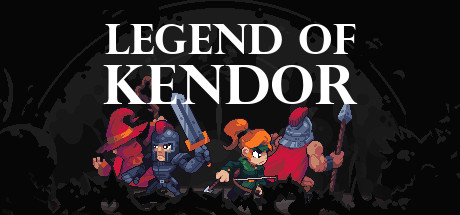 Legend of Kendor In-game content arttext | AI Generated Content Disclosure
The portraits of 6 added characters started from an AI image and was repainted by the developer.
Some newer in-game text and the store and in-game translations were written with AI assistance.
The original characters, monsters, music and sound effects (pretty much everything else) were made by people.
The game does not generate AI content while you play. | pickysource | 46 | Nov 20, 2026 | |
 Witches Grove In-game content artaudiocode | Witches' Grove is made by one person, and I want to be upfront about how it was built.
I used AI tools heavily during development. AI helped make the pixel-art sprites and effects (drawn as code) and the music, and it helped write much of the game's code.
AI made it possible for a solo developer to build something this size. It didn't decide what the game should be. Every fighter, wish, item and joke went through my hands. I played it over and over, threw out what didn't feel right, and sent things back again and again until they had the warmth and personality I wanted. The design, the world, the characters' stories and every final call are mine.
Nothing in the game is generated live while you play. Everything you see and hear was made and checked before release.
I hope you can feel the care that went into the Grove. Thank you for giving it a chance. | Indeptus Entertainment | - | Nov 20, 2026 | |
 MegaMagnate In-game content art | Se han utilizado herramientas de inteligencia artificial generativa para crear parte del material gráfico del juego y de su promoción, incluidos ilustraciones, personajes, iconos y recursos de la página de Steam. Los recursos se preparan y revisan antes de incorporarse al juego. | Blove Games | - | Nov 20, 2026 | |
 Limitlesscape In-game content art | Some artwork was made with AI assistance and then hand edited. No AI runs in the app. | LaryWaves Studio LLC | - | Nov 20, 2026 | |
 Ledge Goats In-game content arttext | Generative AI was used to create some of the demo's artwork, including goat sprites, mountain scenery, and upgrade and achievement icons. It also helped draft and translate in-game captions and interface text. The demo uses no generative AI during gameplay. | Finback Games | - | Nov 20, 2026 | |
 Abyssal Station Store/marketing text | Generative AI tools were used during development to write the English translation and draft the store page text. Every AI-assisted piece was reviewed and edited by the developer. The music and sound effects are public-domain works made by human artists. The game does not generate any content with AI while you play. | ForgeSparks | - | Nov 20, 2026 | |
 像素英雄传说 In-game content artaudiocode | During the development of this game, we utilized generative AI technology as an auxiliary tool.
Visual and Audio Assets: Some of the in-game textures, background music, and sound effects were generated with the assistance of AI tools during the early stages of development. All AI-generated raw materials were strictly reviewed, manually edited, and refined by our development team to ensure they perfectly fit the game's world and gameplay requirements.
Code Development: We used AI assistance to generate certain foundational code to improve development efficiency.
This game does not contain any real-time (runtime) dynamic AI generation features. Players will not trigger any real-time AI generation during gameplay. We are committed to using new technologies responsibly to improve development efficiency, while ultimately delivering a complete, carefully crafted gaming experience for you. | 哈哈先生 | - | Nov 20, 2026 | |
 Blood of Rome In-game content art | AI was used to conceptualize, refine, and create variations of pixel-art sprites. | Pixelatus | - | Nov 19, 2026 | |
 Akarra Awakened In-game content art | AI was used in the helping of editing/updating/kit-bashing pixel art character models and frameworking. | DreamGlyph Studios | - | Nov 19, 2026 | |
 Paschalis TD In-game content artaudiocode | Claude Code was used to generally assist in the development of code, as well as:
- 3D models with Blender
- Textures with Aseprite
- Vector graphics as code in the SVG format
- A few sound effects synthesized with code
Nothing was created without human oversight and review, and there was no diffusion-based AI asset generation.
AI is a powerful tool. I use it to help me make games in accordance with my vision. | Jova | - | Nov 19, 2026 | |
 Grandmasters Ascent In-game content artaudiotextcode | Direction and Vision come from the Developer. The game’s code, its pixel art (drawn in code from text grids), its synthesised music and sound, and its text were made with the help of AI tools under the developer’s direction, and reviewed by the developer. | Zugzwang Studios | - | Nov 19, 2026 | |
 YohohoDice In-game content audio | Generative AI-assisted tools were used only in the production of some background music. | SecDeveloper | - | Nov 19, 2026 | |
 Jihanki Days In-game content textcode | AI tools were used during development:
Code: the game’s code was written with an AI coding assistant (Claude), under my direction and review.
Music: Tracks are being gradually replaced by a human composer as we save up money to replace it over time.
Text: the Japanese, Korean and Chinese translations, and drafts of the store text, were written with the AI assistant. | Mended Hours | - | Nov 19, 2026 | |
 Moon-Oriented Autonomous Biological Model In-game content text | Japanese translation is generated by AI and post-edited by human. | Mortem4 | 93 | Nov 19, 2026 | |
 Mytheria In-game content artaudiotext | Some of the artwork, music and translations were made with AI tools. We use AI as a tool to enhance our work, not just to generate it, and we edit and review everything by hand. | Cobo Makes Games | - | Nov 19, 2026 | |
 RoomRun In-game content textart | Steam store page is so far localized with AI.
The storefront image is partially done with AI.
The levels itself are created by human. | Alexander Slivinskiy | - | Nov 19, 2026 | |
 DEADEYE In-game content artaudiotextcode | DEADEYE is made by two friends using AI-assisted tools to help with code, procedural art and audio, writing and translations. No image, voice or music generators were used, and everything in the game is reviewed, edited and reworked by hand. | Blacksail Studio | - | Nov 19, 2026 | |
 Fantasy Guild Manager In-game content artaudiocode | Some visual assets (map art, building and character sprites, UI elements) were created with the help of AI image generation and then edited and assembled by the developer. The store artwork (capsules, library images and page background) was also generated with an AI image tool, using the in-game art as reference. The music was generated with Suno under a commercial license. The game's code was written with the help of an AI coding assistant (Claude); game design, systems and balancing are the developer's own. The game does not generate any AI content while you play. | Grand Operations | - | Nov 19, 2026 | |
 Eldkin In-game content artaudiotext | Kinstead is a one-person project made with the help of an AI assistant. The world, the creatures, localization, the music and the writing were all created with AI, guided, play-tested and polished by the developer to make a cosy adventure worth exploring. Everything is generated ahead of time; no AI runs while you play. | Edling Interactive AB | - | Nov 19, 2026 | |
 Loaded Bones In-game content artaudio | AI tools were used during development to assist with sound and visual assets. | Hen House Studios LLC | - | Nov 19, 2026 | |
 Alt-Tab Legend In-game content text | Code assistance, translation; No live generative AI system | Team Mingo | - | Nov 19, 2026 | |
 Distant Garden In-game content art | In early access as a solo developer, some AI generated placeholder assets will be in the game for the time being. These are on our list to replace with real art, please reach out to jack@netbug.us if you are interested in helping to make art. | Jackson Levine | 54 | Nov 19, 2026 | |
 KENKAKU In-game content textart | AI tools were used to help write the store page text and to create some promotional images. The in-game characters and backgrounds are drawn by the developer’s own code. | DokoroGames | - | Nov 19, 2026 | |
 Sephiria In-game content text | AI tools were used for parts of the translation. | TEAM HORAY | 3.2k | Nov 19, 2026 | |
 PinDOS In-game content codetext | I used AI tools to help build PinDOS: its program code, its menu and help text, the Russian translation, and the store page text. The design and testing are my own. The pinball itself is not AI-generated: every table and all of its art, sound and music come from your own copy of the original games, and nothing is generated by AI while you play. | SSB | - | Nov 19, 2026 | |
 Worldsmith by Charles A. Debczak In-game content artaudiotext | Generative AI was used to create some of the art and music, localization, features, and bug fixes. | Charles A. Debczak | - | Nov 19, 2026 | |
 Kingsbane In-game content arttext | We are an independent studio and have spent around eight months developing the Kingsbane demo. Our artists used generative AI tools to assist in creating some of the game’s artwork. We also used these tools for the text and translations on the Steam store page. The team reviewed the content and was responsible for the creative decisions and the integration of the materials into the game. | ARTEMIS ENTRETENIMENTO DIGITAL LTDA | - | Nov 19, 2026 | |
 Light the Void In-game content artaudiotext | Generative AI was used to create the game's artwork, sound, and localization. All creative direction and game design decision, including the narrative, mechanics, progression, pacing, balancing, and overall gameplay experience, were made by the human developer. AI served as a tool to bring these ideas to life, not as the decision-maker behind the game's design. | RoninGameDev | - | Nov 19, 2026 | |
 Ostrel In-game content audioartcode | Ostrel's music, ambience and sound effects were generated with AI audio tools on a GPU server we run ourselves, then edited and mixed with our own tools. The art inside and on the hulls of the player ships is assembled by our code from AI-generated paintings and textures. The rest of the pixel art (characters, tiles, objects, creatures, icons and UI) is drawn by code rather than by an image model, and that code, like the rest of the game, was written with AI assistance. Some concept art used only as reference was made with an image model. The game does not generate any content with AI while you play. | DigiCore Studios | - | Nov 19, 2026 | |
 Desktop Reimu In-game content artaudiotext | Generative AI tools were used in creating the graphics, sound and text. | Hakobune Games | - | Nov 19, 2026 | |
 NIGHT SHIFT: HAUNTED MALL In-game content audioarttextcode | Night Shift: Haunted Mall was created by a small human team. The game concept, creative direction, character models, menus and most of the in-game 3D environments were made by hand. Generative AI tools were used during development for the music, some in-game 3D props and environment pieces, the trailer cutscene, the localized text (French, Spanish, Italian, German, Japanese, Korean and Simplified Chinese) and parts of the game code. All AI-assisted content was reviewed and edited by the team. The game does not generate any content with AI while you play. | Tokkun Studio | - | Nov 19, 2026 | |
 Honel's Identification In-game content audiotext | Some background music was created with AI. Korean and English are reviewed by the developer, and Japanese is being reviewed by a native speaker. All other languages are translated with AI and have been reviewed multiple times. As a university student, I plan to hire professional translators once I have saved enough money. | UPPRESSURE | - | Nov 18, 2026 | |
 Bloodmoon Valkyries In-game content audio | The game includes AI-generated character voices. | Melting Sapiens | - | Nov 18, 2026 | |
 Odila In-game content codetext | Created with AI assistance in the code and translations, always under the direction and review of the developer. | Vex & Co. | - | Nov 18, 2026 | |
 Maiden Taskbar Unclear | AI assisted with the development and production of this game. | Samgyeop Studio | - | Nov 18, 2026 | |
 Tinyfab In-game content arttext | Some assets were generated with AI and then retouched by hand.
Translations into languages other than Korean and the store page text were written with the help of AI. | superdean | - | Nov 18, 2026 | |
 Witches Circle Unclear art | Some visual art was made with AI. | Tinelis | - | Nov 18, 2026 | |
 SCARBOUND In-game content artaudiotext | Generative AI technology was used in creating some of the images, audio, music and other content in this game. All AI-generated material was reviewed, edited and adjusted by the developer before being used as in-game content. The game's concept, design and final quality control were handled by the developer. | SYNLUDO | - | Nov 18, 2026 | |
 PokerCat Battle In-game content artaudiotext | Generative AI was used during development to create some of the artwork and the music, and to help write and translate the game. | LSTT | - | Nov 18, 2026 | |
 Seoul Zombie City In-game content artaudiotext | Generative AI was used for art, sound, and translation. | SoulSeoul | - | Nov 18, 2026 | |
 One More Nugget In-game content art | Generative AI tools were used during development to assist with creating visual assets.
The game does not use generative AI to create content during gameplay. | Silver Vortex Games | - | Nov 18, 2026 | |
 Jamo Baduk In-game content arttextcode | Pre-generated AI content: the 42 character portraits (including their expression frames) were created with Google's Gemini image generation model, and the relic, card and currency icons with PixelLab, a pixel-art generative AI tool; the developer selected and edited both. These portraits and icons appear in the game and also in the store and library art, screenshots and trailer. The in-game text, including the story, and its translations (English, Japanese, Chinese) were written with the help of an AI assistant (Claude), and AI-assisted tools were also used in writing the game's code. The Go board, stones, interface graphics, logo and achievement icons were not made with generative AI image tools. The Go opponent uses a search algorithm and simple rules, not generative AI, and no content is generated by AI while the game is running. | Wonder Road Games | - | Nov 18, 2026 | |
 Shine in Shadows In-game content artaudiotext | Some of the game’s art, most of its music and parts of its text were created with the help of AI tools, then reviewed, edited and arranged by hand. | Bunito Games | - | Nov 18, 2026 | |
 Omenwheel In-game content artaudiocode | During the development of Omenwheel, generative AI was used as an auxiliary tool to create visual references and initial concepts for characters, backgrounds, props, and icons. The final in-game assets were refined, adapted, and implemented by the developer.
AI was also used for character voice synthesis and to assist with writing certain portions of the game's code.
No generative AI is used during gameplay. | albatron | - | Nov 18, 2026 | |
 SOME: Space Overlay Mining Empire In-game content arttextcode | The block sprites, the window icon, the app icons and the achievement icons are drawn, and the sound effects synthesized, by scripts written with an AI coding assistant. The game's text and its store page text were written with an AI assistant and checked by the developer against the game's written style rules. The store's capsules, the trailer's caption and title cards, and the desktop wallpaper behind the game in its screenshots and trailer are drawn by scripts written with an AI coding assistant, from the game's own sprites and an openly licensed font. | chainfault | - | Nov 18, 2026 |


