Public Steam disclosure research25,376 disclosures tracked
Where do games disclose AI use?
Search developers’ Steam disclosures, compare classified AI use across
games, and follow recorded changes.
This index adds cross-game classifications and statistics to
statements published on individual store pages.
Groups reflect automatic analysis of public disclosures; mature records are excluded. These counts do not measure AI use across all of Steam.
Missing or unclear statements cannot establish whether a game uses AI.
During development, generative AI tools (such as ChatGPT) were used to assist in writing and optimizing portions of the Godot (GDScript) game code, as well as for brainstorming visual concepts during the early stages of art design. All final art assets, text, audio, and code within the game have been reviewed, modified, and finalized by the developer prior to release. The game does not generate any AI content in real-time during gameplay.
AI tools were used as supportive tools during the development process, including assistance with code, and music. All AI-assisted content was reviewed, edited, and integrated by our development team before being included in the game.
Levels, game design, boss patterns and story are entirely hand-made in a custom level editor built by the developer. The game code is written with AI coding assistants under the developer's direction. Character and environment sprites started as AI-generated sprite sheets and were hand-retouched frame by frame. Music is created with Suno. Most sound effects are synthesized procedurally by code written with an AI coding assistant, then selected and tuned by the developer; a few come from CC0 and royalty-free libraries (Kenney, OpenGameArt, Mixkit). No AI runs at play time.
Generative AI tools were used to assist in creating promotional artwork, cover images, and store page visual assets. The game itself does not generate AI content during gameplay.
Pre-generated content only; nothing is generated while playing. The painted room backgrounds, the doorway arches, character and creature sprites and the key art (title picture, also the basis of the store capsules) were created with a generative image model (OpenAI gpt-image-2) and then hand-composed, cropped, colour-matched and fitted with collision by the developer. Code, level design and texts were written with AI assistance (Anthropic Claude) under human direction and testing; music is synthesised by the game's own code (no AI audio). — DE: Ausschliesslich vorgenerierte Inhalte, nichts wird während des Spielens erzeugt. Die gemalten Raumhintergründe, Torbögen, Figuren- und Kreaturen-Sprites sowie die Schlüsselgrafik (Titelbild, Grundlage der Shop-Kapseln) wurden mit einem generativen Bildmodell (OpenAI gpt-image-2) erzeugt und anschliessend vom Entwickler von Hand komponiert, beschnitten, farblich abgestimmt und mit Kollision belegt. Code, Leveldesign und Texte sind mit KI-Unterstützung (Anthropic Claude) unter menschlicher Leitung und Prüfung entstanden; die Musik wird vom Spielcode selbst synthetisiert (kein KI-Audio).
This software used generative AI assistance during development and publishing: programming code development assistance (large language models such as DeepSeek), store page promotional artwork generated with ChatGPT, and localization of the interface languages. The software does NOT use any AI at runtime, does not generate any AI content while running, and does not connect to any external AI service.
Generative AI was used to assist in the creation of some promotional and marketing materials (such as key art).
All in-game content, gameplay, and screenshots are created without the use of generative AI.
Some music tracks included in the game were created using generative AI tools by third-party music providers. These tracks are used under licenses that permit their inclusion in commercial projects.
The game's visual assets, 3D environments, characters, animations and other artwork are primarily human-created assets, including original work and commercially licensed asset packs or free asset packs.
The game does not generate AI content while running.
The announcement artwork was created with the help of generative AI.
I also use AI coding agents for debugging and development assistance.
A small number of early-access placeholder sprites were created with AI assistance as well, but these are planned to be replaced before the full release.
A small number of weapon assets were created with generative AI during development and are included in the shipped game as well as the store and library assets minus the logo.
This game uses pre-generated AI only for certain 2D background images and promotional store visuals. These assets were created before release and remain fixed. The game does not include any live AI generation during gameplay.
The protagonist was entirely hand-drawn. Some of the in-game tilesets, objects, background music, and sound effects were created using generative AI, and all AI-generated assets were manually retouched and edited by me before being used in the game.No generative AI content is generated during gameplay.
I used AI-generated images, assets, and music. I also used AI to assist with creating some of game's Bluprint. However, as a Motion graphic designer, I created as many of the 3D assets myself as possible.
Generative AI was used only for the character portrait artwork currently included in the demo. No generative AI was used for gameplay, programming, game assets, localization, or other game content.
This game was made with the help of generative AI tools, which were used for its art, music, sound, text and marketing materials. Nothing is generated by AI while you play.
Generative AI was used during development to assist with programming and to create most of the game's visual assets. The player character artwork was created without generative AI.
The game's icon and the promotional images were made with generative AI; the store page text and its translations were drafted with an AI assistant and checked by the developer. Nothing is generated by AI while you play.
Some artwork, cinematic sequences, and music were created with the assistance of generative AI tools and then selected, edited, and integrated by the developer. No AI-generated content is created during gameplay, and the game does not connect to external AI services.
Generative AI tools were used during development to assist with the creation and refinement of some visual assets and localization. All AI-assisted content is reviewed, edited, and curated by the developer before being included in the game.
All the Localization, voiceovers/music, and many of the in-game textures were generated using AI.
The store page trailer and images are rendered inside the game itself, so indirectly they also contains those AI generated textures.
A note on why.
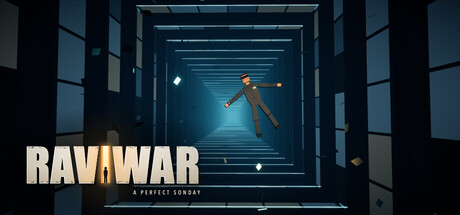
RaviWar 1 is the first part of a story that takes eight games to tell: RaviWar 1 & 2, and six shorter games set inside the same universe, under the name Tales of Takarek.
I am one person, with no studio and no funding behind me. Built the traditional way, a project that size would outlast me. These tools are the only way I can attempt it at all, and I would rather finish the whole story imperfectly than finish a fraction of it perfectly.
It is also why this game is free. I am not asking anyone to pay for AI generated work.
The design, the writing, the puzzles and the world are mine. As the project grows I intend to replace generated assets with commissioned ones.
Once again I am sorry.
Generative AI was used during development to assist with the creation of some visual assets, as well as marketing materials. AI-generated assets were reviewed, edited, and integrated by the developer as part of the game's overall art direction. Generative AI is not used to generate content or code during gameplay.
Generative AI was used during development to create or refine some of the game’s visual assets and music, and to assist with localization. These assets were selected by the developer and edited and adapted as needed. The game does not generate AI content in real time during gameplay.
Some of the promotional and storefront images were created with AI tools and then refined by hand. All of the in-game assets were designed by a 3D artist.
"The game uses artificial intelligence generation tools to create pre-rendered 2D content, specifically the game's logo and graphic elements for the store page."
Pre-generated content only. Store page artwork (capsules, hero image) was created with an image-generation model and then edited by hand. Some in-game art (level backgrounds, some character sprite sheets) was generated with AI tools and hand-edited. UI text for German, French, Spanish, Italian, Polish and Czech was machine-translated with an AI model from the human-written English source and is being reviewed by native speakers. No AI is used at runtime; players cannot generate content with AI in the game.
AI tools were primarily used as assistance during the coding and development process. Additionally, AI was used to a very limited extent for a small number of 2D visual assets within the game.
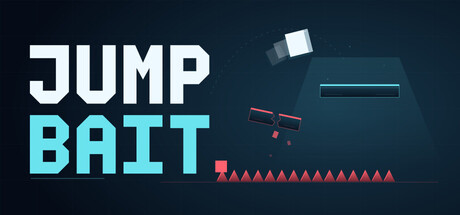
Jump Bait was created using generative AI, including its code, visual assets, music, and written content. AI-generated content was created during development. The game does not generate AI content or connect to third-party AI services during gameplay.
Some pre-rendered visual assets and music were created with generative AI tools, then curated, edited, and integrated by the developer. No AI content is generated during gameplay, and the game does not connect to external AI services.
Parts of the soundtrack were created with AI-assisted music generation, then edited, mixed and mastered by hand. Some of the game's code and store text were also written with AI assistance. All art, level design and gameplay are hand-made. No content is generated while you play.
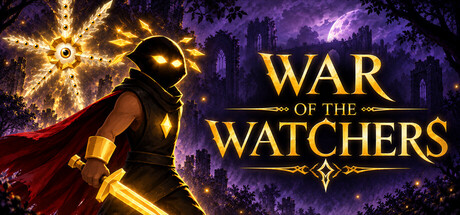
War of the Watchers uses generative AI in two places. Both are pre-generated before release and ship as fixed files; nothing is generated while you play.
Character dialogue is voiced using AI text-to-speech. Every line was written by the developer, and the tool performs those written lines. Each take is recorded before release and ships as an audio file.
Some promotional artwork, including the key art and store capsules, was produced with AI image tools and then edited by the developer.
Game code, level design and all in-game visuals are hand-authored. No content is generated during gameplay.
As a small development team of just two people, we used generative AI tools in limited cases to assist with the production of certain visual assets and help manage the scope of development.
All AI-assisted assets were carefully reviewed, edited, refined, and finalized by us to fit the game's established art style and direction. Generative AI was used as a supporting tool during development, rather than to define the creative direction of the game.
During development, generative AI tools (such as ChatGPT) were used to assist in writing and optimizing portions of the Godot (GDScript) game code, as well as for brainstorming visual concepts during the early stages of art design. All final art assets, text, audio, and code within the game have been reviewed, modified, and finalized by the developer prior to release. The game does not generate any AI content in real-time during gameplay.
AI tools were used as supportive tools during the development process, including assistance with code, and music. All AI-assisted content was reviewed, edited, and integrated by our development team before being included in the game.
Levels, game design, boss patterns and story are entirely hand-made in a custom level editor built by the developer. The game code is written with AI coding assistants under the developer's direction. Character and environment sprites started as AI-generated sprite sheets and were hand-retouched frame by frame. Music is created with Suno. Most sound effects are synthesized procedurally by code written with an AI coding assistant, then selected and tuned by the developer; a few come from CC0 and royalty-free libraries (Kenney, OpenGameArt, Mixkit). No AI runs at play time.
Generative AI tools were used to assist in creating promotional artwork, cover images, and store page visual assets. The game itself does not generate AI content during gameplay.
Pre-generated content only; nothing is generated while playing. The painted room backgrounds, the doorway arches, character and creature sprites and the key art (title picture, also the basis of the store capsules) were created with a generative image model (OpenAI gpt-image-2) and then hand-composed, cropped, colour-matched and fitted with collision by the developer. Code, level design and texts were written with AI assistance (Anthropic Claude) under human direction and testing; music is synthesised by the game's own code (no AI audio). — DE: Ausschliesslich vorgenerierte Inhalte, nichts wird während des Spielens erzeugt. Die gemalten Raumhintergründe, Torbögen, Figuren- und Kreaturen-Sprites sowie die Schlüsselgrafik (Titelbild, Grundlage der Shop-Kapseln) wurden mit einem generativen Bildmodell (OpenAI gpt-image-2) erzeugt und anschliessend vom Entwickler von Hand komponiert, beschnitten, farblich abgestimmt und mit Kollision belegt. Code, Leveldesign und Texte sind mit KI-Unterstützung (Anthropic Claude) unter menschlicher Leitung und Prüfung entstanden; die Musik wird vom Spielcode selbst synthetisiert (kein KI-Audio).
This software used generative AI assistance during development and publishing: programming code development assistance (large language models such as DeepSeek), store page promotional artwork generated with ChatGPT, and localization of the interface languages. The software does NOT use any AI at runtime, does not generate any AI content while running, and does not connect to any external AI service.
Generative AI was used to assist in the creation of some promotional and marketing materials (such as key art).
All in-game content, gameplay, and screenshots are created without the use of generative AI.
Some music tracks included in the game were created using generative AI tools by third-party music providers. These tracks are used under licenses that permit their inclusion in commercial projects.
The game's visual assets, 3D environments, characters, animations and other artwork are primarily human-created assets, including original work and commercially licensed asset packs or free asset packs.
The game does not generate AI content while running.
The announcement artwork was created with the help of generative AI.
I also use AI coding agents for debugging and development assistance.
A small number of early-access placeholder sprites were created with AI assistance as well, but these are planned to be replaced before the full release.
A small number of weapon assets were created with generative AI during development and are included in the shipped game as well as the store and library assets minus the logo.
This game uses pre-generated AI only for certain 2D background images and promotional store visuals. These assets were created before release and remain fixed. The game does not include any live AI generation during gameplay.
The protagonist was entirely hand-drawn. Some of the in-game tilesets, objects, background music, and sound effects were created using generative AI, and all AI-generated assets were manually retouched and edited by me before being used in the game.No generative AI content is generated during gameplay.
I used AI-generated images, assets, and music. I also used AI to assist with creating some of game's Bluprint. However, as a Motion graphic designer, I created as many of the 3D assets myself as possible.
Generative AI was used only for the character portrait artwork currently included in the demo. No generative AI was used for gameplay, programming, game assets, localization, or other game content.
This game was made with the help of generative AI tools, which were used for its art, music, sound, text and marketing materials. Nothing is generated by AI while you play.
Generative AI was used during development to assist with programming and to create most of the game's visual assets. The player character artwork was created without generative AI.
The game's icon and the promotional images were made with generative AI; the store page text and its translations were drafted with an AI assistant and checked by the developer. Nothing is generated by AI while you play.
Some artwork, cinematic sequences, and music were created with the assistance of generative AI tools and then selected, edited, and integrated by the developer. No AI-generated content is created during gameplay, and the game does not connect to external AI services.
Generative AI tools were used during development to assist with the creation and refinement of some visual assets and localization. All AI-assisted content is reviewed, edited, and curated by the developer before being included in the game.
All the Localization, voiceovers/music, and many of the in-game textures were generated using AI.
The store page trailer and images are rendered inside the game itself, so indirectly they also contains those AI generated textures.
A note on why.
RaviWar 1 is the first part of a story that takes eight games to tell: RaviWar 1 & 2, and six shorter games set inside the same universe, under the name Tales of Takarek.
I am one person, with no studio and no funding behind me. Built the traditional way, a project that size would outlast me. These tools are the only way I can attempt it at all, and I would rather finish the whole story imperfectly than finish a fraction of it perfectly.
It is also why this game is free. I am not asking anyone to pay for AI generated work.
The design, the writing, the puzzles and the world are mine. As the project grows I intend to replace generated assets with commissioned ones.
Once again I am sorry.
Generative AI was used during development to assist with the creation of some visual assets, as well as marketing materials. AI-generated assets were reviewed, edited, and integrated by the developer as part of the game's overall art direction. Generative AI is not used to generate content or code during gameplay.
Generative AI was used during development to create or refine some of the game’s visual assets and music, and to assist with localization. These assets were selected by the developer and edited and adapted as needed. The game does not generate AI content in real time during gameplay.
Some of the promotional and storefront images were created with AI tools and then refined by hand. All of the in-game assets were designed by a 3D artist.
"The game uses artificial intelligence generation tools to create pre-rendered 2D content, specifically the game's logo and graphic elements for the store page."
Pre-generated content only. Store page artwork (capsules, hero image) was created with an image-generation model and then edited by hand. Some in-game art (level backgrounds, some character sprite sheets) was generated with AI tools and hand-edited. UI text for German, French, Spanish, Italian, Polish and Czech was machine-translated with an AI model from the human-written English source and is being reviewed by native speakers. No AI is used at runtime; players cannot generate content with AI in the game.
AI tools were primarily used as assistance during the coding and development process. Additionally, AI was used to a very limited extent for a small number of 2D visual assets within the game.
Jump Bait was created using generative AI, including its code, visual assets, music, and written content. AI-generated content was created during development. The game does not generate AI content or connect to third-party AI services during gameplay.
Some pre-rendered visual assets and music were created with generative AI tools, then curated, edited, and integrated by the developer. No AI content is generated during gameplay, and the game does not connect to external AI services.
Parts of the soundtrack were created with AI-assisted music generation, then edited, mixed and mastered by hand. Some of the game's code and store text were also written with AI assistance. All art, level design and gameplay are hand-made. No content is generated while you play.
War of the Watchers uses generative AI in two places. Both are pre-generated before release and ship as fixed files; nothing is generated while you play.
Character dialogue is voiced using AI text-to-speech. Every line was written by the developer, and the tool performs those written lines. Each take is recorded before release and ships as an audio file.
Some promotional artwork, including the key art and store capsules, was produced with AI image tools and then edited by the developer.
Game code, level design and all in-game visuals are hand-authored. No content is generated during gameplay.
As a small development team of just two people, we used generative AI tools in limited cases to assist with the production of certain visual assets and help manage the scope of development.
All AI-assisted assets were carefully reviewed, edited, refined, and finalized by us to fit the game's established art style and direction. Generative AI was used as a supporting tool during development, rather than to define the creative direction of the game.