Public Steam disclosure research25,376 disclosures tracked
Where do games disclose AI use?
Search developers’ Steam disclosures, compare classified AI use across
games, and follow recorded changes.
This index adds cross-game classifications and statistics to
statements published on individual store pages.
Groups reflect automatic analysis of public disclosures; mature records are excluded. These counts do not measure AI use across all of Steam.
Missing or unclear statements cannot establish whether a game uses AI.
AI tools assisted in developing some procedural animations and sound effects. These elements were reviewed and refined to match the game’s artistic direction.
All in-game graphical assets were handcrafted by artists.
Used Ai to generate a NPC of my daughter Princess Octavia, Also used it to implement bought assets from epic store. Used to generate capsules for steam page.
Generative AI tools were used during development to create selected visual and audio assets. All AI-generated content was reviewed, edited, and integrated by the development team.
Generative AI was used to help create pre-generated character and enemy artwork, scene backgrounds, and store promotional illustrations. These assets were selected, prepared, and integrated by the developer. No AI content is generated during gameplay.
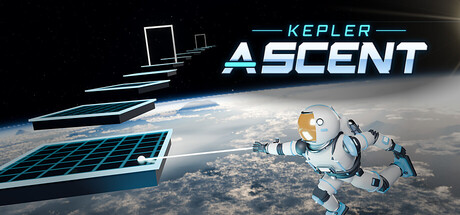
Kepler Ascent was made by an independent developer with the help of generative AI tools. AI was used to write part of the game's text (story and AURA's lines), to compose the music and create AURA's synthesized voice, to build some 3D models and cinematic sets (generated through scripts), and to produce the logo and artwork of this store page (rendered from the game's own models). All of this content was created ahead of time and reviewed by the developer. Nothing is generated by AI while you play.
Generative AI tools were used during development to assist with the creation of some artwork, music, and game code. All AI-assisted content was reviewed, edited, and integrated by the developer as part of the game’s creative and development process.
The core assets, music, 3D objects, and story of this game were entirely reviewed, refined, and crafted by the developer. However, generative AI tools were utilized to assist in creating certain sound effects and a few background/UI images. As this is my very first game developed entirely as a solo indie developer, these tools were used to help overcome the immense challenges of managing all aspects of production alone. All AI-assisted contents have been thoroughly checked to ensure quality and compliance.
Generative AI tools were used during development to assist with the creation of game content. All final content was reviewed and refined by the development team.
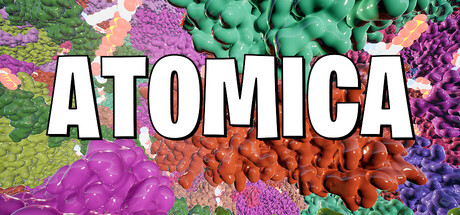
Atomica's translations into the thirteen languages other than English were made by an AI language model and have not yet been reviewed by native speakers. Much of the game's code and the store text were written with AI assistance. Nothing else is AI-generated. The cell is assembled by ordinary procedural code, not machine learning, from real data: Scripps Research's cellPACK model of Mycoplasma genitalium, protein structures from the Protein Data Bank (PDB), and ligands from the wwPDB Chemical Component Dictionary (CCD). The sounds are synthesized from the cell's real activity, and the store images are in-game screenshots.
Generative AI was used during development to create some illustrations, visual assets, and built-in example dog images. These assets are included with the game. Your own pet photos are processed locally on your computer to create animated paper cutouts; they are never uploaded to online AI services or redrawn using generative AI.
Generative AI tools were used during development to assist in creating and refining some of the game's visual assets and artwork. These assets were subsequently selected, edited, adapted, and integrated into the game by the developer. No generative AI is used during gameplay, and the game does not generate content dynamically for players.
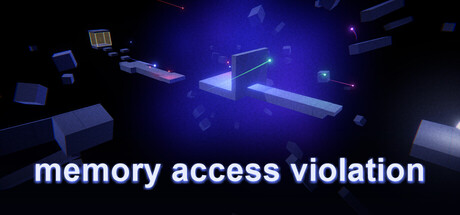
Memory Access Violation was made by a solo developer working with an AI coding assistant, which was used during development:
Code and level design: much of the game's code, including the level-building tools, puzzle layouts, enemy behaviour and vehicle handling, was written with AI assistance. The developer directed, playtested and revised every level. Puzzle solutions were checked by automated solvers so each one is fair.
Visuals: the game's environments, vehicles, mechs and enemies are built in code from simple geometric shapes and custom shaders. No AI image generators were used for in-game art.
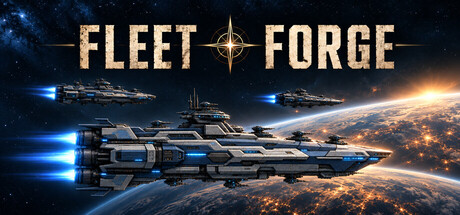
Generative AI tools were used during development to create and refine visual artwork, including spacecraft images, environments, story illustrations, and promotional graphics. This content was prepared during development and is included as fixed assets. Fleet Forge does not generate AI artwork, dialogue, or other content during gameplay.
Generative AI-assisted tools were used during development for parts of localization and written marketing content. During gameplay, automated translation may be used to translate player-written chat messages between supported languages. Original player messages are written by users and are not generated by AI.
AI helped create promotional artwork and the main-menu background illustration, and draft the story, dialogue and Korean and English store descriptions. These assets are pre-generated; no AI content is generated or external AI service used during gameplay.
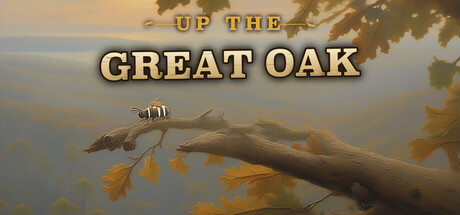
The key art used for the store capsules and the title screen background was generated with image models run locally and then hand-edited. The Spanish, Portuguese (Brazil), German and Simplified Chinese translations and drafts of the store page text were produced with the help of an AI assistant. Everything you see during gameplay (the beetle, the tree, its surfaces and all animation) is drawn procedurally in code. Sound effects are CC0 recordings; no AI-generated voice or music is used, and no generative AI runs while you play.
Generative AI was used during development to assist with the creation and refinement of some promotional artwork and marketing assets. AI tools were also used as part of the development workflow for coding assistance and troubleshooting. The game does not generate AI content during gameplay.
Generative AI tools were used during development to assist in the creation of certain pre-rendered visual content, including character assets, artwork, and marketing materials. All AI-assisted content was reviewed, selected, and incorporated by the development team before being included in the game or its promotional materials.
About half of the background and prop pixel art was created with generative AI image tools and then edited by the developer. Character art is mostly hand-drawn.
Some background music in this game was created with the assistance of generative AI tools. The final selection, editing, and implementation of the music were handled by the developer.
Some visual assets were created with the help of generative AI and then edited by the developer. A few sprite animations (doors opening, the ghost, the dynamite fuse and explosion, the turret turning) were generated with PixelLab from our own hand-made sprites, and some store artwork was made with AI image tools. Parts of the in-game text were written with AI assistance and reviewed by the developer. The game does not generate any content with AI while you play.
Generative AI tools were used during development to assist in creating select background visuals, sound effects, music tracks, and promotional graphics.
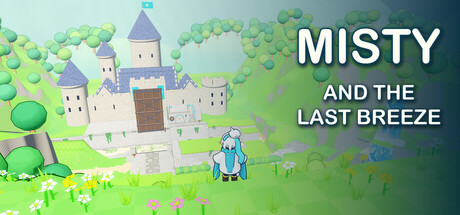
Misty and the Last Breeze is a solo-developed game made with a lot of AI assistance. Here is how AI was used.
Code. The game is built in Godot. Most of the gameplay code, tooling and automated tests were written with AI coding assistants (Claude Code and Codex), working from my design direction, and reviewed, playtested and revised by me. Design decisions, level layouts, movement feel and what ships are mine; the assistants do much of the typing.
3D models and art. Many in-game models and textures were made in Blender through scripts written with AI assistance, often rebuilt from concept images. Some of those reference images were generated with AI image tools. Other visuals, such as shaders, UI and effects, are authored in code. Painting and key-art images in the game that began as AI-generated images are kept as AI-assisted work.
Music. Music is generated with Suno and then selected, arranged and edited by me. Ambience and sound effects are mostly synthesized in code (procedural audio) rather than sampled from other artists.
Mockups and planning. I use ChatGPT's image generation for mockups, mood boards, UI layouts and promotional concepts while planning. These are for exploring ideas; they are not meant to ship as finished art unless noted above.
What is not AI. The game itself has no runtime AI: every enemy, NPC, line of dialogue and level is fixed content that I designed and authored. Nothing is generated or adapted while you play.
Generative AI was used during development. Part of the graphics (characters, enemies, bosses, icons, room backgrounds and backdrops) was created with image-generation tools: Google Gemini, OpenAI ChatGPT and a locally run Stable Diffusion model. Part of the music was created with audio-generation tools (Google Gemini). Part of the code, room layouts and texts were written with the help of an AI assistant. The developer reviewed, cut, retouched and hand-adjusted all of this material before adding it to the game. The game does not generate any AI content while it is being played.
AI tools assisted in developing some procedural animations and sound effects. These elements were reviewed and refined to match the game’s artistic direction.
All in-game graphical assets were handcrafted by artists.
Used Ai to generate a NPC of my daughter Princess Octavia, Also used it to implement bought assets from epic store. Used to generate capsules for steam page.
Generative AI tools were used during development to create selected visual and audio assets. All AI-generated content was reviewed, edited, and integrated by the development team.
Generative AI was used to help create pre-generated character and enemy artwork, scene backgrounds, and store promotional illustrations. These assets were selected, prepared, and integrated by the developer. No AI content is generated during gameplay.
Kepler Ascent was made by an independent developer with the help of generative AI tools. AI was used to write part of the game's text (story and AURA's lines), to compose the music and create AURA's synthesized voice, to build some 3D models and cinematic sets (generated through scripts), and to produce the logo and artwork of this store page (rendered from the game's own models). All of this content was created ahead of time and reviewed by the developer. Nothing is generated by AI while you play.
Generative AI tools were used during development to assist with the creation of some artwork, music, and game code. All AI-assisted content was reviewed, edited, and integrated by the developer as part of the game’s creative and development process.
The core assets, music, 3D objects, and story of this game were entirely reviewed, refined, and crafted by the developer. However, generative AI tools were utilized to assist in creating certain sound effects and a few background/UI images. As this is my very first game developed entirely as a solo indie developer, these tools were used to help overcome the immense challenges of managing all aspects of production alone. All AI-assisted contents have been thoroughly checked to ensure quality and compliance.
Generative AI tools were used during development to assist with the creation of game content. All final content was reviewed and refined by the development team.
Atomica's translations into the thirteen languages other than English were made by an AI language model and have not yet been reviewed by native speakers. Much of the game's code and the store text were written with AI assistance. Nothing else is AI-generated. The cell is assembled by ordinary procedural code, not machine learning, from real data: Scripps Research's cellPACK model of Mycoplasma genitalium, protein structures from the Protein Data Bank (PDB), and ligands from the wwPDB Chemical Component Dictionary (CCD). The sounds are synthesized from the cell's real activity, and the store images are in-game screenshots.
Generative AI was used during development to create some illustrations, visual assets, and built-in example dog images. These assets are included with the game. Your own pet photos are processed locally on your computer to create animated paper cutouts; they are never uploaded to online AI services or redrawn using generative AI.
Generative AI tools were used during development to assist in creating and refining some of the game's visual assets and artwork. These assets were subsequently selected, edited, adapted, and integrated into the game by the developer. No generative AI is used during gameplay, and the game does not generate content dynamically for players.
Memory Access Violation was made by a solo developer working with an AI coding assistant, which was used during development:
Code and level design: much of the game's code, including the level-building tools, puzzle layouts, enemy behaviour and vehicle handling, was written with AI assistance. The developer directed, playtested and revised every level. Puzzle solutions were checked by automated solvers so each one is fair.
Visuals: the game's environments, vehicles, mechs and enemies are built in code from simple geometric shapes and custom shaders. No AI image generators were used for in-game art.
Generative AI tools were used during development to create and refine visual artwork, including spacecraft images, environments, story illustrations, and promotional graphics. This content was prepared during development and is included as fixed assets. Fleet Forge does not generate AI artwork, dialogue, or other content during gameplay.
Generative AI-assisted tools were used during development for parts of localization and written marketing content. During gameplay, automated translation may be used to translate player-written chat messages between supported languages. Original player messages are written by users and are not generated by AI.
AI helped create promotional artwork and the main-menu background illustration, and draft the story, dialogue and Korean and English store descriptions. These assets are pre-generated; no AI content is generated or external AI service used during gameplay.
The key art used for the store capsules and the title screen background was generated with image models run locally and then hand-edited. The Spanish, Portuguese (Brazil), German and Simplified Chinese translations and drafts of the store page text were produced with the help of an AI assistant. Everything you see during gameplay (the beetle, the tree, its surfaces and all animation) is drawn procedurally in code. Sound effects are CC0 recordings; no AI-generated voice or music is used, and no generative AI runs while you play.
Generative AI was used during development to assist with the creation and refinement of some promotional artwork and marketing assets. AI tools were also used as part of the development workflow for coding assistance and troubleshooting. The game does not generate AI content during gameplay.
Generative AI tools were used during development to assist in the creation of certain pre-rendered visual content, including character assets, artwork, and marketing materials. All AI-assisted content was reviewed, selected, and incorporated by the development team before being included in the game or its promotional materials.
About half of the background and prop pixel art was created with generative AI image tools and then edited by the developer. Character art is mostly hand-drawn.
Some background music in this game was created with the assistance of generative AI tools. The final selection, editing, and implementation of the music were handled by the developer.
Some visual assets were created with the help of generative AI and then edited by the developer. A few sprite animations (doors opening, the ghost, the dynamite fuse and explosion, the turret turning) were generated with PixelLab from our own hand-made sprites, and some store artwork was made with AI image tools. Parts of the in-game text were written with AI assistance and reviewed by the developer. The game does not generate any content with AI while you play.
Generative AI tools were used during development to assist in creating select background visuals, sound effects, music tracks, and promotional graphics.
Misty and the Last Breeze is a solo-developed game made with a lot of AI assistance. Here is how AI was used.
Code. The game is built in Godot. Most of the gameplay code, tooling and automated tests were written with AI coding assistants (Claude Code and Codex), working from my design direction, and reviewed, playtested and revised by me. Design decisions, level layouts, movement feel and what ships are mine; the assistants do much of the typing.
3D models and art. Many in-game models and textures were made in Blender through scripts written with AI assistance, often rebuilt from concept images. Some of those reference images were generated with AI image tools. Other visuals, such as shaders, UI and effects, are authored in code. Painting and key-art images in the game that began as AI-generated images are kept as AI-assisted work.
Music. Music is generated with Suno and then selected, arranged and edited by me. Ambience and sound effects are mostly synthesized in code (procedural audio) rather than sampled from other artists.
Mockups and planning. I use ChatGPT's image generation for mockups, mood boards, UI layouts and promotional concepts while planning. These are for exploring ideas; they are not meant to ship as finished art unless noted above.
What is not AI. The game itself has no runtime AI: every enemy, NPC, line of dialogue and level is fixed content that I designed and authored. Nothing is generated or adapted while you play.
Generative AI was used during development. Part of the graphics (characters, enemies, bosses, icons, room backgrounds and backdrops) was created with image-generation tools: Google Gemini, OpenAI ChatGPT and a locally run Stable Diffusion model. Part of the music was created with audio-generation tools (Google Gemini). Part of the code, room layouts and texts were written with the help of an AI assistant. The developer reviewed, cut, retouched and hand-adjusted all of this material before adding it to the game. The game does not generate any AI content while it is being played.