








Disclosure
Pre-generated: the music and SFX was created with generative AI tools and then edited and mixed by the developer. No generative AI is used while the game is running.
- Creator
- Job's Done Games
- Reviews
- -
- Added
- Oct 9, 2026
Public Steam disclosure research 25,376 disclosures tracked
Search developers’ Steam disclosures, compare classified AI use across games, and follow recorded changes. This index adds cross-game classifications and statistics to statements published on individual store pages.
Code help, debugging and other development work.
Capsule art, trailers and promotional material.
Pre-made art, audio, writing and other game assets.
Interactive or runtime AI features disclosed by the developer.
Groups reflect automatic analysis of public disclosures; mature records are excluded. These counts do not measure AI use across all of Steam. Missing or unclear statements cannot establish whether a game uses AI.
Pre-generated: the music and SFX was created with generative AI tools and then edited and mixed by the developer. No generative AI is used while the game is running.
I used an AI coding assistant while building the game, and it helped come up with the achievement names and descriptions, and some events which I edited. Nothing else in the game is AI generated: the soundtrack is licensed from its creators, the radio voices are my own recordings, and the art and sounds are produced by the game's code.
Parts of Tinselwood were made with generative AI during development: its music and sound effects, its interface icons and store art, some of its set-piece models, and parts of its code. All of it was reviewed and reworked by hand, and nothing is generated while you play.
The game's pixel art (characters, enemies, bosses, environment tiles and props, effects, UI icons) was created with the help of the AI tool PixelLab and then selected, edited, animated and assembled by the developer. The key art, logo, app icon, music and sound effects were generated with Higgsfield and then edited and mixed by the developer. The trailer's opening and closing cinematic shots are AI-animated from the game's key art. All gameplay, code and design are the developer's own. The game does not generate any content with AI while it runs.
Some music, sound effects, artwork and translations were made with AI tools and edited by hand. The map, units and interface you see in play are drawn by the game's own code. No generative AI is used at runtime.
AI was used for in-game translations of UI, tutorial and caption text. It was also used to translate the store page content into non-English locales.
No AI is used to generate content or code while the game is running, and the game does not connect to any AI service. Sound effects and music are synthesized by the game itself and are not AI-generated. The game development started around 2019/2025, my official Initial commit on Github was on Jun 7, 2023, means most work has been done without knowing AI. AI Usage: AI has been used as mathematician and bughunter - which you really need as one (wo or man) studio - and to generate some small graphics such as achievements. 90% of work has been done by me over the years, I decided now to finish this game after doing it as side project for many years. AI helped me to handle the complexity the data by simulating the game play 100 of times, which would be not possible as single developer having a life outside of the cave. One last: Majority of the shop and ingame translations have been done by AI.
Generative AI tools were used during development to create some artwork, 3D assets, music, sound effects and localization text. These assets are prepared before release. The game does not generate AI content during play or connect to external AI services.
Generative AI was used during development to assist in creating select pre-generated promotional artwork and video assets used in marketing and on the Steam store page. AI-generated content is reviewed and selected by the developer before publication. Generative AI is not used to create gameplay content in real time.
Some artwork generated using AI
Generative AI was used during development to create some visual assets, including the title artwork and app icon. AI tools also assisted with some 3D models, in-game text, localization, and sound effects. The game does not use generative AI services to create content during play.
Some small game assets were modeled using ai.
Clade is made by a small independent developer. During development, AI tools were used to help write some of the game's code, and to create some placeholder 3D models and text. All placeholder art is being replaced with handmade work, and this note will be updated as that happens. The game does not generate any content with AI while you play. The computer controlled empires are traditional game AI written for Clade, not generative AI.
AI was used as coding assistant, to create localization and also to mix and master sound and video files.
Some 3D models, textures and sound effects were created with the help of generative AI tools and then edited, cleaned up and finished by hand by our team. Some store page and marketing artwork was also created with generative AI tools. All AI-assisted content was reviewed by the developers before being included. The game does not generate any content with AI while you play.
AI was used as an interface and scripting assistant for industry standard tools such as Reaper, Godot, Blender, Aseprite, and Deepl for enhancing the quality and consistency of the game content and building systems I otherwise would not have the capacity to design and implement as solo developer. Where possible, artists are and will continue to be supported via use of their paid or free assets. For this game, the most money spent was on Quaternius source level packages. Notable exception to this is the UI, which was generated using RetroDiffusion with a python pipeline built in house for consistent design around UI elements using color normalization and targeting from a theme palette, which is then imported and tweaked in Godot.
This game was created with extensive AI assistance. AI-generated and AI-assisted content is used in the game, store artwork, descriptions and trailer. This includes graphics and artwork, text, and contributions to programming, music and trailer production. The trailer and screenshots show actual footage captured from the game. No generative AI content is created during gameplay, and the game does not connect to external AI services while being played.
All 2D visual assets in RindTown—including characters, backgrounds, fruit, icons, machines, and UI elements—were created using generative AI image tools. These generated images were then manually curated, cut, edited, and post-processed by the developer to ensure a strict and consistent "crisp digital anime" art style across the entire game. Generative AI was used exclusively for creating static art assets during development. No generative AI is used for real-time gameplay logic or text generation while playing.
some 2D art elements & some audio
The game itself contains no AI-generated assets. Generative AI was used only for some promotional artwork on the store page such as posters. This artwork was edited by the development team.
AI was used for translation, to check terminology consistency, and to translate Steam store descriptions.
Some sound effects and images were created with the help of AI tools.
AI tools were used during development to help write the game's code (including the scripts that procedurally generate its sound effects and store art), to compose the soundtrack (melodies and arrangements written with AI assistance, rendered from our own scripts and an MIT-licensed instrument bank) and to translate its text into 10 languages. Game design, balance and visual direction are the developer's own, and all AI-assisted work was reviewed before being included. The game does not generate any AI content while you play.
The player portraits, mascots, team emblems, box paintings and a few event images were generated with image models from the developer's prompts, then hand-keyed and placed. All other art is drawn in the game's own code. No live generation: the game contacts no service. The music is synthesized from hand-written scores and is not AI audio.
Deckbound was designed and directed by a solo developer. Generative AI was used as a tool during development to help write in-game text (card, item and enemy descriptions), and produce the pixel artwork. All of it was reviewed, edited and curated by hand. The game itself does not use AI while you play — nothing is generated in real time.
Swarm Below was built with help from an AI assistant. Its 3D models (built by scripts in Blender), its synthesized music and sound effects, and parts of the store page text and art were created with AI assistance under the developer's direction. Nothing is generated by AI while you play.
Voices And Sounds Are AI Generated
Some AI was used to assist with managing the game's development and testing. The game concept, music, and visual elements are all human designed.
Was only used to make the store description fo the the game.
Some of the promotional and storefront images were created with AI tools and then refined by hand. All of the in-game assets were designed by a Pixel Art artist.
We use AI to help with community, bug fixes, and general content that will be replaced over time as we continue to develop.
As a solo developer I have utilized some AI-based tools to help during development. However all visuals in the game are generated procedurally by the game's own code
Pre-generated AI tools assisted with development, including code, interface copy and localization, in-game comic illustrations, and promotional key art, logo, and icon drafts. The developer reviewed and edited all AI-assisted output before inclusion. The game does not generate AI content while running.
Generative AI assisted with portions of the artwork, audio, code, and store promotional materials during development. These outputs were reviewed, adjusted, and integrated by the development team.
Generative AI was used during development to create in-game text, including item descriptions, interface copy, narrative text and localization. The Steam trailer also includes pre-generated AI cinematic visuals and music. No content is generated by AI during gameplay.
During development, generative AI tools including OpenAI image generation and Higgsfield assisted with pre-generated visual source material for characters, enemies, bosses, animation strips, world props and floors, menu and capsule art, icons, and achievement art. AI coding assistants also contributed to production code, QA tooling, documentation, player-facing copy, and localization drafts. The developer selected, edited, cleaned, composited, animated, integrated, and QA-reviewed the resulting material. All player-visible content is fixed in the shipped build: no prompt, generative model, or external generation service runs at runtime, and the game has no live-generated AI feature.
The option to disabled images created with AI can be found inside of the options menu of the game. This game has some images that used AI in their creation.
AI tools were used to assist with some of the programming, under the direction and review of the game's developer. AI was also used in the translation process for non-English languages. All art and music were created by human artists.
Ai services are used to create some of the artwork and sounds in Lumentide.
The track announcer and color commentator voices, including the horse-name calls, use AI text-to-speech voices (ElevenLabs), pre-generated during development and built into the game - no AI voice generation happens while you play. All game design, race simulation, wagering math, career systems, UI, code, and the horse and track roster were built by the developer.
AI tools (Anthropic Claude) assisted the developer with the code, the vector art, the texts and translations, and the synthesized music and sound effects. Everything was directed and reviewed by the developer. No AI runs in the game and nothing is generated at runtime.
Some content in this game was created with the help of AI tools during development: the English and Japanese translations, the store page text, and parts of the pixel art, which is drawn in code written with an AI coding assistant. The game does not use AI to generate any content while you play.
Steam store and library, including capsule images, the logo and icons Gameplay screenshots were captured directly from the game.
AI tools were used during development to help write code, store and in-game text, translations, and the code that draws some icons. All output was reviewed and edited by the developer. The game does not generate any content with AI while you play.
Pre-generated AI-assisted illustrations are used in some in-game artwork and in Steam store and library artwork, including capsule images, the logo, and achievement icons. Gameplay screenshots were captured directly from the game. The game does not generate AI content during play.
Card, character, background, UI and store art, as well as some in-game text and translations, were made with the help of generative AI. The game does not generate any content with AI while it runs.
The store description was drafted in Japanese and English with AI assistance and finalized by the developer. The in-game text translations and the store description in other languages were translated with AI. No AI-generated graphics or music are used. The game does not generate any content with AI during play.
I have used Claude Code to create the game itself code and assets.
Yes, AI helped make this game. Here's exactly how: • I built it with an AI coding assistant. The design and direction are mine; the AI did a lot of the typing. • The narrator's lines and item descriptions were drafted with AI and edited by me. So was this page. • No image, music or voice generators. The art and sound are drawn and synthesized by code. • Nothing is AI-generated while you play.
StoryNow uses generative AI locally during gameplay. Llama.cpp generates prompts that ComfyUI uses to create visual-novel artwork on the player's device. The game does not connect to an external AI generation service.
| Title⇅ | Disclosure | Creator⇅ | Src | Reviews⇅ | Added↓ |
|---|---|---|---|---|---|
 Marble Factory In-game content audio | Pre-generated: the music and SFX was created with generative AI tools and then edited and mixed by the developer. No generative AI is used while the game is running. | Job's Done Games | - | Oct 9, 2026 | |
 Catch Command '98 In-game content text | I used an AI coding assistant while building the game, and it helped come up with the achievement names and descriptions, and some events which I edited. Nothing else in the game is AI generated: the soundtrack is licensed from its creators, the radio voices are my own recordings, and the art and sounds are produced by the game's code. | MonkeyCat Games | - | Oct 9, 2026 | |
 Tinselwood In-game content artaudiocode | Parts of Tinselwood were made with generative AI during development: its music and sound effects, its interface icons and store art, some of its set-piece models, and parts of its code. All of it was reviewed and reworked by hand, and nothing is generated while you play. | Clackety Rock LLC | - | Oct 9, 2026 | |
 Reapers' Tide In-game content artaudio | The game's pixel art (characters, enemies, bosses, environment tiles and props, effects, UI icons) was created with the help of the AI tool PixelLab and then selected, edited, animated and assembled by the developer. The key art, logo, app icon, music and sound effects were generated with Higgsfield and then edited and mixed by the developer. The trailer's opening and closing cinematic shots are AI-animated from the game's key art. All gameplay, code and design are the developer's own. The game does not generate any content with AI while it runs. | Petr Jirous | - | Oct 9, 2026 | |
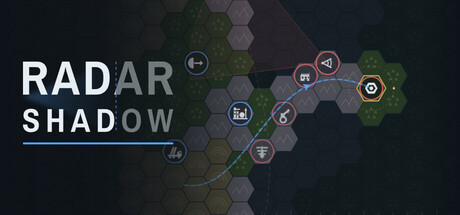 Radar Shadow In-game content artaudiotext | Some music, sound effects, artwork and translations were made with AI tools and edited by hand. The map, units and interface you see in play are drawn by the game's own code. No generative AI is used at runtime. | ZMEJ | - | Oct 9, 2026 | |
 Patrol In-game content text | AI was used for in-game translations of UI, tutorial and caption text. It was also used to translate the store page content into non-English locales. | REMO Games | - | Oct 9, 2026 | |
 Greaselord In-game content arttext | No AI is used to generate content or code while the game is running, and the game does not connect to any AI service. Sound effects and music are synthesized by the game itself and are not AI-generated.
The game development started around 2019/2025, my official Initial commit on Github was on Jun 7, 2023, means most work has been done without knowing AI.
AI Usage:
AI has been used as mathematician and bughunter - which you really need as one (wo or man) studio - and to generate some small graphics such as achievements. 90% of work has been done by me over the years, I decided now to finish this game after doing it as side project for many years. AI helped me to handle the complexity the data by simulating the game play 100 of times, which would be not possible as single developer having a life outside of the cave. One last: Majority of the shop and ingame translations have been done by AI. | Cyb3rArtStudios | - | Oct 9, 2026 | |
 Iron & Arrow In-game content artaudiotext | Generative AI tools were used during development to create some artwork, 3D assets, music, sound effects and localization text. These assets are prepared before release. The game does not generate AI content during play or connect to external AI services. | Mevius Studio | - | Oct 9, 2026 | |
 Demon Corp In-game content art | Generative AI was used during development to assist in creating select pre-generated promotional artwork and video assets used in marketing and on the Steam store page. AI-generated content is reviewed and selected by the developer before publication. Generative AI is not used to create gameplay content in real time. | Core Game Studios | - | Oct 9, 2026 | |
 Octodefense Unclear art | Some artwork generated using AI | Luciemma Games | - | Oct 9, 2026 | |
 Star Replica In-game content arttextaudio | Generative AI was used during development to create some visual assets, including the title artwork and app icon. AI tools also assisted with some 3D models, in-game text, localization, and sound effects. The game does not use generative AI services to create content during play. | wak-tech | - | Oct 9, 2026 | |
 Brighter Tomorrow In-game content art | Some small game assets were modeled using ai. | Justin Murray | - | Oct 9, 2026 | |
 Clade Dev only codearttext | Clade is made by a small independent developer. During development, AI tools were used to help write some of the game's code, and to create some placeholder 3D models and text. All placeholder art is being replaced with handmade work, and this note will be updated as that happens. The game does not generate any content with AI while you play. The computer controlled empires are traditional game AI written for Clade, not generative AI. | Hyena Striata | - | Oct 9, 2026 | |
 Gloamfall In-game content codetextaudio | AI was used as coding assistant, to create localization and also to mix and master sound and video files. | lenno | - | Oct 9, 2026 | |
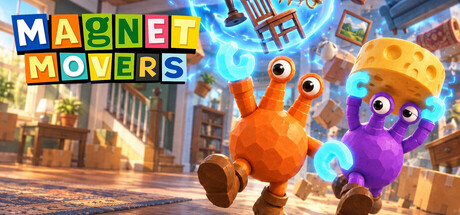 Magnet Movers In-game content artaudio | Some 3D models, textures and sound effects were created with the help of generative AI tools and then edited, cleaned up and finished by hand by our team. Some store page and marketing artwork was also created with generative AI tools. All AI-assisted content was reviewed by the developers before being included. The game does not generate any content with AI while you play. | TechTalent | - | Oct 9, 2026 | |
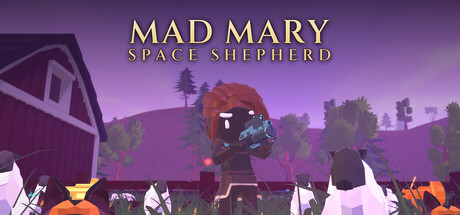 Mad Mary: Space Shepherd In-game content artcode | AI was used as an interface and scripting assistant for industry standard tools such as Reaper, Godot, Blender, Aseprite, and Deepl for enhancing the quality and consistency of the game content and building systems I otherwise would not have the capacity to design and implement as solo developer.
Where possible, artists are and will continue to be supported via use of their paid or free assets. For this game, the most money spent was on Quaternius source level packages.
Notable exception to this is the UI, which was generated using RetroDiffusion with a python pipeline built in house for consistent design around UI elements using color normalization and targeting from a theme palette, which is then imported and tweaked in Godot. | Spartan Game Studios | - | Oct 9, 2026 | |
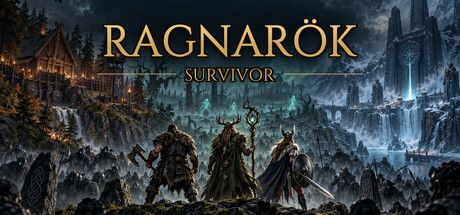 Ragnarök Survivor In-game content arttextaudiocode | This game was created with extensive AI assistance. AI-generated and AI-assisted content is used in the game, store artwork, descriptions and trailer. This includes graphics and artwork, text, and contributions to programming, music and trailer production. The trailer and screenshots show actual footage captured from the game. No generative AI content is created during gameplay, and the game does not connect to external AI services while being played. | Rabenwacht Studios | - | Oct 9, 2026 | |
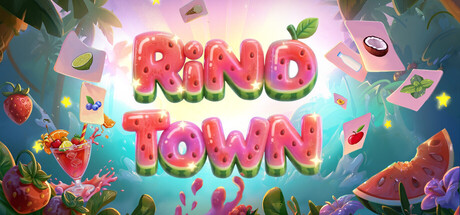 Rind Town In-game content art | All 2D visual assets in RindTown—including characters, backgrounds, fruit, icons, machines, and UI elements—were created using generative AI image tools. These generated images were then manually curated, cut, edited, and post-processed by the developer to ensure a strict and consistent "crisp digital anime" art style across the entire game.
Generative AI was used exclusively for creating static art assets during development. No generative AI is used for real-time gameplay logic or text generation while playing. | Sehr Games | - | Oct 9, 2026 | |
 Air Combat Legends In-game content artaudio | some 2D art elements & some audio | ENLITE Games | - | Oct 9, 2026 | |
 东方灵境谭 Store/marketing art | The game itself contains no AI-generated assets. Generative AI was used only for some promotional artwork on the store page such as posters. This artwork was edited by the development team. | 芒草工作室 | - | Oct 9, 2026 | |
 Bore Bore In-game content text | AI was used for translation, to check terminology consistency, and to translate Steam store descriptions. | YMY Games | - | Oct 8, 2026 | |
 Cryptward Online In-game content artaudio | Some sound effects and images were created with the help of AI tools. | Taverna Games | - | Oct 7, 2026 | |
 Horde Lab In-game content artaudiotext | AI tools were used during development to help write the game's code (including the scripts that procedurally generate its sound effects and store art), to compose the soundtrack (melodies and arrangements written with AI assistance, rendered from our own scripts and an MIT-licensed instrument bank) and to translate its text into 10 languages. Game design, balance and visual direction are the developer's own, and all AI-assisted work was reviewed before being included. The game does not generate any AI content while you play. | MurzaGames | - | Oct 7, 2026 | |
 Waxpack In-game content art | The player portraits, mascots, team emblems, box paintings and a few event images were generated with image models from the developer's prompts, then hand-keyed and placed. All other art is drawn in the game's own code. No live generation: the game contacts no service.
The music is synthesized from hand-written scores and is not AI audio. | Cedarlight Studios | - | Oct 7, 2026 | |
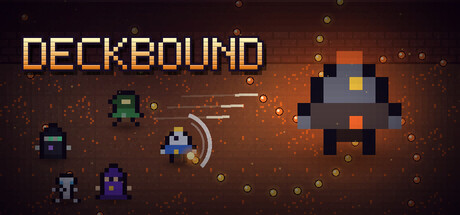 Deckbound In-game content arttext | Deckbound was designed and directed by a solo developer. Generative AI was used as a tool during development to help write in-game text (card, item and enemy descriptions), and produce the pixel artwork. All of it was reviewed, edited and curated by hand. The game itself does not use AI while you play — nothing is generated in real time. | Yuri Murray-Alves | - | Oct 7, 2026 | |
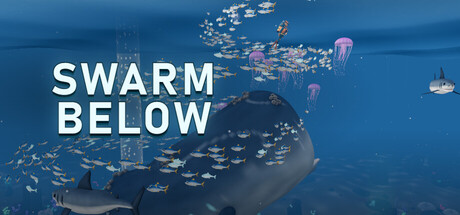 Swarm Below In-game content artaudiotext | Swarm Below was built with help from an AI assistant. Its 3D models (built by scripts in Blender), its synthesized music and sound effects, and parts of the store page text and art were created with AI assistance under the developer's direction. Nothing is generated by AI while you play. | Swarm Below | - | Oct 7, 2026 | |
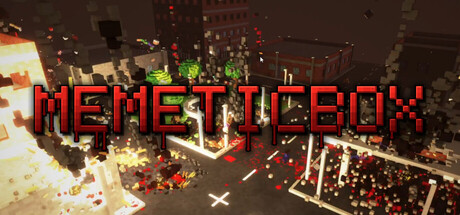 MemeticBox In-game content audio | Voices And Sounds Are AI Generated | Corvium Games | - | Oct 7, 2026 | |
 Farthest Dev only | Some AI was used to assist with managing the game's development and testing. The game concept, music, and visual elements are all human designed. | Futile | - | Oct 7, 2026 | |
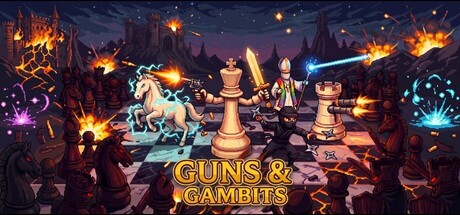 Guns & Gambits Store/marketing text | Was only used to make the store description fo the the game. | SHIFT. Games | - | Oct 7, 2026 | |
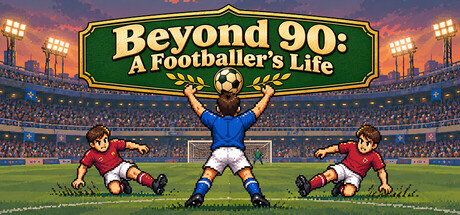 Beyond 90: A Footballer's Life In-game content art | Some of the promotional and storefront images were created with AI tools and then refined by hand. All of the in-game assets were designed by a Pixel Art artist. | WASD Games | - | Oct 7, 2026 | |
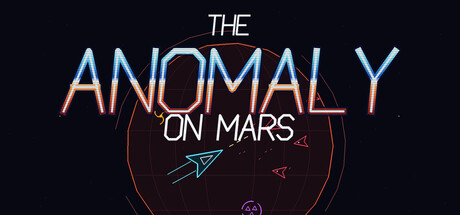 The Anomaly on Mars Unclear | We use AI to help with community, bug fixes, and general content that will be replaced over time as we continue to develop. | nith studio | - | Oct 7, 2026 | |
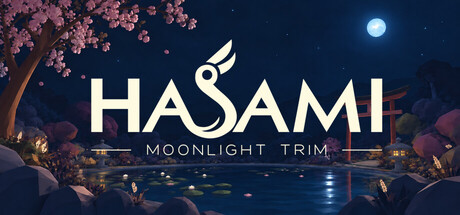 Hasami: Moonlight Trim Dev only art | As a solo developer I have utilized some AI-based tools to help during development. However all visuals in the game are generated procedurally by the game's own code | Symfonim | - | Oct 7, 2026 | |
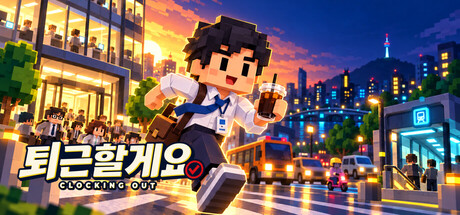 Clocking Out In-game content arttextcode | Pre-generated AI tools assisted with development, including code, interface copy and localization, in-game comic illustrations, and promotional key art, logo, and icon drafts. The developer reviewed and edited all AI-assisted output before inclusion. The game does not generate AI content while running. | LEONARDOCODE | - | Oct 7, 2026 | |
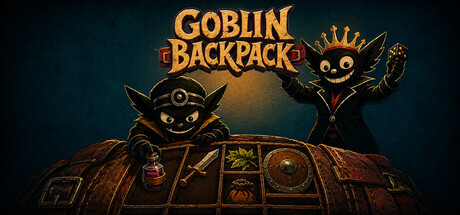 哥布林背包 In-game content artaudiocode | Generative AI assisted with portions of the artwork, audio, code, and store promotional materials during development. These outputs were reviewed, adjusted, and integrated by the development team. | LittleSun Studio | - | Oct 7, 2026 | |
 Mythaka In-game content textartaudio | Generative AI was used during development to create in-game text, including item descriptions, interface copy, narrative text and localization. The Steam trailer also includes pre-generated AI cinematic visuals and music. No content is generated by AI during gameplay. | Ampersand Game Studios | - | Oct 7, 2026 | |
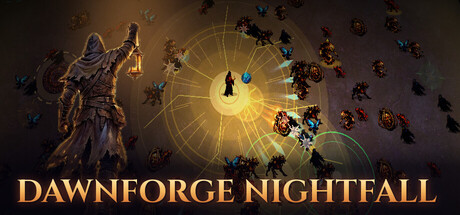 Dawnforge Nightfall In-game content artcodetext | During development, generative AI tools including OpenAI image generation and Higgsfield assisted with pre-generated visual source material for characters, enemies, bosses, animation strips, world props and floors, menu and capsule art, icons, and achievement art. AI coding assistants also contributed to production code, QA tooling, documentation, player-facing copy, and localization drafts. The developer selected, edited, cleaned, composited, animated, integrated, and QA-reviewed the resulting material. All player-visible content is fixed in the shipped build: no prompt, generative model, or external generation service runs at runtime, and the game has no live-generated AI feature. | Tinkerburst Studio | - | Oct 7, 2026 | |
 What's the Word In-game content art | The option to disabled images created with AI can be found inside of the options menu of the game. This game has some images that used AI in their creation. | OutGG | - | Oct 7, 2026 | |
 Contested Space In-game content codetext | AI tools were used to assist with some of the programming, under the direction and review of the game's developer. AI was also used in the translation process for non-English languages. All art and music were created by human artists. | Null & Void Games LLC | - | Oct 7, 2026 | |
 Lumentide In-game content artaudio | Ai services are used to create some of the artwork and sounds in Lumentide. | SonicDMG Games | - | Oct 7, 2026 | |
 Longshot Downs In-game content audio | The track announcer and color commentator voices, including the horse-name calls, use AI text-to-speech voices (ElevenLabs), pre-generated during development and built into the game - no AI voice generation happens while you play. All game design, race simulation, wagering math, career systems, UI, code, and the horse and track roster were built by the developer. | Carrollton Interactive | - | Oct 6, 2026 | |
 Ruleball In-game content artcodeaudiotext | AI tools (Anthropic Claude) assisted the developer with the code, the vector art, the texts and translations, and the synthesized music and sound effects. Everything was directed and reviewed by the developer. No AI runs in the game and nothing is generated at runtime. | Tinkerburst Studio | - | Oct 6, 2026 | |
 Tiny TD In-game content textart | Some content in this game was created with the help of AI tools during development: the English and Japanese translations, the store page text, and parts of the pixel art, which is drawn in code written with an AI coding assistant. The game does not use AI to generate any content while you play. | Boninall | - | Oct 6, 2026 | |
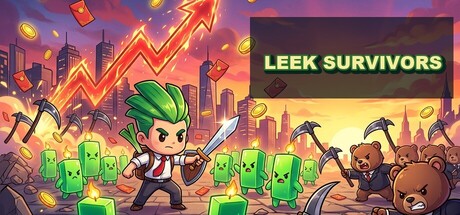 Leek Survivors art | Steam store and library, including capsule images, the logo and icons Gameplay screenshots were captured directly from the game. | Leek Survivors Studio | - | Oct 6, 2026 | |
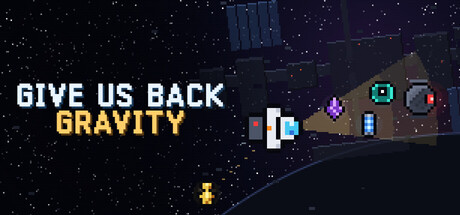 Give Us Back Gravity In-game content codetextart | AI tools were used during development to help write code, store and in-game text, translations, and the code that draws some icons. All output was reviewed and edited by the developer. The game does not generate any content with AI while you play. | Frotrue | - | Oct 6, 2026 | |
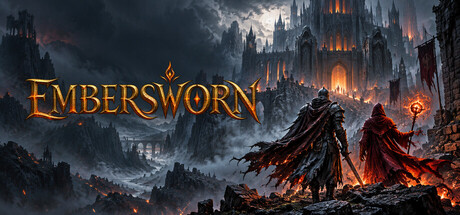 Embersworn In-game content art | Pre-generated AI-assisted illustrations are used in some in-game artwork and in Steam store and library artwork, including capsule images, the logo, and achievement icons. Gameplay screenshots were captured directly from the game. The game does not generate AI content during play. | Embersworn Studio | - | Oct 6, 2026 | |
 Cheat Koi-Koi In-game content arttext | Card, character, background, UI and store art, as well as some in-game text and translations, were made with the help of generative AI. The game does not generate any content with AI while it runs. | 夜更堂 (Yofukedo) | - | Oct 6, 2026 | |
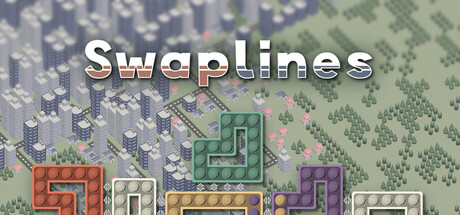 Swaplines In-game content text | The store description was drafted in Japanese and English with AI assistance and finalized by the developer. The in-game text translations and the store description in other languages were translated with AI. No AI-generated graphics or music are used. The game does not generate any content with AI during play. | coznssoft | - | Oct 6, 2026 | |
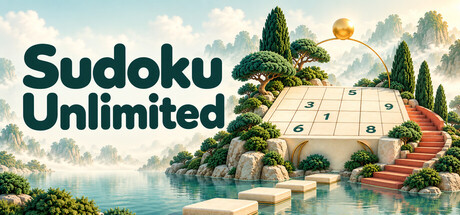 Sudoku Unlimited In-game content artcode | I have used Claude Code to create the game itself code and assets. | Pinch Games | - | Oct 6, 2026 | |
 No Hands Yet In-game content textcode | Yes, AI helped make this game. Here's exactly how:
• I built it with an AI coding assistant. The design and direction are mine; the AI did a lot of the typing.
• The narrator's lines and item descriptions were drafted with AI and edited by me. So was this page.
• No image, music or voice generators. The art and sound are drawn and synthesized by code.
• Nothing is AI-generated while you play. | Cow Tippers | - | Oct 6, 2026 | |
 StoryNow Live AI art | StoryNow uses generative AI locally during gameplay. Llama.cpp generates prompts that ComfyUI uses to create visual-novel artwork on the player's device. The game does not connect to an external AI generation service. | pakyinwww | - | Oct 6, 2026 |


