Public Steam disclosure research25,376 disclosures tracked
Where do games disclose AI use?
Search developers’ Steam disclosures, compare classified AI use across
games, and follow recorded changes.
This index adds cross-game classifications and statistics to
statements published on individual store pages.
Groups reflect automatic analysis of public disclosures; mature records are excluded. These counts do not measure AI use across all of Steam.
Missing or unclear statements cannot establish whether a game uses AI.
This game uses generative AI tools to help create some of its visual assets, such as background art, characters, and the logo. All such assets were generated during development and were reviewed, curated, and hand-adjusted by the developer before being included in the game. No generative AI runs while you play, and no player input or personal data is ever sent to any AI service.
This game's 3D environment was created with the help of AI-based 3D scene generation tools. Some marketing materials (trailer footage) were also created using AI image and video generation tools. No AI-generated content is created live during gameplay — all AI-assisted content was produced during development and is fixed at release.
The music featured in the game is AI-generated.
Sound effects, UI audio, and other audio assets are not AI-generated; they are manually edited or sourced from royalty-free sound libraries.
This game includes some pre-generated artwork and sound effects created with the assistance of generative AI. These assets were reviewed, selected, and integrated by the developer during development. The game does not use live generative AI during gameplay.
Some visual assets and references in the game were created or assisted with generative AI tools, then manually reviewed, edited, and implemented by the developer. The game does not use generative AI during gameplay and does not generate dynamic AI content for players.
Claude Code was used to scaffold most of the Rust code for this game, and the art assets were built from prompting latent diffusion models with human hand drawn sketches and text prompts.
AI-generated art assets are used in this game. All such assets have been manually reviewed and adjusted to ensure a consistent visual style and quality.
LLMs were used during development as coding assistants and to help write the game's text and translations. No AI-generated images, audio, or video ship as assets, and no AI model runs during play.
Development/Pre-Generated AI Use Disclosure:
During the development process, Generative AI tools were used to assist in the creation of game assets. Specifically, portions of the game props, enemy models, 2D user interface elements, and background music/audio were developed with the assistance of AI tools.
All of these assets have undergone a thorough review, manual optimization, and integration through our standard development pipeline to ensure they match the game's unique artistic style and high-quality standards.
None of the AI-assisted content infringes upon any third-party copyrights or contains any restricted elements. The final game complies entirely with Steam's content policies.
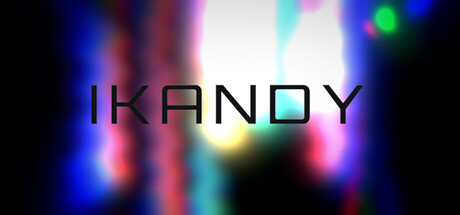
IKANDY includes an optional AI scene generator. When you choose to use it, it creates new audio-reactive visual scenes in real time from a text prompt you write. This content is generated live, only when you request it, using an AI service you connect with your own API key. Not required to use IKANDY. Some of IKANDY's artwork and promotional media (key art, trailer visuals and music, and some in-app imagery) was created with generative AI tools and is reviewed by the developer.
This game uses AI-generated and AI-assisted content as part of its creative process.
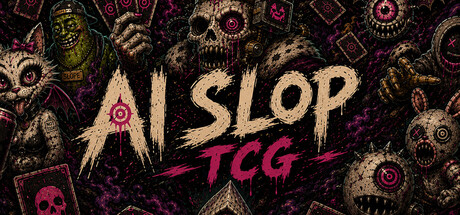
AI Slop: TCG exists because of a very specific idea: taking the weird, imperfect, grotesque, and absurd look of what people call “AI slop” and turning it into a roguelike card game full of satire, dark humor, and creatures that probably should not exist.
That is why AI has mainly been used to create and develop the creature illustrations for the cards. It is not an accidental extra or some hidden shortcut: it is part of the game’s concept, lore, and visual identity. Without that mutant digital-trash aesthetic, the project would lose a big part of what makes it work.
AI has also been used as support for visual ideation and production, which is especially important for a game being made by a solo developer.
The game does not generate AI content in real time during gameplay. All included content has been reviewed, selected, edited, and manually integrated by the developer.
Some store page assets and library assets (marketing banner etc), as well as some artwork and maybe 10% of the sound effects, were created with the assistance of AI.
The music is entirely human. No AI music in the game.
Kıvam's core — its ebru (paper marbling) simulation, gameplay, design, and direction — is authored by the developer. Generative AI tools were used as assistants in producing some supporting content: store page and marketing imagery, certain visual assets, and drafting/editing of written text, which was then reviewed and finalized by the developer. No AI-generated voice or music is used. The marbling you create in-game is produced by the game's own simulation, not by generative AI.
Generative AI was used during the development of CORRUPT.EXE to assist with coding, design iteration, brainstorming, and the creation of certain visual assets. All AI-generated content was reviewed, edited, and curated by the developer before being included in the game. No live AI-generated content is created during gameplay, and players do not interact with generative AI systems while playing.
Certain promotional materials and development processes may have incorporated the use of AI-assisted tools, including but not limited to content generation, code assistance, debugging support, and workflow acceleration. All final creative, design, and implementation decisions were reviewed and approved by the developer.
dreamstrobe uses generative AI as a core live feature. When you chat with the visualizer, your prompt is sent to Anthropic's Claude model. Claude writes a Three.js scene — geometry, shaders, motion, post-processing, and audio-reactive behavior — in real time, and the running engine loads and renders it on the fly. Each scene you create is freshly, generated JavaScript that runs in a sandboxed browser context. Outputs are filtered by Anthropic's built-in safety systems to block illegal or harmful content. Generated code is executed locally; no model weights ship with the game. Some textures, environment maps, and sample assets used by the engine were also created or refined with generative AI tools during development, and were reviewed before inclusion. You can use dreamstrobe without writing prompts — a library of pre-authored scenes ships with the game and runs on its own.
This game uses generative AI during development to assist with the creation of certain visual assets, text content, and localization content. All AI-assisted content has been manually reviewed, edited, integrated, and approved by the developer before being included in the game. The game does not generate AI content during live gameplay.
Artificial intelligence (AI) was leveraged for key aspects of the game's development, including in-game logic, support systems, and certain artistic assets.
This game includes limited use of artificial intelligence in the creation process. Some translations, and a small number of voice lines may have been assisted, refined, or generated using AI tools. Most voice-acted dialogue was recorded traditionally, and the core narrative, writing, and overall creative direction were created by the development team.
The game uses generative AI solely for the creation of certain visual and text assets.
AI does not affect gameplay, player behavior, or core game mechanics.
It was used solely as a tool to assist in adjusting the color palette in the localization of the text language and in the handcrafted capsule art we designed ourselves.
This game contains pre-generated AI-created images, including realistic and horror-themed imagery used during gameplay. All content was reviewed and curated by the developer. The game does not include live AI generation or user-generated content.
The game's initial photos were taken from free resources and stock photos. AI was used to accelerate image processing to match the game's style, as envisioned by the author.
Some visual assets and promotional/store artwork were created or assisted with generative AI tools during development and then manually edited, selected, and assembled by the developer. The game does not use live generative AI during gameplay. Gameplay code, online services, scoring, achievements, purchases, and multiplayer rules are developer-authored.
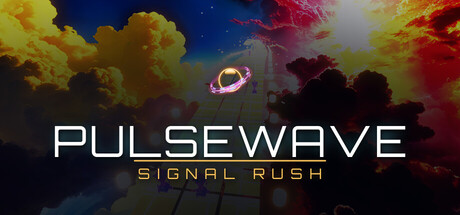
Some assets in Pulsewave were created with the help of generative AI tools:
- Background music tracks were composed using AI music generation tools, then reviewed and curated by the developer before inclusion.
- Select store-page artwork (capsule images, marketing visuals) was AI-generated.
All gameplay, game code, in-game graphics, and game design are human-made. No AI runs during gameplay - Pulsewave does not generate content in real time and does not connect to external AI services. All AI-generated assets were reviewed before inclusion to ensure they meet our quality and content standards.
Generative AI was used during the development process to assist with code training and performance optimization. This application was strictly internal and for development efficiency, and did not directly generate any final game assets (art, sound, or text) that are shipped to players. All player-facing content in the game is originally created by our team.
This game only uses AI-generated sound effects in partial content. All AI materials have been manually reviewed and modified, with no real-time AI content generated during gameplay.
Loopfall uses generative AI for select shipped content:
• Music — created in collaboration with ElevenLabs.
• Sound effects — generated with ElevenLabs Sound Effects.
• Localization — store text and in-game UI strings are translated from English to 14 other languages via the Anthropic Claude API.
All AI-generated content is pre-rendered and baked into the build — no live AI runs at runtime. Every asset is licensed under each provider's commercial-use terms and was reviewed by the developer before release.
This game uses generative AI tools to help create some of its visual assets, such as background art, characters, and the logo. All such assets were generated during development and were reviewed, curated, and hand-adjusted by the developer before being included in the game. No generative AI runs while you play, and no player input or personal data is ever sent to any AI service.
This game's 3D environment was created with the help of AI-based 3D scene generation tools. Some marketing materials (trailer footage) were also created using AI image and video generation tools. No AI-generated content is created live during gameplay — all AI-assisted content was produced during development and is fixed at release.
The music featured in the game is AI-generated.
Sound effects, UI audio, and other audio assets are not AI-generated; they are manually edited or sourced from royalty-free sound libraries.
This game includes some pre-generated artwork and sound effects created with the assistance of generative AI. These assets were reviewed, selected, and integrated by the developer during development. The game does not use live generative AI during gameplay.
Some visual assets and references in the game were created or assisted with generative AI tools, then manually reviewed, edited, and implemented by the developer. The game does not use generative AI during gameplay and does not generate dynamic AI content for players.
Claude Code was used to scaffold most of the Rust code for this game, and the art assets were built from prompting latent diffusion models with human hand drawn sketches and text prompts.
AI-generated art assets are used in this game. All such assets have been manually reviewed and adjusted to ensure a consistent visual style and quality.
LLMs were used during development as coding assistants and to help write the game's text and translations. No AI-generated images, audio, or video ship as assets, and no AI model runs during play.
Development/Pre-Generated AI Use Disclosure:
During the development process, Generative AI tools were used to assist in the creation of game assets. Specifically, portions of the game props, enemy models, 2D user interface elements, and background music/audio were developed with the assistance of AI tools.
All of these assets have undergone a thorough review, manual optimization, and integration through our standard development pipeline to ensure they match the game's unique artistic style and high-quality standards.
None of the AI-assisted content infringes upon any third-party copyrights or contains any restricted elements. The final game complies entirely with Steam's content policies.
IKANDY includes an optional AI scene generator. When you choose to use it, it creates new audio-reactive visual scenes in real time from a text prompt you write. This content is generated live, only when you request it, using an AI service you connect with your own API key. Not required to use IKANDY. Some of IKANDY's artwork and promotional media (key art, trailer visuals and music, and some in-app imagery) was created with generative AI tools and is reviewed by the developer.
This game uses AI-generated and AI-assisted content as part of its creative process.
AI Slop: TCG exists because of a very specific idea: taking the weird, imperfect, grotesque, and absurd look of what people call “AI slop” and turning it into a roguelike card game full of satire, dark humor, and creatures that probably should not exist.
That is why AI has mainly been used to create and develop the creature illustrations for the cards. It is not an accidental extra or some hidden shortcut: it is part of the game’s concept, lore, and visual identity. Without that mutant digital-trash aesthetic, the project would lose a big part of what makes it work.
AI has also been used as support for visual ideation and production, which is especially important for a game being made by a solo developer.
The game does not generate AI content in real time during gameplay. All included content has been reviewed, selected, edited, and manually integrated by the developer.
Some store page assets and library assets (marketing banner etc), as well as some artwork and maybe 10% of the sound effects, were created with the assistance of AI.
The music is entirely human. No AI music in the game.
Kıvam's core — its ebru (paper marbling) simulation, gameplay, design, and direction — is authored by the developer. Generative AI tools were used as assistants in producing some supporting content: store page and marketing imagery, certain visual assets, and drafting/editing of written text, which was then reviewed and finalized by the developer. No AI-generated voice or music is used. The marbling you create in-game is produced by the game's own simulation, not by generative AI.
Generative AI was used during the development of CORRUPT.EXE to assist with coding, design iteration, brainstorming, and the creation of certain visual assets. All AI-generated content was reviewed, edited, and curated by the developer before being included in the game. No live AI-generated content is created during gameplay, and players do not interact with generative AI systems while playing.
Certain promotional materials and development processes may have incorporated the use of AI-assisted tools, including but not limited to content generation, code assistance, debugging support, and workflow acceleration. All final creative, design, and implementation decisions were reviewed and approved by the developer.
dreamstrobe uses generative AI as a core live feature. When you chat with the visualizer, your prompt is sent to Anthropic's Claude model. Claude writes a Three.js scene — geometry, shaders, motion, post-processing, and audio-reactive behavior — in real time, and the running engine loads and renders it on the fly. Each scene you create is freshly, generated JavaScript that runs in a sandboxed browser context. Outputs are filtered by Anthropic's built-in safety systems to block illegal or harmful content. Generated code is executed locally; no model weights ship with the game. Some textures, environment maps, and sample assets used by the engine were also created or refined with generative AI tools during development, and were reviewed before inclusion. You can use dreamstrobe without writing prompts — a library of pre-authored scenes ships with the game and runs on its own.
This game uses generative AI during development to assist with the creation of certain visual assets, text content, and localization content. All AI-assisted content has been manually reviewed, edited, integrated, and approved by the developer before being included in the game. The game does not generate AI content during live gameplay.
Artificial intelligence (AI) was leveraged for key aspects of the game's development, including in-game logic, support systems, and certain artistic assets.
This game includes limited use of artificial intelligence in the creation process. Some translations, and a small number of voice lines may have been assisted, refined, or generated using AI tools. Most voice-acted dialogue was recorded traditionally, and the core narrative, writing, and overall creative direction were created by the development team.
The game uses generative AI solely for the creation of certain visual and text assets.
AI does not affect gameplay, player behavior, or core game mechanics.
It was used solely as a tool to assist in adjusting the color palette in the localization of the text language and in the handcrafted capsule art we designed ourselves.
This game contains pre-generated AI-created images, including realistic and horror-themed imagery used during gameplay. All content was reviewed and curated by the developer. The game does not include live AI generation or user-generated content.
The game's initial photos were taken from free resources and stock photos. AI was used to accelerate image processing to match the game's style, as envisioned by the author.
Some visual assets and promotional/store artwork were created or assisted with generative AI tools during development and then manually edited, selected, and assembled by the developer. The game does not use live generative AI during gameplay. Gameplay code, online services, scoring, achievements, purchases, and multiplayer rules are developer-authored.
Some assets in Pulsewave were created with the help of generative AI tools:
- Background music tracks were composed using AI music generation tools, then reviewed and curated by the developer before inclusion.
- Select store-page artwork (capsule images, marketing visuals) was AI-generated.
All gameplay, game code, in-game graphics, and game design are human-made. No AI runs during gameplay - Pulsewave does not generate content in real time and does not connect to external AI services. All AI-generated assets were reviewed before inclusion to ensure they meet our quality and content standards.
Generative AI was used during the development process to assist with code training and performance optimization. This application was strictly internal and for development efficiency, and did not directly generate any final game assets (art, sound, or text) that are shipped to players. All player-facing content in the game is originally created by our team.
This game only uses AI-generated sound effects in partial content. All AI materials have been manually reviewed and modified, with no real-time AI content generated during gameplay.
Loopfall uses generative AI for select shipped content:
• Music — created in collaboration with ElevenLabs.
• Sound effects — generated with ElevenLabs Sound Effects.
• Localization — store text and in-game UI strings are translated from English to 14 other languages via the Anthropic Claude API.
All AI-generated content is pre-rendered and baked into the build — no live AI runs at runtime. Every asset is licensed under each provider's commercial-use terms and was reviewed by the developer before release.