Public Steam disclosure research25,376 disclosures tracked
Where do games disclose AI use?
Search developers’ Steam disclosures, compare classified AI use across
games, and follow recorded changes.
This index adds cross-game classifications and statistics to
statements published on individual store pages.
Groups reflect automatic analysis of public disclosures; mature records are excluded. These counts do not measure AI use across all of Steam.
Missing or unclear statements cannot establish whether a game uses AI.
Some visual assets, icons, and artwork in this game were created or refined with the assistance of generative AI. All AI-generated content was reviewed, edited, and approved by the developer before being included in the game. No AI-generated content is created during gameplay, and the game does not rely on AI services while being played.
This game uses a large language model to generate the AI companion’s dialogue and ending titles in real time. Dialogue responses are generated based on player input and conversation context. Generative AI tools were also used to help create or edit some store and promotional artwork and assist with text translation and localization.
AI tools were used during the development of this game to assist with brainstorming, development, and content refinement. All final content was reviewed and integrated by the development team. The game does not generate AI content in real time during gameplay.
Spacetime Chronicles comes from a handmade animated feature: most of what you see are real paper sets, characters and props, photographed and animated frame by frame by the author. Generative AI was used in the following areas. Images: roughly 15% of the game's images were created or completed with generative AI, then edited and integrated by the author. Audio: the game's sound effects and character voices were produced using generative AI tools. Code: parts of the game's source code were written and reviewed with the help of AI assistants. All of this content was generated during development, reviewed and approved by the author before release. The game does not generate any AI content while you play, and it does not connect to any AI service at runtime.
Some art assets, sound effects and narrative materials were pre‑generated with AI tools during development. No AI‑generated content is created in real‑time during gameplay.
Generative AI tools were used during development to assist in creating some environmental artwork, textures, and 3D models. The generated assets were subsequently selected, edited, optimized, and integrated into the game by the developer. No generative AI is used during gameplay.
Generative AI tools were used to assist in the creation of some visual assets, 3D assets, and music used in the game. All AI-assisted content was reviewed, edited, and integrated by the developer before being included in the final game.
Some of the game's art assets were generated with the assistance of AI. All such assets have been carefully reviewed to ensure they do not infringe on third-party rights or violate Steam's policies.
Some store page artwork, promotional images, textures, and visual assets were created using generative AI tools and then edited and finalized by the developer. AI-generated content is used only for visual assets and does not generate content during gameplay.
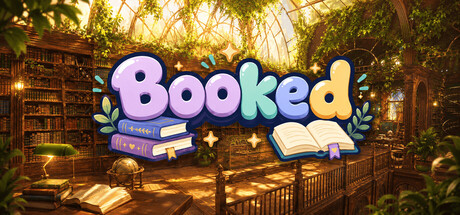
BOOKED uses generative AI-assisted artwork for some fictional in-game book covers and selected promotional/store artwork. Generative AI was also used to assist with some fictional book titles and creative concepts. All generated content was reviewed and selected by the developer before being included in the game.
Generative AI tools were used during development to assist with the creation of some character illustrations, visual art assets, and portions of the game’s code. All AI-assisted content was reviewed, edited, and integrated by the development team before being included in the final product. The game does not use generative AI to create content in real time during gameplay.
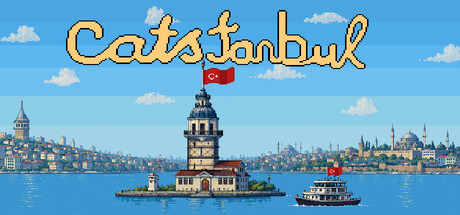
During the visual development process, I used generative AI tools (Leonardo AI, ChatGPT, etc.) to generate initial concept art and ideas. Using these concepts as a foundation, I manually redrew and refined every pixel in Aseprite, split them into layers for parallax effects, and converted them into functional game assets for Unity.
— Esra Soner (Catstanbul's Developer)
This game uses generative AI-assisted tools for certain visual assets and promotional materials, including some artwork shown in the store page and trailer. All AI-assisted content has been reviewed, selected, edited, and integrated by the developer.
Generative AI tools were used during development to assist in creating a limited number of in-game UI design elements and texture assets. Generative AI is not used to create content dynamically during gameplay.
Generative AI tools were used during development to create and edit some visual assets and promotional artwork, and to assist with portions of the game's code. All AI-assisted content was reviewed and curated by the developer. The game does not generate AI content during gameplay.
The developer used generative AI tools during the development process to assist with concept art and text translations. All final assets were reviewed and curated by the developer.
Some of the game's background music was created using generative AI, and a very small portion of the visuals underwent refinement or fine-tuning using generative AI.
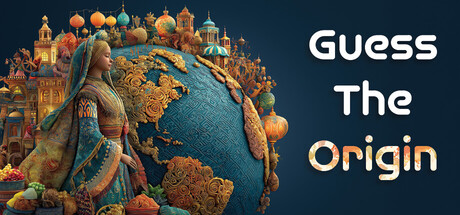
Some in-game images, depicting traditional dress, festivals, food, and cultural artifacts, were created using an AI image generation pipeline (Google Gemini through an automated workflow). Every generated image was reviewed, curated, and approved by the developer before it was added to the game. No AI content is generated live during gameplay.
Generative AI tools were used during development to create and refine the game’s visual artwork, music, and programming code. All generated material was reviewed, curated, edited, and integrated by the developer. The game does not generate AI content during gameplay, and no player input or data is sent to generative AI services.
This game uses generative AI in the following ways:
Art: Visual assets including the logo, UI elements, backgrounds, and character sprites were created with the assistance of AI image generation tools, then reviewed and adjusted by the developer.
Localization: In-game text was translated into 72 languages with the assistance of AI translation tools.
All content has been reviewed by the developer before release.
AI tools were used to assist in the creation of some 2D visual assets and music used in the game. AI-assisted assets were created under developer direction, reviewed and edited by the developers before inclusion.
AI is used as a translation aid for localizing in-game text and Steam store page text into the supported languages. All original Japanese text is written by the developer.
Generative AI tools were used only during early-stage concept exploration and as internal visual and design references. No AI-generated artwork or other AI-generated content is included in the final game. All final in-game art assets are either created by our development team or sourced from properly licensed assets. The game does not use live-generated AI during gameplay.
AI used to generate code, including code to procedurally generate graphics/sound.
Artists using Suno marked "(Suno)" after artist name.
AI used for localization.
Generative AI tools were used during development to assist with the localization of some in-game text and the creation of certain visual assets. All AI-assisted content was reviewed and edited by the developer before being included in the game.
Generative AI was used to assist in the creation of some promotional artwork and to help with the writing and localization of certain text. All such content was reviewed and, where necessary, edited before use. No AI-generated content is created in real time during gameplay.
AI-assisted tools were used during the development of DarkDice in the following ways:
Code development — AI coding assistants helped write and refactor portions of the game's codebase.
Text editing — AI tools were used to proofread, polish, and tighten narrative and UI copy.
Localization & Editing — AI is used to assist with the translation, text expansion, polishing, and style adjustment of game text between English and Chinese (Traditional/Simplified).
Image generation — Some visual assets (case artwork, promotional images) were created using AI image-generation tools.
No content is generated in real time during gameplay — every case is a fixed, pre-authored story; nothing changes between playthroughs.
Generative AI was used to create and/or assist with some promotional and marketing materials for the game, including store capsule artwork, cover images, and other store page visuals. Generative AI was not used to generate gameplay content or content during gameplay.
Generative AI was used to translate some in-game text, such as the interface and the contents of letters, and to generate some of the music used in the game.
Some in-game background artwork was created using generative AI as source material, then manually edited, processed, and optimized by the developer.
Some music was arranged using generative AI services based on original compositions previously written by the developer, then manually edited and remastered.
Generative AI was also used to assist with translation and editing of some store-page text and English localization, with the final content reviewed and edited by the developer.
The game does not generate any AI content at runtime.
Generative AI was used during development to assist with some programming tasks, multilingual translations of in-game text, and the creation of certain graphics and sounds. All AI-assisted output was reviewed and edited by the developer. No AI content is generated in real time during gameplay.
Some visual assets, icons, and artwork in this game were created or refined with the assistance of generative AI. All AI-generated content was reviewed, edited, and approved by the developer before being included in the game. No AI-generated content is created during gameplay, and the game does not rely on AI services while being played.
This game uses a large language model to generate the AI companion’s dialogue and ending titles in real time. Dialogue responses are generated based on player input and conversation context. Generative AI tools were also used to help create or edit some store and promotional artwork and assist with text translation and localization.
AI tools were used during the development of this game to assist with brainstorming, development, and content refinement. All final content was reviewed and integrated by the development team. The game does not generate AI content in real time during gameplay.
Spacetime Chronicles comes from a handmade animated feature: most of what you see are real paper sets, characters and props, photographed and animated frame by frame by the author. Generative AI was used in the following areas. Images: roughly 15% of the game's images were created or completed with generative AI, then edited and integrated by the author. Audio: the game's sound effects and character voices were produced using generative AI tools. Code: parts of the game's source code were written and reviewed with the help of AI assistants. All of this content was generated during development, reviewed and approved by the author before release. The game does not generate any AI content while you play, and it does not connect to any AI service at runtime.
Some art assets, sound effects and narrative materials were pre‑generated with AI tools during development. No AI‑generated content is created in real‑time during gameplay.
Generative AI tools were used during development to assist in creating some environmental artwork, textures, and 3D models. The generated assets were subsequently selected, edited, optimized, and integrated into the game by the developer. No generative AI is used during gameplay.
Generative AI tools were used to assist in the creation of some visual assets, 3D assets, and music used in the game. All AI-assisted content was reviewed, edited, and integrated by the developer before being included in the final game.
Some of the game's art assets were generated with the assistance of AI. All such assets have been carefully reviewed to ensure they do not infringe on third-party rights or violate Steam's policies.
Some store page artwork, promotional images, textures, and visual assets were created using generative AI tools and then edited and finalized by the developer. AI-generated content is used only for visual assets and does not generate content during gameplay.
BOOKED uses generative AI-assisted artwork for some fictional in-game book covers and selected promotional/store artwork. Generative AI was also used to assist with some fictional book titles and creative concepts. All generated content was reviewed and selected by the developer before being included in the game.
Generative AI tools were used during development to assist with the creation of some character illustrations, visual art assets, and portions of the game’s code. All AI-assisted content was reviewed, edited, and integrated by the development team before being included in the final product. The game does not use generative AI to create content in real time during gameplay.
During the visual development process, I used generative AI tools (Leonardo AI, ChatGPT, etc.) to generate initial concept art and ideas. Using these concepts as a foundation, I manually redrew and refined every pixel in Aseprite, split them into layers for parallax effects, and converted them into functional game assets for Unity.
— Esra Soner (Catstanbul's Developer)
This game uses generative AI-assisted tools for certain visual assets and promotional materials, including some artwork shown in the store page and trailer. All AI-assisted content has been reviewed, selected, edited, and integrated by the developer.
Generative AI tools were used during development to assist in creating a limited number of in-game UI design elements and texture assets. Generative AI is not used to create content dynamically during gameplay.
Generative AI tools were used during development to create and edit some visual assets and promotional artwork, and to assist with portions of the game's code. All AI-assisted content was reviewed and curated by the developer. The game does not generate AI content during gameplay.
The developer used generative AI tools during the development process to assist with concept art and text translations. All final assets were reviewed and curated by the developer.
Some of the game's background music was created using generative AI, and a very small portion of the visuals underwent refinement or fine-tuning using generative AI.
Some in-game images, depicting traditional dress, festivals, food, and cultural artifacts, were created using an AI image generation pipeline (Google Gemini through an automated workflow). Every generated image was reviewed, curated, and approved by the developer before it was added to the game. No AI content is generated live during gameplay.
Generative AI tools were used during development to create and refine the game’s visual artwork, music, and programming code. All generated material was reviewed, curated, edited, and integrated by the developer. The game does not generate AI content during gameplay, and no player input or data is sent to generative AI services.
This game uses generative AI in the following ways:
Art: Visual assets including the logo, UI elements, backgrounds, and character sprites were created with the assistance of AI image generation tools, then reviewed and adjusted by the developer.
Localization: In-game text was translated into 72 languages with the assistance of AI translation tools.
All content has been reviewed by the developer before release.
AI tools were used to assist in the creation of some 2D visual assets and music used in the game. AI-assisted assets were created under developer direction, reviewed and edited by the developers before inclusion.
AI is used as a translation aid for localizing in-game text and Steam store page text into the supported languages. All original Japanese text is written by the developer.
Generative AI tools were used only during early-stage concept exploration and as internal visual and design references. No AI-generated artwork or other AI-generated content is included in the final game. All final in-game art assets are either created by our development team or sourced from properly licensed assets. The game does not use live-generated AI during gameplay.
AI used to generate code, including code to procedurally generate graphics/sound.
Artists using Suno marked "(Suno)" after artist name.
AI used for localization.
Generative AI tools were used during development to assist with the localization of some in-game text and the creation of certain visual assets. All AI-assisted content was reviewed and edited by the developer before being included in the game.
Generative AI was used to assist in the creation of some promotional artwork and to help with the writing and localization of certain text. All such content was reviewed and, where necessary, edited before use. No AI-generated content is created in real time during gameplay.
AI-assisted tools were used during the development of DarkDice in the following ways:
Code development — AI coding assistants helped write and refactor portions of the game's codebase.
Text editing — AI tools were used to proofread, polish, and tighten narrative and UI copy.
Localization & Editing — AI is used to assist with the translation, text expansion, polishing, and style adjustment of game text between English and Chinese (Traditional/Simplified).
Image generation — Some visual assets (case artwork, promotional images) were created using AI image-generation tools.
No content is generated in real time during gameplay — every case is a fixed, pre-authored story; nothing changes between playthroughs.
Generative AI was used to create and/or assist with some promotional and marketing materials for the game, including store capsule artwork, cover images, and other store page visuals. Generative AI was not used to generate gameplay content or content during gameplay.
Generative AI was used to translate some in-game text, such as the interface and the contents of letters, and to generate some of the music used in the game.
Some in-game background artwork was created using generative AI as source material, then manually edited, processed, and optimized by the developer.
Some music was arranged using generative AI services based on original compositions previously written by the developer, then manually edited and remastered.
Generative AI was also used to assist with translation and editing of some store-page text and English localization, with the final content reviewed and edited by the developer.
The game does not generate any AI content at runtime.
Generative AI was used during development to assist with some programming tasks, multilingual translations of in-game text, and the creation of certain graphics and sounds. All AI-assisted output was reviewed and edited by the developer. No AI content is generated in real time during gameplay.