Public Steam disclosure research25,376 disclosures tracked
Where do games disclose AI use?
Search developers’ Steam disclosures, compare classified AI use across
games, and follow recorded changes.
This index adds cross-game classifications and statistics to
statements published on individual store pages.
Groups reflect automatic analysis of public disclosures; mature records are excluded. These counts do not measure AI use across all of Steam.
Missing or unclear statements cannot establish whether a game uses AI.
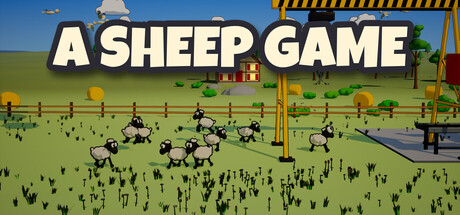
Pre-generated content: Parts of the game were made with generative AI tools and then selected, edited and integrated by the developer: the soundtrack (made with Suno), interface icons and stickers, the painted world illustrations on the level cards and act screens, sound effects and the spoken sheep lines. Some in-game and store texts, including the English translation, were drafted with an AI assistant and edited by the developer. All 3D models, animations and levels are made by the developer's own tools. The game does not generate content with AI while it runs.
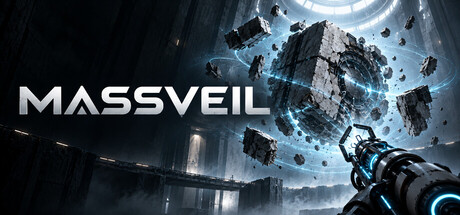
Generative AI tools are used during the development of MASSVEIL to assist with the creation and refinement of certain pre-generated materials, including selected visual elements, sound effects, voice lines, and text content.
All AI-assisted content is reviewed and, where necessary, edited by the developer before being included in the game.
Generative AI is not used to create new content during gameplay, and the game does not connect to third-party AI services while running.
AI tools assisted in developing some procedural animations and sound effects. These elements were reviewed and refined to match the game’s artistic direction.
All in-game graphical assets were handcrafted by artists.
Pre-generated AI tools were used during development to assist with the creation and refinement of selected visual assets, localization text, and marketing materials. All AI-assisted content was reviewed, edited, and integrated by the developer before inclusion in the game or store materials. The game does not generate AI content in real time during gameplay.
Generative AI tools were used during development to assist with the creation of some artwork, music, and game code. All AI-assisted content was reviewed, edited, and integrated by the developer as part of the game’s creative and development process.
The core assets, music, 3D objects, and story of this game were entirely reviewed, refined, and crafted by the developer. However, generative AI tools were utilized to assist in creating certain sound effects and a few background/UI images. As this is my very first game developed entirely as a solo indie developer, these tools were used to help overcome the immense challenges of managing all aspects of production alone. All AI-assisted contents have been thoroughly checked to ensure quality and compliance.
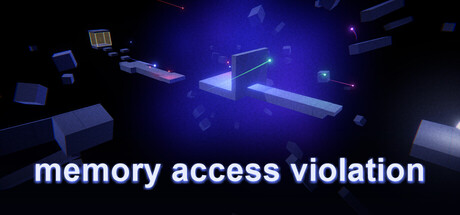
Memory Access Violation was made by a solo developer working with an AI coding assistant, which was used during development:
Code and level design: much of the game's code, including the level-building tools, puzzle layouts, enemy behaviour and vehicle handling, was written with AI assistance. The developer directed, playtested and revised every level. Puzzle solutions were checked by automated solvers so each one is fair.
Visuals: the game's environments, vehicles, mechs and enemies are built in code from simple geometric shapes and custom shaders. No AI image generators were used for in-game art.
No art, audio, levels, or other authored game content was created using generative AI.
However, a small local AI model runs during gameplay to interpret the player's commands and control the character accordingly. Rest assured, it's dumb as a rock. It won't take over the world or your computer. It can barely take over the test subject.
Some background music in this game was created with the assistance of generative AI tools. The final selection, editing, and implementation of the music were handled by the developer.
Some visual assets were created with the help of generative AI and then edited by the developer. A few sprite animations (doors opening, the ghost, the dynamite fuse and explosion, the turret turning) were generated with PixelLab from our own hand-made sprites, and some store artwork was made with AI image tools. Parts of the in-game text were written with AI assistance and reviewed by the developer. The game does not generate any content with AI while you play.
Generative AI was used to create artwork for the truck, cargo, environments, route illustrations, and store materials. AI tools also assisted with writing and localization. All such content was created before release. The game does not generate AI content or connect to AI services during gameplay.
Parts of this game were made with the help of generative AI during development.
- Artwork (item illustrations, backgrounds and interface graphics) was generated with AI tools and then edited and adjusted by hand.
- Music and sound effects were created with AI tools.
- The source code and the in-game text translations were written with AI assistance.
All of it was reviewed by the developer before release.
This game does not use generative AI while you play. No content is generated at runtime, and no player data is sent to any AI service.
AI-assisted tools were utilized during the development of this game (including visual art, sound design, and workflow optimization) to achieve higher quality. Every final element has been curated, reviewed, and integrated under the direct supervision of the development team.
Generative AI tools were used during development to assist with debugging. AI-assisted content included in the final game was reviewed and edited by the developer. No content is generated by AI during gameplay.
The game's icon and the promotional images were made with generative AI; the store page text and its translations were drafted with an AI assistant and checked by the developer. Nothing is generated by AI while you play.
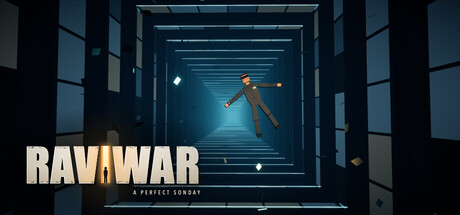
All the Localization, voiceovers/music, and many of the in-game textures were generated using AI.
The store page trailer and images are rendered inside the game itself, so indirectly they also contains those AI generated textures.
A note on why.
RaviWar 1 is the first part of a story that takes eight games to tell: RaviWar 1 & 2, and six shorter games set inside the same universe, under the name Tales of Takarek.
I am one person, with no studio and no funding behind me. Built the traditional way, a project that size would outlast me. These tools are the only way I can attempt it at all, and I would rather finish the whole story imperfectly than finish a fraction of it perfectly.
It is also why this game is free. I am not asking anyone to pay for AI generated work.
The design, the writing, the puzzles and the world are mine. As the project grows I intend to replace generated assets with commissioned ones.
Once again I am sorry.
Generative AI was used to create or edit selected artwork, including title and menu illustrations, world-map scenery, and promotional images. No content is generated by AI during gameplay.
Generative AI was used as an assistive tool to create and edit store page descriptions and marketing text. All generated content was reviewed and edited by the developer before publication. No generative AI is used during gameplay.
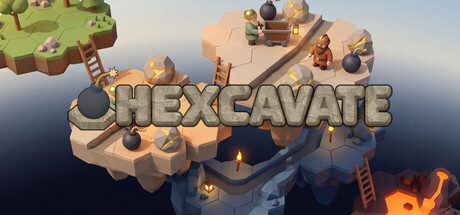
Hexcavate uses AI-assisted tools in parts of its development: some UI icons and Images were made with AI image generation. All of it was reviewed and edited by the developer. 2D art, level design, game design and codes are human made or licensed. No content is generated by AI while the game runs.
Some pre-rendered visual assets and music were created with generative AI tools, then curated, edited, and integrated by the developer. No AI content is generated during gameplay, and the game does not connect to external AI services.
Parts of the soundtrack were created with AI-assisted music generation, then edited, mixed and mastered by hand. Some of the game's code and store text were also written with AI assistance. All art, level design and gameplay are hand-made. No content is generated while you play.
As a small development team of just two people, we used generative AI tools in limited cases to assist with the production of certain visual assets and help manage the scope of development.
All AI-assisted assets were carefully reviewed, edited, refined, and finalized by us to fit the game's established art style and direction. Generative AI was used as a supporting tool during development, rather than to define the creative direction of the game.
Some of the text in this game was created with the help of generative AI tools.
- In-game text: Korean dialogue, stage narration and help text were drafted with an AI assistant, then rewritten and reviewed by the developer.
- Localization: the English text was produced with AI assistance and reviewed by the developer.
All artwork and UI icons are hand-authored by the developer, the sound effects are synthesized procedurally in code, and the background music is a licensed stock track. No AI runs during gameplay — all content is fixed at build time.
- Store page: the store description text was drafted with AI assistance and edited by the developer.
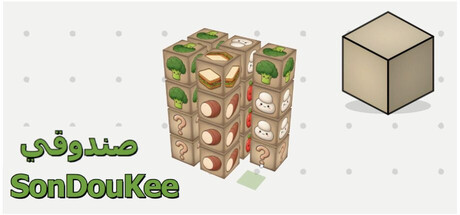
This game uses generative artificial intelligence to create some of its visual assets. Specifically, the food images and the number graphics featured in the game were generated using AI tools.
This game uses generative AI in parts of its development.
- Code — an AI coding assistant was used to help write the source code.
- Text translation — AI was used to translate the game's text into each supported language.
All of the above was reviewed and adjusted by the developer before release.
No content is generated by AI while the game is running.
Generative AI is used during development to create artwork, animation, music, sound effects and some text, including store artwork and descriptions. Content is selected, edited and integrated before release. SkyStray does not generate AI content during gameplay or connect to external AI services while you play.
This game was developed solo by an independent developer. Some UI visuals and artwork used for the Steam store page were created with the help of generative AI. Original sound effects were also created with AI assistance to match the game's atmosphere. This content is fixed and built into the game.
AI is not used to generate content in real time during gameplay.
Some AI was used to generate marketing images and in-game content, including music and art.
This game would not be possible for a 1-person studio without such tools.
Some 3D models, UI assets and background music of the game were initially created with generative AI tools, and then fully revised, refined and adjusted manually by our development team.
Pre-generated content: Parts of the game were made with generative AI tools and then selected, edited and integrated by the developer: the soundtrack (made with Suno), interface icons and stickers, the painted world illustrations on the level cards and act screens, sound effects and the spoken sheep lines. Some in-game and store texts, including the English translation, were drafted with an AI assistant and edited by the developer. All 3D models, animations and levels are made by the developer's own tools. The game does not generate content with AI while it runs.
Generative AI tools are used during the development of MASSVEIL to assist with the creation and refinement of certain pre-generated materials, including selected visual elements, sound effects, voice lines, and text content.
All AI-assisted content is reviewed and, where necessary, edited by the developer before being included in the game.
Generative AI is not used to create new content during gameplay, and the game does not connect to third-party AI services while running.
AI tools assisted in developing some procedural animations and sound effects. These elements were reviewed and refined to match the game’s artistic direction.
All in-game graphical assets were handcrafted by artists.
Pre-generated AI tools were used during development to assist with the creation and refinement of selected visual assets, localization text, and marketing materials. All AI-assisted content was reviewed, edited, and integrated by the developer before inclusion in the game or store materials. The game does not generate AI content in real time during gameplay.
Generative AI tools were used during development to assist with the creation of some artwork, music, and game code. All AI-assisted content was reviewed, edited, and integrated by the developer as part of the game’s creative and development process.
The core assets, music, 3D objects, and story of this game were entirely reviewed, refined, and crafted by the developer. However, generative AI tools were utilized to assist in creating certain sound effects and a few background/UI images. As this is my very first game developed entirely as a solo indie developer, these tools were used to help overcome the immense challenges of managing all aspects of production alone. All AI-assisted contents have been thoroughly checked to ensure quality and compliance.
Memory Access Violation was made by a solo developer working with an AI coding assistant, which was used during development:
Code and level design: much of the game's code, including the level-building tools, puzzle layouts, enemy behaviour and vehicle handling, was written with AI assistance. The developer directed, playtested and revised every level. Puzzle solutions were checked by automated solvers so each one is fair.
Visuals: the game's environments, vehicles, mechs and enemies are built in code from simple geometric shapes and custom shaders. No AI image generators were used for in-game art.
No art, audio, levels, or other authored game content was created using generative AI.
However, a small local AI model runs during gameplay to interpret the player's commands and control the character accordingly. Rest assured, it's dumb as a rock. It won't take over the world or your computer. It can barely take over the test subject.
Some background music in this game was created with the assistance of generative AI tools. The final selection, editing, and implementation of the music were handled by the developer.
Some visual assets were created with the help of generative AI and then edited by the developer. A few sprite animations (doors opening, the ghost, the dynamite fuse and explosion, the turret turning) were generated with PixelLab from our own hand-made sprites, and some store artwork was made with AI image tools. Parts of the in-game text were written with AI assistance and reviewed by the developer. The game does not generate any content with AI while you play.
Generative AI was used to create artwork for the truck, cargo, environments, route illustrations, and store materials. AI tools also assisted with writing and localization. All such content was created before release. The game does not generate AI content or connect to AI services during gameplay.
Parts of this game were made with the help of generative AI during development.
- Artwork (item illustrations, backgrounds and interface graphics) was generated with AI tools and then edited and adjusted by hand.
- Music and sound effects were created with AI tools.
- The source code and the in-game text translations were written with AI assistance.
All of it was reviewed by the developer before release.
This game does not use generative AI while you play. No content is generated at runtime, and no player data is sent to any AI service.
AI-assisted tools were utilized during the development of this game (including visual art, sound design, and workflow optimization) to achieve higher quality. Every final element has been curated, reviewed, and integrated under the direct supervision of the development team.
Generative AI tools were used during development to assist with debugging. AI-assisted content included in the final game was reviewed and edited by the developer. No content is generated by AI during gameplay.
The game's icon and the promotional images were made with generative AI; the store page text and its translations were drafted with an AI assistant and checked by the developer. Nothing is generated by AI while you play.
All the Localization, voiceovers/music, and many of the in-game textures were generated using AI.
The store page trailer and images are rendered inside the game itself, so indirectly they also contains those AI generated textures.
A note on why.
RaviWar 1 is the first part of a story that takes eight games to tell: RaviWar 1 & 2, and six shorter games set inside the same universe, under the name Tales of Takarek.
I am one person, with no studio and no funding behind me. Built the traditional way, a project that size would outlast me. These tools are the only way I can attempt it at all, and I would rather finish the whole story imperfectly than finish a fraction of it perfectly.
It is also why this game is free. I am not asking anyone to pay for AI generated work.
The design, the writing, the puzzles and the world are mine. As the project grows I intend to replace generated assets with commissioned ones.
Once again I am sorry.
Generative AI was used to create or edit selected artwork, including title and menu illustrations, world-map scenery, and promotional images. No content is generated by AI during gameplay.
Generative AI was used as an assistive tool to create and edit store page descriptions and marketing text. All generated content was reviewed and edited by the developer before publication. No generative AI is used during gameplay.
Hexcavate uses AI-assisted tools in parts of its development: some UI icons and Images were made with AI image generation. All of it was reviewed and edited by the developer. 2D art, level design, game design and codes are human made or licensed. No content is generated by AI while the game runs.
Some pre-rendered visual assets and music were created with generative AI tools, then curated, edited, and integrated by the developer. No AI content is generated during gameplay, and the game does not connect to external AI services.
Parts of the soundtrack were created with AI-assisted music generation, then edited, mixed and mastered by hand. Some of the game's code and store text were also written with AI assistance. All art, level design and gameplay are hand-made. No content is generated while you play.
As a small development team of just two people, we used generative AI tools in limited cases to assist with the production of certain visual assets and help manage the scope of development.
All AI-assisted assets were carefully reviewed, edited, refined, and finalized by us to fit the game's established art style and direction. Generative AI was used as a supporting tool during development, rather than to define the creative direction of the game.
Some of the text in this game was created with the help of generative AI tools.
- In-game text: Korean dialogue, stage narration and help text were drafted with an AI assistant, then rewritten and reviewed by the developer.
- Localization: the English text was produced with AI assistance and reviewed by the developer.
All artwork and UI icons are hand-authored by the developer, the sound effects are synthesized procedurally in code, and the background music is a licensed stock track. No AI runs during gameplay — all content is fixed at build time.
- Store page: the store description text was drafted with AI assistance and edited by the developer.
This game uses generative artificial intelligence to create some of its visual assets. Specifically, the food images and the number graphics featured in the game were generated using AI tools.
This game uses generative AI in parts of its development.
- Code — an AI coding assistant was used to help write the source code.
- Text translation — AI was used to translate the game's text into each supported language.
All of the above was reviewed and adjusted by the developer before release.
No content is generated by AI while the game is running.
Generative AI is used during development to create artwork, animation, music, sound effects and some text, including store artwork and descriptions. Content is selected, edited and integrated before release. SkyStray does not generate AI content during gameplay or connect to external AI services while you play.
This game was developed solo by an independent developer. Some UI visuals and artwork used for the Steam store page were created with the help of generative AI. Original sound effects were also created with AI assistance to match the game's atmosphere. This content is fixed and built into the game.
AI is not used to generate content in real time during gameplay.
Some AI was used to generate marketing images and in-game content, including music and art.
This game would not be possible for a 1-person studio without such tools.
Some 3D models, UI assets and background music of the game were initially created with generative AI tools, and then fully revised, refined and adjusted manually by our development team.