Public Steam disclosure research25,376 disclosures tracked
Where do games disclose AI use?
Search developers’ Steam disclosures, compare classified AI use across
games, and follow recorded changes.
This index adds cross-game classifications and statistics to
statements published on individual store pages.
Groups reflect automatic analysis of public disclosures; mature records are excluded. These counts do not measure AI use across all of Steam.
Missing or unclear statements cannot establish whether a game uses AI.
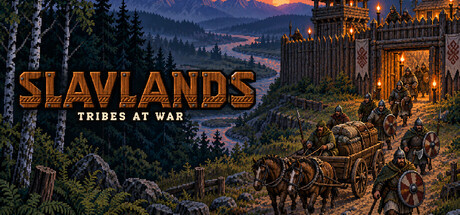
Gród is designed, built and tested by a solo developer. Every rule, system and pixel of the game follows my own vision.
AI tools helped with parts of the production: the voice lines, the music and some store artwork were created with generative AI, then selected, edited and fitted into the game by me. The in-game pixel art is drawn by the game's own code, with no AI image generators.
Screenshots and GIFs show real gameplay. The game does not use generative AI while you play.
Generative AI assisted in creating some in-game and promotional assets. All such content was reviewed and edited by the developer. The game does not generate AI content during gameplay or connect to external AI services.
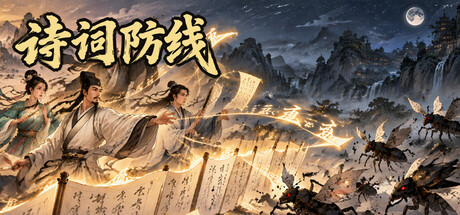
This game uses pre-generated AI-assisted visual content. Generative AI tools were used during development to help create and refine some 2D artwork and Steam store materials, including Chinese ink-style backgrounds, capsule images, UI/marketing artwork, icons, and related visual elements. All AI-assisted assets were reviewed and edited by the developer before being included. The game does not use live generative AI during gameplay, and no player input is sent to an AI service to generate content.
Generative AI was used primarily to assist in the creation of some visual assets and images used in the game, including illustrations, UI artwork, and promotional materials. AI-generated images were manually reviewed, selected, edited, and adjusted by the developer before being integrated into the game.
The game does not use generative AI to create content in real time during gameplay.
The campaign's spoken dialogue is AI-generated speech. Over 650 lines were produced with ElevenLabs under a paid plan that licenses commercial use of the output. I wrote every line of that dialogue myself - the writing is mine, the performance is synthetic. I would prefer human voice actors and intend to replace these recordings when the project can afford it.
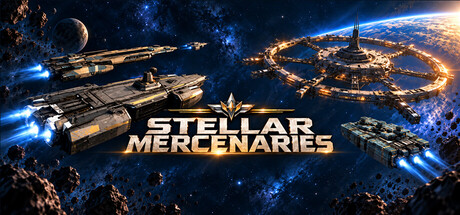
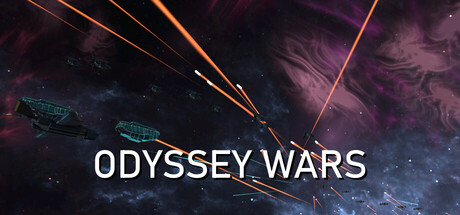
No AI-generated art ships in the game. Every ship, station and environment mesh is either licensed art or made by me. A set of AI-generated 3D models was removed from the project in July 2026.
The combat and zone music tracks are AI-generated songs I made with Suno on a paid plan that grants commercial-use rights to the output. The remaining music and all sound effects are licensed audio packs and my own work.
Generative AI tools were used during development to assist with the creation of some 2D visual assets and development-related content. All AI-assisted content is reviewed and integrated by the development team.
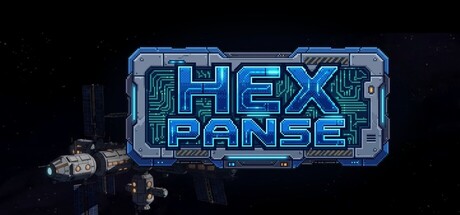
Hexpanse is a solo developer's experiment in building a game 100% with AI, and it is developed with AI assistance (including its source code). The game itself is built almost entirely from procedural, code-generated pixel art and synthesized audio — produced algorithmically by our own code, not by AI. Generative AI was used in two limited, pre-rendered ways: (1) as a starting point for some ship and station part illustrations, later cleaned up, processed and integrated by hand; and (2) to produce the neural text-to-speech voice-over of the intro cinematic. In Early Access, the community feedback I find relevant feeds the AI-assisted development. No generative AI runs while you play — nothing is generated live in-game.
Generative AI assisted with promotional/key artwork, icons, interface content, and portions of written catalogue and store-page text during development. These assets and text were selected and edited during development. The game does not generate AI content during gameplay and does not connect to an AI service. Generated artwork is illustrative and is not presented as documentary imagery.
Generative AI was used as a production aid for some images, music, localization, and related content. All generated materials were reviewed and edited by the developer before being used in the game or related assets. No AI-generated content is created during gameplay.
Parts of this game's content were produced with generative AI tools.
No content is generated at runtime. Every asset shipped with the game was produced, reviewed and approved prior to release.
The soundtrack was produced with generative AI music tools and then edited, cut and mixed by the developer. Part of the game's text and this store page was written with AI assistance and reviewed line by line by the developer. Everything else - code, interface art, achievement icons, the map and every capsule and screenshot - is hand-made. No content is generated by AI while you play.
Some images were created with AI image generation: the crew portraits, loading-screen image, and the current store capsule artwork and logo (commissioned artwork will replace the capsule). The game's code was written with AI coding assistants under the developer's direction; ships, weapons and effects are drawn procedurally by that code. All in-game text is written by the developer.
Generative AI was used to create and refine the game's store capsule art and logo. No other in-game assets were generated with generative AI, and to the best of my knowledge, the same is true of third-party assets. Separately, a model trained with reinforcement learning controls enemy behavior. It does not generate content.
Generative AI was used during development to help create some visual assets included in the game, including artwork and models, and to assist with translation of in-game text. Generative AI was also used to create promotional artwork and help write the descriptions on this Steam store page. These materials and translations are prepared in advance. The game does not use AI to generate content or code during gameplay and does not connect to external AI services.
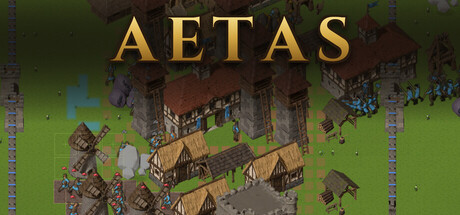
Aetas is designed, directed and built by a single developer. Generative AI was used as a development assistant: it helped write code and tools, the in-game texts and their English/Dutch localization, and the store page texts, all under the developer's direction and review. No AI image generation was used: all sprites and tiles are hand-drawn Liberated Pixel Cup art by human artists (credited in the game folder), or assembled programmatically from that art. The trailer music was produced by a synthesis script. The game does not generate any content with AI during gameplay and does not connect to any AI service.
This game uses Generative AI tools to assist in the creation of select visual assets and graphic elements, such as icons, background textures, and concept art.
All generated assets were subsequently reviewed, edited, and manually integrated by our team to ensure quality, consistency, and a seamless gameplay experience.
These features will be replaced as the game progresses through development.
Concept Art and Design:
Generative AI tools were used during the pre-production phase to brainstorm visual aesthetics and generate early concept art for the title screen and in-game graphic elements.
Final Assets:
While AI was used to establish the artistic direction and conceptual frameworks, all final assets, title screen graphics, and in-game artwork appearing in the released version of the game were manually refined to ensure a cohesive, high-quality experience.
AI-assisted tools were used during development to create some visual assets and textures, music and sound effects, and to assist with English localization. Generated promotional illustrations and pre-generated synthetic voice performances are also used in the Steam store materials and trailers. These assets were selected, edited and integrated during production. The game does not generate AI content while it is running.
Some assets used in this game may have been created using AI. Information about these assets can be found in the game's credits. AI-assisted tools were also used during the development of this game.
Generative AI used as developer tool for code, testing, modeling, and sound.
Generative AI used directly for campaign mission brief and victory screen full screen background art.
Some pre-production assets were generated with AI tools and then hand-finished by the team: 3D character bodies (Tripo) that were re-rigged, textured and animated by hand; concept and brand imagery (OpenAI image generation) redrawn or composited by hand; voice lines and sound effects (ElevenLabs); and music (Suno) under a commercial licence. No AI content is generated during gameplay, and the game connects to no AI service.
Generative AI tools were used during development to assist with pre-generated assets:
- Visual Assets & 3D Models: Concept art, 2D UI elements/icons, and base 3D models and textures were created with the assistance of generative AI tools, then manually and AI assisted cleaned, rigged, and optimized for the engine.
- Narrative & Writing: In-game lore, quest descriptions, and unit flavor text were drafted and refined with AI assistance.
All AI-assisted content is created prior to release and manually curated. There is no real-time or live AI content generation during gameplay.
During the development of this game, AI tools were used to assist in creating some game assets and promotional materials for the store, as well as to assist in writing and optimizing some program codes. All the AI-assisted content was manually screened, adjusted, integrated, tested, and finally reviewed by the developers.
I built my own Agentic AI harness, and then used it to build this game, including some assets & animations etc.. I'm not a developer, I'm a Functional/UX/Graphic Designer that finally found a tool that could help me build my dream games... There is no AI running in the game or generating anything live. I wouldn't consider the game "vibe coded", it has been months of obsessive iterations to ensure the functionality and user experience is of the highest level, which was 100% designed and directed by me, using Agentic AI to build to order. It's far from a "one-shot" prompt hope and prayer... and I think you'll be surprised when you see it.
We use AI tools as part of our development pipeline: some images were generated with AI, and AI-assisted tools support parts of the production process. Everything produced this way is reviewed, edited and integrated by hand - the design, gameplay systems and final content are our own work.
Some environment art is AI-generated (game background and level-select planet images). Gameplay models, UI, store capsules, and trailer footage are original. Code was written with AI assistance.
Generative AI tools were used during development to help create some visual assets and localized text, including Steam store artwork and achievement icons. This content is prepared in advance and included as fixed assets and text. Crownspat does not use generative AI to create content during gameplay and does not connect to external AI services.
Generative AI tools were used during development to help create some of the game's art, textures and icons, audio (including music and voice), in-game text, and store and marketing materials. The game does not generate any AI content during gameplay.
Generative AI is used during development to help create store artwork, some character and military prop source assets, and localized store text. Assets are edited and integrated during development. The game does not generate AI content or connect to external AI services during gameplay.
AstralX uses generative AI only for some 2D illustrative images, primarily certain biome visuals and depictions of some races/species. The game contains well over 1,000 such visual elements, which is why generative AI was used to assist with part of this 2D artwork.
Generative AI is not used for the game's simulation, mathematical calculations, gameplay rules, mechanics, or underlying systems. These elements were designed and developed manually by the developer. 3D content is also not generated using AI.
The music was composed manually and performed by a real pianist. The sound design was likewise created through traditional human production rather than generative AI.
No generative AI is used dynamically during gameplay.
Generative AI tools were used to assist with some visual assets and localization. All AI-assisted content was reviewed and edited by the development team before being included in the final game.
The soundtrack was composed with Suno, and the sound effects and unit/announcer voice lines were generated with ElevenLabs; all were selected, edited and mixed by the developer. The title logo illustration was drafted with an AI image tool and finished by hand. The UI frame art is a licensed commercial kit (not AI). No AI content is generated while the game runs.
Some visual assets, including certain 3D models, textures, UI icons, and promotional artwork, were created with the assistance of generative AI tools. All generated content was reviewed, selected, and edited by the developer before inclusion in the game. The game does not generate AI content during gameplay
Generative AI tools were used throughout development: the game's code and its in-game text, the paintings, achievement icons and interface art, the 3D models, and the music and sound effects. Everything was reviewed, edited and tested, and ships as fixed content. Nothing is generated while you play: the game runs no model and makes no network call.
Some pre-generated assets in this game (certain artwork/icons/sound effects) were created with the assistance of AI tools and then reviewed and edited by the developer. No content is generated by AI at runtime.
Generative tools were used during development to create and refine pre-generated artwork, some 3D assets, textures, audio, cinematic sequences, and store/marketing materials, including translated store descriptions. These assets are included as fixed content. The game does not generate AI content during play and does not connect to a generative AI service.
I am a solo developer leveraging AI to improve my efficiency while moonlighting this project. Hence, many temporary AI-generated assets make their way into the game but I hope to replace over 90% of those with handcrafted assets over time.
Gród is designed, built and tested by a solo developer. Every rule, system and pixel of the game follows my own vision.
AI tools helped with parts of the production: the voice lines, the music and some store artwork were created with generative AI, then selected, edited and fitted into the game by me. The in-game pixel art is drawn by the game's own code, with no AI image generators.
Screenshots and GIFs show real gameplay. The game does not use generative AI while you play.
Generative AI assisted in creating some in-game and promotional assets. All such content was reviewed and edited by the developer. The game does not generate AI content during gameplay or connect to external AI services.
This game uses pre-generated AI-assisted visual content. Generative AI tools were used during development to help create and refine some 2D artwork and Steam store materials, including Chinese ink-style backgrounds, capsule images, UI/marketing artwork, icons, and related visual elements. All AI-assisted assets were reviewed and edited by the developer before being included. The game does not use live generative AI during gameplay, and no player input is sent to an AI service to generate content.
Generative AI was used primarily to assist in the creation of some visual assets and images used in the game, including illustrations, UI artwork, and promotional materials. AI-generated images were manually reviewed, selected, edited, and adjusted by the developer before being integrated into the game.
The game does not use generative AI to create content in real time during gameplay.
The campaign's spoken dialogue is AI-generated speech. Over 650 lines were produced with ElevenLabs under a paid plan that licenses commercial use of the output. I wrote every line of that dialogue myself - the writing is mine, the performance is synthetic. I would prefer human voice actors and intend to replace these recordings when the project can afford it.
No AI-generated art ships in the game. Every ship, station and environment mesh is either licensed art or made by me. A set of AI-generated 3D models was removed from the project in July 2026.
The combat and zone music tracks are AI-generated songs I made with Suno on a paid plan that grants commercial-use rights to the output. The remaining music and all sound effects are licensed audio packs and my own work.
Generative AI tools were used during development to assist with the creation of some 2D visual assets and development-related content. All AI-assisted content is reviewed and integrated by the development team.
Hexpanse is a solo developer's experiment in building a game 100% with AI, and it is developed with AI assistance (including its source code). The game itself is built almost entirely from procedural, code-generated pixel art and synthesized audio — produced algorithmically by our own code, not by AI. Generative AI was used in two limited, pre-rendered ways: (1) as a starting point for some ship and station part illustrations, later cleaned up, processed and integrated by hand; and (2) to produce the neural text-to-speech voice-over of the intro cinematic. In Early Access, the community feedback I find relevant feeds the AI-assisted development. No generative AI runs while you play — nothing is generated live in-game.
Generative AI assisted with promotional/key artwork, icons, interface content, and portions of written catalogue and store-page text during development. These assets and text were selected and edited during development. The game does not generate AI content during gameplay and does not connect to an AI service. Generated artwork is illustrative and is not presented as documentary imagery.
Generative AI was used as a production aid for some images, music, localization, and related content. All generated materials were reviewed and edited by the developer before being used in the game or related assets. No AI-generated content is created during gameplay.
Parts of this game's content were produced with generative AI tools.
No content is generated at runtime. Every asset shipped with the game was produced, reviewed and approved prior to release.
The soundtrack was produced with generative AI music tools and then edited, cut and mixed by the developer. Part of the game's text and this store page was written with AI assistance and reviewed line by line by the developer. Everything else - code, interface art, achievement icons, the map and every capsule and screenshot - is hand-made. No content is generated by AI while you play.
Some images were created with AI image generation: the crew portraits, loading-screen image, and the current store capsule artwork and logo (commissioned artwork will replace the capsule). The game's code was written with AI coding assistants under the developer's direction; ships, weapons and effects are drawn procedurally by that code. All in-game text is written by the developer.
Generative AI was used to create and refine the game's store capsule art and logo. No other in-game assets were generated with generative AI, and to the best of my knowledge, the same is true of third-party assets. Separately, a model trained with reinforcement learning controls enemy behavior. It does not generate content.
Generative AI was used during development to help create some visual assets included in the game, including artwork and models, and to assist with translation of in-game text. Generative AI was also used to create promotional artwork and help write the descriptions on this Steam store page. These materials and translations are prepared in advance. The game does not use AI to generate content or code during gameplay and does not connect to external AI services.
Aetas is designed, directed and built by a single developer. Generative AI was used as a development assistant: it helped write code and tools, the in-game texts and their English/Dutch localization, and the store page texts, all under the developer's direction and review. No AI image generation was used: all sprites and tiles are hand-drawn Liberated Pixel Cup art by human artists (credited in the game folder), or assembled programmatically from that art. The trailer music was produced by a synthesis script. The game does not generate any content with AI during gameplay and does not connect to any AI service.
This game uses Generative AI tools to assist in the creation of select visual assets and graphic elements, such as icons, background textures, and concept art.
All generated assets were subsequently reviewed, edited, and manually integrated by our team to ensure quality, consistency, and a seamless gameplay experience.
These features will be replaced as the game progresses through development.
Concept Art and Design:
Generative AI tools were used during the pre-production phase to brainstorm visual aesthetics and generate early concept art for the title screen and in-game graphic elements.
Final Assets:
While AI was used to establish the artistic direction and conceptual frameworks, all final assets, title screen graphics, and in-game artwork appearing in the released version of the game were manually refined to ensure a cohesive, high-quality experience.
AI-assisted tools were used during development to create some visual assets and textures, music and sound effects, and to assist with English localization. Generated promotional illustrations and pre-generated synthetic voice performances are also used in the Steam store materials and trailers. These assets were selected, edited and integrated during production. The game does not generate AI content while it is running.
Some assets used in this game may have been created using AI. Information about these assets can be found in the game's credits. AI-assisted tools were also used during the development of this game.
Generative AI used as developer tool for code, testing, modeling, and sound.
Generative AI used directly for campaign mission brief and victory screen full screen background art.
Some pre-production assets were generated with AI tools and then hand-finished by the team: 3D character bodies (Tripo) that were re-rigged, textured and animated by hand; concept and brand imagery (OpenAI image generation) redrawn or composited by hand; voice lines and sound effects (ElevenLabs); and music (Suno) under a commercial licence. No AI content is generated during gameplay, and the game connects to no AI service.
Generative AI tools were used during development to assist with pre-generated assets:
- Visual Assets & 3D Models: Concept art, 2D UI elements/icons, and base 3D models and textures were created with the assistance of generative AI tools, then manually and AI assisted cleaned, rigged, and optimized for the engine.
- Narrative & Writing: In-game lore, quest descriptions, and unit flavor text were drafted and refined with AI assistance.
All AI-assisted content is created prior to release and manually curated. There is no real-time or live AI content generation during gameplay.
During the development of this game, AI tools were used to assist in creating some game assets and promotional materials for the store, as well as to assist in writing and optimizing some program codes. All the AI-assisted content was manually screened, adjusted, integrated, tested, and finally reviewed by the developers.
I built my own Agentic AI harness, and then used it to build this game, including some assets & animations etc.. I'm not a developer, I'm a Functional/UX/Graphic Designer that finally found a tool that could help me build my dream games... There is no AI running in the game or generating anything live. I wouldn't consider the game "vibe coded", it has been months of obsessive iterations to ensure the functionality and user experience is of the highest level, which was 100% designed and directed by me, using Agentic AI to build to order. It's far from a "one-shot" prompt hope and prayer... and I think you'll be surprised when you see it.
We use AI tools as part of our development pipeline: some images were generated with AI, and AI-assisted tools support parts of the production process. Everything produced this way is reviewed, edited and integrated by hand - the design, gameplay systems and final content are our own work.
Some environment art is AI-generated (game background and level-select planet images). Gameplay models, UI, store capsules, and trailer footage are original. Code was written with AI assistance.
Generative AI tools were used during development to help create some visual assets and localized text, including Steam store artwork and achievement icons. This content is prepared in advance and included as fixed assets and text. Crownspat does not use generative AI to create content during gameplay and does not connect to external AI services.
Generative AI tools were used during development to help create some of the game's art, textures and icons, audio (including music and voice), in-game text, and store and marketing materials. The game does not generate any AI content during gameplay.
Generative AI is used during development to help create store artwork, some character and military prop source assets, and localized store text. Assets are edited and integrated during development. The game does not generate AI content or connect to external AI services during gameplay.
AstralX uses generative AI only for some 2D illustrative images, primarily certain biome visuals and depictions of some races/species. The game contains well over 1,000 such visual elements, which is why generative AI was used to assist with part of this 2D artwork.
Generative AI is not used for the game's simulation, mathematical calculations, gameplay rules, mechanics, or underlying systems. These elements were designed and developed manually by the developer. 3D content is also not generated using AI.
The music was composed manually and performed by a real pianist. The sound design was likewise created through traditional human production rather than generative AI.
No generative AI is used dynamically during gameplay.
Generative AI tools were used to assist with some visual assets and localization. All AI-assisted content was reviewed and edited by the development team before being included in the final game.
The soundtrack was composed with Suno, and the sound effects and unit/announcer voice lines were generated with ElevenLabs; all were selected, edited and mixed by the developer. The title logo illustration was drafted with an AI image tool and finished by hand. The UI frame art is a licensed commercial kit (not AI). No AI content is generated while the game runs.
Some visual assets, including certain 3D models, textures, UI icons, and promotional artwork, were created with the assistance of generative AI tools. All generated content was reviewed, selected, and edited by the developer before inclusion in the game. The game does not generate AI content during gameplay
Generative AI tools were used throughout development: the game's code and its in-game text, the paintings, achievement icons and interface art, the 3D models, and the music and sound effects. Everything was reviewed, edited and tested, and ships as fixed content. Nothing is generated while you play: the game runs no model and makes no network call.
Some pre-generated assets in this game (certain artwork/icons/sound effects) were created with the assistance of AI tools and then reviewed and edited by the developer. No content is generated by AI at runtime.
Generative tools were used during development to create and refine pre-generated artwork, some 3D assets, textures, audio, cinematic sequences, and store/marketing materials, including translated store descriptions. These assets are included as fixed content. The game does not generate AI content during play and does not connect to a generative AI service.
I am a solo developer leveraging AI to improve my efficiency while moonlighting this project. Hence, many temporary AI-generated assets make their way into the game but I hope to replace over 90% of those with handcrafted assets over time.