Public Steam disclosure research25,380 disclosures tracked
Where do games disclose AI use?
Search developers’ Steam disclosures, compare classified AI use across
games, and follow recorded changes.
This index adds cross-game classifications and statistics to
statements published on individual store pages.
Groups reflect automatic analysis of public disclosures; mature records are excluded. These counts do not measure AI use across all of Steam.
Missing or unclear statements cannot establish whether a game uses AI.
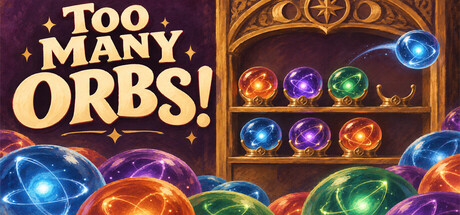
various visual assets and materials for Too Many Orbs! were created with the assistance of generative AI tools.
All AI-generated content was reviewed, refined, and integrated by the developer to ensure consistency with the game's artistic direction and quality standards.
The game is made by a single developer, with help from two friends. I used generative AI for some of the artwork (backgrounds, portraits, icons, book covers, record sleeves, skies) and for some of the music, selecting, editing and integrating every asset by hand. 3D models were bought from their creators, taken from free libraries or made in Blender, and sound effects come from free sound libraries: all authors are credited in the game.
This game contains content created with the assistance of AI tools. AI was used during development to assist with programming, visual assets, and other creative elements. All generated content was reviewed, edited, and integrated by the dev.
AI tools were used to help translate the game's text into other languages and to draft the store page copy. All of it was reviewed by the developer. The game does not generate any content with AI while you play.
The game's code and its in-game text (UI strings, help text, achievement and mission descriptions) were written with an AI assistant. All visuals are procedurally built from simple shapes in code, and all sound effects and music are synthesized procedurally in code. No generative AI art, voice or music is used, and nothing is generated live during play.
Parts of the game's code, interface art, store artwork and store text were created with the help of AI tools and then reviewed and edited by the developer. Nothing is generated by AI while you play.
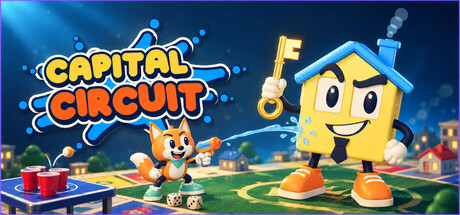
Some content in this game and its store materials was created with the help of generative AI:
- Sound effects and background music were generated with Stable Audio (Stability AI) and edited by the developer.
- The trailer narration was generated with ElevenLabs.
- The store capsule artwork was created with Google's image-generation AI (Nano Banana) and finished by hand.
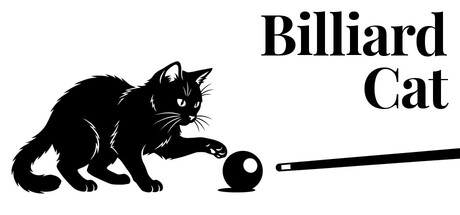
Cat vocalizations (meows, purrs, hisses) are real recordings, not AI-generated. The game does not generate any content with AI during gameplay.
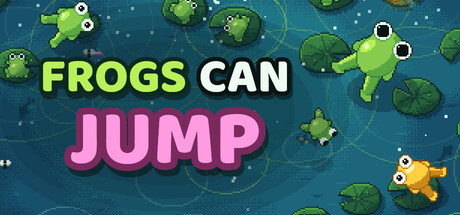
Frogs Can Jump uses generative AI only as a writing aid during development.
The game's text content (interface text) localization into the 14 supported interface languages were produced with
the assistance of large language models, directed and reviewed by the
developer. Parts of this store page were drafted the same way.
No AI-generated images, audio or video are used: all artwork, animation
and sound in the game are produced by hand-written procedural code. The
game does not generate any content with AI while you play, and it never
connects to an external AI service.
This game contains pre-generated content only: no AI generates content during gameplay. The game's translations (English, German, Italian, Spanish) and the store page texts were produced with the help of AI tools, then reviewed. All in-game visuals are rendered from the game's own 3D models.
Generative AI tools were used for parts of this game during development: some story and dialogue text, the English localization, store page text, and some of the code that draws patterns and shapes. The developer directed all of it, chose what to keep, and reviewed and edited every piece. The music and sound effects were not made with AI, and nothing is generated by AI while you play.
Generative AI tools were used during development to assist with certain pre-generated content, including localization and selected visual assets. All AI-assisted content was reviewed and edited by the developer before being included in the game. The game does not use generative AI during gameplay and does not connect to external AI services.
Generative AI was used to create some of the game's illustrations and graphical assets, as well as artwork for the Steam store page, including capsule images.
Text content (both language editions and the store page) and graphics were created with the assistance of generative AI (Claude by Anthropic) and reviewed and approved by the developer. Sound effects are taken from a free online sound library (CC0 and CC BY) and are not AI-generated. The game does not generate any content with AI while running.
Generative AI tools were used during development to assist with localization, translation drafts, and selected promotional artwork. All AI-assisted content is pre-generated and reviewed before use. No generative AI is used at runtime.
Generative AI tools were used during development to assist in creating some pre-generated 3D assets. All AI-assisted content is created and reviewed during development. The game does not generate AI content during gameplay and does not connect to external AI services.
Some visual assets and promotional materials for this game were created with the assistance of generative AI and were reviewed, edited, and integrated by the developer. The game does not use live AI generation during gameplay.
Generative AI tools were used to assist with some of the game's artwork and translations. All content was directed, selected and edited by the developer. Nothing is generated while you play.
AI-generated content was used in the development of this game. AI tools were used to help create some of the game's graphics and Steam Community items.
Made with AI tools and reviewed and edited by the developer: the character portraits of pilots and controllers, the app icon and the medal artwork (image generation); some 3D props (image-to-3D, then edited); the radio voices, which are original designed voices (not imitating real people) synthesised with text-to-speech. The voices speak only the game's own radio phrases; players cannot make them say other text.
Some artwork and localized text were created with generative AI assistance. Optional AI chat generates text replies through a service chosen and configured by the player: OpenAI, Claude, Gemini, DeepSeek, Kimi or a custom compatible endpoint.
Some of the pixel art in the game (background scenes and character portraits) and the store page key art were created with the help of generative AI tools and then edited and assembled by hand. No AI content is generated while you play.
Nook uses generative AI for character artwork and video assets. During use, AI generates personalized dialogue, speech, and short video responses based on the player's conversation.
Some of this game's code, art and music were made with the help of an AI assistant. Everything was reviewed, edited and assembled by hand, and no content is generated while you play.
Generative AI was used during development to assist with pre-rendered character and environment artwork, animations, music and sound effects, and portions of narrative writing and localization. These materials are included as fixed game assets. The game does not generate AI content or connect to external AI services during gameplay.
Some game artwork was created with the assistance of AI-generated concept art or reference images during development. These were used solely as creative references, and all artwork used in the final game was manually redrawn and processed. AI-generated images are not used directly.
Some game text and its corresponding localized translations were generated using AI.
The game contains pre-generated AI-assisted artwork, including industrial workshop and interface art, jewels, visual effect assets, and static store artwork. No content is generated by AI during gameplay, and the game does not connect to external AI services.
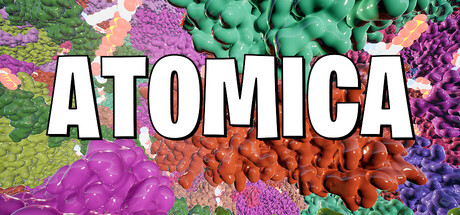
Atomica's translations into the thirteen languages other than English were made by an AI language model and have not yet been reviewed by native speakers. Much of the game's code and the store text were written with AI assistance. Nothing else is AI-generated. The cell is assembled by ordinary procedural code, not machine learning, from real data: Scripps Research's cellPACK model of Mycoplasma genitalium, protein structures from the Protein Data Bank (PDB), and ligands from the wwPDB Chemical Component Dictionary (CCD). The sounds are synthesized from the cell's real activity, and the store images are in-game screenshots.
Parts of this store page, as well as certain code elements of the game, were created with the assistance of AI tools. These tools helped speed up development and improve clarity, while all creative direction, design choices, and final implementation remain in the hands of the developer.
Generative AI was used during development to create promotional illustrations and the title-screen logo, and to assist with written text and translations. This content is prepared in advance. The game does not generate content or connect to AI services during gameplay.
various visual assets and materials for Too Many Orbs! were created with the assistance of generative AI tools.
All AI-generated content was reviewed, refined, and integrated by the developer to ensure consistency with the game's artistic direction and quality standards.
The game is made by a single developer, with help from two friends. I used generative AI for some of the artwork (backgrounds, portraits, icons, book covers, record sleeves, skies) and for some of the music, selecting, editing and integrating every asset by hand. 3D models were bought from their creators, taken from free libraries or made in Blender, and sound effects come from free sound libraries: all authors are credited in the game.
This game contains content created with the assistance of AI tools. AI was used during development to assist with programming, visual assets, and other creative elements. All generated content was reviewed, edited, and integrated by the dev.
AI tools were used to help translate the game's text into other languages and to draft the store page copy. All of it was reviewed by the developer. The game does not generate any content with AI while you play.
The game's code and its in-game text (UI strings, help text, achievement and mission descriptions) were written with an AI assistant. All visuals are procedurally built from simple shapes in code, and all sound effects and music are synthesized procedurally in code. No generative AI art, voice or music is used, and nothing is generated live during play.
Parts of the game's code, interface art, store artwork and store text were created with the help of AI tools and then reviewed and edited by the developer. Nothing is generated by AI while you play.
Some content in this game and its store materials was created with the help of generative AI:
- Sound effects and background music were generated with Stable Audio (Stability AI) and edited by the developer.
- The trailer narration was generated with ElevenLabs.
- The store capsule artwork was created with Google's image-generation AI (Nano Banana) and finished by hand.
Cat vocalizations (meows, purrs, hisses) are real recordings, not AI-generated. The game does not generate any content with AI during gameplay.
Frogs Can Jump uses generative AI only as a writing aid during development.
The game's text content (interface text) localization into the 14 supported interface languages were produced with
the assistance of large language models, directed and reviewed by the
developer. Parts of this store page were drafted the same way.
No AI-generated images, audio or video are used: all artwork, animation
and sound in the game are produced by hand-written procedural code. The
game does not generate any content with AI while you play, and it never
connects to an external AI service.
This game contains pre-generated content only: no AI generates content during gameplay. The game's translations (English, German, Italian, Spanish) and the store page texts were produced with the help of AI tools, then reviewed. All in-game visuals are rendered from the game's own 3D models.
Generative AI tools were used for parts of this game during development: some story and dialogue text, the English localization, store page text, and some of the code that draws patterns and shapes. The developer directed all of it, chose what to keep, and reviewed and edited every piece. The music and sound effects were not made with AI, and nothing is generated by AI while you play.
Generative AI tools were used during development to assist with certain pre-generated content, including localization and selected visual assets. All AI-assisted content was reviewed and edited by the developer before being included in the game. The game does not use generative AI during gameplay and does not connect to external AI services.
Generative AI was used to create some of the game's illustrations and graphical assets, as well as artwork for the Steam store page, including capsule images.
Text content (both language editions and the store page) and graphics were created with the assistance of generative AI (Claude by Anthropic) and reviewed and approved by the developer. Sound effects are taken from a free online sound library (CC0 and CC BY) and are not AI-generated. The game does not generate any content with AI while running.
Generative AI tools were used during development to assist with localization, translation drafts, and selected promotional artwork. All AI-assisted content is pre-generated and reviewed before use. No generative AI is used at runtime.
Generative AI tools were used during development to assist in creating some pre-generated 3D assets. All AI-assisted content is created and reviewed during development. The game does not generate AI content during gameplay and does not connect to external AI services.
Some visual assets and promotional materials for this game were created with the assistance of generative AI and were reviewed, edited, and integrated by the developer. The game does not use live AI generation during gameplay.
Generative AI tools were used to assist with some of the game's artwork and translations. All content was directed, selected and edited by the developer. Nothing is generated while you play.
AI-generated content was used in the development of this game. AI tools were used to help create some of the game's graphics and Steam Community items.
Made with AI tools and reviewed and edited by the developer: the character portraits of pilots and controllers, the app icon and the medal artwork (image generation); some 3D props (image-to-3D, then edited); the radio voices, which are original designed voices (not imitating real people) synthesised with text-to-speech. The voices speak only the game's own radio phrases; players cannot make them say other text.
Some artwork and localized text were created with generative AI assistance. Optional AI chat generates text replies through a service chosen and configured by the player: OpenAI, Claude, Gemini, DeepSeek, Kimi or a custom compatible endpoint.
Some of the pixel art in the game (background scenes and character portraits) and the store page key art were created with the help of generative AI tools and then edited and assembled by hand. No AI content is generated while you play.
Nook uses generative AI for character artwork and video assets. During use, AI generates personalized dialogue, speech, and short video responses based on the player's conversation.
Some of this game's code, art and music were made with the help of an AI assistant. Everything was reviewed, edited and assembled by hand, and no content is generated while you play.
Generative AI was used during development to assist with pre-rendered character and environment artwork, animations, music and sound effects, and portions of narrative writing and localization. These materials are included as fixed game assets. The game does not generate AI content or connect to external AI services during gameplay.
Some game artwork was created with the assistance of AI-generated concept art or reference images during development. These were used solely as creative references, and all artwork used in the final game was manually redrawn and processed. AI-generated images are not used directly.
Some game text and its corresponding localized translations were generated using AI.
The game contains pre-generated AI-assisted artwork, including industrial workshop and interface art, jewels, visual effect assets, and static store artwork. No content is generated by AI during gameplay, and the game does not connect to external AI services.
Atomica's translations into the thirteen languages other than English were made by an AI language model and have not yet been reviewed by native speakers. Much of the game's code and the store text were written with AI assistance. Nothing else is AI-generated. The cell is assembled by ordinary procedural code, not machine learning, from real data: Scripps Research's cellPACK model of Mycoplasma genitalium, protein structures from the Protein Data Bank (PDB), and ligands from the wwPDB Chemical Component Dictionary (CCD). The sounds are synthesized from the cell's real activity, and the store images are in-game screenshots.
Parts of this store page, as well as certain code elements of the game, were created with the assistance of AI tools. These tools helped speed up development and improve clarity, while all creative direction, design choices, and final implementation remain in the hands of the developer.
Generative AI was used during development to create promotional illustrations and the title-screen logo, and to assist with written text and translations. This content is prepared in advance. The game does not generate content or connect to AI services during gameplay.