Public Steam disclosure research25,376 disclosures tracked
Where do games disclose AI use?
Search developers’ Steam disclosures, compare classified AI use across
games, and follow recorded changes.
This index adds cross-game classifications and statistics to
statements published on individual store pages.
Groups reflect automatic analysis of public disclosures; mature records are excluded. These counts do not measure AI use across all of Steam.
Missing or unclear statements cannot establish whether a game uses AI.
Generative AI supported the creation of parts of the artwork, sound effects and particular translations, all of which were carefully selected and refined by the developers. No AI content is generated during play.
Text content (both language editions and the store page) and graphics were created with the assistance of generative AI (Claude by Anthropic) and reviewed and approved by the developer. Sound effects are taken from a free online sound library (CC0 and CC BY) and are not AI-generated. The game does not generate any content with AI while running.
Generative AI tools were used during development to assist with the creation of some visual assets, text, audio, localization, and code. All AI-assisted content included in the game was reviewed and curated by the developer. No generative AI is used during gameplay.
Some character portraits in this game were created with the assistance of generative AI during development. All AI-assisted images were reviewed, edited, and approved by the development team before being included. The game contains no live generation features, and no AI content is generated dynamically during gameplay.
Generative AI tools were used during development to assist with localization, translation drafts, and selected promotional artwork. All AI-assisted content is pre-generated and reviewed before use. No generative AI is used at runtime.
Generative AI tools were used during development to assist in creating some pre-generated 3D assets. All AI-assisted content is created and reviewed during development. The game does not generate AI content during gameplay and does not connect to external AI services.
Some visual assets were generated using an in-house image model under our artist’s art direction (trained on open-licensed and proprietary data). Some UI elements were also created or refined using AI-assisted UI tools. We review, select, and edit assets before integrating them into the game.
Some music was created using AI-assisted music tools under our creative direction. We review, select, and edit the outputs before integrating them into the game.
Generative AI was used during development to create or assist with some in-game artwork, promotional images, written content, and localization. The game does not use generative AI to generate content during gameplay.
Pre-generated AI was used to create some promotional artwork for the Steam store page. All such assets are reviewed and selected by the developer before publication. The game does not use live-generated AI content during gameplay.
This game contains no pre-generated content. Everything in the game is generated in real time by AI as you play. We want it to respond to every culinary idea a player has with something interesting and one of a kind. We use top-tier Claude models (such as Claude Fable 5.1) to deliver the best possible experience.
Some in-game text, the translations into seven languages and parts of the artwork and store material were created with the help of generative AI tools, then reviewed and edited by the developer. The game does not use AI to generate any content while you play and does not connect to any AI service.
One map artwork was created with generative AI and then edited by the developer. No other art, audio, text, or gameplay content uses AI. The game does not generate content during play.
Some of the pixel art in the game (background scenes and character portraits) and the store page key art were created with the help of generative AI tools and then edited and assembled by hand. No AI content is generated while you play.
IDE Code assistant used to optimize parts of the game's code and resolve bugs.
Certain assets in this game were created or modified with the assistance of genAI tools, then reviewed and integrated by our team.
Several 3D assets in this game — including some character models and props — were created with generative AI tools (Meshy) and then converted, cleaned up and hand-adjusted before being used in the game. Textures are either hand-made or generated procedurally with our own code.
Generative AI assisted some game art, store illustrations, logos and icons. Screenshots show the actual development build. No AI content is generated during gameplay.
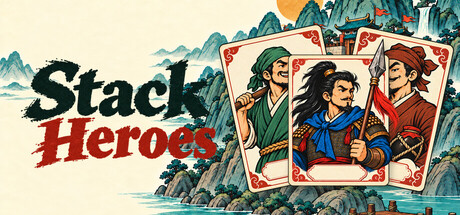
All content in Stack Heroes is generated using AI, including artwork, character and scene illustrations, UI graphics, music, sound effects, story and dialogue, other text, localization, and game program code. This content is generated during development and included in the game. The game does not generate AI content during gameplay or connect to external AI services.
Some in-game visual assets were created with the assistance of generative AI. All AI-assisted content is pre-generated and included in the shipped game; no content is generated during gameplay.
Generative AI tools were used during development to assist with the creation of some visual assets and promotional artwork. No generative AI is used during gameplay and no content is generated in real time.
Generative AI was used during development to assist with pre-rendered character and environment artwork, animations, music and sound effects, and portions of narrative writing and localization. These materials are included as fixed game assets. The game does not generate AI content or connect to external AI services during gameplay.
The game contains pre-generated AI-assisted artwork, including industrial workshop and interface art, jewels, visual effect assets, and static store artwork. No content is generated by AI during gameplay, and the game does not connect to external AI services.
Generative AI was used during development to create promotional illustrations and the title-screen logo, and to assist with written text and translations. This content is prepared in advance. The game does not generate content or connect to AI services during gameplay.
Generative AI was used to create or assist with game code, artwork, audio, written content, localization, and store marketing materials. Gameplay was designed by the developer. All content is prepared before release; no content or code is generated during gameplay, and no external AI services are used during gameplay.
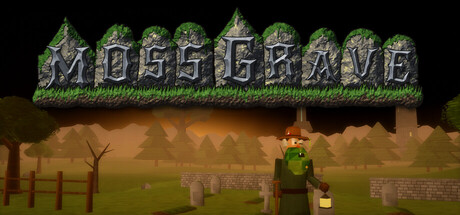
Mossgrave was built with an AI coding assistant, directed and reviewed by the developer. The AI wrote the game's code, including the procedural code that generates the 3D models, textures, pixel-art interface, music and sound effects. It also drafted the in-game text (dialogue, quest and item descriptions) and the text on this store page. Store images are captured from the game itself. No AI image or music generation models were used. The trailer's narration is an AI-generated voice; the game itself has no voice acting, and nothing is generated by AI while you play.
Generative AI was used extensively during the development of this game, including assistance with game code, selected visual assets, text and translations, and store and library artwork. These materials were prepared in advance. The game does not generate AI content or connect to external AI services during gameplay.
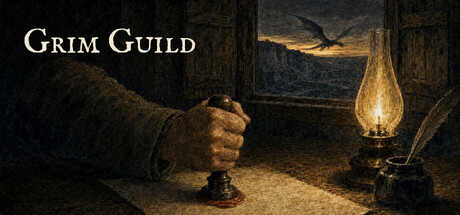
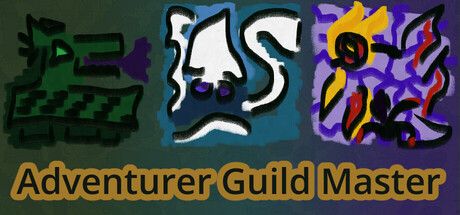
The scenes, portraits and item pictures in this game, and the store art, were made with AI image-generation tools under the developer's direction. The paper and dark of the screens and the guild's red seal come from public-domain prints of the 15th to 17th centuries. Most of the written text, including the Japanese translation, was drafted with an AI model under the developer's direction and revised by hand. Music and sound effects were synthesised procedurally without AI. Nothing is generated by AI while you play.
AI tools were used during development to create music, selected sound effects and promotional artwork, and to assist with written content and translations. Content is prepared in advance; no AI content is generated during gameplay.
AI tools assisted with game development, particularly multiplayer systems, and with the creation of in-game artwork, animations, and music as well as store and marketing visuals, including the logo.
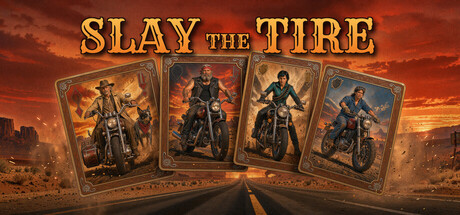
Slay the Tire combines original human authorship with generative AI tools. I designed and wrote the game, its locations, and gameplay. AI assisted with visual assets, including card art, textures, 3D models, scenery, and marketing artwork, as well as audio production and store text. The soundtrack began as music I composed and performed on instruments, then used Suno for styling, orchestration, and production. All content is prepared during development; no AI content is generated during gameplay.
Some store and library artwork, icons, and promotional imagery were created or enhanced with generative AI tools. Gameplay screenshots show actual gameplay. The game does not generate AI content during gameplay or connect to external AI services.
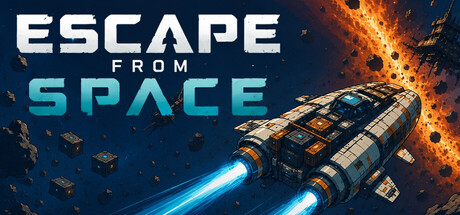
Some promotional artwork for Escape From Space, including images on its Steam store and library pages, was created with the assistance of generative AI and reviewed before use. The game does not generate content with AI during gameplay.
Generative AI assisted some game text and store descriptions. Promotional images and gameplay screenshots use actual game visuals. No live AI or external AI services. Offline.
3D models were made with Meshy and the radio and trailer music with ElevenLabs, all then selected and edited by the developer. Code was written with AI assistance. Nothing is generated while you play.
Pre-generated: the music and SFX was created with generative AI tools and then edited and mixed by the developer. No generative AI is used while the game is running.
I used an AI coding assistant while building the game, and it helped come up with the achievement names and descriptions, and some events which I edited. Nothing else in the game is AI generated: the soundtrack is licensed from its creators, the radio voices are my own recordings, and the art and sounds are produced by the game's code.
Some music, sound effects, artwork and translations were made with AI tools and edited by hand. The map, units and interface you see in play are drawn by the game's own code. No generative AI is used at runtime.
This game did use generative AI during its development. This was more of a fun side project while working on the main project (Ducki's Descent, which doesn't use AI), tinkering around with AI since my fiancé likes this genre of games, so since it uses AI its free.
The original 100 000+ word story was written by me in German. I used the AI ChatGPT to help me with localising that into English. This translation was prepared, guided and proof-read by me, to ensure that certain fantastic elements of the story and the world within the game carried over into English. Despite that, much of the actual translating was done by the AI.
Generative AI supported the creation of parts of the artwork, sound effects and particular translations, all of which were carefully selected and refined by the developers. No AI content is generated during play.
Text content (both language editions and the store page) and graphics were created with the assistance of generative AI (Claude by Anthropic) and reviewed and approved by the developer. Sound effects are taken from a free online sound library (CC0 and CC BY) and are not AI-generated. The game does not generate any content with AI while running.
Generative AI tools were used during development to assist with the creation of some visual assets, text, audio, localization, and code. All AI-assisted content included in the game was reviewed and curated by the developer. No generative AI is used during gameplay.
Some character portraits in this game were created with the assistance of generative AI during development. All AI-assisted images were reviewed, edited, and approved by the development team before being included. The game contains no live generation features, and no AI content is generated dynamically during gameplay.
Generative AI tools were used during development to assist with localization, translation drafts, and selected promotional artwork. All AI-assisted content is pre-generated and reviewed before use. No generative AI is used at runtime.
Generative AI tools were used during development to assist in creating some pre-generated 3D assets. All AI-assisted content is created and reviewed during development. The game does not generate AI content during gameplay and does not connect to external AI services.
Some visual assets were generated using an in-house image model under our artist’s art direction (trained on open-licensed and proprietary data). Some UI elements were also created or refined using AI-assisted UI tools. We review, select, and edit assets before integrating them into the game.
Some music was created using AI-assisted music tools under our creative direction. We review, select, and edit the outputs before integrating them into the game.
Generative AI was used during development to create or assist with some in-game artwork, promotional images, written content, and localization. The game does not use generative AI to generate content during gameplay.
Pre-generated AI was used to create some promotional artwork for the Steam store page. All such assets are reviewed and selected by the developer before publication. The game does not use live-generated AI content during gameplay.
This game contains no pre-generated content. Everything in the game is generated in real time by AI as you play. We want it to respond to every culinary idea a player has with something interesting and one of a kind. We use top-tier Claude models (such as Claude Fable 5.1) to deliver the best possible experience.
Some in-game text, the translations into seven languages and parts of the artwork and store material were created with the help of generative AI tools, then reviewed and edited by the developer. The game does not use AI to generate any content while you play and does not connect to any AI service.
One map artwork was created with generative AI and then edited by the developer. No other art, audio, text, or gameplay content uses AI. The game does not generate content during play.
Some of the pixel art in the game (background scenes and character portraits) and the store page key art were created with the help of generative AI tools and then edited and assembled by hand. No AI content is generated while you play.
IDE Code assistant used to optimize parts of the game's code and resolve bugs.
Certain assets in this game were created or modified with the assistance of genAI tools, then reviewed and integrated by our team.
Several 3D assets in this game — including some character models and props — were created with generative AI tools (Meshy) and then converted, cleaned up and hand-adjusted before being used in the game. Textures are either hand-made or generated procedurally with our own code.
Generative AI assisted some game art, store illustrations, logos and icons. Screenshots show the actual development build. No AI content is generated during gameplay.
All content in Stack Heroes is generated using AI, including artwork, character and scene illustrations, UI graphics, music, sound effects, story and dialogue, other text, localization, and game program code. This content is generated during development and included in the game. The game does not generate AI content during gameplay or connect to external AI services.
Some in-game visual assets were created with the assistance of generative AI. All AI-assisted content is pre-generated and included in the shipped game; no content is generated during gameplay.
Generative AI tools were used during development to assist with the creation of some visual assets and promotional artwork. No generative AI is used during gameplay and no content is generated in real time.
Generative AI was used during development to assist with pre-rendered character and environment artwork, animations, music and sound effects, and portions of narrative writing and localization. These materials are included as fixed game assets. The game does not generate AI content or connect to external AI services during gameplay.
The game contains pre-generated AI-assisted artwork, including industrial workshop and interface art, jewels, visual effect assets, and static store artwork. No content is generated by AI during gameplay, and the game does not connect to external AI services.
Generative AI was used during development to create promotional illustrations and the title-screen logo, and to assist with written text and translations. This content is prepared in advance. The game does not generate content or connect to AI services during gameplay.
Generative AI was used to create or assist with game code, artwork, audio, written content, localization, and store marketing materials. Gameplay was designed by the developer. All content is prepared before release; no content or code is generated during gameplay, and no external AI services are used during gameplay.
Mossgrave was built with an AI coding assistant, directed and reviewed by the developer. The AI wrote the game's code, including the procedural code that generates the 3D models, textures, pixel-art interface, music and sound effects. It also drafted the in-game text (dialogue, quest and item descriptions) and the text on this store page. Store images are captured from the game itself. No AI image or music generation models were used. The trailer's narration is an AI-generated voice; the game itself has no voice acting, and nothing is generated by AI while you play.
Generative AI was used extensively during the development of this game, including assistance with game code, selected visual assets, text and translations, and store and library artwork. These materials were prepared in advance. The game does not generate AI content or connect to external AI services during gameplay.
The scenes, portraits and item pictures in this game, and the store art, were made with AI image-generation tools under the developer's direction. The paper and dark of the screens and the guild's red seal come from public-domain prints of the 15th to 17th centuries. Most of the written text, including the Japanese translation, was drafted with an AI model under the developer's direction and revised by hand. Music and sound effects were synthesised procedurally without AI. Nothing is generated by AI while you play.
AI tools were used during development to create music, selected sound effects and promotional artwork, and to assist with written content and translations. Content is prepared in advance; no AI content is generated during gameplay.
AI tools assisted with game development, particularly multiplayer systems, and with the creation of in-game artwork, animations, and music as well as store and marketing visuals, including the logo.
Slay the Tire combines original human authorship with generative AI tools. I designed and wrote the game, its locations, and gameplay. AI assisted with visual assets, including card art, textures, 3D models, scenery, and marketing artwork, as well as audio production and store text. The soundtrack began as music I composed and performed on instruments, then used Suno for styling, orchestration, and production. All content is prepared during development; no AI content is generated during gameplay.
Some store and library artwork, icons, and promotional imagery were created or enhanced with generative AI tools. Gameplay screenshots show actual gameplay. The game does not generate AI content during gameplay or connect to external AI services.
Some promotional artwork for Escape From Space, including images on its Steam store and library pages, was created with the assistance of generative AI and reviewed before use. The game does not generate content with AI during gameplay.
Generative AI assisted some game text and store descriptions. Promotional images and gameplay screenshots use actual game visuals. No live AI or external AI services. Offline.
3D models were made with Meshy and the radio and trailer music with ElevenLabs, all then selected and edited by the developer. Code was written with AI assistance. Nothing is generated while you play.
Pre-generated: the music and SFX was created with generative AI tools and then edited and mixed by the developer. No generative AI is used while the game is running.
I used an AI coding assistant while building the game, and it helped come up with the achievement names and descriptions, and some events which I edited. Nothing else in the game is AI generated: the soundtrack is licensed from its creators, the radio voices are my own recordings, and the art and sounds are produced by the game's code.
Some music, sound effects, artwork and translations were made with AI tools and edited by hand. The map, units and interface you see in play are drawn by the game's own code. No generative AI is used at runtime.
This game did use generative AI during its development. This was more of a fun side project while working on the main project (Ducki's Descent, which doesn't use AI), tinkering around with AI since my fiancé likes this genre of games, so since it uses AI its free.
The original 100 000+ word story was written by me in German. I used the AI ChatGPT to help me with localising that into English. This translation was prepared, guided and proof-read by me, to ensure that certain fantastic elements of the story and the world within the game carried over into English. Despite that, much of the actual translating was done by the AI.