Public Steam disclosure research25,376 disclosures tracked
Where do games disclose AI use?
Search developers’ Steam disclosures, compare classified AI use across
games, and follow recorded changes.
This index adds cross-game classifications and statistics to
statements published on individual store pages.
Groups reflect automatic analysis of public disclosures; mature records are excluded. These counts do not measure AI use across all of Steam.
Missing or unclear statements cannot establish whether a game uses AI.
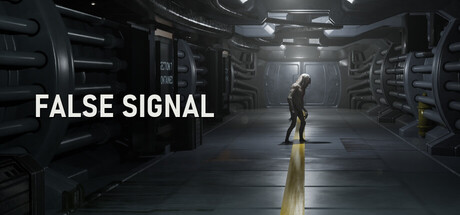
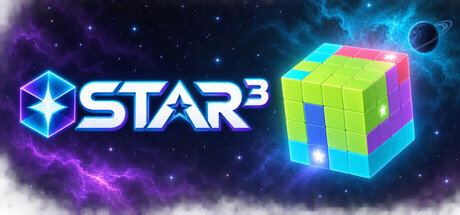
AI tools assisted in creating and revising the ending illustrations, narrative and explanatory text, English localization, and some visuals and sound effects produced through code. AI tools also assisted with store descriptions and promotional artwork. The game contains fixed, completed content and does not generate new content or connect to external AI services during play.
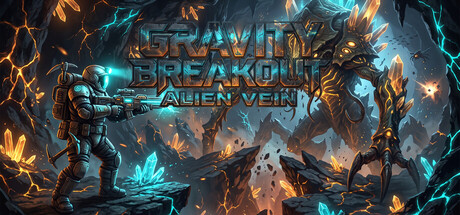
Generative AI was used for some background and crystal artwork, and assisted with interface and store text localization. These assets are prepared before release. The game does not generate content or connect to AI services during play.
AI was used in assisiting to create the VFX, trailer music, localisation and concept art.
All generated material was reviewed, refined and integrated by the developers before use.
Generative AI tools assisted with pre-generated game content, including text and localization, and with store artwork and marketing text. The game uses prepared content. It does not generate content with AI during gameplay or connect to external AI services.
This game uses AI as a writing assistant during development. The story, characters, world, game systems, and overall creative direction are original work by the developer, drawn from personal experience and extensive planning. AI was used to help draft, translate, edit, and refine dialogue based on the developer's outlines, ideas, and direction, with the developer reviewing, revising, and making final creative decisions on all text that appears in the game. AI was not used to generate any art, music, or audio assets.
Generative AI tools were used to help create some visual assets, animated effects, text and translations in the game and its store materials. These assets were prepared in advance and integrated by the developer. The game does not generate AI content during gameplay. Generative AI was also used to create some music and sound effects for the trailers.
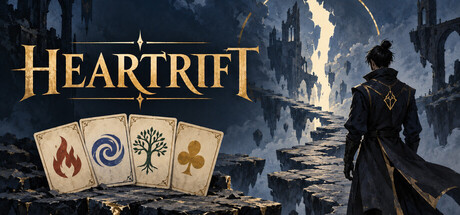
Generative AI was used during development to create artwork, UI and promotional assets, as well as audio content, including character voices. AI tools also assisted with writing and refining the game’s code. All AI-generated content is pre-generated; HEARTRIFT does not generate content or code with AI during gameplay or connect to an external AI service.
The game's code, in-game text (item names, objectives, story) and synthesized sound effects were created with the help of an AI coding assistant and reviewed by the developer. Store and library art is composed from in-game screenshots. 3D models, textures, music and recorded sound effects are human-made CC0 assets (Kenney, Poly Haven, OpenGameArt).
AI Disclosure:
This game was made with the help of Artificial Intelligence LLM Models. The studio takes transparency seriously, so if the community would like to ask questions, get clarity, or voice concerns over this, please reach out to the development team on our Discord or launch website.
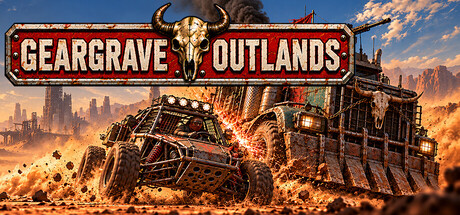
All artwork, music, and sound effects in Geargrave Outlands were created with generative AI tools (images: OpenAI image models; music: Suno; sound effects: ElevenLabs) and then selected, edited, and integrated by the developer. Story text was written with AI assistance and edited by the developer. All translations were produced with AI assistance. All of this content is pre-generated and ships as fixed files. The game does not generate any content with AI while you play.
Generative AI assisted with some story illustrations and narrative text, as well as store artwork and icons. These materials were reviewed, edited and arranged during development. All content is pre-generated; the game does not connect to AI services or generate content during gameplay.
The voices, music and sound effects were generated with AI audio tools (ElevenLabs) and then edited and mixed by the developer. The 3D world and the game itself were built with the help of an AI coding assistant. The trailers' narration also uses AI-generated voices. Nothing is generated by AI while you play.
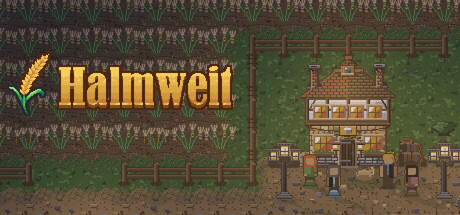
Halmweit is a one-person project, and I've had a little help from some tools along the way. AI helped with writing and translating the texts and with programming. What goes into the game is my decision. The music was written by hand by a composer. While you play, the game doesn't generate anything with AI.
Game contains AI generated code. Some icons. logos, marketing assets or placeholders may be AI generated. In-game screenshots and footage are displayed as-is and are unaltered by AI.
This game contains pre-generated AI content, all reviewed and edited by the developer:
- Voice acting: every radio and PA line, in English and Turkish, is text-to-speech generated with ElevenLabs.
- Audio: most sound effects and the three music beds were generated with ElevenLabs.
- 3D art: some organic growth props were shaped with an image-to-3D pipeline (SDXL + Hunyuan3D), then UV-unwrapped, baked and finished by hand in Blender.
- 2D art: the still images in the narrated opening were made with an image model.
The game generates nothing with AI while it runs. The trailer, screenshots and capsule art on this page are in-game footage and in-engine captures.
Portions of this game's art assets (2D sprites and background illustrations) were created with the assistance of generative AI tools, then manually reviewed and edited by our team. All game code, gameplay systems, game design and sound effects were made by humans. No AI-generated content is produced at runtime.
Sound effects, some character voices and music in the game were made with generative AI tools (ElevenLabs). Everything is pre-generated during development; nothing is generated while you play.
AI-powered image generation tools were used to create the game's visual elements, including character and environment images. AI tools were also used to support translations into multiple languages.
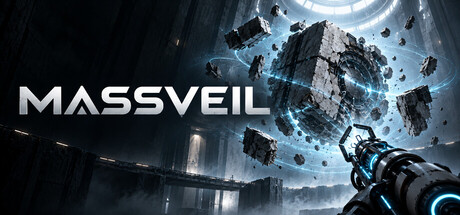
Generative AI tools are used during the development of MASSVEIL to assist with the creation and refinement of certain pre-generated materials, including selected visual elements, sound effects, voice lines, and text content.
All AI-assisted content is reviewed and, where necessary, edited by the developer before being included in the game.
Generative AI is not used to create new content during gameplay, and the game does not connect to third-party AI services while running.
Generative AI was used to help write the text in the game and on the store page, including their translations. The game does not generate any AI content during play.
Includes prerecorded AI-generated enemy voices, AI-generated promotional artwork in the Steam assets and trailer, and AI-assisted store-page translations awaiting native review. No AI content is generated during gameplay.
Generative AI was used during development to assist with the creation and refinement of some visual assets, marketing materials and localizations. No content is generated by AI during gameplay.
The developer used generative AI to help write and translate (Japanese to English) the in-game and store page text. All text was reviewed and edited by the developer. No graphics, sound or music in the game are AI-generated, and no content is generated by AI while playing.
The images in this game (in-game assets and store artwork) were created with image-generation AI, then selected and edited by a human. The original draft of the scenario and dialogue was written with Google Gemini, and the implementation and dialogue revisions were done with Claude Code (Anthropic). All of it was supervised and tested by a human. No content is generated by AI while the game is running.
The translations used on the current store page and in the upcoming demo were created using generative AI. For the full release, these translations will be reviewed by human translators or replaced with complete human translations, and we will faithfully announce any changes.
All other artwork, sound, and narrative in the game are created entirely by the developer.
Generative AI was used only as a supporting tool, for language translation and for UI support. Only one in-game object was created with AI: the statue in the middle of the shop. Everything else was produced by our team.
Generative AI tools were used during development to help create some visual assets and branding. Some music and sound effects were developed with AI-assisted composition and procedural sound synthesis. Store screenshots and gameplay video are captured from the game. These assets are prepared before release.
Pre-generated voice audio in the game was created using VOICEPEAK speech synthesis. Generative AI was used for brainstorming and idea development during scenario creation. No AI-generated artwork or visual assets are used in the game.
Generative AI was used during development to help create visual assets, including textures and 3D models, as well as music, in-game text, including fictional film titles and catalog descriptions, and translations. AI tools were also used to create store and promotional artwork. All such content was created in advance. The game does not generate AI content during gameplay or connect to external AI services.
AI tools assisted in developing some procedural animations and sound effects. These elements were reviewed and refined to match the game’s artistic direction.
All in-game graphical assets were handcrafted by artists.
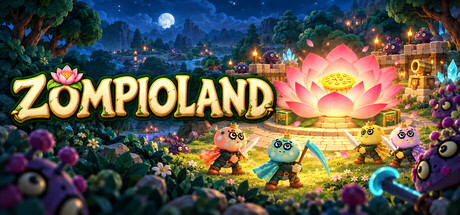
OpenAI's ChatGPT and Codex, including image-generation tools accessed through them, were used during the development of Zompioland. AI-assisted work includes programming and development scripts, code used to construct procedural 3D models and visual effects, interface elements, localization, and written in-game text.
AI assistance was also used to create and prepare pre-generated Steam marketing materials, including capsule and library artwork, header graphics, the game logo, store-page text, and the trailer's planning, titles, and editing. The trailer's gameplay footage was captured from the actual game. Steam gameplay screenshots are direct captures of the game, while AI-assisted promotional artwork is presented as store graphics rather than gameplay screenshots.
The developer reviewed, edited, tested, and integrated the AI-assisted work. Some models and effects are assembled while the game runs by conventional game code; this is not live generative AI. Zompioland does not connect to a generative AI service or use a generative AI model to create new content during gameplay.
All game artwork is designed by hand and refined by our art team. AI-assisted tools in Adobe Photoshop, including generative completion, were used to support adjustments to approximately 5% of the game’s artwork. All AI-assisted elements were reviewed and adjusted by the art team to ensure consistency with the game’s artistic direction.
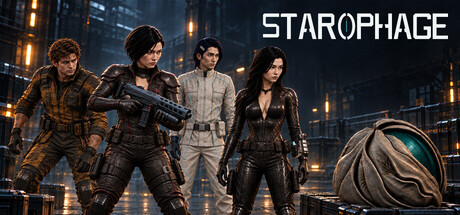
We use generative AI tools as part of STAROPHAGE’s content creation workflow. The final content is selected, refined, and integrated under our development team’s creative direction.
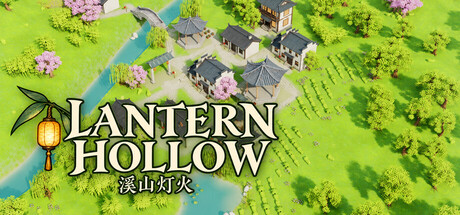
Generative AI tools were used during development to create some 3D models and textures, including buildings, vegetation, rocks and animals, as well as some menu backgrounds, interface artwork and store artwork. These assets were selected, edited, optimized and integrated during development. The game does not generate AI content during play or connect to an external AI service.
An AI-generated sketch is used as a starting point. Everything else is made by a human: every shipped image is redrawn and retouched by hand, and the code, game design and texts are written by the developer.
AI tools assisted in creating and revising the ending illustrations, narrative and explanatory text, English localization, and some visuals and sound effects produced through code. AI tools also assisted with store descriptions and promotional artwork. The game contains fixed, completed content and does not generate new content or connect to external AI services during play.
Generative AI was used for some background and crystal artwork, and assisted with interface and store text localization. These assets are prepared before release. The game does not generate content or connect to AI services during play.
AI was used in assisiting to create the VFX, trailer music, localisation and concept art.
All generated material was reviewed, refined and integrated by the developers before use.
Generative AI tools assisted with pre-generated game content, including text and localization, and with store artwork and marketing text. The game uses prepared content. It does not generate content with AI during gameplay or connect to external AI services.
This game uses AI as a writing assistant during development. The story, characters, world, game systems, and overall creative direction are original work by the developer, drawn from personal experience and extensive planning. AI was used to help draft, translate, edit, and refine dialogue based on the developer's outlines, ideas, and direction, with the developer reviewing, revising, and making final creative decisions on all text that appears in the game. AI was not used to generate any art, music, or audio assets.
Generative AI tools were used to help create some visual assets, animated effects, text and translations in the game and its store materials. These assets were prepared in advance and integrated by the developer. The game does not generate AI content during gameplay. Generative AI was also used to create some music and sound effects for the trailers.
Generative AI was used during development to create artwork, UI and promotional assets, as well as audio content, including character voices. AI tools also assisted with writing and refining the game’s code. All AI-generated content is pre-generated; HEARTRIFT does not generate content or code with AI during gameplay or connect to an external AI service.
The game's code, in-game text (item names, objectives, story) and synthesized sound effects were created with the help of an AI coding assistant and reviewed by the developer. Store and library art is composed from in-game screenshots. 3D models, textures, music and recorded sound effects are human-made CC0 assets (Kenney, Poly Haven, OpenGameArt).
AI Disclosure:
This game was made with the help of Artificial Intelligence LLM Models. The studio takes transparency seriously, so if the community would like to ask questions, get clarity, or voice concerns over this, please reach out to the development team on our Discord or launch website.
All artwork, music, and sound effects in Geargrave Outlands were created with generative AI tools (images: OpenAI image models; music: Suno; sound effects: ElevenLabs) and then selected, edited, and integrated by the developer. Story text was written with AI assistance and edited by the developer. All translations were produced with AI assistance. All of this content is pre-generated and ships as fixed files. The game does not generate any content with AI while you play.
Generative AI assisted with some story illustrations and narrative text, as well as store artwork and icons. These materials were reviewed, edited and arranged during development. All content is pre-generated; the game does not connect to AI services or generate content during gameplay.
The voices, music and sound effects were generated with AI audio tools (ElevenLabs) and then edited and mixed by the developer. The 3D world and the game itself were built with the help of an AI coding assistant. The trailers' narration also uses AI-generated voices. Nothing is generated by AI while you play.
Halmweit is a one-person project, and I've had a little help from some tools along the way. AI helped with writing and translating the texts and with programming. What goes into the game is my decision. The music was written by hand by a composer. While you play, the game doesn't generate anything with AI.
Game contains AI generated code. Some icons. logos, marketing assets or placeholders may be AI generated. In-game screenshots and footage are displayed as-is and are unaltered by AI.
This game contains pre-generated AI content, all reviewed and edited by the developer:
- Voice acting: every radio and PA line, in English and Turkish, is text-to-speech generated with ElevenLabs.
- Audio: most sound effects and the three music beds were generated with ElevenLabs.
- 3D art: some organic growth props were shaped with an image-to-3D pipeline (SDXL + Hunyuan3D), then UV-unwrapped, baked and finished by hand in Blender.
- 2D art: the still images in the narrated opening were made with an image model.
The game generates nothing with AI while it runs. The trailer, screenshots and capsule art on this page are in-game footage and in-engine captures.
Portions of this game's art assets (2D sprites and background illustrations) were created with the assistance of generative AI tools, then manually reviewed and edited by our team. All game code, gameplay systems, game design and sound effects were made by humans. No AI-generated content is produced at runtime.
Sound effects, some character voices and music in the game were made with generative AI tools (ElevenLabs). Everything is pre-generated during development; nothing is generated while you play.
AI-powered image generation tools were used to create the game's visual elements, including character and environment images. AI tools were also used to support translations into multiple languages.
Generative AI tools are used during the development of MASSVEIL to assist with the creation and refinement of certain pre-generated materials, including selected visual elements, sound effects, voice lines, and text content.
All AI-assisted content is reviewed and, where necessary, edited by the developer before being included in the game.
Generative AI is not used to create new content during gameplay, and the game does not connect to third-party AI services while running.
Generative AI was used to help write the text in the game and on the store page, including their translations. The game does not generate any AI content during play.
Includes prerecorded AI-generated enemy voices, AI-generated promotional artwork in the Steam assets and trailer, and AI-assisted store-page translations awaiting native review. No AI content is generated during gameplay.
Generative AI was used during development to assist with the creation and refinement of some visual assets, marketing materials and localizations. No content is generated by AI during gameplay.
The developer used generative AI to help write and translate (Japanese to English) the in-game and store page text. All text was reviewed and edited by the developer. No graphics, sound or music in the game are AI-generated, and no content is generated by AI while playing.
The images in this game (in-game assets and store artwork) were created with image-generation AI, then selected and edited by a human. The original draft of the scenario and dialogue was written with Google Gemini, and the implementation and dialogue revisions were done with Claude Code (Anthropic). All of it was supervised and tested by a human. No content is generated by AI while the game is running.
The translations used on the current store page and in the upcoming demo were created using generative AI. For the full release, these translations will be reviewed by human translators or replaced with complete human translations, and we will faithfully announce any changes.
All other artwork, sound, and narrative in the game are created entirely by the developer.
Generative AI was used only as a supporting tool, for language translation and for UI support. Only one in-game object was created with AI: the statue in the middle of the shop. Everything else was produced by our team.
Generative AI tools were used during development to help create some visual assets and branding. Some music and sound effects were developed with AI-assisted composition and procedural sound synthesis. Store screenshots and gameplay video are captured from the game. These assets are prepared before release.
Pre-generated voice audio in the game was created using VOICEPEAK speech synthesis. Generative AI was used for brainstorming and idea development during scenario creation. No AI-generated artwork or visual assets are used in the game.
Generative AI was used during development to help create visual assets, including textures and 3D models, as well as music, in-game text, including fictional film titles and catalog descriptions, and translations. AI tools were also used to create store and promotional artwork. All such content was created in advance. The game does not generate AI content during gameplay or connect to external AI services.
AI tools assisted in developing some procedural animations and sound effects. These elements were reviewed and refined to match the game’s artistic direction.
All in-game graphical assets were handcrafted by artists.
OpenAI's ChatGPT and Codex, including image-generation tools accessed through them, were used during the development of Zompioland. AI-assisted work includes programming and development scripts, code used to construct procedural 3D models and visual effects, interface elements, localization, and written in-game text.
AI assistance was also used to create and prepare pre-generated Steam marketing materials, including capsule and library artwork, header graphics, the game logo, store-page text, and the trailer's planning, titles, and editing. The trailer's gameplay footage was captured from the actual game. Steam gameplay screenshots are direct captures of the game, while AI-assisted promotional artwork is presented as store graphics rather than gameplay screenshots.
The developer reviewed, edited, tested, and integrated the AI-assisted work. Some models and effects are assembled while the game runs by conventional game code; this is not live generative AI. Zompioland does not connect to a generative AI service or use a generative AI model to create new content during gameplay.
All game artwork is designed by hand and refined by our art team. AI-assisted tools in Adobe Photoshop, including generative completion, were used to support adjustments to approximately 5% of the game’s artwork. All AI-assisted elements were reviewed and adjusted by the art team to ensure consistency with the game’s artistic direction.
We use generative AI tools as part of STAROPHAGE’s content creation workflow. The final content is selected, refined, and integrated under our development team’s creative direction.
Generative AI tools were used during development to create some 3D models and textures, including buildings, vegetation, rocks and animals, as well as some menu backgrounds, interface artwork and store artwork. These assets were selected, edited, optimized and integrated during development. The game does not generate AI content during play or connect to an external AI service.
An AI-generated sketch is used as a starting point. Everything else is made by a human: every shipped image is redrawn and retouched by hand, and the code, game design and texts are written by the developer.