








Disclosure
Generative AI was used to create sounds and materials in this game.
- Creator
- HEXIT
- Reviews
- -
- Added
- Sep 28, 2026
Public Steam disclosure research 25,376 disclosures tracked
Search developers’ Steam disclosures, compare classified AI use across games, and follow recorded changes. This index adds cross-game classifications and statistics to statements published on individual store pages.
Code help, debugging and other development work.
Capsule art, trailers and promotional material.
Pre-made art, audio, writing and other game assets.
Interactive or runtime AI features disclosed by the developer.
Groups reflect automatic analysis of public disclosures; mature records are excluded. These counts do not measure AI use across all of Steam. Missing or unclear statements cannot establish whether a game uses AI.
Generative AI was used to create sounds and materials in this game.
We used artificial intelligence to reduce production costs, i.e. localization and the creation of some graphics.
A handful of key art pieces, concept illustrations, and store-page graphics were generated with AI image-generation software to help communicate. This use of AI is limited strictly to marketing materials.
This game contains some images, videos, audio, text, and 3D assets created using generative AI. Generative AI is not used to generate content or code in real time during gameplay.
The game uses AI assisted localization to make the experience accessible to players in different languages.
Localization only.
Texture, Materials, sounds
The developer uses generative AI during development for prototyping (placeholder models/assets), and some current store‑page marketing images are AI‑composed. No generative AI runs during gameplay.
Generative AI tools were used to during development to assist with game code, content, and materials. The game contains no live generative AI interactions and does not generate content during gameplay.
AI tools assisted in developing certain visual and audio elements, design references, and translations. The development team reviewed and finalized all published content.
We use generative AI for localization support. All AI assisted translations are reviewed and edited by human translators before being included in the game.
KAPUT is made by a small team, and we use AI coding assistants as a programming tool during development — to help write, refactor and review parts of the game's code and internal documentation. Every change is reviewed, tested and integrated by our developers, who are responsible for the final result. The game's art, animation, music, sound design and writing are made by the team. No content is generated by AI while you play
Generative AI was used to create some pre-generated artwork for the game's Steam store page and marketing materials. The game itself does not generate AI content during gameplay.
Pre-generated voice-over and minor environmental assets were created using generative AI. All generated content was selected, edited, and integrated by the development team. No generative AI is used during gameplay.
Game logo and steam store page cover art made with ai tools
Generative AI was used to assist in creating marketing graphics including the store capsule art, the game title logo, and the application icon.
For text translations and the creation of individual graphics used for marketing and promotional purposes.
Some of the graphics were inspired from AI references
Some of the UI components were drafted with the help of AI.
Steam store page logo and cover art made with ai tools
Generative AI tools were used during the development of LOCKDOWN to assist in the creation of some artwork and music featured in the game. All AI-assisted content was reviewed, selected, edited, and integrated by the development team. Generative AI is not used to generate content in real time during gameplay.
Some images were created or modified using Gen AI.
The game uses generative AI for some of the artwork on the Steam page and for certain audio content within the game.
Wickwood is made by one developer, and generative AI was used openly in its production. Here is exactly where: - Code: the game's GDScript code, the pixel-drawing scripts and the build/test tools were written with Claude (Anthropic) under the developer's design, direction and review. - Text: the in-game notes and place descriptions, the ending credits and the store page copy were drafted with Claude and edited and approved by the developer. - Music: all music tracks (world, main menu, finale) were generated with Google's Lyria from prompts written by the developer. - Artwork: tilesets, characters and creatures are hand-drawn commercial pixel-art packs (credited in-game), not AI-generated. Some landmark props (the standing stones, the cave interiors, the bunker hatch and similar pieces) were drawn or assembled pixel by pixel by scripts written with Claude, using the palettes and parts of those packs. - Sound effects were sourced from Freesound and Kenney's sound packs. - Store art (capsules, logo, icons) was made by hand; screenshots and video are captured from the game itself. No AI runs during gameplay: nothing is generated live, and the game does not connect to any online AI service.
Some 3D props, textures and ambient voice audio were pre-generated with AI tools during development and then edited by hand. The game does not generate any content with AI while you play.
I built every environment, HUD and system in MOGGED by hand over months. I even placed the individual pingpong balls and the patches of grass myself. But two things did involve AI: A few decals and icons, made for comedic effect. And several voice lines: narrator and NPC barks. If the game does well, I'm hiring proper voice acting. Everything I did not make myself is properly licensed and credited to the people who did.
The promotional poster of the store utilized AI technology.
The background, as well as the mesh and base textures for the Matryoshka dolls, were created entirely by hand. Some of the Matryoshka patterns and the fang meshes were generated using AI, then however directed and revised by humans. AI tools were also used to assist with language localization.
I use AI tools mostly for generating code and audio clips. I also use AI at times for image-editing. I write all the dialogue for the characters - but all the voices inside the game are generated by AI.
Text, some textures
I made Signs then used ai to make multiple designs off my artwork to speed up excess signs, ect
Some character voices in the game were generated using AI voice technology. AI was used only to generate pre-recorded character dialogue. No AI-generated content is created dynamically during gameplay.
Generative AI tools were used during development to assist with and expedite programming and coding tasks.
Spoken dialogue in this game were generated with an AI text-to-speech tool. No AI-generated content is produced at runtime.
it has ai objects
Some objects include generated images such as an X-ray that were added by the objects' creators.
The games code is made by AI, but everything else is made by the creator (story, models, design, animations, some textures and other stuff) and some assets are made by real people NOT AI (credits are in the end of the game)
Some content used in Skeleton Island was created with the assistance of generative AI tools during development. AI-generated or AI-assisted content may include visual assets, promotional materials, text, or other development materials. Generative AI is not used to create new content during gameplay. The game does not generate AI content in real time based on player input.
AI has been used to help develop the game's cover art.
This game is made by a single person. As a solo developer, I use AI tools to speed up certain stages of production, mainly for optimization, generation and assistance tasks: cleaning up and optimizing complex meshes, and sometimes generating them, producing texture bases or shape variations, preparing visual elements for the store page, and handling some repetitive technical passes. These tools let me produce faster and better, on my own, what would normally take an entire team. They do not replace the creative work. Every element that makes up the game is chosen, directed, reworked and finalized by hand. The ideas, the design, the writing, the assembly and the final decisions are entirely my own. In other words: AI helps me build, never to decide in my place. Because in the end, only one thing matters: delivering a real game, and the most intense experience possible in your hands.
Parts this game's visual assets — including concept art, textures, and character portraits — were pre-rendered with generative AI tools during development, then reviewed and hand-integrated by the developer. Store and marketing images were produced the same way. No content is generated by in real time while you play.
Phantom Line: Prologue contains some voices generated by voice synthesizers.
in-game texts, news localization, promotional pictures
Generative AI was used to assist in the creation of some pre-generated visual assets, including character models, props, environmental assets, and textures. All AI-assisted content was reviewed, edited, and integrated into the game by the developer. The game does not generate AI content during gameplay.
Some promotional artwork and store page text were created with the help of generative AI and edited by hand. The game itself does not use AI at runtime and does not connect to any AI service.
The developer uses generative AI tools during the development process to assist in creating pre-generated visual assets, environment textures, and background sound effects. These AI-assisted elements are finalized and integrated into the game's static files to enhance the overall horror atmosphere.
Generative AI tools were used in the development of this game to assist with creating select artwork, writing promotional/store page descriptions, and localization.
Generating general in-game scripts Music Level design In general, the developer uses AI to create like a cubes; ultimately, they decide where to place each cube to build a castle—or, in this case, the video game itself.
Anomaly profile image
We use AI to generate songs
| Title⇅ | Disclosure | Creator⇅ | Src | Reviews⇅ | Added↓ |
|---|---|---|---|---|---|
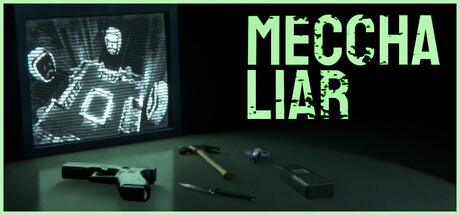 MECCHA LIAR In-game content audioart | Generative AI was used to create sounds and materials in this game. | HEXIT | - | Sep 28, 2026 | |
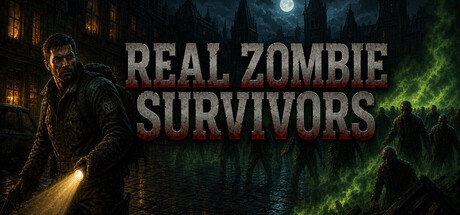 Real Zombie Survivors In-game content arttext | We used artificial intelligence to reduce production costs, i.e. localization and the creation of some graphics. | GAMIKE | - | Sep 28, 2026 | |
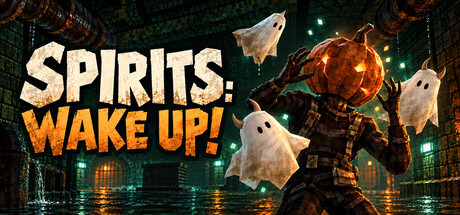 Spirits: Wake Up! Store/marketing art | A handful of key art pieces, concept illustrations, and store-page graphics were generated with AI image-generation software to help communicate. This use of AI is limited strictly to marketing materials. | DodoModo | - | Sep 27, 2026 | |
 チョーリーを探せ! In-game content artaudiotextcode | This game contains some images, videos, audio, text, and 3D assets created using generative AI. Generative AI is not used to generate content or code in real time during gameplay. | wasshon | - | Sep 27, 2026 | |
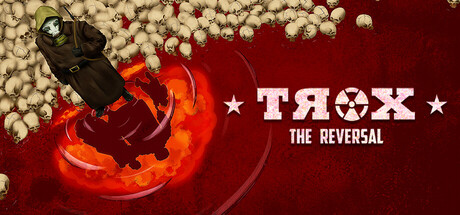 Trox The Reversal In-game content text | The game uses AI assisted localization to make the experience accessible to players in different languages. | TROJAN PRODUCTIONS PRIVATE LIMITED | - | Sep 27, 2026 | |
 Dread Below In-game content text | Localization only. | Run Radiant | - | Sep 27, 2026 | |
 Clinical Memory Unclear artaudio | Texture, Materials, sounds | Zazuna Team | - | Sep 26, 2026 | |
 Astral Inc. Store/marketing art | The developer uses generative AI during development for prototyping (placeholder models/assets), and some current store‑page marketing images are AI‑composed. No generative AI runs during gameplay. | adamjr | - | Sep 26, 2026 | |
 Entity Unknown In-game content arttextcode | Generative AI tools were used to during development to assist with game code, content, and materials. The game contains no live generative AI interactions and does not generate content during gameplay. | Blackbox Interactive | - | Sep 25, 2026 | |
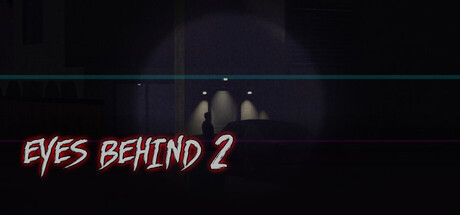 Eyes Behind 2 In-game content artaudiotext | AI tools assisted in developing certain visual and audio elements, design references, and translations. The development team reviewed and finalized all published content. | chambazGames | - | Sep 25, 2026 | |
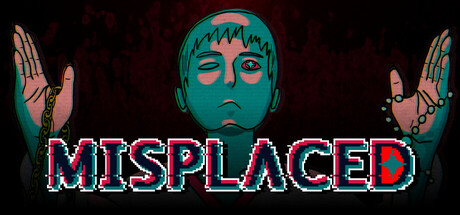 MISPLACED In-game content text | We use generative AI for localization support. All AI assisted translations are reviewed and edited by human translators before being included in the game. | BlueBlackSnake | - | Sep 25, 2026 | |
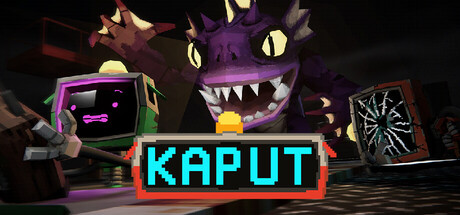 Kaput Dev only code | KAPUT is made by a small team, and we use AI coding assistants as a programming tool during development — to help write, refactor and review parts of the game's code and internal documentation. Every change is reviewed, tested and integrated by our developers, who are responsible for the final result.
The game's art, animation, music, sound design and writing are made by the team. No content is generated by AI while you play | Anima Dream | - | Sep 25, 2026 | |
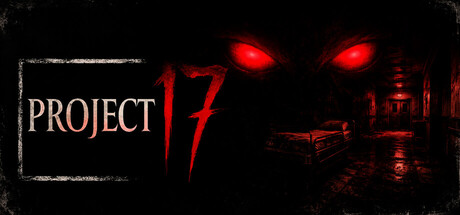 Project 17 Store/marketing art | Generative AI was used to create some pre-generated artwork for the game's Steam store page and marketing materials. The game itself does not generate AI content during gameplay. | Silent Hell | - | Sep 24, 2026 | |
 Pick A Door In-game content audioart | Pre-generated voice-over and minor environmental assets were created using generative AI.
All generated content was selected, edited, and integrated by the development team. No generative AI is used during gameplay. | Lost Tales Studios | - | Sep 24, 2026 | |
 Horror In Santa Land Store/marketing art | Game logo and steam store page cover art made with ai tools | Saylor Games | - | Sep 22, 2026 | |
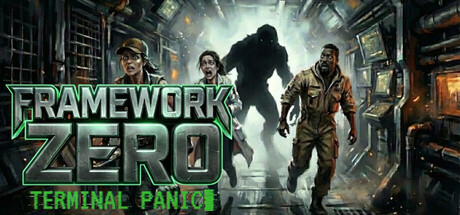 Framework Zero: Terminal Panic In-game content art | Generative AI was used to assist in creating marketing graphics including the store capsule art, the game title logo, and the application icon. | Big Dumb Fun Games | - | Sep 22, 2026 | |
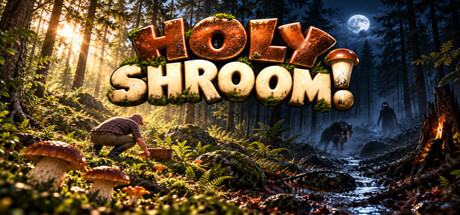 Holy Shroom! Store/marketing arttext | For text translations and the creation of individual graphics used for marketing and promotional purposes. | GameWood | - | Sep 21, 2026 | |
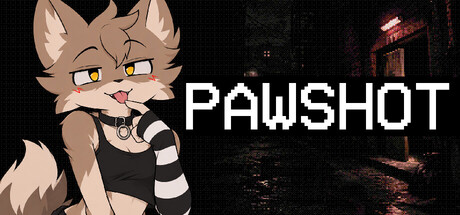 PAWSHOT Unclear art | Some of the graphics were inspired from AI references | DenaZ | - | Sep 19, 2026 | |
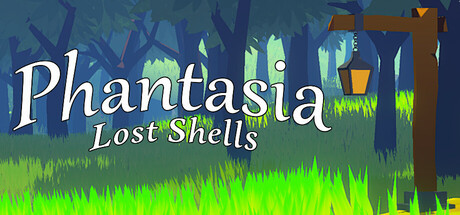 Phantasia: Lost Shells Unclear | Some of the UI components were drafted with the help of AI. | abdek | - | Sep 19, 2026 | |
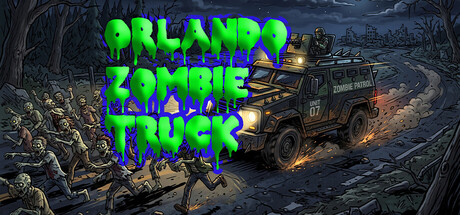 Orlando Zombie Truck Store/marketing art | Steam store page logo and cover art made with ai tools | Saylor Games | - | Sep 19, 2026 | |
 LOCKDOWN In-game content artaudio | Generative AI tools were used during the development of LOCKDOWN to assist in the creation of some artwork and music featured in the game. All AI-assisted content was reviewed, selected, edited, and integrated by the development team. Generative AI is not used to generate content in real time during gameplay. | M1G GAMES STUDIOS | - | Sep 19, 2026 | |
 unknown.exe Unclear art | Some images were created or modified using Gen AI. | STUDIO KOENJI | - | Sep 19, 2026 | |
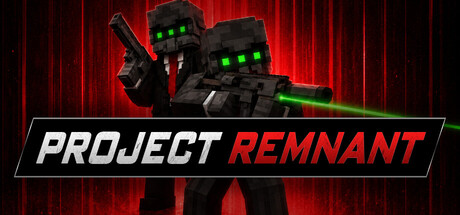 Project Remnant In-game content artaudio | The game uses generative AI for some of the artwork on the Steam page and for certain audio content within the game. | Retro Head Game Studio | - | Sep 19, 2026 | |
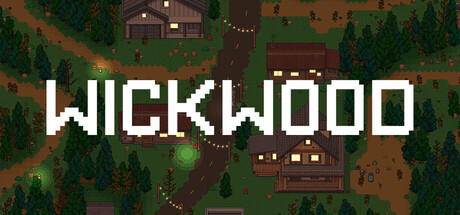 Wickwood In-game content textaudiocode | Wickwood is made by one developer, and generative AI was used openly in its production. Here is exactly where:
- Code: the game's GDScript code, the pixel-drawing scripts and the build/test tools were written with Claude (Anthropic) under the developer's design, direction and review.
- Text: the in-game notes and place descriptions, the ending credits and the store page copy were drafted with Claude and edited and approved by the developer.
- Music: all music tracks (world, main menu, finale) were generated with Google's Lyria from prompts written by the developer.
- Artwork: tilesets, characters and creatures are hand-drawn commercial pixel-art packs (credited in-game), not AI-generated. Some landmark props (the standing stones, the cave interiors, the bunker hatch and similar pieces) were drawn or assembled pixel by pixel by scripts written with Claude, using the palettes and parts of those packs.
- Sound effects were sourced from Freesound and Kenney's sound packs.
- Store art (capsules, logo, icons) was made by hand; screenshots and video are captured from the game itself.
No AI runs during gameplay: nothing is generated live, and the game does not connect to any online AI service. | Renderville Games | - | Sep 18, 2026 | |
 Hasta Agotar Existencias In-game content artaudio | Some 3D props, textures and ambient voice audio were pre-generated with AI tools during development and then edited by hand. The game does not generate any content with AI while you play. | Black and Bald Cats Studios | - | Sep 18, 2026 | |
 MOGGED: Looksmaxx or Die In-game content artaudio | I built every environment, HUD and system in MOGGED by hand over months. I even placed the individual pingpong balls and the patches of grass myself.
But two things did involve AI: A few decals and icons, made for comedic effect. And several voice lines: narrator and NPC barks. If the game does well, I'm hiring proper voice acting.
Everything I did not make myself is properly licensed and credited to the people who did. | Sigma Labs | - | Sep 18, 2026 | |
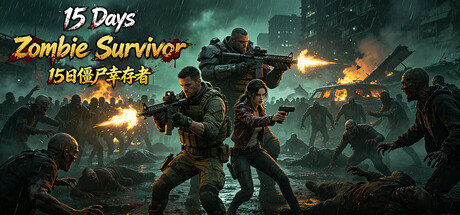 15日僵尸幸存者 Store/marketing art | The promotional poster of the store utilized AI technology. | UUGame1993 | - | Sep 16, 2026 | |
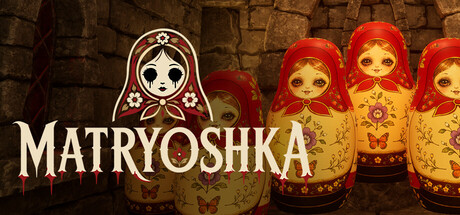 Matryoshka In-game content arttext | The background, as well as the mesh and base textures for the Matryoshka dolls, were created entirely by hand.
Some of the Matryoshka patterns and the fang meshes were generated using AI, then however directed and revised by humans.
AI tools were also used to assist with language localization. | flapper3 | - | Sep 16, 2026 | |
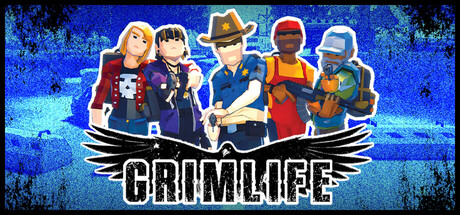 Grimlife In-game content audioarttext | I use AI tools mostly for generating code and audio clips. I also use AI at times for image-editing. I write all the dialogue for the characters - but all the voices inside the game are generated by AI. | Arkitech | - | Sep 13, 2026 | |
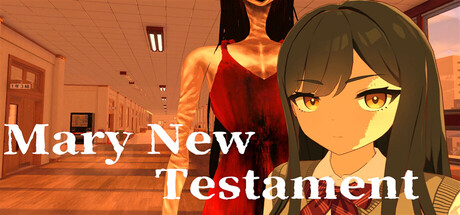 メリーさん New Testament Unclear text | Text, some textures | Hyde | - | Sep 13, 2026 | |
 The Long Freeze In-game content art | I made Signs then used ai to make multiple designs off my artwork to speed up excess signs, ect | Outlaw Games | - | Sep 12, 2026 | |
 Nightmare Horror Investigation In-game content audio | Some character voices in the game were generated using AI voice technology. AI was used only to generate pre-recorded character dialogue. No AI-generated content is created dynamically during gameplay. | AaronMax! Games Studio | - | Sep 12, 2026 | |
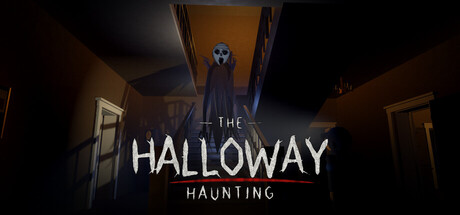 The Halloway Haunting Dev only code | Generative AI tools were used during development to assist with and expedite programming and coding tasks. | New Bones Studios | - | Sep 12, 2026 | |
 Monstaurant In-game content audio | Spoken dialogue in this game were generated with an
AI text-to-speech tool. No AI-generated content is produced at runtime. | pixelraster | - | Sep 12, 2026 | |
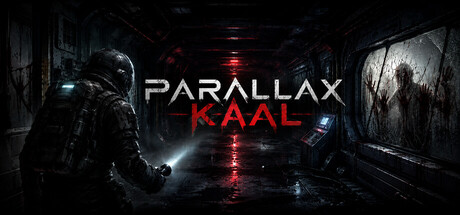 Parallax Kaal In-game content | it has ai objects | Cosmic Snow | - | Sep 12, 2026 | |
 IMITATORS In-game content art | Some objects include generated images such as an X-ray that were added by the objects' creators. | ryazvp | - | Sep 12, 2026 | |
 MaskloZoophic Sessions Dev only code | The games code is made by AI, but everything else is made by the creator (story, models, design, animations, some textures and other stuff) and some assets are made by real people NOT AI (credits are in the end of the game) | Fabian Martinez | - | Sep 10, 2026 | |
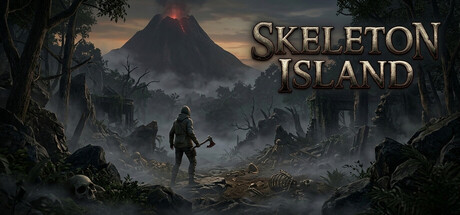 Skeleton Island Store/marketing arttext | Some content used in Skeleton Island was created with the assistance of generative AI tools during development. AI-generated or AI-assisted content may include visual assets, promotional materials, text, or other development materials.
Generative AI is not used to create new content during gameplay. The game does not generate AI content in real time based on player input. | Рябец Артём | - | Sep 10, 2026 | |
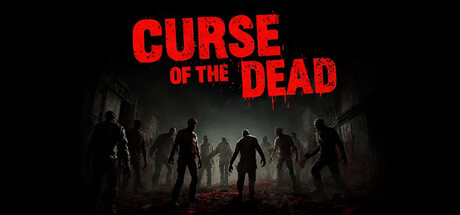 Curse of the Dead Store/marketing art | AI has been used to help develop the game's cover art. | Hard Shark Games | - | Sep 9, 2026 | |
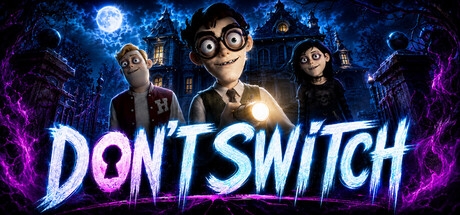 DON'T SWITCH In-game content art | This game is made by a single person. As a solo developer, I use AI tools to speed up certain stages of production, mainly for optimization, generation and assistance tasks: cleaning up and optimizing complex meshes, and sometimes generating them, producing texture bases or shape variations, preparing visual elements for the store page, and handling some repetitive technical passes.
These tools let me produce faster and better, on my own, what would normally take an entire team. They do not replace the creative work. Every element that makes up the game is chosen, directed, reworked and finalized by hand. The ideas, the design, the writing, the assembly and the final decisions are entirely my own.
In other words: AI helps me build, never to decide in my place. Because in the end, only one thing matters: delivering a real game, and the most intense experience possible in your hands. | Cold Narrative | - | Sep 9, 2026 | |
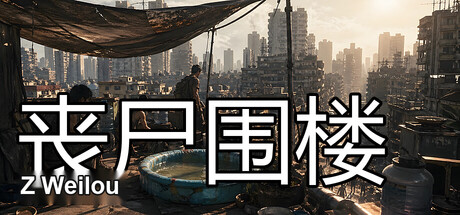 丧尸围楼 In-game content art | Parts this game's visual assets — including concept art, textures, and character portraits — were pre-rendered with generative AI tools during development, then reviewed and hand-integrated by the developer. Store and marketing images were produced the same way. No content is generated by in real time while you play. | 唐華漢 | - | Sep 7, 2026 | |
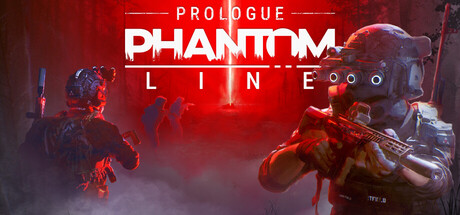 Phantom Line: Prologue In-game content audio | Phantom Line: Prologue contains some voices generated by voice synthesizers. | Antistatic Studios Inc | - | Sep 7, 2026 | |
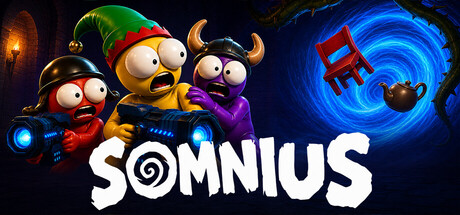 SOMNIUS In-game content textart | in-game texts, news localization, promotional pictures | STFGames | - | Sep 7, 2026 | |
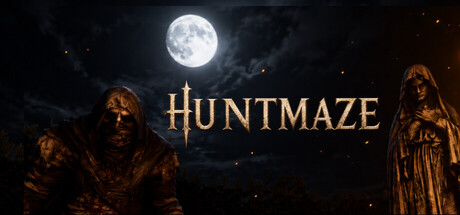 HUNTMAZE In-game content art | Generative AI was used to assist in the creation of some pre-generated visual assets, including character models, props, environmental assets, and textures. All AI-assisted content was reviewed, edited, and integrated into the game by the developer. The game does not generate AI content during gameplay. | Creative Nightmares | - | Sep 6, 2026 | |
 FEEDSTOCK text | Some promotional artwork and store page text were created with the help of
generative AI and edited by hand. The game itself does not use AI at runtime
and does not connect to any AI service. | Ahaha studio | - | Sep 6, 2026 | |
 Puppet Mall: Chapter 1 In-game content artaudio | The developer uses generative AI tools during the development process to assist in creating pre-generated visual assets, environment textures, and background sound effects. These AI-assisted elements are finalized and integrated into the game's static files to enhance the overall horror atmosphere. | kiviGames | - | Sep 6, 2026 | |
 Rush Hour of the Dead In-game content arttext | Generative AI tools were used in the development of this game to assist with creating select artwork, writing promotional/store page descriptions, and localization. | One64 Games | - | Sep 6, 2026 | |
 GUN GOTHICA In-game content textaudio | Generating general in-game scripts
Music
Level design
In general, the developer uses AI to create like a cubes; ultimately, they decide where to place each cube to build a castle—or, in this case, the video game itself. | GERMAN CANTU | - | Sep 5, 2026 | |
 AnomalyVault Store/marketing art | Anomaly profile image | PostSIM | - | Sep 4, 2026 | |
 Panchito Delivery: Project Elevator In-game content audio | We use AI to generate songs | Pigeon-G | - | Sep 4, 2026 |


