Public Steam disclosure research25,376 disclosures tracked
Where do games disclose AI use?
Search developers’ Steam disclosures, compare classified AI use across
games, and follow recorded changes.
This index adds cross-game classifications and statistics to
statements published on individual store pages.
Groups reflect automatic analysis of public disclosures; mature records are excluded. These counts do not measure AI use across all of Steam.
Missing or unclear statements cannot establish whether a game uses AI.
Generative AI was used during development to create some character models and visual assets, promotional artwork, and to assist with text and localization. These assets are prepared in advance and included with the game or its store and marketing materials. No AI-generated content is created during gameplay, and the game does not connect to external generative AI services.
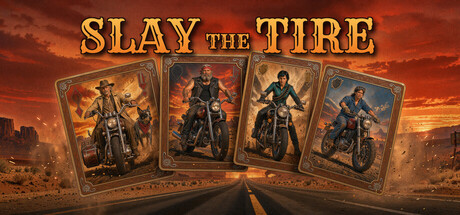
Slay the Tire combines original human authorship with generative AI tools. I designed and wrote the game, its locations, and gameplay. AI assisted with visual assets, including card art, textures, 3D models, scenery, and marketing artwork, as well as audio production and store text. The soundtrack began as music I composed and performed on instruments, then used Suno for styling, orchestration, and production. All content is prepared during development; no AI content is generated during gameplay.
Some of the images on our store page were created by artificial intelligence and edits were made on the images. and some images in the game were made by artificial intelligence.
This game's 3D models, music, sound effects, and in-game text (dialogue, item names and descriptions) were created with the help of generative AI, under the developer's direction and review. The store images and trailer use this in-game content.
Generative AI tools were used to create promotional artwork for the Steam store and to assist with in-game localization. The game does not generate AI content during gameplay. Gameplay screenshots and gameplay footage were captured in the game.
Generative AI was used during development to create some vegetation textures and to assist with in-game text, quest descriptions, and store copy. This content is prepared in advance and included with the game. The game does not generate AI content during gameplay or connect to third-party AI services.
The 3D character models and their textures in this game were created using a generative AI tool (Tripo AI), based on original images prepared by the developer. ChatGPT / DALL·E were also used to create UI icons, background art (sky and grass), and some textures. All generated results were reviewed and adjusted by the developer before being included in the game. The game does not generate any AI content at runtime.
No art, audio, levels, or other authored game content was created using generative AI.
However, a small local AI model runs during gameplay to interpret the player's commands and control the character accordingly. Rest assured, it's dumb as a rock. It won't take over the world or your computer. It can barely take over the test subject.
AI was used as an interface and scripting assistant for industry standard tools such as Reaper, Godot, Blender, Aseprite, and Deepl for enhancing the quality and consistency of the game content and building systems I otherwise would not have the capacity to design and implement as solo developer.
Where possible, artists are and will continue to be supported via use of their paid or free assets. For this game, the most money spent was on Quaternius source level packages.
Notable exception to this is the UI, which was generated using RetroDiffusion with a python pipeline built in house for consistent design around UI elements using color normalization and targeting from a theme palette, which is then imported and tweaked in Godot.
Some pre-generated assets were created with generative AI tools and then reviewed and edited by the developer: chapter illustrations and mission background images shown in the menus, some badge (achievement) artwork, four mission-category icons, and six short cockpit voice alerts (text-to-speech). Gameplay, terrain, aircraft models, flight physics, mission design, and all in-game text were authored by the developer. The game does not generate any content at runtime.
Generative AI tools may be used during development to assist in creating certain pre-generated visual, written, audio, or marketing content. All such content is reviewed and curated by the development team before inclusion. The game does not use generative AI to generate content during gameplay.
Some character illustrations and 3D character models were created with the assistance of generative AI during development. The generated assets were manually edited, refined, and integrated into the game's final content by the developer. No generative AI is used to create new content in real time during gameplay.
Choban uses generative AI to power conversations and interactions with certain NPCs. AI-generated dialogue is used to create more natural, dynamic, and context-aware responses during gameplay. All core gameplay systems, quests, progression, world generation, and game mechanics are designed by the developers and are not generated by AI. AI is used solely to enhance NPC interactions and player immersion.
Generative AI was used to assist with translating and localizing the Steam store page into additional languages. Generative AI is not used during gameplay.
During the development process, our team may utilize AI-based tools in a limited, supplementary capacity to support content creation. This includes the creation of certain 2D prop assets and soundtrack pieces, as well as the localization of some languages. In all cases, the final touches and quality review were carried out by our own team, and the final product reflects our team's creativity and artistic expression.
AI helped create promotional artwork and the main-menu background illustration, and draft the story, dialogue and Korean and English store descriptions. These assets are pre-generated; no AI content is generated or external AI service used during gameplay.
Some sound effects were generated with AI tools (ElevenLabs) and the in-game radio songs were generated with AI (Suno), under commercial licenses, then selected, edited and mixed by the developer. All visuals (3D models, textures, grass, logo, store art), gameplay and writing are made by the developer.
Sound effects and music were created with AI audio tools (ElevenLabs) and selected and edited by the developer. Parts of the in-game text, villager dialogue and translations were written with the help of AI and reviewed by the developer. AI coding assistants were used during development, including scripts that build the game's 3D models. No AI generates content while you play.
Swarm Below was built with help from an AI assistant. Its 3D models (built by scripts in Blender), its synthesized music and sound effects, and parts of the store page text and art were created with AI assistance under the developer's direction. Nothing is generated by AI while you play.
Alpine Fall uses generative AI tools during development to assist with the creation of pre-generated visual, 3D, voice/audio, cinematic, and promotional content. All AI-assisted content is reviewed, curated, and integrated by the developer before inclusion in the game or its marketing materials. The game does not generate AI content during gameplay.
Pre-generated AI content was used for some menu and HUD artwork, promotional images, and recorded narrator and radio voice clips. These assets were reviewed and integrated during development. The game does not generate AI content at runtime or connect to external AI services.
Generative AI was used during development to assist with the creation and refinement of some promotional artwork and marketing assets. AI tools were also used as part of the development workflow for coding assistance and troubleshooting. The game does not generate AI content during gameplay.
Generative AI tools were used during development to create visual references and assist with the creation of some 3D assets. AI-generated outputs used as source material were further edited, refined, or integrated by the developer before inclusion in the game. Generative AI may also be used to create or assist with some music, sound, and localization assets, with outputs reviewed and edited before inclusion. No generative AI is used at runtime.
Korsaros Online uses a hybrid creative workflow combining generative AI tools with manual editing and integration for some artwork, 3D models, and music, including Steam marketing assets. These assets are reviewed before inclusion.
HearthMoon uses AI to generate NPC dialogue during gameplay and synthesize NPC voices. Spoken input is transcribed so villagers and the dragon companion can respond to the player. AI-assisted artwork and writing are also used in development and in store-page marketing. Conversations are experimental and responses may be inconsistent.
Generative AI was used during development to assist in creating some 2D art/UI assets and Steam store promotional materials. All related content was reviewed and adjusted by the developer.
Generative AI tools were used during development to assist in creating select assets, including a character's voiceover audio, UI design elements, and specific artwork. All generated content was manually edited, refined, and integrated by the developer to ensure quality and stylistic consistency.
Some of the game's content was created with the help of generative AI tools and then reviewed and integrated by the developer: several 3D models and their textures, the logo and key art, some of the music and voices, and the English translation of the game's text. All of it is pre-generated: the game does not generate anything with AI while you play.
The use of generative AI in this title is limited exclusively to technical assistance for the creation of secondary environmental textures and background patterns. The art direction, the design of all main characters, and the vast majority of visual elements have been handcrafted by our development team.
The track announcer and color commentator voices, including the horse-name calls, use AI text-to-speech voices (ElevenLabs), pre-generated during development and built into the game - no AI voice generation happens while you play. All game design, race simulation, wagering math, career systems, UI, code, and the horse and track roster were built by the developer.
This game contains content created with the assistance of AI tools. AI was used during development to assist with programming, visual assets, and other creative elements. All generated content was reviewed, edited, and integrated by the dev.
Generative AI was used to assist with writing and translating in-game text and Steam store page descriptions. It was not used to generate artwork, music, sound effects, voice acting, or promotional visuals.
I’m developing FlyFuture as a solo developer and use AI tools to assist with troubleshooting, programming, design, and optimization. On top of this, there will be planes in the future that are commandable through OpenAi's Speech to command functions...similar to now and not so far future aerial combat usage of unmanned wingman jets.
I don’t agree with many of the ways AI is being used, and I understand why people have concerns about it. I believe AI should should be used as a tool and not to take over entire workloads, replace creative judgment, or become a shortcut for producing unoriginal work. Used thoughtfully, though, I think it can be a valuable tool...which is how I use it.
Generative AI was used during development to create some character models and visual assets, promotional artwork, and to assist with text and localization. These assets are prepared in advance and included with the game or its store and marketing materials. No AI-generated content is created during gameplay, and the game does not connect to external generative AI services.
Slay the Tire combines original human authorship with generative AI tools. I designed and wrote the game, its locations, and gameplay. AI assisted with visual assets, including card art, textures, 3D models, scenery, and marketing artwork, as well as audio production and store text. The soundtrack began as music I composed and performed on instruments, then used Suno for styling, orchestration, and production. All content is prepared during development; no AI content is generated during gameplay.
Some of the images on our store page were created by artificial intelligence and edits were made on the images. and some images in the game were made by artificial intelligence.
This game's 3D models, music, sound effects, and in-game text (dialogue, item names and descriptions) were created with the help of generative AI, under the developer's direction and review. The store images and trailer use this in-game content.
Generative AI tools were used to create promotional artwork for the Steam store and to assist with in-game localization. The game does not generate AI content during gameplay. Gameplay screenshots and gameplay footage were captured in the game.
Generative AI was used during development to create some vegetation textures and to assist with in-game text, quest descriptions, and store copy. This content is prepared in advance and included with the game. The game does not generate AI content during gameplay or connect to third-party AI services.
The 3D character models and their textures in this game were created using a generative AI tool (Tripo AI), based on original images prepared by the developer. ChatGPT / DALL·E were also used to create UI icons, background art (sky and grass), and some textures. All generated results were reviewed and adjusted by the developer before being included in the game. The game does not generate any AI content at runtime.
No art, audio, levels, or other authored game content was created using generative AI.
However, a small local AI model runs during gameplay to interpret the player's commands and control the character accordingly. Rest assured, it's dumb as a rock. It won't take over the world or your computer. It can barely take over the test subject.
AI was used as an interface and scripting assistant for industry standard tools such as Reaper, Godot, Blender, Aseprite, and Deepl for enhancing the quality and consistency of the game content and building systems I otherwise would not have the capacity to design and implement as solo developer.
Where possible, artists are and will continue to be supported via use of their paid or free assets. For this game, the most money spent was on Quaternius source level packages.
Notable exception to this is the UI, which was generated using RetroDiffusion with a python pipeline built in house for consistent design around UI elements using color normalization and targeting from a theme palette, which is then imported and tweaked in Godot.
Some pre-generated assets were created with generative AI tools and then reviewed and edited by the developer: chapter illustrations and mission background images shown in the menus, some badge (achievement) artwork, four mission-category icons, and six short cockpit voice alerts (text-to-speech). Gameplay, terrain, aircraft models, flight physics, mission design, and all in-game text were authored by the developer. The game does not generate any content at runtime.
Generative AI tools may be used during development to assist in creating certain pre-generated visual, written, audio, or marketing content. All such content is reviewed and curated by the development team before inclusion. The game does not use generative AI to generate content during gameplay.
Some character illustrations and 3D character models were created with the assistance of generative AI during development. The generated assets were manually edited, refined, and integrated into the game's final content by the developer. No generative AI is used to create new content in real time during gameplay.
Choban uses generative AI to power conversations and interactions with certain NPCs. AI-generated dialogue is used to create more natural, dynamic, and context-aware responses during gameplay. All core gameplay systems, quests, progression, world generation, and game mechanics are designed by the developers and are not generated by AI. AI is used solely to enhance NPC interactions and player immersion.
Generative AI was used to assist with translating and localizing the Steam store page into additional languages. Generative AI is not used during gameplay.
During the development process, our team may utilize AI-based tools in a limited, supplementary capacity to support content creation. This includes the creation of certain 2D prop assets and soundtrack pieces, as well as the localization of some languages. In all cases, the final touches and quality review were carried out by our own team, and the final product reflects our team's creativity and artistic expression.
AI helped create promotional artwork and the main-menu background illustration, and draft the story, dialogue and Korean and English store descriptions. These assets are pre-generated; no AI content is generated or external AI service used during gameplay.
Some sound effects were generated with AI tools (ElevenLabs) and the in-game radio songs were generated with AI (Suno), under commercial licenses, then selected, edited and mixed by the developer. All visuals (3D models, textures, grass, logo, store art), gameplay and writing are made by the developer.
Sound effects and music were created with AI audio tools (ElevenLabs) and selected and edited by the developer. Parts of the in-game text, villager dialogue and translations were written with the help of AI and reviewed by the developer. AI coding assistants were used during development, including scripts that build the game's 3D models. No AI generates content while you play.
Swarm Below was built with help from an AI assistant. Its 3D models (built by scripts in Blender), its synthesized music and sound effects, and parts of the store page text and art were created with AI assistance under the developer's direction. Nothing is generated by AI while you play.
Alpine Fall uses generative AI tools during development to assist with the creation of pre-generated visual, 3D, voice/audio, cinematic, and promotional content. All AI-assisted content is reviewed, curated, and integrated by the developer before inclusion in the game or its marketing materials. The game does not generate AI content during gameplay.
Pre-generated AI content was used for some menu and HUD artwork, promotional images, and recorded narrator and radio voice clips. These assets were reviewed and integrated during development. The game does not generate AI content at runtime or connect to external AI services.
Generative AI was used during development to assist with the creation and refinement of some promotional artwork and marketing assets. AI tools were also used as part of the development workflow for coding assistance and troubleshooting. The game does not generate AI content during gameplay.
Generative AI tools were used during development to create visual references and assist with the creation of some 3D assets. AI-generated outputs used as source material were further edited, refined, or integrated by the developer before inclusion in the game. Generative AI may also be used to create or assist with some music, sound, and localization assets, with outputs reviewed and edited before inclusion. No generative AI is used at runtime.
Korsaros Online uses a hybrid creative workflow combining generative AI tools with manual editing and integration for some artwork, 3D models, and music, including Steam marketing assets. These assets are reviewed before inclusion.
HearthMoon uses AI to generate NPC dialogue during gameplay and synthesize NPC voices. Spoken input is transcribed so villagers and the dragon companion can respond to the player. AI-assisted artwork and writing are also used in development and in store-page marketing. Conversations are experimental and responses may be inconsistent.
Generative AI was used during development to assist in creating some 2D art/UI assets and Steam store promotional materials. All related content was reviewed and adjusted by the developer.
Generative AI tools were used during development to assist in creating select assets, including a character's voiceover audio, UI design elements, and specific artwork. All generated content was manually edited, refined, and integrated by the developer to ensure quality and stylistic consistency.
Some of the game's content was created with the help of generative AI tools and then reviewed and integrated by the developer: several 3D models and their textures, the logo and key art, some of the music and voices, and the English translation of the game's text. All of it is pre-generated: the game does not generate anything with AI while you play.
The use of generative AI in this title is limited exclusively to technical assistance for the creation of secondary environmental textures and background patterns. The art direction, the design of all main characters, and the vast majority of visual elements have been handcrafted by our development team.
The track announcer and color commentator voices, including the horse-name calls, use AI text-to-speech voices (ElevenLabs), pre-generated during development and built into the game - no AI voice generation happens while you play. All game design, race simulation, wagering math, career systems, UI, code, and the horse and track roster were built by the developer.
This game contains content created with the assistance of AI tools. AI was used during development to assist with programming, visual assets, and other creative elements. All generated content was reviewed, edited, and integrated by the dev.
Generative AI was used to assist with writing and translating in-game text and Steam store page descriptions. It was not used to generate artwork, music, sound effects, voice acting, or promotional visuals.
I’m developing FlyFuture as a solo developer and use AI tools to assist with troubleshooting, programming, design, and optimization. On top of this, there will be planes in the future that are commandable through OpenAi's Speech to command functions...similar to now and not so far future aerial combat usage of unmanned wingman jets.
I don’t agree with many of the ways AI is being used, and I understand why people have concerns about it. I believe AI should should be used as a tool and not to take over entire workloads, replace creative judgment, or become a shortcut for producing unoriginal work. Used thoughtfully, though, I think it can be a valuable tool...which is how I use it.