Public Steam disclosure research25,376 disclosures tracked
Where do games disclose AI use?
Search developers’ Steam disclosures, compare classified AI use across
games, and follow recorded changes.
This index adds cross-game classifications and statistics to
statements published on individual store pages.
Groups reflect automatic analysis of public disclosures; mature records are excluded. These counts do not measure AI use across all of Steam.
Missing or unclear statements cannot establish whether a game uses AI.
Generative AI tools were used to create content in this game, including art, sound, in-game text, and the copy on this store page. All of it is reviewed by the developer before release. Nothing is generated by AI while you play.
Generative AI tools were used during development to assist with selected pre-generated visual references, 3D vehicle and cosmetic assets, promotional images and video, and draft localization. All AI-assisted content was reviewed, edited, curated, and integrated by the developer. The game does not generate AI content during gameplay and does not connect to external AI services.
We use AI to polish and iterate on the human prepared concepts, textures, sometimes the achieved final version is used in game.
For game code, occasionally, we use a reliable snippet based generation, reviewed and ebmedded into the game by developers, for maximum stability.
Some in-game card illustrations were created with the assistance of generative AI during development. No content is generated by AI during gameplay, and the game does not connect to any external AI services while playing.
This game includes some static images and audio materials that were pre-generated by AI tools during the development stage and have been incorporated into the game. They were not generated in real time.
Generative AI tools were used to assist in the creation of certain pre-generated 2D artwork and visual assets during development. AI-assisted artwork is reviewed, edited, and integrated by the development team to maintain the game's intended visual style and quality. No generative AI content is created live during gameplay
Brainrot Fire uses generative AI to assist with translating in-game text and interface content into multiple languages, helping us support a wider range of players around the world.
Neural Defense was developed by a five-person indie team using a combination of hand-crafted work and generative AI tools. Generative AI was used during development to assist with music composition, concept art, portions of the game's code, and the editing and expansion of some narrative text. All final in-game assets — including 3D models, textures, and visual art seen during gameplay — were hand-crafted by the studio's artists. No content or code is generated live during gameplay; everything was created, reviewed, and finalized by the team prior to release.
During the development process, we may use procedural and AI-based tools to assist with content creation. In all such cases, the final product reflects the creativity and expression of our own development team.
All code, game design, maps, and audio behavior were created using AI. AI tools were also used for in-game character 3D models (subsequently hand-optimized and rigged), main menu background videos, store trailer cinematic shots, and store artwork (logo and capsule backgrounds). All content is based on the game's own original characters.
This game uses generative AI for some visual content, including icons, logos, game art, Steam store page art, and website marketing images. Some store and website descriptions were written with AI assistance. Store, website, and marketing art is made to match the actual in-game look and design.
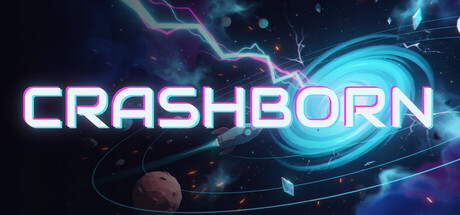
Some of Crashborn's art, audio and base 3D models were created with generative AI tools and edited by hand. They are placeholders being replaced with work from dedicated artists ahead of the 1.0 release. The game does not generate content at runtime.
Some of this game's 2D graphics — including UI icons, part icons and mission cards — were created ahead of time with the help of AI image generation tools. Every generated asset was reviewed, selected and adjusted by the developer before being included.
No content is generated by AI while the game is running. The 3D models, stages, effects and all game logic were produced by scripts and by hand, not by AI.
Generative AI tools have been used in a limited capacity to assist with pre-generated promotional content. All AI-assisted material is reviewed and curated by the developer. No generative AI is used during gameplay, and the game does not connect to external AI services.
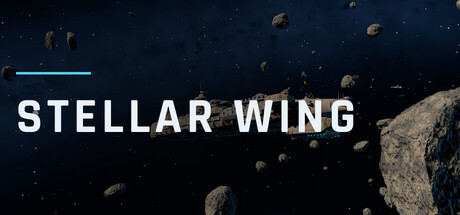
This game includes assets that were created ahead of time with AI tools:
- 27 character 3D models (24 pilots, 3 national commanders) - multi-view images made with AI image generation, then turned into meshes with an image-to-3D tool
- 27 character portraits rendered from those 3D models
- 2D artwork for the nations, such as the emblems - AI image generation
- part of the HUD and UI texture set - AI image generation
- the cutaway diagrams on the briefing screen - AI image generation
Every generated asset was reviewed, selected and adjusted by the developer before being included.
No content is generated by AI while the game is running. The 3D models of the fighters, carriers, turrets, machine leviathans and asteroids are procedurally generated by program, and the stages, effects and all game logic were produced by scripts and by hand.
Generative AI tools were used to assist in creating some game assets, including visual and audio content. All AI-assisted content was reviewed and refined by the development team before being included in the game.
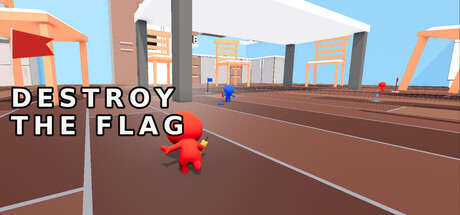
Destroy the Flag was developed with the assistance of a generative AI coding assistant (Claude, by Anthropic), used throughout development as a programming and writing collaborator.
Pre-Generated content (created during development, ships with the game):
- In-game interface text — menu labels, HUD text, on-screen instructions, and system messages — was drafted with AI assistance as part of the game's code, then reviewed and refined by the developer before shipping.
- The Steam store page's short and long descriassistance, then fact-checked, edited, and approvpublishing.
Live-Generated content: None. The game does not usnt isgenerated by AI while the game is being
played
The game’s music and minor visual assets were generated with AI assistance and manually refined by the developer. The rest of the content was created without generative AI.
We are team of two with a design and development background. We have a combined decades experience shipping production-quality code and art. We use AI along with our other tools, like Blender, Substance, etc. to help us build our vision. We use AI in the early stage of concept development and prototyping, coding assistance, but everything that makes it in-game is hand-crafted and authored by us. The music is played by hand real instruments. All screen captures are 100% in-game with no alterations.
There is usage of generative AI in two places and everything it produced has been reviewed. The soundtrack was created with the assistance of AI, and some of the writing was drafted with an AI assistant and then edited afterwards: card, UI and help text, the Simplified Chinese translation, and the store page and marketing copy. Nothing else is model output — the logo, the app icon and every visual in the game are drawn by the game's own code from geometry in the source, and the sound effects are synthesized as you play.
### Use of Generative Artificial Intelligence
During the development of this game, I used generative artificial intelligence tools to assist me with various aspects of its creation.
AI was mainly used to create and/or improve certain visual elements of the game, including images and PNG files used in different graphical elements.
It also assisted me in creating the game’s trailer, as well as with certain scripts and technical elements that were particularly complex to implement. In these situations, AI was used as an assistance tool to help me develop, adapt, and finalize certain elements.
The use of artificial intelligence does not mean that the game was entirely created by AI. The game’s design, artistic direction, gameplay, development, and final integration of the different elements were carried out and supervised by me.
I want to be transparent with players regarding the use of these technologies in the creation of the game.
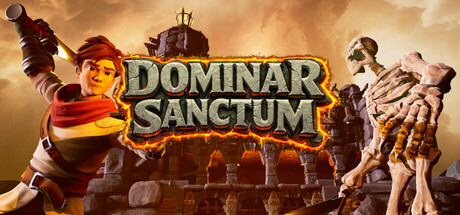
The vast majority of Dominar Sanctum has been created and developed without generative AI. Generative AI has only been used selectively for a small number of 2D icons, slide narration and a narrative voiceover, primarily for early prototyping and development. Even those icons have been manually reworked.
These few AI-assisted assets are not representative of the game's overall art, design, programming, or development process. They may be replaced or further refined before the full release.
All shipped assets are first-party or CC0/OFL-licensed human-made packs. Some 3D
meshes (enemy armor fused onto CC0 base rigs, the drone, weapon models) and the
entire soundtrack are produced by deterministic, first-party procedural build
scripts; those scripts were written with the help of an AI code assistant. No
image-, audio- or voice-generation model produced any shipped asset. The game's
written text — squad comms, item and mission descriptions, narrative screens —
and this store page's copy were drafted with AI assistance under developer
direction, then reviewed and edited by the developer. The game contains no
runtime or live AI generation.
AI tools (LLMs) were used solely for programming assistance, brainstorming, and writing Unreal Engine Blueprint logic. All visual assets, 3D models, and gameplay systems were entirely created and implemented manually by the solo developer.
The game's software architecture, logic scripts, and localization texts were drafted and optimized during the development process with the assistance of Rosebud AI. All assets, graphics, and code within the final application package are static, pre-rendered, and permanently compiled. No live or real-time AI generation occurs during gameplay, and the application does not connect to any external AI services.
Generative AI was used to help create pre-generated visual assets and promotional artwork used in the game and on the store page. The game does not generate AI content during gameplay and does not connect to external AI services during gameplay.
Generative AI was used to create a small number of 3D models and art assets. All game code, design, and gameplay systems were created without the use of Generative AI.
Some graphic and sound assets included in the game were created using generative AI tools during development. The game does not use real-time generative AI and does not connect to external AI services during gameplay.
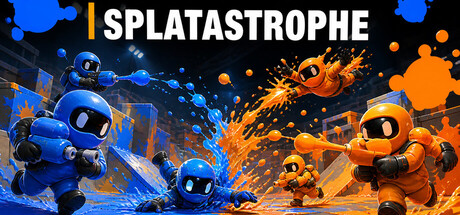
Generative AI tools were used during development to assist with portions of the game’s code, environmental design, visual assets, and promotional artwork. All AI-assisted content was reviewed, edited, and integrated by the developer. Splatastrophe does not generate AI content during gameplay and does not send player data to generative AI services.
Some of this game's assets were produced with the help of generative AI tools: the 2D key art and cinematic stills used in the trailer, capsule art and main menu; the base meshes for the twelve zodiac fighters, generated with Meshy and then rigged, retextured and reworked by hand; and part of the music and sound effects. Every AI-generated asset was reviewed, edited and integrated manually before shipping. No generative AI runs at runtime — nothing is generated while you play.
RingOut uses generative AI to create part of its content. Some 2D artwork (character illustrations, key art and store/marketing images) and some audio (music and/or sound effects) were created with generative AI tools during development, then reviewed, edited and integrated by the developer. All 3D models are hand-made. No content is generated by AI in real time during gameplay.
AI generated content is used for store page and for meshes in game, I am a solo developer can't really afford the time to make custom meshes nor to pay and buy it.
Generative AI was used as an assistive tool during development to create certain visual assets and other supporting content. All AI-assisted content was reviewed, edited, and integrated by the developer. The game does not use live-generated AI.
Generative AI tools were used during development to assist with pre-generated content only.
AI-assisted content includes one promotional artwork asset used in the Steam store capsule and library assets, AI-generated imagery used in the game's story description, some in-game sound assets, localization and translation, and portions of certain 3D models.
All AI-assisted outputs were reviewed, selected, edited where necessary, and integrated by the developer before being included in the game or on the Steam store page.
The game does not generate content using AI while it is running, does not connect players to any generative AI service, and does not send player input to an AI service.
Portions of the text and visual materials on this Steam store page were partially generated with AI tools. All AI-generated content has been fully reviewed, edited and polished by our development team.
Generative AI tools were used to create content in this game, including art, sound, in-game text, and the copy on this store page. All of it is reviewed by the developer before release. Nothing is generated by AI while you play.
Generative AI tools were used during development to assist with selected pre-generated visual references, 3D vehicle and cosmetic assets, promotional images and video, and draft localization. All AI-assisted content was reviewed, edited, curated, and integrated by the developer. The game does not generate AI content during gameplay and does not connect to external AI services.
We use AI to polish and iterate on the human prepared concepts, textures, sometimes the achieved final version is used in game.
For game code, occasionally, we use a reliable snippet based generation, reviewed and ebmedded into the game by developers, for maximum stability.
Some in-game card illustrations were created with the assistance of generative AI during development. No content is generated by AI during gameplay, and the game does not connect to any external AI services while playing.
This game includes some static images and audio materials that were pre-generated by AI tools during the development stage and have been incorporated into the game. They were not generated in real time.
Generative AI tools were used to assist in the creation of certain pre-generated 2D artwork and visual assets during development. AI-assisted artwork is reviewed, edited, and integrated by the development team to maintain the game's intended visual style and quality. No generative AI content is created live during gameplay
Brainrot Fire uses generative AI to assist with translating in-game text and interface content into multiple languages, helping us support a wider range of players around the world.
Neural Defense was developed by a five-person indie team using a combination of hand-crafted work and generative AI tools. Generative AI was used during development to assist with music composition, concept art, portions of the game's code, and the editing and expansion of some narrative text. All final in-game assets — including 3D models, textures, and visual art seen during gameplay — were hand-crafted by the studio's artists. No content or code is generated live during gameplay; everything was created, reviewed, and finalized by the team prior to release.
During the development process, we may use procedural and AI-based tools to assist with content creation. In all such cases, the final product reflects the creativity and expression of our own development team.
All code, game design, maps, and audio behavior were created using AI. AI tools were also used for in-game character 3D models (subsequently hand-optimized and rigged), main menu background videos, store trailer cinematic shots, and store artwork (logo and capsule backgrounds). All content is based on the game's own original characters.
This game uses generative AI for some visual content, including icons, logos, game art, Steam store page art, and website marketing images. Some store and website descriptions were written with AI assistance. Store, website, and marketing art is made to match the actual in-game look and design.
Some of Crashborn's art, audio and base 3D models were created with generative AI tools and edited by hand. They are placeholders being replaced with work from dedicated artists ahead of the 1.0 release. The game does not generate content at runtime.
Some of this game's 2D graphics — including UI icons, part icons and mission cards — were created ahead of time with the help of AI image generation tools. Every generated asset was reviewed, selected and adjusted by the developer before being included.
No content is generated by AI while the game is running. The 3D models, stages, effects and all game logic were produced by scripts and by hand, not by AI.
Generative AI tools have been used in a limited capacity to assist with pre-generated promotional content. All AI-assisted material is reviewed and curated by the developer. No generative AI is used during gameplay, and the game does not connect to external AI services.
This game includes assets that were created ahead of time with AI tools:
- 27 character 3D models (24 pilots, 3 national commanders) - multi-view images made with AI image generation, then turned into meshes with an image-to-3D tool
- 27 character portraits rendered from those 3D models
- 2D artwork for the nations, such as the emblems - AI image generation
- part of the HUD and UI texture set - AI image generation
- the cutaway diagrams on the briefing screen - AI image generation
Every generated asset was reviewed, selected and adjusted by the developer before being included.
No content is generated by AI while the game is running. The 3D models of the fighters, carriers, turrets, machine leviathans and asteroids are procedurally generated by program, and the stages, effects and all game logic were produced by scripts and by hand.
Generative AI tools were used to assist in creating some game assets, including visual and audio content. All AI-assisted content was reviewed and refined by the development team before being included in the game.
Destroy the Flag was developed with the assistance of a generative AI coding assistant (Claude, by Anthropic), used throughout development as a programming and writing collaborator.
Pre-Generated content (created during development, ships with the game):
- In-game interface text — menu labels, HUD text, on-screen instructions, and system messages — was drafted with AI assistance as part of the game's code, then reviewed and refined by the developer before shipping.
- The Steam store page's short and long descriassistance, then fact-checked, edited, and approvpublishing.
Live-Generated content: None. The game does not usnt isgenerated by AI while the game is being
played
The game’s music and minor visual assets were generated with AI assistance and manually refined by the developer. The rest of the content was created without generative AI.
We are team of two with a design and development background. We have a combined decades experience shipping production-quality code and art. We use AI along with our other tools, like Blender, Substance, etc. to help us build our vision. We use AI in the early stage of concept development and prototyping, coding assistance, but everything that makes it in-game is hand-crafted and authored by us. The music is played by hand real instruments. All screen captures are 100% in-game with no alterations.
There is usage of generative AI in two places and everything it produced has been reviewed. The soundtrack was created with the assistance of AI, and some of the writing was drafted with an AI assistant and then edited afterwards: card, UI and help text, the Simplified Chinese translation, and the store page and marketing copy. Nothing else is model output — the logo, the app icon and every visual in the game are drawn by the game's own code from geometry in the source, and the sound effects are synthesized as you play.
### Use of Generative Artificial Intelligence
During the development of this game, I used generative artificial intelligence tools to assist me with various aspects of its creation.
AI was mainly used to create and/or improve certain visual elements of the game, including images and PNG files used in different graphical elements.
It also assisted me in creating the game’s trailer, as well as with certain scripts and technical elements that were particularly complex to implement. In these situations, AI was used as an assistance tool to help me develop, adapt, and finalize certain elements.
The use of artificial intelligence does not mean that the game was entirely created by AI. The game’s design, artistic direction, gameplay, development, and final integration of the different elements were carried out and supervised by me.
I want to be transparent with players regarding the use of these technologies in the creation of the game.
The vast majority of Dominar Sanctum has been created and developed without generative AI. Generative AI has only been used selectively for a small number of 2D icons, slide narration and a narrative voiceover, primarily for early prototyping and development. Even those icons have been manually reworked.
These few AI-assisted assets are not representative of the game's overall art, design, programming, or development process. They may be replaced or further refined before the full release.
All shipped assets are first-party or CC0/OFL-licensed human-made packs. Some 3D
meshes (enemy armor fused onto CC0 base rigs, the drone, weapon models) and the
entire soundtrack are produced by deterministic, first-party procedural build
scripts; those scripts were written with the help of an AI code assistant. No
image-, audio- or voice-generation model produced any shipped asset. The game's
written text — squad comms, item and mission descriptions, narrative screens —
and this store page's copy were drafted with AI assistance under developer
direction, then reviewed and edited by the developer. The game contains no
runtime or live AI generation.
AI tools (LLMs) were used solely for programming assistance, brainstorming, and writing Unreal Engine Blueprint logic. All visual assets, 3D models, and gameplay systems were entirely created and implemented manually by the solo developer.
The game's software architecture, logic scripts, and localization texts were drafted and optimized during the development process with the assistance of Rosebud AI. All assets, graphics, and code within the final application package are static, pre-rendered, and permanently compiled. No live or real-time AI generation occurs during gameplay, and the application does not connect to any external AI services.
Generative AI was used to help create pre-generated visual assets and promotional artwork used in the game and on the store page. The game does not generate AI content during gameplay and does not connect to external AI services during gameplay.
Generative AI was used to create a small number of 3D models and art assets. All game code, design, and gameplay systems were created without the use of Generative AI.
Some graphic and sound assets included in the game were created using generative AI tools during development. The game does not use real-time generative AI and does not connect to external AI services during gameplay.
Generative AI tools were used during development to assist with portions of the game’s code, environmental design, visual assets, and promotional artwork. All AI-assisted content was reviewed, edited, and integrated by the developer. Splatastrophe does not generate AI content during gameplay and does not send player data to generative AI services.
Some of this game's assets were produced with the help of generative AI tools: the 2D key art and cinematic stills used in the trailer, capsule art and main menu; the base meshes for the twelve zodiac fighters, generated with Meshy and then rigged, retextured and reworked by hand; and part of the music and sound effects. Every AI-generated asset was reviewed, edited and integrated manually before shipping. No generative AI runs at runtime — nothing is generated while you play.
RingOut uses generative AI to create part of its content. Some 2D artwork (character illustrations, key art and store/marketing images) and some audio (music and/or sound effects) were created with generative AI tools during development, then reviewed, edited and integrated by the developer. All 3D models are hand-made. No content is generated by AI in real time during gameplay.
AI generated content is used for store page and for meshes in game, I am a solo developer can't really afford the time to make custom meshes nor to pay and buy it.
Generative AI was used as an assistive tool during development to create certain visual assets and other supporting content. All AI-assisted content was reviewed, edited, and integrated by the developer. The game does not use live-generated AI.
Generative AI tools were used during development to assist with pre-generated content only.
AI-assisted content includes one promotional artwork asset used in the Steam store capsule and library assets, AI-generated imagery used in the game's story description, some in-game sound assets, localization and translation, and portions of certain 3D models.
All AI-assisted outputs were reviewed, selected, edited where necessary, and integrated by the developer before being included in the game or on the Steam store page.
The game does not generate content using AI while it is running, does not connect players to any generative AI service, and does not send player input to an AI service.
Portions of the text and visual materials on this Steam store page were partially generated with AI tools. All AI-generated content has been fully reviewed, edited and polished by our development team.