



Disclosure
AI tools were used to help prepare sketches for the store capsule artwork.
- Creator
- Wazang Games
- Reviews
- -
- Added
- Oct 12, 2026
Public Steam disclosure research 25,376 disclosures tracked
Search developers’ Steam disclosures, compare classified AI use across games, and follow recorded changes. This index adds cross-game classifications and statistics to statements published on individual store pages.
Code help, debugging and other development work.
Capsule art, trailers and promotional material.
Pre-made art, audio, writing and other game assets.
Interactive or runtime AI features disclosed by the developer.
Groups reflect automatic analysis of public disclosures; mature records are excluded. These counts do not measure AI use across all of Steam. Missing or unclear statements cannot establish whether a game uses AI.
AI tools were used to help prepare sketches for the store capsule artwork.
AI Disclosure: This game was made with the help of Artificial Intelligence LLM Models. The studio takes transparency seriously, so if the community would like to ask questions, get clarity, or voice concerns over this, please reach out to the development team on our Discord or launch website.
Generative AI tools are used during the development of MASSVEIL to assist with the creation and refinement of certain pre-generated materials, including selected visual elements, sound effects, voice lines, and text content. All AI-assisted content is reviewed and, where necessary, edited by the developer before being included in the game. Generative AI is not used to create new content during gameplay, and the game does not connect to third-party AI services while running.
Generative AI tools were used to help create promotional artwork and store page images for VoxelCraft. AI is not used to generate in-game content, code, or gameplay at runtime.
Some pre-generated artwork was created with the help of generative AI tools and then edited by the developer, including store and marketing images and some loading-screen art. No AI content is generated live while you play, and the game does not connect to any AI service.
Generative AI tools were used to help create promotional artwork and Steam store page text. This content was prepared in advance. The game does not use generative AI or connect to external AI services during gameplay.
Generative AI tools were used during development to assist with selected pre-generated text and localization included in the game, its Steam store page and marketing materials. No generative AI content is created during gameplay.
Some artwork and promotional images, dialogue, synthesized character voices, and sound effects were created with generative AI tools during development. These are pre-generated, fixed assets. No content is generated by AI during gameplay, and the game does not connect to third-party AI services while you play.
Placeholder clothing and logo.
AI tools were used to translate the store page text and some localizations. All in-game art, 3D models, animations, music and sound effects are not AI-generated.
Generative AI tools were used in the creation of images, music, sound effects, and 3D models used in the game.
Choban uses generative AI to power conversations and interactions with certain NPCs. AI-generated dialogue is used to create more natural, dynamic, and context-aware responses during gameplay. All core gameplay systems, quests, progression, world generation, and game mechanics are designed by the developers and are not generated by AI. AI is used solely to enhance NPC interactions and player immersion.
Voices And Sounds Are AI Generated
Generative AI tools were used during development to create visual references and assist with the creation of some 3D assets. AI-generated outputs used as source material were further edited, refined, or integrated by the developer before inclusion in the game. Generative AI may also be used to create or assist with some music, sound, and localization assets, with outputs reviewed and edited before inclusion. No generative AI is used at runtime.
Ai was only used to make mini games
Some icons and 3D model textures were created using AI.
Current development builds include one AI-generated splash-screen image and a small number of prerecorded soldier voice lines created using generative AI. No content is generated by AI during gameplay.
Some item icons and background models use assets generated with generative AI.
Some assets in Star Stranded Scrappers were created with the help of AI tools. Each one is carefully tailored to match my vision for the game.
AI is used to assist with the localization and translation of the game's store page and in game text. It is also used to assist with some simple voice interactions, such as goblin growls and battle cries, as well as basic texture adjustments that fit the game's low poly visual style.
AI tools were used to generate the models for the Players, Zombies and Cyborgs used in this game. AI was also used to generate the images used in the introduction video as well as the voice-over for that video.
This game uses generative AI as part of its content creation pipeline. Some elements of the store page cover art were generated using AI and then combined with additional artwork created by our designer. Certain in-game environment textures were processed using AI-assisted tools as part of the texturing workflow. Character voices were recorded by our own team and then processed with AI-based voice conversion to transform them into different character voices. All AI-assisted content was reviewed and refined by our team before being included in the final game.
Some 3D models, illustrations and music in the current version were created with the help of generative AI tools and then edited and integrated by our team. They are placeholders: we are replacing them with work by human artists as development continues.
Music and sounds were produced with ElevenLabs.
Generative AI was used to assist with portions of the Steam store page text, promotional image editing, and the creation of some in-game artwork. All AI-assisted content was reviewed and edited by the development team before inclusion in the game.
Logo/branding art: The game's logo and some promotional material was generated using an AI image generation tool. Modeling: A handfull of props where generated using AI. Localization: In-game text (menus, UI, dialogue, and other player-facing strings) has been translated into additional languages using AI translation tools, so accuracy and natural phrasing may vary by language.
Generative AI was used primarily to assist in the creation of some visual assets and images used in the game, including illustrations, UI artwork, and promotional materials. AI-generated images were manually reviewed, selected, edited, and adjusted by the developer before being integrated into the game. The game does not use generative AI to create content in real time during gameplay.
Generative AI is used to story board, code, analyze code, analyze performance, create thumbnails and many basic tasks like that to speed up workflows. We pay human artists for things like zombies, guns, props, static meshes etc.
AI was used generate and polish store page graphic assets
This game used generative AI for asset creation during development. The HQ statue's 3D model was created with Meshy AI, and background music was composed with Suno AI. Most in-game icons and images were created using Google Gemini and ChatGPT.
Generative AI tools are used during development to create some 3D assets as Place Holders and assist with Art/ music Content. These materials are prepared in advance and incorporated into the game or its store page. The game does not generate content using generative AI during gameplay. Some character voice recordings are also created using generative AI.
AI-generated content is used exclusively for promotional/store library imagery (e.g. store capsule and library artwork). No in-game assets — textures, models, environments, weapons, or character art used during gameplay — are AI-generated. All gameplay-facing art is sourced from licensed marketplace asset packs or created manually.
浣熊的設計與建模過程中有使用AI生成輔助,加快製作速度與溝通效率,後續調整了許多使其適配我們的遊戲本身。
AI tools were used as supportive tools during the development process, including assistance with code, and music. All AI-assisted content was reviewed, edited, and integrated by our development team before being included in the game.
Some promotional artwork and visual assets were created with the assistance of generative AI and have been reviewed, refined, and integrated by the developer. No generative AI is used during gameplay.
Some visual assets used on the Gunsfield store page and promotional materials were created or assisted using generative AI tools.
Generative AI capabilities have been used in game development content to enhance development efficiency.
Some of this game's user-interface text, its Korean, English, Japanese and Simplified Chinese translations, parts of this store page, and the on-screen text in the trailer were written with the assistance of generative AI tools, then reviewed and edited by the developer. All 3D models, user-interface art and sound effects are licensed from commercial asset stores. All artwork made for this game, including the app icon, store art and trailer, is rendered or captured from the game itself rather than produced by an image- or video-generation model. The game does not generate any content at runtime and does not connect to any AI service during play.
Generative AI tools were used during development to help refine some of the game's content and development tasks. No content is generated by AI in real-time during gameplay.
This game uses generative artificial intelligence to create certain UI elements or images.
Steam store page logo and cover art made with ai tools
This game utilizes generative AI technologies in the following areas: [Pre-generated Content] Part of BGM: AI-generated audio is temporarily used as placeholder assets during development (to be progressively replaced in future updates). [Real-time Generation during Gameplay] In-Game Text: Dynamic generation of dialogues and narrative text tailored to in-game situations. Character Voice: Real-time speech synthesis for character voices based on generated text. *All real-time generation processes run entirely locally and securely on the player's machine, with no data transmitted to external servers. Furthermore, there is no feature allowing players to freely input custom text or prompts.
IA used for localization
The game had used AI tools for localization and dialogue voice lines. The game does not use any generative AI or any sort of AI during gameplay.
Part of the audio in this game is generated with AI: the music and some of the sound effects. Part of the source code was also created with the help of AI during development, particularly to generate certain portions of code, fix errors, and assist with the implementation of certain features. The code used in the game is then reviewed, modified, and integrated manually. Everything else is handmade: the monsters are drawn by hand and then recreated in 3D, the textures are hand-painted and sometimes slightly enhanced, the 3D models are procedural, every line of text in the game is written by me, the farmer's voice is mine, etc.
DeepL was used for language translation of the subtitles and also for the text in the Steam store. Some of the voice acting was generated using a paid ElevenLabs subscription.
It has been used in the page visuals.
Some promotional concept artwork was generated by AI, no AI is used in-game.
I made Signs then used ai to make multiple designs off my artwork to speed up excess signs, ect
Some marketing and store page artwork (including capsule images) for 9 Box was created with the assistance of generative AI tools. No AI-generated content is used within the game itself — all gameplay assets, art, and systems are developed manually by the team.
| Title⇅ | Disclosure | Creator⇅ | Src | Reviews⇅ | Added↓ |
|---|---|---|---|---|---|
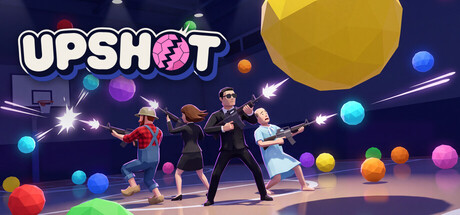 UPSHOT Store/marketing art | AI tools were used to help prepare sketches for the store capsule artwork. | Wazang Games | - | Oct 12, 2026 | |
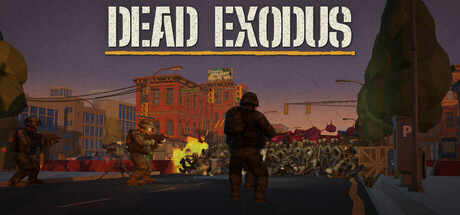 Dead Exodus Unclear | AI Disclosure:
This game was made with the help of Artificial Intelligence LLM Models. The studio takes transparency seriously, so if the community would like to ask questions, get clarity, or voice concerns over this, please reach out to the development team on our Discord or launch website. | Shambler Studios | - | Oct 12, 2026 | |
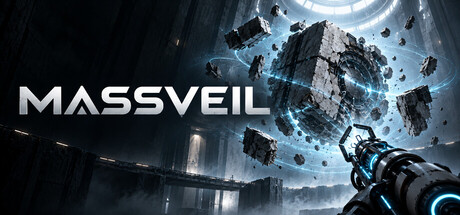 MassVeil In-game content artaudiotext | Generative AI tools are used during the development of MASSVEIL to assist with the creation and refinement of certain pre-generated materials, including selected visual elements, sound effects, voice lines, and text content.
All AI-assisted content is reviewed and, where necessary, edited by the developer before being included in the game.
Generative AI is not used to create new content during gameplay, and the game does not connect to third-party AI services while running. | Who you need | - | Oct 12, 2026 | |
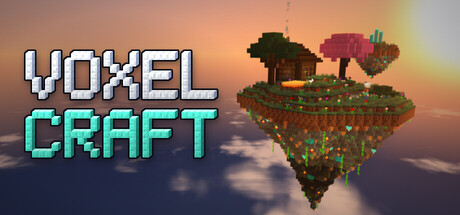 VoxelCraft Store/marketing art | Generative AI tools were used to help create promotional artwork and store page images for VoxelCraft. AI is not used to generate in-game content, code, or gameplay at runtime. | Pale Static Games | - | Oct 11, 2026 | |
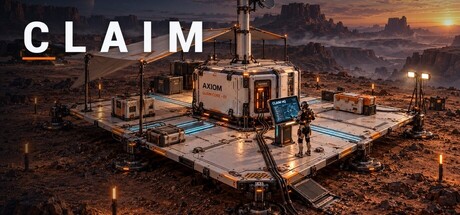 CLAIM In-game content art | Some pre-generated artwork was created with the help of generative AI tools and then edited by the developer, including store and marketing images and some loading-screen art. No AI content is generated live while you play, and the game does not connect to any AI service. | Pathfinder Studios | - | Oct 10, 2026 | |
 Hell Control Store/marketing arttext | Generative AI tools were used to help create promotional artwork and Steam store page text. This content was prepared in advance. The game does not use generative AI or connect to external AI services during gameplay. | RokuGo Studio | - | Oct 10, 2026 | |
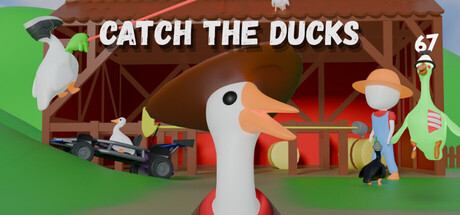 Catch The Ducks In-game content text | Generative AI tools were used during development to assist with selected pre-generated text and localization included in the game, its Steam store page and marketing materials. No generative AI content is created during gameplay. | Angel Carrillo | - | Oct 10, 2026 | |
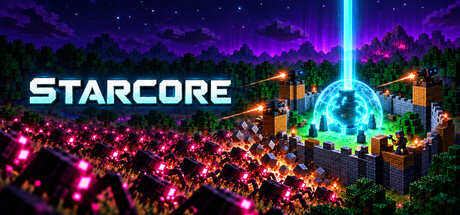 Starcore In-game content arttextaudio | Some artwork and promotional images, dialogue, synthesized character voices, and sound effects were created with generative AI tools during development. These are pre-generated, fixed assets. No content is generated by AI during gameplay, and the game does not connect to third-party AI services while you play. | Eternium Forge Studios | - | Oct 10, 2026 | |
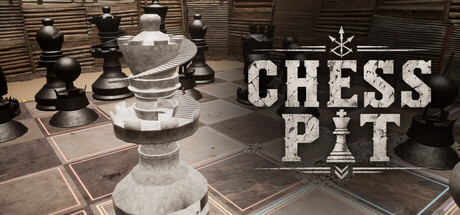 Chess Pit Unclear | Placeholder clothing and logo. | Gregory Eggathy | - | Oct 10, 2026 | |
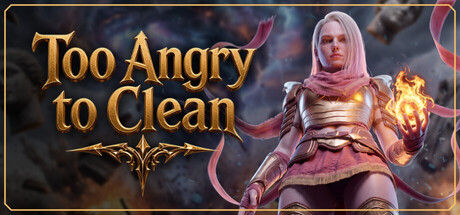 Too Angry to Clean Store/marketing text | AI tools were used to translate the store page text and some localizations. All in-game art, 3D models, animations, music and sound effects are not AI-generated. | Grim Page Studio | - | Oct 9, 2026 | |
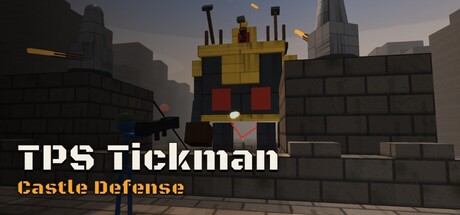 TPS Tickman: Castle Defense In-game content artaudio | Generative AI tools were used in the creation of images, music, sound effects, and 3D models used in the game. | Twins Halo | - | Oct 9, 2026 | |
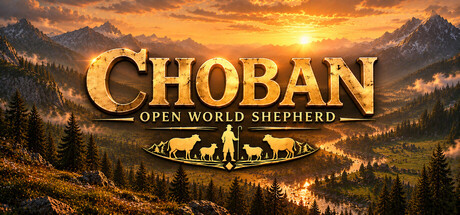 Choban: Open World Shepherd Survival by æ Live AI text | Choban uses generative AI to power conversations and interactions with certain NPCs. AI-generated dialogue is used to create more natural, dynamic, and context-aware responses during gameplay. All core gameplay systems, quests, progression, world generation, and game mechanics are designed by the developers and are not generated by AI. AI is used solely to enhance NPC interactions and player immersion. | Artevren | - | Oct 9, 2026 | |
 MemeticBox In-game content audio | Voices And Sounds Are AI Generated | Corvium Games | - | Oct 7, 2026 | |
 Nosferatu: Call of the Blood In-game content artaudiotext | Generative AI tools were used during development to create visual references and assist with the creation of some 3D assets. AI-generated outputs used as source material were further edited, refined, or integrated by the developer before inclusion in the game. Generative AI may also be used to create or assist with some music, sound, and localization assets, with outputs reviewed and edited before inclusion. No generative AI is used at runtime. | Rubbish Trout | - | Oct 7, 2026 | |
 Artifact Extract In-game content | Ai was only used to make mini games | Loaded Goat Games | - | Oct 7, 2026 | |
 LAKESIDE HEAVEN In-game content art | Some icons and 3D model textures were created using AI. | team GAngnier | - | Oct 4, 2026 | |
 Disarmed Forces In-game content artaudio | Current development builds include one AI-generated splash-screen image and a small number of prerecorded soldier voice lines created using generative AI. No content is generated by AI during gameplay. | BrushBurger | - | Oct 4, 2026 | |
 Nonet Concerto R In-game content art | Some item icons and background models use assets generated with generative AI. | PhotonSystem | - | Oct 4, 2026 | |
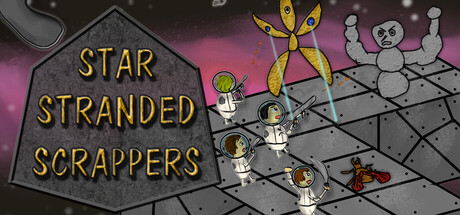 Star Stranded Scrappers In-game content art | Some assets in Star Stranded Scrappers were created with the help of AI tools. Each one is carefully tailored to match my vision for the game. | Martilo Games | - | Oct 4, 2026 | |
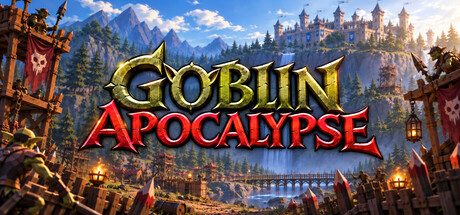 Goblin Apocalypse: Open World Survival In-game content textaudioart | AI is used to assist with the localization and translation of the game's store page and in game text. It is also used to assist with some simple voice interactions, such as goblin growls and battle cries, as well as basic texture adjustments that fit the game's low poly visual style. | Nons Games | - | Oct 3, 2026 | |
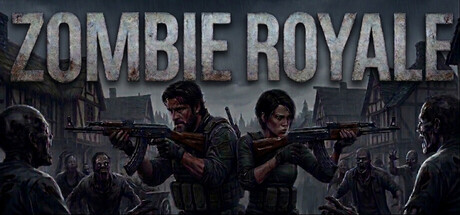 Zombie Royale In-game content artaudio | AI tools were used to generate the models for the Players, Zombies and Cyborgs used in this game. AI was also used to generate the images used in the introduction video as well as the voice-over for that video. | Perihelion-Software | - | Oct 3, 2026 | |
 UNTIMELY REGRET In-game content artaudio | This game uses generative AI as part of its content creation pipeline. Some elements of the store page cover art were generated using AI and then combined with additional artwork created by our designer. Certain in-game environment textures were processed using AI-assisted tools as part of the texturing workflow. Character voices were recorded by our own team and then processed with AI-based voice conversion to transform them into different character voices. All AI-assisted content was reviewed and refined by our team before being included in the final game. | Alpha Centauri Studio | - | Oct 2, 2026 | |
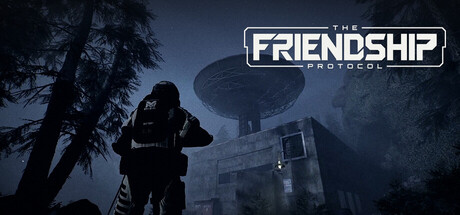 The Friendship Protocol In-game content artaudio | Some 3D models, illustrations and music in the current version were created with the help of generative AI tools and then edited and integrated by our team. They are placeholders: we are replacing them with work by human artists as development continues. | Parabola Studio | - | Oct 1, 2026 | |
 Blind Man's Buff In-game content audio | Music and sounds were produced with ElevenLabs. | sanzyman | - | Oct 1, 2026 | |
 HEAVENBREAK In-game content arttext | Generative AI was used to assist with portions of the Steam store page text, promotional image editing, and the creation of some in-game artwork. All AI-assisted content was reviewed and edited by the development team before inclusion in the game. | GPUN Corp. | - | Oct 1, 2026 | |
 Trick or Eat In-game content arttext | Logo/branding art: The game's logo and some promotional material was generated using an AI image generation tool.
Modeling: A handfull of props where generated using AI.
Localization: In-game text (menus, UI, dialogue, and other player-facing strings) has been translated into additional languages using AI translation tools, so accuracy and natural phrasing may vary by language. | Nether Tree Games | - | Sep 30, 2026 | |
 铜风旅团 In-game content art | Generative AI was used primarily to assist in the creation of some visual assets and images used in the game, including illustrations, UI artwork, and promotional materials. AI-generated images were manually reviewed, selected, edited, and adjusted by the developer before being integrated into the game.
The game does not use generative AI to create content in real time during gameplay. | 铜风工作室 | - | Sep 30, 2026 | |
 Last Acre In-game content artcode | Generative AI is used to story board, code, analyze code, analyze performance, create thumbnails and many basic tasks like that to speed up workflows. We pay human artists for things like zombies, guns, props, static meshes etc. | Aftermath Development | - | Sep 30, 2026 | |
 Mindcell Store/marketing art | AI was used generate and polish store page graphic assets | VenomizedArt | - | Sep 30, 2026 | |
 PanzerCity In-game content artaudio | This game used generative AI for asset creation during development. The HQ statue's 3D model was created with Meshy AI, and background music was composed with Suno AI. Most in-game icons and images were created using Google Gemini and ChatGPT. | Columbidae Games | - | Sep 28, 2026 | |
 Salvage Frontier In-game content artaudio | Generative AI tools are used during development to create some 3D assets as Place Holders and assist with Art/ music Content. These materials are prepared in advance and incorporated into the game or its store page. The game does not generate content using generative AI during gameplay.
Some character voice recordings are also created using generative AI. | bambideath Studios | - | Sep 28, 2026 | |
 GRID OPS art | AI-generated content is used exclusively for promotional/store
library imagery (e.g. store capsule and library artwork). No
in-game assets — textures, models, environments, weapons, or
character art used during gameplay — are AI-generated. All
gameplay-facing art is sourced from licensed marketplace asset
packs or created manually. | XYNDICATE | - | Sep 28, 2026 | |
 惡搞浣熊 In-game content art | 浣熊的設計與建模過程中有使用AI生成輔助,加快製作速度與溝通效率,後續調整了許多使其適配我們的遊戲本身。 | 惡搞浣熊 | - | Sep 28, 2026 | |
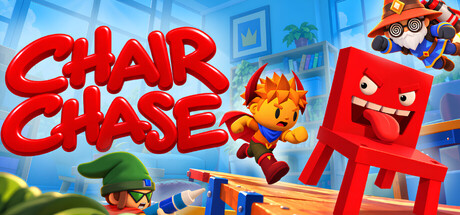 Chair Chase In-game content audio | AI tools were used as supportive tools during the development process, including assistance with code, and music. All AI-assisted content was reviewed, edited, and integrated by our development team before being included in the game. | Babs Games | - | Sep 28, 2026 | |
 Battle Quads Store/marketing art | Some promotional artwork and visual assets were created with the assistance of generative AI and have been reviewed, refined, and integrated by the developer. No generative AI is used during gameplay. | Millenary Games | - | Sep 28, 2026 | |
 Gunsfield Store/marketing art | Some visual assets used on the Gunsfield store page and promotional materials were created or assisted using generative AI tools. | 047 Game Studios | - | Sep 28, 2026 | |
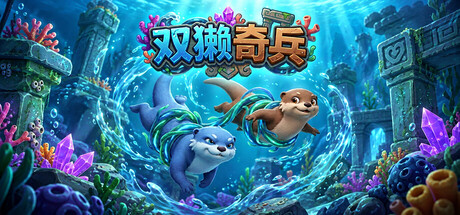 The Two Otters Dev only | Generative AI capabilities have been used in game development content to enhance development efficiency. | For Dawn Studio | - | Sep 25, 2026 | |
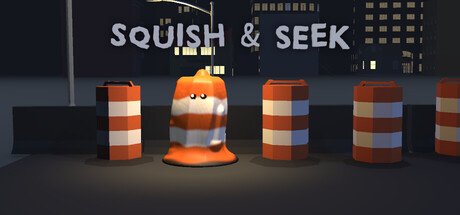 Squish & Seek textartaudio | Some of this game's user-interface text, its Korean, English, Japanese and
Simplified Chinese translations, parts of this store page, and the on-screen text
in the trailer were written with the assistance of generative AI tools, then
reviewed and edited by the developer.
All 3D models, user-interface art and sound effects are licensed from commercial
asset stores. All artwork made for this game, including the app icon, store art
and trailer, is rendered or captured from the game itself rather than produced by
an image- or video-generation model. The game does not generate any content at
runtime and does not connect to any AI service during play. | Zukunft | - | Sep 25, 2026 | |
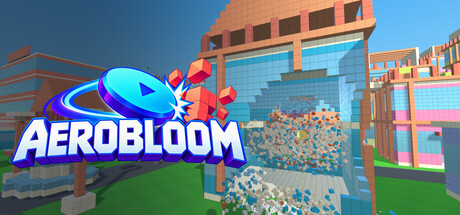 AeroBloom Dev only | Generative AI tools were used during development to help refine some of the game's content and development tasks. No content is generated by AI in real-time during gameplay. | Quito Digital Works | - | Sep 22, 2026 | |
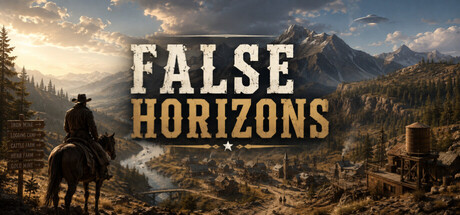 False Horizons In-game content art | This game uses generative artificial intelligence to create certain UI elements or images. | Stag Studios | - | Sep 22, 2026 | |
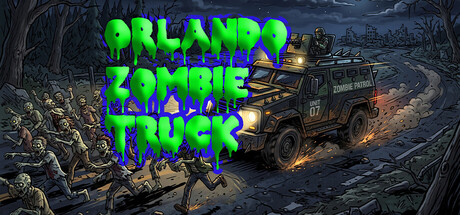 Orlando Zombie Truck Store/marketing art | Steam store page logo and cover art made with ai tools | Saylor Games | - | Sep 19, 2026 | |
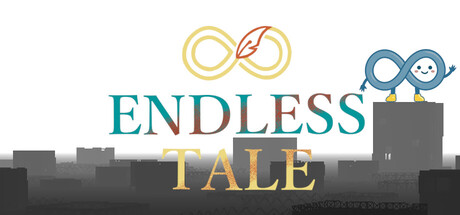 Endless Tale Live AI audiotext | This game utilizes generative AI technologies in the following areas: [Pre-generated Content] Part of BGM: AI-generated audio is temporarily used as placeholder assets during development (to be progressively replaced in future updates). [Real-time Generation during Gameplay] In-Game Text: Dynamic generation of dialogues and narrative text tailored to in-game situations. Character Voice: Real-time speech synthesis for character voices based on generated text. *All real-time generation processes run entirely locally and securely on the player's machine, with no data transmitted to external servers. Furthermore, there is no feature allowing players to freely input custom text or prompts. | Ludogeist LLC | - | Sep 19, 2026 | |
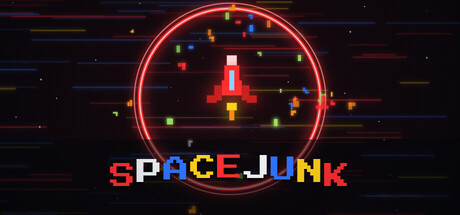 Spacejunk In-game content text | IA used for localization | Fax3D Games | - | Sep 18, 2026 | |
 CodeX Protocol In-game content textaudio | The game had used AI tools for localization and dialogue voice lines. The game does not use any generative AI or any sort of AI during gameplay. | CodingKraft | - | Sep 17, 2026 | |
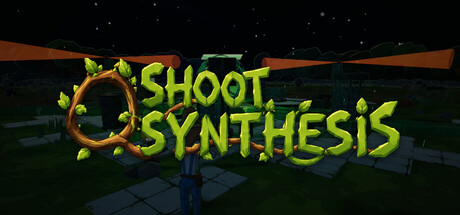 SHOOTOSYNTHESIS In-game content audiocode | Part of the audio in this game is generated with AI: the music and some of the sound effects.
Part of the source code was also created with the help of AI during development, particularly to generate certain portions of code, fix errors, and assist with the implementation of certain features. The code used in the game is then reviewed, modified, and integrated manually.
Everything else is handmade: the monsters are drawn by hand and then recreated in 3D, the textures are hand-painted and sometimes slightly enhanced, the 3D models are procedural, every line of text in the game is written by me, the farmer's voice is mine, etc. | GDDREAM Games | - | Sep 16, 2026 | |
 Make The Dead Dead Again In-game content textaudio | DeepL was used for language translation of the subtitles and also for the text in the Steam store. Some of the voice acting was generated using a paid ElevenLabs subscription. | Based On The Play | - | Sep 16, 2026 | |
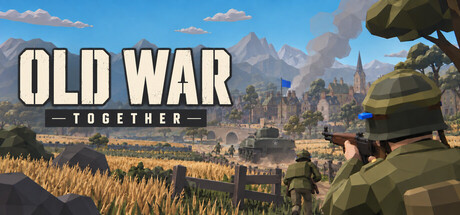 Old War Together Store/marketing art | It has been used in the page visuals. | cnsgames | - | Sep 15, 2026 | |
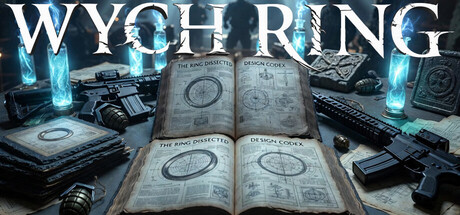 Wych Ring Store/marketing art | Some promotional concept artwork was generated by AI, no AI is used in-game. | Chad Steingraber | - | Sep 15, 2026 | |
 The Long Freeze In-game content art | I made Signs then used ai to make multiple designs off my artwork to speed up excess signs, ect | Outlaw Games | - | Sep 12, 2026 | |
 9 Box | Some marketing and store page artwork (including capsule images) for 9 Box
was created with the assistance of generative AI tools. No AI-generated
content is used within the game itself — all gameplay assets, art, and
systems are developed manually by the team. | BudGamesCorp | - | Sep 12, 2026 |


