Public Steam disclosure research25,376 disclosures tracked
Where do games disclose AI use?
Search developers’ Steam disclosures, compare classified AI use across
games, and follow recorded changes.
This index adds cross-game classifications and statistics to
statements published on individual store pages.
Groups reflect automatic analysis of public disclosures; mature records are excluded. These counts do not measure AI use across all of Steam.
Missing or unclear statements cannot establish whether a game uses AI.
Topological Board Game used generative AI tools during development to assist with programming, documentation, store-page text, localization drafts, and design iteration. All AI-assisted material is reviewed and edited by the developer before being included in the game or store page.
The game does not use generative AI to create live player-facing content during gameplay. It does not connect to external third-party AI services during normal gameplay. Local robot opponents, rule-based analysis, search, simulation, and self-play/research tools may be included, but these are gameplay/strategy systems rather than live generative AI content systems.
Generative AI was used exclusively to create all of the game's music and some of the promotional artwork (such as posters and banners). No in-game assets, code, or mechanics were created using AI.
Ridiculous Games employs artists, designers and programmers to make our games. We used generative AI to help create this game. It's part of what lets a small team build a game like this. We believe in being transparent about the tools we use, but they're only tools. Every part of this game is reviewed, refined, and curated by our team to meet our creative vision and quality standards, and we hope you'll enjoy the game for the experience it delivers.
Generative AI tools were used during development to assist in the creation of some pre-generated visual assets, character voices, translations, and promotional materials. All AI-assisted content was reviewed, edited, and curated by the developer. The game does not generate AI content in real time during gameplay.
The artwork, background music, in-game text and story, localizations into all supported languages, and store-page text in this game were created using generative AI tools, then curated, edited, and assembled by the developer. The game contains no live AI generation — all content is fixed and produced ahead of release.
Store page artwork (capsule images and header) was created with
the assistance of AI image generation tools (Stable Diffusion /
Flux). All in-game content, text, and gameplay logic is
human-authored. No AI is used to generate content during gameplay.
The game uses generative artificial intelligence to create some of its images, and a portion of the visual content was produced with AI tools, but all such assets have been reviewed to ensure they do not infringe copyrights and comply with Steam’s rules.
Fatal Nights uses generative artificial intelligence as a development aid for certain pre-production and promotional materials. AI-assisted content may include concept artwork, visual brainstorming, marketing assets, and written drafts. All gameplay systems, story, level design, implementation, and final creative decisions are developed and curated by the developer.
Some background elements were partially generated using AI.
Localization into languages other than German was carried out with the help of AI.
AI was used as a development aid (to help implement certain systems in the game).
I am a solo indie developer and wanted to tell an engaging horror story set in an anime/Japanese-inspired world. Without AI, I unfortunately would never have been able to create a project like this!
Generative AI tools were used during the development process to assist in writing code, creating speech, sound effects, and 3D assets. No generative AI is used during actual gameplay.
Generative AI tools were used to create the game's promotional logo, steam achievement icons, and background music prior to development (Pre-generated content).
Generative AI was used for a very limited portion of the programming and for most of the English translation. However, all textures and 3D models were created by human artists.
The game's artwork and music content are partially generated by AI. However, extensive manual adjustments have been made to ensure a comfortable experience for you.
Generative AI tools were used to assist with selected static visual assets, such as artwork, store/library assets, and some icon-style graphics. These assets were reviewed, edited, and manually integrated by the developer. No generative AI is used during gameplay, and no content is generated by AI while the game is running.
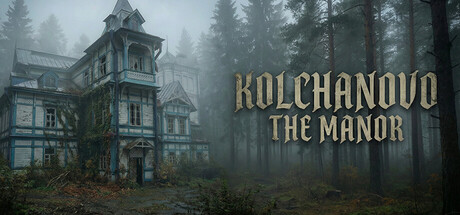
3D Models: Generative artificial intelligence is used to restore and recreate interior objects of the real building that were lost in the fire.
Images: The paintings inside the manor are real photographs of artworks that once hung inside, but they have been enhanced and restored.
Music & Sounds: Specially created to build a unique and immersive atmosphere.
I’m a good programmer, but a terrible artist. So some of the images were created with the help of AI. By the time of release, I’ll try to remove all AI-generated images from the Steam page and from some textures in the game.
Generative AI has been used to create some music and a small number of textures (in a limited way). It has also been used for translations and character voices.
Generative AI tools were used exclusively during the development process for brainstorming ideas and coding assistance. All in-game assets—including art, animation, audio, and narrative—were entirely created by our human team.
AI was used during development to assist with brainstorming and iteration, while all final rooms, puzzles, and gameplay mechanics were designed by the developer.
Some visual assets in this game were created with the assistance of AI and further refined by the developer. The game does not use live-generated AI at runtime.
This game was developed by a solo developer with the assistance of generative AI tools during production.
AI tools such as ChatGPT were used as a development aid for Unreal Engine guidance, technical explanations, spell-checking, and drafting some in-game text and UI messaging. ChatGPT was also used to generate some placeholder images and audio assets during early development.
Some 3D models and textures were created using AI-assisted tools such as Tripo3D.ai. These assets may be refined, replaced, or improved over time as the project evolves and budget allows.
All gameplay systems, mechanics, design decisions, Blueprint scripting, and overall game implementation were created and assembled by the developer. No AI system autonomously generated gameplay code or core systems.
Additional assets were purchased through the Unreal Engine Fab Marketplace where noted.
AI tools were used strictly as production assistants to support solo development.
Generative AI tools, including ChatGPT, were used as development assistance for programming support, debugging, design iteration, writing assistance, and workflow planning.
All final implementation, integration, testing, and creative decisions were manually reviewed and assembled by the developer.
SKYOS does not use live generative AI during gameplay, and players cannot generate AI content in-game.
I started this journey at 18. From January 2025 to April 2026, every line and every drawing of Nuktedan was made purely by my own hand. I never touched AI.
But the reality of indie development is harsh. Financial hardship left me facing a choice: shelve the game, or bring it to you through Early Access. I chose the latter.
This came at a cost: I had to use AI support during coding and for certain specific visuals, like the bird's memory drawings. It didn't sit right with me, but it was the decision that kept the project alive.
My promise to you is clear: after Early Access, or in the full release, every trace of AI on the visual side will be completely removed. Those drawings will be redrawn from scratch, by my own hand.
Even in its current form, Nuktedan represents two years of my life. Thank you for your understanding and patience. We're growing this game together.
AI tools were used to generate secondary visual assets, such as some skill icons, and background textures. All AI-generated assets have been heavily hand-edited and refined by the developer to ensure a consistent visual style that aligns with the game's aesthetic. All musical compositions were created entirely from scratch without the use of AI.
Generative AI is used to assist with the creation of some art assets, voice content, and localization/translation. All localized text is reviewed and edited by the developer.
This game was developed with the help of generative artificial intelligence tools used during the development phase to assist in the creation of certain visual, technical, and content elements. All produced elements were selected, modified, and validated by the developer to ensure their consistency, quality, and integration into the final experience.
No content is generated by artificial intelligence in real time during gameplay.
Development uses AI tools as coding assistants to optimize scripts and refactor systems. Some UI icons and graphic elements may have been generated or iterated with AI assistance, but all were manually reviewed and edited to ensure final quality.
Topological Board Game used generative AI tools during development to assist with programming, documentation, store-page text, localization drafts, and design iteration. All AI-assisted material is reviewed and edited by the developer before being included in the game or store page.
The game does not use generative AI to create live player-facing content during gameplay. It does not connect to external third-party AI services during normal gameplay. Local robot opponents, rule-based analysis, search, simulation, and self-play/research tools may be included, but these are gameplay/strategy systems rather than live generative AI content systems.
Generative AI was used exclusively to create all of the game's music and some of the promotional artwork (such as posters and banners). No in-game assets, code, or mechanics were created using AI.
Ridiculous Games employs artists, designers and programmers to make our games. We used generative AI to help create this game. It's part of what lets a small team build a game like this. We believe in being transparent about the tools we use, but they're only tools. Every part of this game is reviewed, refined, and curated by our team to meet our creative vision and quality standards, and we hope you'll enjoy the game for the experience it delivers.
Generative AI tools were used during development to assist in the creation of some pre-generated visual assets, character voices, translations, and promotional materials. All AI-assisted content was reviewed, edited, and curated by the developer. The game does not generate AI content in real time during gameplay.
The artwork, background music, in-game text and story, localizations into all supported languages, and store-page text in this game were created using generative AI tools, then curated, edited, and assembled by the developer. The game contains no live AI generation — all content is fixed and produced ahead of release.
Store page artwork (capsule images and header) was created with
the assistance of AI image generation tools (Stable Diffusion /
Flux). All in-game content, text, and gameplay logic is
human-authored. No AI is used to generate content during gameplay.
The game uses generative artificial intelligence to create some of its images, and a portion of the visual content was produced with AI tools, but all such assets have been reviewed to ensure they do not infringe copyrights and comply with Steam’s rules.
Fatal Nights uses generative artificial intelligence as a development aid for certain pre-production and promotional materials. AI-assisted content may include concept artwork, visual brainstorming, marketing assets, and written drafts. All gameplay systems, story, level design, implementation, and final creative decisions are developed and curated by the developer.
Some background elements were partially generated using AI.
Localization into languages other than German was carried out with the help of AI.
AI was used as a development aid (to help implement certain systems in the game).
I am a solo indie developer and wanted to tell an engaging horror story set in an anime/Japanese-inspired world. Without AI, I unfortunately would never have been able to create a project like this!
Generative AI tools were used during the development process to assist in writing code, creating speech, sound effects, and 3D assets. No generative AI is used during actual gameplay.
Generative AI tools were used to create the game's promotional logo, steam achievement icons, and background music prior to development (Pre-generated content).
Generative AI was used for a very limited portion of the programming and for most of the English translation. However, all textures and 3D models were created by human artists.
The game's artwork and music content are partially generated by AI. However, extensive manual adjustments have been made to ensure a comfortable experience for you.
Generative AI tools were used to assist with selected static visual assets, such as artwork, store/library assets, and some icon-style graphics. These assets were reviewed, edited, and manually integrated by the developer. No generative AI is used during gameplay, and no content is generated by AI while the game is running.
3D Models: Generative artificial intelligence is used to restore and recreate interior objects of the real building that were lost in the fire.
Images: The paintings inside the manor are real photographs of artworks that once hung inside, but they have been enhanced and restored.
Music & Sounds: Specially created to build a unique and immersive atmosphere.
I’m a good programmer, but a terrible artist. So some of the images were created with the help of AI. By the time of release, I’ll try to remove all AI-generated images from the Steam page and from some textures in the game.
Generative AI has been used to create some music and a small number of textures (in a limited way). It has also been used for translations and character voices.
Generative AI tools were used exclusively during the development process for brainstorming ideas and coding assistance. All in-game assets—including art, animation, audio, and narrative—were entirely created by our human team.
AI was used during development to assist with brainstorming and iteration, while all final rooms, puzzles, and gameplay mechanics were designed by the developer.
Some visual assets in this game were created with the assistance of AI and further refined by the developer. The game does not use live-generated AI at runtime.
This game was developed by a solo developer with the assistance of generative AI tools during production.
AI tools such as ChatGPT were used as a development aid for Unreal Engine guidance, technical explanations, spell-checking, and drafting some in-game text and UI messaging. ChatGPT was also used to generate some placeholder images and audio assets during early development.
Some 3D models and textures were created using AI-assisted tools such as Tripo3D.ai. These assets may be refined, replaced, or improved over time as the project evolves and budget allows.
All gameplay systems, mechanics, design decisions, Blueprint scripting, and overall game implementation were created and assembled by the developer. No AI system autonomously generated gameplay code or core systems.
Additional assets were purchased through the Unreal Engine Fab Marketplace where noted.
AI tools were used strictly as production assistants to support solo development.
Generative AI tools, including ChatGPT, were used as development assistance for programming support, debugging, design iteration, writing assistance, and workflow planning.
All final implementation, integration, testing, and creative decisions were manually reviewed and assembled by the developer.
SKYOS does not use live generative AI during gameplay, and players cannot generate AI content in-game.
I started this journey at 18. From January 2025 to April 2026, every line and every drawing of Nuktedan was made purely by my own hand. I never touched AI.
But the reality of indie development is harsh. Financial hardship left me facing a choice: shelve the game, or bring it to you through Early Access. I chose the latter.
This came at a cost: I had to use AI support during coding and for certain specific visuals, like the bird's memory drawings. It didn't sit right with me, but it was the decision that kept the project alive.
My promise to you is clear: after Early Access, or in the full release, every trace of AI on the visual side will be completely removed. Those drawings will be redrawn from scratch, by my own hand.
Even in its current form, Nuktedan represents two years of my life. Thank you for your understanding and patience. We're growing this game together.
AI tools were used to generate secondary visual assets, such as some skill icons, and background textures. All AI-generated assets have been heavily hand-edited and refined by the developer to ensure a consistent visual style that aligns with the game's aesthetic. All musical compositions were created entirely from scratch without the use of AI.
Generative AI is used to assist with the creation of some art assets, voice content, and localization/translation. All localized text is reviewed and edited by the developer.
This game was developed with the help of generative artificial intelligence tools used during the development phase to assist in the creation of certain visual, technical, and content elements. All produced elements were selected, modified, and validated by the developer to ensure their consistency, quality, and integration into the final experience.
No content is generated by artificial intelligence in real time during gameplay.
Development uses AI tools as coding assistants to optimize scripts and refactor systems. Some UI icons and graphic elements may have been generated or iterated with AI assistance, but all were manually reviewed and edited to ensure final quality.