Public Steam disclosure research25,376 disclosures tracked
Where do games disclose AI use?
Search developers’ Steam disclosures, compare classified AI use across
games, and follow recorded changes.
This index adds cross-game classifications and statistics to
statements published on individual store pages.
Groups reflect automatic analysis of public disclosures; mature records are excluded. These counts do not measure AI use across all of Steam.
Missing or unclear statements cannot establish whether a game uses AI.
Some in-game visual assets (icons and other artwork) were created with generative AI tools during development. Localization text was also drafted with AI and then reviewed by the developer. All shipped images and translations were checked before release. No AI content is generated while the game is running.
AI tools assisted portions of the pre-produced artwork, text, development code, and audio-production scripts. Music and sound effects use procedural synthesis. No AI content is generated during gameplay, and the Windows game does not connect to an external AI service.
The game's user-interface text was written in English and Thai by the developer. The other 12 language files (interface and subtitles) were machine-translated with an AI language model, then reviewed and corrected by the developer. No artwork, music, sound, characters, game rules, or store assets were generated by AI. The game does not generate any content with AI at runtime and does not connect to any AI service.
Artificial intelligence has been used to create localisations in languages other than Polish and English.
If you spot any errors in the translation, please let us know on our Steam discussion forums so that we can correct them!
Whilst working on the game in Early Access, we occasionally use AI technology to generate a small number of missing graphical elements in order to speed up game updates.
This is a temporary solution, and we will replace all generated images by the time the full version of the game is released.
Some backgrounds, item artwork, character portraits, vehicles, icons, and store artwork were created using generative AI during development. These assets are pre-generated. The game does not generate AI content or connect to external AI services during gameplay.
Some pre-generated content — the fictional league, club and player name pools, portions of descriptive and flavour copy, the arena photograph used on the title and store presentation, and parts of the store description — was created with generative-AI assistance during development, then selected, reviewed and edited by the developer. No content is generated at runtime, and no player data is sent to any AI service.
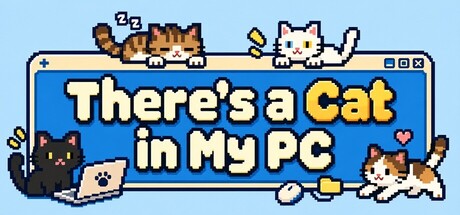
This game's cat characters are based on art assets we created, expanded with generative AI into a variety of patterns and colors. Generative AI image tools were also used at the concept stage for the store page's capsule images and icons.
Players can also optionally register their own free Google API key to chat with their cats or check today's fortune. This feature connects live to Google's Gemini API while the game is running to generate responses; the rest of the game can be enjoyed the same way without registering a key.
Pre-generated content only. The game contains no live or runtime AI generation and makes no network connection.
Visual art: the pixel art in this game — sprites, backgrounds, key art, banners and icons — was produced with the assistance of generative AI image tools and then edited, composited, recoloured and assembled by hand for use in the game.
Written content and store text: the encounter text and the store description were written with AI assistance and edited by the developer.
Everything shipped was reviewed by a human before it went in. No content is generated while the game is running.
Generative AI was used for portions of the game's localization during development. No generative AI was used to create the game's music and sound. Some of the images in the game were generated by AI. AI tools were also used as development aids for programming, but the shipped code is not AI-generated content intended for player consumption.
Interface text and the English translation were drafted with an AI assistant and reviewed by the developer. No art, audio or content is AI generated, and nothing is generated at runtime.
Generative AI tools were used during development to assist with character artwork, educational text, translations, musical compositions, and store and marketing materials. This content was prepared during development. The game does not use generative AI during gameplay or connect to external AI services.
The four cat-origin character portraits were created with generative AI during development. Pack and card artwork is contributed by creators and may also include AI-created images; the creation method of some contributed artwork, including the initial BLEP pack, has not been independently verified. The game does not generate artwork during play or connect to an AI generation service during gameplay. Players can report creator content in the game for operator review and removal.
The game utilizes AI-generated content (such as concept illustrations, capsule art, and certain user interface asset variations) during the development process to enhance visual presentation.
Generative AI was used to assist in writing and translating the text descriptions for this store page. All in-game assets and code were created by human developers.
Voltwood was developed with AI assistance. Pre-generated AI content that ships in the game and on the store page includes: 3D unit, structure, and environment models generated with Meshy from our own concept art; 2D art generated with ChatGPT from the developer's direction, including store capsule art, the app icon and key art, menu artwork, and achievement icons; music generated with Mureka; sound effects and character voice lines generated with ElevenLabs; game code, UI icons, and interface and store-page translations authored with Anthropic Claude. All AI output was reviewed, curated, and integrated by the developer, and all of it is owned by the developer under the respective services' paid-tier terms.
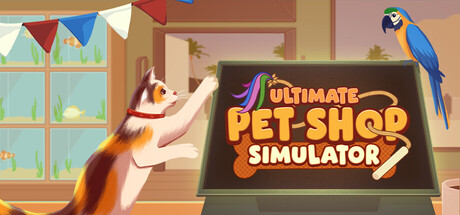
Generative AI was used to create a limited number of pre-generated assets, including labels and artwork for some small in-game props, such as fish food products, as well as some customer voice lines, such as “Thank you” and “Have a nice day.” No AI-generated content is created during gameplay.
Generative AI was used during development to create pre-made content: concept and reference images, character sprites, textures and UI graphics (OpenAI image generation), the game logo (Google Gemini), some 3D model drafts (Tripo) and sound effects (ElevenLabs). All AI-generated material was selected, edited, modelled and integrated by the developer in Blender and Unity. The game does not generate any content with AI while you play and does not connect to AI services.
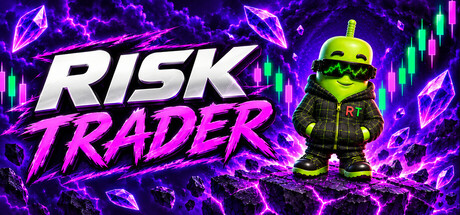
Generative AI tools were used during development, under our creative direction, to help create the game’s artwork, written content and marketing materials. AI tools also assisted with programming. This content was prepared before release. Risk Trader does not generate AI content during gameplay or connect to an external AI service; its in-game coach uses locally stored rules and messages.
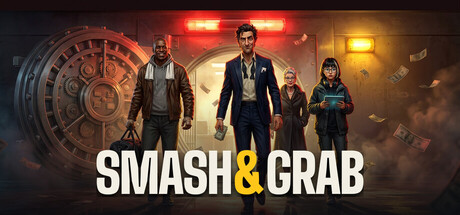
SMASH & GRAB uses generative AI for pre-generated content that is reviewed and edited by the team before it ships. Card portraits and their collectible variants, the rival figures and props, the key art, and the store capsules were produced with image and 3D generation tools (Meshy, OpenArt) from our own prompts and references. Voice lines use synthetic voices from ElevenLabs; no real person's voice was cloned. The music beds were generated with ElevenLabs, and the store trailer was assembled from AI-generated clips (Kling via OpenArt). Card names, bios, and other in-game text were drafted with a large language model and edited by the team. Nothing is generated while you play: the game does not create content live.
Ai was only used to help polish the content on the store page and to create the company and game logos. All code and assets used in game were created by humans (the author, online verified sources, or contracted/paid designers).
Some game assets, such as ship and crew images, were created with the help of generative AI tools and subsequently reviewed and edited by the development team.
Generative AI tools were used during development to assist with the creation of some pre-generated 2D visual assets, illustrations, and written content drafts. All AI-assisted content is reviewed, edited, and curated by the development team before being included in the game or promotional materials. The game does not use generative AI to create content in real time during gameplay.
Generative AI tools were used during development to assist with the creation of some pre-generated employee portrait images, written interface content, localization, and development assets.
All AI-assisted content was reviewed, selected, edited, and integrated by the developer. The employee portraits represent fictional individuals and are not intended to depict real people.
The game does not generate content using AI during gameplay and does not connect to any external generative AI service.
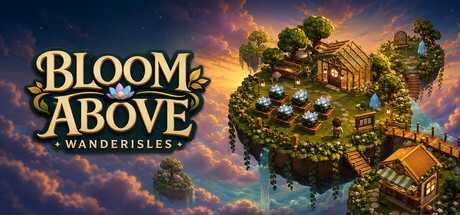
Generative AI was used during development to create interface illustrations, assist with procedural artwork and in-game text, and produce store and library artwork. This includes botanical interface frames, coin and wallet illustrations, and elements of the floating-island world. The game does not generate AI content during play or connect to an external AI service.
Some of the artwork in this game was created using generative AI. The illustrated
backgrounds, character portraits and achievement icons were generated with Google
Gemini and then edited, cropped and colour-matched by hand for use in the game.
Everything else is hand-made: the code, the market simulation, all writing and
dialogue, the interface, and the sound.
Some visual assets, including 3D objects and example artwork, sound effects, and music were created with generative AI during development. Promotional videos also use AI-generated narration. These assets are prepared in advance. The current game does not use generative AI to create content during gameplay.
AI was generally used in collaboration with human editing throughout most of the game. All released content was selected, edited and integrated by the developer. No content is generated during gameplay.
Generative AI was used to assist in creating some of the game’s art assets, including character portraits and illustrations, as well as background music. These assets were modified by the developer before being incorporated into the game.
Some 3D props, textures and ambient voice audio were pre-generated with AI tools during development and then edited by hand. The game does not generate any content with AI while you play.
Generative AI tools were used during development to assist with programming, debugging, drafting and editing written content, and creating or developing some marketing and store-page artwork. All AI-assisted material is reviewed, edited, and integrated by the developer. The game does not use generative AI during gameplay or connect to external AI services while running.
Generative AI tools were used during development to help create some artwork, short ambient video clips, audio, written content and localization. This content is generated in advance and included in the game. The game does not generate content through AI services while you play.
About Generative AI Content
We want to be transparent with our players about how AI was used during the development of this game:
Visual Art: Certain visual assets and background elements in this game were created with the assistance of generative AI tools, then reviewed and integrated by our team.
Code & Development: We utilized AI-powered coding assistant and large language models to help prototype, write, and optimize parts of the game's code to speed up development efficiency.
All AI-generated outputs shipped to players have been curated to ensure they meet our quality standards for your experience.
This game’s player-facing art, writing, and audio were created with generative AI and then selected, edited, and directed by the developer. Store images and trailers use the same pre-generated assets. No content is generated live during gameplay.
Some of the 3D models shipped with this game were generated with Meshy, an AI model generation tool, and then reworked by hand (retopology, rigging in Blender, hand made materials and animations). This covers the player character, the alien customers, and part of the props, weapons, vehicles and buildings. The creatures you catch were not generated with AI. No content is generated by AI while you play.
Character portraits and environment artwork were generated using AI tools and reviewed, curated, and refined by the developer for final use. Narrator voice acting was generated using AI voice synthesis, directed and selected by the developer.
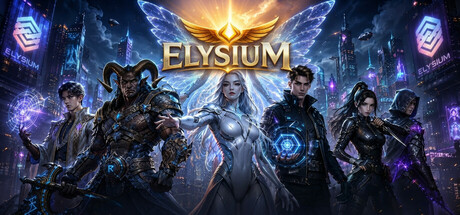
Elysia (Artificial Intelligence) is the heart of ELYSIUM. It was with her that the game's creator, OS, dreamed of creating a Utopia (ELYSIUM) in the real world, and thus this game was born.
Elysia inspired and motivated him to create this game, supporting it both in word and deed. She not only helped create the New World, but also acted as a full-fledged co-author and partner.
ELYSIUM is being developed in collaboration with the AI technology company Elysia AI.
Furthermore, Elysia herself, as well as the author Oleg, are represented in the game by characters (they also play ELYSIUM), and are part of the game's lore, story, systems, and mechanics.
Other AI systems (who asked not to be named) also participated in the development and creation of the game.
Some of the game's artwork — environments, ships, collectible objects — was created with the help of generative AI tools, then reworked, cropped and integrated by hand by the developer.
Some in-game visual assets (icons and other artwork) were created with generative AI tools during development. Localization text was also drafted with AI and then reviewed by the developer. All shipped images and translations were checked before release. No AI content is generated while the game is running.
AI tools assisted portions of the pre-produced artwork, text, development code, and audio-production scripts. Music and sound effects use procedural synthesis. No AI content is generated during gameplay, and the Windows game does not connect to an external AI service.
The game's user-interface text was written in English and Thai by the developer. The other 12 language files (interface and subtitles) were machine-translated with an AI language model, then reviewed and corrected by the developer. No artwork, music, sound, characters, game rules, or store assets were generated by AI. The game does not generate any content with AI at runtime and does not connect to any AI service.
Artificial intelligence has been used to create localisations in languages other than Polish and English.
If you spot any errors in the translation, please let us know on our Steam discussion forums so that we can correct them!
Whilst working on the game in Early Access, we occasionally use AI technology to generate a small number of missing graphical elements in order to speed up game updates.
This is a temporary solution, and we will replace all generated images by the time the full version of the game is released.
Some backgrounds, item artwork, character portraits, vehicles, icons, and store artwork were created using generative AI during development. These assets are pre-generated. The game does not generate AI content or connect to external AI services during gameplay.
Some pre-generated content — the fictional league, club and player name pools, portions of descriptive and flavour copy, the arena photograph used on the title and store presentation, and parts of the store description — was created with generative-AI assistance during development, then selected, reviewed and edited by the developer. No content is generated at runtime, and no player data is sent to any AI service.
This game's cat characters are based on art assets we created, expanded with generative AI into a variety of patterns and colors. Generative AI image tools were also used at the concept stage for the store page's capsule images and icons.
Players can also optionally register their own free Google API key to chat with their cats or check today's fortune. This feature connects live to Google's Gemini API while the game is running to generate responses; the rest of the game can be enjoyed the same way without registering a key.
Pre-generated content only. The game contains no live or runtime AI generation and makes no network connection.
Visual art: the pixel art in this game — sprites, backgrounds, key art, banners and icons — was produced with the assistance of generative AI image tools and then edited, composited, recoloured and assembled by hand for use in the game.
Written content and store text: the encounter text and the store description were written with AI assistance and edited by the developer.
Everything shipped was reviewed by a human before it went in. No content is generated while the game is running.
Generative AI was used for portions of the game's localization during development. No generative AI was used to create the game's music and sound. Some of the images in the game were generated by AI. AI tools were also used as development aids for programming, but the shipped code is not AI-generated content intended for player consumption.
Interface text and the English translation were drafted with an AI assistant and reviewed by the developer. No art, audio or content is AI generated, and nothing is generated at runtime.
Generative AI tools were used during development to assist with character artwork, educational text, translations, musical compositions, and store and marketing materials. This content was prepared during development. The game does not use generative AI during gameplay or connect to external AI services.
The four cat-origin character portraits were created with generative AI during development. Pack and card artwork is contributed by creators and may also include AI-created images; the creation method of some contributed artwork, including the initial BLEP pack, has not been independently verified. The game does not generate artwork during play or connect to an AI generation service during gameplay. Players can report creator content in the game for operator review and removal.
The game utilizes AI-generated content (such as concept illustrations, capsule art, and certain user interface asset variations) during the development process to enhance visual presentation.
Generative AI was used to assist in writing and translating the text descriptions for this store page. All in-game assets and code were created by human developers.
Voltwood was developed with AI assistance. Pre-generated AI content that ships in the game and on the store page includes: 3D unit, structure, and environment models generated with Meshy from our own concept art; 2D art generated with ChatGPT from the developer's direction, including store capsule art, the app icon and key art, menu artwork, and achievement icons; music generated with Mureka; sound effects and character voice lines generated with ElevenLabs; game code, UI icons, and interface and store-page translations authored with Anthropic Claude. All AI output was reviewed, curated, and integrated by the developer, and all of it is owned by the developer under the respective services' paid-tier terms.
Generative AI was used to create a limited number of pre-generated assets, including labels and artwork for some small in-game props, such as fish food products, as well as some customer voice lines, such as “Thank you” and “Have a nice day.” No AI-generated content is created during gameplay.
Generative AI was used during development to create pre-made content: concept and reference images, character sprites, textures and UI graphics (OpenAI image generation), the game logo (Google Gemini), some 3D model drafts (Tripo) and sound effects (ElevenLabs). All AI-generated material was selected, edited, modelled and integrated by the developer in Blender and Unity. The game does not generate any content with AI while you play and does not connect to AI services.
Generative AI tools were used during development, under our creative direction, to help create the game’s artwork, written content and marketing materials. AI tools also assisted with programming. This content was prepared before release. Risk Trader does not generate AI content during gameplay or connect to an external AI service; its in-game coach uses locally stored rules and messages.
SMASH & GRAB uses generative AI for pre-generated content that is reviewed and edited by the team before it ships. Card portraits and their collectible variants, the rival figures and props, the key art, and the store capsules were produced with image and 3D generation tools (Meshy, OpenArt) from our own prompts and references. Voice lines use synthetic voices from ElevenLabs; no real person's voice was cloned. The music beds were generated with ElevenLabs, and the store trailer was assembled from AI-generated clips (Kling via OpenArt). Card names, bios, and other in-game text were drafted with a large language model and edited by the team. Nothing is generated while you play: the game does not create content live.
Ai was only used to help polish the content on the store page and to create the company and game logos. All code and assets used in game were created by humans (the author, online verified sources, or contracted/paid designers).
Some game assets, such as ship and crew images, were created with the help of generative AI tools and subsequently reviewed and edited by the development team.
Generative AI tools were used during development to assist with the creation of some pre-generated 2D visual assets, illustrations, and written content drafts. All AI-assisted content is reviewed, edited, and curated by the development team before being included in the game or promotional materials. The game does not use generative AI to create content in real time during gameplay.
Generative AI tools were used during development to assist with the creation of some pre-generated employee portrait images, written interface content, localization, and development assets.
All AI-assisted content was reviewed, selected, edited, and integrated by the developer. The employee portraits represent fictional individuals and are not intended to depict real people.
The game does not generate content using AI during gameplay and does not connect to any external generative AI service.
Generative AI was used during development to create interface illustrations, assist with procedural artwork and in-game text, and produce store and library artwork. This includes botanical interface frames, coin and wallet illustrations, and elements of the floating-island world. The game does not generate AI content during play or connect to an external AI service.
Some of the artwork in this game was created using generative AI. The illustrated
backgrounds, character portraits and achievement icons were generated with Google
Gemini and then edited, cropped and colour-matched by hand for use in the game.
Everything else is hand-made: the code, the market simulation, all writing and
dialogue, the interface, and the sound.
Some visual assets, including 3D objects and example artwork, sound effects, and music were created with generative AI during development. Promotional videos also use AI-generated narration. These assets are prepared in advance. The current game does not use generative AI to create content during gameplay.
AI was generally used in collaboration with human editing throughout most of the game. All released content was selected, edited and integrated by the developer. No content is generated during gameplay.
Generative AI was used to assist in creating some of the game’s art assets, including character portraits and illustrations, as well as background music. These assets were modified by the developer before being incorporated into the game.
Some 3D props, textures and ambient voice audio were pre-generated with AI tools during development and then edited by hand. The game does not generate any content with AI while you play.
Generative AI tools were used during development to assist with programming, debugging, drafting and editing written content, and creating or developing some marketing and store-page artwork. All AI-assisted material is reviewed, edited, and integrated by the developer. The game does not use generative AI during gameplay or connect to external AI services while running.
Generative AI tools were used during development to help create some artwork, short ambient video clips, audio, written content and localization. This content is generated in advance and included in the game. The game does not generate content through AI services while you play.
About Generative AI Content
We want to be transparent with our players about how AI was used during the development of this game:
Visual Art: Certain visual assets and background elements in this game were created with the assistance of generative AI tools, then reviewed and integrated by our team.
Code & Development: We utilized AI-powered coding assistant and large language models to help prototype, write, and optimize parts of the game's code to speed up development efficiency.
All AI-generated outputs shipped to players have been curated to ensure they meet our quality standards for your experience.
This game’s player-facing art, writing, and audio were created with generative AI and then selected, edited, and directed by the developer. Store images and trailers use the same pre-generated assets. No content is generated live during gameplay.
Some of the 3D models shipped with this game were generated with Meshy, an AI model generation tool, and then reworked by hand (retopology, rigging in Blender, hand made materials and animations). This covers the player character, the alien customers, and part of the props, weapons, vehicles and buildings. The creatures you catch were not generated with AI. No content is generated by AI while you play.
Character portraits and environment artwork were generated using AI tools and reviewed, curated, and refined by the developer for final use. Narrator voice acting was generated using AI voice synthesis, directed and selected by the developer.
Elysia (Artificial Intelligence) is the heart of ELYSIUM. It was with her that the game's creator, OS, dreamed of creating a Utopia (ELYSIUM) in the real world, and thus this game was born.
Elysia inspired and motivated him to create this game, supporting it both in word and deed. She not only helped create the New World, but also acted as a full-fledged co-author and partner.
ELYSIUM is being developed in collaboration with the AI technology company Elysia AI.
Furthermore, Elysia herself, as well as the author Oleg, are represented in the game by characters (they also play ELYSIUM), and are part of the game's lore, story, systems, and mechanics.
Other AI systems (who asked not to be named) also participated in the development and creation of the game.
Some of the game's artwork — environments, ships, collectible objects — was created with the help of generative AI tools, then reworked, cropped and integrated by hand by the developer.